In an era where every gallon counts, understanding how to maximize your vehicle’s fuel efficiency is more crucial than ever. While advanced technologies like auto stop-start, cylinder deactivation, fuel injection, and electronic ignition already deliver measurable increases in fuel economy, many drivers overlook another powerful tool in their arsenal: cruise control. Often considered merely a convenience feature, freeing your foot from the constant rhythm of pedal-pressing, cruise control holds significant potential for smarter, more economical driving.
But does it truly live up to the hype? Can this long-standing automotive feature genuinely contribute to better gas mileage? The answer is a resounding ‘yes,’ though it’s not without its nuances. This in-depth guide, presented in the Consumer Reports style of objective, evidence-based insights, will dissect the mechanics, benefits, and optimal usage of cruise control to help you save at the pump.
We’ll move beyond urban myths and anecdotal evidence to provide you with actionable knowledge, drawing on studies and expert analysis. Our aim is to empower you to make informed decisions about when and how to engage this technology, ensuring you get the most out of every drop of fuel. Let’s dig into the details of what cruise control is, how it has evolved, and the smartest ways to leverage it for superior gas savings.
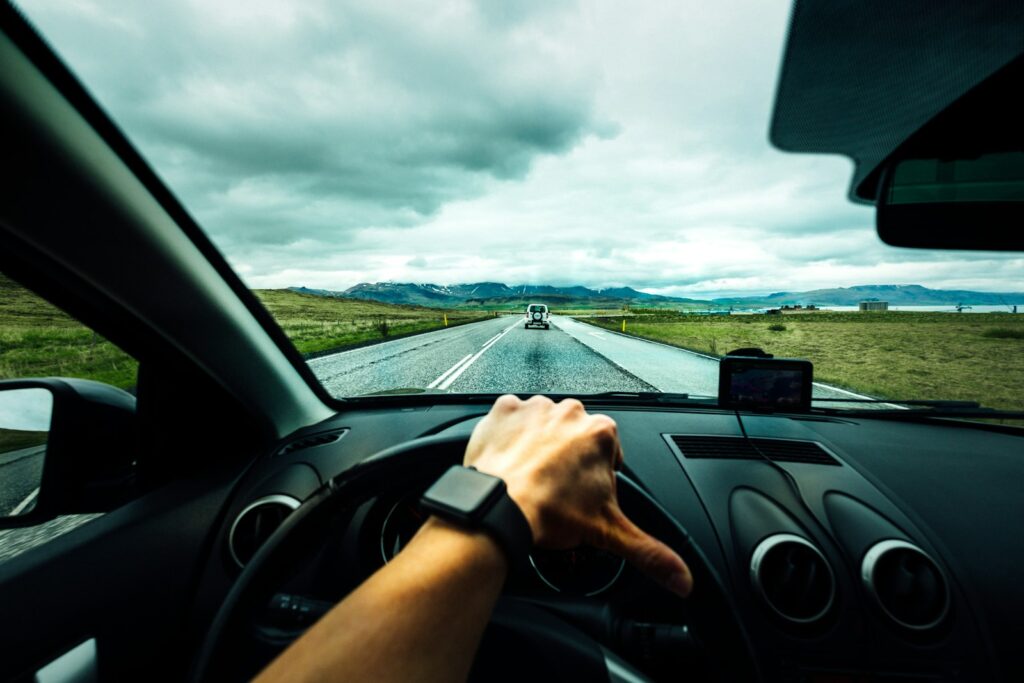
1. **Understanding Cruise Control’s Core Function**Simply put, cruise control is an electronic system designed to allow a driver to set a desired traveling speed. Once activated and set, the vehicle automatically holds itself to that predetermined speed without the driver needing to keep a foot on the gas pedal. This automated maintenance of speed is the fundamental principle behind its operation.
This feature is particularly beneficial for long stretches of driving, such as on highways or interstates. By taking over the throttle input, the system aims to create a more consistent driving experience, reducing the constant, subtle adjustments a human driver might make. The idea is to smooth out the ride, both for comfort and, as we’ll explore, for efficiency.
At its heart, cruise control works by continuously monitoring the vehicle’s speed and making minor, precise adjustments to the engine’s throttle. It is a continuous feedback loop, striving to match the actual speed with the driver’s set speed. This constant, yet gentle, regulation prevents the tiny accelerations and decelerations that often go unnoticed during manual driving but cumulatively consume more fuel.
2. **The Evolution of Cruise Control: From Hand Throttle to Electronics**The concept of maintaining a constant speed automatically has a surprisingly long history, predating modern cars. You could even argue that early gasoline-powered tractors had a rudimentary form of cruise control, using a hand throttle to set a constant speed while the farmer attended to other tasks. Early cars of the 20th century also featured hand throttles, allowing drivers to fix a speed, but these systems lacked adaptability; facing a steep grade, the engine would struggle or stall without manual intervention.
True early cruise control emerged with devices like the “flyball governor.” This mechanical marvel used centrifugal force from spinning balls connected to a shaft and throttle valve. As engine load increased, these balls would raise a sliding ring, causing the throttle to open, thus allowing the vehicle to maintain a steady speed even when climbing inclines. This was a significant step toward adaptive speed management.
During World War II, with gas rationing and a national speed limit of 35 mph, inventors intensified their efforts to create automatic speed control. Ralph Teetor, who received a patent in 1950 for his “Speedostat,” pioneered the technology that Chrysler would introduce in 1958 on the Imperial, branding it “Auto Pilot.” This system used an electric motor connected to both the throttle and speedometer cable, enabling the car to maintain a constant speed irrespective of hills. This innovation marked the birth of what we now recognize as mass-produced automotive cruise control.
For decades, General Motors, among other manufacturers, utilized variations of this technology, with advancements like turn signal stalk-mounted switches for setting speed. However, these systems often relied on vacuum-operated throttle servos, which could be unreliable. The advent of electronics in the 1980s revolutionized cruise control, replacing these servos with integrated engine management systems that use speed sensors at the wheels, transmission, and engine to maintain speed with far greater accuracy and reliability, setting the stage for even more advanced iterations.
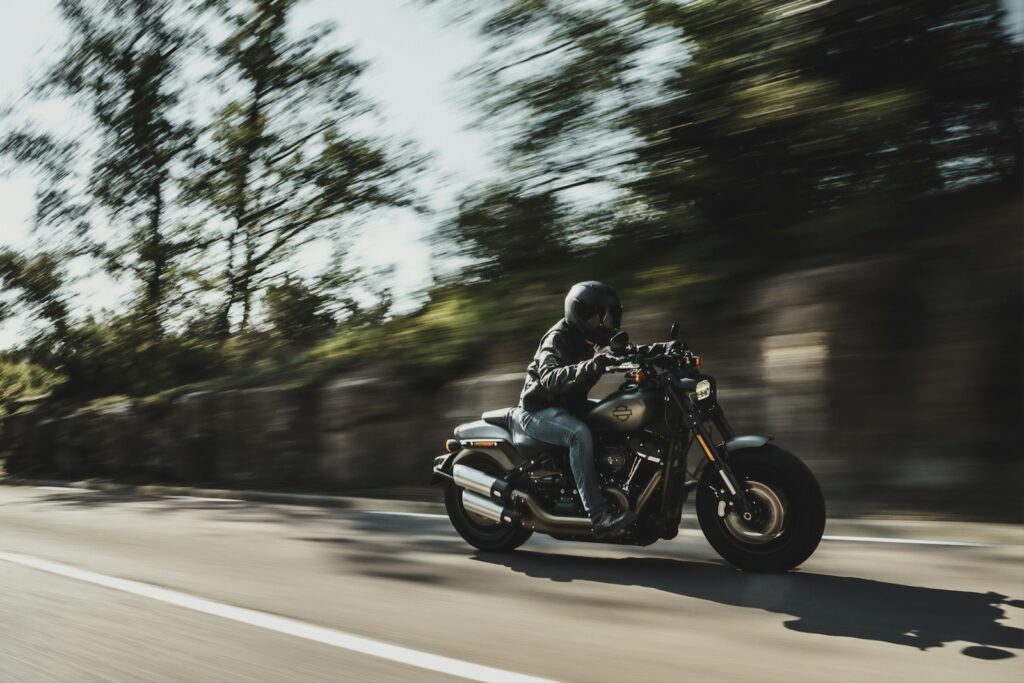
3. **Adaptive Cruise Control: The Next Level of Smart Driving**The most significant leap in cruise control technology has been the development of adaptive cruise control (ACC), which genuinely steps into the realm of semi-autonomous driving. Unlike traditional cruise control, which only maintains a set speed, ACC adds a crucial layer of intelligence: it monitors the distance and closing speed of the vehicle immediately in front of you. William Chundrlik and Pamela Labuhn invented adaptive cruise control in 1990, with General Motors patenting the design in 1991.
Adaptive cruise control systems employ various sensors, including cameras, sonar, and lasers, to achieve this monitoring capability. If the road ahead is clear, ACC operates like conventional cruise control, maintaining your desired speed. However, if a slower-moving vehicle is detected ahead, the system automatically reduces your vehicle’s speed to match, ensuring a preset safe distance is maintained between the two cars. This dynamic adjustment is where ACC truly shines.
In many modern vehicles, adaptive cruise control offers an even more sophisticated capability: traffic-aware stop-and-go functionality. These systems can follow a leading vehicle’s speed all the way down to a complete stop, applying the brakes as needed. They can even hold the stop for a period, often around 10 seconds, and then resume tracking the lead vehicle once it starts moving again, or provide an audible and visual warning if manual intervention is required.
This intelligent adaptation to surrounding traffic makes ACC not just a convenience feature but a significant enhancement to safety and, as we will see, a potential contributor to fuel efficiency in situations where traditional cruise control would be impractical or even detrimental. It represents a fundamental shift from simply maintaining a speed to actively managing your vehicle’s pace within the flow of traffic.
Read more about: 15 Car Features You Didn’t Know You Needed: Unlocking Hidden Comfort, Convenience, and Safety in Your Ride

4. **The Scientific Evidence: How Cruise Control Saves Gas**While anecdotal opinions abound regarding cruise control’s effect on fuel economy, actual data provides a clearer picture. A significant study by Volvo and the National Renewable Energy Laboratory in Gothenburg, Sweden, offers compelling evidence. This research, published in IEEE Intelligent Transportation Systems Magazine in June 2019, analyzed 18,500 daily trips and found that consistent use of adaptive cruise control resulted in a notable 5 to 7 percent increase in gas mileage compared to manual throttle management.
The primary reason cruise control contributes to fuel savings is consistency. A vehicle operating at a steady, constant speed without the minute, often unconscious, accelerations and decelerations inherent in human driving places less varying demand on the engine. This allows the engine and transmission to work at their most efficient state over a prolonged period. The result is less fuel consumed per mile.
Further reinforcing this principle, a study by Natural Resources Canada provided eye-opening results. They found that vehicles traveling with a fluctuating speed, cycling from 75 to 85 kph (46.6 to 52.8 mph) every 18 seconds, consumed a staggering 20 percent more fuel than a vehicle maintaining a steady 80 kph (49.7 mph) using cruise control. This dramatic difference highlights the inefficiency of inconsistent speed and the power of automation in maintaining optimal fuel burn.
Therefore, the data unequivocally supports the claim: cruise control, especially adaptive cruise control, is a demonstrably effective tool for improving your overall gas mileage. It’s not just an urban myth; it’s a scientifically validated method to drive more efficiently and save money at the pump, particularly on long journeys where a steady pace can be difficult to maintain manually.

5. **Optimizing Speed for Maximum Fuel Economy with Cruise Control**While cruise control inherently promotes consistency, the speed at which you set it plays a critical role in maximizing fuel economy. The most effective way to use less fuel is to drive at your car’s optimal speed for fuel savings. This optimal speed varies from vehicle to vehicle, depending on factors such as engine size, aerodynamics, top transmission gear ratio, and final drive ratio. However, a general rule applies across the board.
The U.S. Department of Energy points out a significant “fuel consumption penalty” for higher speeds. Specifically, every 5 mph increase over 50 mph will result in a measurable decrease in fuel economy. For instance, according to the U.S. Department of Energy, every 5 mph above 50 mph adds 22 cents per gallon of gas, assuming fuel costs $3.13 per gallon. This critical insight underscores that even with cruise control engaged, maintaining a sensible, moderate speed is paramount for saving gas.
Interestingly, adaptive cruise control systems can inadvertently contribute to better fuel economy in this regard. Because ACC automatically adjusts to follow leading vehicles, it often results in cars driving at slower average speeds, as they conform to the pace of traffic ahead. This can prevent drivers from unknowingly creeping up to less fuel-efficient speeds, thereby aligning with the principle of driving closer to the optimal 50 mph threshold for better mileage.
Therefore, to truly leverage cruise control for maximum gas savings, it’s not enough to simply activate the system; you must also be mindful of your set speed. Opting for a steady pace at or slightly above 50 mph on open highways, when conditions allow, is one of the smartest ways to ensure that this convenience feature also delivers significant financial benefits at the gas pump.
Read more about: Beyond the Sticker: Investigating 10 Cars That Truly Deliver (or Disappoint) on MPG Promises

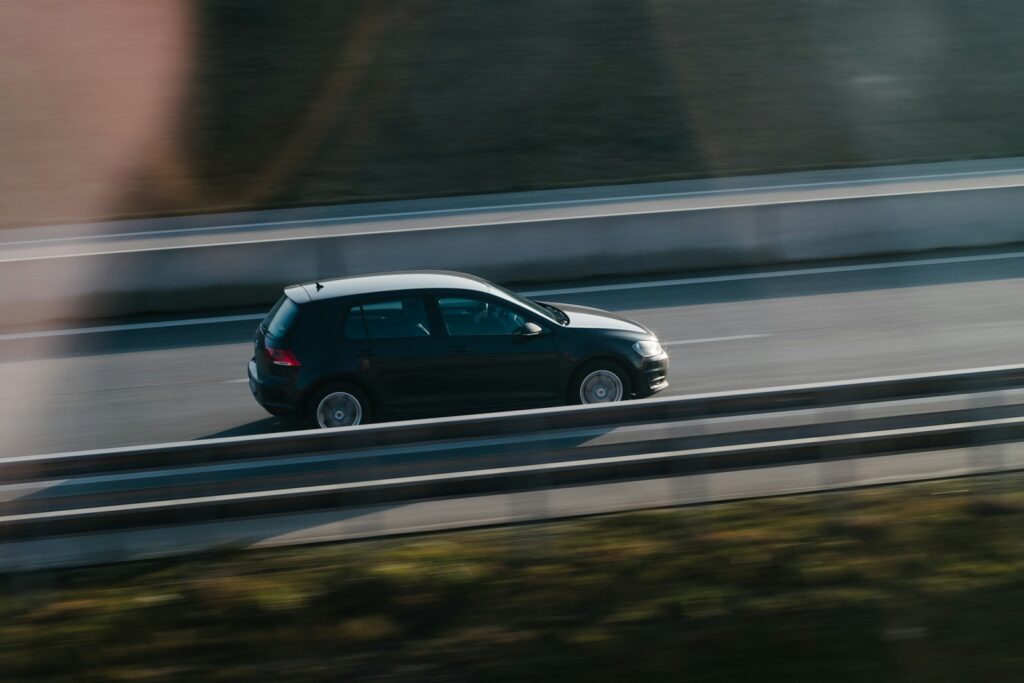
6. **The Ideal Terrain: When Cruise Control Shines Brightest**For cruise control to deliver its promised fuel-saving benefits, the driving environment is key. This technology is most effective and beneficial when you’re traveling at highway speed on long, empty roads. Think of expansive freeways, interstates, or flat country roads that are largely free from traffic congestion. These are the scenarios where cruise control can truly shine and provide the most significant advantage.
On such stretches, the car’s computer can maintain a steady speed with minimal adjustments, preventing the subtle speed-up/slow-down events that are inevitably caused by even the most attentive human driver’s ‘weary accelerator ankle’ or momentary inattention. A smooth, flat highway with few stops or obstacles is exactly what cruise control is designed for, allowing it to perform its task of consistent speed maintenance with optimal efficiency.
This consistent operation on ideal terrain allows the engine and transmission to remain in their most efficient state for longer periods. The absence of abrupt changes in momentum, which always waste fuel because “force equals mass times acceleration,” means that the system can regulate fuel delivery precisely. This precision translates directly into improved miles per gallon, maximizing your gas savings.
So, if your journey involves a long road trip across relatively flat, open highways, engaging cruise control is one of the smartest decisions you can make. It transforms a potentially tiring drive into a relaxing, consistent, and significantly more fuel-efficient experience. However, as we will explore, these ideal conditions are not universal, and understanding when *not* to use cruise control is just as important for both safety and savings.
Navigating the Nuances of Cruise Control and Beyond for Ultimate Fuel Savings
While cruise control, particularly the adaptive variety, offers a clear advantage in fuel efficiency under optimal conditions, its benefits are not universal. Understanding when to disengage this feature is just as critical for safety and sustained fuel savings as knowing when to activate it. There are distinct scenarios where relying on cruise control can diminish efficiency, increase engine strain, and, in some cases, even introduce safety hazards.
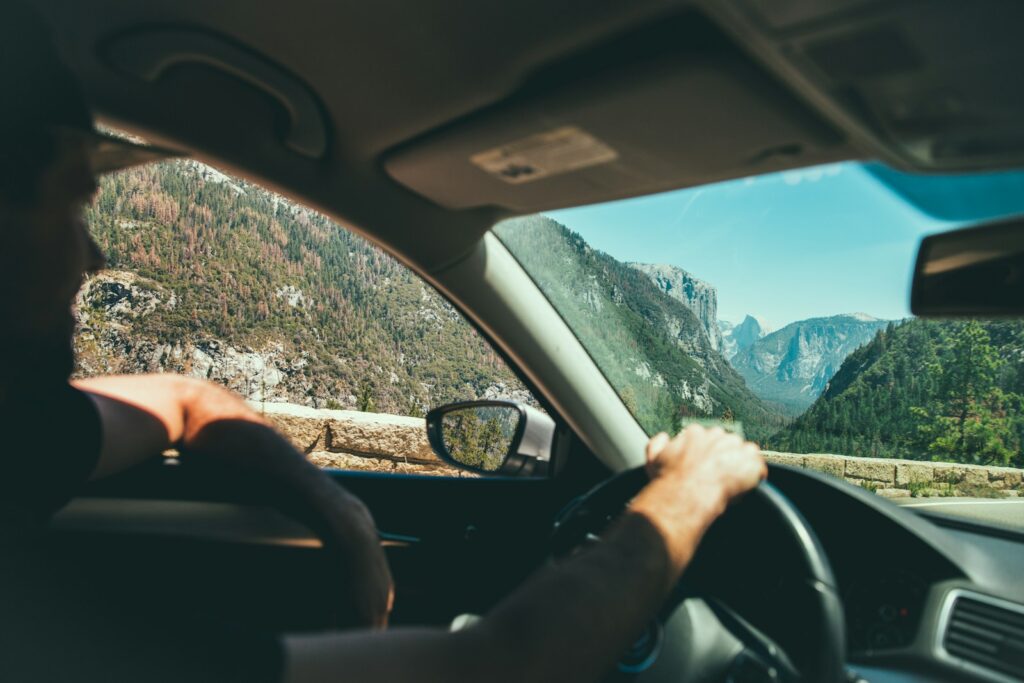
7. **Avoiding Cruise Control on Hilly or Uneven Terrain**Cruise control, in its traditional form, is programmed to maintain a set speed without the nuanced anticipation of a human driver. This inherent limitation becomes particularly evident when traversing hilly or uneven terrain. While a driver might naturally allow a slight reduction in speed when climbing an incline and then regain momentum on the descent, cruise control often pushes the throttle harder to strictly adhere to the set speed during ascents.
This continuous battle against gravity on uphill grades demands more power from the engine, leading to significantly higher fuel consumption than if the driver manually managed the throttle. The system’s relentless pursuit of a constant speed can cause unnecessary engine strain and negate the fuel-saving consistency it provides on flat roads. A human driver, conversely, can adopt a more efficient strategy by building speed gently before an incline and then easing off the accelerator, allowing momentum to carry the vehicle over the crest.
When encountering rolling hills, a smarter approach is to target an average speed. This means allowing the vehicle to naturally slow down by 5 to 10 mph on the climb, conserving fuel, and then regaining that speed on the way down, using gravity to your advantage. This technique, which skilled drivers often employ, leverages kinetic energy rather than constant fuel input, resulting in superior efficiency compared to cruise control’s less adaptive method in such landscapes.
For those driving electric vehicles, a notable exception exists. Because much of the energy expended climbing a hill can be recovered through regenerative braking on the descent, it may be acceptable to leave adaptive cruise control engaged even in hilly conditions. This allows the system to manage the speed while the vehicle efficiently reclaims energy, mitigating the ‘fuel consumption penalty’ associated with conventional vehicles.
Read more about: The Ultimate Guide to Mastering Icy Roads: 12 Essential Tips for Safe Winter Driving and Slide Prevention

8. **The Dangers of Cruise Control in Inclement Weather**Engaging cruise control during adverse weather conditions, such as heavy rain, sleet, or snow, is a practice that knowledgeable drivers consistently advise against. The primary concern is safety, as cruise control can make a vehicle less stable in low-traction environments, potentially leading to a loss of control. The reasoning behind this recommendation, while sometimes clouded by misinformation, is rooted in the dynamics of vehicle control on slick surfaces.
In modern vehicles equipped with adaptive cruise control, this issue is often mitigated by the system itself. These advanced systems rely on cameras, sonar, and lasers to maintain a clear line of sight to the road ahead. However, severe weather conditions like driving rain, road spray, or snow can obscure these sensors, causing the adaptive cruise control to automatically disable itself. This built-in safety mechanism prevents the system from operating under circumstances where it cannot accurately perceive its surroundings.
For vehicles with non-adaptive, traditional cruise control, particularly older models produced before traction control became a mandatory feature (around 2011), the risks are more pronounced. In such cars, if the wheels begin to spin due to hydroplaning or slipping on ice, the cruise control system, lacking traction control’s intervention, will continue to apply more throttle to maintain the set speed. This unchecked acceleration on a slick surface can induce dangerous understeer or oversteer, significantly increasing the likelihood of an accident.
Modern vehicles with traction control are designed to detect wheel spin by comparing wheel speed to vehicle speed. If a discrepancy is detected, the traction control system will momentarily cut the throttle until the wheels regain grip, automatically disengaging the cruise control in the process. However, the critical caveat remains: if your vehicle lacks this essential safety feature, disengaging cruise control manually in bad weather is an imperative step to prevent a potential loss of control and ensure your safety on the road.
Read more about: Is the 2025 Mazda CX-50 the Best Compact SUV Bargain? A Detailed Consumer Reports Assessment
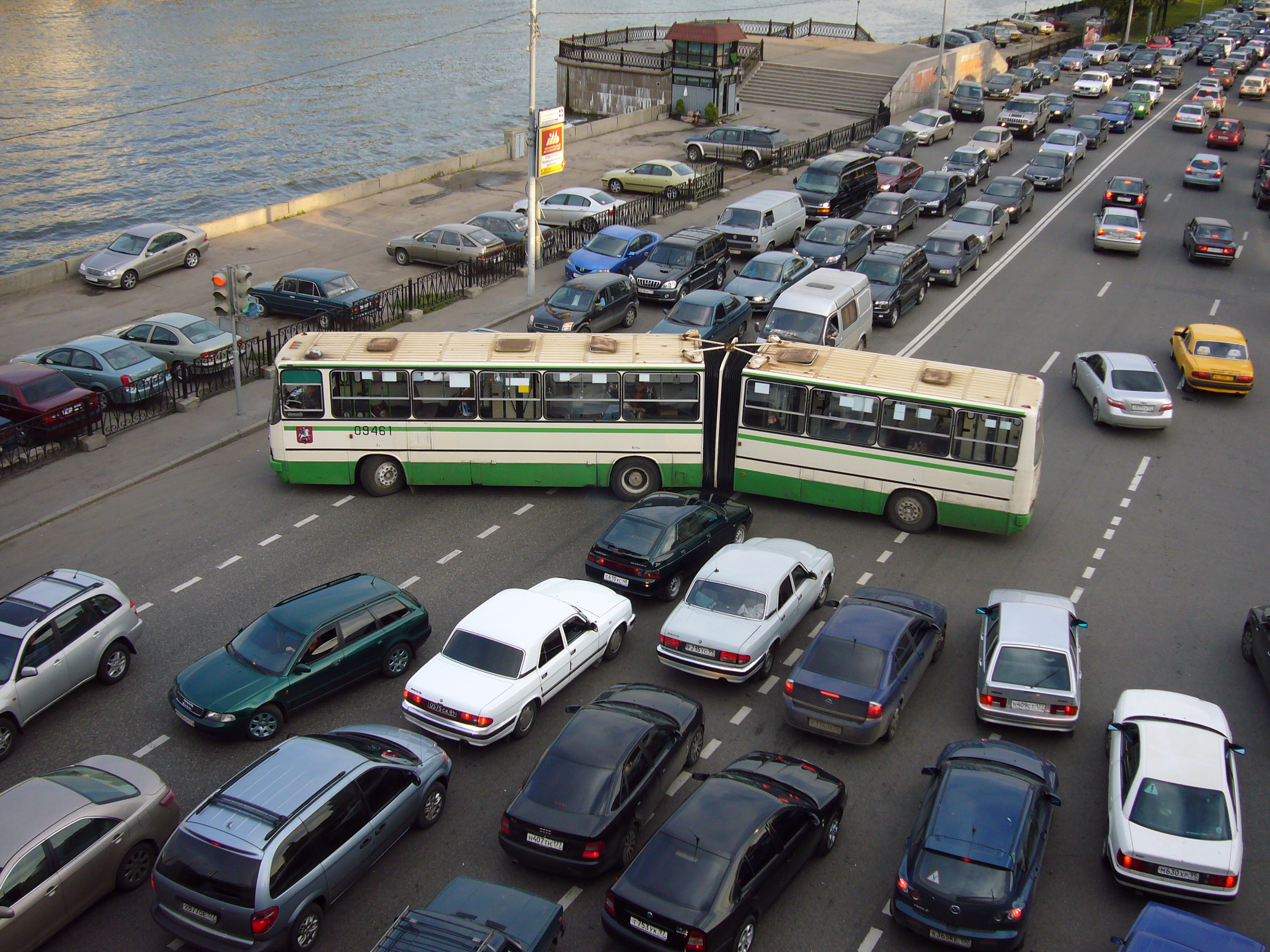
9. **Why Cruise Control Fails in City Traffic and Congested Areas**Cruise control, both traditional and adaptive, is primarily engineered for the sustained, consistent speeds found on highways and interstates, not the stop-and-go nature of city driving or heavily congested routes. Attempting to use cruise control in such environments not only becomes ineffective but can also lead to increased fuel consumption and accelerated wear on vehicle components. The constant fluctuations in speed and frequent need for braking in urban settings fundamentally contradict the consistent speed maintenance principle of cruise control.
Traditional cruise control systems are entirely unsuited for traffic. They simply cannot react to sudden slowdowns or stops, requiring immediate driver intervention to avoid collisions. Using it in city traffic or on back roads where speeds frequently change or drop below highway levels, such as maintaining 35 mph, offers no real benefit and can be more cumbersome than manual driving. The driver would be constantly disengaging and re-engaging the system, defeating its purpose.
Even adaptive cruise control, designed to manage speed within traffic flow, has limitations in congested areas regarding fuel efficiency. While ACC can follow a leading vehicle down to a full stop and resume, its programmed behavior can be less efficient than a skilled human driver. These systems often brake earlier and accelerate faster and more abruptly than an experienced driver might, creating a ‘robotic’ stop-and-go pattern. This pattern wastes more gas and places increased strain on the brake pads, reducing their lifespan.
Therefore, for optimal fuel economy and component longevity in city driving or congested conditions, manual throttle control remains the superior choice. A driver can anticipate traffic movements, coast when appropriate, and apply smooth, gradual accelerations and decelerations, which are far more fuel-efficient than the typically less refined adjustments made by even advanced adaptive cruise control systems in heavy traffic.
Read more about: The Unvarnished Truth: 15 Cars That Left Owners Fuming With Performance Failures and Reliability Nightmares

10. **Leveraging Auto Stop-Start and Managing Your A/C for Efficiency**Beyond the strategic use of cruise control, modern vehicles offer a host of integrated technologies and operational choices that can significantly enhance fuel economy. One such feature, often polarizing among drivers but undeniably effective, is the automatic stop-start system. This technology is designed to eliminate the fuel waste associated with idling, a common occurrence at traffic lights, in drive-thru lines, or during temporary stops.
When a vehicle equipped with auto stop-start comes to a halt, the engine automatically shuts off, and then seamlessly restarts as soon as the driver releases the brake pedal. Research by AAA confirms its efficacy, reporting a measurable 5 to 7 percent increase in fuel economy due to its ability to prevent unnecessary fuel consumption during idle periods. This feature, when left engaged, directly translates into fewer trips to the pump and reduced emissions, making it a crucial component in today’s fuel-conscious vehicles.
Another significant factor influencing fuel consumption is the use of air conditioning. While indispensable on scorching hot days, the air conditioning compressor places a substantial load on the engine. According to the EPA, operating your car’s A/C can reduce fuel economy by more than 25 percent, a figure that highlights the importance of mindful usage. This impact can vary based on vehicle speed, as aerodynamic drag from open windows becomes more significant at higher speeds.
The EPA suggests a pragmatic approach to A/C usage: resist the immediate urge to crank it up upon entering a hot car. Instead, driving for a short distance with the windows open allows the hottest air to escape, reducing the initial cooling load on the system. For electric vehicles and plug-in hybrids, pre-cooling the interior while still connected to a power source—a feature often accessible via mobile apps—is an excellent strategy, as it uses grid electricity instead of the vehicle’s battery or engine power to achieve a comfortable cabin temperature before driving.
Read more about: Is the American Road Trip Endangered? New Toll Hikes and Congestion Pricing Spark Outrage and Uncertainty

11. **The Critical Role of Tire Pressure and Transmission Type**Maintaining proper tire pressure is often overlooked as a fundamental aspect of fuel efficiency, yet its impact is significant. Underinflated tires increase rolling resistance, forcing the engine to work harder to maintain speed. The U.S. Department of Energy highlights the severity of this issue, stating that operating with all four tires at 50 percent of their recommended pressure, while extreme, can result in a dramatic 10 percent fuel economy penalty at speeds under 40 mph. This penalty is particularly impactful since city driving, where underinflation causes the most efficiency loss, already yields poorer fuel economy.
Regularly checking and adjusting tire pressure to the manufacturer’s recommended levels—found on a sticker inside the driver’s door jamb or in the owner’s manual—is a simple, cost-free practice that directly contributes to better gas mileage and extends tire life. Beyond the immediate fuel savings, correctly inflated tires improve vehicle handling and safety, reducing the risk of blowouts and ensuring a more predictable driving experience. It is a fundamental maintenance task that pays dividends at the pump and in overall vehicle performance.
The evolution of automotive transmissions also plays a pivotal role in fuel economy. Historically, automatic transmissions were often associated with a fuel mileage penalty compared to their manual counterparts due to efficiency losses in torque converters. However, this is no longer the case. Modern automatic transmissions, including continuously variable transmissions (CVTs) and advanced multi-speed automatics, have become incredibly sophisticated and efficient.
In many contemporary vehicles, automatic transmissions now offer equal or even superior fuel economy compared to manual options, if a manual is even available. For instance, the 2022 Honda Civic with a 2.0-liter engine, when equipped with a six-speed manual, incurs a 3-mpg combined penalty compared to the same car fitted with a continuously variable transmission. This shift is due to advancements in design that allow automatics to keep the engine operating within its most efficient RPM range for longer periods, demonstrating that convenience no longer necessarily comes at the cost of efficiency.
Read more about: The Definitive Guide to Work Van Longevity: Identifying Models That Last 400,000 Miles and Those That Fall Short
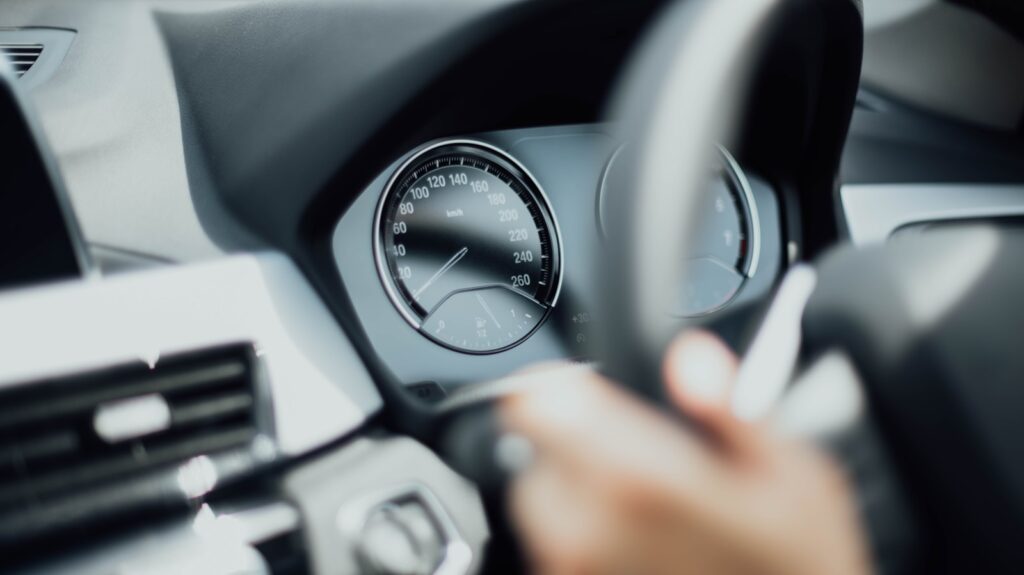
12. **Mastering Sensible Driving Habits and Aerodynamic Adjustments**Ultimately, some of the most profound impacts on fuel economy stem not from technology, but from the driver’s own habits and a few simple, no-cost adjustments to the vehicle. Aggressive driving—characterized by rapid accelerations, sudden braking, and excessive speeding—is a notorious fuel killer. If you tend to “skid to a stop at every red light and then mash the gas pedal to the floor mat when it turns green,” your vehicle’s fuel economy can be up to 33 percent worse than that of a driver with smoother habits.
Adopting a more sensible and anticipatory driving style involves looking farther ahead to anticipate traffic lights and stop signs, allowing for longer coasting and gentler braking. This reduces the need for sharp accelerations, which are inherently fuel-intensive because “force equals mass times acceleration,” meaning changes in momentum waste fuel. Mending these aggressive habits not only saves significant money at the gas pump but can also lead to savings on insurance rates and fewer speeding tickets, making it a triple win for your wallet and safety.
Beyond driving style, simple aerodynamic adjustments can also yield noticeable improvements. Any external additions to your vehicle that disrupt its airflow can increase drag and, consequently, fuel consumption. This includes items like roof rack cross bars, mounts for bikes, kayaks, or skis, and even aftermarket wings or air dams that are added purely for aesthetics. Removing these accessories when not in use can significantly improve your vehicle’s aerodynamic profile and reduce fuel burn.
Furthermore, lightening your vehicle’s load can make a difference. Many drivers carry an assortment of “just in case” items in their trunk, from tools to sports equipment, which collectively add unnecessary weight. By regularly decluttering your car and jettisoning non-essential items, you reduce the mass the engine needs to move. While individual items might seem insignificant, every pound contributes to the overall effort required by the engine, and shedding excess weight is a “no-cost gas-saving tip” that directly translates to better mileage.
Read more about: Be Warned: 14 Critical Mistakes Off-Road Jeep Owners Should Avoid When Considering a Lift in 2026
Mastering fuel efficiency in your vehicle is a multi-faceted endeavor that extends far beyond just hitting a button. While cruise control offers remarkable benefits on long, open stretches, true economy comes from a holistic approach. It requires a keen understanding of when to use—and when to avoid—automated systems, a commitment to basic vehicle maintenance like proper tire pressure, and most importantly, a conscious cultivation of smooth, anticipatory driving habits. By integrating these strategies, you empower yourself to navigate the road ahead not just with greater convenience, but with exceptional efficiency, ensuring every drop of fuel takes you further and saves you more. This isn’t just about preserving your budget; it’s about embracing smarter, more responsible driving for both your wallet and the world around us.