It’s a little mind-blowing how much money we, as drivers, inadvertently waste on fuel each year. Many of us are simply unaware of how truly straightforward it is to significantly improve our car’s gas mileage, often by implementing simple adjustments to our daily routines and driving habits. The good news is that these aren’t complex mechanical overhauls, but rather practical, actionable steps that anyone can take, often with immediate benefits.
Indeed, actions as basic as ensuring your tires are properly inflated or removing unnecessary drag-inducing accessories from your vehicle can each, individually, add a mile or two to every gallon you consume. When these minor, yet impactful, tweaks are combined with broader proper vehicle maintenance, such as lightening your load by removing excess cargo and consistently using the correct octane gas, the cumulative effect can transform into substantial savings at the fuel pump. It’s a collection of small changes that genuinely adds up to big results.
This comprehensive guide has been meticulously put together, not just from our own observations, but also incorporating invaluable insights from six leading automotive experts. We’re here to empower you with tangible advice, offering solutions you can readily implement yourself to enhance your vehicle’s performance and your wallet’s well-being. Let’s delve into the first set of strategies that promise to put more miles between you and your next fill-up, starting with a fundamental shift in how you interact with the accelerator.
1. **Ditch Your Lead Foot**
One of the most direct and universally effective ways to improve your vehicle’s fuel economy is to moderate your acceleration. The more aggressively you push down on the throttle, the harder your engine has to work, and consequently, the more fuel it demands. While this might seem like a commonly known fact, the real-world numbers provided by experts truly underscore just how impactful this adjustment can be, delivering a clear message to, as one might say, “drive the point home.”
Consider the direct relationship between speed and aerodynamic drag on your vehicle. Increasing your speed from 55 to 65 miles per hour, for example, results in a significant 36 percent increase in drag. This heightened resistance means your engine must exert considerably more effort to maintain that higher speed, directly translating to a noticeable dip in your car’s fuel efficiency. It’s a compelling piece of data that highlights the hidden cost of a heavy foot on the highway.
Chris “Moose” Pyle, an automotive expert with JustAnswer, further illustrates this point with a practical scenario. Driving a stretch of 100 miles at 70 mph takes approximately 1 hour and 25 minutes. However, completing the exact same distance at a slightly reduced speed of 65 mph extends your travel time by a mere seven minutes. The financial implications of this minor time adjustment are quite remarkable when it comes to fuel consumption.
If your car achieves 20 miles per gallon (mpg) at 70 mph, but improves to 25 mpg when traveling at 60 mph, and assuming gas costs $5 a gallon, that seemingly insignificant seven-minute extension in travel time results in a substantial $5 saved. This isn’t just a hypothetical figure; it’s a tangible demonstration of how a slight modification in driving speed can directly impact your fuel expenditure. The savings become even more impressive when viewed over time.
Pyle humorously, but accurately, sums up the economic benefit of this habit: “That comes out to be like $42 an hour, so driving slower is a good-paying job.” This perspective reframes slower, more deliberate driving not as an inconvenience, but as a practical and well-compensated strategy for financial prudence. By embracing a lighter touch on the accelerator, drivers can actively invest in their own savings, one gallon at a time.
Read more about: Unseen Architects: 14 Vital Collaborators Every Director Works With to Forge Cinematic Magic
2. **Cut the Cruise Control on Hills**
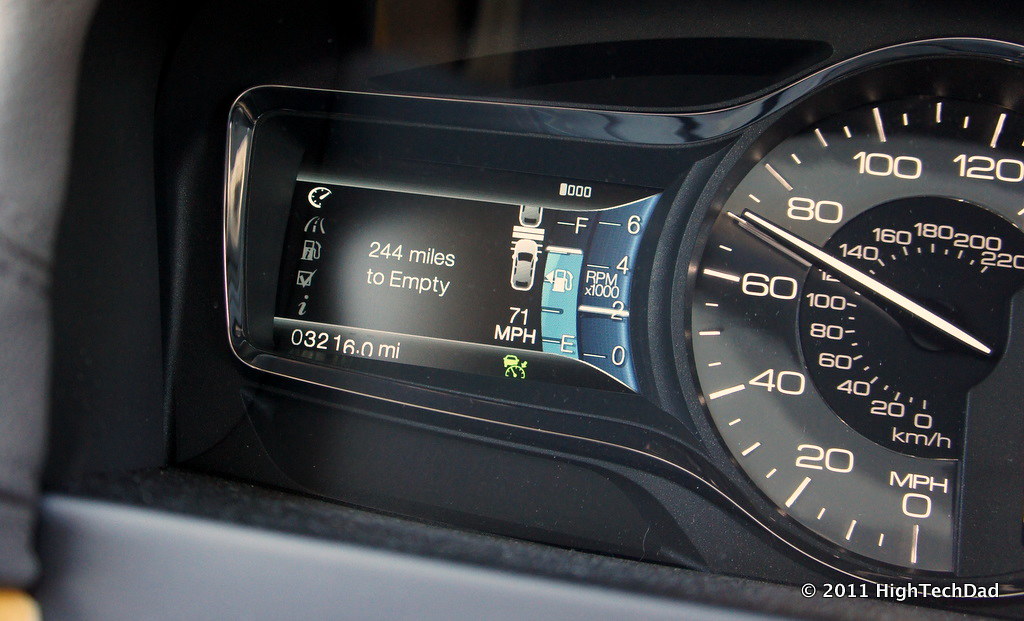
While cruise control is a remarkably useful feature for maintaining a consistent speed on flat terrain and can indeed contribute to smoother driving and improved gas mileage, its application needs careful consideration, especially in hilly environments. Many drivers unknowingly negate potential fuel savings by relying on cruise control when encountering inclines, missing an opportunity for greater efficiency.
The core issue, as explained by expert Chris “Moose” Pyle, lies in the car’s fundamental programming: “The car does not know if you are going uphill— it only knows you want to do X speed, so it will apply more and more throttle to maintain that speed.” This automated, single-minded pursuit of a set speed means the system will aggressively increase fuel delivery to overcome the resistance of an incline, often using more gas than a human driver might in the same situation.
When you approach a hill, your car’s cruise control system will respond by adding excessive throttle to ensure it doesn’t deviate from the preset speed. This can lead to a surge in fuel consumption as the engine strains to maintain momentum against gravity. A more efficient approach involves disengaging cruise control and allowing for a slight, controlled decrease in speed as you ascend the hill.
Pyle suggests that “controlling the throttle by foot and losing five mph on the uphill will result in saving a few ounces of fuel per hill.” These seemingly small, incremental savings, when applied across numerous hills on a regular commute or a long road trip, can accumulate into noticeable reductions in your overall fuel bill. It’s a simple, manual adjustment that empowers you to override the car’s less efficient automated response, placing you firmly in control of your fuel economy.
Read more about: Exclusive Look: Inside the Billion-Dollar Bunker Boom for the Ultra-Rich (and the Celebs Who Are Ready for Anything!)
3. **Drive Smoothly**
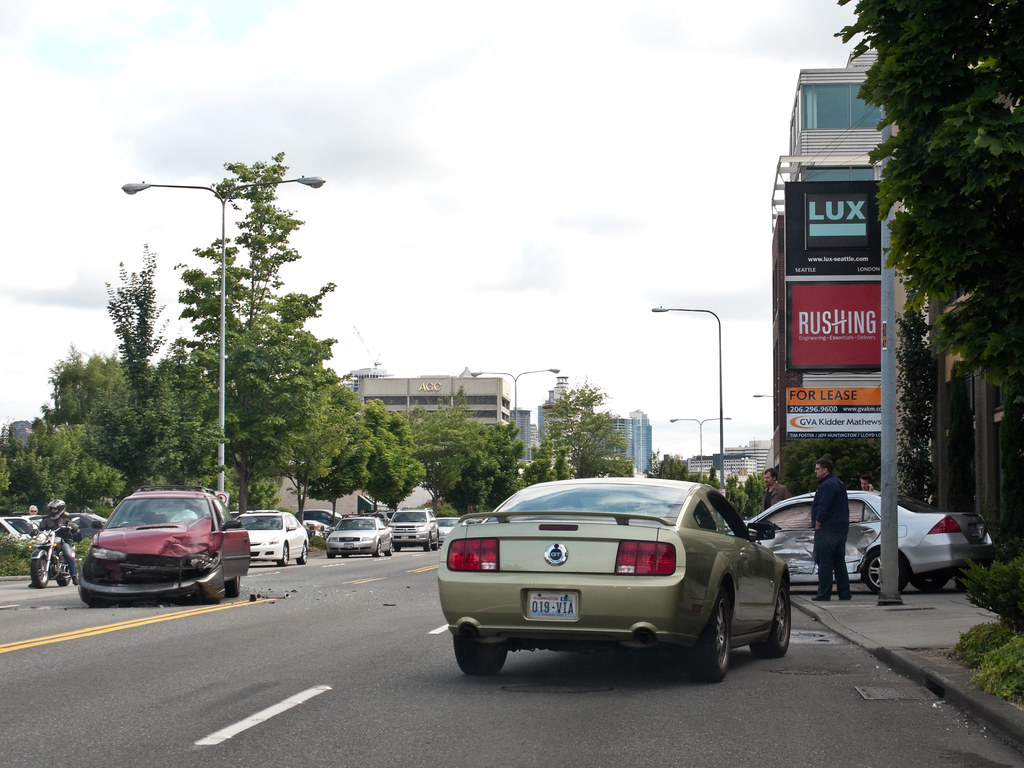
Beyond simply avoiding a “lead foot,” cultivating a smooth and consistent driving style is paramount to achieving optimal gas mileage. Jerky or aggressive driving, characterized by sudden accelerations and abrupt braking, forces your engine to work significantly harder than necessary. This erratic operation is a guaranteed way to diminish your fuel efficiency, turning your journey into a costly exercise in stop-and-go energy waste.
Brandon Hartman, founder of RV Heating Warehouse, underscores the multifaceted negative impacts of such driving habits. He points out that aggressive driving isn’t just a drain on your fuel tank; it also exacts a heavy toll on your vehicle’s components. Frequent, hard braking, for instance, significantly “eats up your breaks,” leading to premature wear and the need for costly replacements. Moreover, the constant stress of rapid acceleration and deceleration “can harm your engine” over the long term, potentially leading to more extensive maintenance issues down the road.
The secret to maximizing your car’s efficiency lies in maintaining a steady pace and anticipating traffic conditions. This proactive approach minimizes the need for sudden inputs, allowing your engine to operate within its most efficient ranges. It’s about flowing with traffic rather than fighting it, creating a more relaxed and economical driving experience for both you and your vehicle.
Hartman’s advice is clear and concise: “Making sure you’re driving as smoothly as you can goes a long way in helping save on gas.” This simple commitment to consistency can yield substantial dividends in fuel savings. Furthermore, he explicitly warns against the detrimental effect of flooring the pedal, stating that hard acceleration specifically “will cost you another 20 percent in gas mileage,” a significant reduction that most drivers would surely wish to avoid.
Ultimately, a smooth driving technique is a practical demonstration of being in tune with your vehicle and the road. It’s a foundational principle of fuel efficiency that not only reduces your visits to the gas station but also contributes to the longevity and overall health of your car. By adopting a calmer, more controlled approach behind the wheel, you’re embracing an intelligent strategy for both immediate and long-term financial benefits, all while making your daily commute more pleasant and less stressful.
Read more about: Unleashing Automotive Legends: 14 Iconic 1970s Cars Now Commanding Millions in the Collector’s Market

4. **Practice Predictive Driving**
As we navigate the concrete jungle, often the most overlooked yet potent tool in our fuel-saving arsenal is our foresight. The simple act of looking a few steps ahead, particularly when cruising along the highway, can dramatically influence your car’s fuel consumption. This isn’t about clairvoyance, but about smart, proactive observation to anticipate the dynamic flow of traffic and any potential obstacles well before they become an immediate concern.
Frank Bisciotti, editor-in-chief at RealTruck, champions this consistent cruising method. He notes that by observing what’s ahead – whether it’s a slower-moving vehicle merging into your lane or a gradual slowdown up ahead – you can avoid those sudden, unnecessary braking and acceleration cycles that are notorious for guzzling fuel. It’s about maintaining momentum, letting your car glide rather than constantly forcing it to speed up and slow down, which significantly reduces the energy demands on your engine.
This kind of mindful driving isn’t just about personal fuel economy; it also extends its benefits to the broader community. Bisciotti astutely points out that such consistent cruising “helps maintain smoother traffic flow on the roadway, which is a kind example to set for all other motorists using it.” So, by adopting predictive driving, you’re not only saving money at the pump but also contributing to a more harmonious and efficient flow of traffic for everyone on the road. It’s a win-win situation, enhancing your journey while being considerate of others.
Read more about: Beyond Self-Parking: Unveiling 12 Transformative Futuristic Car Features That Will Revolutionize City Driving
5. **Do Not Over-Rev**
For those who embrace the tactile control of a manual transmission, there’s a specific skill that translates directly into remarkable fuel efficiency: mastering the art of gear shifting. It’s not just about getting into the next gear; it’s about doing it at the optimal engine revolutions per minute (RPMs). As Ralph Robert, an expert writer for the Way.com app, sagely advises, understanding when to shift gears effectively is paramount, as shifting too early or too late places undue strain on the engine, inevitably leading to increased fuel usage.
When your engine is forced to operate outside its ideal RPM range, whether it’s struggling in a gear too high or screaming in one too low, it has to work significantly harder to deliver the necessary power. Higher RPMs, in particular, mean your engine is burning through fuel at a much faster rate, translating directly into poorer gas mileage. Robert explains that this efficiency sweet spot is easily identified, often by simply tuning into your vehicle’s auditory cues.
“You can listen to the car’s engine to know when to shift,” he offers as a practical tip. Beyond an auditory check, your dashboard provides an invaluable visual aid: the RPM meter. He clarifies, “You are over-revving your engine if your car redlines on the RPM meter or the engine strains to move forward.” These indicators are clear signals that your driving style is not only costing you fuel but potentially causing unnecessary wear and tear on your engine components.
Furthermore, when you’re out on the open highway, aiming for the uppermost gear available in your transmission is a golden rule for enhanced fuel efficiency. Robert emphasizes, “When you are driving in a higher gear, your engine revs will be the lowest per minute and thereby eliminate massive gas consumption.” This allows your engine to hum along effortlessly, minimizing internal friction and maximizing every drop of fuel, ensuring sustained savings over long distances and contributing to a smoother, quieter ride.
Read more about: Mastering the Stick Shift: Advanced Tips for Driving a Manual Car Like a Pro
6. **Avoid Excessive Idling**
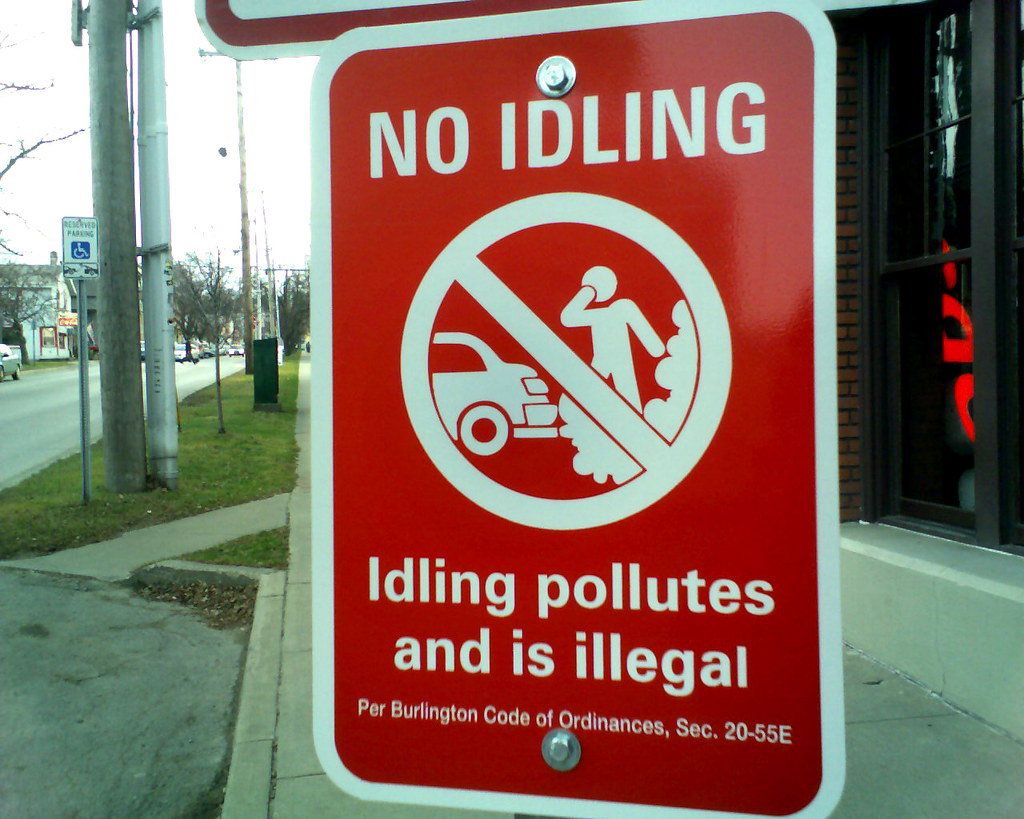
It’s a scenario we all encounter: sitting in a stationary car, engine running, perhaps waiting for a friend, stuck in a drive-thru line, or pausing at an extended traffic light. This seemingly innocuous act, known as idling, is a silent drain on your fuel tank, and surprisingly, it can accumulate into significant waste over time. While the engine is running, it’s still consuming fuel without actually moving you anywhere, essentially burning cash for no forward progress.
Many modern vehicles are equipped with start-stop technology precisely to combat this inefficiency, automatically shutting off the engine when stationary and restarting when the accelerator is pressed. However, even without this feature, drivers can make a conscious effort to minimize idling. Each minute your engine runs needlessly contributes to unnecessary emissions and, more importantly for your wallet, a direct depletion of your fuel supply, without any productive output in terms of travel.
Think about those moments where you might be tempted to keep the engine running for comfort, perhaps for air conditioning or heating. If you anticipate being stationary for more than 30 seconds, turning off your engine is generally more fuel-efficient than letting it idle. While frequent starting can cause minor wear, the fuel savings from eliminating prolonged idling often outweigh this concern, especially with modern ignition systems designed for reliability.
Embracing this habit—simply switching off the engine when you’re going to be stopped for a moment—is a simple yet powerful adjustment. It reinforces the article’s core message that “a collection of little tweaks adds up to big savings at the pump.” By consciously reducing those minutes of unproductive engine activity, you’re actively contributing to a leaner, more economical driving habit that benefits both your budget and the environment, proving that sometimes, doing nothing (with the engine) is the most effective action.
Read more about: The Mileage Mystery: Decoding Oil Consumption Across 9 Key Engine Types for Savvy Car Owners
7. **Optimize Your Vehicle’s Setup: Tires and Cargo**
Beyond the driving techniques discussed, the physical configuration and maintenance of your vehicle play an equally crucial role in achieving optimal gas mileage. It’s not just how you drive, but how your car is set up before you even turn the key. The cumulative effect of minor, yet impactful, tweaks in this area can lead to substantial savings, reinforcing the idea that simple actions can have a profound financial impact.
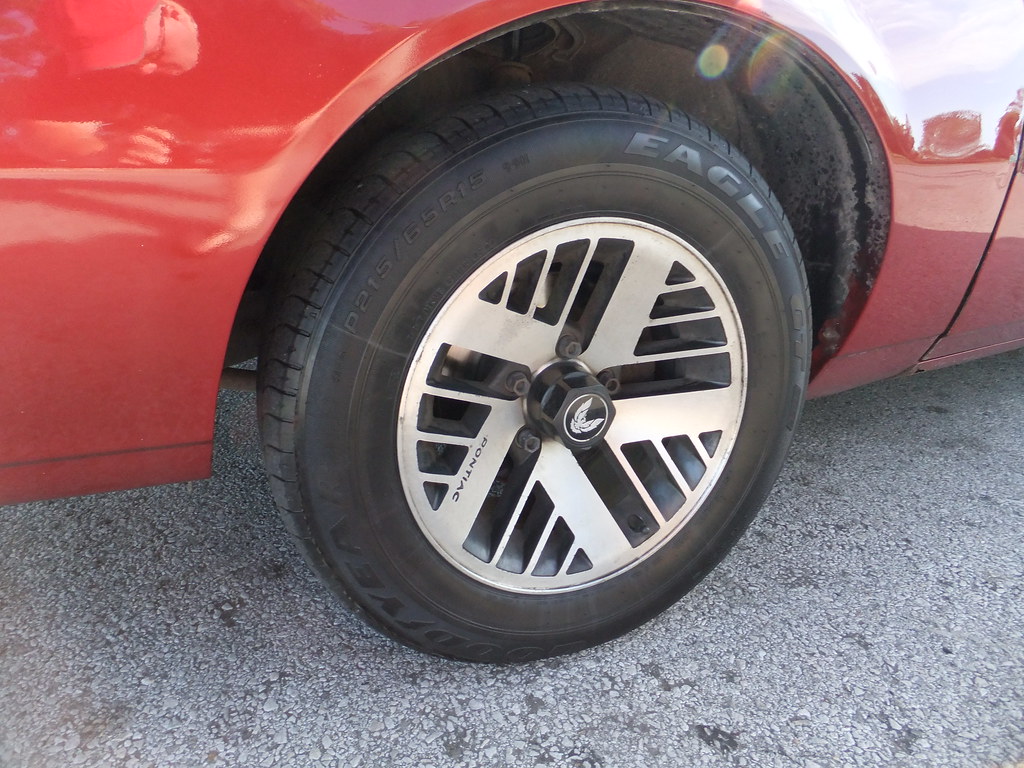
Consider, for instance, the foundational role of your tires. As the initial introductory remarks highlight, “Actions as simple as properly inflating tires… can each add a mile or two to the gallon.” Under-inflated tires create increased rolling resistance, forcing your engine to work considerably harder to propel the vehicle forward. This unnecessary exertion directly translates to higher fuel consumption. Regularly checking and maintaining your tire pressure to the manufacturer’s specifications is a quick, free, and incredibly effective way to ensure your car isn’t silently draining your wallet.
Equally significant is the weight your vehicle carries. Think about what’s residing in your trunk or back seats. The general principle is simple: the heavier your car, the more fuel it needs to move. The comprehensive guide’s introductory text points towards this by mentioning “removing excess cargo.” Many drivers inadvertently carry around unnecessary items—sports equipment, tools, or forgotten purchases—that add cumulative weight, forcing the engine to burn more fuel with every mile. A quick declutter can lighten your load and, consequently, your fuel bill.
Furthermore, external accessories can be stealthy culprits for reduced MPG. The initial advice explicitly mentions “taking off the bike rack” as a way to add a mile or two to every gallon. Items like roof racks, cargo carriers, or even decorative spoilers, while sometimes practical or aesthetically pleasing, disrupt the vehicle’s aerodynamics, especially at highway speeds. This increased drag means your engine has to overcome more resistance, demanding more power and thus more fuel, to maintain speed.
Ultimately, optimizing your vehicle’s physical setup by ensuring proper tire inflation and judiciously managing both internal cargo and external accessories is an integral part of “proper vehicle maintenance.” These are not complex mechanical overhauls, but rather practical, actionable steps that, when combined, transform into genuine and “big savings at the fuel pump.” By treating your car’s configuration with the same care as your driving habits, you unlock another significant layer of fuel efficiency.
And there you have it – a treasure trove of expert-backed strategies that go beyond just a quick fix. From cultivating a zen-like predictive driving style to meticulously managing your car’s physical presence, these methods offer a holistic approach to maximizing your vehicle’s fuel economy. It’s about empowering you, the driver, with knowledge that translates directly into tangible savings, mile after economical mile. So, take these insights, apply them to your daily drives, and watch as your car becomes not just a means of transport, but a finely tuned instrument of efficiency and financial savvy. Happy driving, and here’s to many more miles between fill-ups!