For many of us, as we gracefully journey into our 50s, 60s, and beyond, our bodies begin to tell a different story than they once did. Perhaps those morning rides are now accompanied by a twinge in the knees, or a prolonged hunch over the handlebars leaves your back feeling a bit stiffer than you remember. It’s a natural part of life, and it’s a reality that sometimes makes us wonder if our cherished cycling days are numbered.
But let me assure you, that couldn’t be further from the truth! This isn’t a sign to hang up your helmet; instead, it’s an invitation to rediscover the joy of cycling with a fresh perspective. Across the globe, older riders are proving that life on two wheels can remain an incredibly enjoyable and invigorating experience, whether you’re cruising on roads, exploring scenic trails, or navigating bike paths. The key isn’t necessarily a brand-new, expensive bike. It’s about making a few thoughtful, often simple, adjustments and upgrades to your existing gear that can make a monumental difference in your comfort, fitness, and confidence.
It’s absolutely natural to notice shifts in your body as you age. Our flexibility might not be what it once was, our tolerance for extreme weather can wane, and those epic rides we once tackled might require a bit more stamina than before. Many of us also begin to prioritize a more relaxed, upright riding posture, enabling us to soak in the views and enjoy conversations with friends without straining our necks or shoulders. And you know what? That is perfectly okay! Plenty of older cyclists don’t look or ride exactly as they did when they were 30, and there’s no reason at all for that to diminish the sheer pleasure of riding. These suggestions are born from years of working in bike shops, assisting at major cycling events, and, most importantly, from the inspiring stories of countless older riders—some in their 50s, others well into their 80s—who have embraced these strategies to keep their wheels spinning joyfully through retirement and beyond. Let’s delve into the gear and adjustments that truly change everything.
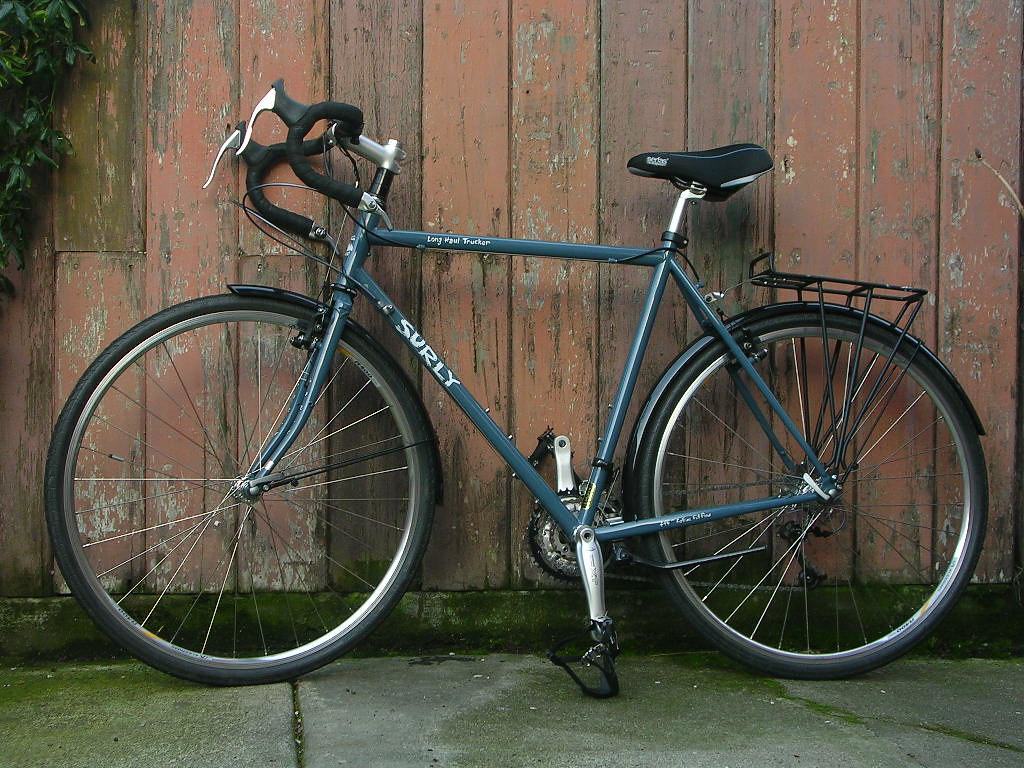
1. **Start With a Bike Fit**Ever caught yourself saying, “I can’t ride as far as I used to—I guess I’m just getting old”? While age certainly brings changes, often the true culprit behind discomfort or reduced endurance isn’t your birth certificate, but rather a bike fit that’s significantly out of alignment. Even the most minor adjustments—a millimeter on saddle height, a subtle shift in tilt, or a slight tweak to its fore-aft positioning—can dramatically alleviate stress on your knees, hips, and lower back. The same principle applies to the length of your stem or the height of your handlebars; getting these elements dialed in can transform your ride.
This is where a professional bike fit becomes an invaluable asset. Many local bike shops pride themselves on offering in-house fit services, staffed by experts who understand the intricate relationship between rider and machine. A skilled fitter will often utilize specialized tools like adjustable stems, sophisticated laser alignment devices, or even pressure mapping systems to precisely measure how you’re sitting and interacting with your bicycle. Through this detailed analysis, they can pinpoint subtle issues you might never have noticed yourself, such as a saddle positioned too far forward or cranks that are simply too long for your specific leg length, leading to inefficient pedaling and discomfort.
For those with more significant considerations, such as serious mobility challenges, lingering old injuries, or very specific ergonomic requirements, a more comprehensive bike fit session might be the ideal ticket. Some fit specialists go even further, delving into the nuances of your pedal stroke, conducting thorough flexibility tests, and recommending custom footbeds or insoles to optimize your connection with the bike. These deeper assessments ensure that every aspect of your riding posture and movement is addressed, creating a truly bespoke setup.
Considering a professional bike fit is a modest investment, but one that truly pays dividends every single time you head out for a ride. When you proactively address the source of pain or inefficiency—your bike fit—you often find that you can comfortably continue riding the bike you already own, negating the need for more expensive, speculative fixes or even a new bicycle. It’s about making your existing equipment work optimally for *you*, allowing you to focus on the pure joy of the journey.
Read more about: Mastering the Motorcycle Shift: A Deep Dive into Clutch Mechanics, Techniques, and 12 Common Gear-Shifting Problems Solved
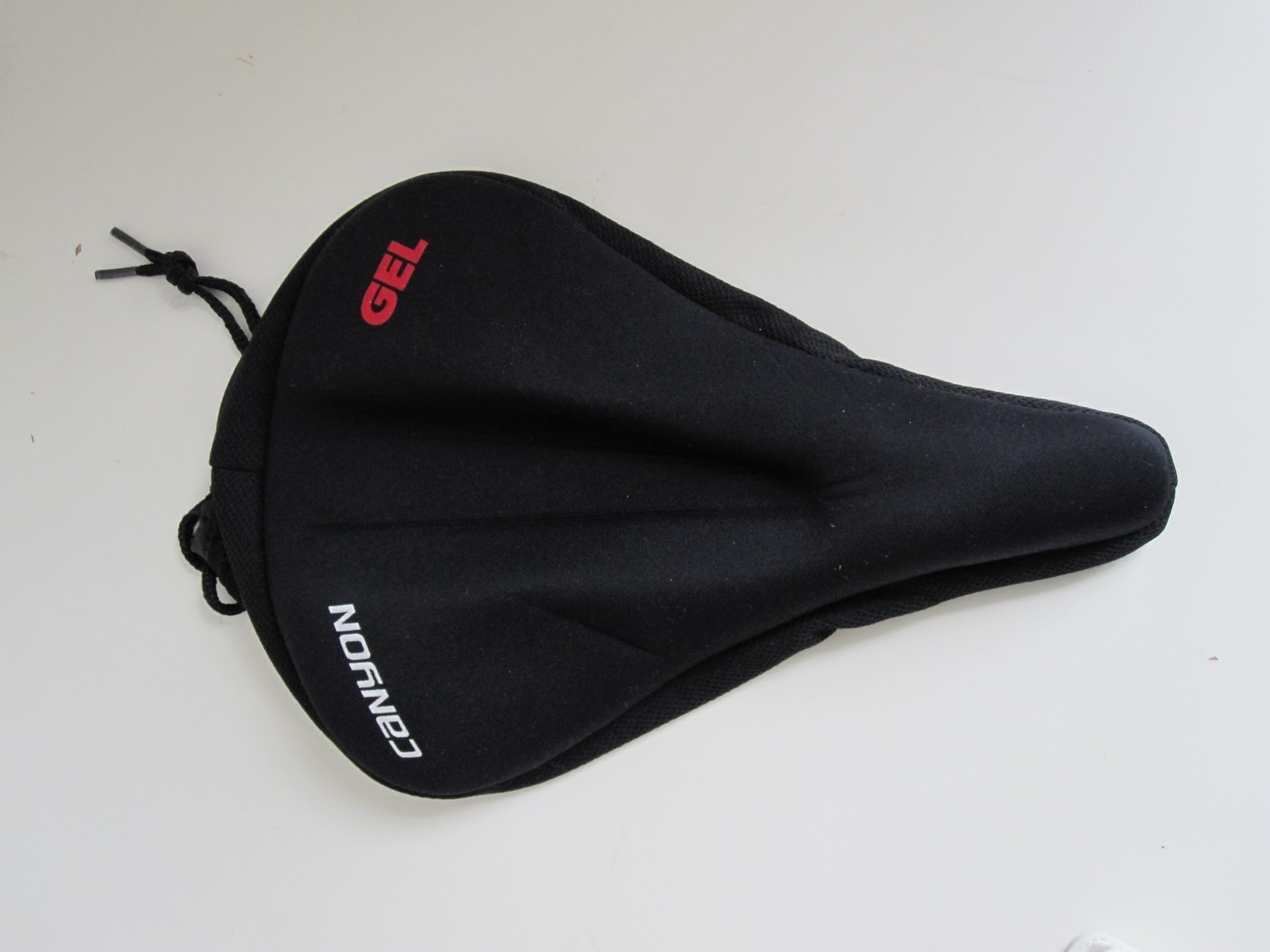
2. **Discovering the Right Saddle (and Shorts)**There’s perhaps no single piece of gear more crucial to sustained riding comfort than your saddle. Saddle discomfort has an uncanny ability to ruin an otherwise perfect ride faster than almost anything else, often leaving you dreading the next outing. Our anatomy inevitably changes over time, and that trusty seat you loved in your 40s might simply not feel right in your 60s. If you’re experiencing persistent soreness, numbness, or a general sense of unease that you attribute to “saddle pain,” it’s a strong signal that you could greatly benefit from exploring a new model.
The world of bicycle saddles is incredibly diverse, offering a vast array of shapes, widths, and cushioning levels, each designed to accommodate different anatomies and riding styles. Some models feature extensive cutouts designed to relieve pressure on sensitive areas, while others incorporate extra padding at specific contact points to maximize support. A fantastic resource for discovering what works for you are bike shops that offer saddle demo programs. This means you can often borrow different models to test them out on actual rides, allowing you to find the perfect match before committing to a purchase.
Before you immediately rush to invest in a brand-new seat, it’s always wise to ensure that your current saddle isn’t simply poorly angled. Even a subtle, extreme tilt—either nose-up or nose-down—can create significant pressure points and discomfort that a different saddle might not fully resolve. A quick adjustment to achieve a more level, neutral position can sometimes miraculously fix the issue, offering a surprising amount of relief with zero cost. It’s a simple, yet often overlooked, step that can dramatically improve your riding experience.
Beyond the saddle itself, don’t underestimate the critical role played by the padding in your cycling shorts, known as the chamois. Over years of use and countless washes, that chamois can become compressed and lose its effectiveness, while the elasticity in the fabric of the shorts themselves can break down. If you’ve been relying on the same beloved pair for many seasons, it’s highly likely that those shorts are simply past their prime and no longer providing the support you need. Modern chamois designs often incorporate multi-density foam and advanced anatomical shaping, which can provide superior pressure relief and breathability compared to older styles.
Often, the most effective solution for enduring saddle comfort is a powerful combination: a moderately padded saddle that perfectly suits your individual anatomy paired with a fresh, high-quality pair of bib shorts featuring an updated chamois. This dual approach addresses comfort from both ends, creating a harmonious interface between you and your bike. This combination alone might be all it takes to restore the glorious, pain-free comfort you remember from years gone by, transforming your rides and making you eager for the next adventure.

3. **Indoor Training for Fitness Gains**Let’s be candid about staying in peak cycling shape as we navigate life’s later stages. As we journey through our 50s, 60s, and beyond, it’s quite common to experience a natural decline in muscle mass, a phenomenon scientifically known as sarcopenia. You might notice that familiar climbs suddenly feel significantly harder, or perhaps you can’t quite keep pace on spirited group rides as effortlessly as you once did. This isn’t a sign of defeat, but an opportunity to embrace new training methodologies, and indoor trainers can be an absolutely fantastic tool for building or maintaining your cycling fitness, especially when outdoor conditions aren’t ideal.
Today’s indoor trainers are a far cry from the rudimentary rollers or basic magnetic resistance units of the past. Modern smart trainers, particularly direct-drive models, offer an incredibly immersive and effective training experience. These technological marvels seamlessly sync with popular virtual cycling apps like Zwift and Rouvy, allowing you to explore realistic virtual routes, participate in group rides, and, most importantly, follow structured workouts tailored to your specific fitness goals. It’s a vastly more engaging and dynamic experience than the old-school trainers that essentially offered one steady form of resistance, keeping boredom at bay and motivation high.
Even if your heart truly belongs to the open road and the fresh air, sometimes Mother Nature conspires against your outdoor riding plans with inclement weather. This is where having a reliable indoor training setup becomes your rainy-day salvation. An indoor trainer means you never have to miss a crucial training day due to downpours, scorching heat, or icy conditions. Furthermore, indoor sessions provide a unique opportunity to meticulously focus on improving your pedaling form and efficiency without the distractions and interruptions of traffic or challenging terrain, allowing for concentrated skill development.
Here’s an extra, often overlooked, perk of integrating an indoor trainer into your routine: it’s an absolutely wonderful environment for fine-tuning your bike fit. Imagine being able to hop on your bike, pedal for a few minutes to assess comfort and biomechanics, hop off, make a precise adjustment to your saddle height or handlebar position, and then immediately test the modification again. You can do all of this without the inherent worries of dodging cars, navigating turns, or finding a safe spot to pull over on the road. This iterative process allows for highly personalized and effective adjustments.
While indoor riding will never fully replicate the profound joy and sensory experience of breathing in fresh air and feeling the wind on your face, it serves as an indispensable complement to your outdoor adventures. Indoor training can keep you incredibly sharp, build essential leg strength and endurance, and consistently fill in those crucial training gaps when life’s circumstances—or the weather—keep you inside. It’s about smart, consistent training that keeps you prepared and robust for all your cycling endeavors.
Read more about: Behind Closed Doors: A Definitive Guide to Los Angeles’s Most Coveted Memberships and High-Octane Car Clubs
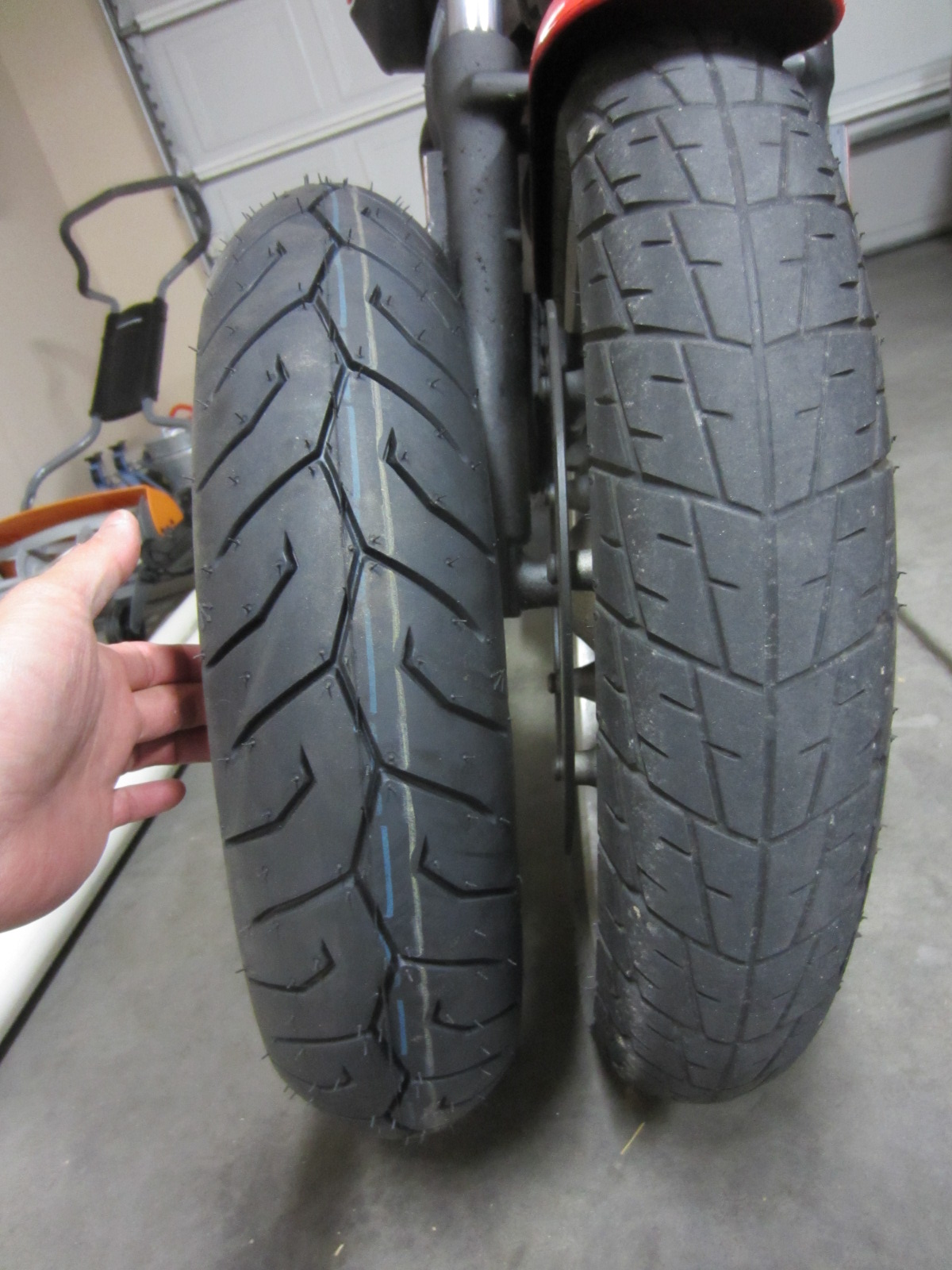
4. **Wider Tires and Lower Pressure**For far too long, the cycling world was dominated by the dogma that super-skinny tires inflated to bone-jarring pressures of 100 psi or more were absolutely mandatory for optimal road riding. Thankfully, those days are increasingly behind us. A paradigm shift has occurred, even among professional racers, many of whom now opt for significantly wider tires—often 28mm or even broader—and run them at pressures closer to 70 psi, and sometimes even lower. If you’re still subjecting yourself to the constant rattling and vibrations of high-pressure, narrow tires, it’s high time to consider making the switch to a wider tire setup with reduced pressure.
The most immediate and noticeable benefit of wider tires run at lower pressures is the dramatically improved cushioning they provide. A larger volume of air in the tire acts as a natural shock absorber, effectively soaking up road buzz, small bumps, and minor irregularities in the pavement. Over the course of a long ride, this absorption significantly reduces fatigue in your hands, wrists, arms, and indeed, your entire body. It translates into a much smoother, more comfortable experience, allowing you to ride longer and with less cumulative strain.
Beyond comfort, wider tires also deliver a significant boost in confidence through improved grip. By distributing your weight over a larger contact patch with the road surface, the tire can maintain better traction, especially crucial when cornering or navigating less-than-perfect tarmac. If you’ve ever felt a twinge of anxiety about leaning into a turn or riding over rough patches of road, the enhanced stability and grip offered by a wider tire can be truly inspiring, allowing you to ride with greater assurance and enjoyment. It’s a tangible upgrade in safety and control.
Before you rush out to buy the widest tires you can find, it’s essential to check the clearance on your current bike frame. While most modern road bikes are now designed with ample room for 28mm or even 32mm tires, older frames might have more restrictive clearances. If you’re unsure about what your bike can accommodate, a quick visit to a trusted bike shop mechanic can provide the definitive answer, or you can often measure the gap around your current tires to get an estimate. It’s a crucial step to ensure compatibility and avoid any rubbing or fit issues.
And even if your bike’s frame simply cannot accommodate wider tires, don’t despair! You can still achieve a noticeable improvement by reevaluating your current tire pressure. Many riders, especially older ones, are running their tires far too high. You might be pleasantly surprised that lowering your tire pressure by just 10–15 psi can significantly enhance comfort and grip, making your existing setup feel much more forgiving on the road.
Read more about: The Definitive Guide to Bicycles Built for 50,000 Kilometers: Longevity Unpacked
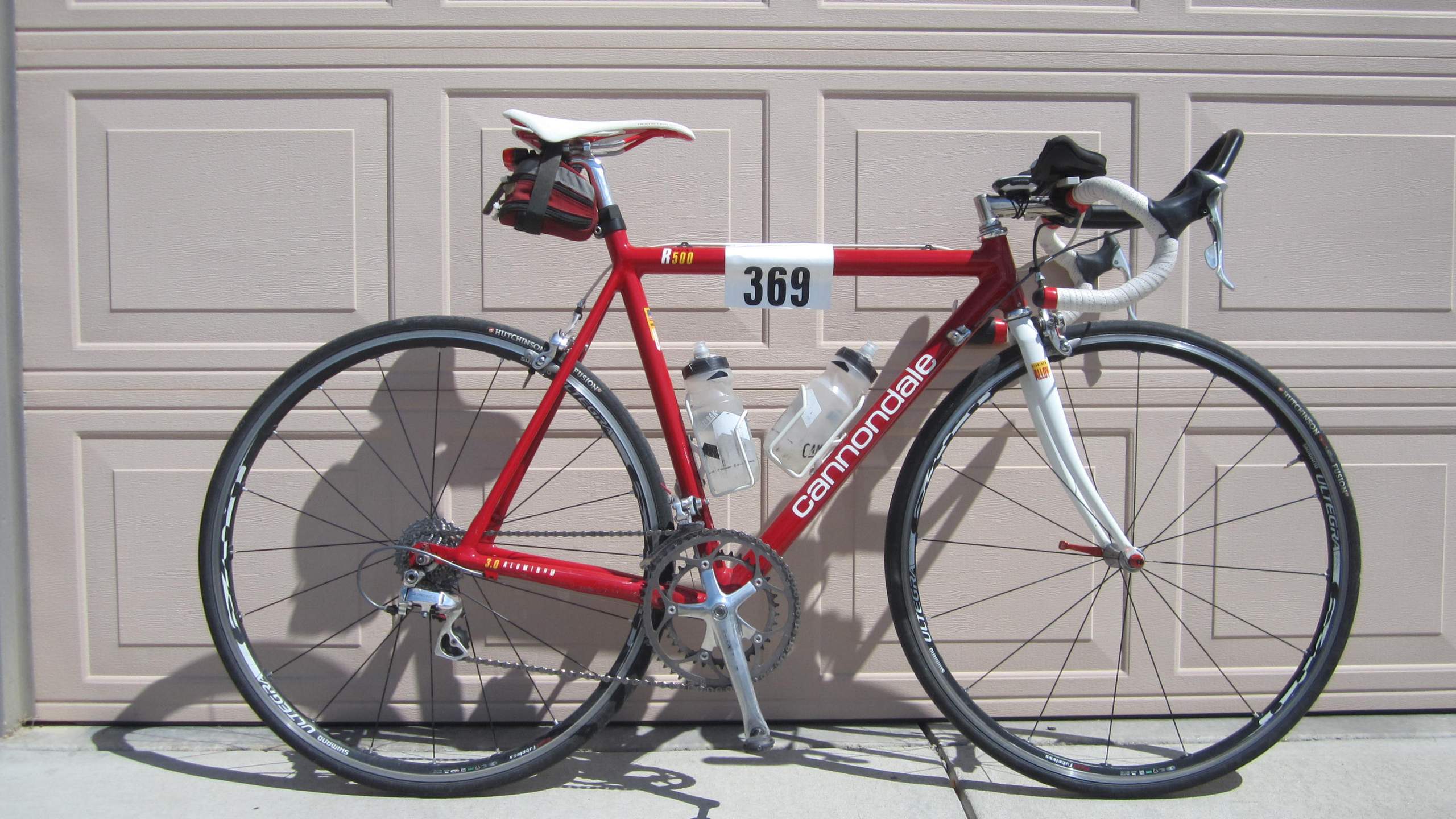
5. **Pedal Upgrades: Flat or Clipless, You Choose**Beyond the saddle, your pedals represent another crucial point of contact between you and your bike, profoundly influencing comfort, power transfer, and overall confidence. Many riders, especially those returning to cycling later in life, often overlook the significant impact that choosing the right pedal system can have. The decision between traditional flat pedals and clipless systems isn’t just about speed; it’s about what makes you feel most secure and connected to your ride, enhancing both efficiency and enjoyment.
For a great many older cyclists, flat pedals offer an immediate sense of reassurance and simplicity. They allow you to wear any comfortable shoe you like, providing the freedom to quickly put a foot down at a moment’s notice, which is a huge confidence booster in busy traffic, at stoplights, or when navigating uneven terrain. Modern flat pedals with grippy surfaces and optional pins offer excellent traction, ensuring your feet stay securely planted without the commitment of being clipped in. They are fantastic for casual rides, urban commutes, and exploring new paths where frequent stops are common.
On the other hand, clipless pedals, despite their somewhat intimidating name, can be a game-changer for older riders focused on efficiency and sustained effort. By securely attaching your shoe to the pedal, they ensure more consistent power transfer throughout the entire pedal stroke, engaging more muscle groups and reducing wasted energy. This can significantly reduce fatigue on longer rides and make climbing feel noticeably easier. Modern clipless systems, particularly mountain bike-style SPD pedals, offer much easier entry and exit than older road-specific designs, making the transition smoother.
For those considering clipless pedals but wary of the learning curve, rest assured that advancements have made them far more user-friendly. Many systems now feature multi-directional release cleats or adjustable tension settings, allowing for a quicker and less abrupt disengagement. Practicing in a safe, open space or against a wall can quickly build the muscle memory needed for effortless clipping in and out. The improved connection and efficiency they offer can truly revitalize your riding experience, providing a sense of seamless motion you might not have realized was missing.
Ultimately, the ‘best’ pedal system is the one that allows you to ride most comfortably and confidently. Don’t be afraid to experiment. Many bike shops can help you try out different options, or you might find that having both flat and clipless setups allows you to choose based on the type of ride you’re embarking on that day. This personalized approach to a critical interface can unlock new levels of comfort and performance.
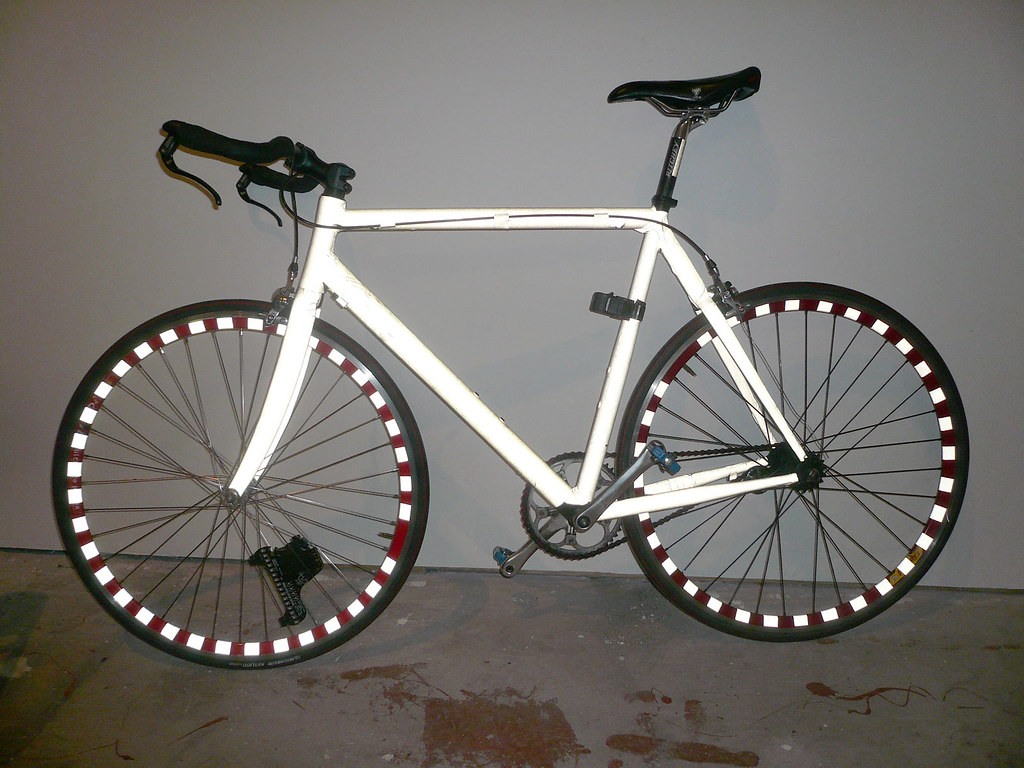
6. **The Marvel of Dropper Seatposts**Imagine being able to adjust your saddle height instantly, without even stopping your bike. For many older riders, especially those navigating varied terrain, getting on and off the bike, or simply needing a little extra stability at a stop, the dropper seatpost is nothing short of a revelation. Originally a staple in mountain biking, these ingenious devices are quickly gaining traction across all cycling disciplines due to their immense benefits in comfort, control, and, crucially, safety.
At its core, a dropper seatpost allows you to lower your saddle with the press of a lever, typically mounted on your handlebar. This might seem like a minor luxury, but its implications for rider confidence are profound. For older riders, the ability to drop the saddle to a comfortable height for mounting and dismounting can eliminate the precarious balancing act, making starts and stops much less stressful. No more awkward lean-to-the-side maneuvers; simply lower the seat and plant both feet firmly on the ground.
Beyond simply starting and stopping, a dropper post significantly enhances control when riding. When facing a steep descent, a technical section, or even just a busy intersection that requires heightened awareness, you can drop your saddle out of the way. This allows you to shift your center of gravity lower and further back, giving you more maneuverability and stability, and making you feel much more connected to the bike. It transforms potentially intimidating situations into manageable ones, boosting your confidence immensely.
When it comes to installing a dropper seatpost, it’s essential to consider your bike’s compatibility. Most modern bikes are designed to accommodate them, but factors like internal or external cable routing and seat tube diameter need to be checked. While some mechanically inclined riders might tackle the installation themselves, a professional at your local bike shop can ensure proper fit, smooth operation, and correct cable routing, setting you up for optimal performance from day one.
Integrating a dropper seatpost into your cycling setup can truly transform your rides. It’s an investment in both comfort and safety, enabling you to maintain an ideal pedaling position for efficiency on the flats and climbs, while instantly transitioning to a more stable, lower position when you need it most. This dynamic adaptability makes cycling more accessible and enjoyable, allowing you to focus on the scenery and the sheer joy of the ride.
7. **Mirrors and On-Bike Radar for Peace of Mind**Maintaining situational awareness is paramount for any cyclist, but for older riders, particularly those venturing onto roads with traffic, knowing what’s happening behind you can be a significant source of stress. While the instinct might be to constantly crane your neck, this can lead to neck strain and momentarily compromise your balance. Thankfully, modern cycling technology offers two fantastic solutions: well-placed mirrors and increasingly sophisticated on-bike radar systems, working in tandem to provide unparalleled peace of mind.
Starting with mirrors, these simple yet effective devices offer a consistent view of what’s approaching from the rear without requiring you to turn your head. This seemingly small convenience reduces neck strain and allows you to maintain a steady line, which is crucial for safety. Whether you prefer a small, discreet mirror mounted to your bar end, a larger one attached to your helmet, or even one integrated into your glasses, there’s a style to suit every preference and provide that invaluable visual confirmation of your surroundings. Experimentation can help you find the field of view that works best for your riding style.
Taking rearward awareness to the next level is the on-bike radar system. These clever devices, like those from Garmin, actively scan the road behind you for approaching vehicles and provide visual and/or audible alerts to your compatible cycling computer or smartphone. They don’t just tell you a car is coming; they can often indicate how many vehicles there are and how quickly they are approaching. This early warning system can be incredibly empowering, giving you precious seconds to react, adjust your position, or simply be prepared for traffic.
The beauty of on-bike radar lies in its seamless integration and actionable data. Most units pair wirelessly via Bluetooth to your existing head unit or even a smartphone app, displaying clear graphics that represent approaching vehicles. This provides a real-time, objective assessment of the traffic situation behind you, complementing your mirror view. It’s like having an extra set of eyes on the back of your head, reducing the need for constant, anxious glances over your shoulder and allowing you to concentrate more on the road ahead.
When combined, a quality cycling mirror and an on-bike radar system create a powerful, layered approach to safety. The radar gives you an early, objective warning of approaching vehicles, while the mirror provides the visual confirmation you need to assess the situation fully. This dual strategy can significantly boost your confidence when riding in traffic, transforming what might have once been a nerve-wracking experience into a calm and controlled one, ensuring you can enjoy your rides with less worry.
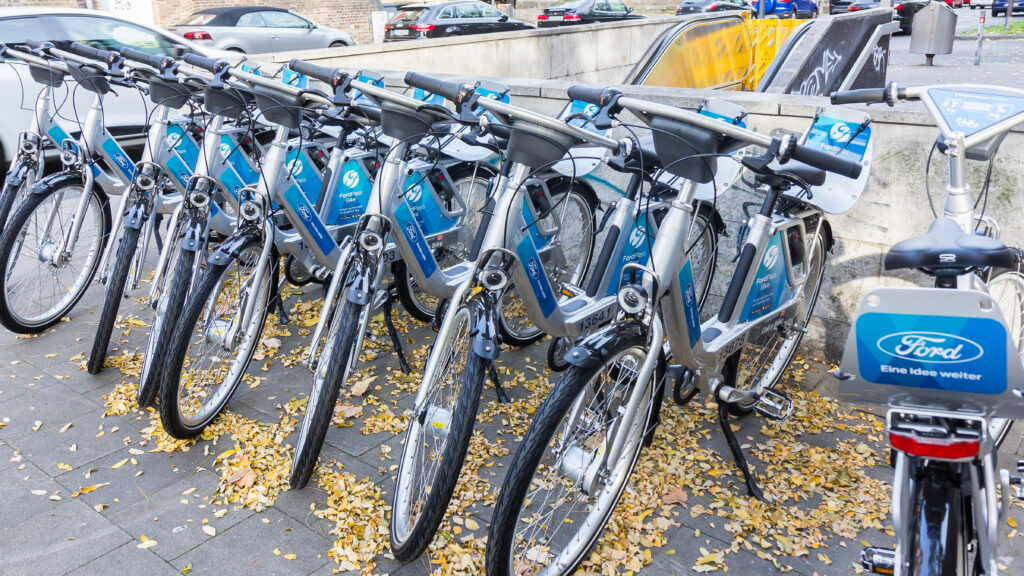
8. **Install a Hitch Rack for Easy Transport**For many older cyclists, getting bikes to and from desired riding locations can present its own set of challenges. Lifting bikes onto a roof rack can be physically demanding and potentially lead to injury, while some trunk-mounted racks can be less stable or even risk scratching your vehicle or bike. This is where a well-designed hitch-mounted bike rack truly shines, offering a superior and far more convenient solution for transporting your cherished two-wheeled companions, encouraging more spontaneous adventures and making cycling excursions stress-free.
The primary advantage of a hitch rack is the significantly lower lifting height required to load bikes. Instead of hoisting a bike over your head onto a car roof, you’re merely lifting it a short distance off the ground to seat it in the rack’s cradles. This ease of loading and unloading is a huge benefit for anyone with back issues, shoulder limitations, or simply those who prefer not to wrestle with heavy objects. It transforms the act of preparing for a ride into a simple, straightforward process.
Furthermore, hitch racks are renowned for their stability and secure attachment to your vehicle. Unlike some other rack types, they minimize sway and wobble, ensuring your bikes travel safely and without risk of damage to themselves or your car. Many models feature integrated locking mechanisms, providing peace of mind that your valuable bikes are secure during transit and when the car is parked. This robust design means you can focus on the drive, knowing your equipment is well-protected.
When selecting a hitch rack, consider a platform-style model, as these are often the most user-friendly. Bikes sit upright in trays, securely fastened by clamps on the wheels and frame, eliminating frame-to-frame contact. Look for features like swing-away or tilt functions, which allow you to access your vehicle’s trunk or tailgate even with bikes loaded. Ensuring your vehicle has a compatible hitch receiver (Class I, II, or III) is the first step, and a bike shop or automotive expert can assist if you’re unsure.
Investing in a high-quality hitch rack removes a significant barrier to exploring new riding destinations. It makes those weekend trips to scenic trails or distant bike paths effortlessly achievable. By simplifying the logistics of bike transport, you’ll find yourself more inclined to venture further afield, broadening your cycling horizons and adding even more joy and adventure to your riding life. It’s an upgrade that pays dividends in convenience and opens up a world of new possibilities.
Read more about: Your Family’s Ultimate Money Makeover: 14 Essential Budget Categories You Can’t Afford to Ignore!
Embracing these thoughtful gear recommendations isn’t about chasing the latest fad or upgrading for the sake of it; it’s about strategically enhancing your cycling experience to match your evolving needs. Whether it’s the added safety of radar, the ergonomic luxury of a dropper post, or the sheer convenience of a hitch rack, each adjustment contributes to a more confident, comfortable, and ultimately, more joyful ride. Your journey on two wheels doesn’t have an expiration date; it’s a lifelong adventure, and with the right gear, every pedal stroke can be as exhilarating as the first. Keep exploring, keep pedaling, and keep rediscovering the freedom of the open road – or trail. You’re not just riding; you’re thriving.” , “_words_section2”: “1945