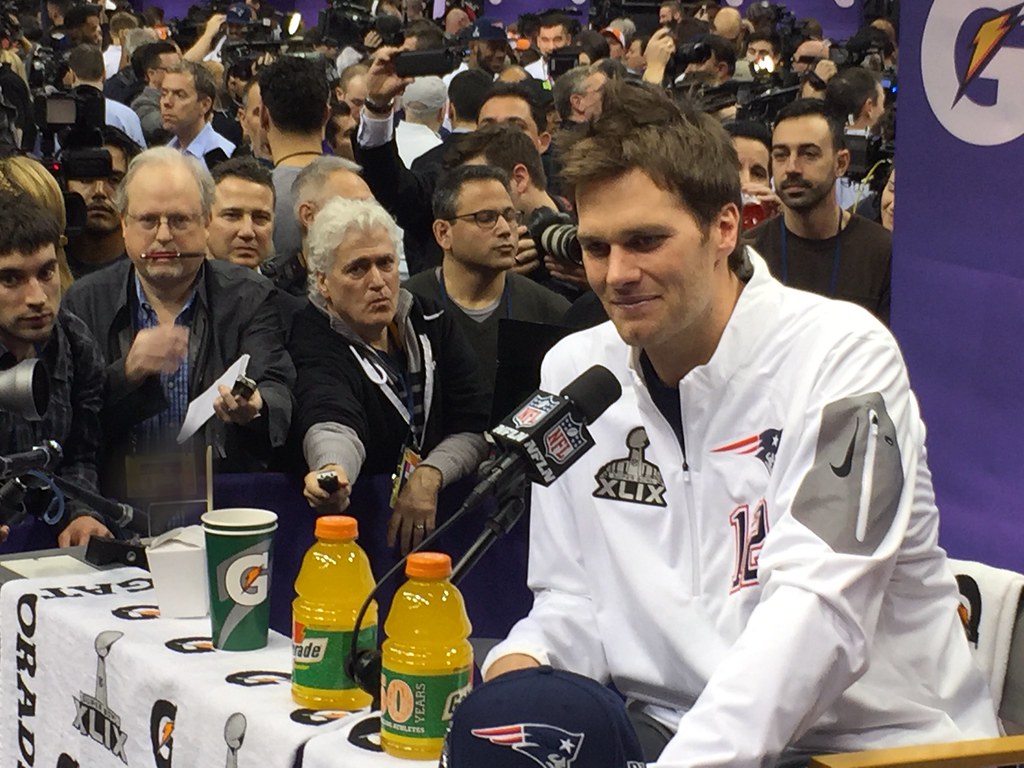
Tom Brady. The name itself conjures images of unparalleled success, relentless dedication, and an almost superhuman ability to defy age on the football field. At 43, the Tampa Bay Buccaneers quarterback didn’t just play in a Super Bowl; he made history as the oldest player ever to do so, cementing his legacy with a record 10 appearances and seven championship titles. While his legendary work ethic and rigorous training are undeniable factors, there’s a lesser-known, yet equally crucial, component to his sustained dominance: his remarkably strict, anti-inflammatory diet.
Brady’s commitment to his nutritional regimen, largely guided by his former personal chef Allen Campbell and outlined in his “TB12 Method,” is a masterclass in personalized health and performance optimization. It’s a holistic approach, blending Eastern and Western philosophies, designed to promote faster recovery, prevent injuries, and maintain peak physical condition. As Campbell explained, “My philosophy is that a plant-based diet has the power to reverse and prevent disease,” a core tenet that shapes Brady’s plate, which typically consists of roughly 80 percent plant-based foods and 20 percent animal-based foods.
But what truly sets Brady’s diet apart isn’t just what he eats, but what he meticulously *avoids*. In a world filled with culinary temptations, Brady has made conscious decisions to steer clear of numerous common foods, attributing these eliminations directly to his extraordinary athletic performance and longevity. If you’ve ever wondered how a seven-time Super Bowl champion fuels his body and maintains such unstoppable energy, get ready to discover the foundational dietary exclusions that form the backbone of the G.O.A.T. diet.

1. **Non-Organic and Genetically Modified Foods**For Tom Brady, the quality of his food starts at its very origin. He and his team make a concerted effort to ensure that the produce and meats he consumes are nothing less than organic and locally sourced. This isn’t just a preference; it’s a fundamental principle deeply rooted in his dietary philosophy to minimize exposure to synthetic chemicals and promote overall health.
His former personal chef, Allen Campbell, explicitly stated, “I make conscious decisions to buy local and organic, and to stay away from GMOs, and to think about the future of the planet and the future of humans.” This statement underscores a significant commitment to food purity, opting for ingredients grown without the use of artificial pesticides, herbicides, or genetically modified organisms. This means that conventional produce or conventionally raised meats are simply “off the table” for Brady.
By choosing organic, Brady aims to reduce his body’s toxic load, theoretically lessening the burden on his detoxification systems and allowing his body to focus more efficiently on recovery and performance. Avoiding GMOs is another layer of this protective approach, reflecting a belief that natural, unaltered foods are superior for maintaining optimal bodily function. For an athlete whose body is his livelihood, every input is carefully considered.
This dedication to sourcing, often involving trips to farmer’s markets or Whole Foods, goes beyond mere dietary guidelines; it reflects a broader lifestyle choice. It’s about consuming food in its most natural state, free from the interventions and alterations common in industrial agriculture. This foundational step is crucial for anyone looking to build a diet focused on sustained well-being and peak physical condition, much like Brady himself.
Read more about: Fueling Greatness: The 15 Foods Tom Brady Absolutely Avoids for Peak Performance and Longevity

2. **Added Sugars and Refined Carbohydrates**When it comes to energy and inflammation, Tom Brady draws a clear line: added sugars and refined carbohydrates are out. These common dietary culprits are known to wreak havoc on blood sugar levels and contribute to systemic inflammation, factors that directly counteract an athlete’s pursuit of peak performance and rapid recovery. Brady’s approach is a strict adherence to whole, unprocessed alternatives.
“I try to avoid eating anything that comes in a box or a bag, as well as foods containing white flour or added sugars,” Brady states in a TB12 blog post, emphasizing a crucial distinction from typical Western diets. This guideline immediately eliminates a vast array of common processed foods that often contain hidden sugars and refined grains. Think about how many items in a standard grocery store aisle are packaged in boxes or bags – it’s a significant portion of the modern diet that Brady consciously bypasses.
Furthermore, Brady explicitly lists the refined carbohydrates he limits: “I try to limit cereal, white bread, white rice, pasta, cakes, and cookies. Less inflammation is the key for me,” he explains. This demonstrates a direct link between these food choices and his anti-inflammatory philosophy. These foods typically offer little nutritional value beyond quick-burning energy, often leading to rapid blood sugar spikes followed by crashes, which can cause fatigue and hinder consistent athletic output.
The goal here is clear: control inflammation. By cutting out these inflammatory and blood-sugar-disrupting agents, Brady aims to keep his body in an optimal state for healing and sustained energy. Instead of relying on these quick fixes, his diet prioritizes complex carbohydrates from whole, natural sources, ensuring a steady energy supply without the detrimental side effects. This mindful elimination is a powerful strategy for anyone looking to optimize their energy and reduce inflammation.
Read more about: Fueling Greatness: The 15 Foods Tom Brady Absolutely Avoids for Peak Performance and Longevity
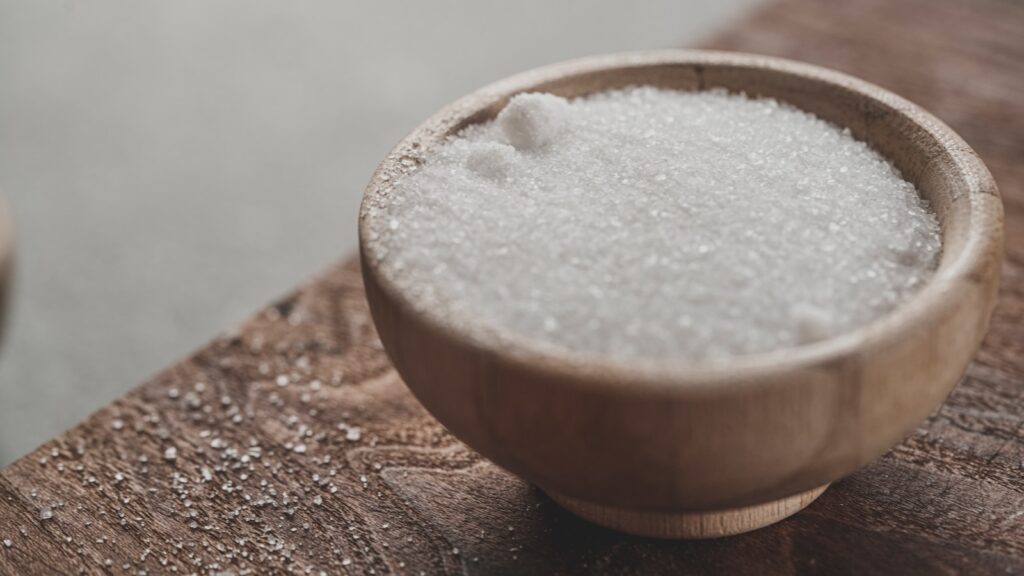
3. **MSG (Monosodium Glutamate)**In his pursuit of a truly clean and anti-inflammatory diet, Tom Brady also steers clear of highly processed additives like Monosodium Glutamate, commonly known as MSG. This flavor enhancer, while widespread in many convenience foods and restaurant dishes, doesn’t align with his meticulous approach to nutrition. His former chef, Allen Campbell, confirmed this exclusion in a 2016 interview with the Boston Globe, highlighting Brady’s commitment to avoiding artificial ingredients.
MSG is often used to boost the savory (umami) flavor in foods, but its presence signals a level of processing that Brady’s diet is designed to circumvent. For an an athlete focused on reducing inflammation and consuming whole, natural ingredients, substances like MSG are seen as unnecessary chemical interventions. They don’t contribute to the nutrient density or anti-inflammatory properties that Brady seeks in his meals.
The decision to avoid MSG reflects a broader philosophy within the TB12 Method: prioritize ingredients that offer clear nutritional benefits or directly support bodily functions, rather than those that merely enhance taste through artificial means. It’s about feeding the body pure, unadulterated fuel to maintain its delicate balance and optimize recovery mechanisms.
By eliminating MSG, Brady further refines his diet to ensure that every component is working in synergy with his body’s needs. This attention to detail, even down to specific additives, speaks volumes about the rigor applied to his nutritional plan. It reinforces the idea that true peak performance comes from minimizing potential irritants and maximizing beneficial compounds.
Read more about: Fueling Greatness: The 15 Foods Tom Brady Absolutely Avoids for Peak Performance and Longevity
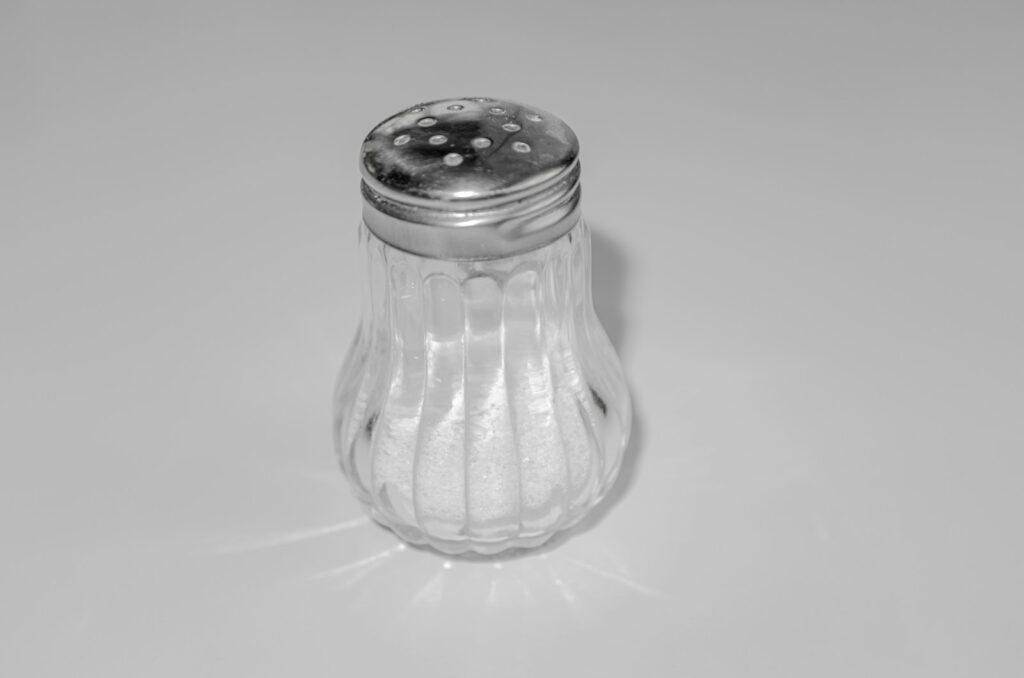
4. **Iodized Salt**When it comes to something as fundamental as salt, Tom Brady’s diet takes a distinct turn from conventional wisdom. Instead of the common iodized table salt found in most kitchens, Brady opts for a different kind of sodium. This particular choice reflects a nuanced understanding of mineral balance and an active preference for less-processed alternatives.
“I use Himalayan pink salt as the sodium. I never use iodized salt,” revealed Allen Campbell, Brady’s former personal chef. This isn’t just about a brand preference; it’s a deliberate decision to use a salt that is less refined and contains a different mineral profile. While nutrition experts often recommend iodized salt for its crucial iodine content, Brady’s regimen bypasses it, suggesting alternative sources for this essential nutrient.
The choice of Himalayan pink salt, known for its trace minerals and natural state, aligns with Brady’s overall emphasis on whole, minimally processed ingredients. It reflects a preference for natural mineral complexes over fortified versions. For those following Brady’s path, it implies a need to ensure iodine intake through other dietary means or supplements, acknowledging that most people “don’t consume enough of the nutrient, which is essential to a healthy thyroid.”
This particular exclusion highlights that even seemingly small dietary choices are carefully considered within the TB12 Method. It’s not just about what causes inflammation, but also about the precise composition of every ingredient. For Brady, every detail matters in crafting a diet that supports his body at an elite level.
Read more about: Fueling Greatness: The 15 Foods Tom Brady Absolutely Avoids for Peak Performance and Longevity

5. **Canola Oil**Healthy fats are a cornerstone of any balanced diet, but Tom Brady is highly selective about which oils make it into his kitchen. He consciously avoids certain vegetable oils, particularly canola oil, due to concerns about their chemical composition and how they behave during cooking. This decision stems from a focus on maintaining cellular health and preventing the formation of harmful compounds.
“Fats like canola oil turn into trans fats,” warns Allen Campbell, providing a clear rationale for its exclusion. Trans fats are widely recognized for their detrimental effects on cardiovascular health and their pro-inflammatory properties, making them a direct contradiction to Brady’s anti-inflammatory diet. The concern is that under high heat, commonly used in cooking, these oils can undergo chemical changes that produce these undesirable fats.
Instead of canola oil and other similar vegetable oils, Brady’s diet incorporates healthier, more stable alternatives. Campbell specifies the use of “olive oil and coconut oil,” both of which are lauded for their distinct nutritional benefits. Olive oil, especially extra-virgin, is rich in monounsaturated fats and antioxidants, while coconut oil is valued for its medium-chain triglycerides. These choices support hormone production, nutrient absorption, and overall health without the risks associated with less stable oils.
This specific fat avoidance underscores Brady’s detailed approach to ingredient selection. It’s not enough for an ingredient to simply be “fat”; it must contribute positively to the body’s biochemistry. By prioritizing stable, beneficial fats and eliminating those that can degrade into inflammatory compounds, Brady ensures his body receives the optimal building blocks for recovery and sustained performance.
Read more about: Fueling Greatness: The 15 Foods Tom Brady Absolutely Avoids for Peak Performance and Longevity
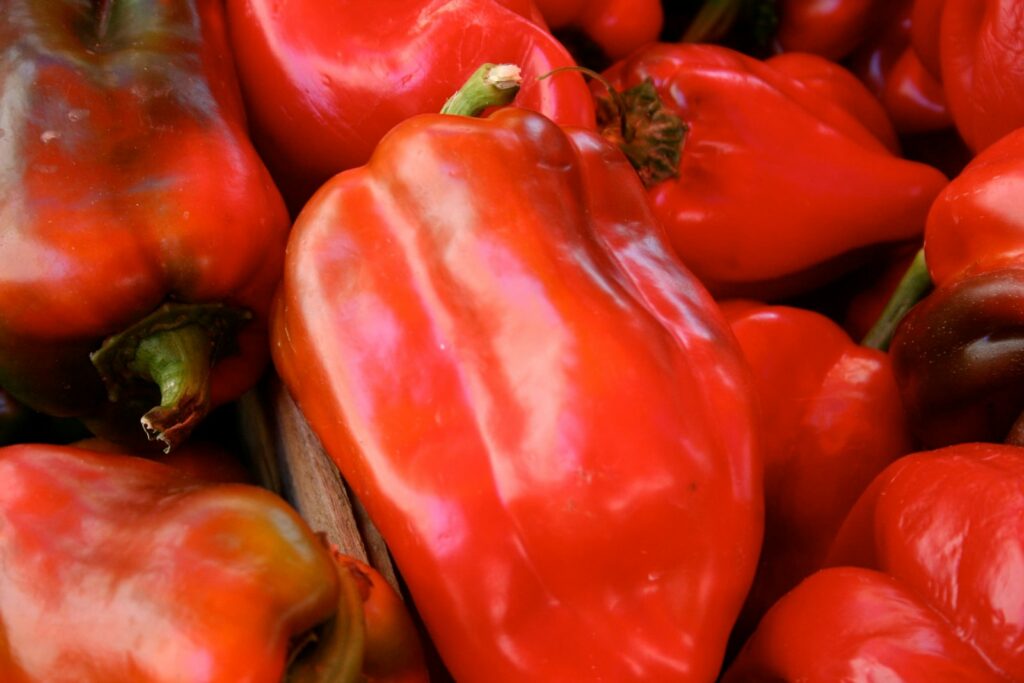
6. **Nightshade Vegetables (Tomatoes, Peppers, Eggplant, White Potatoes)**Perhaps one of the most famous and debated aspects of Tom Brady’s diet is his avoidance of nightshade vegetables. This botanical family of plants, known as Solanaceae, includes common staples like tomatoes, peppers, eggplants, and white potatoes. Brady and his team believe these vegetables can be inflammatory, and thus, detrimental to his athletic performance and recovery.
“[Tom] doesn’t eat nightshades, because they’re not anti-inflammatory,” explained Allen Campbell. He elaborated, “So no tomatoes, peppers, mushrooms, or eggplants. Tomatoes trickle in every now and then, but just maybe once a month. I’m very cautious about tomatoes. They cause inflammation.” This highlights a significant exclusion, particularly for foods like tomatoes that are foundational in many cuisines, meaning no pasta sauce, no pizza, and no salsa for Brady, except on rare occasions.
The reasoning behind avoiding nightshades stems from the presence of chemical compounds called alkaloids. While scientific consensus on their inflammatory effects in the general population is debated, Brady’s personal experience and the philosophy of the TB12 Method lead him to steer clear. For an elite athlete, individual sensitivities and a desire to minimize any potential pro-inflammatory triggers take precedence. This means sweet peppers and chili peppers are also out, which would naturally exclude hot sauce.
Nutrition experts often criticize the omission of vegetables like peppers, given their high vitamin C content. However, the TB12 blog notes, “Consider supplementing with 600 mg of vitamin C per day if you’re not able to regularly consume those nutrient-rich foods,” suggesting that Brady compensates for any potential nutrient gaps. While white potatoes were not explicitly listed by Campbell in the context of nightshades, a TB12 blog post indicates Brady likely still consumes sweet potatoes, suggesting a specific avoidance of white potatoes as a nightshade rather than all potatoes. This careful selection ensures that while specific inflammatory foods are avoided, essential nutrients are still obtained.
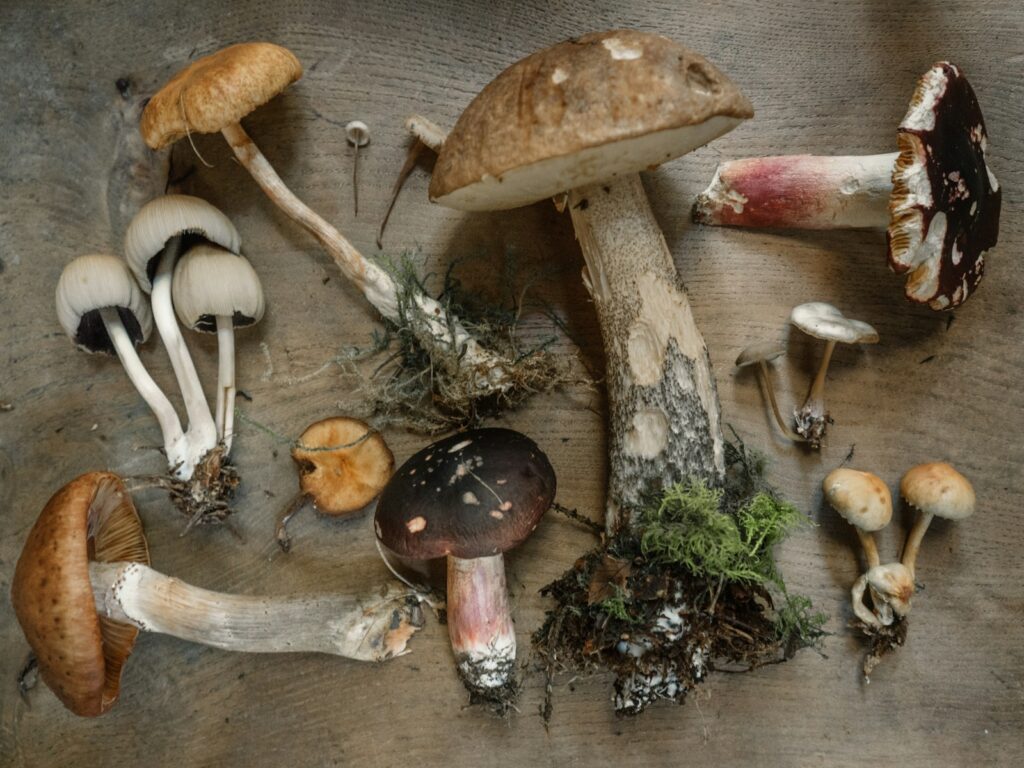
7. **Mushrooms & Fungus**Adding to his list of plant-based eliminations, Tom Brady also avoids mushrooms and any other forms of fungus. While his former personal chef, Allen Campbell, initially listed mushrooms among the nightshades that Brady doesn’t eat, it’s important to note that mushrooms are biologically a fungus and not botanically classified as nightshades. Regardless of this scientific distinction, the outcome remains the same: Brady does not consume them.
The explicit avoidance of mushrooms and fungi suggests a broader sensitivity or a proactive strategy to eliminate potential irritants from his diet. Similar to nightshades, the rationale likely ties back to the anti-inflammatory principles central to the TB12 Method. For some individuals, certain fungi might trigger immune responses or digestive discomfort, which could hinder an athlete’s recovery and overall well-being.
This exclusion illustrates the depth of customization in Brady’s diet. It’s not just about general food categories but specific biological classifications that are meticulously screened for their potential impact on his body. Every item on his plate is carefully chosen to support his goals of sustained peak performance and longevity, leaving no stone unturned in the quest for optimal health.
By consistently eliminating even seemingly innocuous items like mushrooms, Brady demonstrates an unwavering commitment to his unique nutritional framework. This level of dietary precision allows him to fine-tune his body’s responses, minimizing any potential drawbacks and maximizing his physical capabilities.
Read more about: Fueling Greatness: The 15 Foods Tom Brady Absolutely Avoids for Peak Performance and Longevity
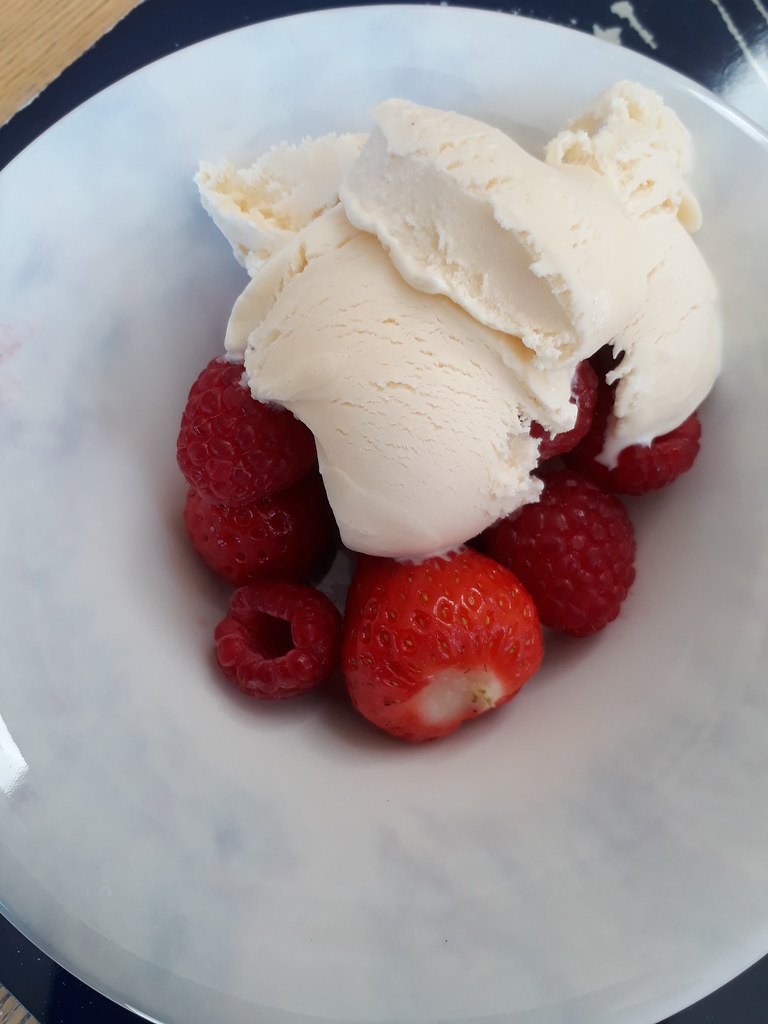
8. **Strawberries**While many of Tom Brady’s dietary exclusions are rooted in scientific principles aimed at reducing inflammation or avoiding harmful additives, his stance on strawberries offers a surprisingly human, and utterly relatable, twist. Unlike the meticulously researched reasons behind ditching nightshades or processed foods, Brady’s avoidance of this popular fruit is purely a matter of personal preference. As a TB12 blog post candidly revealed, “Brady doesn’t eat strawberries for any nutritional reason—he simply doesn’t like the smell.”
This unique exclusion highlights a crucial, often overlooked, aspect of highly personalized diets: not every food choice has to be a battle against inflammation or a quest for a micronutrient. Sometimes, it simply comes down to what genuinely appeals to one’s senses. For someone whose diet is as rigorously structured as Brady’s, even a minor sensory aversion can lead to a complete elimination from the meal plan, showcasing the depth of individual customization within his regimen.
It serves as a refreshing reminder that while we strive for optimal nutrition, our personal enjoyment and comfort with food also play a vital role in sustained dietary adherence. Even for a seven-time Super Bowl champion, the journey to peak performance includes acknowledging and honoring one’s individual quirks, making his ‘G.O.A.T. Diet’ not just a science, but an art of personal tuning.
Read more about: Fueling Greatness: The 15 Foods Tom Brady Absolutely Avoids for Peak Performance and Longevity
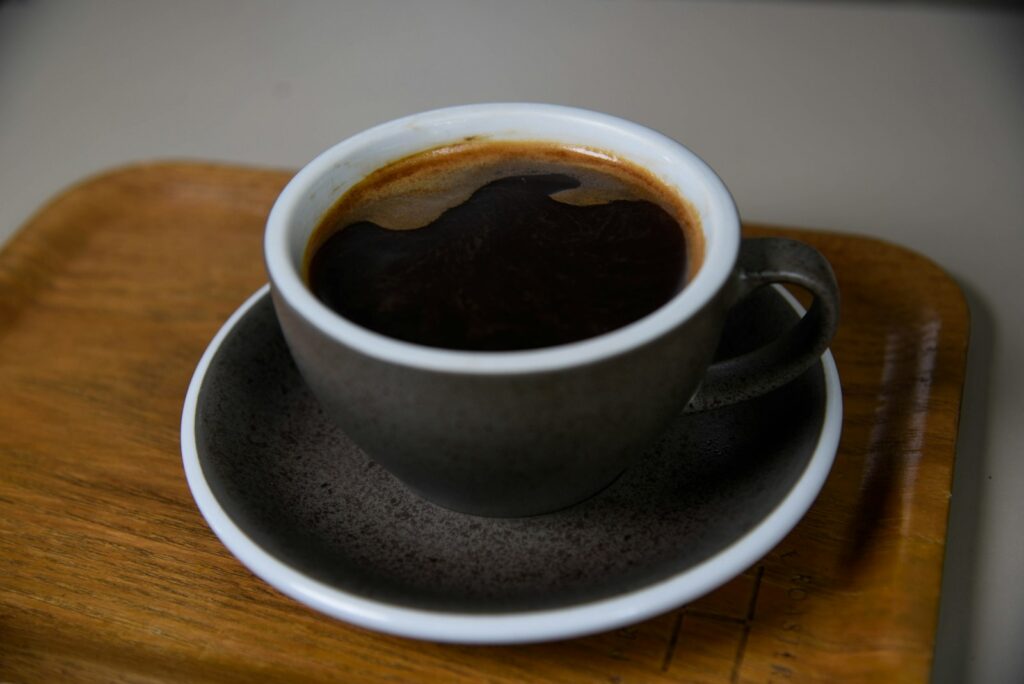
9. **Coffee & Caffeine**For many, the morning ritual begins with a steaming cup of coffee, a cherished source of energy and mental alertness. Yet, for Tom Brady, this common stimulant is firmly off the menu. His former personal chef, Allen Campbell, explicitly listed “coffee or any caffeinated foods” among the items Brady consciously avoids, marking a significant departure from the habits of countless individuals, athletes included, who rely on caffeine for a daily boost.
Brady’s decision to forgo caffeine isn’t about a dislike for the taste, but rather a strategic choice aligned with the TB12 Method’s foundational principles of natural, sustained energy and optimal recovery. Caffeine, while offering temporary spikes, can also interfere with natural sleep cycles, leading to disrupted rest and potential energy crashes. For an athlete demanding consistent, peak performance, these fluctuations are simply unacceptable, directly contradicting his holistic approach to bodily regulation.
Instead of artificial stimulation, Brady’s regimen prioritizes maintaining a stable energy profile throughout the day, fueled by whole, nutrient-dense foods and meticulous hydration. Avoiding caffeine ensures that his body’s internal clock and energy systems are allowed to function without external interference, promoting deeper, more restorative sleep which is paramount for muscle repair and cognitive function after grueling training sessions and games.
This commitment to a caffeine-free lifestyle is another testament to Brady’s unwavering discipline and his belief in minimizing any substance that could potentially compromise his body’s finely tuned balance. It’s about optimizing every single input to support not just athletic prowess, but also long-term health and the remarkable longevity he has achieved in his illustrious career.
Read more about: Fueling Greatness: The 15 Foods Tom Brady Absolutely Avoids for Peak Performance and Longevity

10. **Dairy**Another major exclusion from Tom Brady’s G.O.A.T. diet is dairy, a category that includes milk, cheese, and butter. This choice is not uncommon in modern health circles, particularly among those focused on anti-inflammatory eating. As his former chef, Allen Campbell, explained, dairy can be a source of inflammation for a significant portion of the population, especially those with lactose intolerance or underlying sensitivities, making it an obvious target for elimination in Brady’s performance-driven plan.
The rationale extends beyond simple digestive discomfort; dairy is also sometimes associated with increased mucus production, which for an elite athlete, could potentially impact respiratory function or contribute to a feeling of congestion. By removing dairy, Brady aims to reduce any bodily stress or inflammation, allowing his system to operate as cleanly and efficiently as possible, unburdened by potential irritants that could hinder his recovery or performance.
To compensate for the absence of traditional dairy products, Brady and his team rely on a variety of plant-based alternatives. This means eschewing cow’s milk and opting for options like almond or coconut milk, which align with his largely plant-based dietary philosophy. Furthermore, essential nutrients typically sourced from dairy, such as calcium and vitamin D, are obtained through other nutrient-dense foods like leafy greens, fortified plant milks, or supplements, ensuring no nutritional gaps.
This strategic elimination underscores the comprehensive nature of the TB12 Method, where every food group is scrutinized for its potential impact on the body’s inflammatory response and overall well-being. By choosing to eliminate dairy, Brady takes another proactive step in cultivating an internal environment optimized for peak athletic function, illustrating a deep understanding of his body’s specific needs and sensitivities.
Read more about: The Secret Towns: How A-Listers Are Quietly Buying Up Properties and Reshaping Small Communities
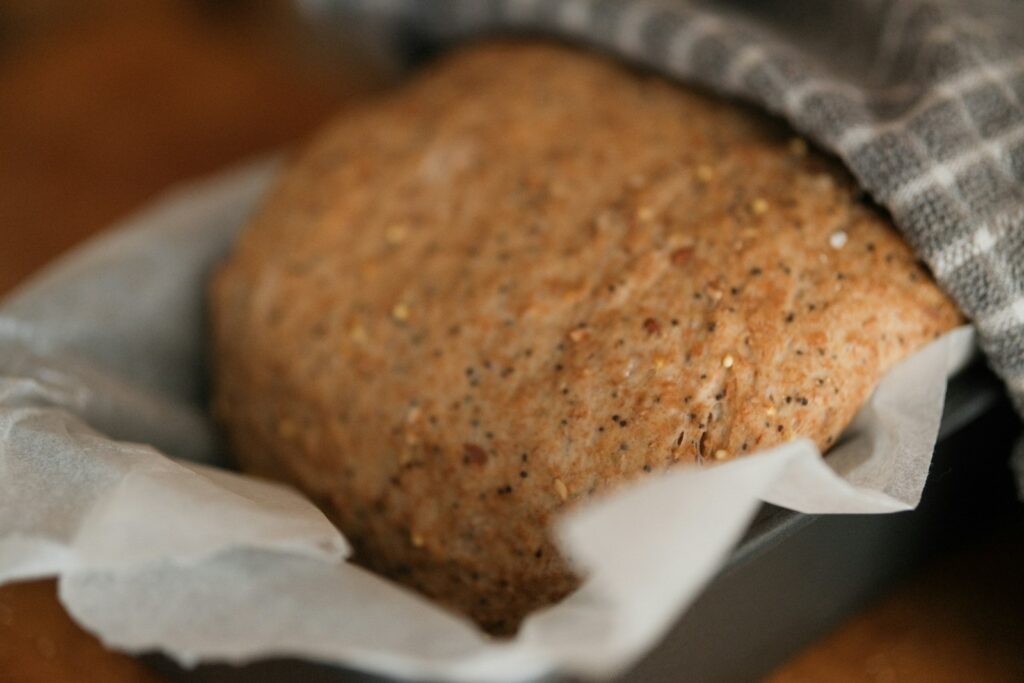
11. **Gluten**For an athlete as meticulous as Tom Brady, the presence of gluten in his diet is a non-starter. This protein, found in wheat, barley, and rye, is meticulously avoided, as his former chef, Allen Campbell, confirmed. Campbell noted that “Gluten may also cause inflammation in those sensitive to the protein,” a key concern that drives this fundamental dietary exclusion within the TB12 Method, aiming to minimize any potential triggers for systemic inflammation.
The implications of this gluten-free mandate are vast, cutting out a significant portion of the standard Western diet. This means a complete absence of traditional bread, pasta, cereals, crackers, bagels, flatbreads, tortillas, and any baked goods like cakes, cookies, doughnuts, or pancakes. Even seemingly innocuous items like some protein bars are scrutinized. Furthermore, beverages like beer are also avoided due to their barley content, reinforcing the thoroughness of this dietary principle.
To navigate this, Brady’s kitchen incorporates gluten-free alternatives, as exemplified by Campbell’s comment, “[I use] tamari because we stick to gluten-free for everything.” The core motivation is clear: to prevent any inflammatory responses that gluten might provoke in his body, thereby supporting optimal digestion and reducing the overall burden on his system. This choice contributes directly to his body’s ability to recover more efficiently and maintain consistent energy levels.
In the high-stakes world of professional sports, where every advantage counts, minimizing potential sources of irritation or digestive discomfort is paramount. By strictly adhering to a gluten-free regimen, Brady ensures that his body is primed for maximum nutrient absorption and recovery, allowing him to push his physical limits without the added stress that gluten can impose on sensitive individuals. It’s a foundational pillar of his sustained performance and longevity.
Read more about: Fueling Greatness: The 15 Foods Tom Brady Absolutely Avoids for Peak Performance and Longevity
12. **Alcohol**Beyond the specific exclusion of beer due to its gluten content, Tom Brady’s commitment to peak physical condition extends to a complete avoidance of all alcoholic beverages. This deliberate choice is not a casual preference but a strategic elimination, underpinned by a clear understanding of alcohol’s detrimental effects on health and, crucially, an athlete’s ability to recover and perform at an elite level.
A TB12 blog post unequivocally highlights these concerns, stating that “Overdoing it can take a toll on your health, performance, and ability to recover.” More specifically, the post points out a “double whammy” effect, noting that “Alcohol is a double whammy: It can be both inflammatory and dehydrating.” These are two physiological states that Brady meticulously works to circumvent, recognizing their direct impact on muscle repair, energy levels, and overall bodily function.
By completely cutting out alcohol, Brady safeguards his body against unnecessary inflammation and the significant dehydrating effects that can compromise cellular health and athletic output. This strict discipline ensures that his system remains optimally hydrated and free from inflammatory compounds, allowing his body to dedicate its resources entirely to repair, regeneration, and maintaining the highest possible levels of physical and mental acuity required for his demanding career.
Read more about: Beyond the Spotlight: The Personal Trials and Triumphs of Scout Willis, Daughter of Bruce and Demi Moore
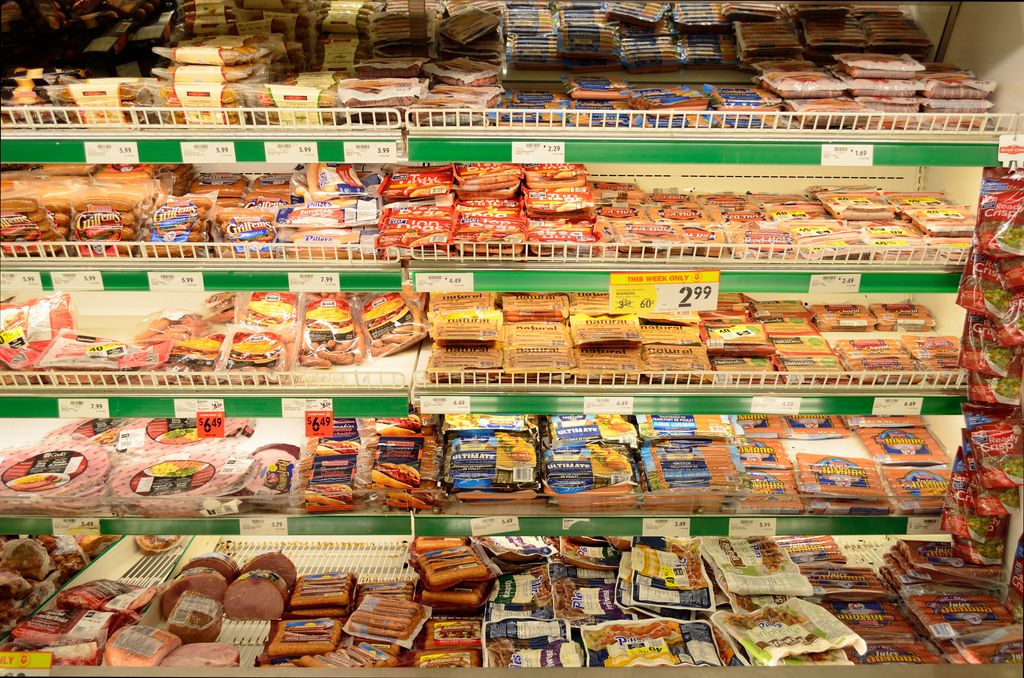
13. **Processed Meats**In his overarching quest for a clean, anti-inflammatory diet, Tom Brady generally steers clear of processed meats, recognizing their potential health risks. These widely consumed products, often found in packaged snacks and deli counters, are typically cured with preservatives like nitrates and nitrites. A TB12 blog post explicitly warns against them, advising, “It’s best to avoid processed meats as much as possible,” due to their links to various health problems, including cancer, and common associations with hot dogs, lunchmeat, and bacon.
This guideline aligns perfectly with Brady’s commitment to consuming whole, minimally altered foods. Processed meats often contain high levels of sodium, unhealthy fats, and artificial ingredients, all of which contradict the fundamental principles of the TB12 Method. Eliminating them reduces the intake of potential carcinogens and inflammatory compounds, supporting his goal of optimal cellular health and long-term well-being.
However, a revealing insight from an interview with Men’s Health shows a rare, pragmatic flexibility in Brady’s approach to this particular exclusion. He confessed, “If I’m craving bacon, I have a piece. Same with pizza. You should never restrict what you really want. We’re humans, here for one life.” This unexpected candidness offers a glimpse into a more balanced perspective, suggesting that even for the most disciplined athlete, occasional, thoughtful indulgences are part of a sustainable dietary plan.
Crucially, Brady’s caveat to these rare treats is about quality: “What’s changed as I’ve gotten older is now if I want pizza, I want the best pizza. I don’t eat a slice that tastes like and then wonder, ‘Why am I eating pizza?'” This indicates a mature understanding that while strict adherence is key, the psychological aspect of a diet is also vital. When he does indulge, it’s a conscious choice for a superior product, reflecting a continued commitment to quality, even in a ‘cheat meal.’
Read more about: Fit as a Fiddle at 91: Unpacking Jane Goodall’s Enduring Legacy and the 11 Lifestyle Habits That Powered Her Remarkable Longevity
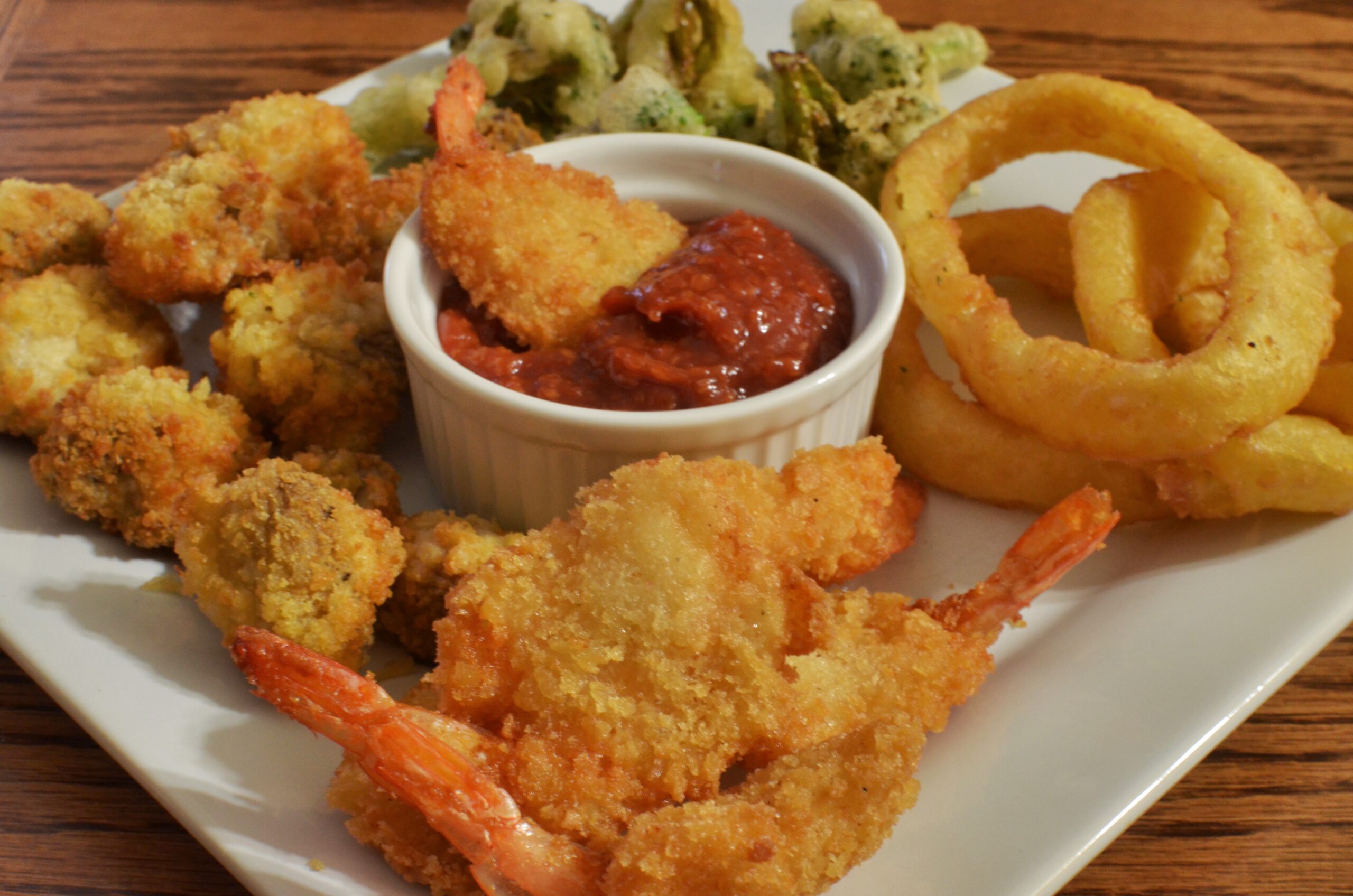
14. **Fried Foods**When it comes to foods that actively promote inflammation, Tom Brady draws a hard line against anything fried. Beloved staples like french fries and potato chips are definitively off his menu, and for very good reason. A TB12 blog post doesn’t mince words, labeling fried foods as an “inflammation nightmare,” a direct affront to the anti-inflammatory core of his G.O.A.T. diet.
The scientific basis for this exclusion lies in the harmful compounds produced during the high-temperature cooking processes characteristic of frying. These processes generate what are known as Advanced Glycation End products, or AGEs. As the TB12 blog post further explains, AGEs “have been shown to contribute to chronic inflammation” throughout the body, causing cellular damage and impeding recovery.
By meticulously eliminating fried foods, Brady proactively prevents the ingestion of these pro-inflammatory AGEs. This commitment minimizes systemic stress on his body, allowing his cells and tissues to function optimally, fostering efficient recovery from strenuous physical activity, and contributing to his remarkable ability to defy age on the football field. It’s a direct application of his diet’s primary goal: reducing inflammation at every possible turn.
This rigorous avoidance of fried foods underscores the depth of scientific consideration embedded within Brady’s nutritional framework. Every dietary choice is a calculated move to protect his body from irritants and maximize its inherent healing and performance capabilities. It’s a clear illustration that for true peak performance and longevity, the preparation methods of food are just as critical as the ingredients themselves.
Read more about: The Time Saver: 10 Surprising Office Exercises That Deliver Walking Benefits—Are You Too Busy to Try?
Tom Brady’s meticulous diet isn’t merely about exclusion; it’s a profound commitment to fueling his body with purpose, demonstrating that sustained excellence isn’t just a goal, but a lifestyle built on mindful nutrition. His ‘G.O.A.T. Diet’ offers a powerful testament to how strategic food choices can truly elevate performance and extend the boundaries of what’s possible, inspiring us all to reconsider what we put on our plates for our own unstoppable health journey, whether we’re aspiring athletes or simply seeking a healthier, more vibrant life.