Parallel parking. Just hearing those two words can send a shiver down the spine of even the most seasoned driver. It’s often perceived as the Everest of driving skills, a complex ballet of mirrors, angles, and precision that many would rather avoid altogether. Yet, in our increasingly crowded urban landscapes, mastering this maneuver isn’t just a party trick – it’s an indispensable life skill that unlocks a world of convenient parking opportunities.
Forget the anxiety, the endless circling for a pull-in spot, or the dreaded walk from a distant garage. We’re here to demystify parallel parking, transforming it from a source of stress into a seamless, second-nature skill. This isn’t about rote memorization; it’s about understanding the mechanics, building confidence, and applying smart strategies that will have you gliding into tight spots with effortless grace.
Get ready to conquer your parking fears and impress your friends (and perhaps even your driving instructor!). We’ve distilled the art of parallel parking into practical, actionable advice, broken down into manageable steps. Let’s dive in and unlock the secrets to becoming a parallel parking master.

1. **Choosing the Right Spot**The journey to a perfect parallel park begins long before you even shift into reverse. It starts with the crucial first step: identifying an appropriate and safe parking space. Many drivers rush this initial assessment, only to find themselves struggling in a spot that was never suitable in the first place. Taking a moment to evaluate your options can save you a world of frustration and set you up for success.
According to expert advice, you should always look for a space that is “at least one and a half times the length of your car.” This isn’t an arbitrary rule; it provides the necessary buffer zone for your vehicle to maneuver gracefully without scraping adjacent cars or getting stuck. If you’re a beginner, don’t hesitate to give yourself an even larger margin, perhaps “at least 6 ft (1.8 m) longer than your vehicle,” as some instructors suggest. As your confidence grows, you’ll find yourself capable of parking in spots with less room.
Beyond just size, the legality and safety of the spot are paramount. Ensure you’re not parking near fire hydrants, no-parking zones, or driveways. These restrictions are in place for safety and accessibility, and ignoring them can lead to fines or even dangerous situations. Also, keep an eye out for “any time limits or pay-for-parking signs” so you aren’t caught off guard later. A good spot is not just big enough, but also legally compliant and free of physical obstacles.
Read more about: Revisiting the Shadows: 10 Underrated Women of Classic Cinema We Should All Know
2. **Signaling Your Intentions**Once you’ve spotted that perfect parallel parking opportunity, your next immediate action should be to clearly communicate your intentions to other road users. This isn’t just a matter of courtesy; it’s a fundamental aspect of safe and defensive driving. Your turn signal is your voice on the road, telling everyone around you what you plan to do next, thereby preventing confusion and potential hazards.
Turning on your left or right signal, depending on which side of the road you’re parking on, instantly informs “other drivers and pedestrians of your actions.” This simple act helps to manage expectations, allowing drivers behind you to slow down, adjust their position, or even change lanes if necessary, giving you the space you need to execute your maneuver. It significantly “helps in reducing any potential confusion” that might arise from your slowing vehicle.
Neglecting to signal can lead to sudden braking by following vehicles or even attempts to drive around you at an inopportune moment. It’s a quick, effortless action that pays dividends in safety and smooth traffic flow. Always make it a habit to activate your signal well in advance of beginning your parking process, giving ample warning to everyone sharing the road. This small gesture can make a big difference in ensuring a stress-free parking experience for all involved.
Read more about: 12 Jaw-Dropping Moments Taylor Swift Proved She’s the Ultimate Power Player

3. **Positioning Your Vehicle**With your signal blinking, the next critical step is to position your vehicle correctly alongside the car parked in front of your chosen spot. This initial alignment is the bedrock of a successful parallel park; get this wrong, and the rest of the maneuver becomes significantly more challenging. Precision here sets the stage for a smooth entry into the space and ensures you have enough room to maneuver.
The key is to “align your car parallel to the vehicle parked in front of the open space.” Many experts emphasize maintaining “approximately two to three feet from the side” between your car and the target vehicle. This specific distance provides the optimal clearance for your front wheels to swing out during the backing process without hitting the car you’re parking next to. Pulling up too close will restrict your steering, while being too far away will likely leave you too far from the curb.
Equally important is the longitudinal alignment. You should “stop your car when your rear bumper is even with the other car’s rear bumper,” or as some guides suggest, when “the taillight of the car in front of you is in the middle of your back door.” This precise reference point dictates the angle at which you’ll begin your reverse turn, ensuring you aim for the sweet spot in the parking bay. Getting this alignment right ensures you’re starting from the most advantageous position for the entire maneuver.
Read more about: 14 Brand Rebrands and Logo Disasters That Had Everyone Talking (and Cringing!)
4. **Thoroughly Checking Your Surroundings**Before you even think about shifting into reverse and beginning the physical act of parking, a comprehensive check of your immediate surroundings is non-negotiable. This is a critical safety measure that can prevent accidents and ensure a smooth, worry-free maneuver. The urban environment is dynamic, and what was clear a moment ago might not be now, making vigilance paramount.
You must “perform a thorough check of your surroundings” for any moving objects or potential hazards. This involves more than just a quick glance; it means actively looking out for “pedestrians, cyclists, and other vehicles that might be approaching.” Blind spots are real, and relying solely on mirrors can be deceptive. Therefore, it’s essential to “check all mirrors and your blind spots” by physically turning your head and looking over your shoulder to get a full, unobstructed view of the area.
Ensuring “no traffic is coming from behind” is particularly vital, as your car will be moving slowly and at an angle, potentially impeding the flow of traffic. An approaching vehicle might not anticipate your sudden diagonal movement. This meticulous check is “crucial for ensuring safety throughout the process” and empowers you to make informed decisions before initiating your reverse. Once you are “certain that there are no other vehicles in your blind spot,” and the path is clear, you can confidently “shift your car into reverse.”
Read more about: Understanding the Journey: Common Changes Your Body Experiences When Nearing the End of Life
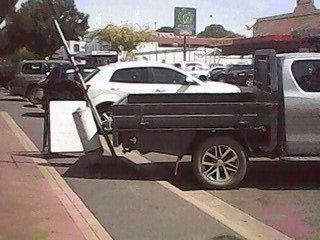
5. **Initiating the Reverse Maneuver**With your vehicle perfectly positioned and a clear assessment of your surroundings, it’s time to put the car in motion. This is where the actual parking ballet begins, and the initial reverse movement is perhaps the most defining step in setting the angle for a successful park. It requires a delicate touch, a mindful approach, and understanding the precise steering input.
Once you are ready, “shift your car into reverse.” This seemingly simple action is followed by a precise steering input: “Begin by turning your steering wheel all the way towards the curb.” If you’re parking on the right side of the road, this means turning the wheel sharply to the right. This aggressive initial turn is essential for angling the rear of your car into the space quickly and efficiently, aiming to see a “45° triangle formed by your car, the curb, and the road” in your passenger side mirror.
Crucially, you must “start backing up slowly.” Speed is the enemy of precision in parallel parking. A slow, controlled reverse allows you ample time to monitor your mirrors, assess your progress, and make micro-adjustments as needed. This gradual movement gives you the sensory feedback necessary to understand how your car is responding to the steering input, a vital part of building that intuitive “feel” for the maneuver. Remember, “the more you practice, the more natural it will feel.”
Read more about: Beyond the Showroom Shine: 14 Automotive Design Fails That Rocked the Industry

6. **The Critical Steering Correction**As your vehicle smoothly backs into the space, maintaining that initial sharp angle for too long will lead to hitting the curb or being parked at an awkward, acute angle to the street. This means that a critical steering correction is needed to transition your car from its initial entry angle to a more straightened position within the parking spot. This is a nuanced phase that demands attention to reference points and smooth execution.
“As your car moves into the empty parallel parking spot,” you need to “slowly straighten your steering wheel as you continue to move backwards.” This adjustment is about reducing the sharpness of your turn, allowing the front of your car to begin swinging inward towards the curb while the back of your car continues its arc. It’s a progressive action, not an abrupt one, aiming to gradually align your vehicle more squarely within the confines of the parking space.
A key reference point often cited is when “your front bumper clears the rear bumper of the car ahead” of the spot you’re entering, or when “the license plate on the vehicle in front of your space is centered in your windshield.” At this juncture, you should begin to ease off the full right turn, allowing the wheels to move towards a straighter position. “Continuously check all mirrors and through your windows and front windshield to ensure you are not in danger of hitting either of the vehicles bordering the parallel parking space,” as vigilance prevents overcorrection.
Read more about: From Barracks to Blockbusters: 15 Iconic Actors Who Answered the Call of Duty Before Hollywood Stardom
7. **Completing the Inward Turn**Having initiated the reverse and then made the first critical steering correction, the final phase of entering the parking spot involves a decisive turn of the wheel in the opposite direction. This maneuver brings the front of your vehicle neatly into alignment with the curb, completing the parallel parking entry. It’s the moment when your car truly slots into place, transitioning from an angled approach to a parallel stance.
“Once the front of your vehicle has passed the back bumper of the vehicle in the parking spot in front of you,” it’s time to “begin to turn your steering wheel to the left.” This means turning the wheel sharply away from the curb, all the way to the left. This action pivots the front of your car inwards, bringing it parallel to the curb, while the rear of your car continues to settle into its final position. Instructor Ibrahim Onerli succinctly advises, “cut the wheel all the way to the left and back up until your car is parallel to the road.”
As you execute this final turn, “continuously check all mirrors and through your windows and front windshield.” Your focus should now be on ensuring your vehicle is parallel to the curb and that you’re not getting too close to the car behind you. This is also the point where you visually confirm that your car is roughly centered within the space, leaving room at both ends. This delicate balance of steering and observation is what transforms a challenging parking attempt into a smooth, successful parallel park.
Refining Your Park: Six Advanced Strategies for Precision and Confidence
Having successfully navigated the initial entry into your parallel parking spot, the journey isn’t quite over. True mastery lies in the finesse of the final adjustments, the commitment to ongoing practice, the wisdom to sidestep common errors, the clever use of modern technology, the mental fortitude to stay calm, and the skill to exit with grace. These advanced strategies transform a mere parking attempt into a consistently perfect maneuver, solidifying your status as a parallel parking pro.
Read more about: Parts Scramble: 12 Vintage Truck Components Restorers Say Are Near-Impossible to Find
.jpg/640px-Indoor_location_services_on_mobile_phone_(10928087126).jpg)
8. **Adjusting for Perfect Positioning**Once you’ve guided the bulk of your vehicle into the space, the next step is often a crucial one: fine-tuning your position. This isn’t about grand movements, but rather subtle nudges that ensure your car is perfectly centered and parallel to the curb. It’s the difference between merely being in the spot and owning it, making sure you’re considerate of other parked cars and traffic flow.
Many drivers find themselves either too far from the curb or slightly crooked after the initial reverse. This is where patience and small adjustments come into play. As one guide suggests, “Once your car is inside the space, make small adjustments by moving forward or backward.” The aim is to achieve that ideal alignment where your tires are within a foot of the curb, ensuring your vehicle isn’t sticking out into the traffic lane, creating a hazard for others. Instructor Ibrahim Onerli advises, “pull forward if you need to adjust, then put your car in park.”
The goal is not just curb proximity but also balance. You want to “position your car so that there is an equal amount of space in front and behind your vehicle.” This leaves ample room for the cars bordering your spot to exit gracefully and provides a buffer zone for any unexpected movements. Take your time, shift to drive or reverse as needed, and execute these micro-adjustments until your car sits snugly and symmetrically in the space, a testament to your precision.
Read more about: Under-Desk Treadmills: A Deep Dive into Benefits, Usage, and Whether They Outperform a Daily Stroll
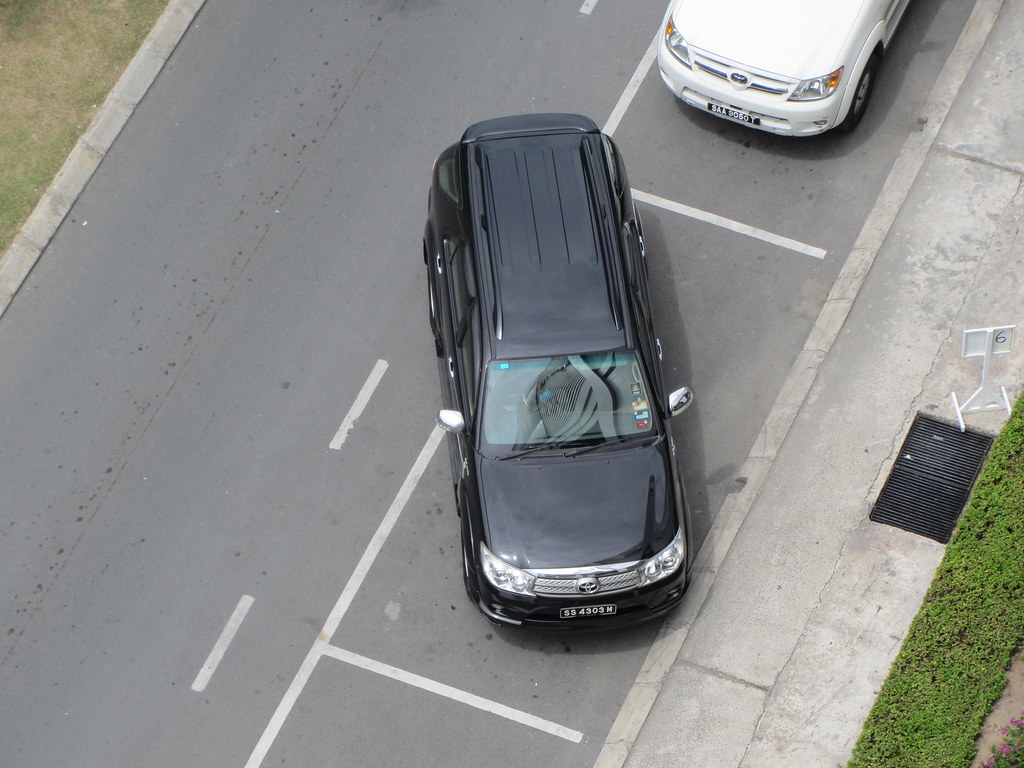
9. **Harnessing the Power of Practice Techniques**Like any valuable skill, parallel parking improves exponentially with dedicated practice. It’s not enough to simply understand the steps; you need to build muscle memory, develop an intuitive feel for your vehicle’s dimensions, and become comfortable with the sequence of movements. The more you repeat the process, the more natural and automatic it becomes, shedding any initial anxiety.
A highly effective method for honing your skills, especially for beginners, is practicing with cones. As the context suggests, you can “place two plastic cones or other objects approximately fifteen feet apart to simulate the standard size of this type of parking space.” This allows you to experiment with your steering and reversing in a low-pressure environment, without the stress of potentially damaging other vehicles. Gradually, you can decrease the distance between the cones as your confidence grows, mimicking tighter parking scenarios.
Beyond setting up simulated spaces, choosing the right environment for practice is key. Look for “quiet streets or empty parking lots to practice.” These locations provide the mental space needed to focus purely on your technique, free from the distractions and pressures of busy traffic. Consistent, deliberate practice in these settings will ingrain the steps, transforming parallel parking from a daunting challenge into a seamless maneuver that you can execute with unwavering confidence, even when onlookers are present. The context emphasizes, “the more you practice, the more natural it will feel.”
Read more about: The Definitive Guide to Boosting Medical Practice Revenue: 12 Proven Strategies for Optimizing Front Desk Collections
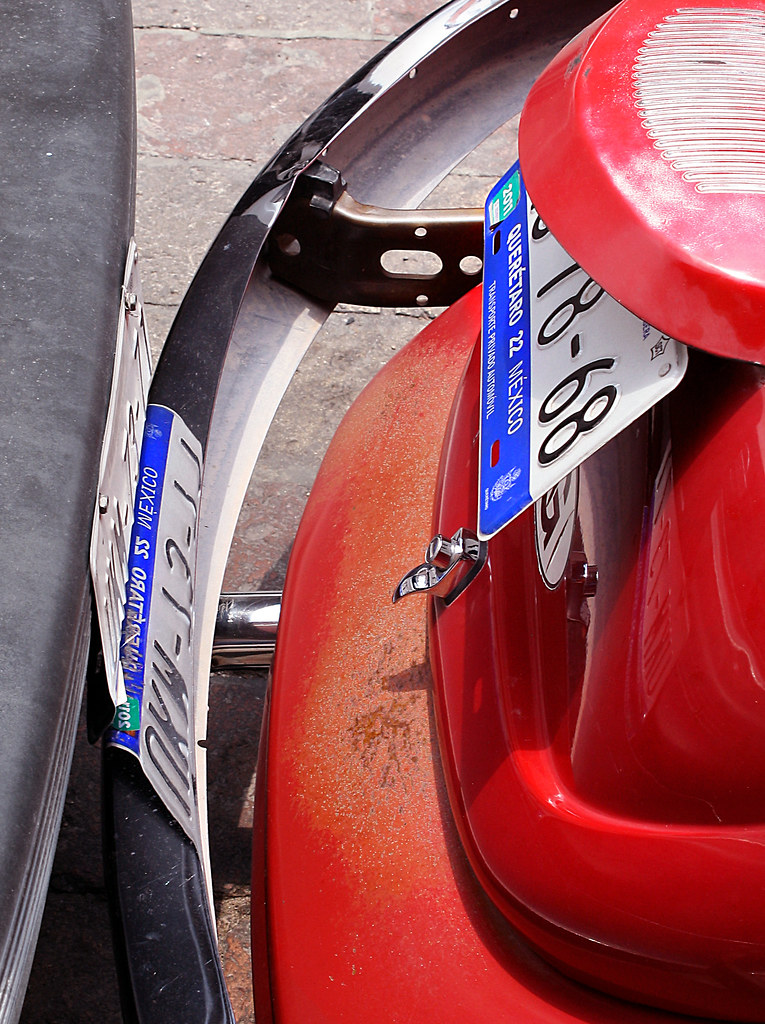
10. **Avoiding Common Pitfalls and Mastering Precision**Even with a clear step-by-step guide, certain mistakes consistently trip up drivers attempting parallel parking. Recognizing these common pitfalls is half the battle; the other half is actively implementing strategies to avoid them. By understanding where things can go wrong, you can proactively adjust your approach and significantly increase your success rate.
One frequent error is “parking too close to the car in front before starting” or misjudging the initial distance. This restricts your ability to swing the front of your car out, leading to hitting the curb or being too far from it. Similarly, “oversteering or understeering” is a common issue. If you turn the wheel too much or not enough at critical junctures, you’ll find yourself either scraping the curb or sticking out into traffic. Precise timing and gradual steering adjustments are paramount, something Travis Driving School stresses: “Turning Too Early or Late This often leads to hitting the curb or parking too far from it. Precise timing is key.”
Another significant mistake is “forgetting to check blind spots and mirrors.” The dynamic nature of urban environments means pedestrians, cyclists, or other vehicles can appear unexpectedly. A comprehensive scan of your surroundings, including physical head turns, is non-negotiable before and during the maneuver. The context also points out “reversing too quickly” as a common error; slow, controlled movements allow for better observation and timely corrections, preventing panicked “overcorrecting” that can fluster you further. Proper alignment, ensuring your vehicle is not too close to adjacent vehicles, is also crucial to avoid dings and scratches. By consciously avoiding these errors, your parallel parking will become far more consistent and effortless.
Read more about: Email Etiquette Secrets Revealed: How to Get Replies and Forwards Like a Pro!

11. **Leveraging Technology for an Edge**In today’s automotive landscape, technology has become a powerful ally, transforming once-daunting driving tasks into more manageable feats. Parallel parking is no exception, with modern vehicles offering a suite of advanced features designed to assist drivers. While these tools shouldn’t replace fundamental skill, they can certainly provide an invaluable edge, enhancing both safety and confidence during the maneuver.
Foremost among these technological aids are “rear-view or backup cameras.” These systems provide a clear, real-time visual of the space behind your vehicle, eliminating many blind spots and giving you a much better sense of distance to the curb and the car behind you. Complementing cameras are “parking sensors” which use ultrasonic waves to detect proximity to obstacles, providing audible warnings as you get closer to other vehicles or the curb. These alerts act as an extra layer of awareness, allowing for timely corrections before contact is made.
Beyond simple aids, some advanced vehicles even boast “automated parallel parking systems.” These sophisticated features can, at the touch of a button, steer your car into a parallel spot with minimal driver input. While incredibly convenient, the advice remains clear: “don’t rely on them alone.” It’s essential to remain engaged, monitor the process, and continue to practice your manual skills. Technology is there to assist and empower you, not to make you complacent, ensuring you maintain a holistic understanding of the parking process for situations where these aids might not be available or suitable.
Read more about: Icon Status: Are the 11 Biggest Box Office Kings of All Time Still Relevant Today?

12. **Cultivating Calm and Confidence Under Pressure**Parallel parking often brings with it a unique cocktail of stress, especially when faced with the impatient blare of a horn from a waiting driver or the watchful eyes of pedestrians. However, maintaining composure is not just about emotional well-being; it’s a critical component of successful and safe execution. Panic leads to rushed movements, poor judgment, and ultimately, a higher chance of error.
One of the most empowering pieces of advice is to “stay calm and confident.” The urban environment is dynamic, and you have every right to take the time you need to park safely and correctly. “Many drivers panic when someone is waiting behind them,” notes one guide, but the key is to “focus on your technique, not the pressure.” This means trusting the steps you’ve learned, relying on your reference points, and executing each part of the maneuver with a steady hand.
If you feel yourself getting flustered, take a deep breath. Rushing can lead to oversteering, understeering, or misjudging distances. A moment of pause can recalibrate your focus and prevent costly mistakes. Remember, “a steady hand and confidence go a long way.” By cultivating this calm demeanor, you empower yourself to make precise, controlled movements, turning a potentially stressful situation into a demonstration of confident, skillful driving. Your ability to maintain composure will not only lead to better parking outcomes but also contribute to a more enjoyable driving experience overall.
Read more about: Finding the Song: How Poems and Prayers Offer an Antidote to Cynicism in Life’s Unfiltered Journey
13. **Mastering the Art of the Exit Maneuver**Achieving a perfect parallel park is undoubtedly satisfying, but true mastery extends to exiting the space just as smoothly and safely as you entered it. This final maneuver requires its own set of precise actions and vigilant observation, ensuring you don’t ding your own car or those around you, and safely merge back into traffic flow.
The process begins by creating necessary clearance. First, “put your car into reverse and back towards the car behind you.” The objective here is to create sufficient space in front of your vehicle to allow for the forward swing out. You should “back as close as you reasonably can without putting yourself in danger of hitting the other vehicle,” utilizing your mirrors and spatial awareness to judge the safe limit.
With sufficient room created at the front, the next step is to initiate your forward exit. “Turn your steering wheel to the left and shift your car into forward.” This sharp turn of the wheel in the direction you wish to go will pivot the front of your car into the traffic lane. As you move forward, “check for traffic in the lane you are about to enter.” This is a critical safety check to ensure you have a clear path before fully committing to the exit.
As you begin to drive out, continuously monitor your front bumper to ensure you are “not too close to the back bumper of the vehicle parked in front of you.” Slowly and smoothly drive out of the parallel park, straightening your wheel as your car aligns with the traffic flow. This coordinated sequence of backing up, steering, and checking ensures a seamless transition back onto the road, completing the full parallel parking cycle with practiced ease.
Read more about: Steer Clear: 17 Heavy Equipment You Absolutely Should Not Acquire in 2025 According to Industry Insiders
Congratulations! You’ve navigated the intricacies of advanced parallel parking, transforming it from a dreaded task into a confident, second-nature skill. By applying these refining strategies—from making those final, perfect adjustments and leveraging smart practice techniques, to deftly avoiding common errors, using technology wisely, maintaining your calm, and mastering the exit—you’re no longer just parking; you’re performing a symphony of precision and control. This mastery not only makes urban driving far less stressful but also unlocks a world of convenient parking opportunities, proving that with the right approach and consistent effort, anyone can become a parallel parking virtuoso. So go ahead, find that perfect spot, and park like a pro!