Whether you’ve been a lifelong athlete or are just considering starting a fitness journey, now is unequivocally the right time to embrace an exercise regimen. Getting and staying in shape holds immense importance for seniors, just as it does for younger individuals, offering a profound impact on overall health and quality of life. The notion that physical activity is only for the young is a misconception we aim to dispel, presenting a compelling case for active living at any age.
Elevating your heart rate and engaging your muscles delivers widespread benefits across virtually every system in your body, leading to remarkable improvements in both physical and mental well-being. Regular physical activity plays a critical role in maintaining healthy blood pressure, preventing the accumulation of harmful plaque in your arteries, reducing inflammation, optimizing blood sugar levels, and fortifying your bones. Beyond these fundamental advantages, it also serves as a potent defense against depression, contributing significantly to your emotional resilience.
Many older adults hesitate to get moving, often due to unfamiliarity with effective and safe exercise types, or uncertainty about the necessary intensity and duration. The encouraging news is that any form of movement surpasses being sedentary, making it perfectly acceptable to start modestly and gradually progress to more extended workouts. The goal should be a minimum of 150 minutes of moderate-intensity activity per week, a target you can build towards steadily. Alongside structured exercise, integrating physical activity throughout your day—by taking stairs, doing yard work, or playing with grandchildren—further enhances your overall health.

1. **The Crucial Importance of Exercise for Seniors**For older adults, exercise is far more than just a pastime; it’s a cornerstone of healthy aging and sustained independence. The benefits extend deeply into biological and psychological functions, directly impacting daily living and long-term health prospects. It’s about building a robust foundation that supports everything from physical resilience to cognitive sharpness, ensuring a higher quality of life for years to come. This commitment to activity can fundamentally reshape the aging experience.
Regular physical activity has a direct positive influence on a multitude of bodily systems. It effectively helps in maintaining a healthy blood pressure, thereby easing the strain on your cardiovascular system. Furthermore, it works to keep harmful plaque from accumulating in your arteries, a crucial factor in preventing heart disease and strokes. The anti-inflammatory effects of exercise also contribute to overall systemic health, reducing the risk of numerous chronic conditions associated with inflammation.
Beyond cardiovascular and systemic health, exercise is a powerful tool for metabolic regulation, improving blood sugar levels and enhancing insulin sensitivity. It also plays a vital role in strengthening bones, significantly reducing the risk of osteoporosis and fractures, which are major concerns for seniors. On the mental health front, it’s a proven mood booster, helping to stave off depression and improve cognitive function, ensuring a sharper mind alongside a stronger body.
Moreover, the advantages ripple into less obvious but equally impactful areas of life. A regular exercise program can notably enhance your life, leading to greater intimacy and satisfaction. It is also a key factor in achieving better quality sleep, crucial for both physical recovery and mental rejuvenation. Studies have linked consistent physical activity to a reduced risk of some cancers and, perhaps most compellingly, to a longer, more vibrant life. These cumulative benefits underscore why prioritizing exercise is a non-negotiable aspect of healthy senior living.
Read more about: Preparing for Tomorrow: 12 Key Social Security Changes in 2026 That Impact Every American
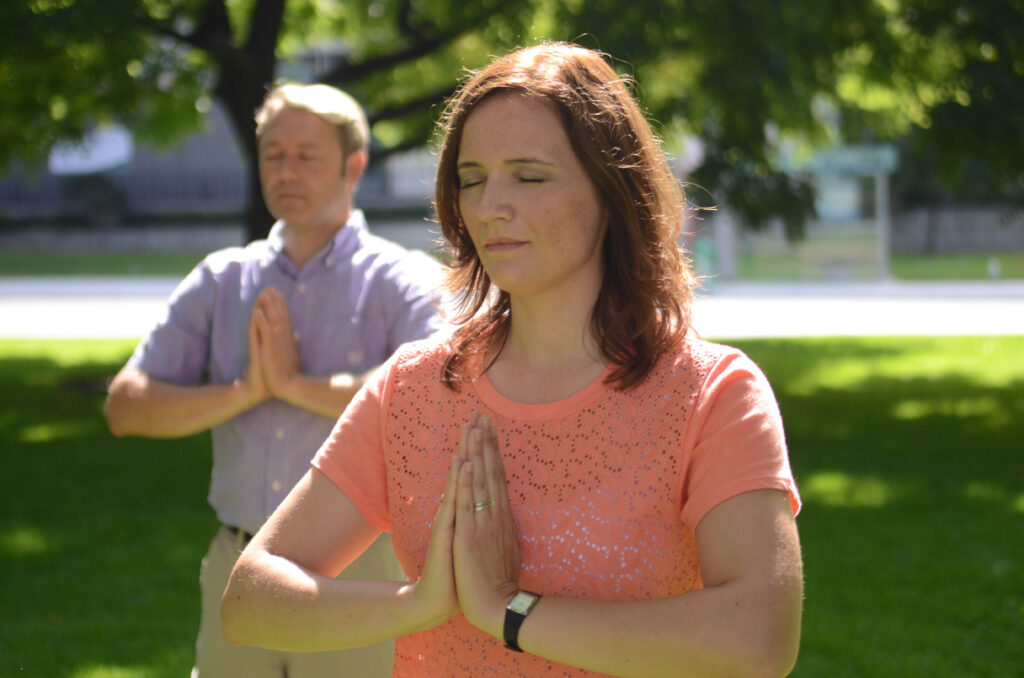
2. **Understanding Aerobic Exercise for Older Adults**Aerobic exercise, commonly known as “cardio,” is characterized by an increased heart rate and sustained movement that primarily challenges and benefits your cardiovascular system—your heart and lungs. While most aerobic activities involve whole-body movement, the central aim is to improve the efficiency with which your body uses oxygen, thereby boosting endurance and stamina. This category encompasses a wide array of enjoyable and accessible activities suitable for older adults, making it a versatile component of any fitness regimen.
Activities like brisk walking, swimming, dancing, and cycling, when performed at a sufficient intensity, effectively elevate your breathing and accelerate your heart rate. These exercises are not only excellent for burning fat, contributing to weight management, but also profoundly improve your mood by stimulating the release of endorphins. Furthermore, they are instrumental in reducing inflammation throughout the body and play a crucial role in lowering blood sugar levels, which is particularly beneficial for managing or preventing type 2 diabetes.
Specific forms of aerobic exercise offer unique advantages for older adults. Jogging at a steady, gentle pace is excellent for weight maintenance and building a foundational cardiovascular base. Elliptical trainers provide a low-impact option, ideal for those with joint issues in their hips, knees, or ankles, allowing for walking or running motions without excessive stress. Walking itself, performed at a regular pace over short or long distances, remains one of the simplest yet most effective forms of cardio.
Additionally, treadmill training offers structured workout plans, often incorporating beneficial intervals of walking and running. Swimming is a fantastic full-body exercise that strengthens the core while significantly improving cardiovascular endurance, with the added benefit of being extremely gentle on joints. Cycling, whether stationary or outdoors, is another low-impact exercise that is superb for improving leg strength and can be sustained over longer distances, further enhancing cardiovascular health. These diverse options ensure that every senior can find an aerobic activity that suits their preferences and physical capabilities.
Read more about: The Science of Speed: Unveiling How Just 15 Minutes of Fast Walking Each Day Can Add Years to Your Life
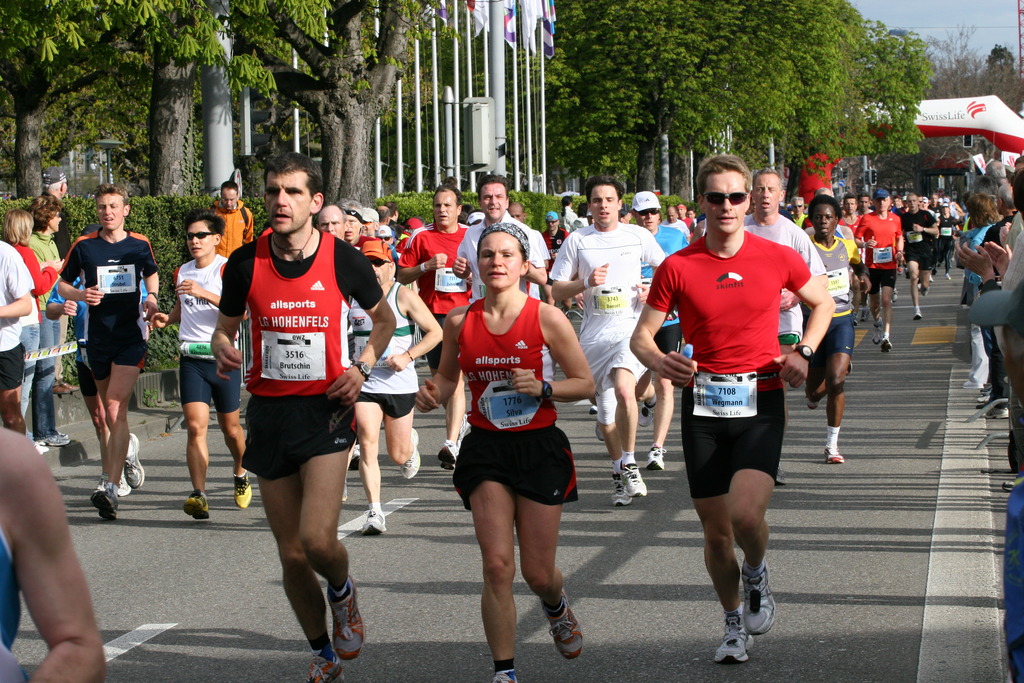
3. **Mastering Strength Training for Lasting Vitality**Strength training, often referred to as resistance training, is an indispensable component of a comprehensive fitness program for seniors. It should ideally be performed two to three times a week, focusing on major muscle groups. This type of exercise involves working your muscles against a form of resistance, whether that’s your own body weight, free weights, resistance bands, or dedicated machines. It is critical for maintaining and even building muscle mass, which naturally declines with age, a phenomenon known as sarcopenia.
Engaging in exercises such as squats, lunges, and push-ups, or utilizing resistance machines, weights, and bands, actively helps to counteract this age-related muscle loss. The benefits extend far beyond just muscular aesthetics; increased strength is directly linked to improved functional independence. Stronger muscles provide better support for joints, enhance stability, and are crucial in preventing falls, which are a leading cause of injury among older adults.
Strength training also offers significant skeletal benefits. It plays a vital role in keeping bones strong by stimulating bone density, thereby reducing the risk of osteoporosis. Furthermore, its impact on metabolic health is noteworthy, as it helps to lower blood sugar levels by increasing the body’s muscle mass, which is more metabolically active than fat tissue. Improved muscle control and power gained from strength training also contribute directly to enhanced balance, making daily activities safer and more manageable.
To maximize the benefits, it’s advisable to incorporate both isometric and isotonic exercises. Isometric exercises, such as holding a plank position or performing static leg lifts, are performed without visible movement. They are exceptional for maintaining strength and significantly improving stability and core control. In contrast, isotonic exercises involve bearing weight throughout a range of motion, like bicep curls, bench presses, and sit-ups. A balanced regimen that includes both types ensures a holistic approach to building and preserving strength and functional fitness.
Read more about: The $5 Food Item That Keeps Keanu Reeves Looking So Young

4. **The Essential Role of Stretching for Flexibility and Mobility**Stretching often gets overlooked in favor of more dynamic workouts, but its importance, particularly as we age, cannot be overstated. These exercises are crucial for maintaining the elasticity of your muscles and tendons, which naturally stiffen over time. By incorporating regular stretching, you actively work to preserve your posture, counteract the slouching that can occur with age, and significantly improve your overall mobility. This enhanced range of motion allows for greater ease in performing daily tasks and reduces the risk of injury.
The beauty of stretching is its flexibility in terms of frequency; it can be safely and beneficially done every day. Consistency is key to seeing lasting improvements in flexibility and to preventing stiffness. Incorporating stretching into your daily routine, even for just a few minutes, can make a substantial difference in how your body feels and moves. It serves as a gentle yet powerful intervention against the inevitable tightening of soft tissues that comes with aging.
For optimal results, it’s generally best to perform stretching exercises either after you have warmed up your muscles for a few minutes or following the completion of your main workout. Warm muscles are more pliable and less prone to injury, allowing for a deeper and more effective stretch. Stretching before a cold workout can sometimes be counterproductive, so timing your stretches strategically can enhance their benefits and minimize any risks.
When stretching each muscle group, the key technique is to take it slow and steady. Avoid bouncing or forcing a stretch, as this can lead to muscle strain or injury. Instead, gently move into the stretch until you feel a mild tension, hold it for a comfortable duration (typically 20-30 seconds), then slowly release. Repeating this process a couple of times for each muscle group ensures that you are effectively lengthening the fibers and improving your range of motion without putting undue stress on your body. This deliberate approach fosters lasting flexibility.
Read more about: The Great American Road Trip Renaissance: Why Highways Are Conquering the Skies in 2025
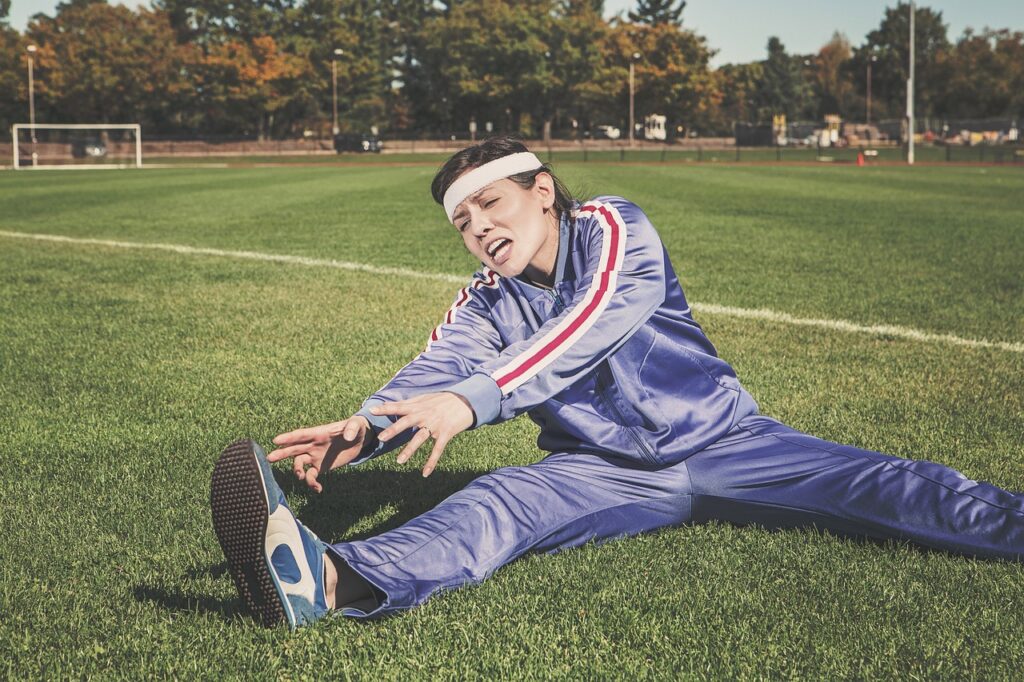
5. **Enhancing Stability with Balance Exercises**Balance exercises are a critical, often underestimated, component of fitness for seniors, directly addressing one of the most significant concerns for older adults: the risk of falls. These exercises specifically engage the complex systems that work in concert to keep you upright and oriented in space, including your inner ear (vestibular system), your vision, and the proprioceptors in your muscles and joints. By training these systems, you can significantly enhance your stability and coordination, reducing the likelihood of stumbles and falls.
Integrating practices like Tai chi and yoga into your routine are excellent ways to develop and maintain superior balance. Tai chi, with its slow, deliberate movements and focus on controlled breathing, is particularly effective at improving proprioception and core stability. Yoga, through its various poses and emphasis on mindful movement, strengthens core muscles, increases flexibility, and hones spatial awareness. Both disciplines offer holistic benefits that extend beyond mere physical balance, promoting mental calm and body awareness.
If you have noticed problems with your balance, such as unsteadiness, dizziness, or vertigo, it is imperative to talk to a healthcare provider. They can offer personalized recommendations for balance-specific exercises and rule out any underlying medical conditions. Beyond professional advice, a general guideline is to aim for three half-hour balance workouts each week, supplemented by at least two 30-minute walks. This combination of targeted training and regular movement helps to build and sustain your equilibrium.
For those starting out or with concerns about fall risk, balance exercises can be easily modified for safety. For example, standing behind a sturdy chair, you can hold its back for support while lifting one leg to about the height of the middle of the calf of your other leg, simultaneously tightening your abdominal muscles. As your balance improves, you can progressively challenge yourself by holding the chair with just one hand, and eventually, by letting go of the chair entirely. This gradual progression ensures that you build confidence and stability at a pace that is safe and effective for you.
Read more about: Buzz-Worthy Biceps: 8 Hollywood Actresses Redefining Strength and Toned Arms!

6. **Navigating Exercise Recommendations: How Much is Enough?**Determining the right amount of exercise is not a one-size-fits-all equation for seniors; it depends on several key factors. Your current fitness level, specific fitness goals, the types of exercise you plan to undertake, and any existing deficits in areas like strength, flexibility, or balance all play a role in tailoring an effective regimen. Understanding these variables is crucial for creating a sustainable and beneficial workout plan that aligns with your individual needs and capabilities.
As a general rule, experts recommend a weekly minimum of 150 minutes of moderate-intensity aerobic activity, or 75 minutes of vigorous exercise, for substantial health benefits. As you become fitter, you will likely want to exceed these minimums to reap maximum benefits, continuously challenging your body to adapt and improve. This guideline provides a solid baseline, but the flexibility to adjust based on your body’s response is equally important, ensuring that you don’t overexert yourself, especially when starting out.
A natural and practical way of distributing the recommended 150 minutes of aerobic activity might be to engage in a 30-minute session five times per week. Alternatively, you can break it up into shorter, more frequent bouts, such as two 15-minute sessions during a single day. The key is to adopt whatever schedule most seamlessly integrates into your lifestyle, making it easier to maintain consistency. The goal is regular activity, not rigid adherence to a single schedule.
For strength exercises, the aim should be to work all your major muscle groups two to three times each week, allowing for 48 hours of recovery between each workout for the same muscle group. If you opt for total-body workouts, this translates to about two sessions per week. If you prefer to split your workouts to target specific muscle groups—for example, dedicating a day to legs or upper body—this will necessitate more frequent gym visits. Always ensure you’re providing those 48 hours of rest before re-working a major muscle to prevent overtraining and promote muscle repair and growth.
While a little muscle soreness, particularly when you’re starting a new program, is to be expected and often referred to as “welcome” soreness, it’s crucial to distinguish this from overtraining. If you find your body consistently failing to recover between workouts, you may be pushing yourself too hard. Seniors, in particular, require more recovery time than younger individuals, a biological reality that must be respected. With the exception of healthy muscle soreness, your exercise program should leave you feeling good, energized, and ready for your next session. If it doesn’t, it’s a clear signal to dial back the intensity or frequency of your workouts until you hit that sweet spot of challenge and adequate recovery.

7. **Adapting Exercise for Limited Mobility**One of the most empowering messages in fitness for older adults is that everyone, regardless of their current physical condition or any severe limitations they may face, can and should engage in some form of exercise. Fitness experts have meticulously designed specific exercises for seniors that are low-impact, incredibly safe, and can even be performed from a sitting position if necessary. This adaptability ensures that physical activity remains accessible to all, promoting health and well-being across the entire spectrum of mobility.
For individuals concerned about their fall risk, balance exercises can be safely performed while holding onto a sturdy chair or a door frame. Imagine standing behind a chair, gently holding its back, and then slowly lifting one leg to about the height of the middle of the calf of your other leg, simultaneously engaging your abdominal muscles for stability. As your balance and confidence improve, you can gradually progress by attempting the exercise while holding the chair with just one hand, and eventually, daring to let go of the chair entirely. This structured progression builds strength and equilibrium securely.
Even core-strengthening exercises, which are fundamental for overall stability, can be thoughtfully adapted for those with limited abilities. A standard plank, typically performed by holding your body parallel to the floor on your forearms and toes, can be modified. An easier version allows you to place your knees on the mat, reducing the load. For an even more accessible method, you can do a standing plank: lean forward, place your elbows and forearms on a desk, table, or wall, resting on the balls of your feet while keeping your back perfectly straight. These adaptations ensure that everyone can engage their core effectively.
Similarly, a diverse array of stretching exercises has been developed to suit seniors of different abilities. If holding poses on your hands and knees proves challenging, consider a full-body stretch performed while lying on your back: straighten your legs and extend your hands along the floor past your head. Many beneficial stretches can also be done comfortably from a seated position, such as overhead stretches that lengthen your spine and arm muscles, and gentle neck rotations to improve cervical mobility.
In fact, numerous other types of exercise can be effectively performed from a seated position, making them ideal for individuals with significant mobility constraints. These chair exercises for seniors include bicep curls, using light dumbbells or elastic bands, overhead dumbbell presses to strengthen shoulder muscles, and shoulder blade squeezes to improve posture. Calf raises can be done while seated, and sit-to-stands, essentially chair squats, are excellent for leg strength and functional movement. Knee extensions also provide targeted strengthening for the quadriceps, proving that a comprehensive workout is possible without ever leaving your chair.
Read more about: Beyond Range Anxiety: 12 Critical Electric Vehicle Issues Leaving Owners Stranded and Disappointed

8. **The Profound Impact of Exercise on Cardiovascular Health**For many, heart health is a top priority, and rightly so. The good news is that a smartly designed exercise program directly supports your body’s cardiovascular system, building a stronger, more efficient heart. While engaging in physical activity temporarily raises your blood pressure by forcing the circulatory system to work harder, the remarkable effect is that once you’ve finished exercising, your blood pressure drops to a lower level than it was before you began. This consistent process, facilitated by regular movement, leads to a fitter cardiovascular profile over time.
To truly put a premium on cardiovascular health, you should prioritize cardiovascular exercises that challenge your heart and lungs, ensuring a robust supply of oxygen to your cells. These types of workouts excel at reducing blood pressure and maintaining the health of your arteries’ inner walls. Furthermore, they stimulate the release of enzymes that effectively break down blood clots and even promote the growth of new arteries that feed the heart, optimizing its function and resilience.
Beyond direct arterial benefits, regular aerobic exercise also significantly lowers your risk of type 2 diabetes. While not typically viewed as a heart problem, managing diabetes is crucial for cardiovascular well-being, as high blood sugar takes a toll on blood vessels and the nerves that control the heart. When you exercise, your body’s cells become more sensitive to insulin, efficiently taking glucose (sugar) out of the blood. This enhanced insulin sensitivity persists long after your workout, making physical activity a powerful ally in both diabetes and heart disease prevention.
Read more about: Beyond the Bulk: Chris Hemsworth’s Real Health Journey and the Truth About ‘Harmless’ Supplements
9. **Elevating Your Mental Well-being: Exercise as a Mood Booster**Exercise is not just about physical gains; its profound benefits on mental health are extensively documented and critically important for overall quality of life. Consider this: one major study revealed that sedentary individuals were 44% more likely to experience depression. Conversely, research has shown that people with mild to moderate depression can achieve similar positive results to those obtained through antidepressants simply by committing to 90 minutes of exercise each week. This underscores the potent therapeutic capacity of physical activity for the mind.
The key to these mental health improvements lies in the brain’s own chemistry. Exercise triggers the release of vital brain chemicals like serotonin and dopamine, natural mood boosters that effectively combat stress and elevate your spirits. Simultaneously, it helps to decrease the levels of stress hormones such as cortisol and adrenaline in the body, providing a direct physiological pathway to feeling calmer and more positive.
Beyond these neurochemical shifts, a consistent exercise routine brings a cascade of mental health advantages. It’s a proven catalyst for improved sleep quality, offering a natural remedy for insomnia, and serves as an excellent stress reliever. You’ll likely notice an improvement in your mood, a surge in energy and stamina, and a significant reduction in tiredness, all contributing to increased mental alertness. These cumulative effects foster greater self-esteem and can even reduce fatigue, allowing you to approach daily tasks with renewed vigor.
The Centers for Disease Control and Prevention suggests that even a modest commitment of 30–60 minutes of exercise, 3 to 5 times a week, can yield many of these benefits. This regular engagement also opens up increased opportunities for social interaction, further enhancing social skills and combating feelings of isolation.
10. **Mastering Your Metabolism: Exercise for Effective Weight Management**Many people instinctively link exercise with weight loss, and they’re absolutely right; while diet is undeniably crucial, physical activity plays an integral role in achieving and maintaining a healthy weight. Generally, aerobic exercises, or cardio, are exceptional for expending calories and effectively reducing body fat. These activities engage your larger muscle groups, using calories from your daily macronutrient intake to fuel movement, thus burning stored energy.
However, don’t underestimate the effectiveness of strength training in your weight management strategy. It’s the ultimate tool for optimizing your body’s ratio of lean muscle to fat. Muscles are more metabolically active than fat tissue, meaning they burn more calories even at rest. Strength training also contributes to excess post-exercise oxygen consumption (EPOC), where your body continues to burn additional calories as it recovers, effectively increasing your overall metabolic rate. It’s also the best exercise for bone strength, offering a dual benefit.
When it comes to the “best” exercise for weight loss, there’s no single Holy Grail. The most effective exercise is, quite simply, the one you’ll do consistently. Whatever activity gets your heart rate up, gets your body moving, and, importantly, keeps you engaged and motivated, is the one that will help you shed pounds. Furthermore, aerobic exercise has a particularly direct impact on abdominal fat, especially the more dangerous visceral fat, which is linked to various health issues.
Ultimately, physical fitness promotes weight control through the regulation of critical bodily functions. It positively influences steroid hormones, insulin sensitivity, and appropriate immune responses—all factors that mediate metabolism in relation to abdominal fat. By building resilience through consistent activity, you’re not just burning calories; you’re orchestrating a symphony of internal processes that contribute to a healthier body composition and lasting well-being.
11. **The Anti-Inflammatory Power and Immune System Boost of Physical Activity**Beyond building strength and endurance, physical activity offers remarkable internal benefits, specifically in its ability to mitigate inflammation and fortify your immune system. Studies consistently demonstrate a clear association between increased physical activity and a reduction in systemic inflammation, acting as a natural defense mechanism within your body. This makes exercise a powerful, proactive strategy for maintaining cellular health and resilience.
Exercise produces a fascinating dual effect: a short-term inflammatory response during activity, immediately followed by a profound long-term anti-inflammatory effect. This anti-inflammatory action is partly mediated through the role of skeletal muscle as an endocrine organ. Contracting muscles release multiple beneficial substances known as myokines, which are crucial for promoting the growth of new tissue, aiding in tissue repair, and carrying out various anti-inflammatory functions, thereby reducing the risk of developing inflammatory diseases. Notably, these benefits accrue with or without significant changes in body weight.
Moreover, physical activity is a potent booster for your immune system, enhancing its ability to protect you from illness. It has been demonstrably shown to increase the levels of several key immune cells and components, including natural killer (NK) cells, NK T cells, macrophages, neutrophils, and eosinophils. Additionally, it elevates complements, cytokines, antibodies, and T cytotoxic cells, all critical players in your body’s defense mechanisms. This comprehensive boost helps your body identify and fight off pathogens more effectively.
It’s worth noting that the effectiveness of these immune and anti-inflammatory responses is dependent on a concentration of various endogenous factors such as hormones, metabolic hormones, growth hormones, body temperature, blood flow, hydration status, and body position. While we understand the outcomes, the precise mechanisms linking physical activity to these profound immune and anti-inflammatory benefits are still areas of active scientific exploration, continually revealing new layers of exercise’s holistic power.
Read more about: Why What You’ve Heard About Breakfast Might Be Wrong: A Deep Dive into Skipping and Its Surprising Health Realities

12. **Navigating Menopause with Fitness: A Woman’s Guide to Well-being**Menopause marks a significant transition in a woman’s life, often accompanied by a range of symptoms that can profoundly affect her quality of life. The encouraging news is that engaging in regular exercise and maintaining a healthy level of fitness can significantly reduce the severity of these symptoms. As the female body undergoes physical, physiological, and internal changes leading up to and during menopause, these transformations can be effectively mitigated or even prevented through consistent physical activity, empowering women to navigate this stage with greater vitality.
One of the most immediate benefits is the prevention of weight gain, a common concern as women approach menopause. During this period, there is a natural tendency to experience a reduction in muscle mass alongside an increase in fat levels. Increasing the amount of physical exercise undertaken directly helps to counteract these changes, preserving lean muscle and maintaining a healthier body composition. Furthermore, the weight loss achieved through regular exercise may offer crucial protection from breast cancer, adding another layer of significant health advantage.
Exercise also plays a vital role in strengthening bones, which is particularly important as menopause can accelerate bone loss, increasing the risk of fractures and osteoporosis. Regular physical activity can substantially slow this age-related bone density decline, preserving skeletal integrity. Additionally, by helping manage weight, exercise reduces the risk of serious conditions like heart disease and type 2 diabetes, which are often exacerbated by excess weight during this life stage. These preventative effects underscore the broad protective umbrella that fitness provides.
Beyond the physical, regular activities offer a significant boost to psychological health, an effect that is beneficial at any age, but particularly during the emotional fluctuations of menopause. Evidence from the Melbourne Women’s Midlife Health Project, which followed 438 women over eight years, showed a compelling link. While physical activity wasn’t initially associated with vasomotor symptoms (hot flashes), women who reported being physically active every day at the study’s outset were 49% less likely to report bothersome hot flushes compared to those whose activity levels decreased, highlighting the long-term impact of consistent movement.
13. **Exercise as a Shield: Preventing Chronic Diseases (Cancer & Diabetes)**Beyond the immediate benefits of strength and stamina, exercise stands as one of your most powerful defenses against a host of chronic diseases, notably cancer and type 2 diabetes. Leading health organizations, such as the WCRF and American Institute for Cancer Research (AICR), provide clear lifestyle guidelines to significantly reduce cancer risk. These include being as lean as possible without being underweight, engaging in at least 150 minutes of moderate-intensity or 75 minutes of vigorous-intensity physical activity weekly, aiming for at least thirty minutes of physical activity every day, and balancing your diet with plenty of vegetables, grains, fruits, and legumes while limiting sugar, red meats, processed meats, and alcohol.
These recommendations are not just suggestions; they are widely supported by organizations like the American Cancer Society, and individuals who adhere more closely to them have demonstrably reduced cancer risk and improved outcomes for a multitude of chronic health problems. While physical fitness alone cannot cure cancer—a multifactorial disease—it serves as a powerful and controllable preventative intervention. The strong associations between consistent physical activity and reduced cancer incidence provide a compelling strategy for long-term health protection.
Shifting focus, regular aerobic exercise also significantly lowers the risk of developing type 2 diabetes. While diabetes is often considered a metabolic issue, its profound impact on cardiovascular health—damaging blood vessels and nerves that control the heart—makes prevention crucial for overall well-being. When you engage in physical activity, your body’s cells are prompted to take glucose (sugar) out of the blood more efficiently. This occurs because exercise enhances your cells’ sensitivity to insulin, the vital hormone for glucose metabolism, an effect that can last long after your workout is complete.
Furthermore, given that obesity is a significant risk factor for diabetes, any exercises that help you shed fat—especially around your middle—will play a critical role in keeping diabetes at bay. By reducing excess weight and improving insulin sensitivity, you’re not just preventing high blood sugar; you’re safeguarding your cardiovascular system and ensuring a healthier metabolic future. This combined approach makes exercise an indispensable part of a comprehensive disease prevention strategy.

14. **Unlocking Advanced Training: The Power of High-Intensity Interval Training (HIIT)**While foundational aerobic and strength training are indispensable, for those looking to maximize their fitness gains and efficiency, exploring advanced training methodologies like High-Intensity Interval Training (HIIT) can be a game-changer. HIIT consists of repeated, short bursts of intense exercise, pushing your body to its limits, followed by predetermined periods of rest or low-intensity activity. This structured approach to training maximizes effort in minimal time, delivering impressive results.
One of the most compelling aspects of HIIT is its impact on cardiac benefits. Studies have consistently shown that exercising at a higher intensity, characteristic of HIIT, can have the effect of increasing cardiac benefits for humans when compared with exercising at a low or moderate level. This means you’re not just getting fitter; you’re building a more robust and resilient heart, capable of handling greater demands, thereby boosting overall cardiovascular performance and health.
HIIT is also remarkably effective for fat reduction. Research indicates that it can be very successful, particularly for targeting fat around the abdominal region. When pitted against continuous moderate exercise, HIIT proves to burn more calories both during the session and, critically, increases the amount of fat burned post-HIIT session due to the elevated metabolic rate that persists as your body recovers. This ‘afterburn’ effect makes every minute count for greater fat loss.
Perhaps one of the most practical benefits of HIIT, and a major reason for its growing popularity, is its time efficiency. For many, a lack of time is a primary barrier to consistent exercise. HIIT provides an excellent alternative, as the duration of a session can be incredibly short—often as little as 10 minutes—making it a much quicker and more accessible option than conventional, longer workouts. This allows you to achieve significant fitness improvements even on the busiest of schedules, empowering you to integrate powerful training into your life with ease.
Read more about: The Definitive Fitness Blueprint for Men Over 40: Unlocking Strength, Vitality, and Longevity Through Smart Training Strategies
Embarking on a fitness journey, especially as we age, is a profound commitment to self-care, longevity, and an enriched quality of life. As we’ve explored, the benefits of exercise cascade through every system of your body and mind—from fortifying your heart and sharpening your mental acuity to boosting your immune defenses and fending off chronic diseases. Whether you’re integrating gentle movements or embracing advanced techniques like HIIT, every step, every lift, and every stretch contributes to a vibrant, healthier you. Embrace the power of movement, listen to your body, and discover the remarkable vitality that awaits. Your future self will thank you for it.