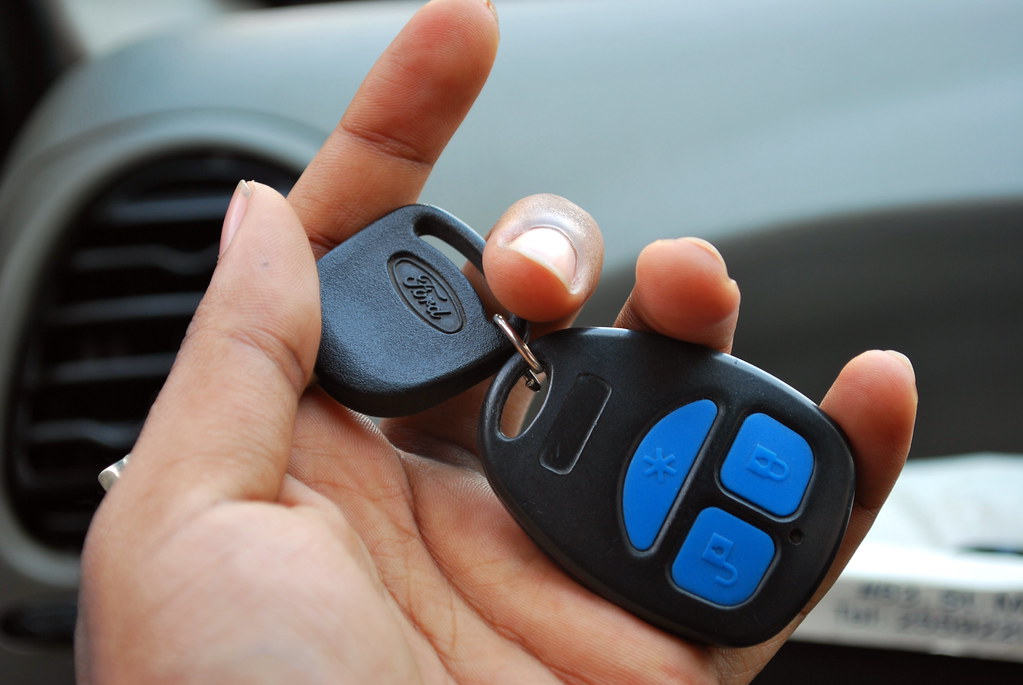
Few experiences are as instantly frustrating as realizing your car keys are gone. In an age where nearly everything in our lives is connected and digitized, the humble car key has evolved into a sophisticated piece of technology, often referred to as a key fob. This evolution, while enhancing security and convenience, has dramatically driven up replacement costs, turning a simple mishap into a potentially expensive ordeal.
Gone are the days when a lost car key meant a quick and cheap trip to the local hardware store for a duplicate. Today’s key fobs are miniature computers, intricate devices that communicate wirelessly with your vehicle’s immobilizer system, unlocking doors, starting engines, and even performing advanced functions. This technological leap means replacing a key fob is far more complex than just cutting a piece of metal, involving specialized parts and programming that come with a hefty price tag.
For many consumers, the shock of a $500 or even $1,000 replacement bill for a seemingly small accessory can be bewildering. This in-depth guide aims to demystify these costs, breaking down the different types of car keys and fobs, their inherent complexities, and why they command such high prices. By understanding the technology and the processes involved, you’ll be better equipped to navigate the challenges of key fob replacement and potentially save yourself some significant money.

1. **The Evolution of Car Keys: From Simple Blades to Smart Fobs**The journey of the car key is a fascinating one, mirroring the advancements in automotive technology itself. Before the 1990s, replacing a lost car key was generally not a big deal. These traditional keys were simple cut metal, easily duplicated at almost any hardware store, locksmith, or dealership for a minimal fee. This simplicity, however, came with a significant drawback: it also made it alarmingly easy for thieves to steal cars.
The need for enhanced security spurred manufacturers to innovate, leading to the introduction of transponder chips and, eventually, sophisticated smart key fobs. These advancements transformed the key from a mere mechanical tool into a complex electronic device. The core motivation was to create a robust theft deterrent system, ensuring that only the correct, authorized key could start a vehicle.
This shift brought an era where car keys became integral to the vehicle’s security network. The complexity inherent in these modern designs—from encrypted signals to specialized internal components—is the primary driver behind their elevated replacement costs. While making cars far more difficult to steal, this evolution has placed a significant financial burden on owners who find themselves needing a replacement.
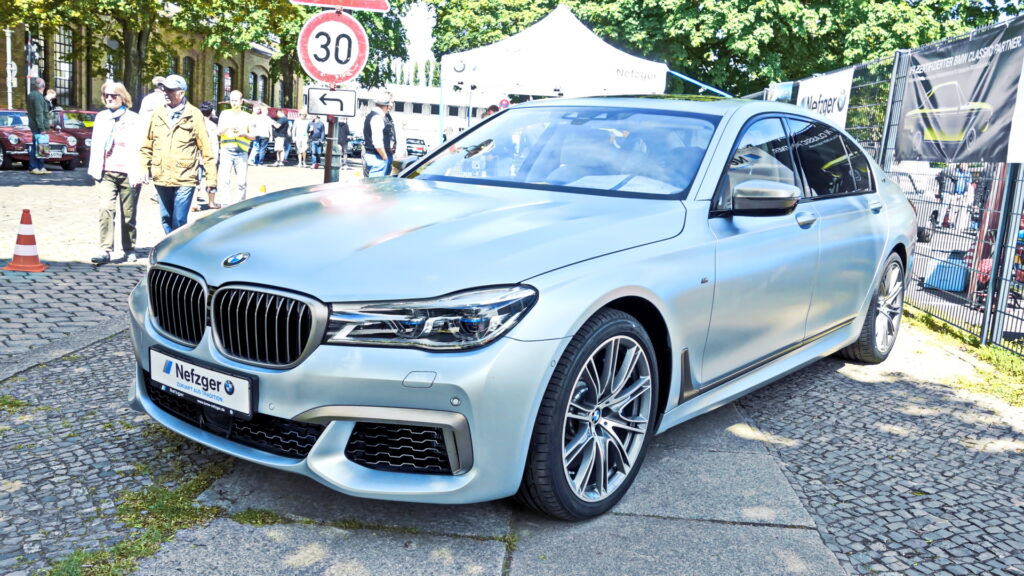
2. **Traditional Keys: The Budget-Friendly Past and Its Modern Echoes**Traditional keys represent the foundational design of car access. These keys contain a physical metal key shaft that drivers need to insert into the ignition cylinder to start the car. Typically found on older vehicles, their simplicity is their greatest asset when it comes to replacement; they don’t contain electronic components, making them the easiest and cheapest type to duplicate.
Replacement costs for traditional keys can range from a very modest $25 to $100. This is because no complex programming is involved, and a locksmith or dealership can quickly cut a new key for you. Their straightforward nature means that the process is efficient and doesn’t require specialized electronic diagnostics, keeping labor and parts costs relatively low compared to their modern counterparts.
Even within the realm of physical keys, variations have emerged that introduce slight increases in complexity and cost. Laser-cut keys, for instance, have a thicker shank with intricate grooves carved into the face of the blade, requiring specialized machines for duplication. Switchblade keys combine a traditional or laser-cut blade with a folding design, making them more compact and stylish, though their internal mechanism still contributes to a higher replacement cost than a basic metal key.
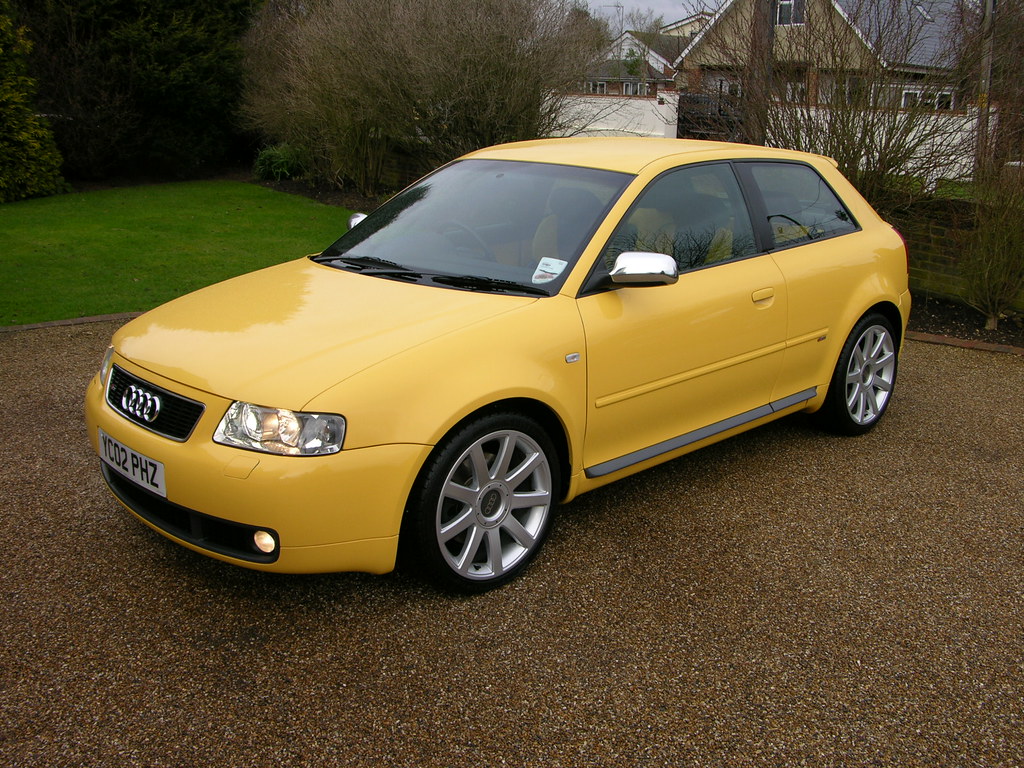
3. **Transponder Keys: The Dawn of Electronic Security**Transponder keys marked a significant leap forward in vehicle security, becoming commonplace in the mid-to-late 1990s. While often looking similar to traditional keys from the outside, they harbor an essential electronic chip embedded inside their plastic head. This chip isn’t just a passive component; it actively communicates with the car’s immobilizer system, a vital security feature in modern vehicles designed to prevent unauthorized starting.
The genius of the transponder key lies in its ability to ensure that the car can only start when the correct, electronically recognized key is used. If the immobilizer detects an incorrect signal—meaning the wrong key is in the ignition—the vehicle will simply not start. This added layer of electronic verification dramatically increased car security, making hot-wiring a vehicle far more challenging for thieves.
However, this sophisticated security comes at a cost when replacement is needed. The chip in a transponder key must be programmed to the vehicle’s immobilizer system before it can function. This programming requires specialized equipment, usually available at dealerships or well-equipped auto locksmiths. The total cost for a transponder key, including both the key itself and the programming, typically ranges from $100 to $250, reflecting the technical expertise and equipment involved.
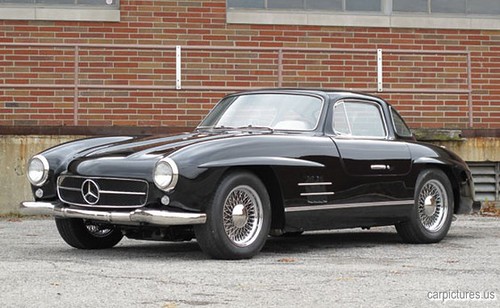
4. **Smart Keys (Keyless Entry Fobs): The Pinnacle of Convenience and Cost**Smart keys, often referred to as keyless entry fobs, represent the zenith of modern automotive key technology. Found predominantly on contemporary vehicles, these advanced devices eliminate the traditional need to insert a physical key into the ignition. Instead, they operate using radio signals, facilitating keyless entry and push-button start functionality, allowing drivers to unlock and start their cars with ease as long as the fob is within proximity.
The sophistication of smart keys extends beyond mere convenience. Their main form of security relies on rolling security codes, a dynamic system that randomizes the correct code, effectively preventing thieves from hacking it with devices like code grabbers. The vehicle’s computer recognizes and verifies the unique code emitted by the smart key, granting access and ignition authorization, a technology pioneered by Mercedes-Benz, which even coined the term ‘smart key’.
This high level of engineering and advanced security features translates directly into higher replacement costs. Smart keys require specialized programming steps to seamlessly integrate with the car’s intricate electronic system. Edmunds estimates that the price of replacing and reprogramming a smart key can start at $220 and cost up to $500, with luxury brands potentially charging upwards of $1,000 or even hundreds of thousands for bespoke, high-end fobs that serve as statement pieces.
5. **Laser-Cut Keys: Precision and Enhanced Security**Laser-cut keys distinguish themselves from basic car keys through their unique design and the advanced manufacturing process required for their creation. Visually, you can identify a laser-cut key by its slightly thicker shank and the intricate grooves carved directly into the face of the blade, rather than along the edges, which is characteristic of standard keys. These are often colloquially known as “sidewinder” keys dueencing to their distinctive cuts.
The technology behind duplicating laser-cut keys is a primary factor in their higher replacement cost. The specialized machines used to cut these keys are significantly more expensive than standard key-cutting machines, and consequently, they are not as widely available at every locksmith or hardware store. This limited accessibility means that owners typically need to seek out specialized auto locksmiths or dealerships for replacement, which often command higher prices.
Furthermore, laser-cut keys almost invariably incorporate built-in transponder chips, much like traditional transponder keys. This means that in addition to the precision cutting, these keys also need to be programmed to the vehicle’s immobilizer system. Including both the specialized cutting and the necessary programming, the cost to replace an all-in-one laser-cut key typically ranges from $150 to $300, reflecting both the unique hardware and the electronic integration required.

6. **Switchblade Keys: Style Meets Functionality**Switchblade keys offer a blend of traditional key functionality with modern design aesthetics and convenience. Their defining characteristic is a key shank that elegantly folds into the key fob body when not in use, only to spring out with a satisfying click at the press of a button. These keys can incorporate either a basic cut or a laser cut for the blade, depending on the vehicle’s security requirements.
One small but notable advantage of the switchblade key fob is the potential to purchase its components separately if the issue is isolated. For instance, if only the physical key blade is damaged, it might be possible to buy just the shank for approximately $60 to $80. This option can offer a cost-saving alternative if the electronic components of the fob remain functional and undamaged, contrasting with situations where the entire unit needs replacement.
However, if the entire switchblade key, including the fob and its folding blade, is lost, the replacement cost typically starts around $200. This price usually includes both the physical key component and the necessary programming to synchronize it with the vehicle’s security system. For luxury brands, these stylish and functional keys can easily exceed this baseline, pushing replacement costs even higher due to brand-specific designs and specialized programming protocols.

7. **The Average Cost of Key Fob Replacement: A Broad Spectrum**The expense of replacing a car key fob can vary dramatically, painting a broad financial picture depending on the type of key and the specific services required. Generally, consumers can expect to pay anywhere from as little as $25 for a basic metal key to over $500 for a sophisticated smart key. This wide range underscores the significant technological differences between various car key designs.
Breaking down the estimated costs reveals distinct price points for different key types. Traditional metal keys, requiring no programming, are the most affordable at $25 to $100. Laser-cut keys, which demand precision cutting but often no electronic programming, typically fall between $150 and $300. Transponder keys, with their embedded chips needing programming, range from $100 to $250. Switchblade keys, which combine a physical blade with a fob, often exceed $200, as full replacement usually includes programming.
The most advanced options, smart or keyless entry fobs, are consistently the most expensive, starting from $200 and potentially climbing past $500 due to their complex electronic systems and specialized programming needs. These figures highlight that the decision between a quick, budget-friendly fix and a substantial investment hinges entirely on the type of key your vehicle utilizes and the level of technology it embodies.

8. **Factors Influencing Key Fob Replacement Costs Beyond Type**Beyond the fundamental type of key fob your vehicle employs, a myriad of other factors can significantly sway the final cost of a replacement. It’s not just about the internal electronics; external elements ranging from your car’s badge to your location play a crucial role in determining the dent in your wallet. Understanding these additional influences can help you anticipate expenses and make more informed decisions.
For instance, the vehicle’s make and model are primary determinants. Luxury or newer vehicles frequently incorporate specialized key designs and proprietary technologies, inherently driving up their replacement costs. The quality and type of materials used in the fob’s construction also contribute; higher-quality metals or durable plastics mean increased production expenses, which are directly passed on to the consumer in the replacement price. These small details aggregate to create a substantial difference in cost.
Another significant variable is whether you need a part versus a complete key replacement. If only the key blade or the fob casing is damaged, replacing just that component is generally far more economical than purchasing an entire new key assembly. However, if the entire unit is lost or its internal chip is faulty, a complete replacement is usually unavoidable. Lastly, geographic location is a surprisingly impactful factor; costs for parts and labor in major metropolitan areas, such as Los Angeles or New York, are typically higher than in smaller towns, reflecting regional economic variations.
Read more about: Unmasking the True Price: 14 Hidden Costs That Turn Car Ownership into a Financial Maze for Every Driver
9. **Advanced Key Fob Capabilities: Beyond Basic Entry**Today’s car key fobs have transcended their original purpose of merely locking, unlocking, and starting a vehicle. They have evolved into sophisticated convenience devices, integrating a host of advanced functionalities that enhance the user experience and, consequently, their inherent value and replacement cost. These smart fobs are miniature technological marvels, offering features that would have seemed futuristic just a few decades ago.
Many newer cars allow drivers to remotely control windows, doors, and even liftgates directly from the key fob. For example, holding down a button can roll down all windows, a particularly welcome feature on hot days to vent scorching cabin heat before entering. Similarly, for minivans, key fobs can remotely open sliding side doors, providing effortless access. These features, while adding immense convenience, also represent additional layers of complexity and specialized programming that factor into the fob’s design and replacement expenses.
Some of the coolest and most advanced features now found on select car key fobs include self-parking and summoning capabilities. Vehicles from brands like Genesis, Hyundai, Kia, and BMW now offer the ability to move the car out of a tight parking spot with the press of a button, or even to park it remotely. While not as fully autonomous as Tesla’s ‘Summon’ feature, these functionalities allow a car to pull or back out of a space, making it easier for drivers to enter or exit in cramped conditions. These high-tech additions signify the ongoing evolution of the key fob into a true automotive assistant.

10. **Where to Get a Replacement: Dealerships vs. Locksmiths vs. Aftermarket**When faced with the need for a key fob replacement, consumers typically have several avenues to explore, each presenting its own set of advantages, disadvantages, and cost implications. The choice often boils down to balancing convenience, cost, and the guarantee of compatibility and quality. Understanding these options is crucial for making an informed decision.
Authorized dealerships are often considered the most reliable source for replacement key fobs. They provide Original Equipment Manufacturer (OEM) parts, guaranteeing perfect compatibility and often offering a warranty. Dealers possess the specialized diagnostic equipment and software required for accurate programming, especially for newer and more complex smart keys. However, this premium service comes at a higher price, with labor rates often being at the higher end of the spectrum, and they often require proof of ownership or registration for security purposes.
Auto locksmiths present a potentially more budget-friendly alternative. Many experienced locksmiths are equipped with the necessary tools and expertise to cut and program various types of car keys and fobs, including transponder and laser-cut keys. They may offer aftermarket key fob options, which can be significantly cheaper than OEM parts. Some locksmiths also provide mobile services, bringing the replacement and programming directly to your location. However, their capabilities can be limited to specific car models, and the quality of aftermarket fobs can vary, so it’s essential to choose a reputable, certified locksmith, perhaps through organizations like the Associated Locksmiths of America.
Finally, purchasing aftermarket key fobs online from retailers like eBay or Amazon is another option, often tempting due to extremely low prices. While this can offer significant savings, it comes with substantial risks. Compatibility issues are common, and these fobs may not be as easy to program, or worse, may not work at all. Furthermore, if you choose this route, you’ll still need to find a professional to program it, incurring additional costs. It is vital to exercise caution and buy from reputable dealers who verify ownership to ensure you’re getting a compatible and functional product.

11. **The Complexities of Key Fob Programming: DIY vs. Professional**The programming process is a critical and often expensive component of key fob replacement, turning a simple piece of plastic and metal into a functional interface with your vehicle’s intricate security system. Modern key fobs are essentially small computers that must be precisely synchronized with the car’s immobilizer and electronic control units to grant access and enable ignition. This complexity makes programming a non-trivial step that demands specialized knowledge and equipment.
For consumers looking to save money, the idea of DIY key fob programming is often appealing. Indeed, some basic key fobs and even certain transponder keys can be programmed by following specific sequences of button presses on the remote and key turns in the ignition. Many owner’s manuals include these instructions, and a wealth of video tutorials can be found online. Purchasing an aftermarket fob and an OBD-II programmer for $50 might seem like a straightforward solution. However, the success of DIY programming depends heavily on the specific key fob and vehicle model; it may not be possible for all modern smart keys, and there’s a risk of failed programming or even causing warranty issues with your vehicle.
Professional programming, whether by a dealership or a qualified auto locksmith, offers guaranteed accuracy and peace of mind. Dealerships use manufacturer-specific diagnostic tools and software, ensuring seamless integration with your car’s systems. They also typically verify programming with FCC-certified equipment, ensuring reliability. While dealer labor rates are generally higher, the certainty of a correctly programmed, functional key fob often justifies the cost, especially for advanced smart keys. Locksmiths, particularly those with mobile services, can also offer professional programming, often at a 10% to 25% saving compared to dealerships, with the added convenience of on-site service.
12. **How Long Does It Take to Replace a Car Key?**The time required to replace a car key or key fob can vary significantly, contingent upon the type of key, the complexity of its design, and whether programming is necessary. What might be a quick task for a traditional key can become an hour-long endeavor for a sophisticated smart key, highlighting the diverse technological demands involved in modern automotive security systems.
For the simplest of replacements, such as a traditional metal key, the process is remarkably swift. With an experienced locksmith or a dealership, cutting a new key typically takes a mere 10 to 30 minutes. This efficiency stems from the lack of electronic components and programming requirements, making it a straightforward mechanical task. It’s a stark contrast to the intricate procedures required for more advanced key types.
Moving up in complexity, laser-cut keys, switchblade keys, and transponder keys generally require more time. Laser-cut keys, with their precision-cut grooves, can take 30 to 60 minutes due to the specialized machinery involved. Switchblade and transponder keys, which both include electronic components needing programming, also fall into the 30 to 60-minute bracket, as the programming steps add to the overall duration. Smart keys, representing the pinnacle of key technology, demand the most time, ranging from 45 to 90 minutes, primarily due to the extensive programming steps required to integrate them with the car’s complex electronic system. This extended timeframe underscores the intricate nature of modern vehicle security.
13. **Strategies for Saving Money on Key Fob Replacement**Given the potentially exorbitant costs associated with key fob replacement, consumers are naturally keen on discovering strategies to mitigate these expenses. Proactive measures and informed choices can significantly reduce the financial burden, turning a frustrating situation into a manageable one. Here are several practical steps to help save money when facing a lost or damaged key fob.
Firstly, always check your vehicle’s warranty. Some new vehicles include provisions for free or discounted key fob replacements within a specific warranty period. Similarly, review your car insurance policy; certain comprehensive coverage plans may cover key fob replacement, though it’s essential to consider your deductible. If the replacement cost is lower than your deductible, filing a claim might not be the most financially prudent choice, as it could impact your premium.
Exploring aftermarket options can also lead to substantial savings, especially for older car models where OEM parts might be less critical. While aftermarket fobs can be more budget-friendly, it’s crucial to verify their compatibility with your vehicle and inquire about any warranties offered by the seller or installer. Always compare prices by obtaining quotes from multiple dealerships and locksmiths before committing to a service. This simple step can reveal significant price discrepancies and help you secure the best deal.
Finally, perhaps the most effective long-term strategy is to buy a backup key fob early. Having a spare on hand can save you from the immense stress and immediate expense if your primary keys are lost or damaged. Many automakers even allow you to program a third key on your own if you already have two functioning fobs, potentially saving on programming fees. Investing in a spare proactively, rather than reactively in an emergency, can be a smart financial move that avoids towing costs and urgent, higher-priced replacements.
Read more about: Tech Geek’s ‘Unknown’ Code: Unlock Your Car’s Hidden Menu Instantly Without Ever Visiting the Dealership

14. **VIN-Based Key Replacement and Fob Reuse Considerations**Many car owners wonder if a replacement key can be generated using only their vehicle’s VIN, or if they can simply reuse a key fob from another vehicle. These are valid questions that touch upon the practicalities and limitations of modern car key technology and security protocols. The answers, as with most things related to key fobs, are nuanced and depend on several factors.
Yes, a locksmith or dealership can typically cut a replacement key using your car’s Vehicle Identification Number (VIN). This process requires proof of ownership, such as your vehicle registration and a valid ID, to prevent unauthorized individuals from obtaining keys to your car. While VIN-based key cutting is possible for many vehicles, especially older models, the process can be more complex for newer cars. Some modern vehicles require the car to be physically present to ensure the new key can be programmed correctly and seamlessly integrated with the car’s advanced security systems. This means you often cannot simply order a working key online based on your VIN alone.
The possibility of reusing a key fob also varies. Some key fobs, particularly older or more basic models, can be reprogrammed to work with a different car, provided the vehicles are compatible. However, many modern smart fobs are permanently locked or ‘married’ to their original vehicle, preventing their reuse with a new car for security reasons. The physical condition of the fob is also critical; if the internal chip or circuit board is damaged, reprogramming and reuse are impossible. In such cases, only the shell or battery might be salvageable. If reprogramming is feasible, it represents a significantly more cost-effective option than purchasing an entirely new key fob, reinforcing the importance of consulting with a professional to assess viability.

15. **Key Fob Battery Replacement and Troubleshooting a Dead Fob**While replacing an entire key fob can be a costly affair, a common and far less expensive issue is simply a dead battery. Automakers generally design key fobs to make battery replacement relatively straightforward, usually requiring minimal tools and effort. Addressing this simple problem can save you the expense and hassle of prematurely seeking a professional replacement.
Most plastic key fobs feature a small indent where a thin, flat tool, such as a small screwdriver, can be inserted to gently pry the two halves apart. Inside, you’ll typically find a disc-shaped, coin-cell battery. Common sizes include CR2025, CR2032, and CR2450, and some fobs may even require two batteries. Your owner’s manual or online resources can provide the exact type and number of batteries needed. It’s crucial to pay attention to the original orientation of the batteries when removing them and ensure the replacements are inserted in the exact same way. Battery specialist shops or dealerships often replace these batteries for free, as it takes only a moment, but if you’re handy, buying a battery from a hardware store and doing it yourself is a quick, inexpensive fix, typically costing $10 or less.
Occasionally, a new battery may still leave you with a non-functional fob, or you might find yourself with a completely dead fob and no backup. If a new battery doesn’t resolve the issue, and you have a second key fob, try swapping batteries to isolate the problem. If the fob remains unresponsive, it might require reprogramming by a dealer or locksmith, a service that is generally less costly than a full replacement. However, if the internal transmitter itself is faulty, then replacement is the only viable option. When your fob is entirely dead, many modern vehicles still offer backup access; look for a hidden physical key blade integrated within the fob, which can be used to manually unlock the door. While the car may not start via push-button, some vehicles allow you to place the dead fob in a specific console slot or against the start button to enable ignition, leveraging a passive transponder. Always consult your owner’s manual for specific instructions on accessing and starting your car with a dead key fob, ensuring you’re not stranded.
Read more about: Steering Clear of Costly Car Button Blunders: Essential DIY & Key Fob Mistakes That Could Drain Your Wallet
Losing or needing to replace a car key fob is undoubtedly one of those minor inconveniences that can suddenly feel like a major headache, both for your peace of mind and your wallet. Yet, by understanding the intricate technology, diverse costs, and array of options available, consumers can navigate this challenge with confidence and smart decision-making. Whether it’s opting for a reputable locksmith, utilizing a warranty, or simply keeping a spare battery handy, empowering yourself with knowledge is truly the key to hassle-free car care. So, don’t let a lost fob leave you in the dark; be prepared, stay informed, and get back on the road safely and efficiently.