The 2010s, often playfully dubbed “The Tens” or “The Teens,” was a decade unlike any other, spanning from January 1, 2010, to December 31, 2019. It was a period of breathtaking acceleration, where the global landscape was reshaped by technological leaps, profound social shifts, and a dynamic interplay of cultural forces. From the rise of new digital empires to empowering movements that echoed across continents, this decade truly set the stage for much of what we experience today.
As senior media editors, we’ve witnessed firsthand how quickly trends emerge, evolve, and redefine our world. The 2010s were a masterclass in transformation, offering a curated collection of moments and movements that not only captivated us but fundamentally altered our daily lives. While the initial prompt might conjure images of shimmering eyeshadows and contouring techniques, we’re diving deeper into the foundational shifts that *truly* defined this era.
Prepare to journey through a truly pivotal decade, as we unpack the most impactful developments that cemented their place in history. These aren’t just events; they are the threads that wove the fabric of the 2010s, reflecting an ever-connected world grappling with both its challenges and its boundless potential. Let’s explore the trends that shaped our world and continue to influence us.

1. The Ubiquitous Smartphone: A Digital Transformation
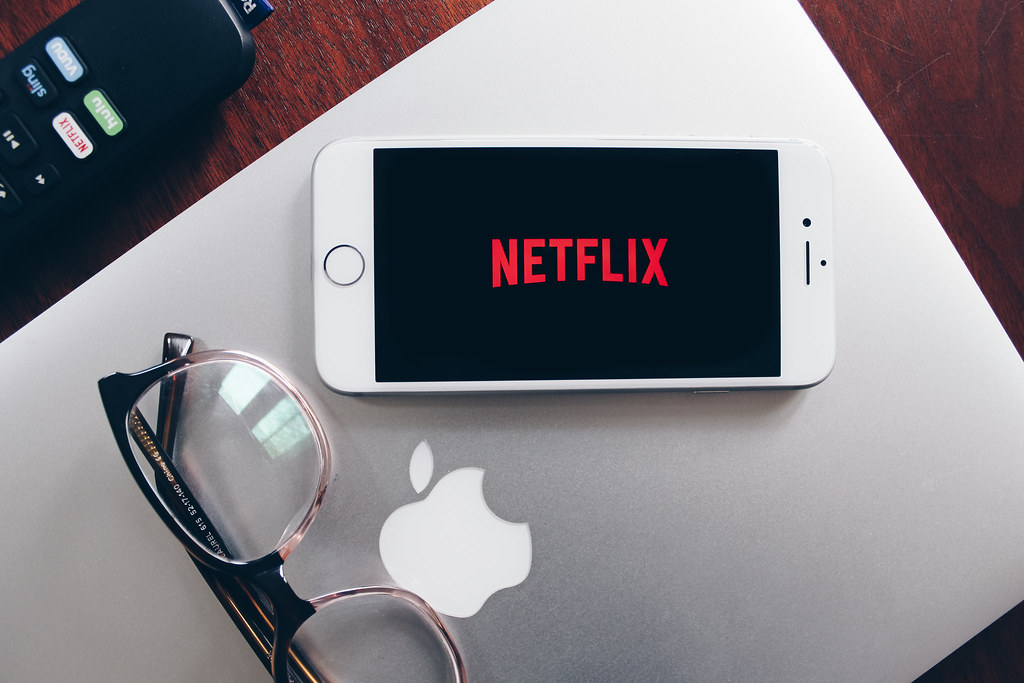
The 2010s unequivocally belonged to the smartphone. This compact device, fitting neatly into our pockets, didn’t just become a common accessory; it became an indispensable extension of ourselves. “Information technology progressed, with smartphones becoming widespread and increasingly displacing desktop computers for many users,” marking a pivotal shift in how we interacted with the digital world. The convenience and power of having computing capabilities on the go transformed everything from communication to commerce.
This pervasive adoption was fueled by significant advancements in mobile telephony and wireless networking devices. Suddenly, the internet wasn’t confined to a desk; it was everywhere, all the time. Our ability to connect, research, and create on the fly exploded, paving the way for innovations that would touch every aspect of modern life. It was a silent revolution, one tap, swipe, and scroll at a time.
The sheer impact of this shift cannot be overstated. With “Internet coverage [growing] from 29% to 54% of the world population” during the decade, the smartphone became the primary gateway to this expanded digital universe for millions. This wasn’t just about making calls; it was about democratizing access to information, enabling instant sharing, and fundamentally altering the rhythm of daily existence. The smartphone, more than any other device, became the symbol of the 2010s’ digital age.
2. The Great Stream: How Online Platforms Reshaped Entertainment
If the smartphone was the vehicle, then streaming services were the revolutionary content driving it. The 2010s witnessed a seismic shift in how we consumed entertainment, moving away from traditional cable towards a personalized, on-demand experience. “Cable providers saw a decline in subscribers as cord cutters switched to lower cost online streaming services such as Netflix, Amazon Prime, Hulu and Disney+,” heralding a new era of media consumption.
This wasn’t merely a change in platform; it was a fundamental redefinition of viewer expectations. We moved from scheduled programming to an infinite library available at our fingertips, anytime, anywhere. The power shifted from broadcasters to consumers, who now curated their own entertainment diets, choosing exactly what they wanted to watch, when they wanted to watch it.
The rise of these services sparked an explosion in original content production, creating a golden age of television and film accessible through a subscription. This trend not only challenged established media giants but also paved the way for more diverse storytelling and distribution models. The 2010s taught us that the future of entertainment was not just digital, but delightfully on-demand.
Read more about: Beyond the Binge: Deconstructing the Strategies Behind Today’s Premier Streaming Services
3. Social Media’s Ascent: From Connection to Cultural Force
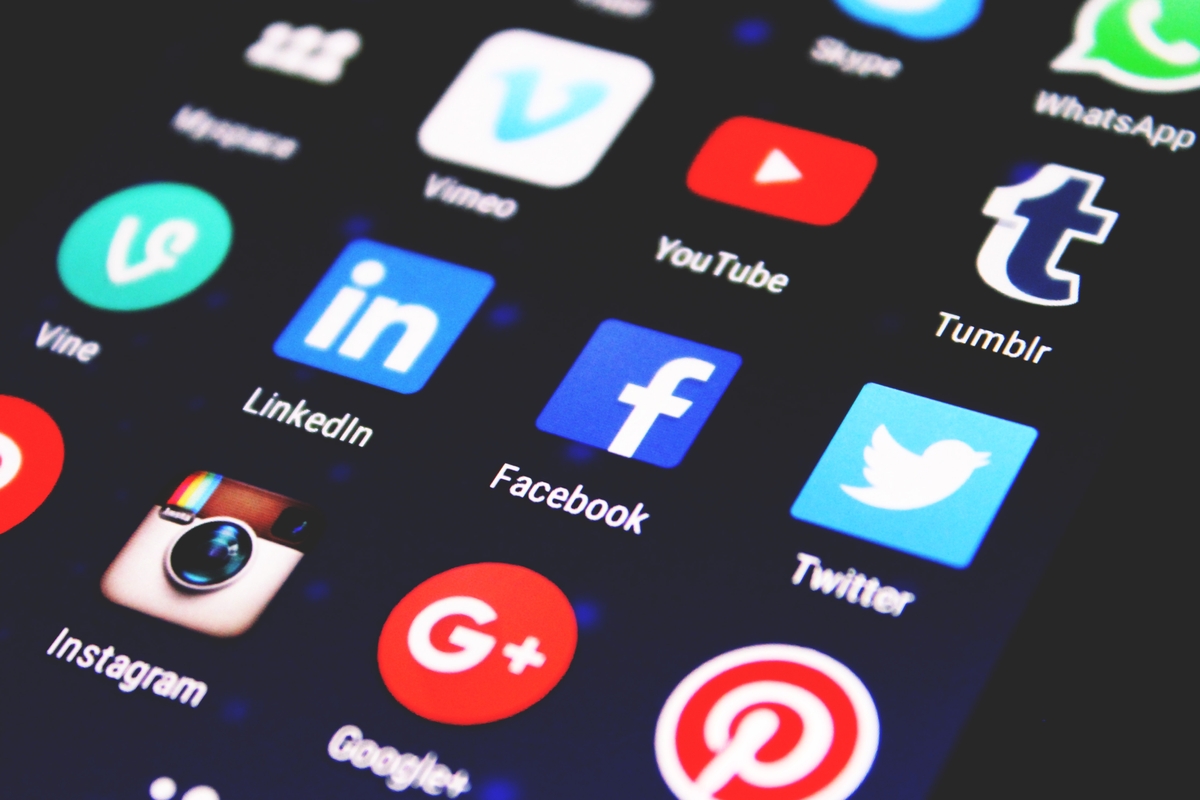
Social media, which had begun its ascent in the prior decade, truly solidified its role as an omnipresent cultural force in the 2010s. Platforms like Twitter and Instagram “emerged to become among the top 10 most visited websites,” alongside stalwarts like Google, Facebook, and YouTube. These weren’t just places to share photos; they became global town squares, catalysts for social movements, and battlegrounds for ideas.
The context highlights how “online resources such as social media facilitated phenomena such as the Me Too movement, the rise of slacktivism, and online cancel culture.” This demonstrates the immense power social platforms wielded, giving voice to marginalized communities and enabling collective action on a scale previously unimaginable. It became a space where personal narratives could ignite global conversations and spark real-world change.
However, this era also introduced the complexities and challenges of a hyper-connected world. While empowering, social media also brought forth new forms of digital engagement that were not always productive, such as “slacktivism,” or could even be punitive, like “online cancel culture.” It was a decade where the promise of connection grappled with the realities of its pervasive influence, forever altering how we engage with news, politics, and each other.
Read more about: Megyn Kelly’s Radical Evolution: How a Fox News Star Became an Independent Media Powerhouse and Unflinching Conservative Voice
4. The Global Climate Crisis: Awareness, Action, and the Paris Agreement
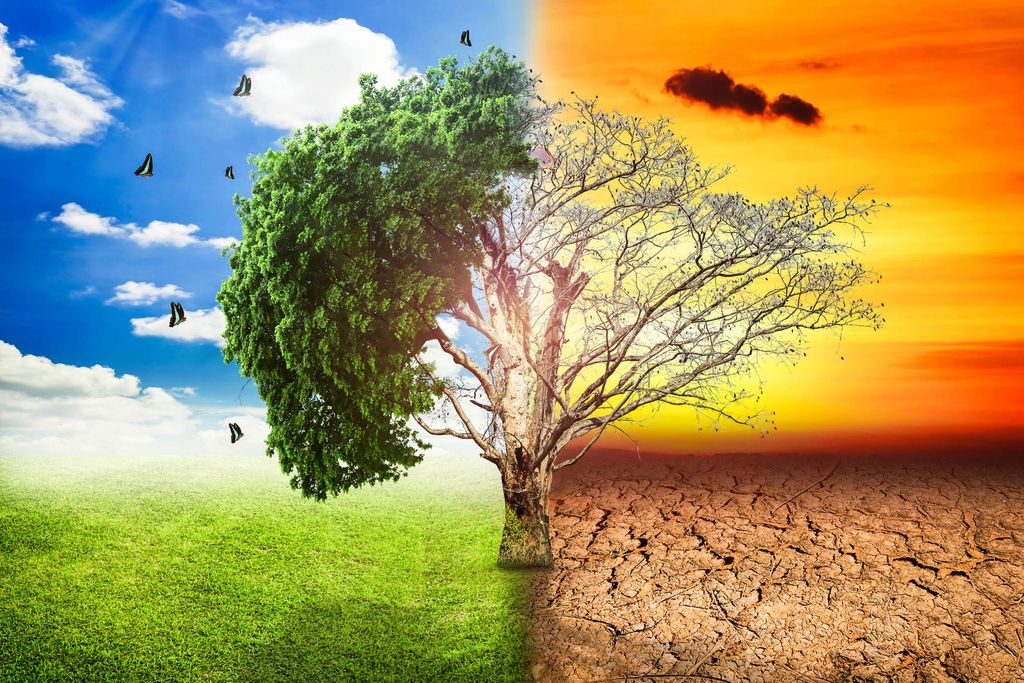
The 2010s marked a critical turning point in global awareness and action regarding climate change. The science became undeniable, and the urgency palpable. “Global warming became increasingly noticeable through new record temperatures in different occurrences and extreme weather events on all continents,” transforming it from a distant threat into a present reality for many.
This escalating awareness translated into significant international efforts. A landmark achievement of the decade was the “Paris Agreement,” which was “adopted in 2015,” demonstrating a global commitment to combating pollution and climate change. It was a moment of unprecedented collaboration, bringing nations together to pledge reductions in greenhouse gas emissions and adapt to the impacts of a warming planet.
Beyond political agreements, the decade also saw the powerful emergence of a grassroots movement, as “the global climate youth movement was formed.” This invigorated the conversation, putting pressure on leaders and corporations to act decisively. The rise in “CO2 concentration [from] 390 to 410 PPM” over the decade underscored the scale of the challenge, yet the collective efforts to address it represented a hopeful, albeit nascent, trend towards a more sustainable future.
5. A Decade of Progress: Advancing LGBTQ+ Rights Globally
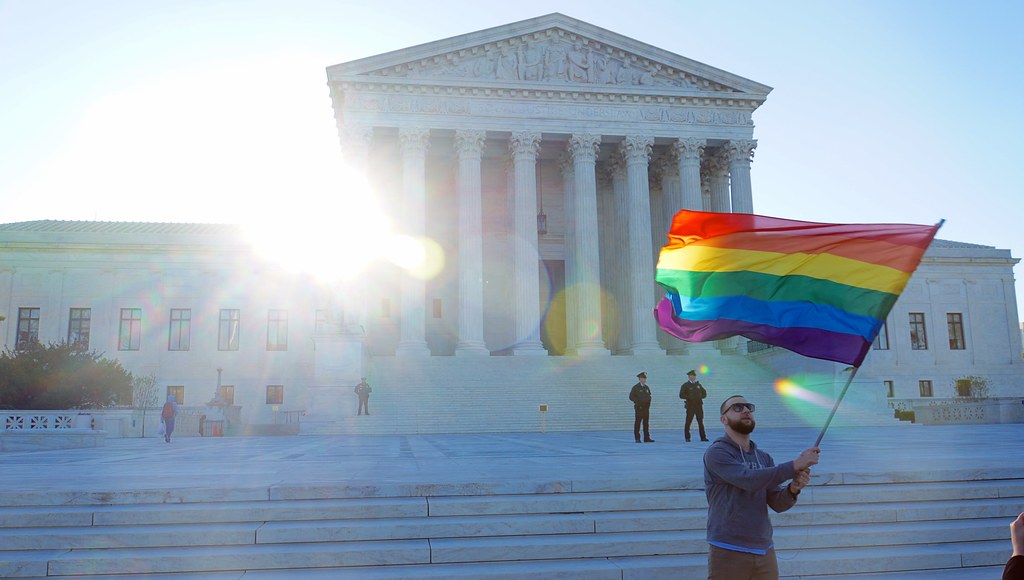
The 2010s shone brightly as a period of substantial advancement for LGBTQ+ rights, particularly in developed countries. This decade was characterized by “shifting social attitudes [that] saw LGBT rights make substantial progress.” It was a powerful testament to persistent advocacy, growing societal acceptance, and legal victories that transformed lives.
A monumental example of this progress in the United States was “Obergefell v. Hodges [which] legalizes same- marriage in the United States in 2015, marking continuing progress for LGBTQ rights in developed countries.” This landmark ruling was more than just a legal decision; it was a profound symbol of equality and inclusion, resonating far beyond American borders and inspiring similar movements worldwide.
This era of increasing visibility and legal recognition fostered a more inclusive social landscape. While challenges undoubtedly remained, the 2010s cemented the idea that love is love, and that fundamental human rights should extend to all, regardless of ual orientation or gender identity. It was a decade where the fabric of society expanded to embrace a broader definition of family and belonging.

6. Musical Meltdown: Diversity and Digital Dominance
The soundscape of the 2010s was nothing short of a vibrant “musical and cultural dominance of dance-pop, electronic dance music, hipster culture and electropop.” This era truly embraced a kaleidoscope of genres, driven by technological innovation and an ever-increasing appetite for new sounds. Music wasn’t just listened to; it was experienced through new digital avenues.
Crucially, “Globalization and an increased demand for variety and personalisation in the face of music streaming services such as Spotify, SoundCloud and Apple Music created many musical subgenres.” This explosion of platforms allowed artists from diverse backgrounds to reach global audiences, breaking down traditional barriers of entry and discovery. It was a marketplace of melodies, curated by algorithms and shared by communities.
As the decade progressed, this diversity only deepened, with “mainstream success of K-pop, Latin music and trap.” These genres, once considered niche, broke into global consciousness, demonstrating the power of cross-cultural exchange facilitated by digital distribution. Drake, notably, was named the “top music artist of the decade in the U.S. by Billboard,” embodying the new era of pop stardom shaped by streaming and social influence. The 2010s redefined what it meant to be a global music phenomenon.

7. The Reign of Superheroes: Cinematic Universes and Box Office Giants
The 2010s will forever be remembered as the decade when superheroes ascended to the absolute pinnacle of cinematic dominance. What began as beloved comic book lore transformed into a global entertainment phenomenon, creating intricate “cinematic universes” that captivated audiences worldwide. These weren’t just movies; they were cultural events, eagerly anticipated and discussed.
The context explicitly states that “Superhero films became box office leaders,” a testament to their unparalleled popularity and commercial success. These sprawling narratives, often building across multiple films over several years, offered viewers a continuous saga of heroism, epic battles, and relatable human struggles, albeit on a grand scale. The immersion into these worlds became a shared cultural experience.
The culmination of this trend was arguably “Avengers: Endgame becoming the highest-grossing film of all time.” This monumental achievement underscored the unprecedented appetite for these fantastical tales and the power of serialized storytelling in the digital age. The 2010s solidified superheroes not just as characters, but as the undisputed monarchs of the silver screen, leaving an indelible mark on cinematic history and popular culture.
As we delve deeper into the 2010s, it becomes clear that this decade wasn’t just about cultural shifts and technological marvels. It was a crucible of profound geopolitical transformations, economic rebalancing, and urgent global challenges that truly tested the fabric of international relations and domestic stability. The trends we’re about to explore reveal a world grappling with new power dynamics, persistent conflicts, and the ever-present demand for transparency and accountability.
8. The Arab Spring: A Wave of Revolutionary Change
The early 2010s kicked off with a seismic shift across the Islamic world, a phenomenon widely known as the Arab Spring. This series of anti-government protests, uprisings, and even armed rebellions emerged from widespread discontent over oppressive regimes and persistently low standards of living, initially sparking in Tunisia before rapidly spreading. It was a potent demonstration of collective frustration reaching a boiling point.
Social media platforms, which were gaining immense traction globally, played a pivotal, almost revolutionary, role in this period. They were heralded as the driving force behind the swift spread of these movements, allowing success stories and calls to action to resonate across borders at an unprecedented pace. Governments, suddenly recognizing the organizing power of these digital tools, often responded by shutting down specific websites or blocking internet services entirely in an attempt to curb the burgeoning unrest.
The impact was immediate and widespread, with numerous governments experiencing significant upheaval. Tunisia’s president dissolved the government and resigned, while in Egypt, Omar Suleiman announced the resignation of Mubarak. Bahrain saw civil unrest met with Gulf Co-operation Council troops, and Libya descended into civil war, leading to the eventual fall of Muammar Gaddafi’s 42-year rule.
Syria also erupted in protests against President Bashar al-Assad, which tragically morphed into a brutal civil war after army officers defected. This conflict tragically created space for extremist groups like Al-Nusra Front and ISIL to temporarily seize vast territories, underscoring the complex and often devastating consequences of these rapid political shifts. The Arab Spring certainly carved a lasting, albeit often painful, mark on the decade.
9. Information Unveiled: WikiLeaks and Edward Snowden’s Revelations
The 2010s also proved to be a pivotal decade for information transparency, challenging traditional notions of governmental secrecy and public access to classified data. WikiLeaks burst onto the international scene, gaining significant attention for its controversial publications of sensitive, classified information that sparked global debates. These revelations undeniably reshaped how the public viewed government operations.
The scope of WikiLeaks’ disclosures was staggering, covering critical topics such as the intricacies of Guantánamo Bay operations, classified documents related to Syria, detailed accounts of the Afghan and Iraq wars, and sensitive United States diplomatic cables. Each release peeled back layers of secrecy, providing an unfiltered glimpse into international affairs and decision-making processes, often leading to widespread scrutiny and outrage.
Further amplifying this era of digital transparency was Edward Snowden, whose whistleblowing actions brought the issue of global surveillance into sharp focus. Snowden’s revelations exposed the extensive role that both governments and private entities played in collecting and monitoring vast amounts of data, fundamentally raising global awareness about information privacy. This brave act sparked an essential dialogue about individual rights versus state security in an increasingly digitized world.
These events collectively empowered citizens with knowledge previously considered inaccessible, forcing a re-evaluation of trust in institutions and the balance between national security and personal freedoms. The decade became synonymous with an awakened public demanding greater accountability from those in power, facilitated by the digital tools that also enabled surveillance.

10. The War on Terror and the Rise of ISIS
The 2010s saw the grim continuation of the “War on Terror,” a prolonged commitment that involved significant U.S. military involvement across numerous parts of the world. This ongoing global security challenge was further complicated and intensified by the emergence of a new, formidable threat in the form of the Islamic State of Iraq and the Levant (ISIL), sometimes referred to as ISIS. This extremist organization became a focal point of international concern.
In 2014, ISIL made rapid and alarming advances, capturing extensive territory in both Iraq and Syria. Key cities fell under its control, most notably Mosul in June, and Raqqa was declared its capital, effectively erasing the traditional Syria-Iraq border. The speed and brutality of its expansion shocked the international community and posed an unprecedented challenge to regional stability.
The response was swift and robust, leading to a multinational intervention against the group. Various international coalitions, spearheaded by powers such as the United States, France, Russia, and numerous Muslim states, provided aid and military support. Dozens of countries joined forces to combat the militants, launching airstrikes and deploying advisors to assist local forces in their struggle against ISIL’s territorial ambitions.
By December 2017, these concerted efforts had yielded significant results, with ISIL losing all of its territory in Iraq and a staggering 95% of its holdings in Syria. The organization was declared militarily and territorially defeated by March 23, 2019. However, warnings persisted that ISIL would adapt its tactics and continue its fight through other means, reminding the world that the struggle against extremism remained a persistent global security challenge for the decade and beyond.
Read more about: Unsafe at Any Speed: The 12 Automotive Deathtraps That Reshaped Car Safety Forever
11. Shifting Economic Landscapes: Recovery and Uneven Growth
Economically, the 2010s began with a tentative but crucial recovery following the depths of the Great Recession. Throughout the decade, a period of remarkable stability characterized by low and steady inflation and interest rates allowed for gradual rebuilding. The gross world product, a key indicator of global economic health, showed consistent growth from 2010 to 2019, painting a picture of cautious optimism.
The latter half of the decade witnessed an acceleration in global economic recovery, driven by a confluence of positive factors. Many countries experienced strong economic growth, supported by robust consumer spending and increased investment in vital infrastructure projects. The continuous emergence of new technologies also played a significant role, fostering innovation and creating new avenues for economic expansion and job creation.
Despite these positive trends, the recovery was notably uneven, highlighting persistent global disparities. While some regions flourished, others struggled profoundly. Europe, for instance, grappled with a severe debt crisis that became particularly pronounced in the early part of the decade, putting immense strain on its economic and political stability.
Furthermore, socioeconomic crises in certain countries, especially across the Arab world, served as powerful triggers for widespread political revolutions. These economic grievances, intertwined with calls for greater political freedom, underscored how closely linked economic stability and social unrest can be. The 2010s thus revealed a complex global economy, recovering but still prone to significant regional vulnerabilities and challenges.

12. The Reshaping World Order: China’s Ascent and US Response
The 2010s definitively marked a significant rebalancing of global power, with the United States steadfastly retaining its superpower status while simultaneously witnessing the rapid and strategic rise of China on the world stage. China actively sought to expand its influence across diverse regions, notably in the South China Sea and throughout Africa, leveraging both vast economic initiatives and substantial military reforms to achieve its ambitions. This signaled a fundamental shift in international dynamics.
China’s burgeoning economic and military prowess solidified its position as an emerging superpower, a development that, while impressive, also led to a series of heightened conflicts and tensions around its frontiers. Internally, the decade saw China enhancing its suppression and control within key regions, specifically Hong Kong, Xinjiang, and Tibet, raising international concerns about human rights and autonomy. These actions further complicated its image on the global stage.
In response to China’s assertive rise and expanding influence, the United States began implementing a containment policy, signaling a strategic shift in its foreign policy. This included initiating a trade war against China, a move designed to address economic imbalances and intellectual property concerns, but which also introduced significant volatility into global markets and diplomatic relations. The competition between these two giants defined much of the geopolitical landscape.
Beyond these two powerhouses, the decade also saw the increasing influence of economic blocs like BRICS—comprising Brazil, Russia, India, China, and South Africa. By 2015, this cooperative group grew to represent over 3.1 billion people, approximately 41 percent of the world’s population, underscoring a broader trend towards multi-polar global governance and economic cooperation that challenged older, unipolar frameworks.
13. The Rise of Populism and the Brexit Phenomenon
The 2010s was undeniably characterized by an international wave of populism and neo-nationalism, movements that profoundly reshaped political landscapes across established democracies. This surge was often fueled by public discontent with traditional political establishments, concerns over immigration, and a yearning for greater national sovereignty. It represented a powerful current against the tides of globalization that had dominated previous decades.
Nowhere was this trend more evident than in the United States, where celebrity businessman Donald Trump was elected president. His campaign and subsequent presidency were emblematic of this populist shift, appealing to a segment of the electorate that felt overlooked and disenfranchised by mainstream politics. His rise sent ripples through global political discourse, challenging conventional political norms and expectations.
Europe, too, experienced its own significant manifestations of this populist wave, perhaps most dramatically with the United Kingdom’s decision to withdraw from the European Union. In 2016, following a historic referendum, the UK voted to leave, a move popularly dubbed Brexit. This decision was a direct outcome of rising nationalist sentiments and anxieties, exacerbated by issues such as the European migrant crisis that had emerged in the middle of the decade.
The broader implications of these shifts were felt globally, as other nations grappled with their own populist movements and questions of national identity versus international cooperation. Russia, for its part, attempted to assert itself more forcefully in international affairs, notably annexing Crimea in 2014, further highlighting a decade of reasserted national interests and geopolitical realignments.
14. Nuclear Futures: Deals, Defiance, and Disarmament Efforts
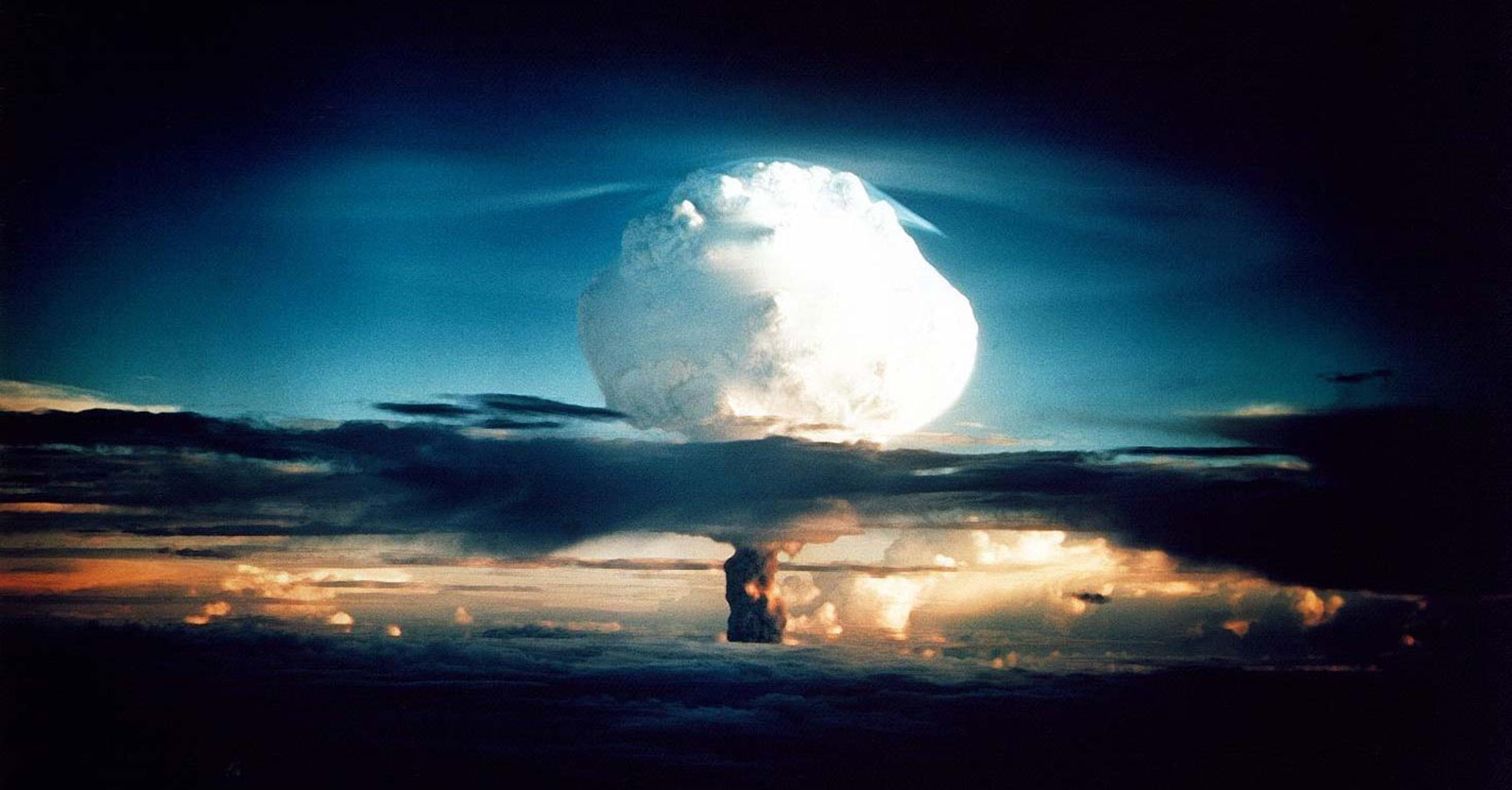
The trajectory of nuclear proliferation and disarmament efforts presented a complex and often contradictory picture throughout the 2010s. The decade began with a hopeful note, as the United States and Russia signed a treaty in Prague in 2010, agreeing to reduce their stockpiles of nuclear weapons by half. This significant bilateral agreement, which went into force in 2011, aimed to replace the expiring Strategic Offensive Reductions Treaty.
A major diplomatic achievement came in 2015 when Iran and other world powers reached a landmark agreement known as the Joint Comprehensive Plan of Action (JCPOA). This deal offered Iran trade sanctions relief in exchange for explicit constraints on its nuclear program and crucial inspections by the International Atomic Energy Agency (IAEA). However, this progress was later undermined when, in 2018, United States President Donald Trump announced the U.S. was withdrawing from the deal, reintroducing significant uncertainty.
Meanwhile, North Korea continued to expand its nuclear capabilities with alarming resolve. The country performed alleged nuclear tests in both 2013 and 2016, drawing strong international condemnation and leading to successive rounds of international sanctions. In response, North Korea issued threats of pre-emptive nuclear strikes against the United States, South Korea, and Japan, escalating regional tensions.
Despite the defiance, a glimmer of diplomatic hope emerged in 2018 when North Korea suggested a willingness to disarm its nuclear arsenal after negotiations with the United States. Concurrently, the global community also saw the United Nations pass the Treaty on the Prohibition of Nuclear Weapons in 2017, the first legally binding international agreement aimed at comprehensively prohibiting these devastating weapons, with the ultimate goal of their total elimination.
However, the decade concluded with further setbacks for arms control, as the U.S. formally suspended the Russo-American Intermediate-Range Nuclear Forces Treaty (INF) in February 2019, with Russia following suit the very next day. The U.S. officially withdrew from the treaty in August 2019, alongside a continued renovation of its own nuclear weapon arsenal, leaving the future of global nuclear stability once again hanging in the balance.
The 2010s truly represented a transformative era, a whirlwind of interconnected events that irrevocably altered the course of human history. From the digital revolution that placed the world in our pockets to the complex interplay of global powers and the persistent pursuit of peace and justice, this decade has laid the groundwork for the challenges and opportunities we navigate today. It was a period that demanded resilience, adaptability, and a collective understanding of our shared global destiny, truly setting the stage for the future to come.