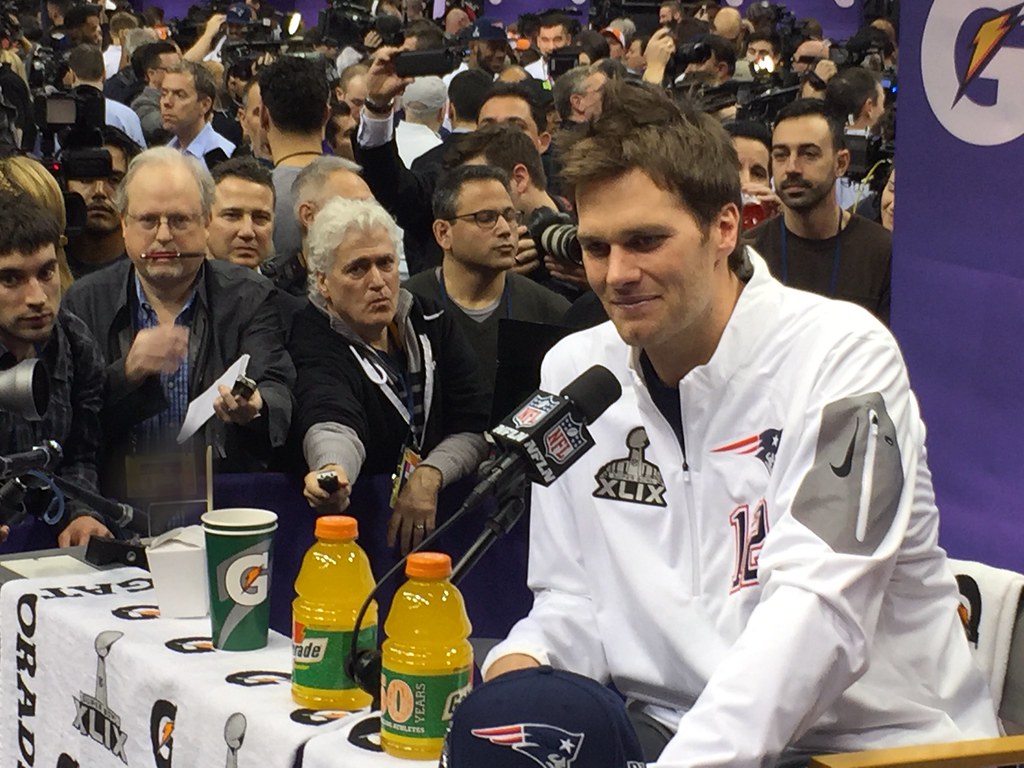
Tom Brady, a name synonymous with unparalleled longevity and success in the grueling world of professional football, has cemented his legacy not just as a seven-time Super Bowl champion, but also as a beacon of physical resilience well into his forties. At 43, he became the oldest player to ever compete in a Super Bowl, a feat that has left many wondering about the secrets behind his ageless body and unwavering performance. While his dedication to hard work and rigorous training is undeniable, a significant cornerstone of his sustained peak condition lies in his highly disciplined approach to nutrition—a regimen famously known as the TB12 method.
Developed in conjunction with his former personal trainer and body coach, Alex Guerrero, the TB12 method extends beyond mere exercise to encompass holistic lifestyle changes, with a strong emphasis on flexibility, adequate sleep, and, critically, a meticulous anti-inflammatory diet. This plant-based heavy eating plan, which allocates roughly 80 percent to plant foods and 20 percent to animal-based foods, was refined with the help of Brady’s former personal chef, Allen Campbell. Campbell himself stated, “My philosophy is that a plant-based diet has the power to reverse and prevent disease,” echoing the core principle that underpins Brady’s dietary choices.
The cornerstone of the TB12 diet’s success, as Brady himself has attested, is the strategic exclusion of numerous common foods. These are not merely preferences but calculated eliminations, chosen for their potential to induce inflammation or hinder the body’s optimal function and recovery. By carefully curating what he consumes, Brady aims to minimize inflammatory responses, optimize muscle function, and enhance overall well-being. This deliberate avoidance of certain foods is believed to be a key factor in his extraordinary athletic performance and remarkable ability to defy the typical effects of aging in a high-impact sport. Let’s delve into some of the most prominent items on the TB12 ban list, exploring why Brady chooses to forgo them in his quest for peak human performance.
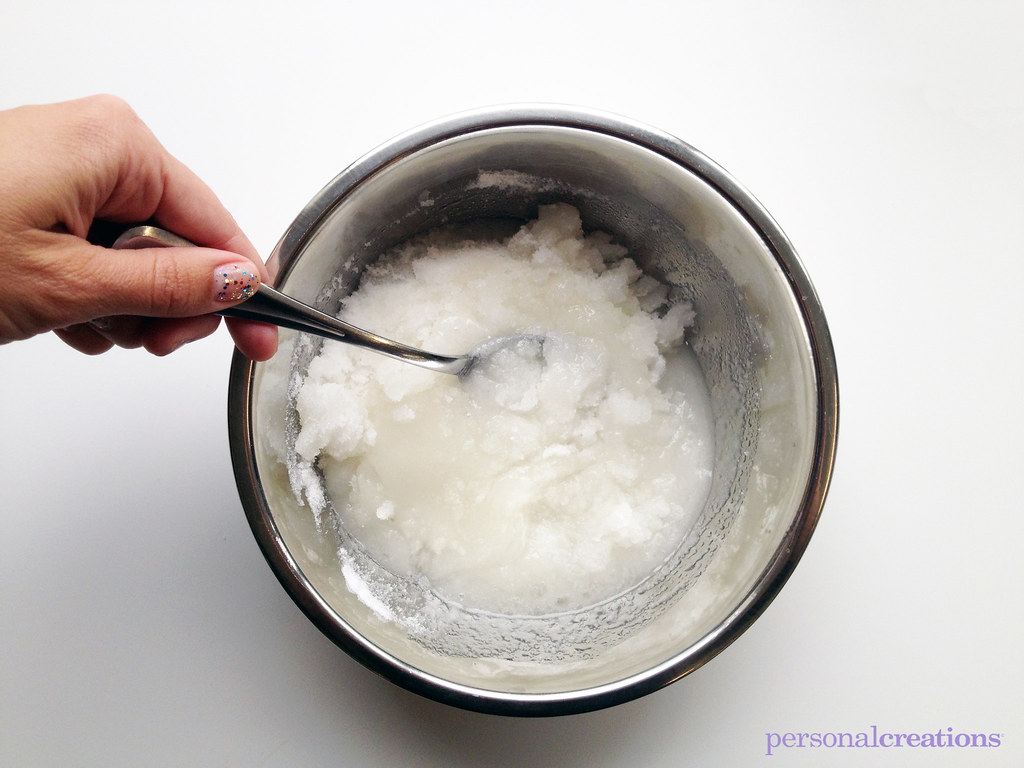
1. **White Sugar & Added Sugars**One of the most foundational tenets of the TB12 diet is a staunch refusal of white sugar and, by extension, most added sugars. This isn’t just a casual recommendation; it’s a strict guideline that Brady himself articulates, stating in a TB12 blog post, “I try to avoid eating anything that comes in a box or a bag, as well as foods containing white flour or added sugars.” This commitment immediately rules out a vast array of processed snacks, desserts, and sweetened beverages that are ubiquitous in modern diets, highlighting a deep understanding of sugar’s detrimental effects on the body.
Beyond inflammation, foods loaded with white sugar often fall into the category of “empty calories.” These items provide quick energy spikes but offer little to no nutritional value in terms of vitamins, minerals, or fiber. For an athlete like Tom Brady, every calorie consumed must serve a purpose, fueling his body effectively and contributing to his overall well-being. Opting out of sugary drinks, sweetened snacks, cakes, and candies ensures that his caloric intake is always densely packed with beneficial nutrients, supporting his rigorous training schedule and long-term health objectives.
This disciplined approach to sugar avoidance also extends to many common condiments and packaged goods where sugar is often a hidden ingredient. Barbecue sauce with added sugar, fruit juices, jelly, ketchup, and pancake syrup are all listed among the items to be limited or avoided. By scrutinizing labels and prioritizing whole, unprocessed foods, Brady and his team ensure that sugar, in its various forms, does not undermine his meticulously crafted diet, allowing his body to perform at its absolute best without unnecessary inflammatory burdens.
Read more about: Fueling Greatness: The 15 Foods Tom Brady Absolutely Avoids for Peak Performance and Longevity
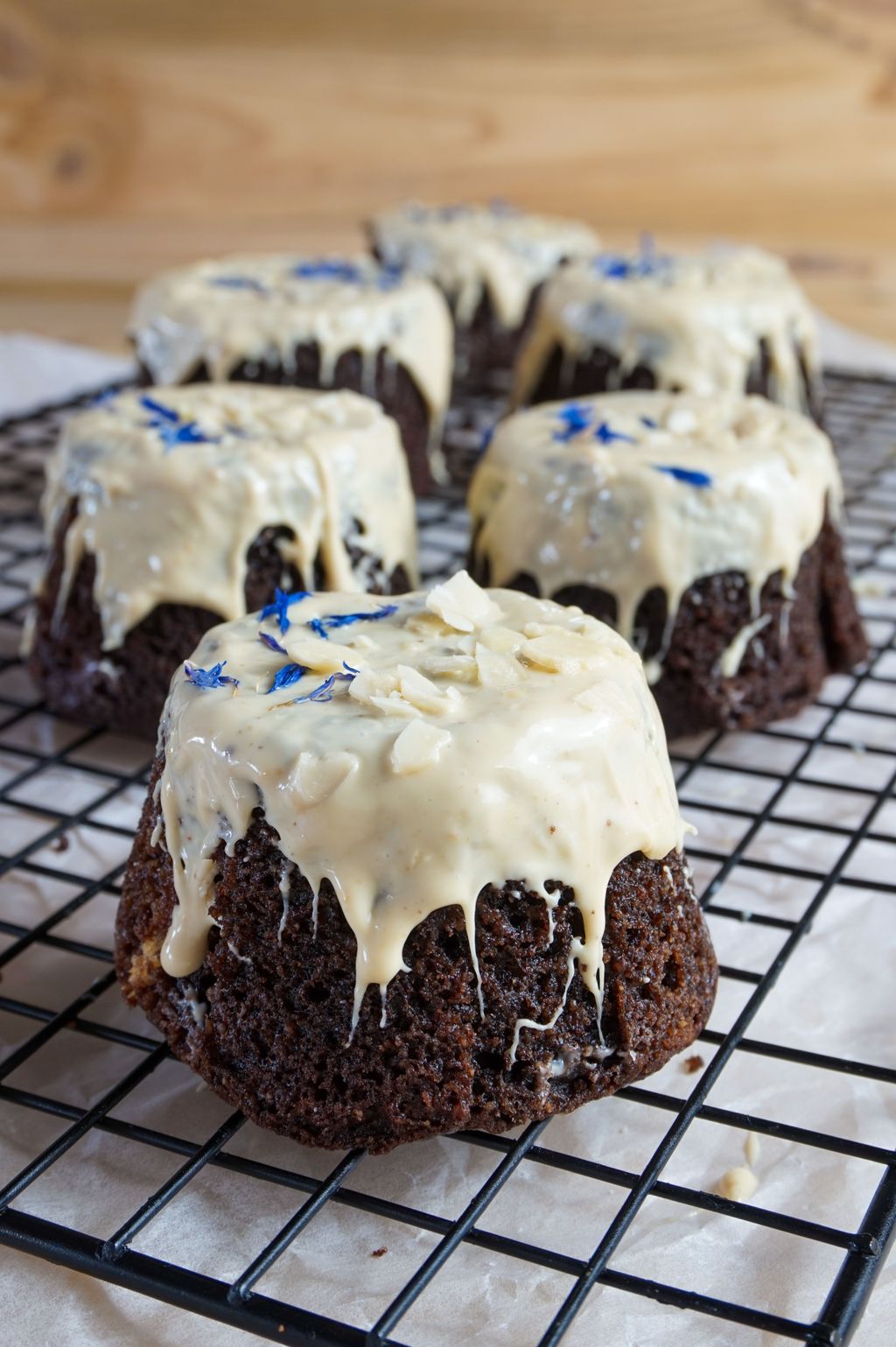
2. **Refined Carbs & Gluten**Complementing the avoidance of added sugars, the TB12 diet places a significant emphasis on eliminating refined carbohydrates and gluten-containing foods. Tom Brady openly shares his strategy in a TB12 blog post: “I try to limit cereal, white bread, white rice, pasta, cakes, and cookies. Less inflammation is the key for me.” This declaration underscores a deliberate move away from starches that are often stripped of their nutritional value and can contribute to inflammatory responses in the body, aligning perfectly with the core principles of his performance-driven diet.
Refined grains, unlike their whole grain counterparts, have had their bran and germ removed during processing. This process strips them of crucial fiber, vitamins, and minerals, leaving behind primarily starch. Such foods are often quickly converted to sugar in the body, potentially leading to blood sugar spikes and subsequent inflammatory cascades. By consciously avoiding these “empty calories,” Brady ensures that his carbohydrate intake comes from sources that provide sustained energy and a wealth of nutrients, optimizing his body’s fuel efficiency and recovery processes.
Furthermore, gluten is a significant component of Brady’s forbidden list. Campbell explains that Brady avoids any gluten-containing foods because gluten “may also cause inflammation in those sensitive to the protein.” While not everyone experiences gluten sensitivity, the TB12 method errs on the side of caution, eliminating it to prevent any potential inflammatory reactions that could impair athletic performance or recovery. This strict adherence means that common staples like wheat, barley, and rye, along with products made from them, are off the menu.
The practical implications of this rule are extensive, banning a wide array of everyday foods. This includes most breads, bagels, crackers, tortillas, and baked goods like cakes, cookies, doughnuts, and pretzels. Even traditionally healthy items like breakfast cereal and certain protein bars are out if they contain gluten. Instead, the TB12 diet champions gluten-free whole grains such as quinoa, brown rice, and oats, ensuring that Brady still receives essential carbohydrates and fiber without the potential inflammatory drawbacks associated with refined grains and gluten.
Read more about: Fueling Greatness: The 15 Foods Tom Brady Absolutely Avoids for Peak Performance and Longevity
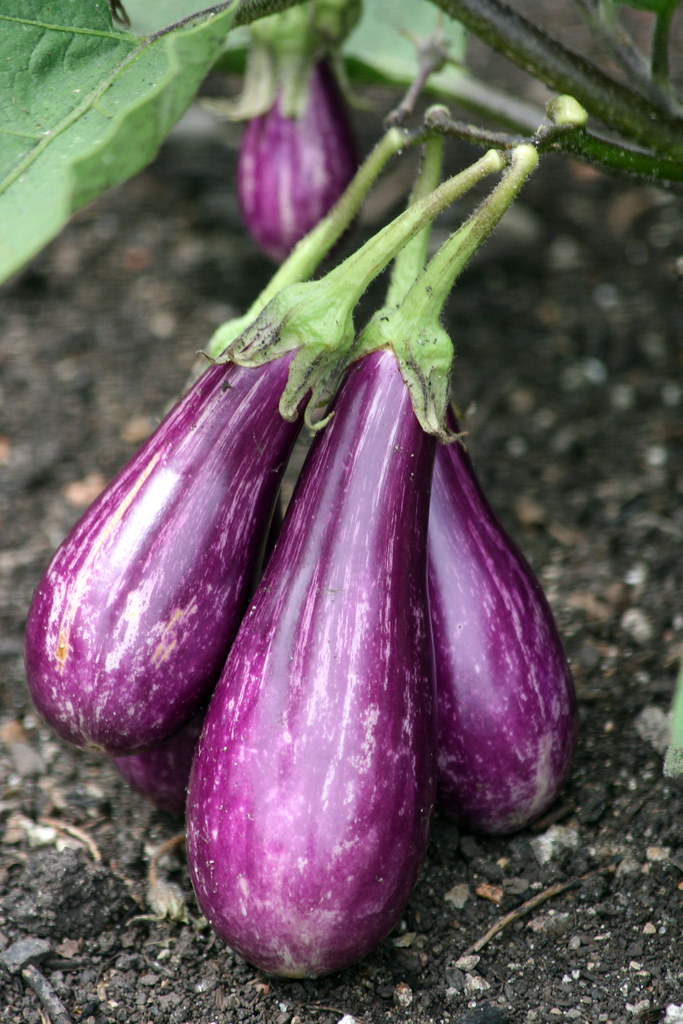
3. **Nightshade Vegetables**Among the more distinctive and often-discussed aspects of Tom Brady’s diet is his deliberate avoidance of nightshade vegetables. This category includes common produce like tomatoes, peppers, mushrooms, and eggplants, which are typically celebrated for their nutritional value. However, for Brady, these are largely off the menu, a choice driven by the TB12 diet’s unwavering focus on anti-inflammation. His former chef, Allen Campbell, succinctly explained the reason: “[Tom] doesn’t eat nightshades, because they’re not anti-inflammatory.”
Campbell elaborated on the specific impact of these vegetables, noting, “Tomatoes trickle in every now and then, but just maybe once a month. I’m very cautious about tomatoes. They cause inflammation.” This highlights the stringent nature of the diet, where even minor exceptions are carefully monitored. The botanical family of nightshades, known as Solanaceae, contains chemical compounds called alkaloids. While scientific proof linking these compounds directly to inflammation in the general population is debated, the TB12 philosophy adopts a precautionary principle to minimize any potential pro-inflammatory triggers for an athlete operating at an elite level.
The exclusion of nightshades has significant culinary implications, ruling out many beloved dishes. Imagine no pasta sauce, no pizza, and no salsa – staples of many diets that rely heavily on tomatoes. Sweet peppers, including chili peppers and thus hot sauce, are also out, despite being incredibly high in vitamin C. While experts often criticize this exclusion due to the loss of beneficial nutrients, the TB12 blog post suggests alternative strategies, recommending other nutrient-rich foods or supplementing with vitamin C if necessary, demonstrating a comprehensive approach to nutrient intake.
Even mushrooms, though technically a fungus and not a nightshade, are grouped into this “avoid” category by Campbell. This broad exclusion underscores the TB12 method’s meticulous attention to ingredients that *might* introduce inflammatory elements, even if their classification isn’t strictly botanical. The diet ensures that every food choice aligns with the overarching goal of maintaining an internal environment conducive to rapid recovery, sustained performance, and optimal health, leaving no stone unturned in the pursuit of athletic excellence.
Read more about: Fueling Greatness: The 15 Foods Tom Brady Absolutely Avoids for Peak Performance and Longevity

4. **Dairy**Another significant category on the TB12 ban list is dairy, a group of foods widely consumed globally but systematically excluded from Tom Brady’s diet. The primary reasoning behind this exclusion, as articulated by Campbell, is dairy’s potential to be “inflammatory to a population with lactose intolerance or sensitivity.” While not everyone suffers from lactose intolerance, the TB12 method takes a blanket approach to minimize any possible inflammatory responses that could hinder Brady’s physical condition and recovery.
This means a comprehensive list of dairy products is off-limits for followers of the TB12 method. Milk, cheese, yogurt, and ice cream are all explicitly mentioned as items that are not part of Brady’s regular intake. The goal is to eliminate potential digestive stressors and inflammatory triggers, allowing the body to dedicate its energy to athletic performance and efficient recovery. This decision aligns with the broader anti-inflammatory focus of the TB12 diet, which meticulously scrutinizes every food for its potential systemic impact.
The implications of this dairy-free approach are substantial, requiring careful meal planning to ensure adequate nutrient intake. Calcium and Vitamin D, often associated with dairy products, must be sourced from other areas of the diet or through supplementation. The TB12 diet encourages a rich intake of plant-based foods, many of which naturally provide these essential nutrients, such as leafy greens, nuts, and fortified plant milks (though specific plant milks aren’t detailed in the context, the emphasis on plant-based food applies).
It’s worth noting that while most dairy products are avoided, there’s a subtle distinction made for certain supplements. The TB12 method encourages supplements like whey protein powder. Whey is a protein derived from milk, but often processed in a way that removes most of the lactose, potentially making it tolerable for some individuals sensitive to dairy’s sugars. This exception highlights the pragmatic approach of the diet: even within a restrictive framework, components deemed beneficial for muscle repair and recovery are incorporated, provided they align with the overarching anti-inflammatory objective.
Read more about: The Secret Towns: How A-Listers Are Quietly Buying Up Properties and Reshaping Small Communities

5. **Coffee & Caffeine**When it comes to beverages, Tom Brady’s commitment to peak performance extends even to the widely consumed stimulants like coffee and other caffeinated products. Allen Campbell, his former personal chef, explicitly listed “coffee or any caffeinated foods” among those that Brady does not consume. This exclusion is a clear indicator of the TB12 method’s holistic philosophy, aiming to optimize every physiological process without relying on external stimulants that might interfere with the body’s natural rhythms and recovery mechanisms.
While the context doesn’t explicitly detail the *specific* negative effects of caffeine that Brady aims to avoid, the general thrust of the TB12 diet suggests it’s likely tied to maintaining optimal hydration, avoiding potential digestive upsets, and ensuring natural energy regulation. The diet emphasizes massive water intake, including electrolyte-enhanced water, to support pliability and recovery. Caffeine, a known diuretic, could potentially counteract these hydration efforts if consumed in significant quantities, which would be contrary to Brady’s rigorous hydration protocols.
Furthermore, the TB12 approach prioritizes consistent, natural energy levels, driven by nutrient-dense foods and adequate rest. Relying on caffeine for energy might mask fatigue or disrupt sleep patterns, both of which are critical for an elite athlete’s recovery and sustained performance. Brady reportedly goes to sleep at 9 p.m., underscoring the importance of restorative sleep in his regimen. Avoiding caffeine helps ensure that his sleep quality is not compromised, allowing his body to fully recover and prepare for the demands of another day.
The decision to forgo caffeine aligns with the overarching strategy of eliminating anything that could be considered a “crutch” or a potential disruptor to the body’s finely tuned system. It reflects a dedication to relying on pure, unadulterated bodily function, supported by a meticulously planned diet and lifestyle. By sidestepping coffee and other caffeinated items, Tom Brady eliminates a common variable that could introduce unwanted physiological stress or interfere with the consistent, high-level performance he has maintained throughout his illustrious career.
Read more about: Fueling Greatness: The 15 Foods Tom Brady Absolutely Avoids for Peak Performance and Longevity
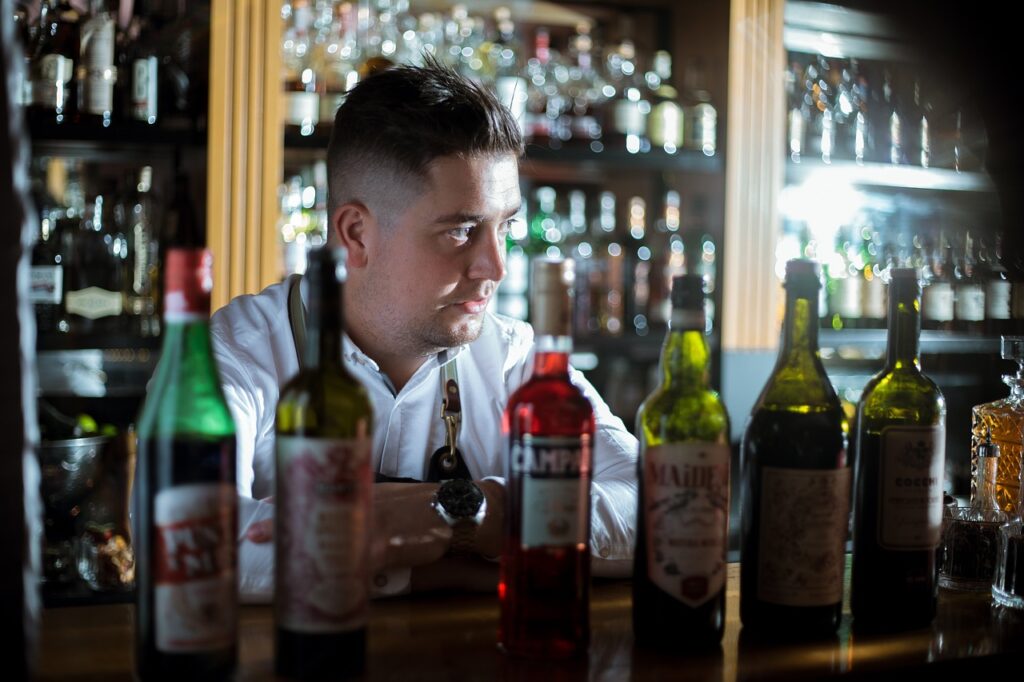
6. **Alcohol**Continuing our deep dive into the meticulously curated TB12 diet, we encounter a beverage many consider a staple: alcohol. For Tom Brady, however, this indulgence is largely off-limits. His commitment to peak physical condition extends to every sip, with the TB12 philosophy emphasizing its exclusion for optimal health and performance. The rationale behind this stringent rule highlights alcohol’s dual negative impact on an athlete’s body, especially one aiming for longevity.
A TB12 blog post plainly states the core issue: “Alcohol is a double whammy: It can be both inflammatory and dehydrating.” This insight underscores why Brady opts to steer clear. Inflammation, as we’ve seen throughout the TB12 method, is a primary antagonist to recovery and optimal muscle function. Alcohol can trigger systemic inflammatory responses, which directly counteract the diet’s central anti-inflammatory objective. Furthermore, its dehydrating properties can undermine the massive water intake and electrolyte replenishment that are crucial components of Brady’s regimen for maintaining muscle pliability and overall bodily function.
Beyond the immediate physiological effects, “overdoing it can take a toll on your health, performance, and ability to recover,” as noted in a TB12 blog post. This holistic view acknowledges that consistent high-level performance requires every system in the body to operate efficiently. Alcohol consumption can disrupt sleep patterns, impair nutrient absorption, and place additional strain on the liver, all of which detract from an athlete’s ability to train hard, recover effectively, and maintain mental clarity. Therefore, for someone like Brady, even moderate consumption is seen as a potential hindrance to his unparalleled career longevity.
The avoidance of alcohol naturally encompasses a wide range of popular drinks. While beer is specifically mentioned in the context of its gluten content, the TB12 method extends to all alcoholic beverages—wine, spirits, and mixed drinks are similarly excluded. This comprehensive ban ensures that no potential inflammatory or dehydrating agents from alcohol undermine the careful balance and precise fueling strategy that have enabled Brady to defy conventional athletic aging and continue performing at an elite level.
Read more about: Beyond the Spotlight: The Personal Trials and Triumphs of Scout Willis, Daughter of Bruce and Demi Moore
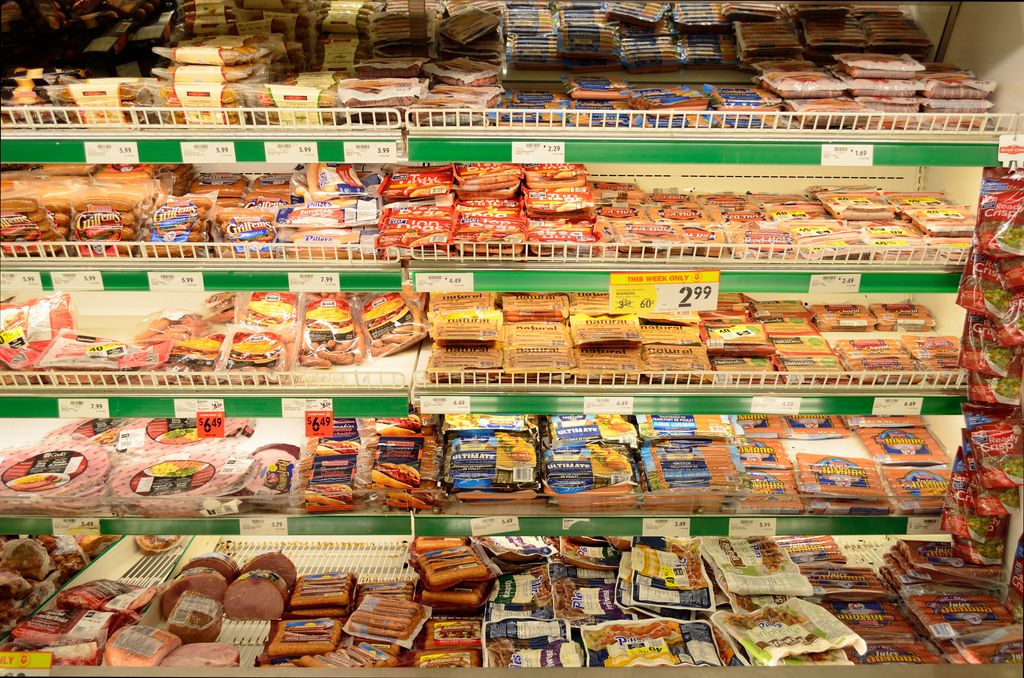
7. **Processed Meats**Another significant category on the TB12 ban list, particularly for its detrimental impact on long-term health and recovery, is processed meats. These items, often lauded for their convenience, are viewed with extreme caution in Tom Brady’s world. The TB12 method advocates for a significant reduction, if not outright elimination, of foods like hot dogs, lunchmeat, and bacon, due to their inherent qualities that can sabotage an athlete’s rigorous pursuit of peak condition.
The primary concern with processed meats stems from their curing agents. “Most processed meats are cured with preservatives like nitrates and nitrites,” explains a TB12 blog post. These chemicals have been linked to serious health problems, including an increased risk of cancer, making their avoidance a critical component of a health-conscious diet. Beyond these preservatives, processed foods in general are “associated with a myriad of health problems,” a direct quote from a TB12 blog, reinforcing the deep-seated aversion to them within Brady’s nutritional framework.
For an elite athlete whose body is his livelihood, minimizing exposure to such potential carcinogens and inflammatory compounds is paramount. The diet’s emphasis is clear: “It’s best to avoid processed meats as much as possible.” This strict guideline means saying goodbye to many common breakfast and lunch items that populate typical American diets, ensuring that the protein sources Brady does consume are as clean and beneficial as possible, supporting muscle repair and overall cellular health without introducing harmful additives.
However, even with such rigid dietary rules, Brady himself acknowledges the human element. He famously told Men’s Health, “If I’m craving bacon, I have a piece. Same with pizza. You should never restrict what you really want. We’re humans, here for one life.” This revealing statement provides a rare glimpse into the practical application of the TB12 method, suggesting that while the rules are strict, there’s a recognition of the psychological need for occasional enjoyment, as long as it doesn’t derail the overarching health goals. It’s a balanced perspective within an otherwise incredibly disciplined approach.
Read more about: Fit as a Fiddle at 91: Unpacking Jane Goodall’s Enduring Legacy and the 11 Lifestyle Habits That Powered Her Remarkable Longevity
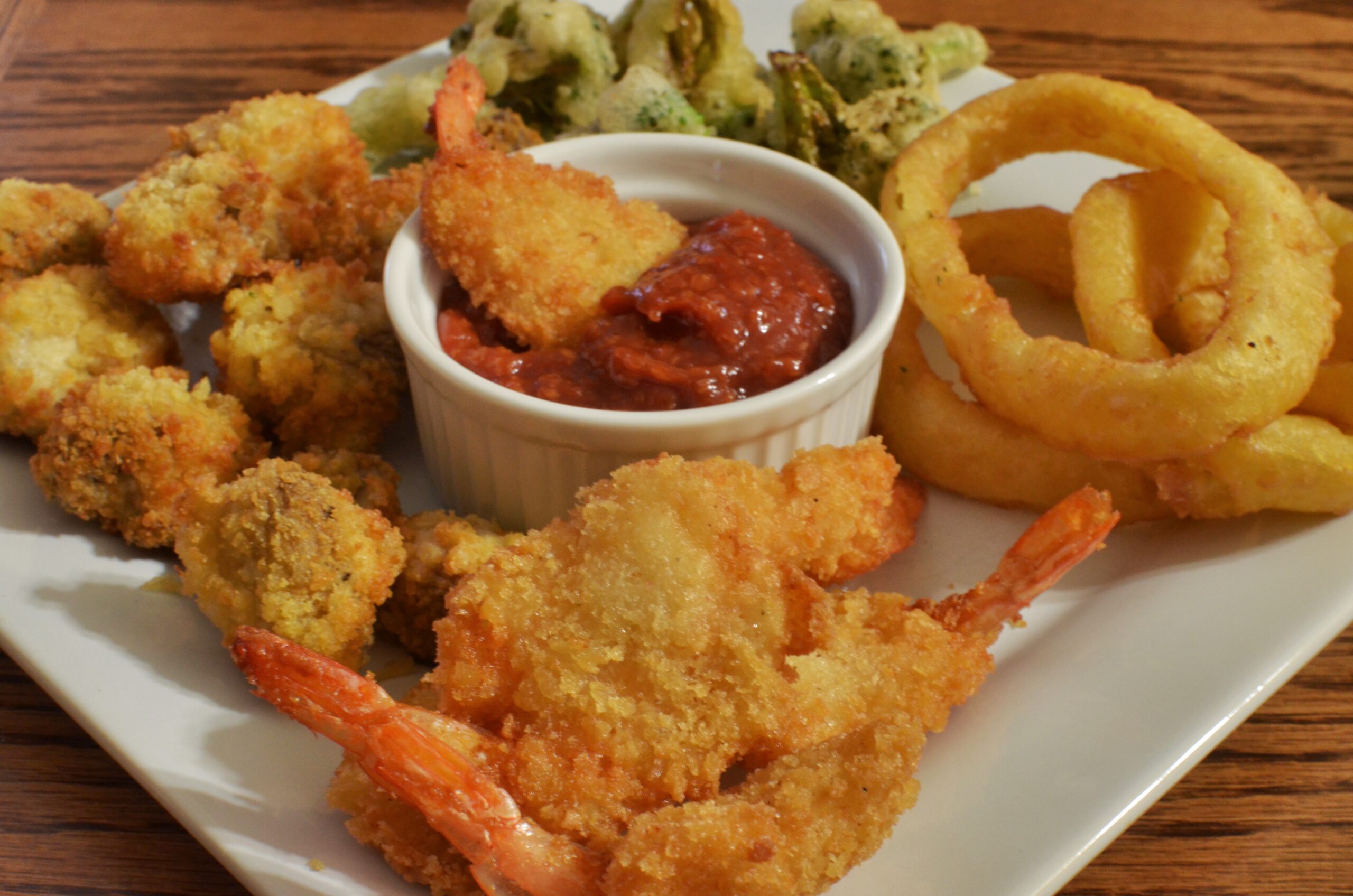
8. **Fried Foods**When it comes to preparing food, the TB12 method draws a hard line against anything that ends up in the deep fryer. Fried foods, beloved by many for their crispy texture and rich flavor, are unequivocally dubbed an “inflammation nightmare” by a TB12 blog post—a strong indicator of their unsuitability for Tom Brady’s diet. This outright ban underscores the method’s relentless focus on eliminating anything that could trigger or exacerbate systemic inflammation, which is seen as a direct impediment to athletic performance and recovery.
The science behind this avoidance is rooted in the chemical changes that occur during high-temperature cooking. The TB12 blog post explains that “Cooking food at the high temperatures required to fry them produce something called advanced glycation end products (AGEs), which have been shown to contribute to chronic inflammation.” These AGEs are harmful compounds that accumulate in the body, contributing to oxidative stress and driving inflammatory processes, which can accelerate aging and hinder muscle and tissue repair.
For an athlete like Brady, who constantly pushes his body to its limits, minimizing internal stressors from AGEs is crucial. Chronic inflammation can impede recovery, reduce muscle pliability, and generally diminish the body’s ability to perform at an elite level. By sidestepping fried items like french fries, potato chips, and fried chicken, Brady ensures his body isn’t fighting an uphill battle against diet-induced inflammation, allowing it to dedicate its resources to healing and strengthening.
This rejection of fried foods further solidifies the TB12 diet’s commitment to whole, unprocessed, and minimally altered ingredients. Instead of relying on cooking methods that introduce harmful compounds, the focus shifts to preparation techniques that preserve nutrient integrity and minimize inflammatory potential. It’s about fueling the body with pure, unadulterated energy sources, thereby optimizing every aspect of physical function and reinforcing the foundation for sustained peak performance.
Read more about: The Time Saver: 10 Surprising Office Exercises That Deliver Walking Benefits—Are You Too Busy to Try?
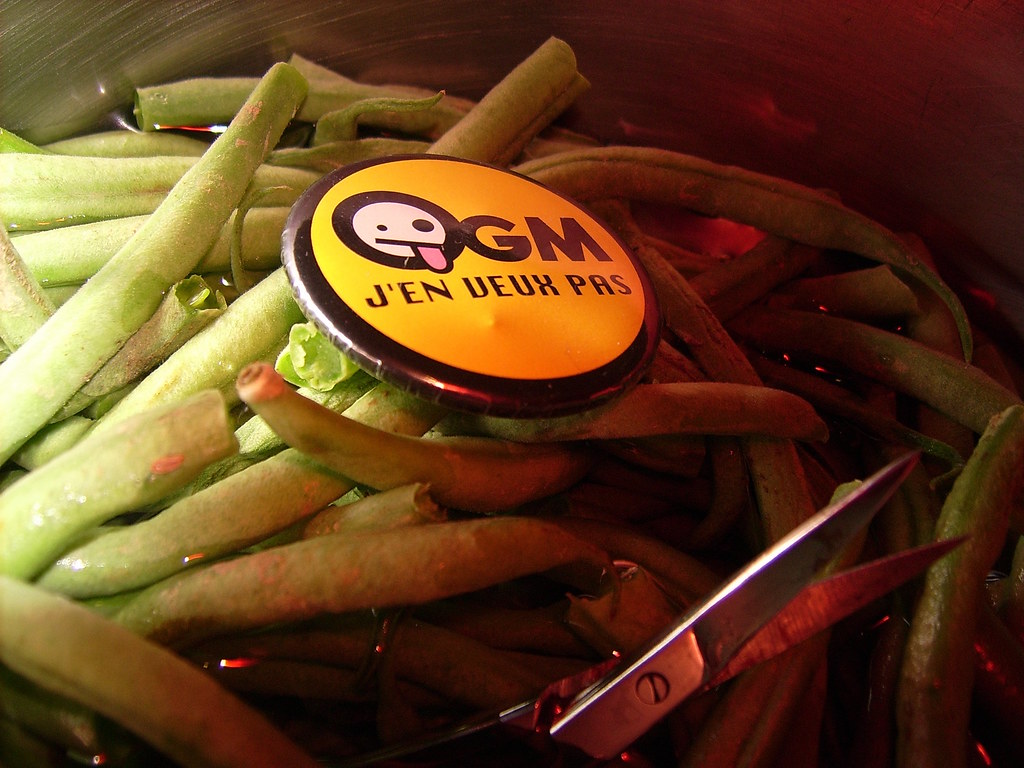
9. **GMOs (Genetically Modified Organisms)**The TB12 diet’s philosophy extends beyond the nutritional content of food to encompass its origins and cultivation. A staunch refusal of Genetically Modified Organisms, or GMOs, is another key tenet in Tom Brady’s dietary protocol. This stance reflects a broader commitment to consuming foods that are as natural and unaltered as possible, aligning with an overarching concern for both personal health and environmental sustainability.
Brady’s former personal chef, Allen Campbell, articulated this principle clearly: “I make conscious decisions to buy local and organic, and to stay away from GMOs, and to think about the future of the planet and the future of humans.” This statement reveals that the choice to avoid GMOs is not merely about potential immediate health impacts but also about a deeper ethical and philosophical consideration for food systems and long-term well-being. The TB12 method encourages a mindful approach to food sourcing, prioritizing purity and natural growth.
While the scientific debate around the direct health effects of GMOs for the general population continues, the TB12 diet adopts a precautionary principle. For an athlete like Tom Brady, every dietary choice is scrutinized for its potential impact on his body’s finely tuned system. Ensuring food is “GMO-free” is another layer of control, minimizing exposure to any factors that *might* introduce unknown variables or contribute to systemic stress, thus maintaining an optimal environment for performance and recovery.
This commitment to non-GMO foods goes hand-in-hand with a preference for organic and locally grown produce, as highlighted by Campbell’s practice of shopping at farmer’s markets or Whole Foods. It speaks to a dedication to quality and transparency in food production. By choosing foods free from genetic modification, Brady aims to consume ingredients that are as close to their natural state as possible, providing his body with the cleanest fuel for unparalleled athletic achievement and extended career longevity.
Read more about: Fueling Greatness: The 15 Foods Tom Brady Absolutely Avoids for Peak Performance and Longevity
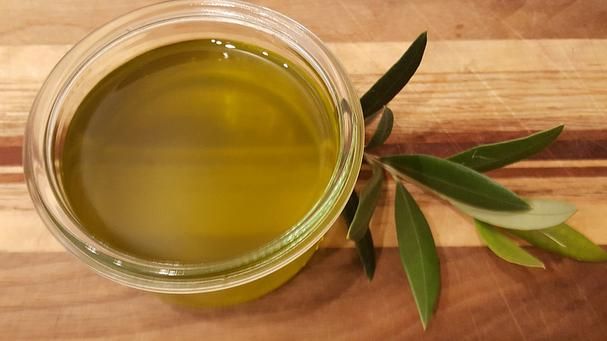
10. **Unhealthy Cooking Oils**The final, but certainly not least important, category on Tom Brady’s ban list involves certain cooking oils, particularly those deemed “unhealthy” or capable of undergoing detrimental transformations during heating. While healthy fats are integral to the TB12 diet, the *type* of fat and *how* it’s prepared are critically important. This meticulous attention to detail highlights the comprehensive nature of Brady’s nutritional strategy, extending even to the seemingly minor components of meal preparation.
Canola oil is specifically called out by Campbell, who states, “Fats like canola oil turn into trans fats.” This transformation is a significant concern because trans fats are notorious for their adverse effects on cardiovascular health and their ability to promote inflammation within the body. The TB12 diet’s unwavering anti-inflammatory stance means that any cooking oil prone to forming such harmful compounds during heating is immediately discarded from the culinary repertoire, safeguarding against unnecessary physiological stress.
Instead of oils like canola, corn, or soy—which are also listed among the “many cooking oils” to avoid—Brady’s kitchen relies on healthier alternatives. Campbell notes, “Instead of vegetable oil, Cambell uses olive oil and coconut oil.” These fats are chosen for their stability and beneficial fatty acid profiles, ensuring that the cooking process itself doesn’t inadvertently introduce inflammatory agents. Olive oil, particularly, is a cornerstone of anti-inflammatory diets, providing monounsaturated fats and antioxidants that support overall health.
The emphasis on choosing the right cooking oils reinforces the TB12 method’s foundational principle: every ingredient, no matter how small, contributes to the body’s overall state. By meticulously selecting oils that support, rather than hinder, the anti-inflammatory and optimal performance goals, Brady ensures his body receives the cleanest and most beneficial fuel possible. It’s a testament to the belief that true longevity and athletic excellence are built on a bedrock of informed and intentional nutritional choices, from the main ingredients to the very fats used in cooking.
**A Blueprint for Ageless Performance**
As we conclude our journey through the TB12 ban list, it becomes abundantly clear that Tom Brady’s sustained success isn’t merely a stroke of genetic luck or brute force training. It is the calculated outcome of a life meticulously engineered for peak performance, with nutrition as its undeniable bedrock. By systematically eliminating foods that promote inflammation, disrupt natural energy cycles, or introduce harmful compounds, Brady has crafted a dietary blueprint that prioritizes cellular health, rapid recovery, and unwavering bodily resilience.
Read more about: Fueling Greatness: The 15 Foods Tom Brady Absolutely Avoids for Peak Performance and Longevity
While the TB12 method may seem intensely restrictive to the average person—prompting questions like “What’s left to eat?” from many curious observers—its effectiveness for one of the greatest athletes of all time speaks volumes. It’s a testament to the power of thoughtful dietary choices, showing how a conscious shift away from inflammatory triggers can unlock extraordinary physical and mental capabilities. Whether you choose to adopt every stricture or simply draw inspiration, Brady’s approach serves as a compelling reminder that what we consume profoundly shapes our ability to live our healthiest, strongest lives, defying expectations and setting new standards for longevity.