In the fast-paced, high-stakes world of Hollywood, the idea of a film being shot in perfect chronological order is often a romanticized myth. What many moviegoers might perceive as an ‘excuse’ for alterations or re-shoots is, in reality, a deeply ingrained practice driven by a complex web of logistical necessities, financial prudence, and creative foresight. Far from being random whims, these decisions are calculated moves to craft the most compelling and cost-effective cinematic experience possible.
Behind every seamless narrative on screen lies a jigsaw-like production schedule, where scenes are captured out of sequence, meticulously planned, and constantly adjusted. This nonlinear filming technique is the industry standard, allowing directors and producers to navigate the myriad constraints that define filmmaking. From coordinating the schedules of A-list talent to battling unpredictable weather, the reasons for not shooting a film like a chronological story are both numerous and profound.
This deep dive pulls back the curtain on the initial phases of filmmaking, revealing the foundational factors that shape a movie’s production from the very first day on set. We’ll explore the six pivotal reasons why directors strategically shoot scenes out of order or make crucial on-the-fly adjustments during principal photography, setting the stage for the film’s eventual journey to the silver screen.

1. **Budget Efficiency and Location Scheduling**
One of the most compelling reasons directors choose to shoot scenes out of their narrative sequence is rooted squarely in financial pragmatism. Location rental costs represent a substantial portion of any film’s budget, and maximizing the time spent at a single location can lead to significant savings. Imagine a sprawling narrative that requires multiple scenes to take place in a grand hotel ballroom at different points in the story. Rather than incurring the expense of renting that lavish space for several isolated days, filmmakers will schedule all hotel scenes to be filmed consecutively, regardless of where they fall in the script’s timeline.
This strategic bundling of location shooting is not just theoretical; it’s a proven method deployed in some of cinema’s most ambitious projects. A classic example can be found in The Lord of the Rings trilogy, where director Peter Jackson masterfully orchestrated a colossal production. Instead of hopping between distinct locations for each film’s chronological progression, Jackson famously shot scenes from all three movies simultaneously, organizing them based on the specific location. Scenes set in the mythical Rivendell, for instance, were all captured in one concentrated block, even though their narrative appearances were scattered throughout the entire saga. This approach saved untold millions in travel, logistics, and production costs, making the epic scope of the films financially feasible.
Beyond just rental fees, the sheer availability of a particular venue can heavily influence the shooting order. If a unique or in-demand location is only accessible for a limited window, scenes requiring that backdrop must be prioritized and filmed during its availability, irrespective of their logical place in the story. This often means tight scheduling and rapid transitions between emotionally disparate scenes, all in service of securing the perfect setting before it’s gone.
Read more about: The Matrix’s Million-Dollar Spectacle: Deconstructing Two Iconic Scenes and Their Unprecedented Production Investment
2. **Managing Actor Schedules**In an industry teeming with in-demand talent, coordinating the schedules of actors—especially those with multiple projects on their plate—is a monumental task that frequently dictates the shooting order of a film. A director might have a limited window during which a key actor is available, necessitating the compression of all their required scenes into that specific timeframe. This means actors often find themselves jumping between intense dramatic moments and lighthearted comedic beats within the same day, simply because those are the scenes that feature them.
In an industry teeming with in-demand talent, coordinating the schedules of actors—especially those with multiple projects on their plate—is a monumental task that frequently dictates the shooting order of a film. A director might have a limited window during which a key actor is available, necessitating the compression of all their required scenes into that specific timeframe. This means actors often find themselves jumping between intense dramatic moments and lighthearted comedic beats within the same day, simply because those are the scenes that feature them.
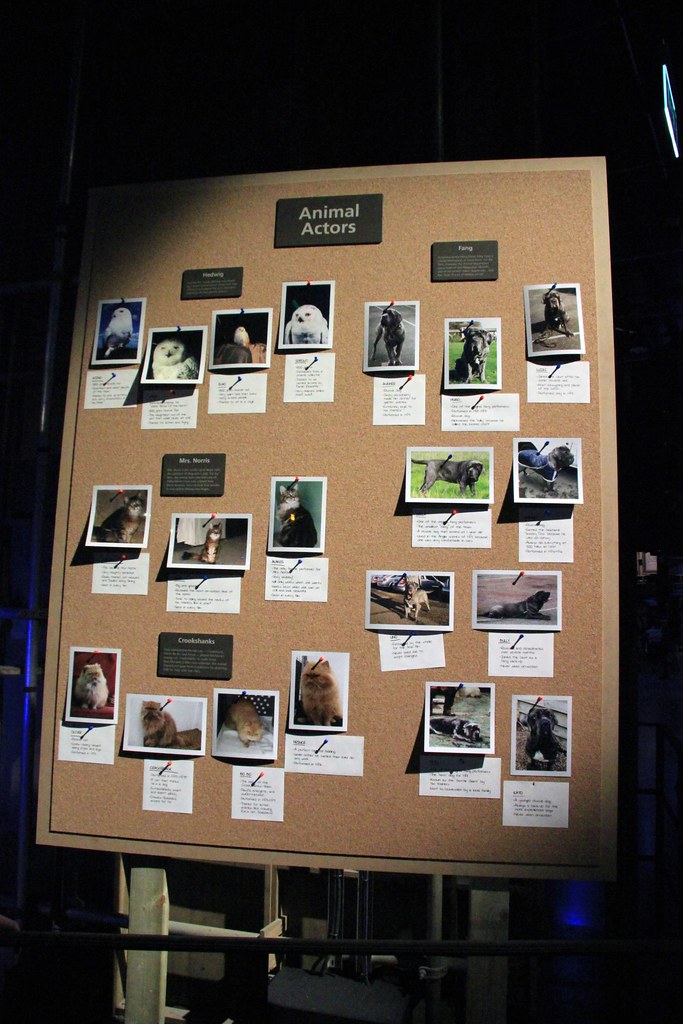
Consider the logistical puzzle faced by the production of the 2001 film Harry Potter and the Sorcerer’s Stone. With a cast that included celebrated adult actors like Alan Rickman (Severus Snape) and Maggie Smith (Professor McGonagall), scenes involving these pivotal characters had to be meticulously scheduled according to their often-brief windows of availability. Their filming blocks were precisely condensed, and the necessary scenes were captured out of sequence to ensure these esteemed performers could fulfill their other professional commitments without derailing the film’s production.
The complexity escalates exponentially with ensemble casts in blockbuster franchises. For Avengers: Endgame, the Russo brothers navigated an unparalleled challenge in coordinating a roster of A-list actors including Robert Downey Jr., Chris Evans, and Scarlett Johansson. To accommodate such a star-studded lineup, scenes were frequently shuffled and shot independently. It was not uncommon for sequences to involve stand-ins or green screens, allowing actors to film their parts separately and at different times, only to be seamlessly integrated in post-production. This level of coordination underscores how actor availability is a primary driver for shooting out of narrative order.
Read more about: The Unprecedented Freeze: How Hollywood’s Strikes Reshaped Film Production and Promotion in 2023

3. **Weather and Seasonal Considerations**
The natural world plays an undeniable, often unpredictable, role in filmmaking, making weather and seasonal changes critical factors in determining a shooting schedule. Directors frequently need to capture specific environmental conditions—be it a snow-laden winter wonderland, a sun-drenched summer beach, or a perpetually overcast sky. If a scene is envisioned to take place amidst a blizzard, but the bulk of the film is slated for production during the summer months, that specific sequence must be strategically scheduled for the rare coldest days available, or relocated to an environment capable of realistically simulating winter conditions.
An iconic and extreme illustration of this dedication to authenticity is the 2006 film The Revenant. Director Alejandro González Iñárritu famously delayed significant portions of the production, extending the shooting timeline, purely to secure the most authentic winter landscapes in the rugged terrains of Canada and Argentina. Scenes were filmed only when the snow cover was just right, and the natural lighting perfectly matched the film’s stark aesthetic. This commitment often meant capturing scenes far apart from their chronological placement in the narrative, highlighting the immense influence of nature on a film’s schedule.
Beyond planned seasonal shoots, unpredictable weather can also throw a wrench into a meticulously crafted schedule. Sudden rainstorms, unseasonal heatwaves, or unexpected blizzards can halt outdoor filming, forcing crews to pivot to indoor scenes or sequences that are less weather-dependent. The inherent flexibility of nonlinear shooting ensures that production can remain on schedule even when faced with Mother Nature’s caprices, preventing costly downtime and allowing the team to continue working productively while waiting for optimal conditions to return.
Read more about: The Diesel Dilemma Decoded: Mastering Heavy Equipment Fuel Efficiency for Today’s Operators and Tomorrow’s Profits

4. **Makeup, Costumes, and Character Arcs**
The intricate details of character transformation, especially those involving significant makeup and costume changes, are another compelling reason for directors to shoot scenes out of chronological order. When a character undergoes a dramatic physical alteration over the course of a story—perhaps aging, suffering an injury, or simply changing their appearance—it is far more efficient to film all scenes requiring one particular look at once. This approach minimizes the arduous and time-consuming process of applying complex prosthetics, elaborate makeup, or detailed costume changes multiple times, thereby streamlining the production workflow.
One of the most memorable examples of this is the 2000 film Cast Away, starring Tom Hanks. His character undergoes a profound physical transformation after being stranded on a deserted island, losing a drastic amount of weight and growing a long beard and hair. To achieve this authentic progression, the production took an unprecedented year-long hiatus. Prior to the break, the crew filmed all the early scenes where his character appeared healthy. After the extended pause, and once Hanks had undergone his physical change, they resumed shooting the remaining scenes, again, not in chronological order but based purely on his changed appearance and the demands of continuity.
Similarly, in Black Swan (2010), Natalie Portman’s character embarks on a descent into madness, visually reflected through subtle yet significant changes in her makeup and costume. Scenes were meticulously and strategically shot to align with the continuity of her evolving appearance, even if it meant filming parts of the climax before early exposition scenes. This pragmatic approach to managing character arcs ensures visual consistency while optimizing the demanding practicalities of on-set artistry, saving valuable time and resources during the intensive filming process.
Read more about: Beyond the Lens: A Vulture’s Guide to the Multifaceted World of Filmmaking, From Concept to Cinema
5. **Post-Production Planning for VFX and Editing**
Filming out of sequence is not just a reactive measure to overcome obstacles; it’s often a proactive strategy to support the complex demands of post-production, particularly in an era dominated by visual effects (VFX) and intricate editing. By completing certain scenes early, especially those with heavy CGI requirements or critical visual elements, the post-production team can begin their work while other parts of the movie are still being filmed. This parallel processing significantly reduces the overall production timeline and allows for more iterative development of complex effects.
A prime example of this foresight can be seen in Star Wars: Episode III – Revenge of the Sith. The film featured numerous complex fight scenes and sequences brimming with CGI, requiring extensive rendering and compositing. To manage this massive undertaking, these visually demanding scenes were often among the first to be filmed. This early completion allowed the VFX team to immediately commence their detailed work on these crucial elements, ensuring that they had ample time to perfect the digital magic while the rest of the film’s scenes were still in active production. This integrated approach creates a smoother, more efficient post-production pipeline.
Furthermore, many directors intentionally shoot multiple versions of key scenes, or alternate takes and even endings, specifically to provide flexibility in the editing room. Visionaries like Quentin Tarantino and Ridley Scott are renowned for this practice, capturing a variety of performances, camera angles, or narrative outcomes. This creative freedom during filming allows editors to experiment and decide which version best serves the story’s rhythm, tone, and overall impact during the critical assembly phase. This naturally necessitates filming out of the script’s linear progression, granting the editorial team maximum creative latitude to sculpt the final narrative.
Read more about: Inside the Studio: Deconstructing the 10 Essential Producer Roles Shaping Today’s Film and TV Landscape
6. **Emotional Continuity Challenges for Actors**
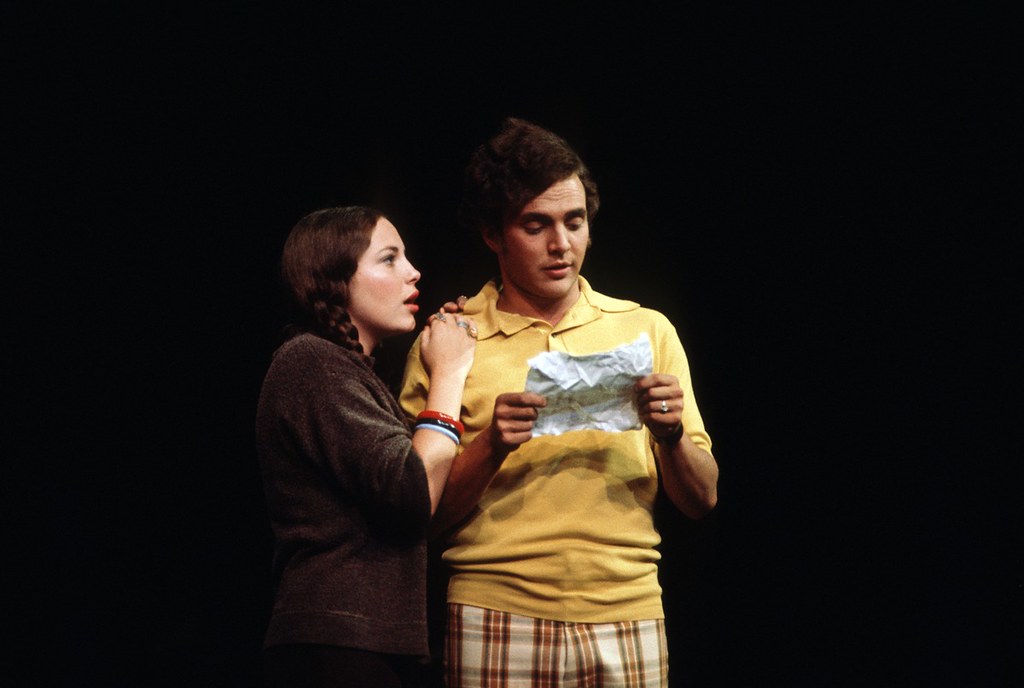
While shooting out of sequence offers undeniable logistical and financial advantages for filmmakers, it presents a unique and formidable challenge for actors: maintaining emotional continuity. Imagine an actor needing to portray a character who is experiencing devastating grief in one scene, only to pivot hours later to a scene where that same character is filled with cheerful exuberance—even if, in the narrative’s actual timeline, these emotional beats are weeks or months apart. This rapid emotional shifting demands incredible discipline and immersion from performers.
To navigate this complex landscape, many actors employ personal strategies, such as keeping detailed “emotion maps” or meticulously annotating their scripts with character arcs and emotional states for each scene. They heavily rely on their directors to provide clear guidance and contextual reminders, helping them recalibrate their performances to align with the character’s emotional journey at each specific point in the story. This collaborative effort between actor and director is crucial for preserving the integrity of the performance amidst the disorienting nature of nonlinear filming.
Actors celebrated for their method approach, like Daniel Day-Lewis, are particularly adept at managing this challenge. In Lincoln (2012), Day-Lewis was known for remaining deeply in character between takes, irrespective of the scene’s place in the overall narrative. This intense commitment allowed him to maintain emotional alignment with each scene, ensuring authenticity even when filmed out of order. Similarly, for a film like Memento (2000)—which is famously told in reverse chronological order—actors had to grapple with an inherently complex timeline. Shooting these already fractured scenes out of sequence only amplified the challenge, making the director’s guidance and the actors’ discipline paramount in piecing together a believable emotional arc for the audience. The meticulous management of these emotional demands is a testament to the craft required when productions deviate from linear storytelling.”
Read more about: Digital Immortality or Unsettling Impersonation? The High-Stakes Legal and Ethical Battle Over Actors’ Faces in the CGI Era

7. **Addressing Continuity, Logic, and Quality Issues in Post-Production**
The initial principal photography phase of a film is a whirlwind of activity, but it’s during the meticulous process of editing that many subtle cracks in the narrative or visual flow become glaringly apparent. Even with the most diligent script supervisors and keen-eyed directors on set, issues related to continuity, logical inconsistencies, or a simply suboptimal visual execution can slip through the cracks. It’s in the quiet, reflective atmosphere of the editing suite that these imperfections are brought to light, often necessitating significant additional work.
When editors piece together hundreds of hours of footage, they act as the ultimate arbiters of how a story truly unfolds. They might identify a crucial prop that disappears and reappears, a costume that subtly changes between cuts, or a logical jump that simply doesn’t make sense to an unbiased viewer. These aren’t minor bloopers that can be ignored; they’re fundamental flaws that can pull an audience out of the immersive experience. To rectify such issues, the production team often has no choice but to schedule “re-shoots” for entire scenes or “pick-up shots” for smaller, specific elements.
The difference between a “pick-up” and a “re-shoot” is critical here. A pick-up is a small, relatively minor shot, filmed or recorded after the fact to augment footage already shot. Re-shoots, on the other hand, involve redoing entire scenes or sequences. Both are costly and complex endeavors, often requiring the reunification of key cast and crew members months after principal photography has wrapped, and sets have been dismantled. This means re-creating specific costumes, matching precise makeup, and ensuring that the new footage seamlessly blends with the old, all to achieve that elusive sense of cinematic perfection.
Read more about: Beyond the Glamour: When Film Productions Become ‘Problem Children’ and Test Every Crew’s Mettle
8. **Pacing, Runtime, and Studio Mandates**
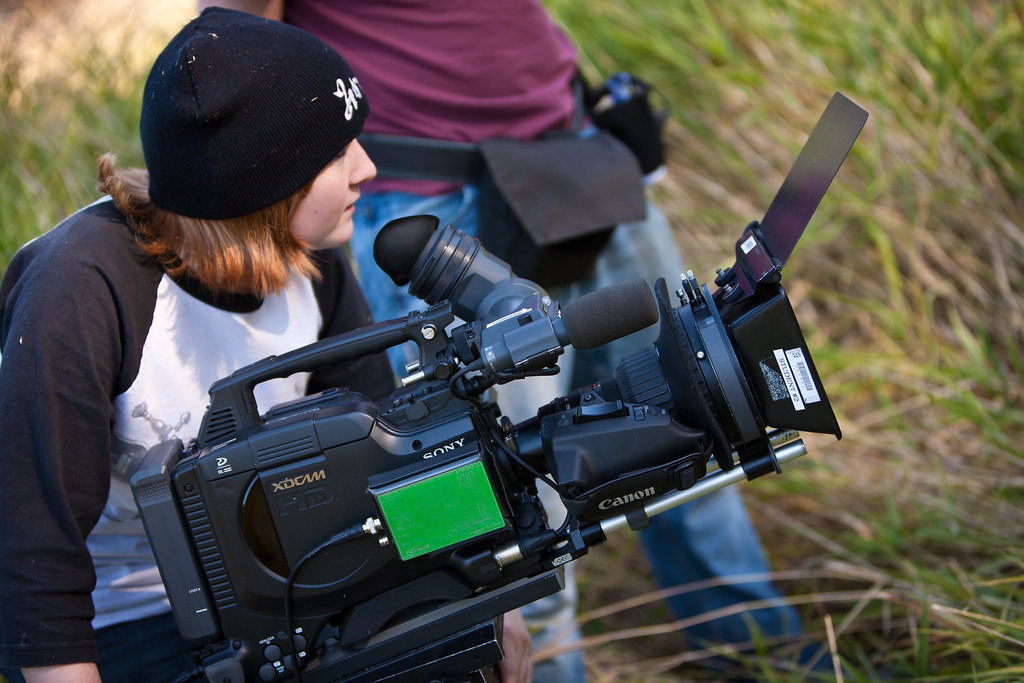
The rhythm and flow of a film are paramount to audience engagement, and often, scenes that might be excellent in isolation simply don’t serve the overall pace of the narrative. During editing, directors and producers intensely scrutinize the film’s timing, identifying moments where the story drags, where information is redundant, or where an emotional beat overstays its welcome. Even scenes that are meticulously shot and beautifully acted can end up on the cutting room floor if they disrupt the desired momentum or contribute to an excessively long runtime.
Studio executives, always with an eye on the bottom line, exert significant pressure for films to adhere to specific runtimes. Shorter films allow for more showings per day in theaters, directly translating to increased box office revenue. This commercial reality often trumps artistic indulgence, compelling filmmakers to make difficult choices. As Peter Iliff, screenwriter of *Point Break*, notes, “It seems in Hollywood that there is a real studio incentive to have films be as short as possible… and with all the prerelease test screenings, they seem to find that the shorter the film, the higher the scores.” This inherent business model means that even compelling character-driven scenes, which might enrich the narrative, are often sacrificed for the sake of efficiency.
A prime example of this comes from the 1998 film *The Thin Red Line*, where director Terrence Malick famously shot over a million feet of film. Yet, the final cut was only around three hours, with many scenes featuring celebrated actors like Billy Bob Thornton and Mickey Rourke ultimately being discarded. These weren’t necessarily “bad” scenes, but rather ones that, in the grand scheme of the film’s desired pacing and length, were deemed non-essential to the core narrative flow. It’s a brutal reality for screenwriters and actors alike, but a crucial step in sculpting a film that captivates its audience from start to finish.
9. **Negative Test Screening Feedback**
Before a film reaches its final cut and theatrical release, it often undergoes a crucial phase known as test screenings. These are opportunities for a select audience to view an early version of the movie and provide candid feedback. While sometimes affirming, these screenings can also expose significant flaws in the narrative, character arcs, or overall audience reception, compelling filmmakers to return to production for extensive re-shoots or drastic re-editing. The goal is to gauge the emotional impact and clarity of the story before millions of dollars are spent on distribution.
If test audiences react negatively to a particular plot point, a character’s fate, or especially an ending, the studio and creative team face immense pressure to address these concerns. An infamous example is *Patriot Games*, where the original ending, depicting a murky underwater fight between Harrison Ford’s Jack Ryan and Sean Bean’s character, was poorly received by test audiences. As a direct result, it was completely re-shot to feature a more visceral ending on an out-of-control speedboat, where Ryan impales his adversary on an anchor. This dramatic change underscores the power of audience feedback in shaping a film’s ultimate direction.
The implications of test screenings extend beyond simple audience preference; they can highlight fundamental issues with storytelling. If viewers are confused, dissatisfied, or simply don’t connect with the intended emotional beats, it signals a problem that needs fixing. Filmmakers, despite their initial vision, must often put ego aside and respond to these insights, sometimes even if it means reshooting major sequences or entirely rethinking a film’s conclusion to ensure the final product resonates with its target demographic and secures critical and commercial success.
Read more about: Navigating the Fallout: 14 Notorious PR Disasters That Tested Brands and Trust
10. **Preserving Narrative Focus and Thematic Coherence*
A film’s strength often lies in its singular, compelling vision and its ability to communicate a clear theme. However, during the writing and shooting phases, it’s easy for additional subplots, character introductions, or tangential scenes to accumulate, unintentionally muddying the waters. It’s only in the editing room, when the entire narrative is laid out, that directors and editors can truly assess whether every component serves the central story and overarching thematic message. When extraneous elements detract from this core focus, they become prime candidates for deletion.
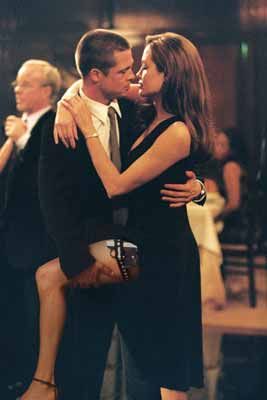
Simon Kinberg, a prolific screenwriter and producer, recounts a crucial lesson learned on *Mr. & Mrs. Smith*. In his original draft, Brad Pitt and Angelina Jolie’s characters had bosses who were integral to the third act, even appearing in the climactic IKEA shootout. However, as the film was being edited, director Doug Liman realized that these “boss” scenes shifted the film’s essential focus. Instead of being a metaphor for a healing broken marriage, the film started to lean too heavily into generic “big bad guys” conventions. The decision was made to cut all of these scenes, greatly benefiting the film by sharpening its thematic resonance.
This process of refining the narrative and thematic core is a constant negotiation. Sometimes, individual scenes might be compelling on their own, but when viewed within the broader context of the film, they prove counterproductive. They might introduce unnecessary complexity, dilute character motivations, or simply divert attention from what truly matters. The disciplined act of cutting these scenes ensures that the film remains tightly focused, delivering its intended message and emotional impact without getting lost in unnecessary detours, ultimately creating a more impactful and memorable cinematic experience.
Read more about: Beyond the Hype: An In-Depth Critical Dissection of ‘Pushpa 2: The Rule’s’ Cinematic Impact and Reception

11. **Budgetary Constraints During Post-Production**
While budget efficiency is a primary driver for shooting scenes out of sequence during principal photography, financial limitations don’t magically disappear once filming wraps. In fact, post-production itself can be a costly endeavor, and budgetary constraints can unexpectedly necessitate the cutting of scenes that were already shot, or prevent re-shoots even when they might improve the film. Filmmakers might realize they don’t have the resources to fully realize a particular scene in post-production as originally envisioned, or that the footage captured simply doesn’t meet the desired quality without further investment.
Consider a scenario where a director envisioned an elaborate visual effects sequence that, during post-production, proves to be prohibitively expensive to complete or looks subpar with the available budget. Rather than releasing a film with visually underwhelming moments, the more pragmatic decision might be to entirely remove that scene. An illustration of this can be found in *The Lord of the Rings: The Two Towers* (2002), where a scene featuring the character Saruman was initially cut due to budget constraints. Although it was later included in the extended edition, its initial removal highlights how financial pressures can influence the final cut even after millions have already been spent.
This is a different beast from the pre-production budgeting discussed earlier. Here, the money has already been spent on capturing the footage, but the subsequent steps – the visual effects, intricate sound design, or extensive color grading needed to make a scene truly shine – require *additional* funds that might simply not be available. These decisions are often agonizing, as they mean letting go of creative choices already brought to life, but they are a stark reality in an industry where every dollar spent must contribute effectively to the final product, especially when a scene doesn’t quite “pop” as hoped without further costly enhancements.
Read more about: The Architects of Imagination: Unpacking the Multifaceted World of Filmmaking and Its Creative Visionaries
12. **Ensuring Character Development and Story Arc Clarity**
A compelling narrative hinges on believable, well-developed characters whose journeys audiences can invest in. While creative teams strive for this from the outset, the intricate collaborative process of filmmaking can sometimes result in character arcs that become muddled or motivations that are unclear by the time the film reaches the editing room. When this happens, often through the accumulation of conflicting scenes or the omission of crucial explanatory moments, significant restructuring or deletions are required to restore clarity and emotional resonance.
Screenwriters like John Buchanan lament that in Hollywood, when scenes are cut, “it’s always character-related scenes and not action scenes that are cut.” The consequence, as he notes, is that “when the film comes out, the reviews say the characters are shallow and undeveloped.” This highlights a critical tension: the business incentive for shorter films often clashes with the artistic need for thorough character exploration. To combat this, writers are often advised to ensure every scene “turns the story” or is absolutely imperative, so its removal would make the narrative incomprehensible.
Moreover, a film’s conclusion must provide a satisfying resolution that makes sense within the established character arcs. In the case of *Under Suspicion*, screenwriter Peter Iliff felt the film was damaged by a “vague” ending where Gene Hackman’s character falsely confesses to a crime without explanation. Iliff believed audiences were confused because they didn’t understand Hackman’s motive – that he confessed to punish himself due to a failing marriage. This example underscores how vital clear character motivation is, especially in pivotal moments, and how its absence can compel filmmakers to reconsider entire narrative structures to ensure the audience’s emotional and intellectual satisfaction. The need for clear character journeys and understandable motivations often dictates substantial revisions long after principal photography has concluded.
Read more about: The Urban Transit Paradox: Why Residents Leave Cities Known for Robust Public Transportation
The complex dance of filmmaking extends far beyond the final “cut” on set. From the initial logistical hurdles to the discerning eye of test audiences and the meticulous work in the editing suite, directors and their teams are constantly making strategic decisions that shape the very fabric of a film. The “excuses” for re-shoots or scene deletions are, in fact, integral cogs in the cinematic machine—each one a calculated move to refine the story, tighten the pacing, clarify intent, and ultimately, craft a movie that truly resonates. What appears effortless on screen is often the result of immense, sometimes brutal, creative problem-solving and the relentless pursuit of perfection, proving that true movie magic is an illusion painstakingly pieced together, frame by painstaking frame.