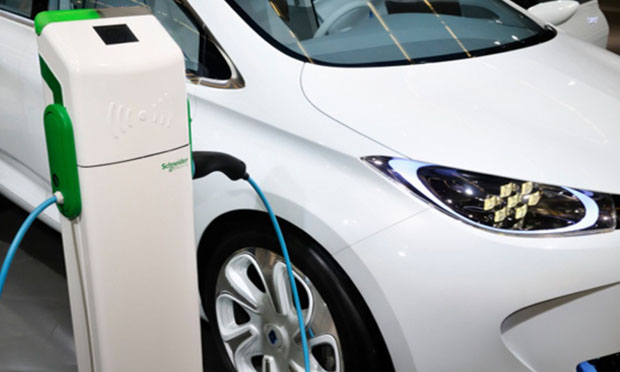
The convenience of owning an electric vehicle often culminates in the simple act of plugging it in at home, much like our smartphones, and letting it charge overnight. This routine promises a full battery by morning, ready for the day’s commute. Yet, for many new and prospective EV owners, this seemingly straightforward practice raises a host of questions and concerns, particularly regarding the long-term health of their vehicle’s sophisticated battery pack. Is this everyday habit truly harmless, or are there hidden dangers lurking beneath the surface of continuous overnight charging?
As electric vehicles become increasingly prevalent on our roads, understanding their optimal care becomes paramount for consumers. The concerns range from potential battery degradation and safety risks to the broader impact on the power grid and household electricity bills. Sorting through the myths and facts is crucial for making informed decisions that ensure both the longevity of your EV and the efficiency of your energy consumption.
In this in-depth guide, informed by rigorous analysis and a focus on consumer well-being, we will meticulously examine the realities of overnight EV charging. We’ll explore the sophisticated safeguards built into modern EVs, identify genuine risks, and provide actionable advice to help you maintain your battery’s health, optimize charging habits, and navigate the evolving landscape of electric mobility with confidence. Our aim is to empower you with the knowledge to maximize your EV’s performance and lifespan, ensuring a rewarding ownership experience.

1. **Battery Degradation from Continuous Overcharging**One of the most persistent worries among electric vehicle owners is the impact of leaving their car plugged in for extended periods, especially overnight. The concern often stems from a misconception that continuous power flow to a fully charged battery will inevitably weaken its ability to hold a charge over time. This fear is not entirely unfounded, as historical battery technologies did exhibit such vulnerabilities.
However, modern electric vehicles are equipped with advanced Battery Management Systems (BMS) that actively monitor and regulate the charging process. When you plug in your EV, the BMS checks each cell’s health and temperature, then applies a small current to balance voltages before full charging begins. It doesn’t simply ‘pour in full power from zero to 100%’; instead, most EVs taper the current as they approach the target State of Charge (SoC), slowing the final charging steps to protect cell chemistry.
Once the battery pack reaches your set limit—often recommended at 80-90% for daily use—the BMS either trickle-charges at a very low rate or, more commonly, stops the current altogether. This intelligent management prevents the battery from sitting under constant stress once it’s topped off. The notion that the car keeps ‘gulping power all night’ after reaching its set limit is largely outdated due to these sophisticated safeguards, ensuring that a modern EV won’t continually receive power after it’s charged to the designated level.
That said, the *act* of frequently charging to 100% capacity and leaving it there for extended periods *can* contribute to degradation over the long run, even with a BMS. The repeated cycle of charging and discharging, especially at the extremes, does cause the lithium-ion battery pack to degrade over time. Therefore, while occasional full charges for long trips are acceptable, habitually pushing to 100% overnight can expose cells to higher stress levels than necessary for daily commutes, impacting the battery’s longevity.
Read more about: Driving the Distance: A Deep Dive into Electric Vehicle Lifespan, Reliability, and Future-Proofing for 200,000 Miles and Beyond
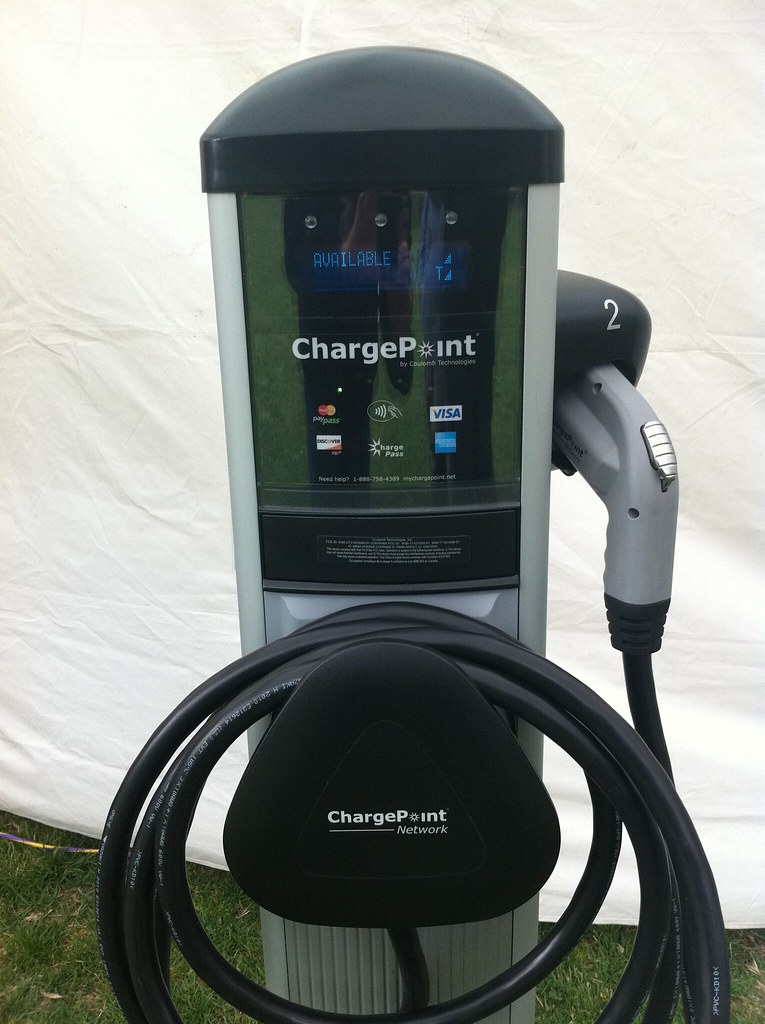
2. **Impact of Charging to 100% State of Charge (SoC)**Among the most critical factors influencing the lifespan of an electric vehicle’s battery is its State of Charge (SoC). While it might seem intuitive to always charge your EV to 100% to maximize range, extensive research and manufacturer recommendations suggest that this practice can significantly accelerate battery degradation. The University of Michigan’s study on extending the lifespan of lithium-ion batteries in EVs, for instance, highlights the importance of managing the battery’s SoC.
The core finding is that batteries degrade more rapidly when they spend extended periods at either extremely high (close to 100%) or extremely low (close to 0%) charge levels. Operating consistently at the upper end of the charge spectrum places considerable stress on the battery’s internal chemistry, leading to a gradual reduction in its overall capacity over time. This stress contributes to the breakdown of electrode materials, diminishing the battery’s ability to store energy efficiently.
For daily use, therefore, it is generally recommended to set your charger or onboard software to cap charging at 80% to 90%. Many drivers never touch the 100% mark except for road trips, a practice that has shown battery packs maintaining over 90% capacity even after 50,000 miles. This strategic limitation allows the battery to operate within a less stressful range, preserving its long-term health and performance. While the convenience of a full charge is appealing, especially for extended travel, it should be reserved for those specific occasions rather than being a nightly routine.
Fortunately, modern EVs are designed with battery management systems that help prevent charging and discharging at the extreme ends of 100% or 0%. Additionally, most electric cars allow you to customize charging settings, enabling you to set the chargers to turn off automatically when the battery reaches a specific SoC. This built-in flexibility empowers owners to adopt best practices effortlessly, ensuring their battery remains within the optimal 20% to 80% or 30% to 80% range for daily driving, thereby safeguarding its health and extending its operational life.
Read more about: Navigating the Electric Highway: Unveiling the Smoothest EV Charging Experiences and Fastest Vehicles

3. **Risk from Extreme Temperatures During Charging**Environmental factors play a significant role in the long-term health and performance of an electric vehicle’s battery, with temperature being a primary concern. Extreme temperatures, particularly elevated heat, are known to accelerate the degradation of battery cells. Heat causes the breakdown of electrode materials inside the cell, which directly reduces capacity over time. This makes the thermal environment during charging a critical consideration for EV owners.
Overnight charging often presents an advantage in this regard, as ambient temperatures are usually lower during these hours. Cooler environments are generally preferred by batteries, reducing thermal stress during the charging process. This natural cooling effect can be a hidden benefit of nighttime charging, contrasting with charging during the hottest parts of the day, especially in warm climates. However, owners in consistently hot regions still need to be mindful of their parking choices.
If you live in a hot climate, adopting simple habits like parking in the shade or a garage can make a substantial difference. These measures help keep the battery pack cooler, even when not actively charging, thus mitigating the effects of ambient heat on cell longevity. Some advanced EVs even allow for “pre-conditioning” while plugged in, which means the car can cool or heat its battery to an optimal temperature before or during charging, further protecting it from temperature extremes.
Ultimately, while overnight charging can benefit from cooler ambient temperatures, owners must remain vigilant about temperature management. Avoiding prolonged exposure to extreme heat, whether from the environment or from the charging process itself, is a key best practice for minimizing battery degradation. Understanding this interplay between charging, temperature, and battery chemistry is essential for maximizing the lifespan of your electric vehicle.
Read more about: For Snow Belt Residents: A Deep Dive into the 10 Worst Winter-Ready Vehicles on the Market Today

4. **Accelerated Wear from Deep Discharges**Just as consistently charging to 100% can stress an EV battery, allowing the battery to frequently fall to very low charge levels—known as deep discharges—also contributes significantly to accelerated wear and degradation. Running the pack down below 10-20% before charging increases strain on the cells, affecting their long-term ability to hold a charge and reducing overall capacity over time.
Lithium-ion batteries, which power most modern EVs, are designed for optimal performance and longevity when operated within a moderate State of Charge (SoC) range. Regularly pushing the battery to its lower limits forces the cells to work harder to maintain voltage, leading to increased internal resistance and a more rapid chemical breakdown of materials. This cumulative stress is a hidden danger that can silently diminish your battery’s health.
Consumer Reports emphasizes practical, actionable advice, and in this context, avoiding deep discharges is a straightforward habit that can yield substantial benefits. It’s akin to maintaining proper tire pressure; while you can drive on low pressure for a while, it reduces tire life. Similarly, consistently letting your EV battery nearly empty shortens its effective lifespan. The goal is to minimize the amount of time the battery spends at these extreme ends of its charge cycle.
Therefore, a crucial best practice for EV owners is to avoid letting the pack fall below 10–20% before initiating a charge. Integrating regular, moderate charging into your routine, rather than waiting for the battery to be critically low, can significantly reduce wear on the cells. This proactive approach ensures your battery operates within healthier parameters, contributing to its sustained performance and maximizing your investment in electric mobility.
Read more about: Why Your Car’s Battery Is Dying So Fast: A Comprehensive Guide to Causes and Solutions

5. **High-Voltage Cycling (0% to 100%)**The phenomenon of high-voltage cycling, which refers to the regular practice of fully charging a battery to 100% and then letting it deplete to 0%, is a significant contributor to the natural aging process of an EV battery. This complete voltage swing, from its highest to lowest possible states, exposes the battery cells to considerable stress. Over time, this stress slowly but surely reduces the battery’s capacity, diminishing its overall ability to store and deliver energy.
This kind of cycling is particularly damaging because the chemical reactions within the battery are most volatile at the extreme ends of the charge spectrum. Repeatedly pushing the cells to their maximum and minimum limits can cause irreversible changes to the electrode materials, leading to what is known as capacity fade. It’s a wear-and-tear process that, while gradual, is accelerated by these full discharge-charge cycles, often more so than simply being plugged in overnight with a reasonable charge limit.
To mitigate the effects of high-voltage cycling, the recommendation is clear: avoid regularly charging to 100% and allowing the pack to drop to 0%. Instead, maintain your battery within a middle range, such as 20% to 80% or 30% to 70%. This approach reduces the stress on the cells by limiting their exposure to the extreme voltage fluctuations, thereby preserving their integrity and prolonging the battery’s useful life. Many seasoned EV owners report minimal to no battery loss after years of overnight charging, particularly when they consistently adhere to these guidelines, often setting a routine charge limit at 80%.
By adopting a balanced charging approach that minimizes deep discharges and avoids routine full charges, you can significantly reduce the impact of high-voltage cycling. This mindful strategy, coupled with the inherent protections of modern Battery Management Systems, ensures that overnight Level 2 charging at home exerts minimal stress on your battery, contributing to years of reliable range and a healthy battery.
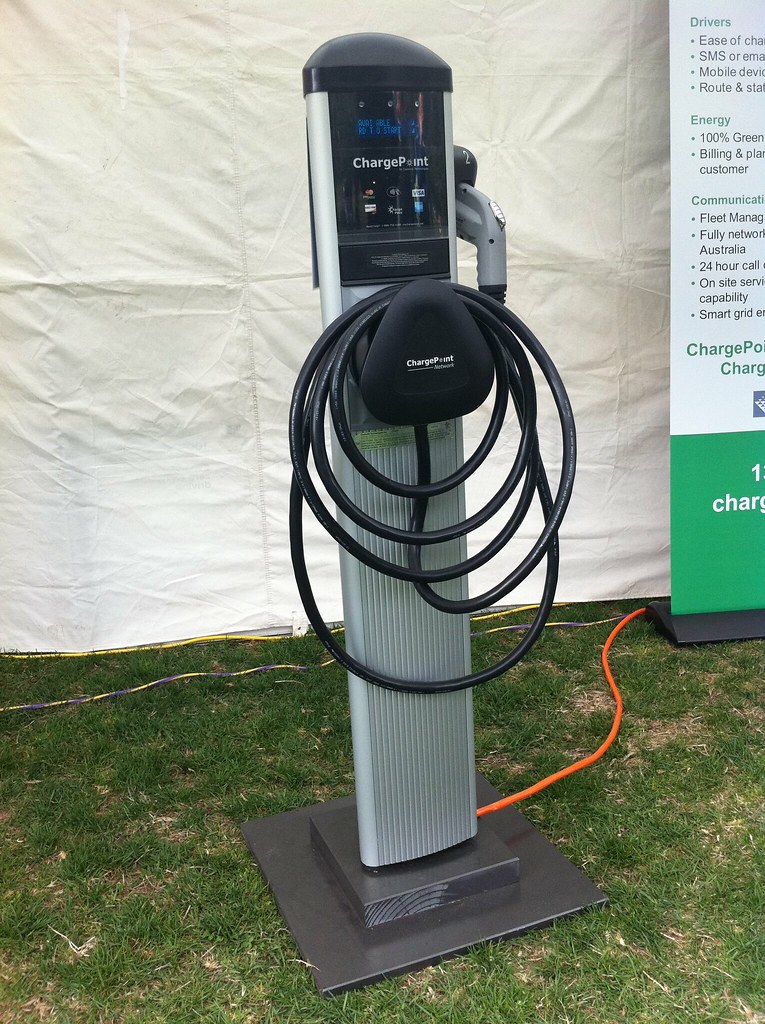
6. **Safety Risks from Faulty Infrastructure**While modern electric vehicles and their charging systems are designed with numerous safety features, a critical ‘hidden danger’ lies not within the vehicle itself, but in the integrity of the home’s electrical infrastructure. The general safety of leaving an EV plugged in overnight hinges on the assumption that your home’s outlets, circuits, and charging cable are all up to code and in excellent working order. When these foundational elements are compromised, potential risks can arise, impacting both the vehicle and the home.
The most significant safety issues stem from exposed wires, damaged charging cables, or inadequate electrical wiring within the home. A charging cable in poor condition, with frayed insulation or exposed conductors, can create an electrical hazard. Similarly, an older home with an electrical panel not designed to handle the continuous load of EV charging, or circuits that are not properly grounded and bonded, can lead to overheating, tripping breakers, or, in extreme cases, a fire risk.
Another specific concern is water submergence. While EV charging components are designed to be weather-resistant, water infiltration into damaged outlets, charging equipment, or directly onto exposed electrical parts can lead to short circuits or electrocution hazards. This underscores the importance of proper installation for outdoor charging stations and regular inspection of all charging equipment for any signs of damage or wear.
To ensure safety, it is paramount that any EV charging installation—especially Level 2 chargers—is performed by a licensed electrician, confirming that the home’s electrical system can safely support the load. Regular checks of your charging cable for physical damage are also advised. If you are still concerned, smart EV chargers for your home offer programmable features to turn off once your EV’s battery has been fully charged, halting the flow of power and adding an extra layer of peace of mind against potential issues originating from the charging apparatus itself, rather than the vehicle’s battery.
Read more about: The Silent Saboteurs: Why Your Semi-Trailers Are Leaking Days Before They Hit the Road
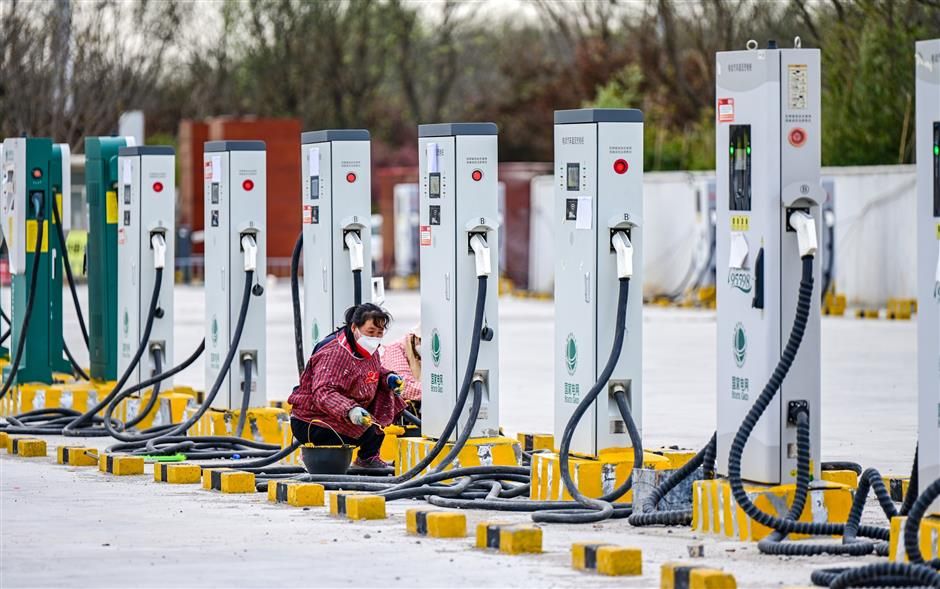
7. **The Strain on the Power Grid and Rising Costs from Peak Charging**Beyond individual battery health, the widespread adoption of electric vehicles and the common habit of overnight charging present significant broader implications for the national power grid and household electricity costs. While the convenience of plugging in at home overnight is undeniable, the collective impact of millions of EVs charging during similar hours can create concentrated demand that challenges existing energy infrastructure.
Indeed, a study conducted by Stanford University in 2022 and published in “Nature Energy” highlighted a critical concern: the expanding ownership of electric vehicles could place significant strain on the power grid. The research projected an increased demand on the grid of up to 25% by 2035, primarily attributed to the concentrated habit of most people charging their cars at night. This shift transforms what were traditionally off-peak hours into a new, intensified period of electricity consumption.
This added demand inevitably leads to economic consequences. Electricity prices are likely to rise, not solely due to utilities capitalizing on peak usage hours, but also because of the substantial investment required to upgrade the grid’s storage capabilities and transmission infrastructure. Ensuring the grid can reliably meet this surging nocturnal demand necessitates costly enhancements, which are ultimately reflected in consumer energy bills.
To help alleviate this strain, the Stanford study suggested that charging cars during the day at public charging stations could be a beneficial strategy over time. While this option may not be feasible for every EV owner, it underscores the need for a diversified charging approach to balance grid load and mitigate the financial impact on consumers. Understanding these wider implications allows owners to consider their role in a sustainable energy ecosystem.
Read more about: The Hidden Costs: Unmasking the Real Reasons Your Electric Bill Exploded After Bringing Home an EV
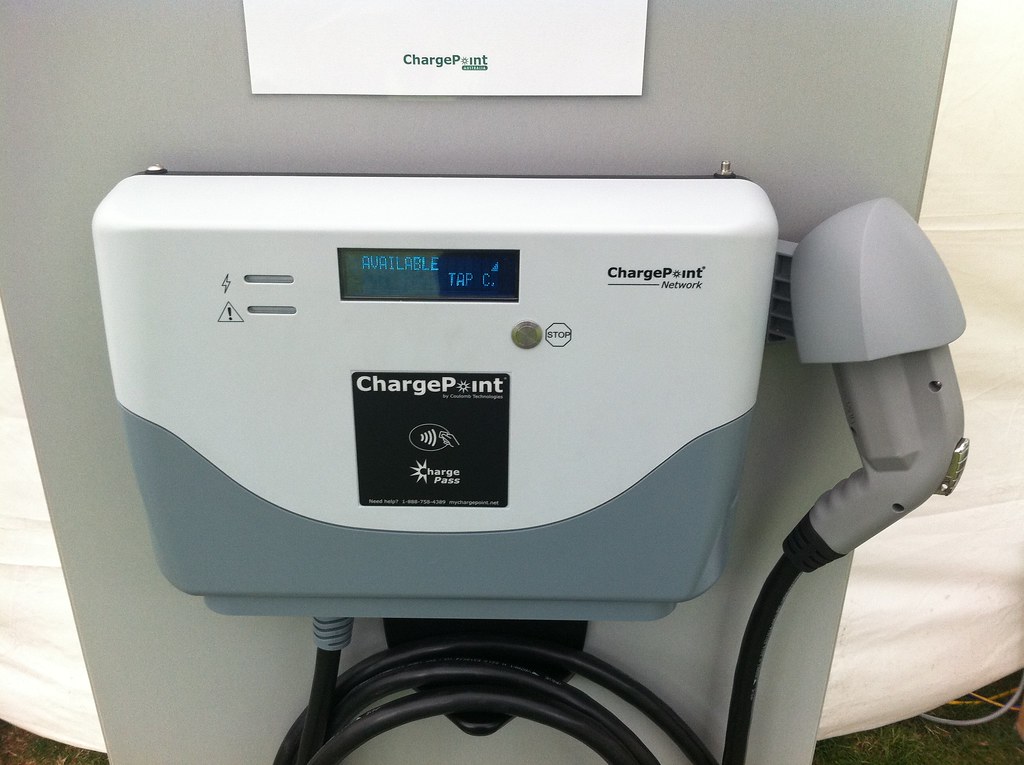
8. **Maximizing Savings with Off-Peak Charging and Smart Schedules**Despite the potential for increased grid strain from concentrated overnight charging, individual EV owners possess effective tools to mitigate both their personal energy costs and their contribution to peak demand. The key lies in leveraging smart charging technologies and understanding utility rate structures, transforming overnight charging from a potential burden into an economical advantage.
Many utilities recognize the need to manage energy demand and encourage responsible consumption by offering cheaper off-peak electricity rates. These periods, often between midnight and 6 a.m., are specifically designed to incentivize energy usage during times when overall demand is lower. By scheduling your EV to charge exclusively within these windows, you can significantly reduce your electricity bill without compromising your battery’s health.
Modern electric vehicles and home charging stations are equipped with sophisticated features that facilitate this practice. Most EVs allow you to customize charging settings directly through their infotainment systems or dedicated mobile apps, enabling you to set desired start and end times for charging. Similarly, many smart home chargers offer onboard timers or app-based controls to manage power flow.
Once configured, your EV will intelligently wake itself to charge during the designated off-peak window, then power down until you unplug in the morning. This seamless automation not only ensures you wake up to a sufficiently charged vehicle but also aligns your energy consumption with the most cost-effective periods. This combination of smart scheduling and off-peak rates makes overnight Level 2 charging both wallet-friendly and battery-friendly, contributing to a more efficient and economical ownership experience.
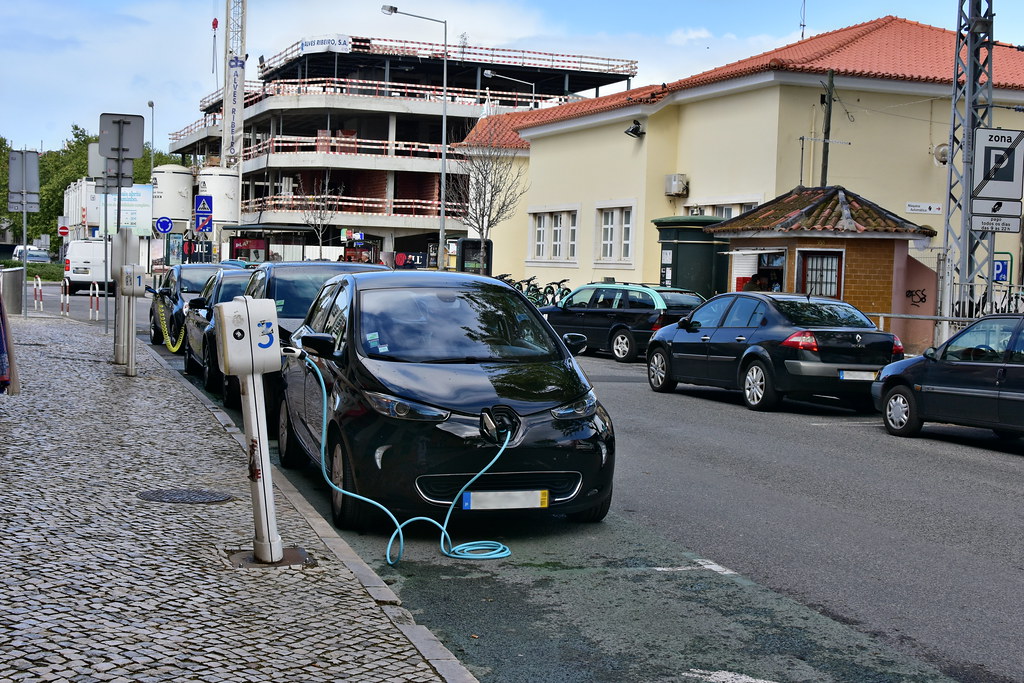
9. **Debunking the “Trickle Charging” Myth**A persistent concern among some electric vehicle owners revolves around the idea of “trickle charging”—the worry that leaving their car plugged in overnight will cause a continuous, small dribble of current that damages the battery cells over time. This fear, often stemming from experiences with older battery technologies, is largely a misconception when applied to modern EVs and their sophisticated Battery Management Systems (BMS).
In reality, modern electric vehicles rarely engage in true trickle charging in the way some owners envision. Once the battery pack reaches its user-defined charge limit, typically 80% to 90% for daily use, the advanced BMS takes over. The charger usually shuts off the current completely, or, in some cases, provides an extremely low-rate top-up only to counteract natural self-discharge that might occur over several days or even weeks, not during a single overnight session.
This intelligent system ensures that the battery is not sitting under constant stress once it’s topped off to the designated level. The notion that the car continuously “gulps power all night” after reaching its set limit is largely outdated due to these robust safeguards. The BMS is designed to protect cell chemistry by precisely controlling power flow and preventing overcharging, which is distinct from the continuous, uncontrolled current of traditional trickle chargers.
Furthermore, the “memory effect”—a phenomenon where batteries lose maximum energy capacity if repeatedly recharged after only being partially discharged—is not an issue for the lithium-ion batteries found in modern EVs. Unlike older nickel-cadmium (NiCd) cells, lithium-ion batteries do not suffer from this effect. Therefore, occasional small charges or consistently plugging in each night, with the BMS managing the charge, will not measurably degrade capacity, allowing owners peace of mind regarding this particular concern.
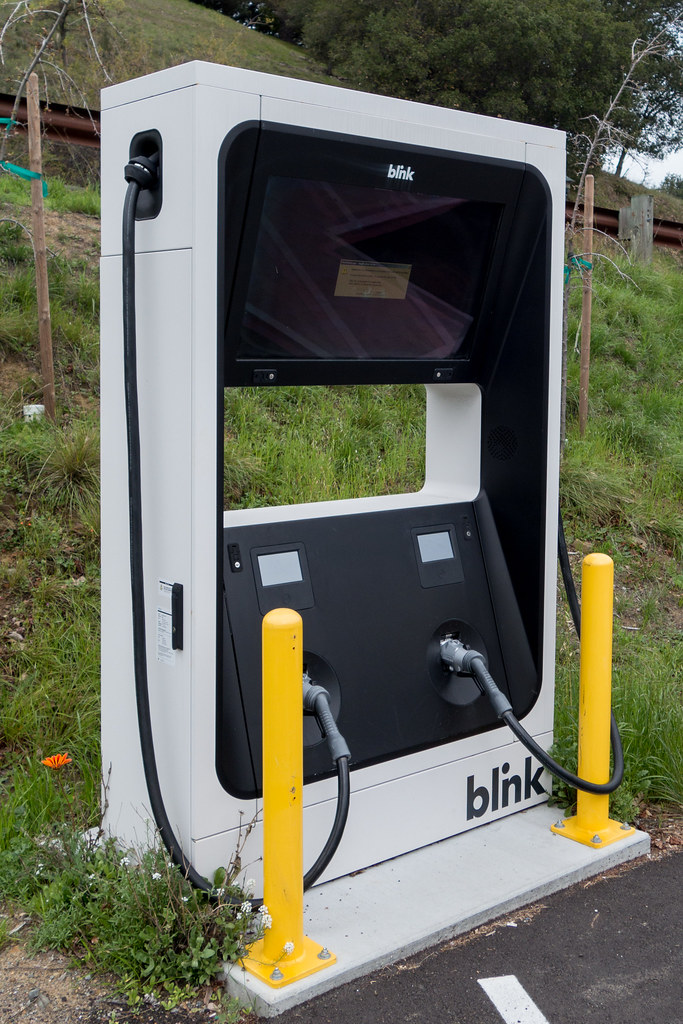
10. **The Hidden Toll of Frequent DC Fast-Charging**While home Level 2 overnight charging, especially when managed with appropriate settings, is generally gentle on an EV battery, another ‘hidden danger’ or rather, an accelerator of degradation, can be the *method* of charging chosen for daily routines. Frequent reliance on DC fast-charging, though incredibly convenient for long trips or urgent needs, introduces a different kind of stress on the battery cells compared to slower charging methods.
DC fast-charging, by its very nature, delivers a high amount of power in a short period. This rapid influx of energy generates more internal heat within the battery cells and can create greater chemical stress than the more gradual, controlled process of Level 2 home charging. Elevated temperatures accelerate the breakdown of electrode materials, directly contributing to capacity degradation and shortening the battery’s overall lifespan over time.
Consumer Reports emphasizes practical, actionable advice, and in this context, it’s crucial to use fast-charging judiciously. While it’s an indispensable tool for extended journeys or situations where time is of the essence, making it your primary or only charging source for daily commutes can inadvertently accelerate battery wear. Think of it as a sprint versus a marathon for your battery; while both are necessary, the frequency of intense sprints should be managed.
Therefore, a balanced approach is recommended to maximize battery longevity. Rely predominantly on Level 2 overnight charging at home for your everyday needs, allowing for a slower, less strenuous power delivery. Reserve DC fast-charging for when it is truly needed—during road trips or when you require a quick top-up to reach your destination. This mindful integration ensures you benefit from the convenience of fast charging without imposing undue long-term stress on your valuable battery pack.
Read more about: Why Electric Cars Still Struggle With Road Trips: An In-Depth Look at the Current Hurdles
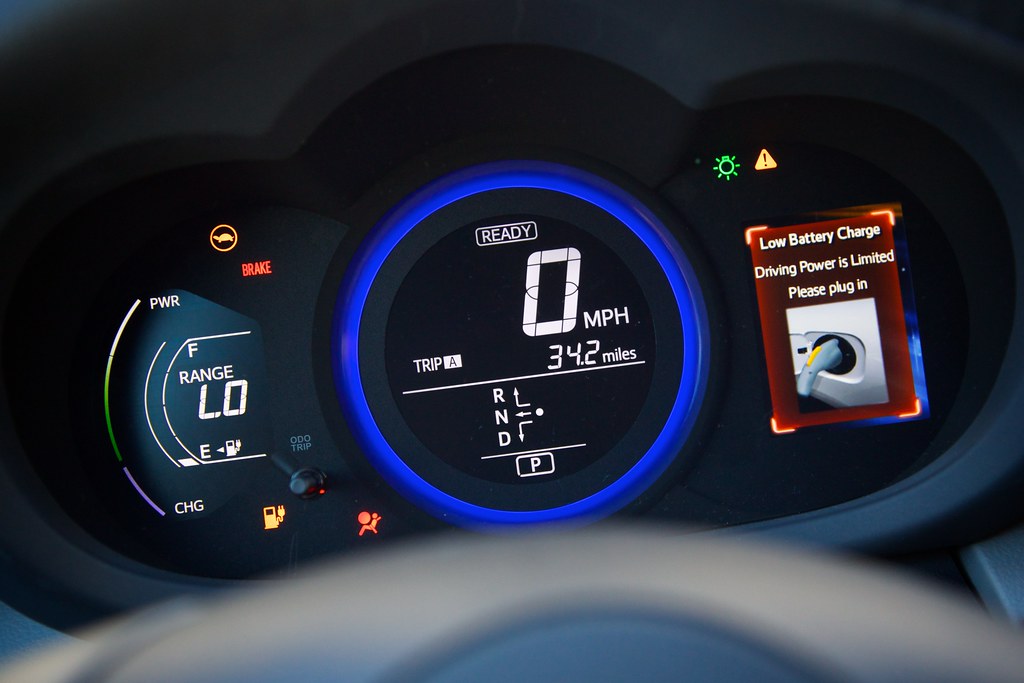
11. **Crafting a Balanced Charging Strategy for Optimal Longevity**Navigating the nuances of electric vehicle charging can initially seem complex, but by synthesizing the insights gained, owners can craft a balanced and effective strategy for optimal battery longevity and peace of mind. The “hidden dangers” of overnight charging, when properly understood and addressed, transform into manageable considerations, allowing for convenient and sustainable EV ownership.
Key to this balanced approach is consistently adhering to recommended charging practices. This includes setting your daily charge limit between 80% to 90% to minimize cell stress from high State of Charge levels, and vigilantly avoiding deep discharges, ensuring your battery rarely falls below 10% to 20% before recharging. These habits prevent the extreme voltage swings that accelerate chemical degradation within the battery.
Furthermore, embracing the technological capabilities of your EV and home charging setup is paramount. Utilizing scheduled charging during cooler, off-peak hours not only saves money but also benefits the battery by reducing thermal stress. Being mindful of DC fast-charging, reserving it for necessary situations rather than daily routine, helps mitigate the more intense chemical stress it can induce.
Ultimately, modern EV Battery Management Systems and smart charging software are designed to protect your investment. When coupled with informed decisions and consistent best practices, leaving your EV plugged in overnight becomes not a danger, but a convenient and recommended method to keep your battery optimally topped off. This empowers owners to enjoy reliable range and a healthy battery for years, confidently embracing the future of electric mobility.
The journey of electric vehicle ownership is evolving, and with it, our understanding of optimal care. While the convenience of plugging in your EV overnight remains a significant draw, it is the informed habits and a nuanced appreciation of battery science that truly unlock the full potential of these groundbreaking vehicles. By adopting these practical, consumer-oriented strategies—from mindful SoC management to smart scheduling and judicious fast-charging—you empower yourself to navigate the complexities, ensuring your EV battery thrives for the long haul. This commitment to intelligent charging not only safeguards your investment but also contributes positively to the broader energy landscape, making your transition to electric driving truly rewarding and sustainable.