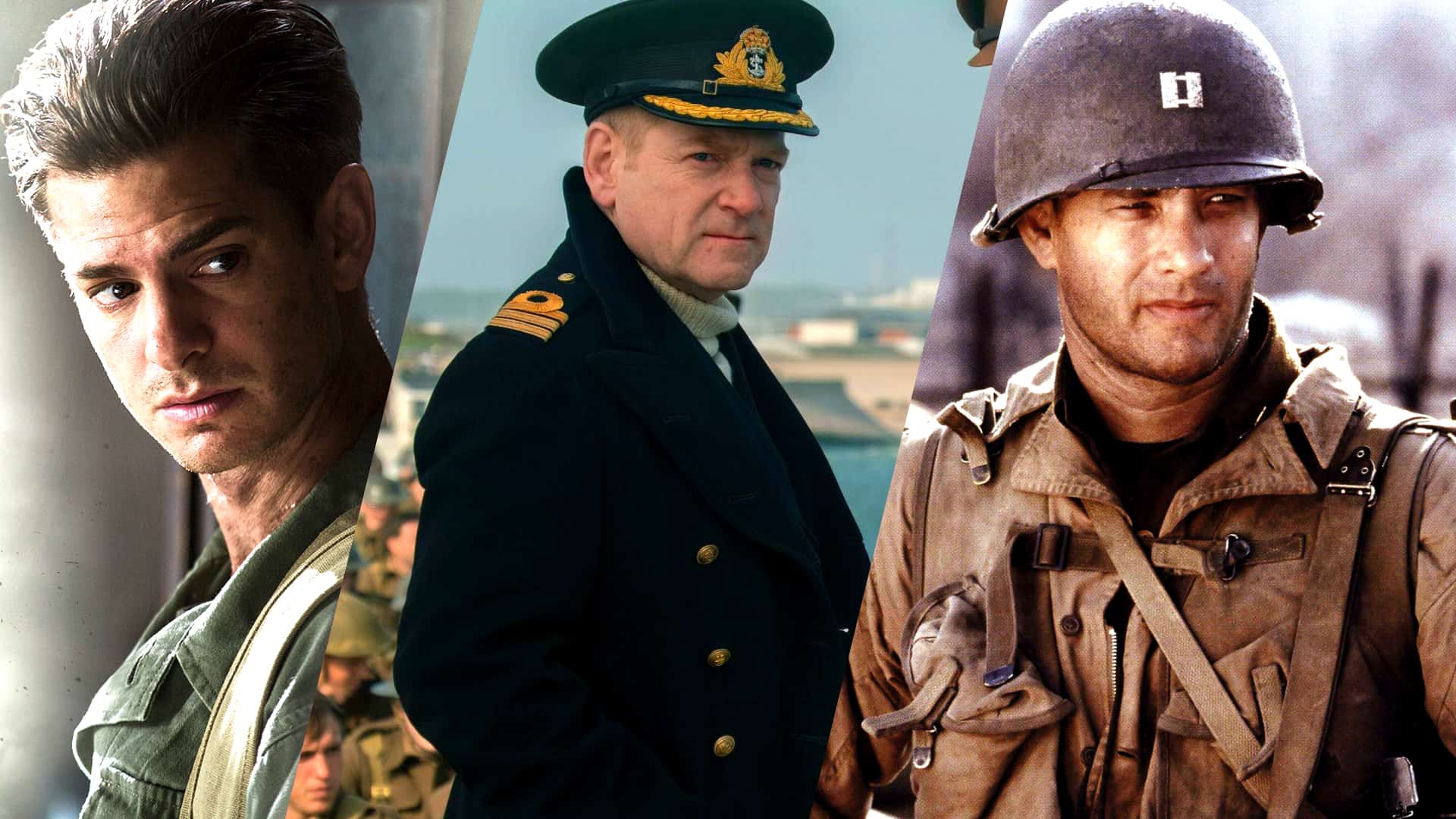
The siren song of World War II movies is undeniable, captivating audiences for generations with tales of heroism, sacrifice, and unimaginable conflict. But beyond the cinematic spectacle, there’s a unique allure to films that strive for something more profound: historical accuracy. We’re not just looking for a good story; we’re seeking a window into the past, a glimpse into the lived experiences of those who endured humanity’s most catastrophic war. It’s a valid question, both artistically and historically, how often these films truly get things right, accurately portraying either a particular event or capturing what it was really like for those who were there at the time.
Crafting a historically accurate war film is no small feat, presenting a significant and potentially expensive dilemma for moviemakers. Combat itself is chaotic, confusing, and unsettling, with accounts often varying widely from one veteran to another. Filmmakers must tell their stories concisely, within budgets and time-constraints, and, as Hacksaw Ridge screenwriter Robert Schenkkan explained, “in the most compelling and exciting and emotionally gripping way” possible. This pursuit of compelling narrative can often conflict with the raw, messy truth of history. Yet, a select few have managed to walk this tightrope with remarkable success.
We believe that for a World War II movie to truly earn its stripes for accuracy, it must excel across three key criteria. First, the filmmakers must get the basic storyline correct, faithfully portraying the timeline of events and the characters involved. Second, they need to capture the “feel” of the time, immersing us in the conditions in which military and civilian participants lived and fought, and the way they typically interacted. Finally, the “look” of things must be right – accurate uniforms, correct patches and insignia, actual weapons and equipment, and authentic tactics. With these benchmarks in mind, let’s embark on a fascinating journey through some of the most historically accurate cinematic portrayals of World War II, starting with those that pushed the boundaries of realism.
1. **“Come and See” (1985)**Elem Klimov’s 1985 masterpiece, “Come and See,” isn’t just a film; it’s an experience, a visceral descent into the horrors of the German occupation of Byelorussia. What makes this film stand out in the crowded genre of war movies is its profound commitment to presenting a raw, unfiltered reality. It was conceived as a subversive response to a long history of Soviet war propaganda films, stripping away any heroic gloss to reveal the brutal truth.
The screenplay itself was a testament to historical fidelity, written by director Elem Klimov with the invaluable assistance of an ex-partisan who fought against the Nazis, alongside numerous eyewitness accounts. This collaboration ensured that the narrative was grounded not in political rhetoric, but in the lived trauma of those who were there. The production process was almost as brutal as the subject matter it sought to depict, blurring the lines between filmmaking and reenactment.
Aleksei Kravchenko, a non-professional actor, took on the lead role, and his ordeal during filming mirrored the suffering of his character. He endured fatigue and hunger, all while dodging live ammunition used instead of blanks for the filming. This extreme approach to authenticity, while controversial, imbued his performance and the entire film with an unnerving realism. It was a method acting approach taken to its most dangerous and effective extreme.
The film’s wartime documentary-style footage further cemented its place as a stunning testament to the suffering endured by ordinary people fighting for their lives on the Russian front. It eschews traditional narrative arcs for a more fragmented, dreamlike yet horrifying sequence of events, creating an uncomfortably objective and realistic portrayal that haunts viewers long after the credits roll. “Come and See” forces us to confront the true cost of war, not through grand battles, but through the eyes of a boy losing his innocence amidst unspeakable cruelty.

2. **“A Bridge Too Far” (1977)**For those fascinated by the intricate dance of military strategy and the sheer scale of World War II operations, “A Bridge Too Far” offers a masterclass in historical recreation. Based on Cornelius Ryan’s 1974 book of the same name, the film meticulously recounts the story of Operation Market Garden, one of the largest airborne operations of the war. Its ambitious aim was to secure various bridges in the Netherlands, thereby granting Allied access into Germany – a daring plan that ultimately proved to be “a bridge too far.”
The filmmakers spared no effort in bringing the period to life, faithfully recreating the settings by using real military hardware and authentic Dutch locations. This commitment to visual accuracy provided a crucial foundation, allowing audiences to truly feel transported back to the autumn of 1944. From the tanks and artillery to the landscapes themselves, every detail aimed for an immersive experience.
What truly elevates “A Bridge Too Far” in terms of historical authenticity is its dedication to accurate battle logistics. This wasn’t just about explosions and gunfire; it was about the complexities of command, troop movements, and the fateful decisions made in the heat of battle. A significant factor in this accuracy was the involvement of Roy Urquhart and Brian Horrocks, two key figures in the actual operation, who served as military advisors for the film. Sean Connery and Edward Fox, who played these roles, benefited immensely from their firsthand guidance.
With a solid foundation in Ryan’s extensively researched book and the invaluable firsthand accounts of the operation’s participants, “A Bridge Too Far” stands as a great exercise in historical authenticity. It showcases the monumental effort required to translate a sprawling, multi-faceted military campaign onto the screen, balancing dramatic narrative with an unwavering respect for the historical record, even when compressing nine days of intense combat into a three-hour epic.

3. **“Stalingrad” (1993)**While many World War II films focus on the Allied perspective, Joseph Vilsmaier’s “Stalingrad” offers a haunting and unsparing look at the war through the eyes of German soldiers. The film plunges viewers into the fateful Battle of Stalingrad, which is widely recognized as the most decisive skirmish in World War II and perhaps the bloodiest battle in human history. It’s a stark reminder that immense suffering and grim fates awaited soldiers on all sides of the conflict.
“Stalingrad” is a terrific depiction of what a typical German unit might have encountered in the city, showcasing the brutal urban warfare, the freezing conditions, and the gradual, soul-crushing attrition that defined the Eastern Front. The narrative doesn’t shy away from the horrific realities, portraying the slow descent into despair and the ultimate, nightmarishly dour ending where everyone dies, often with great agony. This unflinching conclusion serves as a powerful statement on the futility and immense personal cost of war, especially for the losing side.
Beyond the narrative, the film demonstrates a meticulous eye for historic weapons, costumes, and props. Every piece of equipment, every uniform, feels authentic, contributing significantly to the immersive quality of the production. This attention to detail ensures that the visual elements of the film accurately reflect the period, grounding the fictionalized experiences of the soldiers in a tangible reality.
In its totality, “Stalingrad” proves an uncomfortably authentic glimpse into one of history’s most important battles. It’s not just about grand strategic maneuvers but about the individual torment and the collective devastation faced by the ordinary soldiers caught in the maelstrom. By focusing on the human element amidst the chaos and technical accuracy, the film achieves a powerful sense of historical truth, showcasing the grim realities faced by the Wehrmacht in the frozen hell of Stalingrad.

4. **“The Longest Day” (1962)**When it comes to depicting one of the most pivotal moments of World War II, the D-Day invasion, “The Longest Day” holds a legendary status. Military historian Cornelius Ryan, whose name we’ve already encountered with “A Bridge Too Far,” penned the very popular book of the same name about the 1944 Normandy landings, published in 1959. It was a remarkable feat of historical journalism, and the film adaptation followed just three years later, aiming to capture the epic scale of the event.
Nearly three hours in length, the film serves as an epic examination of the Normandy landings, covering the perspectives of Allied and German forces with remarkable scope. What truly enhances its accuracy is the presence of many cast members who actually served in World War II. Their military experience was central in ensuring the film’s authenticity, bringing an intrinsic understanding of the battlefield that cannot be simulated.
A particularly poignant example is Richard Todd, who played Major John Howard in the film. Todd not only took part in D-Day but even helped recreate his own personal experience for the movie. This direct connection to the historical events, where actors were essentially re-living their own past, imbued the film with an unparalleled sense of genuine experience. It was history being told by those who made it, an extraordinary undertaking in filmmaking.
Moreover, the film was shot at many real locations, including the iconic Pointe du Hoc, further anchoring it in historical reality. D-Day veterans also worked as historical consultants, offering their invaluable expertise to ensure every detail, from tactics to terrain, was accurately portrayed. All these elements combined ensured a war epic that brims with genuine — and frightening — history, making “The Longest Day” an enduring benchmark for D-Day portrayals.
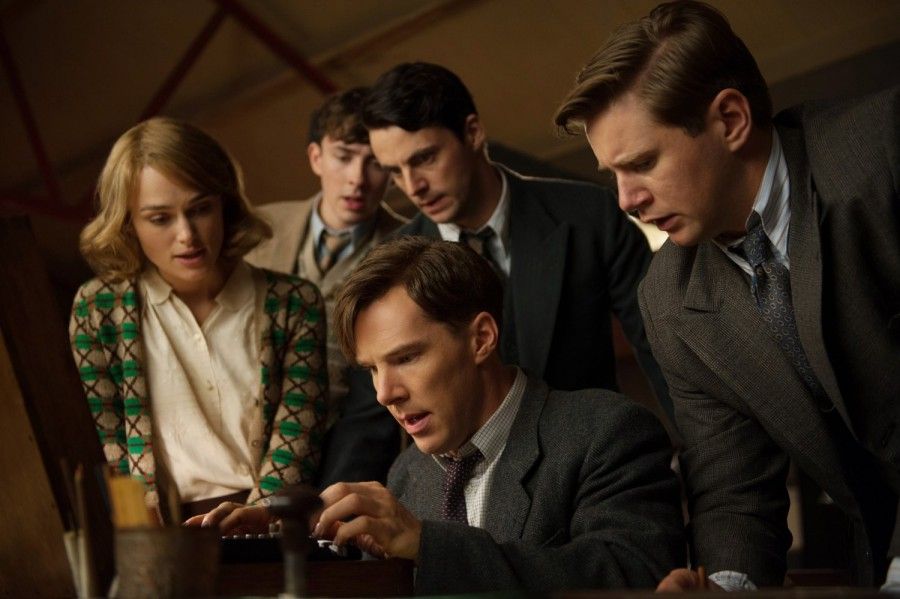
5. **“The Imitation Game” (2014)**Not all World War II accuracy is found on the battlefield; sometimes, the most crucial battles were fought in quiet rooms, against formidable intellectual challenges. “The Imitation Game” beautifully chronicles one such story: the life of Alan Turing and his pivotal role in decoding secret German messages at Bletchley Park. This highly successful movie brings to light a fascinating, often overlooked, aspect of the war effort, based on the biography “Alan Turing: The Enigma,” written by esteemed mathematician Andrew Hodges.
The real story of Alan Turing and the Enigma machine is incredibly complex, so much so that a complete movie adaptation would likely never do it full justice. However, “The Imitation Game” does a solid job of conveying the basics of this monumental task, illustrating the genius and dedication required to break the seemingly unbreakable Nazi codes. It brings the intellectual tension and the high stakes of their work to the forefront, making complex ideas accessible to a wide audience.
Crucially, the film doesn’t shy away from the more dramatic and unsettling aspects of Turing’s personal story, lifting many elements straight from history. These include Turing being put on trial for gross indecency due to his homouality and his subsequent chemical castration. By including these painful truths, the movie provides a more complete, albeit tragic, picture of the man behind the wartime heroics, highlighting the societal injustices of the era.
The film even earned praise from Turing’s descendants, many of whom complimented the powerful and nuanced performance of Benedict Cumberbatch in the lead role. This familial endorsement speaks volumes about the film’s success in capturing the essence and spirit of Alan Turing, even amidst the necessary narrative compressions and dramatizations of a biographical film. “The Imitation Game” reminds us that historical accuracy can also reside in faithfully portraying the lives and challenges of the individuals who shaped history.
Read more about: Unpacking Hollywood’s Obsession: A Deep Dive into the Pervasive Blue and Orange Filter Phenomenon
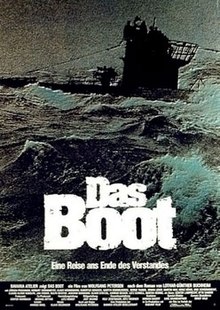
6. **“Das Boot” (1981)**Prepare for an intensely claustrophobic journey into the depths of the Atlantic, where Wolfgang Petersen’s “Das Boot” brilliantly submerges viewers into the terrifying reality of life aboard a German U-boat. This German classic doesn’t just tell a story; it makes you *feel* the grime, the tension, and the ceaseless dread faced by ordinary men beneath the waves. The film kicks off with a sobering statistic: “40,000 served on U-Boats—30,000 never returned,” a stark reminder of the grim odds these sailors faced, immediately setting a tone of impending doom even amidst their initial boisterous celebrations.
The relentless commitment to authenticity is astounding, starting with its source material: a novel by Lothar-Gunther Buchheim, who himself served as a naval war correspondent on the U-96 during the very real Battle of the Atlantic. This firsthand connection permeates every frame. What truly sets the stage for an unparalleled immersive experience, however, was the construction of an obsessively accurate replica of the U-boat’s interior. This wasn’t just a static set; it was ingeniously designed to be hydraulically rocked, shaken, and tilted up to a bone-rattling 45 degrees, simulating the violent movements of a submarine caught in a storm or under attack.
Further enhancing this deep dive into realism was the choice of location shooting. The filmmakers used the actual wartime boat pen at La Rochelle, lending an undeniable historical weight to the visuals. Adding another layer of verifiable truth, the commander of the real U-96 served as a technical advisor for the film, ensuring that every operational detail, every tactical maneuver, and every subtle nuance of submarine life was painstakingly accurate.
Viewers are plunged headfirst into the cramped bowels of the U-boat, experiencing the bawdy camaraderie that thrives in such confined spaces, juxtaposed with the churning seas and the ever-present threat of enemy sonar. The film masterfully portrays the tactics of the hunt—the agonizing silence, the calculated movements—and then flips the script, delivering the unrelenting terror of being hunted in turn. The roar of explosions during depth charge attacks and the foreboding doom of being trapped on the ocean floor are rendered with such visceral power that it provides the undeniable realization: this was what life was truly like for the crewmen on a German U-boat. It’s a stunning depiction of confinement, tedium, and terror all rolled into one unforgettable cinematic masterpiece.

7. **“Tora! Tora! Tora!” (1970)**When it comes to recreating pivotal moments in history, few films have tackled the sheer scale and dual perspectives with the meticulous detail of “Tora! Tora! Tora!” This film is a documentary-like account of the devastating attack on Pearl Harbor, distinguishing itself by presenting both sides of the battle. Its primary goal wasn’t to highlight individual heroes or villains, but to emphasize the intricate historical context and the detailed planning that went into this momentous event. The focus is squarely on the event itself, portraying the build-up and execution with remarkable impartiality.
To achieve such a balanced and accurate portrayal, the production adopted an unconventional yet brilliant strategy: producers and directors from Japan and the United States filmed their respective perspectives separately. These distinct narratives were then expertly combined into a single, cohesive film, allowing audiences to grasp the complexities from both sides of the Pacific without bias. This unique collaborative approach inherently added a layer of historical fidelity, ensuring that cultural nuances and operational details were respected by those most familiar with them.
The filmmakers truly spared no expense in their quest for authenticity. Technical advisors from both nations were extensively consulted to ensure that the sets and scenes were as true-to-life as humanly possible. This dedication extended to the hardware, with full-scale replicas of naval vessels being painstakingly built. American training planes were ingeniously modified to accurately resemble wartime Japanese planes, a crucial detail that further enhanced the realism of what unfolded on screen.
While some critics, like the late Roger Ebert, initially panned the film for being “dull” due to a lack of strong character development, it’s clear this was an intentional artistic choice. The film wasn’t meant to be about specific personalities but about the unfolding historical event. “Tora! Tora! Tora!” holds up exceptionally well precisely because of this unwavering commitment to the factual record over dramatic license. It remains a testament to what can be achieved when filmmakers prioritize comprehensive historical accuracy above all else, earning it five Academy Award nominations and one win for special effects, a well-deserved recognition for its groundbreaking visual fidelity.
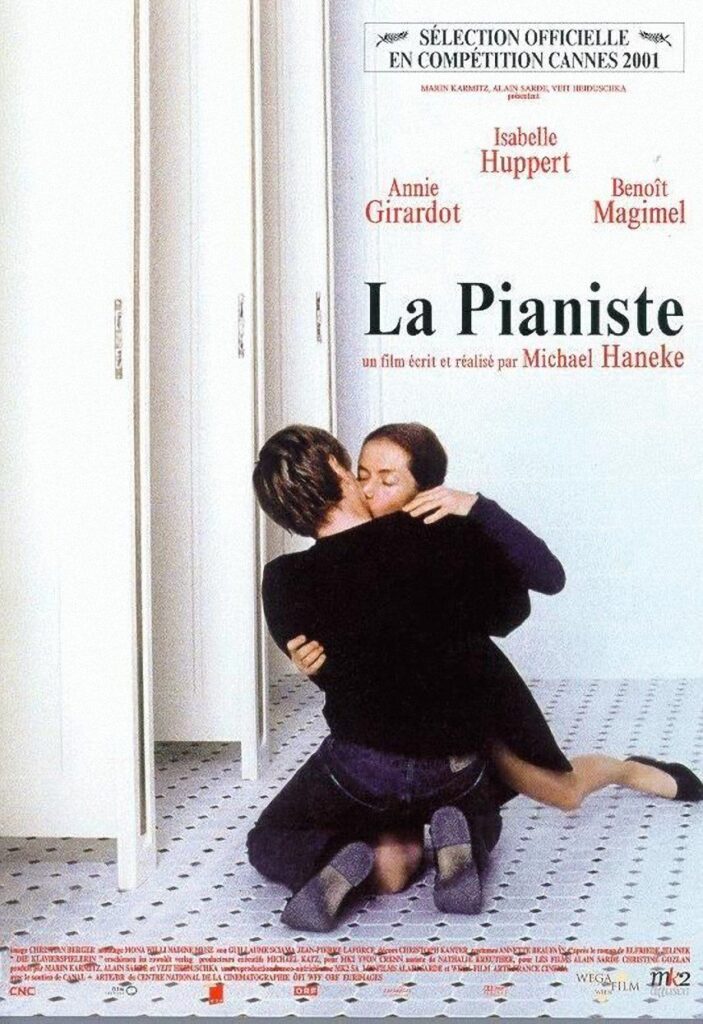
8. **“The Pianist” (2002)**Roman Polanski’s “The Pianist” is not merely a film; it’s a deeply personal and haunting odyssey through the Holocaust, told with an almost unbearable intimacy. This cinematic masterpiece is profoundly rooted in history, drawing its narrative from the autobiographical book by Wladyslaw Szpilman, a gifted Polish-Jewish pianist and a survivor of the Holocaust. Szpilman’s own words provided an authentic blueprint for the film, ensuring that the harrowing experiences depicted were grounded in lived reality.
What lends an even greater layer of gravitas and profound respect for historical truth to “The Pianist” is director Roman Polanski’s own personal connection to the events. Having survived the Holocaust himself in Krakow, Polanski possessed an intrinsic, visceral understanding of the suffering and resilience of those caught in the maelstrom. This personal experience undoubtedly fueled his meticulous approach to the material, ensuring that the film honored the memory and realities of the period with unwavering fidelity.
The story itself is a heartbreaking and poignant testament to one man’s struggle to survive the unimaginable horrors of the Warsaw Ghetto. From the systematic oppression on the ghetto streets to the chilling recreation of specific songs Szpilman played, every detail was recreated with painstaking care. The production team went to extraordinary lengths to ensure the setting felt authentic, immersing viewers in the deteriorating world of occupied Warsaw, where beauty and hope often seemed like distant memories against a backdrop of encroaching terror.
“The Pianist” stands as a haunting vision of human suffering, but it is made all the more disturbing and powerful by the juxtaposed beauty of the music. It’s a film that refuses to shy away from the brutality, yet simultaneously celebrates the enduring spirit of art and the will to live. By recreating the external world and the internal turmoil of Szpilman with such dedication, Polanski delivers a historically accurate and emotionally devastating portrayal of an individual’s fight for existence amidst history’s darkest chapters.
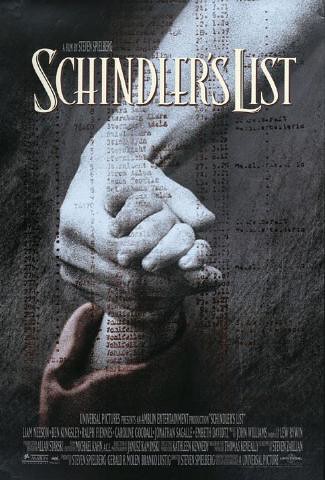
9. **“Schindler’s List” (1993)**Steven Spielberg’s “Schindler’s List” is widely regarded as not just one of the most historically accurate World War II films, but arguably the single most impactful cinematic portrayal of the horrors of the Holocaust ever made. It is a monumental achievement that transcends mere entertainment, serving as a powerful testament to both human depravity and extraordinary compassion. The film meticulously recounts the real-life story of Oskar Schindler, a German industrialist whose initial opportunism during the war evolved into a courageous, morally driven strategy to save over a thousand Jewish people from mechanized extermination.
The narrative of “Schindler’s List” is a profound showcase of the extreme highs and devastating lows of the human condition. It delves into the bureaucratic evil of the Nazi regime and the systematic dehumanization of its victims, while simultaneously illuminating the incredible bravery and moral awakening of an unlikely savior. This intricate dance between darkness and light, cruelty and kindness, is portrayed with an unflinching realism that leaves an indelible mark on its audience, forcing a confrontation with an uncomfortable yet essential chapter of history.
A significant, almost heroic, role in bringing this vital story to the silver screen belongs to Holocaust survivor Leopold “Poldek” Pfefferberg. Pfefferberg spent years relentlessly working to ensure that Oskar Schindler’s remarkable story—a tale of one man’s struggle to save those caught in the maw of a destructive hate machine—would finally be told. His dedication was instrumental in catching Steven Spielberg’s attention, proving that personal conviction and a commitment to remembrance can indeed change the course of cinematic history.
Spielberg’s grim and realistic portrayal, filmed predominantly in black and white, lends an almost documentary-like feel to the narrative, further emphasizing its historical authenticity. It doesn’t just narrate events; it immerses viewers in the somber atmosphere, the quiet desperation, and the stark brutality. “Schindler’s List” is more than a film; it is a vital act of remembrance, ensuring that the sacrifices made and the lessons learned from the Holocaust will never be forgotten, solidifying its place as an enduring and profoundly accurate historical document.
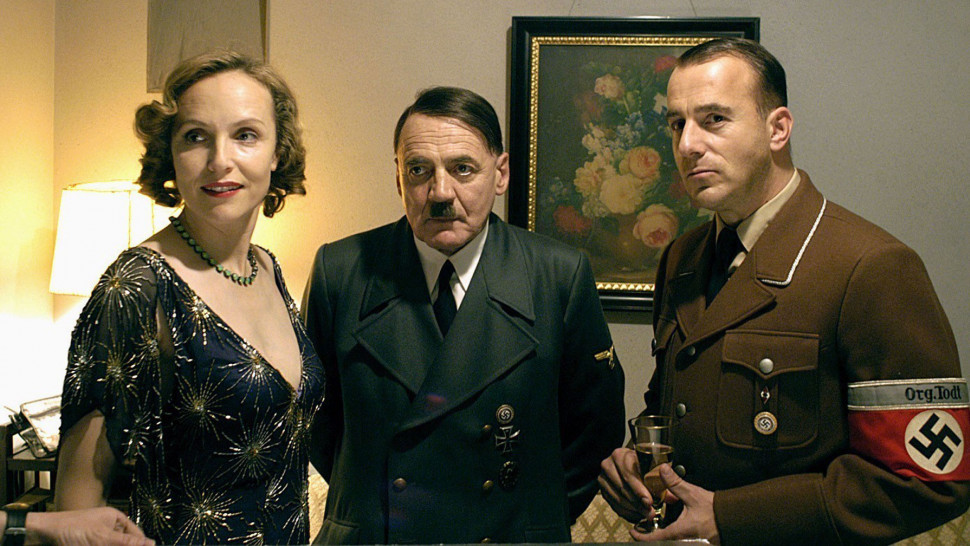
10. **“Downfall” (2004)**For a chillingly accurate descent into the final, desperate days of Adolf Hitler and his crumbling Third Reich, look no further than “Downfall,” known in its native Germany as “Der Untergang.” This film masterfully recreates the paranoia and surreal madness that gripped Hitler and his inner circle as they were holed up in the Berlin bunker during the last ten days of the war. It’s an incredibly intense and historically rigorous portrayal, drawing heavily on extensive historical research to present a fearsomely factual depiction of some of modern history’s most infamous figures.
A key element in the film’s striking authenticity is the meticulous attention paid to Hitler’s own words. Many of the Führer’s lines in the script were not simply dramatized dialogue but were, in fact, directly derived from actual quotations taken from his existing writings and recorded statements. This dedication to linguistic accuracy provides an unparalleled glimpse into the deluded and increasingly frantic mindset of a man whose regime was collapsing around him, offering viewers a direct, if disturbing, window into his psyche.
The legendary Swiss actor Bruno Ganz delivered a truly terrifying and complex performance as Hitler. His portrayal captured the dictator at both his most monstrous—his rants, his refusal to accept defeat—and, controversially for some, at his most human. Ganz’s nuanced performance, which justly garnered widespread acclaim, forced audiences to confront the unsettling idea that even the most despicable man in history was, at the end of the day, still a man, capable of moments of fleeting tenderness alongside his raging madness.
“Downfall” is based in part on the memoirs of Traudl Junge, one of Hitler’s secretaries and bunker mates, lending a crucial eyewitness perspective to the narrative. The creators embarked on a challenging mission to humanize history’s most demented and infamous mass murderer, not to excuse him, but to leave viewers to work out for themselves how such a figure and all he embodied could have come to pass. This nuanced depiction, though controversial within and outside Germany, ultimately ensures a powerful and uncomfortably authentic historical experience, securing “Downfall’s” place as a definitive and unforgettable film about the war’s final brutal moments.
**Conclusion: More Than Just History, It’s Human Experience**
As we conclude our deep dive into the most historically accurate World War II movies, it’s clear that these films offer far more than just chronological facts and meticulous set pieces. They provide a vital, visceral link to humanity’s most catastrophic conflict, allowing us to bear witness to the profound courage, unimaginable suffering, and complex moral landscapes that defined the era. Whether through the claustrophobic terror of a U-boat, the sprawling chaos of Pearl Harbor, or the intimate despair of the Holocaust, these cinematic achievements don’t just educate; they immerse us, challenge us, and compel us to remember. They prove that when filmmakers commit to historical truth, the stories they tell resonate with an enduring power, transcending the screen to become powerful reminders of our shared past and the lessons we must never forget. The silver screen, it turns out, can indeed be a remarkably accurate mirror to history.