Engineering has always been a journey of monumental progress, but it is also a path paved with lessons learned from devastating failures. As the context reminds us, “Engineering processes have vastly improved in recent times and especially in the last 100 years, however the journey to get to where we are now was not always a smooth one.” From collapsing dams to sinking ships, these incidents have forced engineers to scrutinize designs, improve materials, and enhance safety protocols across every discipline. Today, we turn our attention to the massive machines that are the backbone of our economy: commercial trucks.
While we often consider the hazards trucks pose to smaller vehicles, a critical dimension of safety often goes overlooked: the risks faced by the truck drivers themselves. These dedicated professionals spend countless hours navigating our highways, yet they are often left vulnerable due to inherent design flaws in the very rigs they operate. The drive for efficiency and cost-effectiveness, while understandable, can sometimes lead to “shortcuts in engineering design to reduce costs of construction and fabrication,” which, unfortunately, “occasionally, these shortcuts can lead to unexpected design failures.”
In this in-depth exploration, drawing exclusively from the insights provided in our context, we delve into some of the biggest engineering errors embedded in truck production – the structural flaws and safety misses that not only endanger drivers but also necessitate a re-evaluation of industry standards. These are not merely operational oversights but fundamental challenges in design and manufacturing that demand our attention and action. Let’s unravel the initial five critical areas where truck engineering has fallen short, directly impacting the safety and well-being of those behind the wheel.
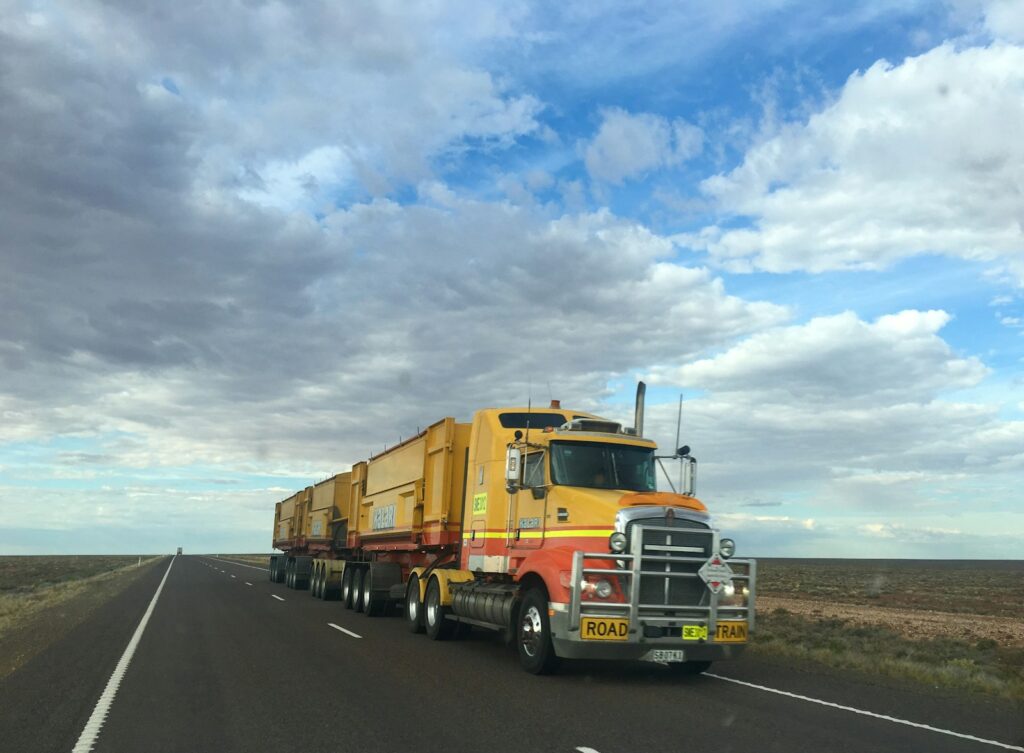
1. **Fragile Cab Structures**The cab of a commercial truck should function as a fortress, a protective shell safeguarding its occupant from the immense forces of a collision. Regrettably, this isn’t always the case. Our context highlights a startling reality: “many manufacturers prioritize cost over safety” when it comes to cab construction. This prioritization often translates into the use of “weaker materials,” leading to designs where the cab can “crumple like tin cans in collisions.” This exposes drivers to severe, often life-threatening, injuries that could be mitigated with more robust engineering.
The structural integrity of the cab is paramount, as it forms the primary crumple zone and survival space for the driver. When engineers opt for materials that cannot withstand the expected impact forces, they are introducing a profound structural flaw into the vehicle’s core design. This isn’t just a minor oversight; it’s a critical safety miss that directly compromises the well-being of the individual operating the machine. Despite the existence of “stronger designs,” the push for a reduced bottom line frequently takes precedence, leaving drivers in an inherently vulnerable position.
The implications of a fragile cab extend beyond the immediate collision. The force of impact, when not properly absorbed and dissipated by a well-engineered structure, can lead to catastrophic internal injuries for the driver. This engineering choice reflects a fundamental failure to account for the extreme conditions inherent to truck operation, where collision forces are significantly higher than those experienced by passenger vehicles. The context implicitly calls for a shift in this paradigm, advocating for designs that genuinely prioritize occupant protection over economic expedience.
Ultimately, the issue of fragile cab structures points to a need for stricter safety regulations and a re-evaluation of manufacturing priorities. Designing cabs with high-strength materials, such as reinforced steel or advanced aluminum alloys, is not merely an upgrade; it’s a necessary step towards creating a truly safe working environment for truck drivers. Such a move would transform the cab from a potential death trap into a genuine sanctuary, reflecting a commitment to safeguarding human life that should be central to all engineering endeavors.
Read more about: Beyond the Headlines: Unpacking the Social Media Trends Taylor Swift Has Navigated and Challenged

2. **Lack of Advanced Safety Restraints**In an era where passenger vehicles are equipped with an array of sophisticated safety features, from multiple airbags to advanced seatbelt pretensioners, large trucks often seem to be lagging behind. The context explicitly notes this disparity, stating that the “lack of adequate safety restraints can turn a survivable accident into a fatal one for the driver.” This represents a significant safety miss in truck production, creating a dangerous gap in occupant protection that could easily be addressed with modern engineering solutions.
Safety restraints, particularly airbags and advanced seat belt systems, are critical components designed to prevent drivers from being ejected or violently colliding with the interior of the cab during a crash. Without these essential features, even a moderate impact can result in severe trauma. The absence of such protective measures in many commercial trucks means that drivers are deprived of fundamental life-saving technology that has become standard in smaller vehicles, highlighting a profound disparity in safety engineering priorities.
This engineering oversight is particularly concerning given the immense forces involved in truck accidents. The sheer momentum of an 80,000-pound rig dictates that any collision will involve extraordinary energy transfer, making effective occupant containment absolutely vital. Relying solely on older, less comprehensive restraint systems is a clear example of a safety miss that fails to acknowledge the unique dangers of operating such large machinery. It’s a design choice that actively increases the risk of serious injury or fatality for drivers.
Therefore, a crucial improvement in truck production engineering would be the mandatory inclusion of advanced safety features. Implementing technologies like multiple airbags strategically placed throughout the cab, reinforced cabin structures, and three-point seat belts with pretensioners would dramatically enhance driver protection. This move would align truck safety with contemporary standards, ensuring that drivers are afforded the same level of protection as occupants in other vehicle types, a fundamental aspect of responsible engineering.
Read more about: From Mechanical Whiskers to Mobile Jukeboxes: Unearthing 13 of the Weirdest Features in Vintage American Cars
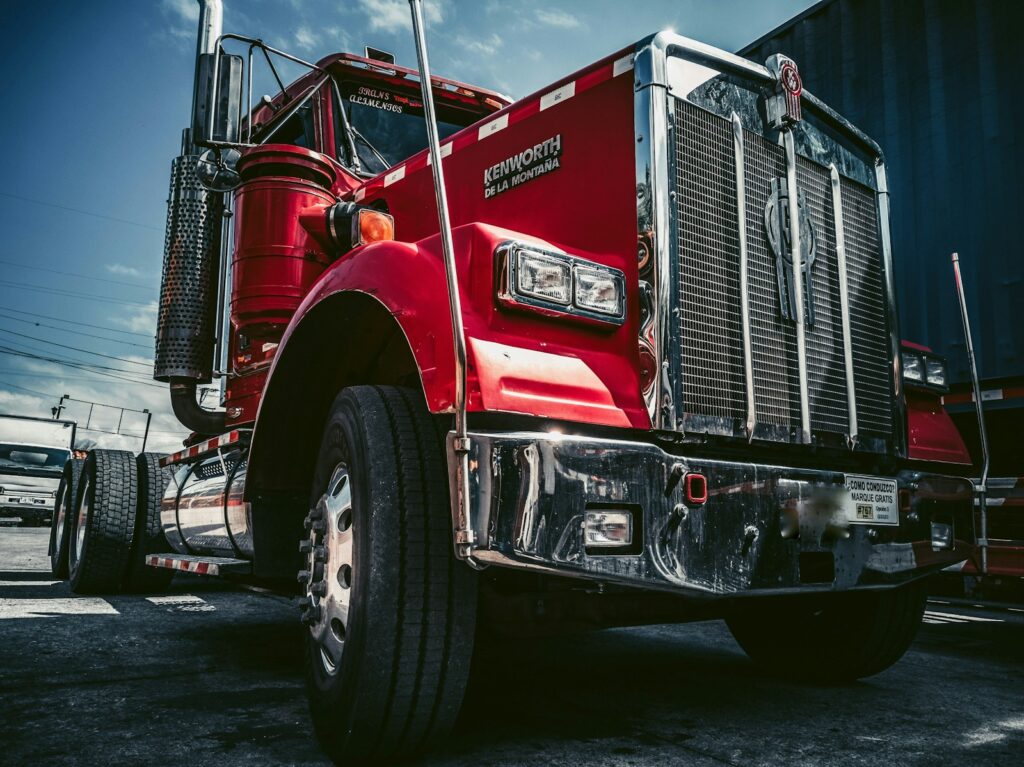
3. **Massive Blind Spot Design**Maneuvering an 80,000-pound commercial truck through traffic is an inherently challenging task, a feat made significantly more perilous by fundamental design flaws related to visibility. The context precisely identifies this issue, stating that “the massive blind spots on the sides and rear of these trucks only compound the challenge.” These expansive areas, where the driver cannot see adjacent vehicles, are a direct result of the truck’s physical dimensions and, critically, the inadequacy of current mirror and sensor systems to compensate for them.
This inherent structural characteristic, when not adequately addressed by innovative engineering solutions, becomes a critical safety miss. The difficulty for drivers to “spot smaller vehicles” in these blind zones dramatically increases the risk of collisions. These incidents often occur during lane changes or turns, where a driver, despite their best efforts, may be unknowingly encroaching upon another vehicle. The design itself, therefore, creates a persistent hazard that contributes to a significant number of accidents.
The engineering challenge here lies in overcoming the physical limitations imposed by the truck’s size. While large mirrors are standard, they often aren’t enough to eliminate these dangerous blind spots entirely. This points to a need for a re-engineering of the vehicle’s spatial awareness systems. Relying solely on traditional mirrors, without supplementing them with advanced technologies, is an outdated design approach that fails to meet modern safety expectations for such massive machines.
To mitigate this pervasive design flaw, truck production engineering must integrate advanced camera and sensor systems. Features like blind spot monitoring, 360-degree cameras, and collision avoidance technologies could provide drivers with a comprehensive, real-time view of their surroundings, extending beyond the limits of conventional mirrors. Such innovations are not luxuries; they are essential engineering solutions that directly enhance safety by rectifying a long-standing design deficiency, making our roads safer for everyone.
Read more about: Unbelievable: The 7 Cities Where Parking Tickets Hit Hardest (and Why You Might Not Even Realize It!)
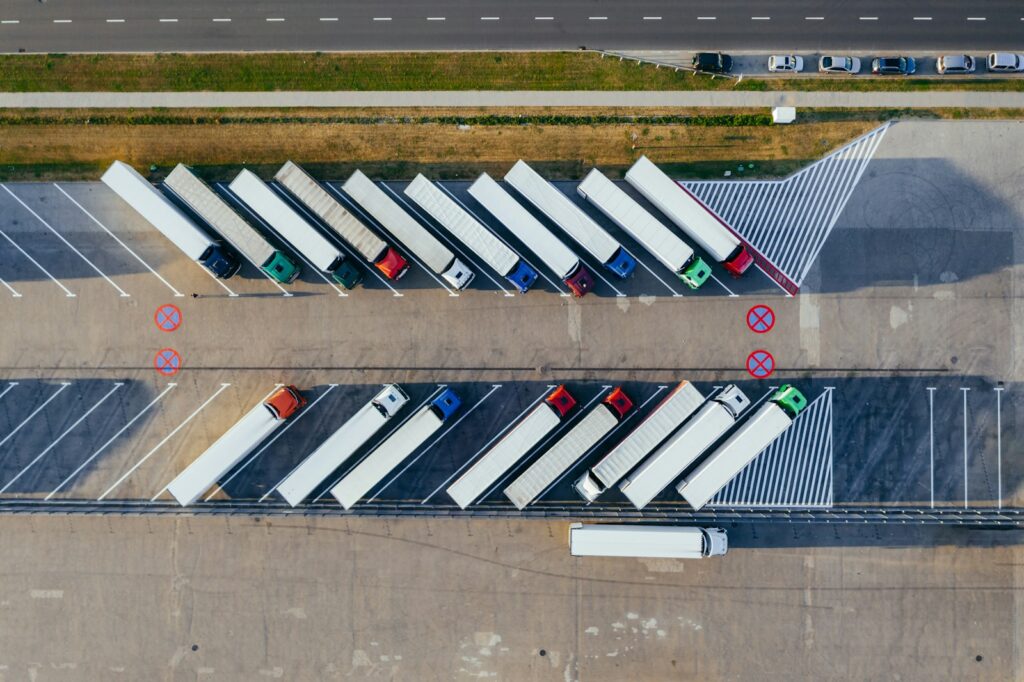
4. **Faulty Braking Systems (Design/Component Defects)**For any vehicle, especially one as massive as a commercial truck, the braking system is an absolutely critical safety component. The thought of a brake failure while barreling down a highway is a nightmare scenario, yet the context confirms that “brake defects are one of the leading causes of deadly truck crashes.” This highlights a severe engineering error in truck production, indicating that fundamental flaws in the design or manufacturing of braking systems are directly contributing to catastrophic accidents.
When we speak of “brake defects,” we are referring to issues that go beyond routine wear and tear or maintenance neglect. These defects can stem from inherent design weaknesses, such as insufficient material strength, poor component integration, or a lack of redundancy in critical parts. An improperly engineered braking system might struggle to dissipate heat effectively, leading to brake fade, or its components might be prone to premature failure under normal operating stresses, creating a structural flaw that can manifest without warning.
The urgency for “improved designs” in braking systems cannot be overstated. Unlike passenger vehicles, trucks carry immense weight, requiring significantly more powerful and reliable braking capabilities to stop safely. If the foundational engineering of these systems is compromised by defects—whether in the hydraulic lines, air compressor, calipers, or even the brake pads themselves—the consequences are dire. This is a safety miss that has a direct, quantifiable impact on accident rates and fatalities.
Addressing this engineering error demands rigorous attention to both design and manufacturing quality. Implementing stricter brake system standards, alongside comprehensive testing protocols during production, is essential. Furthermore, exploring and integrating advanced braking technologies, such as modern air disc brakes with superior heat management and reliability, could provide a more robust and consistent performance. This commitment to superior braking system engineering is vital to prevent deadly crashes and ensure the safety of all road users.

5. **Underride Protection Deficiencies**The image of a smaller vehicle sliding beneath a semi-trailer in a collision is a chilling one, and it tragically encapsulates a critical engineering flaw in truck design known as the underride risk. The context underscores this danger, pointing out that “Without properly designed underride guards, a collision can send a smaller vehicle crashing into the cab, putting the driver at severe risk.” This structural flaw endangers not only the occupants of the smaller vehicle but also directly jeopardizes the life of the truck driver, making it a severe safety miss from a production standpoint.
Underride guards are structural components located at the rear and sometimes the sides of commercial trailers, designed to prevent smaller vehicles from sliding underneath the truck during an impact. When these guards are absent, weakly designed, or improperly positioned, they fail to perform their life-saving function. The result is often a horrific accident where the passenger compartment of the smaller vehicle is completely compromised, leading to severe injury or fatality for its occupants, and critically, significant impact forces transmitted directly into the truck’s cab.
This engineering oversight speaks to a fundamental failure in holistic vehicle safety design. While the primary function of a truck is to transport cargo, its interaction with other road users, particularly in the event of a collision, must be anticipated and mitigated through robust design. The current deficiencies in underride protection are a testament to production practices that do not fully account for the broad spectrum of real-world accident scenarios, thus failing to prioritize safety comprehensively.
Mandating stronger and more effective underride guards is a clear path forward in rectifying this design flaw. These guards must be engineered to withstand the considerable impact forces of smaller vehicles, ensuring that they effectively prevent underride and redirect collision energy safely. This measure would not only protect the occupants of the smaller vehicle but also significantly reduce the risk of a secondary impact on the truck’s cab, safeguarding the driver. It is an essential structural improvement that reflects a commitment to protecting every life on the road.
Continuing our exploration into the critical engineering oversights that have shaped truck production standards, we now pivot to less visible, yet equally dangerous, design vulnerabilities. These are the flaws that, while not always as immediately dramatic as a crumpling cab, consistently undermine vehicle performance and driver safety under real-world operational stresses. From the foundational contact point with the road to the complex dynamics of load distribution, these areas demand rigorous engineering scrutiny.
Let’s delve into the next five crucial engineering errors that, through their impact, have significantly pushed the industry towards safer, more resilient designs. The continuous refinement in these areas reflects an ongoing commitment to learning from past failures and enhancing the technological integrity of commercial trucking. Each of these represents a distinct challenge that engineers have had to address, leading to profound changes in how trucks are conceptualized and built for the modern era.
Read more about: Global Market Shifts: Five Truck Operations Hit by Bans and Trade Restrictions

6. **Tire Design Flaws (Leading to Blowouts)**The tires are the sole point of contact between an 80,000-pound truck and the road, making their integrity absolutely non-negotiable. Yet, as the context subtly points out through mentions of “Tire blowouts” as a common vehicle maintenance error, the underlying engineering can sometimes be insufficient. This isn’t merely about wear and tear; it’s about a design that might not adequately account for the immense loads, sustained speeds, and varying road conditions that commercial truck tires endure day in and day out.
An engineering flaw here can manifest in several ways: materials that degrade prematurely under stress, structural designs that are prone to delamination, or manufacturing processes that introduce hidden weaknesses. While regular maintenance is crucial, even perfectly maintained tires can fail if their fundamental design or construction is inherently inadequate for the specific demands of heavy-duty trucking. This is a critical safety miss that can lead to sudden loss of control, causing devastating accidents.
The consequences of a tire blowout at highway speeds can be catastrophic. A sudden deflation can cause a truck to swerve erratically, leading to jackknifing or collisions with other vehicles. For engineers, this necessitates a relentless pursuit of stronger materials, innovative tread patterns for better heat dissipation, and robust casing designs. The goal is to produce tires that offer maximal durability and reliability, far exceeding minimum safety thresholds under extreme operational conditions.
Moving forward, truck production must integrate advanced tire technologies and more stringent design specifications. This includes multi-layered construction, enhanced heat-resistant compounds, and thorough stress testing that simulates worst-case scenarios. Ensuring that tires are not merely *adequate* but *exceptionally robust* is a fundamental engineering responsibility, protecting drivers and the public alike from preventable tragedies stemming from design deficiencies.
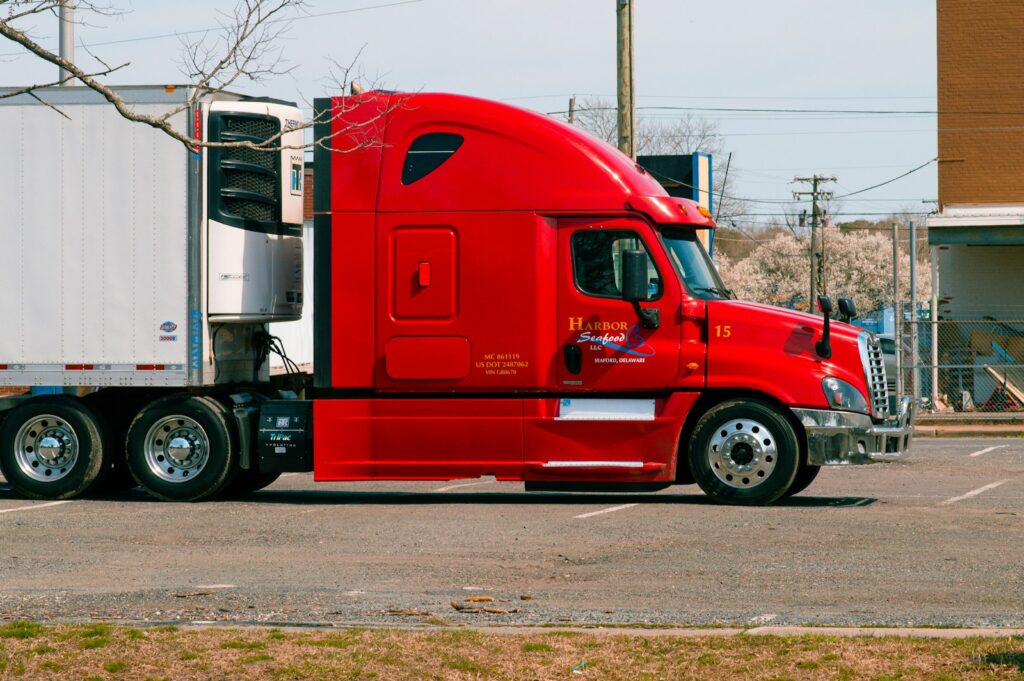
7. **Lighting System Deficiencies**Visibility is paramount for truck drivers, especially during night shifts or in adverse weather conditions. The context mentions “Faulty lighting” as a significant contributor to trucking accidents, highlighting an engineering error that often goes unnoticed until it’s too late. This isn’t just about a bulb burning out; it can stem from fundamental design flaws in the truck’s electrical and optical systems that lead to insufficient illumination or premature failure of critical lighting components.
A lighting system deficiency can include headlights that are not bright enough to cut through fog or heavy rain, tail lights that are too dim to be seen from a safe distance, or signal lights that are prone to rapid malfunction. These issues can be traced back to engineering choices regarding power supply, wiring resilience, fixture design, and material selection for lenses and housing. If these components are not engineered to withstand the constant vibrations, temperature extremes, and moisture exposure inherent to truck operation, they represent a significant safety miss.
Such flaws compromise a truck driver’s ability to see and be seen, dramatically increasing the risk of collisions. A driver unable to properly illuminate the road ahead is navigating largely blind, while other motorists cannot react effectively to a truck that is insufficiently lit. The design challenge lies in creating lighting systems that offer consistent, powerful, and durable illumination, capable of performing reliably in all conditions.
Therefore, modern truck engineering must prioritize robust, high-performance lighting systems. This includes the widespread adoption of LED technology for its superior brightness and longevity, intelligent adaptive lighting that adjusts to environmental conditions, and redundant wiring systems to prevent total failure. Such advancements are not just features; they are essential engineering solutions that directly enhance road safety by ensuring optimal visibility for and around these massive vehicles.
Read more about: Steer Clear: 9 Compact Cars You Should Absolutely Avoid in 2024, Backed by Expert Studies and Sales Data
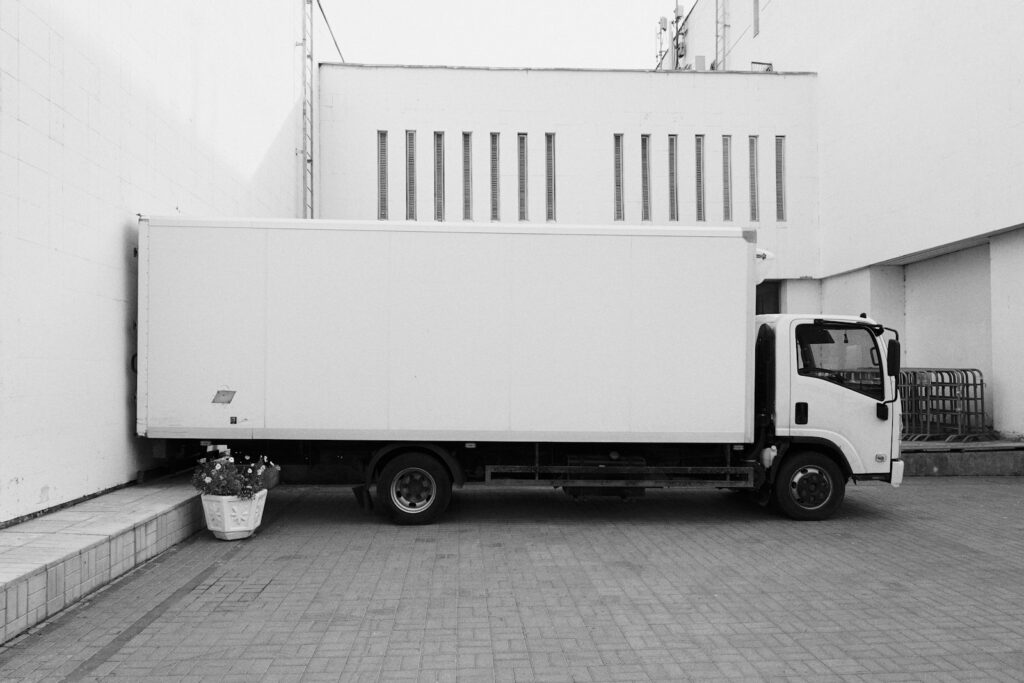
8. **Suspension System Vulnerabilities**The suspension system of a commercial truck plays a crucial role in maintaining vehicle stability, controlling handling, and absorbing road impacts. The context identifies “Worn-out suspension systems” as a factor in accidents, which, when viewed through an engineering lens, often points to inherent design vulnerabilities or material inadequacies. If a suspension system is engineered with components that are insufficient to withstand the relentless stress of heavy loads and continuous travel, it will inevitably wear out prematurely, creating dangerous instability.
An engineering error in suspension design could involve using weaker alloys for springs and linkages, inadequately sized shock absorbers for the vehicle’s weight capacity, or a lack of robust articulation that leads to uneven load distribution. These design choices might reduce manufacturing costs but introduce a profound structural flaw, making the truck prone to excessive body roll, poor steering response, and reduced traction. Such vulnerabilities can become critical safety misses, particularly during turns, emergency braking, or when navigating uneven terrain.
The consequences of a failing suspension system can be severe, ranging from a loss of control to a rollover accident, especially when the truck is fully loaded. The constant pounding and flexing demand an engineering solution that is not only robust but also capable of distributing forces effectively across the chassis. This requires careful consideration of material science, dynamic load analysis, and extensive durability testing that goes beyond mere theoretical calculations.
To mitigate these risks, truck production engineering must prioritize resilient and durable suspension systems. This means integrating advanced air suspension systems for better load leveling and ride stability, high-strength steel or composite materials for critical components, and modular designs that allow for easier inspection and maintenance without compromising structural integrity. Investing in superior suspension engineering is vital for ensuring the long-term stability and safety of heavy vehicles on our roads.
Read more about: Unpacking Automotive Catastrophes: 12 Infamous Engineering Failures That Reshaped Car Safety

9. **Load-Handling Stability Design Challenges**Commercial trucks are designed to transport immense cargo, yet their very purpose introduces significant engineering challenges related to load-handling stability. The context highlights that “If a truck is not loaded properly, it can become unbalanced, leading to difficulty controlling the vehicle, especially during turns or sudden stops. Overloaded trucks may not be able to brake effectively or maintain their stability, leading to accidents such as rollovers or jackknifing.” This isn’t solely a loading error; it points to the truck’s inherent design and its ability to manage diverse and dynamic loads.
An engineering flaw emerges when the truck’s chassis, suspension, and overall structural design do not provide a sufficient margin of safety for various loading scenarios, even those that might push legal limits. This includes the placement and securing of cargo, the vehicle’s center of gravity, and its resistance to lateral forces. If a truck’s design makes it inherently top-heavy, or if its securing points are weak, or if its electronic stability control systems are insufficient, it presents a significant design challenge that escalates the risk of catastrophic events like rollovers.
The implications of poor load-handling stability are profound. A truck that is prone to instability is a hazard to its driver and to every other vehicle on the road. Even slight shifts in cargo or sudden maneuvers can trigger a chain reaction leading to loss of control. The engineering goal here is to create vehicles that are forgiving of minor loading imperfections and resilient against dynamic forces, ensuring predictable handling characteristics under a wide array of conditions.
Addressing these challenges requires a holistic engineering approach. This includes designing lower centers of gravity where possible, developing more robust and intuitively designed cargo securing systems, and integrating advanced electronic stability control (ESC) systems that can actively counteract instability. Furthermore, designing trucks that inherently communicate critical information about load distribution to the driver can prevent many operational errors, turning a potential design vulnerability into a proactive safety feature.
Read more about: A Highway Hazard: 12 Trucks Towed More Than Driven Due to Constant Electrical Failures

10. **Inadequate Overall Braking Capacity for Heavy Loads**While we previously discussed specific “Faulty Braking Systems” as an engineering error, a distinct, yet equally critical, challenge lies in the sheer *overall braking capacity* for heavy vehicles. The context states that “Commercial trucks are much larger and heavier than passenger vehicles, and as such, they require longer stopping distances.” This isn’t about a component defect, but rather the fundamental engineering struggle to provide adequate stopping power for tens of thousands of pounds of moving mass, especially at highway speeds and on descents.
This engineering error manifests when braking systems, even if fully functional and defect-free, are simply not *designed* with sufficient capacity to consistently and safely bring a fully loaded truck to a halt under various demanding conditions. Issues like brake fade, caused by excessive heat buildup during prolonged braking, highlight this capacity limitation. If the system cannot effectively dissipate heat, or if the friction materials cannot withstand high temperatures, it reflects an inherent design limit that can be profoundly dangerous.
The consequences are clear: excessively long stopping distances, particularly in emergencies, make collisions almost inevitable. When a truck driver needs to stop suddenly, the truck’s immense momentum demands an equally immense and reliable braking force. Relying on systems with limited capacity or poor thermal management is a safety miss that directly correlates with accident severity and frequency, particularly in situations requiring repeated or sustained braking.
To overcome this, engineers must push the boundaries of braking technology for heavy vehicles. This involves designing larger and more efficient disc or drum brakes, incorporating advanced cooling systems, and integrating complementary technologies like engine brakes and retarders more effectively. The focus must be on maximizing thermal capacity, improving fade resistance, and ensuring consistent performance across the vehicle’s entire operational range, thereby providing drivers with the confidence that their massive machines can be controlled and stopped safely, every single time.
Read more about: Navigating the Maze: Seven Confusing Road Signs That Have Left Drivers Perplexed and the Broader Challenge of Driver Confusion
In reflecting on these engineering lessons, it becomes abundantly clear that safety in commercial truck production is an evolving frontier. Each of these structural flaws and safety misses has, in its own way, contributed to a greater understanding of what it takes to build truly resilient and driver-protective vehicles. From fragile cab structures to the intricate dynamics of load-handling stability, every challenge has spurred innovation and demanded a higher standard of engineering excellence. The journey to safer roads is paved with a continuous commitment to learning from past failures and an unwavering dedication to integrating cutting-edge design and manufacturing practices. These insights are not just historical footnotes; they are blueprints for a future where the titans of our highways are as safe as they are essential. The engineers of tomorrow, armed with these lessons, will undoubtedly continue to refine and revolutionize truck design, ensuring that the tireless efforts of truck drivers are matched by the unyielding integrity of their machines.