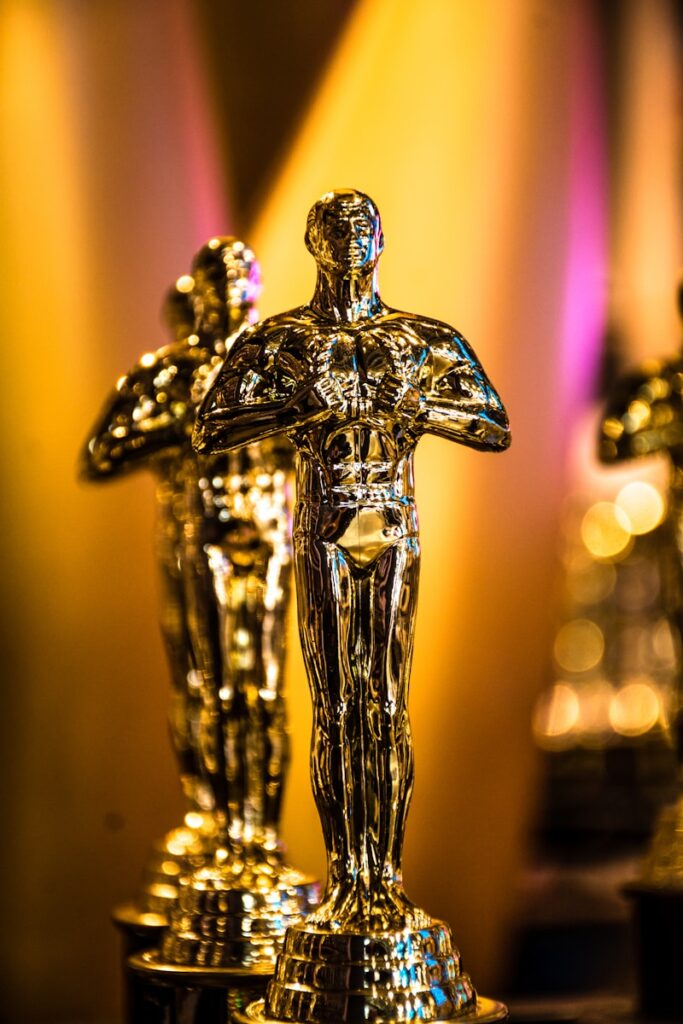
The most glamorous night in Hollywood is almost here, and while we’re all buzzing about who will take home the coveted golden statue, there’s another hidden drama unfolding that’s just as captivating: the Oscars seating chart. Imagine the dazzling spectacle, the red carpet finery, and the candid reactions that become instant memes – it all seems so effortless, doesn’t it? But behind every perfectly framed shot of a celebrity laughing (or cringing!) in the audience lies a meticulous, highly political, and often ‘fraught with danger’ planning process.
For years, we’ve watched our favorite A-listers grace the front rows, seemingly at random, but rest assured, nothing at the Academy Awards is left to chance. From who sits closest to the stage to who absolutely *cannot* be near an ex, the seating arrangements are as ‘scripted as the movies and shows that landed the stars there in the first place,’ according to Evan Nierman, CEO of global PR firm Red Banyan. It’s a fascinating peek behind the curtain, revealing a world where every single detail is orchestrated for maximum impact, both on and off camera.
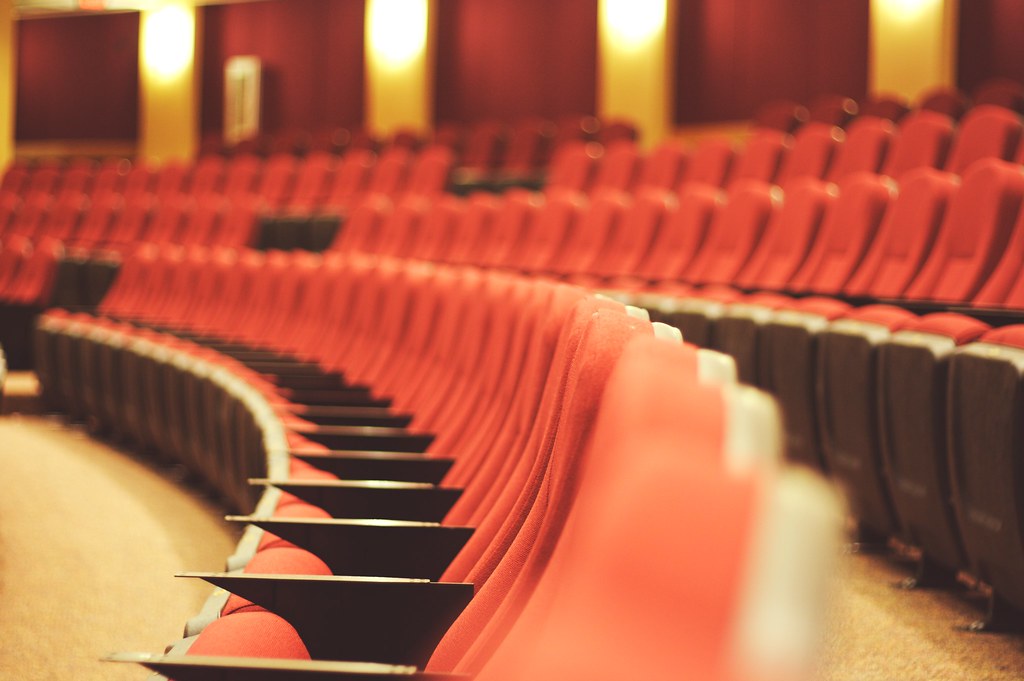
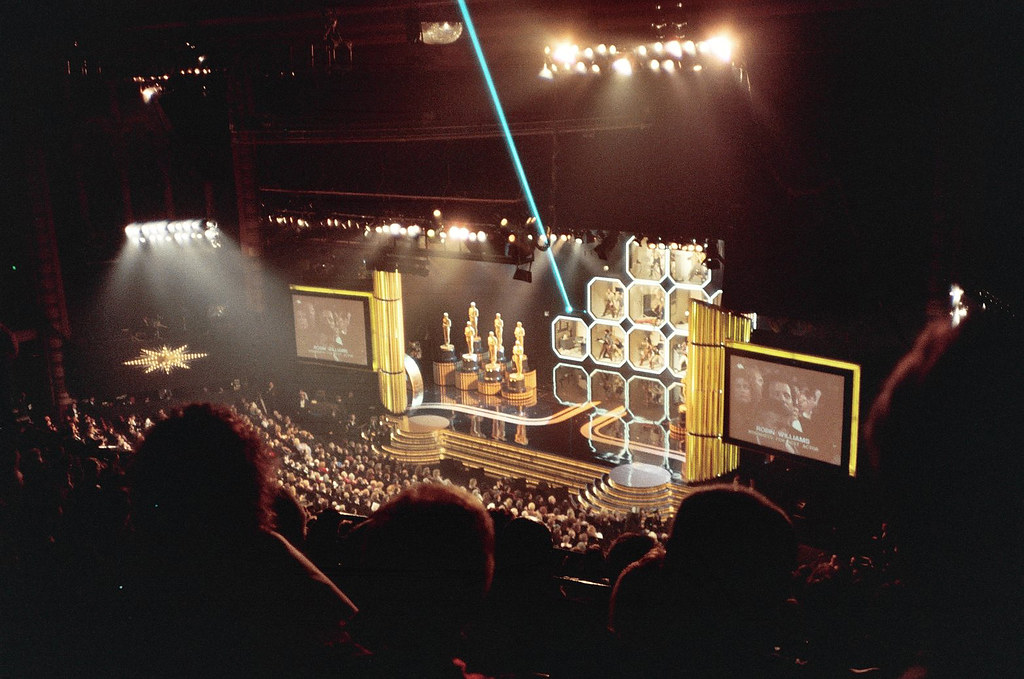
So, grab your popcorn, because we’re about to pull back the velvet rope and reveal the untold stories and intricate rules governing the ultimate power play of Hollywood’s biggest night. We’re diving deep into the fascinating dynamics of how the 3,300 seats inside the Dolby Theatre are filled, the power players who make the calls, and the surprising reasons why your favorite stars might be sitting exactly where they are. Get ready for an E! News exclusive look at the real story of the Oscars seating chart!
1. **The Seating Maestro: Otto Spoerri’s Legacy**
For over two decades, one man held the keys to the kingdom of Oscars seating: Otto Spoerri. Marina Hyde, host of ‘The Rest Is Entertainment’ podcast, revealed that Spoerri was once considered the most powerful person in Hollywood. He not only oversaw the Academy’s accounting department but, more crucially, was in charge of the notoriously complex seating arrangements for the biggest night in showbiz. His word was law, and his decisions dictated the visual narrative of the entire telecast.
Spoerri, who passed away in 2008, was a legend in his own right, famously telling New Jersey newspaper The Record in 2001 that ‘Every second counts’ when it came to placement. He understood that a seamless broadcast was paramount, and his strategic seating ensured winners could reach the stage without causing producers to ‘tear their hair out.’ His foresight in anticipating who might win, and positioning them on an aisle, was a testament to his mastery of the art of the Oscars.
His long tenure meant he learned the ropes the hard way. Early in his career, he made a blunder by seating an actress ‘known for her temper’ too close to an actor who had recently dumped her. ‘I figured out not to do that anymore,’ he later recounted, highlighting the intense personal politics he had to navigate. Spoerri’s meticulous approach to tracking Hollywood’s relationships became a cornerstone of his seating philosophy, preventing countless awkward encounters before they ever happened.
2. **It’s a TV Show, Not Just an Awards Ceremony**
Here’s the undeniable truth about the Oscars: it’s not just a celebration of cinematic achievement; it’s a meticulously crafted television event. Marina Hyde emphasized this, stating, ‘The most important thing to consider with Oscars is that it is a TV event. It is entirely made for television and it has to be a show.’ This fundamental principle dictates almost every decision, especially when it comes to who sits where.
The producers are under immense pressure to deliver a captivating, high-energy broadcast. This means ensuring smooth transitions, perfect camera angles, and, crucially, avoiding dead air. If a winner has to embark on a ’25-second walk to the podium,’ as Marina described, it causes significant stress for the production team. Every second of airtime is precious, and seating is designed to optimize this flow.
Evan Nierman, CEO of Red Banyan, further reiterated this, explaining, ‘Maintaining clear camera shots is crucial to capturing real-time reactions to the big reveal of who wins in each category, and the best way to ensure this is strategic seating.’ From the lighting to the camera angles, and the proximity to the stage, all elements are carefully weighed. The show is live, ‘will live forever online,’ and every moment must be perfect, making strategic seating an art form in itself.
Read more about: The 14 Celebrity Weddings So Unexpected, They Still Make Us Do a Double Take!
3. **The Prime Real Estate: Front Row for A-Listers**
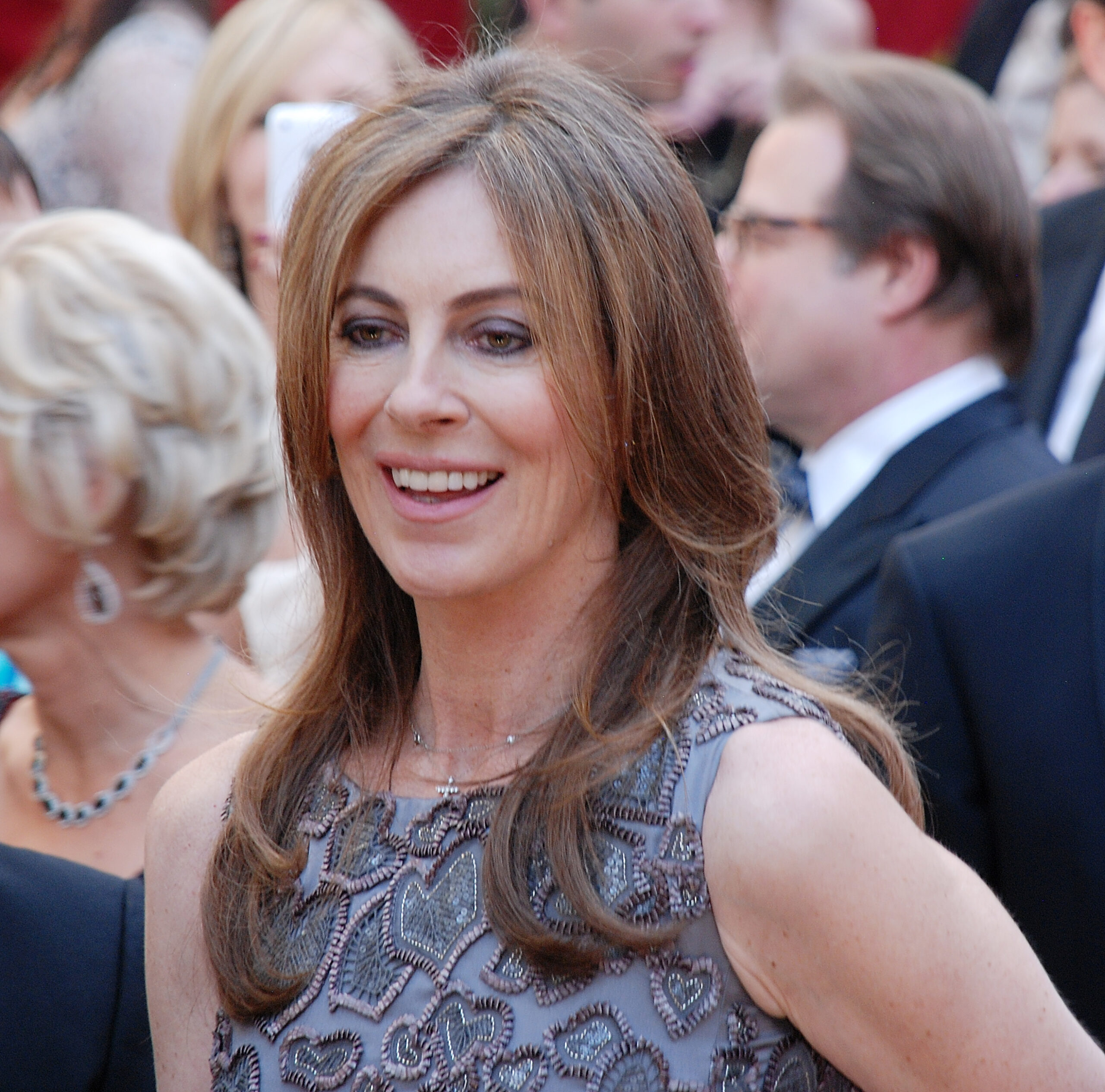
Ever wonder why certain faces consistently grace the front rows of the Oscars, perfectly positioned for those iconic audience shots? It’s no accident. According to Newsweek, ‘the front rows from where the stars laugh (and cringe) their way through the show are usually reserved for the most famous of the ceremony’s participants.’ This prime real estate is strictly for the biggest names, the true A-listers who captivate audiences and drive viewership.
The Los Angeles Times confirms this, reporting a ‘long-standing pecking order’ where ‘The most recognizable faces are seen in the first few rows of the orchestra levels.’ This isn’t just about glamour; it’s about giving viewers ‘their money’s worth’ by showcasing the biggest stars’ reactions to the jokes, the wins, and the inevitable surprises of the night. It’s a visual feast designed to keep audiences glued to their screens.
Stars like Robert De Niro, Bradley Cooper, Emily Blunt, Emma Stone, and Ryan Gosling, among this year’s acting nominees, are precisely the kind of talent you’d expect to see in these coveted spots. Their presence ensures the camera always has a celebrity face to cut to, adding to the glitz and appeal of the live broadcast. It’s a delicate balance of star power, visual appeal, and pure, unadulterated celebrity magnetism.
4. **Nominees: Proximity to the Stage**
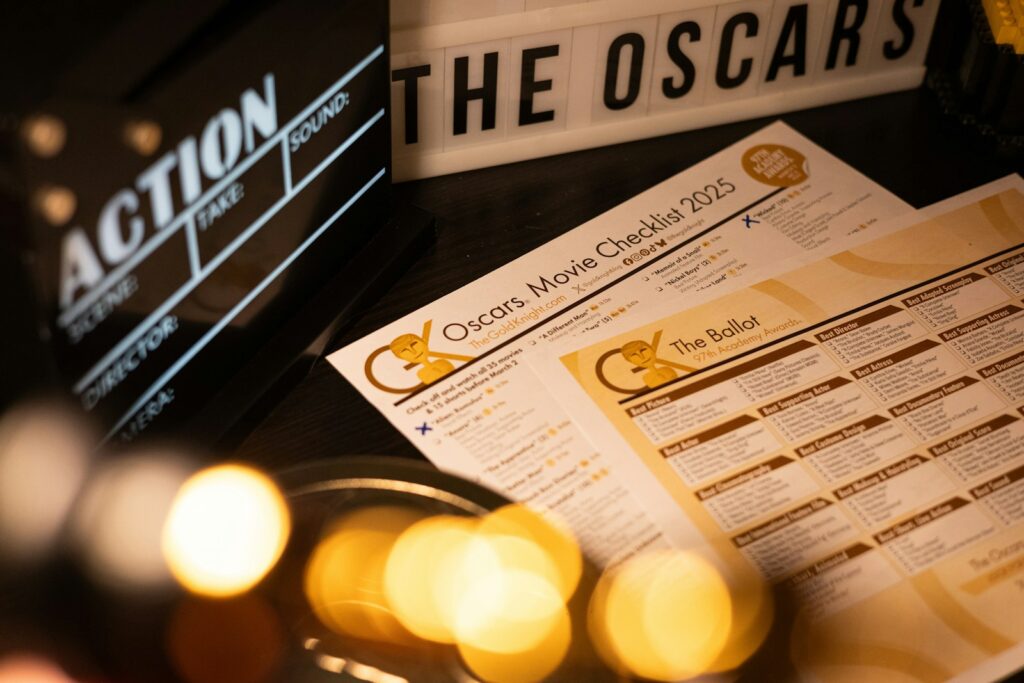
Beyond just being an A-lister, if you’re nominated for an Oscar, your seating takes on a whole new level of strategic importance. According to Newsweek, ‘To move people seamlessly to the stage it’s best to have nominees seated in aisle seats and near the front of the room to shorten the distance they must walk.’ This is where Otto Spoerri’s famous ‘guessing game’ came into play, predicting winners to ensure they had a clear path to the stage.
The Los Angeles Times further clarifies this hierarchy: ‘those nominated in the bigger of the categories are usually placed near the aisles or at the very front.’ This isn’t just about convenience; it’s about efficiency and maintaining the show’s pacing. Every second counts, and a nominee having to weave through rows of people can significantly delay the broadcast and disrupt the flow.
Whether it’s Jeremy Strong, Demi Moore, or Colman Domingo, all up for ‘important performance gongs’ this year, their potential win means they need to be within swift reach of the podium. Their proximity ensures that when their name is called, the moment of triumph can be captured swiftly and dramatically, without any logistical hiccups. It’s all part of the grand plan to make the show as smooth and exciting as possible.
5. **Crafts Categories: A Longer Walk to Glory**
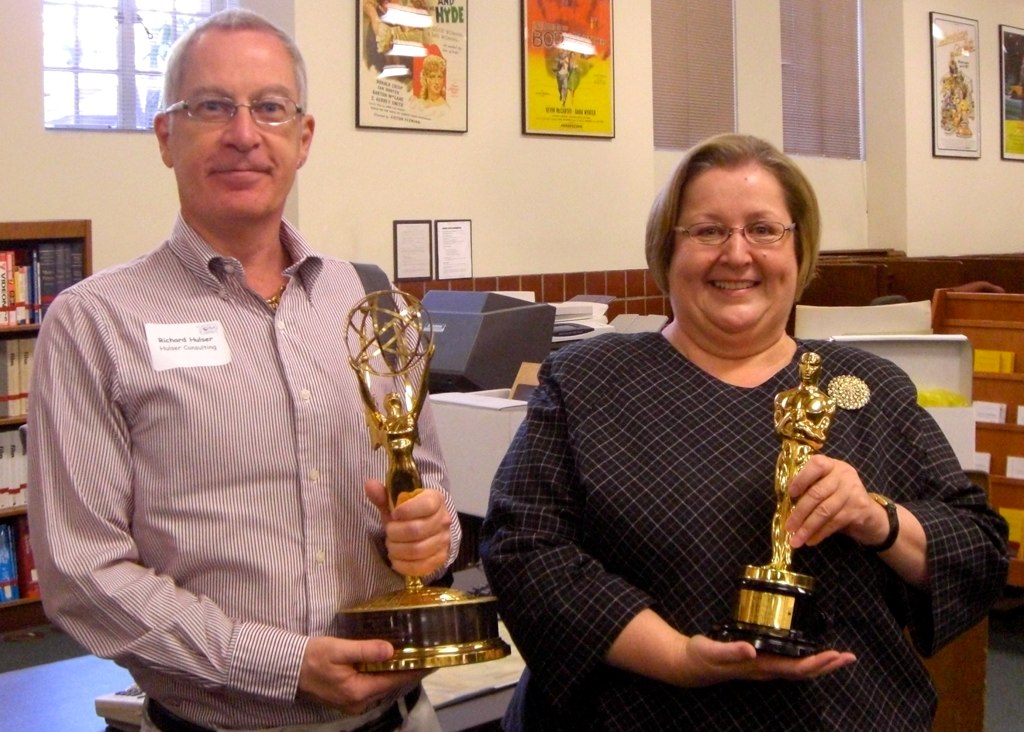
While lead actors and directors might find themselves practically on the stage when their names are called, those nominated in the ‘crafts categories’ experience a slightly different journey. The context explicitly states, ‘those who are nominated in the crafts categories are usually seated farther back.’ This means a noticeably lengthier walk toward the big stage for winners in costume, sound, or production design.
It’s a stark illustration of the Oscars’ unwritten hierarchy. While their contributions are undeniably critical to moviemaking, their seating reflects a different tier of public-facing importance for a televised event. The camera’s focus is, understandably, on the big-name stars, and so the seating is adjusted accordingly. It’s not a snub, merely a logistical reality of a show built for television.
Imagine the triumphant walk of a sound designer or costume artist, their Oscar in hand, making their way through the Dolby Theatre. While the journey is longer, the moment is no less special. However, the strategic placement ensures that the biggest ‘moments’ – those involving the most famous faces – are executed with the utmost efficiency and dramatic impact for the millions watching at home.
Read more about: Unearthing Minnesota’s Automotive Treasures: An In-Depth Look at Its Premier Vintage Truck Collections
6. **The Golden Tickets: Who Gets In?**
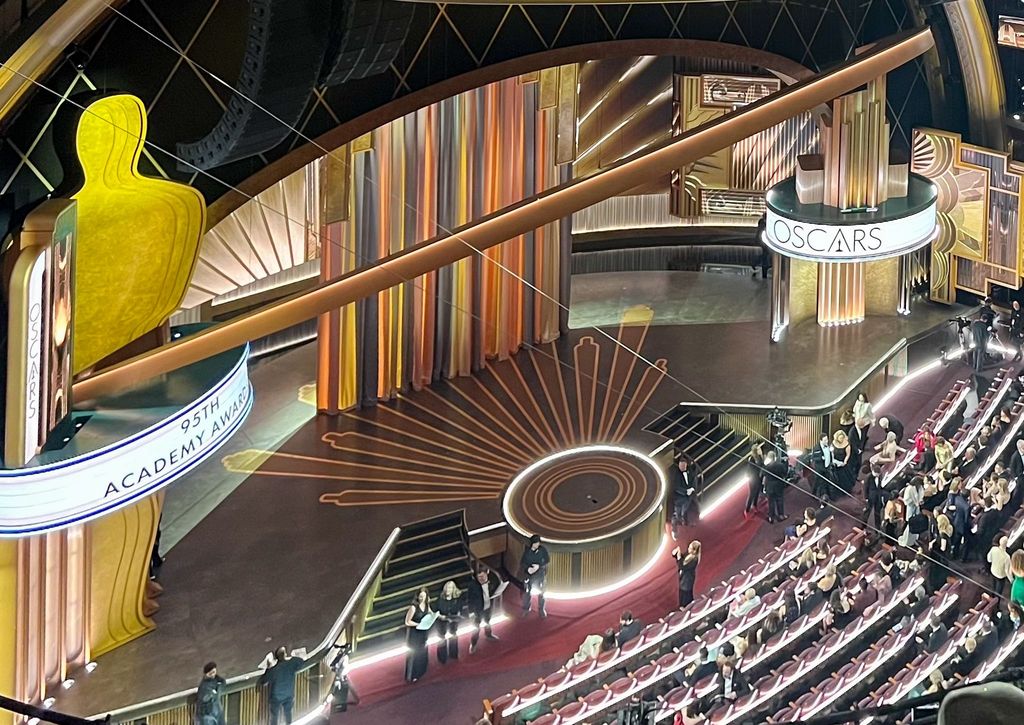
The Dolby Theatre boasts 3,300 seats, but who actually gets to fill them for the most exclusive event in Hollywood? It’s not as simple as buying a ticket. The Oscars aren’t open to the general public, meaning us ‘mere mortals’ have to tune in from home. So, who are the lucky few with a ‘golden ticket’?
Firstly, you’ll need to be an active or lifetime member of the Academy of Motion Pictures Arts and Sciences. With over 10,500 members globally, it’s a competitive lottery each year just to purchase a ticket to sit in the mezzanine levels, where, as one Academy member quipped, attendees need to ‘be OK with the thinner oxygen.’ These are the dedicated industry professionals, far from the front-row glitz, but thrilled to simply be in the building.
Nominees, of course, receive coveted invitations, usually accompanied by one or two extra tickets for their loved ones. If you crunch the numbers, this means the roughly 200 nominees alone, each receiving two tickets and the opportunity to request an additional pair, account for around 800 tickets! Add in presenters and hosts, who typically receive a pair of tickets themselves, and you quickly realize just how many VVIPs are in attendance.

7. **Beyond the Stars: Seating for Broadcasters, Sponsors, and Dignitaries**
While the spotlight shines brightest on the A-listers and nominees, the Oscars audience is a complex tapestry woven from various power players and essential contributors. It’s not just actors and directors filling those 3,300 seats. Newsweek reveals that ‘There are also blocks of seating reserved for ABC, which broadcasts the show, telecast sponsors, such dignitaries as local politicians, Academy Museum Of Motion Pictures donors, accountants, the media, and the production and legal teams.’
These are the hidden forces that make the show happen, from the network broadcasting it to the sponsors funding it, and the legal teams ensuring everything runs smoothly. Their presence is crucial, and their designated seating reflects their importance behind the scenes. It’s a powerful reminder that Hollywood’s biggest night is a massive logistical operation, not just a glamorous party.
Even ‘movie studio executives get designated seating among the well-heeled crowd.’ These are the individuals who greenlight the films, manage the talent, and ultimately bring the magic to the big screen. Their strategic placement among the elite ensures that all key stakeholders are represented, making the audience a veritable who’s who of Hollywood, not just its most recognizable faces.
8. **The Unsung Heroes: Seat Fillers**
The dazzling spectacle of the Oscars wouldn’t be complete without a constant, bustling crowd. But what happens when a major star needs a quick powder room break or wants to schmooze during a commercial? That’s where the unsung heroes of Hollywood’s biggest night step in: the seat fillers. These dedicated individuals, often numbering around 300 each year, are tasked with a seemingly simple yet crucial role: ensuring no seat remains visibly empty for the television audience.
Their mission is purely logistical. Seat fillers seamlessly occupy any vacant spot when a celebrity steps away, maintaining the illusion of a perpetually packed house for viewers at home. It’s a vital part of the show’s overall presentation, making it an “astonishing spectacle for the television audience,” as Business Insider reports. Without them, wide shots of the audience might reveal embarrassing gaps, detracting from the glamour.
Becoming a seat filler isn’t as easy as it sounds, often requiring an affiliation with ABC, the broadcasting network, or the Academy itself, followed by a rigorous application process. Once accepted, the commitment is significant. Taiyler Simone Mitchell, a former seat filler, recounted her experience in 2022, explaining that despite the show starting at 5 p.m., seat fillers had to be at the venue for check-in by 10:15 a.m. This meant an extremely early start to prepare and arrive.
Mitchell’s experience further revealed that the busiest times for seat fillers are during television breaks, when celebrities often take the opportunity to move around. She even mentioned being asked to leave the venue for 30 minutes due to an “overflow of seat fillers,” causing her to miss a major performance. This highlights the dynamic and sometimes unpredictable nature of the role, proving it’s far from just a casual evening out.
Read more about: Behind the Headlines: 13 Race Teams Who Would Never Agree to Use the Same Pit Crew
9. **Navigating Hollywood’s Interpersonal Dynamics: Avoiding Awkward Encounters**
Beyond mere logistics, the Oscars seating chart is a delicate dance of celebrity relationships, meticulously designed to avoid any potential on-screen drama. Hollywood is, after all, a small town, and the seating team must navigate a minefield of past romantic entanglements, professional rivalries, and personal disagreements to ensure a smooth and scandal-free broadcast. This “fraught with danger and politics” aspect, as Marina Hyde described it, is where the seating truly becomes an art.
Otto Spoerri, the legendary “seating maestro,” learned this lesson the hard way early in his career. He famously made a blunder by seating an actress “known for her temper” too close to an actor who had recently dumped her. “I figured out not to do that anymore,” he later recounted, a testament to the steep learning curve involved. From then on, Spoerri’s philosophy included diligently tracking Hollywood’s complex personal relationships, a practice that prevented countless awkward run-ins.
Evan Nierman, CEO of Red Banyan, reinforces this intricate planning, stating that “much thought goes into creating distance between performers who don’t get along or have past romantic involvement, helping avoid any awkward or unpleasant encounters.” It’s not just about preventing outright confrontations, but also about managing subtle expressions and reactions that could be caught on camera and become instant internet fodder. The goal is to maintain an air of conviviality and professionalism throughout the event.
Spoerri also adopted a “more diplomatic” approach by avoiding seating nominees in major categories next to one another. His reasoning was pragmatic and surprisingly empathetic: “You don’t want to see a sad face next to a happy face,” he explained to the Los Angeles Times. This attention to emotional optics ensures that the camera always captures celebratory moments, rather than the uncomfortable reality of a losing contender sitting right next to the victor.
10. **The Politics of Allegiance: Studio Loyalty and Film Representation**
The Oscars seating chart isn’t just about individual celebrity relationships; it also delves into the subtle yet powerful politics of allegiance within Hollywood. When an actor is involved in multiple nominated films, or when a studio wants to showcase a united front, their seating choice becomes a public declaration of loyalty, observed by millions. It’s a strategic maneuver akin to “high school,” as writer and director Stefano Da Frè colorfully put it.
Da Frè notes that “it is very common for many celebrities of the same movie to be sitting together to represent a specific film nominated at the Oscars.” This creates a powerful visual of solidarity and collective achievement, reinforcing the brand of the film and its creative team. When the camera pans across a cast, seeing them united reinforces their shared journey and success, adding to the narrative of the night.
However, the “drama here,” as Da Frè points out, arises when an actor is featured in a film with multiple nominations, such as “Oppenheimer,” but also in “another separate film nominated that year.” Their decision of where to sit becomes “highly political.” Choosing to sit with one film’s contingent over another can send unspoken signals about their priorities or future career alignments, a delicate balance to strike on such a public stage.
“Just like in high school, it means a lot to sit next to the team, and company, you publicly show your allegiance to,” Da Frè explains. This blend of popularity and politics, all under the intense scrutiny of the public eye, ensures that every seating decision is loaded with meaning. It’s a fascinating microcosm of Hollywood’s intricate web of relationships, where even a simple chair placement can speak volumes about professional bonds and loyalties.
11. **The “No” Factor: Demanding a Better Seat**
While Hollywood is known for its larger-than-life personalities and expectations, there’s a firm line drawn when it comes to demanding better seating at the Oscars. Even the most powerful stars discover that requests are handled with diplomacy, but demands are often met with a resounding “no.” Otto Spoerri, the legendary seating maestro, was famously unyielding when faced with celebrity ultimatums.
Spoerri, who was in charge for over two decades, once stated to The Record, a New Jersey newspaper, that he had “said ‘no’ to stars.” He found that such conversations “aren’t very pleasant,” but he stood his ground. “When people start demanding things, a switch goes off in my head. If they ask first, they have a chance,” he revealed, offering a glimpse into his no-nonsense approach to maintaining control.
This stance underscores that while “great pains are taken to meet the expectations of the attendees,” as Evan Nierman articulated, the ultimate authority rests with the organizers. Hollywood is indeed “filled with big personalities with high expectations,” yet the meticulous planning behind the Oscars ensures that no single star can dictate the flow or optics of the broadcast through sheer force of will.
The lesson is clear: politeness and respectful requests might open doors, but demanding special treatment for seating at the Oscars is a surefire way to have your plea dismissed. It highlights the professional boundary between celebrity power and the event’s overall production needs, reminding everyone that the show, and its carefully curated audience, must go on without individual disruption.
Read more about: Breaking the Bank (and Norms!): 14 Women Who Earn More Than Their Husbands and How They’re Reshaping Modern Relationships
12. **The Pandemic’s Impact: Reduced Capacity and New Venues**
Even the most meticulously planned event can be dramatically altered by unforeseen external factors, and the COVID-19 pandemic proved to be a seismic force for the Oscars seating chart. In 2021 and 2022, the typical grandeur of the Dolby Theatre was put on hold, as health protocols forced a drastic reimagining of how Hollywood’s biggest night could safely proceed. This illustrated the adaptability required in event planning.
The 2021 ceremony, for instance, saw an “unconventional style” broadcast from downtown Los Angeles’ Union Station. This striking venue, with its “62-foot vaulted ceilings” and “outdoor patios,” provided ample space for attendees to maintain social distancing, a stark contrast to the usual packed auditorium. It was a testament to the organizers’ ability to pivot, prioritizing safety while still delivering a memorable event.
By 2022, the show returned to its traditional home at the Dolby Theatre, but not without significant modifications. “Continued protocols at the time for social distancing saw the venue’s seating capacity reduced to 2,500,” a considerable decrease from its usual 3,300 seats. Rows were removed from the orchestra section and replaced with “decked seating,” physically altering the iconic layout to accommodate health guidelines.
These changes underscore how even the most established traditions of the Oscars can be temporarily overridden by global events. The pandemic forced a rare glimpse into a scaled-back, more spaced-out version of the awards, reminding everyone that while glamour is key, safety and public health ultimately take precedence in the intricate dance of live event production.
13. **The Intense Scrutiny of the Front Row**
Being seated front and center at the Oscars is a coveted position, a testament to one’s status in Hollywood, but it comes with an intense level of scrutiny that few other places can match. Every gesture, every facial expression, and every whispered word can be captured by cameras and, in the age of viral content, meticulously dissected and analyzed, sometimes with uncomfortable consequences.
The most infamous example of this intense scrutiny occurred at the 2022 ceremony, when Will Smith, “positioned prominently ahead of his Best Actor win for King Richard,” rose from his front-row seat to slap presenter Chris Rock. This shocking incident, fueled by a joke about his wife, Jada Pinkett Smith, instantly became a defining and regrettable moment, proving just how much pressure is on those in the limelight.
Evan Nierman perfectly encapsulated this reality, telling Newsweek that “those seated at these shows, especially in the best seats, know that at any moment cameras may be picking up their every move and the footage will later be analyzed and possibly even scrutinized by lip readers.” This awareness demands incredible discipline from stars, especially over many hours and with the potential for alcohol involvement.
The pressure to “avoid becoming targets of ridicule” means celebrities must be hyper-aware of their on-camera demeanor. The Smith incident led to a 10-year ban from Academy events, a stark reminder that even a momentary lapse in composure can have severe, long-lasting repercussions. The front row is indeed prime real estate, but it’s also a high-stakes spotlight, where every action is potentially immortalized and judged.
Read more about: The Price of a ‘Fresh’ Rating: Inside the Controversial World of Paid Film Reviews and Rotten Tomatoes’ Reckoning

14. **The Unseen Rules: Silence, No Selfies, and Fan Behavior**
While A-listers appear to navigate the Oscars with effortless grace, there’s a strict, often unseen, code of conduct for many attendees, particularly the seat fillers and less prominent guests. Among these unspoken rules are prohibitions against talking to celebrities, asking for pictures, or exhibiting any form of “fan behavior.” It’s all about maintaining the polished, professional veneer of the event.
Taiyler Simone Mitchell, a former seat filler, explicitly stated that she and her colleagues “weren’t supposed to chat with celebrities.” They were instructed to “remain silent, not speak unless spoken to, and not exhibit any fan behaviour, such as asking for pictures or autographs.” This directive is crucial for preserving the atmosphere of an industry event rather than a fan convention, allowing stars to relax without constant interruption.
The “no selfies” rule is another interesting dynamic, varying significantly depending on one’s star power. While the infamous 2014 Oscar selfie featuring Bradley Cooper, Jennifer Lawrence, and Brad Pitt proved that for A-listers, “the selfie rule is of course relaxed” and can even provide “brilliant PR coverage,” for others, it’s a “big no no.” Maya Tribbett, another former seat filler, recalled how “everyone sneakily took pictures” despite being told not to.
These rules, from dress codes (“No sparkles, no short dresses, no bright colours or white. Basically don’t stand out”) to strict social interaction guidelines, highlight the two-tiered experience of the Oscars. While the front-row celebrities enjoy certain liberties, many others behind the scenes and in the mezzanine are expected to blend in, uphold the event’s decorum, and fulfill their roles without seeking personal celebrity encounters.
15. **The Mezzanine Levels: A Different Kind of Privilege**
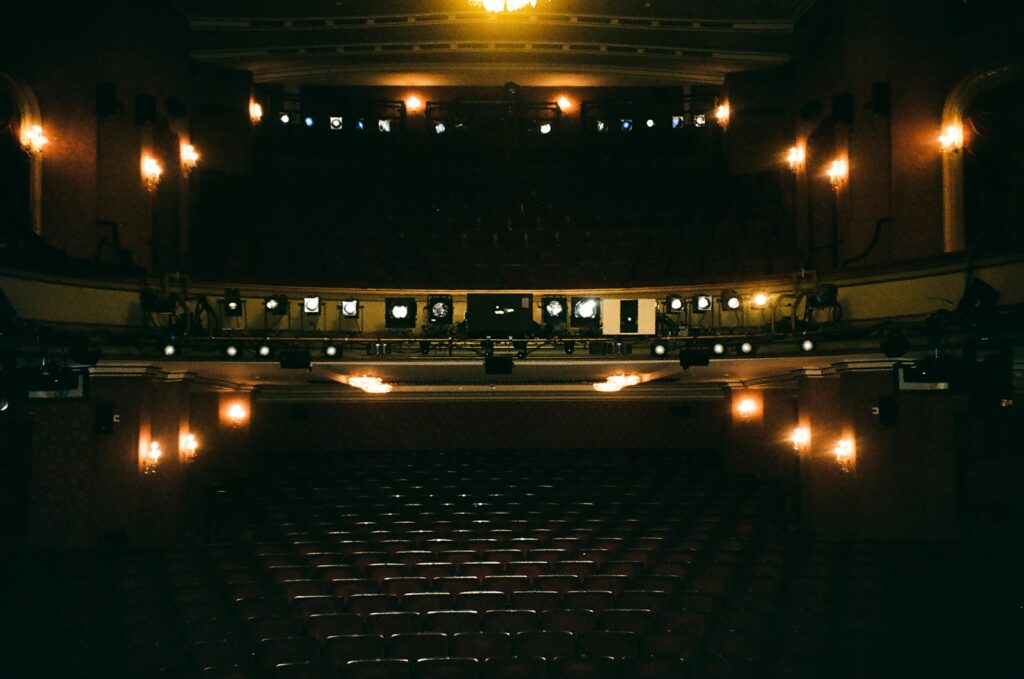
Beyond the glitz of the front rows and the strategic placement of nominees and power players, the Dolby Theatre’s “trio of mezzanine levels” offers a different, yet equally cherished, form of access to the Oscars. These are the seats often occupied by Academy members who enter annual lotteries to purchase tickets, embodying a deep connection to the film industry, even if it’s from a slightly elevated, “thinner oxygen” vantage point.
With over 10,500 global members of the Academy of Motion Picture Arts and Sciences, the opportunity to attend the Oscars is a competitive privilege. These individuals, dedicated industry professionals, might not be gracing the cover of magazines, but their presence signifies their invaluable contribution to the world of cinema. Their “shared joy of simply being in the building” is palpable, representing the foundational pillars of the Academy itself.
An Academy member humorously quipped to the Los Angeles Times that those in the mezzanine need to “be OK with the thinner oxygen,” acknowledging the distance from the very heart of the action. Yet, this perspective doesn’t diminish the honor. It’s a testament to the aspirational nature of the event, where simply being present, breathing the same air as Hollywood’s elite, is a reward in itself for those who have dedicated their lives to the craft.
These mezzanine seats serve as a crucial component of the overall Oscars experience, allowing a broader spectrum of the Academy’s membership to partake in the biggest night of the year. They may be “far from the front-row glitz,” but their attendance underscores the collective spirit of the film community, celebrating achievements from every corner of the industry, from the most famous faces to the essential members who keep the artistic engine running.
And so, as the curtains draw on another unforgettable Academy Awards ceremony, the intricate web of seating, relationships, and strategic planning behind the scenes continues to captivate and intrigue. From Otto Spoerri’s legendary meticulousness to the silent dedication of seat fillers, every detail contributes to the seamless spectacle we all adore. It’s a powerful reminder that Hollywood’s biggest night is more than just an awards show; it’s a meticulously choreographed drama, with every seat telling a story, and every placement a calculated move in the grand theater of celebrity. The next time you tune in, perhaps you’ll look at those perfectly arranged faces with a newfound appreciation for the hidden orchestrations that make the magic happen.