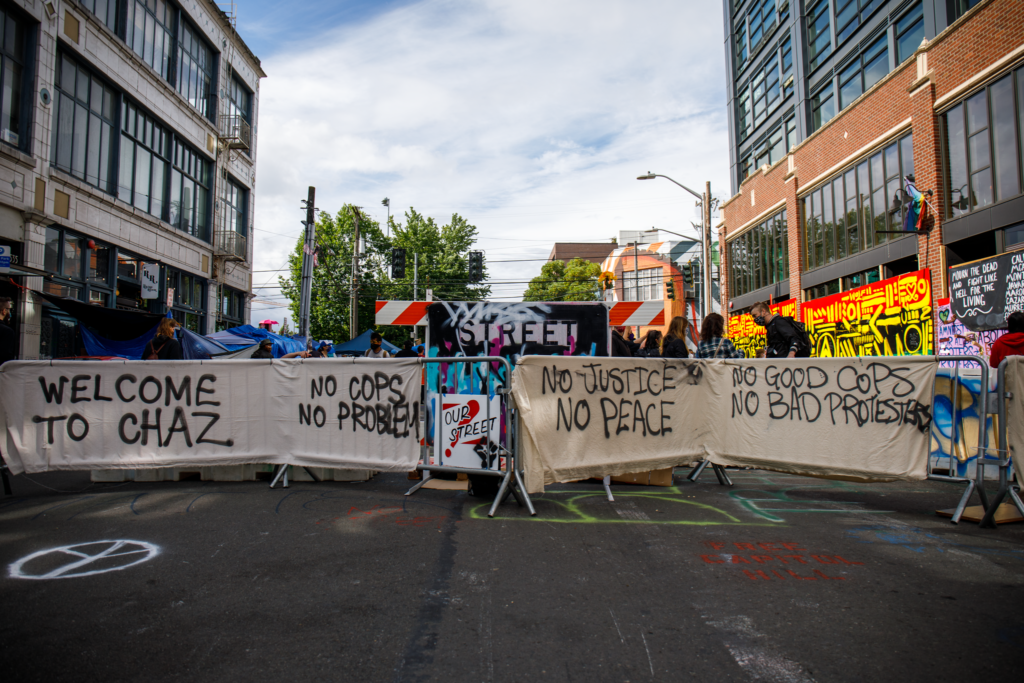
In the tumultuous summer of 2020, as the nation grappled with profound questions of justice and systemic inequality, an unprecedented event unfolded in the heart of Seattle. What began as a fervent protest against police brutality, ignited by the tragic killing of George Floyd, soon transformed into the Capitol Hill Autonomous Zone, or CHAZ. This self-declared space, encompassing several city blocks, captured global attention, becoming a symbol of both hopeful community building and escalating chaos. It was a deeply human story, filled with the raw emotions of idealism, frustration, fear, and sorrow, playing out on a public stage.
From its inception to its eventual dispersal, CHAZ was a complex tapestry of intentions and unintended consequences. It represented a bold experiment in self-governance, a call for a reimagined public safety, and a physical manifestation of a movement seeking radical change. Yet, beneath the vibrant murals and communal gardens, layers of tension and tragedy began to emerge, affecting everyone from the protesters themselves to the local residents and businesses caught in its evolving landscape. This unique chapter in Seattle’s history is not just about a place, but about the people who lived, struggled, and were impacted by its fleeting existence.
As we delve into the story of CHAZ, we’ll explore the pivotal moments and personal experiences that defined this extraordinary period. We’ll examine the hopes that fueled its creation, the challenges that tested its resolve, and the poignant lessons learned from an occupation that sought to carve out a new vision for community and justice. It’s a narrative rich with human interest, reflecting the profound societal shifts and the personal tolls exacted during a summer of unparalleled unrest and introspection.
1. The Genesis of Unrest: Setting the Stage for CHAZ
The story of CHAZ doesn’t begin on June 8, 2020, with the establishment of the autonomous zone itself, but rather in the preceding days of intense confrontation between Seattle residents and law enforcement. The killing of George Floyd in Minneapolis had sparked a wave of impassioned protests across the United States, and Seattle was no exception. Beginning on May 29, 2020, street clashes erupted, involving thousands of protesters, the Seattle Police Department (SPD), the Washington State Patrol, and even the Washington National Guard. These were not isolated incidents but a concentrated outpouring of anger and demands for change.
On June 1, a permitted rally in Downtown Seattle quickly devolved into chaos when police fired tear gas into the crowd, igniting further outrage. Protesters, angered by the police response, moved eastward toward Capitol Hill, a district already known for its prominent LGBT and counterculture communities and a history of challenging police practices. This densely populated residential neighborhood became the new focal point, as demonstrators congregated and continued their calls for accountability. The atmosphere was charged, a palpable mix of frustration and unwavering determination.
What followed was a week of escalating tensions. Police employed dispersal tactics including flash-bangs, pepper spray, and blast balls against protesters. On June 7, the situation intensified dramatically after a man drove his vehicle toward a crowd near 11th Avenue and Pine Street and shot a protester who tried to stop him. Police reported rocks, bottles, and fireworks being thrown, and green lasers shined into officers’ eyes. The events of this week, marked by a cycle of protest and police response, created an environment where de-escalation became a critical, albeit fraught, objective for city officials, setting the immediate stage for the police’s unexpected withdrawal.
2. The Formation of an Autonomous Zone: A City’s De-escalation Gamble
In an effort to de-escalate the increasingly volatile situation, a decision was made by Seattle officials that would reverberate nationally. On June 8, Mayor Jenny Durkan’s office directed SPD leaders to remove barricades around the East Precinct, allowing protesters to march on the street outside. Later that day, the SPD unexpectedly vacated and boarded up its East Precinct building, a move that Chief Carmen Best initially framed as “an exercise in trust and de-escalation.” This withdrawal, however, remained shrouded in some mystery regarding who precisely made the final call, with conflicting accounts emerging later about whether Best or an assistant chief authorized it.
As police withdrew, protesters quickly moved into the vacated Capitol Hill area, repositioning street barricades in a one-block radius around the station. With a powerful sense of purpose and collective agency, they declared the area “Free Capitol Hill.” This spontaneous act of reclaiming public space marked the official birth of what would later be renamed the Capitol Hill Organized Protest (CHOP) and, more famously, the Capitol Hill Autonomous Zone (CHAZ). The initial sentiment was one of liberation, an immediate response to years of perceived police overreach and a bold statement of autonomy.
Mayor Durkan herself initially called the zone an attempt to “de-escalate interactions between protesters and law enforcement,” with Chief Best stating her officers would look at approaches to “reduce our footprint” in the Capitol Hill neighborhood. City Council member Kshama Sawant engaged with occupants, even urging protesters to transform the precinct into a community center for restorative justice. This early period was characterized by a sense of possibility, a belief that a new form of community-led space could emerge, free from traditional policing, and driven by the collective aspirations of the protesters.

3. Life Within the Zone: Community, Culture, and Contradictions
Once established, CHAZ quickly transformed into a bustling hub of community activity and cultural expression. Observers described early zone activity as a hybrid of other movements, with an atmosphere that was “part protest, part commune,” a cross between “a sit-in, a protest and summer festival,” or a blend of “Occupy Wall Street and a college cooperative dorm.” The protest area truly became a self-organized space, largely operating without official leadership, where police were not welcome. Participants created a block-long “Black Lives Matter” mural, held free film screenings in the street, and performed live music, demonstrating a vibrant, albeit temporary, alternative society.
At the heart of CHAZ’s communal spirit was the “No Cop Co-op,” established on June 9, which offered free water, hand sanitizer, kebabs, and snacks donated by the community. Stalls distributed vegan curry, and others collected donations for the homeless, reflecting a strong ethos of mutual aid and collective care. Two medical stations were set up to provide basic healthcare, and the Seattle Department of Transportation even provided portable toilets, acknowledging the need for essential services within the occupied area. This demonstrated a grassroots effort to meet the immediate needs of those living and participating in the zone.
Beyond basic services, CHAZ flourished as a cultural and intellectual space. The intersection of 12th and Pine was converted into a square for teach-ins, using a microphone for organizing and facilitating public discourse. An area at 11th and Pine became the “Decolonization Conversation Café,” hosting daily discussions. An outdoor cinema screened powerful documentaries like Ava DuVernay’s ’13th’ and ‘Paris Is Burning,’ fostering education and dialogue. The Marshall Law Band, a Seattle-based hip-hop fusion group, became the “House band of the CHOP,” performing regularly even amidst tense confrontations with police, symbolizing the enduring spirit of artistic expression within the protest movement.
4. The Shifting Atmosphere: From Block Party to Growing Tensions
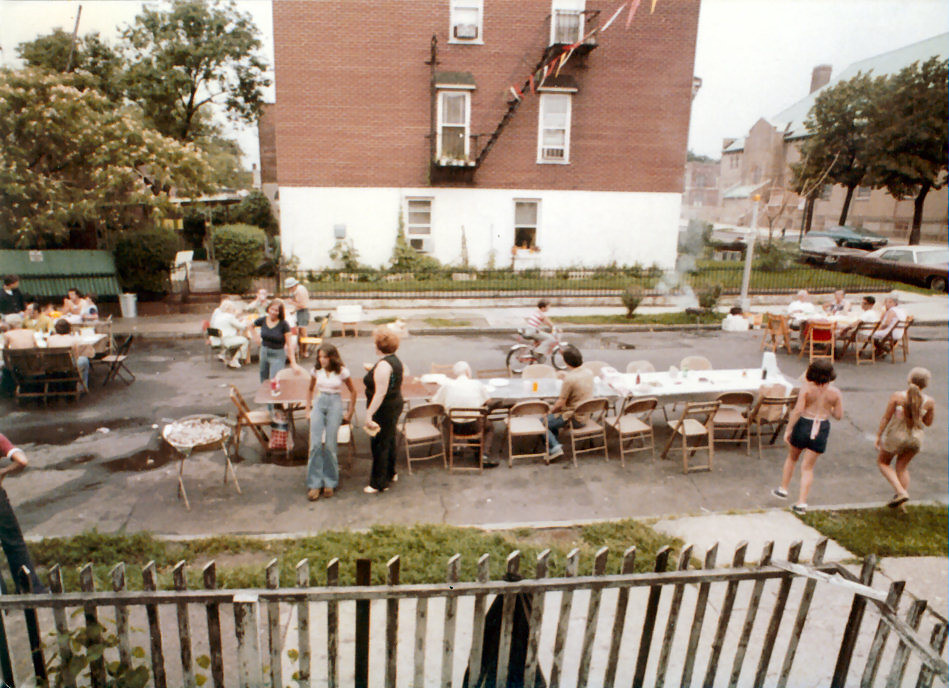
While early descriptions painted CHAZ as having a “block party” atmosphere, this perception began to shift as the occupation continued. On June 11, Seattle Mayor Jenny Durkan publicly stated the zone had such an atmosphere. However, The New York Times later contrasted Durkan’s words with local businesspeople’s accounts of harassment, vandalism, and looting, highlighting an emerging disparity between official narratives and lived experiences on the ground. This divergence in perspectives marked a turning point, as the idyllic image began to crack under the weight of escalating challenges and differing opinions.
Internally, the initial confusion following the police withdrawal gave way to a more defined, yet still complex, environment. While some observers described CHOP as evolving into “a center of peaceful protest, free political speech, co-ops, and community gardens,” others, including many Capitol Hill residents, began to express unease, especially about safety at night. One resident noted a crucial difference in perspective between outsiders and those living in the neighborhood, suggesting that safety concerns often came from “affluent new arrivals” or business owners rather than long-term residents. This nuanced view underscores the multifaceted nature of public opinion regarding CHAZ.
As the days turned into weeks, the very success of CHAZ in attracting national attention also brought increased scrutiny and internal pressures. Black activists reportedly expressed unease about the zone and its use of Black Lives Matter slogans, concerned that their communities remained the priority in what was largely a white protest movement that had, for some, taken on the feel of a neighborhood block party. This sentiment pointed to a growing tension between the broader celebratory aspects of the zone and its foundational, serious demands for racial justice, indicating a community grappling with its own identity and purpose.
5. Early Violence and Misinformation: A Stain on the Experiment
The narrative of CHAZ as a purely peaceful, utopian experiment began to be challenged by disturbing incidents of violence and the deliberate spread of misinformation. On June 12, SPD Chief Carmen Best made a public statement alleging that “Rapes, robberies and all sorts of violent acts have been occurring in the area and we have not been able to get to it,” although Mayor Durkan later told a New York Times reporter she was unaware of any serious crime reported in the area. This stark contradiction underscored a struggle for control over the narrative, as public officials presented differing accounts of the zone’s safety.
Beyond official statements, concrete acts of violence did occur. In the early morning of June 12, Isaiah Thomas Willoughby, a former Seattle resident, set a fire at the East Precinct building, which was quickly extinguished by community residents. More alarmingly, the zone’s sense of security was shaken by a string of shootings. The CHOP’s size began to decrease significantly after multiple shootings occurred in or near the zone on June 20, 21, and 23. These incidents highlighted a critical vulnerability within the self-governed space, as maintaining safety and security without traditional law enforcement proved to be an immense challenge.
Further complicating the situation was the deliberate use of misinformation. Unbeknownst to the public at the time, four SPD officers created a “ruse” on June 8 to split protesters away from CHOP. They invented a nonexistent “Proud Boys march” of armed individuals heading towards Capitol Hill, sharing updates on public police radio channels. This “misinformation effort,” approved by the East Precinct captain, aimed to make protesters believe SPD “had more officers out there doing regular stuff,” leading some protesters to arm themselves in preparation for a clash. This calculated deception further eroded trust and added another layer of complexity to the already volatile environment within and around CHAZ.

6. Legal Challenges Begin: Businesses and Residents Push Back
As the CHAZ occupation wore on, its impact on the surrounding community became a focal point of increasing concern, leading to significant legal action. Twelve businesses, residents, and property owners filed a class-action lawsuit in federal court against the city of Seattle. These plaintiffs argued that the city had deprived them of due process by permitting the zone to exist, effectively isolating them from essential city services and normal commerce. Their intent, as stated, was not “to undermine CHOP participants’ message or present a counter-message,” but rather to seek compensation for property damage and lost business and property rights, as well as the restoration of full public access to their neighborhood.
For many local establishments, the economic fallout was severe. While The Seattle Times initially reported an uptick in walk-up business for some restaurant owners, USA Today noted a few days later that most businesses in the zone had closed, with The New York Times bluntly stating that “business crashed.” This financial strain formed a core part of the legal challenge, as property owners and entrepreneurs grappled with the tangible consequences of the city’s decision to allow the occupation. They felt their legal rights had been “overrun” by the “unprecedented decision to abandon and close off an entire city neighborhood,” highlighting a profound sense of abandonment and injustice.
Adding further weight to these concerns, Community Roots Housing, a public development authority owning 13 properties near the zone, called for its shutdown on June 30. They expressed deep distress for their residents, stating: “These residents have become victims of an occupation better characterized today by its violence, chaos and killings than anything else…” This powerful statement underscored the growing sentiment among some parts of the community that the zone had deviated from its initial purpose and was now creating unacceptable levels of danger and instability for those living and working nearby. The mounting legal and public pressure signal a critical turning point for the city and the future of CHAZ.
7. City’s Attempts to Reclaim and Rezone: A Tightening Grip
The city of Seattle, initially attempting a de-escalation strategy by allowing CHAZ to form, soon faced mounting pressure to regain control. As the zone evolved and internal challenges grew, officials began to outline plans to re-establish a municipal presence and restore order. Mayor Jenny Durkan, who had earlier described a “block party” atmosphere, met with protesters on June 28, indicating the city’s intention to remove most barricades and limit the activist area to the East Precinct building and the street immediately in front of it.
This move signaled a clear shift from passive observation to active intervention, aiming to “rezone” the occupied space. An agreement was reached with CHOP representatives on June 16, outlining a new footprint designed to improve street access for businesses and local services. The Seattle Department of Transportation then installed concrete barriers, wrapped in plywood, along Pine Street and parts of 10th and 12th Avenues, physically shrinking the occupied territory.
Despite these efforts to reduce the zone’s sprawl, the city also continued to provide essential services within CHOP. Waste removal, additional portable toilets, and fire and rescue services were maintained, even as SPD stated they responded to 911 calls from within the zone. The King County public health department even offered COVID-19 testing in Cal Anderson Park for a period. This complex approach reflected a city grappling with how to manage a volatile situation, balancing the needs of residents and protesters with the imperative of public safety.
The Mayor’s blog articulated this commitment, stating, “The City is committed to maintaining space for community to come to together, protest and exercise their first amendment rights. Minor changes to the protest zone will implement safer and sturdier barriers to protect individuals in this area.” However, the intention to reclaim was clear, gradually tightening the perimeter around the East Precinct and setting the stage for more decisive action. This re-evaluation of the city’s approach was a direct response to the escalating concerns and practical difficulties that had emerged within the zone.

8. Escalating Violence and Tragic Loss: The Human Cost
The initial idealism of CHAZ was tragically overshadowed by a disturbing escalation of violence, turning an experiment in autonomy into a site of profound grief. Multiple shootings, particularly in late June, pierced the fragile peace within the zone. These incidents included a series of gun violence events on June 20, 21, and 23, which significantly contributed to the CHOP’s size decreasing and further eroded public confidence in the zone’s ability to maintain safety.
The most devastating of these events occurred in the early morning of June 29. A shooting left a 16-year-old boy dead, Lorenzo Anderson, and a 14-year-old boy in critical condition with gunshot wounds. This tragic loss of life sent shockwaves through the community and heightened calls for immediate intervention. The sense of urgency was palpable, as the zone, once perceived as a sanctuary, became increasingly dangerous, particularly at night when armed volunteer guards kept watch.
In the wake of this fatal shooting, Seattle Police Chief Carmen Best delivered an emotional and unequivocal statement to reporters: “Enough is enough. We need to be able to get back into the area.” Her words encapsulated the city’s growing frustration and determination to end the occupation, emphasizing that the situation had become “dangerous and unacceptable.” This critical juncture marked a turning point, where the human cost of the occupation could no longer be ignored or managed through negotiation alone.
The ripple effect of this violence extended beyond the immediate victims. Donnitta Sinclair Martin, Lorenzo Anderson’s mother, later filed a wrongful death claim against the city, alleging that the police and fire department had failed to protect or provide medical assistance for her son. Her claim contended that city decisions had directly contributed to creating a dangerous environment, fueling the city’s resolve for a final clearing.
Read more about: America Unveiled: A Deep Dive into the United States’ Enduring Story, Landscapes, and Institutions

9. The Final Clearing: Reclaiming Public Space
The city’s patience, strained by escalating violence and mounting public pressure, finally reached its limit. In the early hours of July 1, 2020, Mayor Jenny Durkan issued an executive order declaring that “gathering in this area [is] an unlawful assembly requiring immediate action from city agencies, including the Police Department.” This decisive command initiated the final, forceful reclamation of the Capitol Hill Autonomous Zone.
More than one hundred police officers, assisted by the FBI, moved swiftly into the area. They tweeted a clear warning: anyone remaining or returning would be subject to arrest. The operation was comprehensive, systematically clearing the zone of protesters and dismantling the remaining encampments. By the end of that day, 44 people had been arrested, with another 25 taken into custody overnight, signaling the end of the 23-day occupation.
Following the clearing, police maintained roadblocks and restricted access to the area, limiting entry to local residents, workers, and business owners. While the intent was to restore order, some business owners alleged that the continued heavy police presence inadvertently discouraged customers, prolonging their economic recovery. The SPD also released a YouTube video depicting various violent incidents that had occurred in the Capitol Hill area during the occupation, reinforcing their justification for the intervention.
The East Precinct station, once vacated and boarded up as a gesture of de-escalation, was finally reclaimed by the Seattle Police Department. Although the physical occupation ended, street protests continued in Seattle and at the CHOP site over the following days and months. The final clearing was not merely an administrative action; it was the definitive conclusion to a contentious chapter in the city’s history, leaving behind a profound sense of aftermath and unresolved questions about urban governance and protest.

10. Systemic Reckoning: Uncovering Official Conduct and Legal Battles
The aftermath of CHAZ plunged Seattle into a period of intense systemic reckoning, marked by numerous investigations, lawsuits, and unsettling revelations about official conduct. The city faced a cascade of legal challenges, including a class-action lawsuit from 50 protesters. These individuals cited severe injuries, including hearing loss, broken bones, and even cardiac arrest, from the SPD’s use of crowd-control weapons. This suit was ultimately settled in January 2024 for a substantial $10 million, acknowledging the significant impact on citizens.
Simultaneously, local business owners, suffering economic losses, also sued the city for damages. A critical issue that emerged was the discovery of illegally deleted public records. Two officers in Mayor Durkan’s office complained about missing texts from summer 2020, which state law required officials to retain. Forensic investigations later revealed that some had been manually deleted, leading a federal judge to conclude that the mayor, police chief, and other officials had illegally removed tens of thousands of messages.
The city subsequently settled multiple lawsuits related to these deleted texts, including one with The Seattle Times for $200,000 and the business owners’ lawsuit for $3.65 million, which included a penalty for the deletions. Whistleblowers from Durkan’s office also settled their claim for $2.3 million. These settlements underscored a profound failure in governance and accountability, highlighting the serious implications of the city’s lack of transparency and adherence to public records law during a crisis.
Beyond civil suits, internal investigations scrutinized the Seattle Police Department’s actions. The Office of Inspector General (OIG)’s third review delivered a harsh rebuke, blaming SPD’s “bad decisions and misleading communications” for exacerbating tensions and violence around CHOP. It specifically criticized the department for withholding emergency services from CHOP and lying to the public, emphasizing the need for SPD to maintain public safety despite community criticism. An investigation into Chief Best’s conduct was initiated, but she refused to be interviewed, and no disciplinary action could be taken due to her retirement.

11. Policy and Policing Changes: A Direct Response to Protest
The CHAZ occupation, while contentious, undeniably spurred significant policy and policing changes within Seattle and Washington State, demonstrating the powerful influence of protest. A core demand from CHOP protesters was a 50% reduction in the SPD’s budget, a call initially supported by the city council but opposed by Mayor Durkan. After pandemic-related budget adjustments, the council enacted a $3 million cut to the 2020 SPD budget and a 10% decrease for 2021. This action redirected $30 million for causes related to the protesters’ demands, such as housing and healthcare.
These budget reallocations also led to the civilianization of certain roles, with 911 dispatchers and parking officers moved out of SPD in 2021. However, parking officers were later returned to SPD due to their lack of authority to issue tickets, and the SPD budget began to grow again after 2022 in an effort to recruit more officers. This fluctuation illustrates the intricate balance between community demands for defunding and the practicalities of maintaining city services and public safety.
Restrictions on the SPD’s use of crowd-control weapons also saw dynamic shifts. The city council banned several such weapons in June 2020, only for a federal judge to temporarily suspend the ordinance. Another federal judge extended a temporary ban through September 2020, specifically blocking chemical and projectile weapons against peaceful protesters. Further judicial intervention occurred in December when a federal judge found SPD in contempt of court for using blast balls and pepper spray against peaceful protesters that summer.
By August 2021, the city council approved a modified ordinance that banned blast balls, acoustic weapons, directed energy weapons, water cannons, and ultrasonic cannons, while restricting tear gas and pepper spray. Mayor Durkan, however, refused to sign this ordinance, believing it would be overturned. Beyond Seattle, Washington State also saw changes, with Governor Jay Inslee announcing a new task force to review policing practices and racial justice, including relatives of people killed by police. The Seattle Public Schools board also voted to remove SPD officers from city schools, limiting their presence to unarmed roles at public events.
12. Remembering the Zone: A Complex and Enduring Legacy
The Capitol Hill Autonomous Zone, though fleeting, left an indelible mark on Seattle, manifesting in enduring symbols, memorials, and a complex legacy that continues to shape local and national discourse. Its territory, particularly Cal Anderson Park, became a canvas for protest art, notably the block-long “Black Lives Matter” street mural on East Pine Street, painted by local artists of color. This mural, along with various shrines for victims like George Floyd, Charleena Lyles, and Lorenzo Anderson, served as powerful visual reminders of the movement’s core grievances and the human toll of police brutality.
Community gardens, like the “Black Lives Memorial Garden” established in Cal Anderson Park by Marcus Henderson, emerged as symbols of resilience and self-sufficiency. Henderson’s effort to grow food and advocate for the garden’s permanence after the CHOP’s closure initially succeeded, becoming a less controversial proposition for the public space. However, this hard-won memorial was eventually bulldozed by the Seattle Parks & Recreation Department in December 2023 for a “turf renovation” project backed by SPD, sparking renewed outrage and highlighting the ongoing struggle over public memory and space.
Even after the zone was cleared, protests persisted in Seattle and at the former CHOP site for months, reflecting the ongoing struggle against police brutality and federal overreach. Incidents of vandalism, such as fireworks thrown into the East Precinct or attacks on businesses perceived as connected to law enforcement, underscored the lingering anger and unresolved tensions. Public hearings about the fate of the zone’s public art and community garden, ongoing for months, further emphasized the city’s grappling with how to incorporate this contentious history into its urban fabric.
CHAZ, initially hailed by some as a bold experiment in community governance and decried by others as a descent into anarchy, remains a potent symbol of the profound societal shifts and the personal tolls exacted during a summer of unparalleled unrest. Its legacy is not monolithic but a rich, complicated tapestry of idealism, tragedy, accountability, and the continuous struggle for justice and community in a deeply divided world. The Marshall Law Band’s album, “12th & Pine,” about their experience as the “House band of the CHOP,” further cemented the zone’s place in cultural memory.
Read more about: Fading Stars: A Somber Look at Actors Whose Lives Were Tragically Cut Short by Plane Crashes
As the dust settled on Capitol Hill, the story of CHAZ became more than just an occupation; it became a profound case study in urban resilience, social justice, and the intricate dance between civil liberties and public order. It challenged perceptions, exposed vulnerabilities, and sparked conversations that reverberate to this day, urging us to remember the voices, the hopes, and the heartbreaking losses that defined those extraordinary weeks. The legacies of CHAZ, both celebrated and contested, serve as a powerful testament to the enduring human spirit in the face of profound adversity, reminding us that even in chaos, the pursuit of a more just and empathetic society continues its vital, winding path.