Hollywood magic, at its heart, relies on the tangible. Those iconic props become instantly recognizable symbols of our favorite films, often achieving a fame rivaling the stars who wielded them. These objects are more than just pieces of set dressing; they are artifacts of our collective imagination, weaving themselves into the very fabric of pop culture.
Despite their immense cultural significance and often staggering monetary value to collectors, a surprising number of the most memorable movie props have simply vanished without a trace. It’s a baffling reality that objects so integral to cinematic history can just disappear, leaving behind a trail of mystery and unanswered questions. For film historians and dedicated fans alike, these missing pieces represent a significant void.
We’re about to embark on a fascinating journey, peeling back the layers of these unsolved Hollywood mysteries. Get ready to discover the tales behind 12 incredibly expensive movie props that disappeared, and despite extensive searches, remain missing to this day. Each one carries a story not just from the films they illuminated, but from the perplexing circumstances of their own vanishing act.
1. Dorothy’s Ruby Slippers
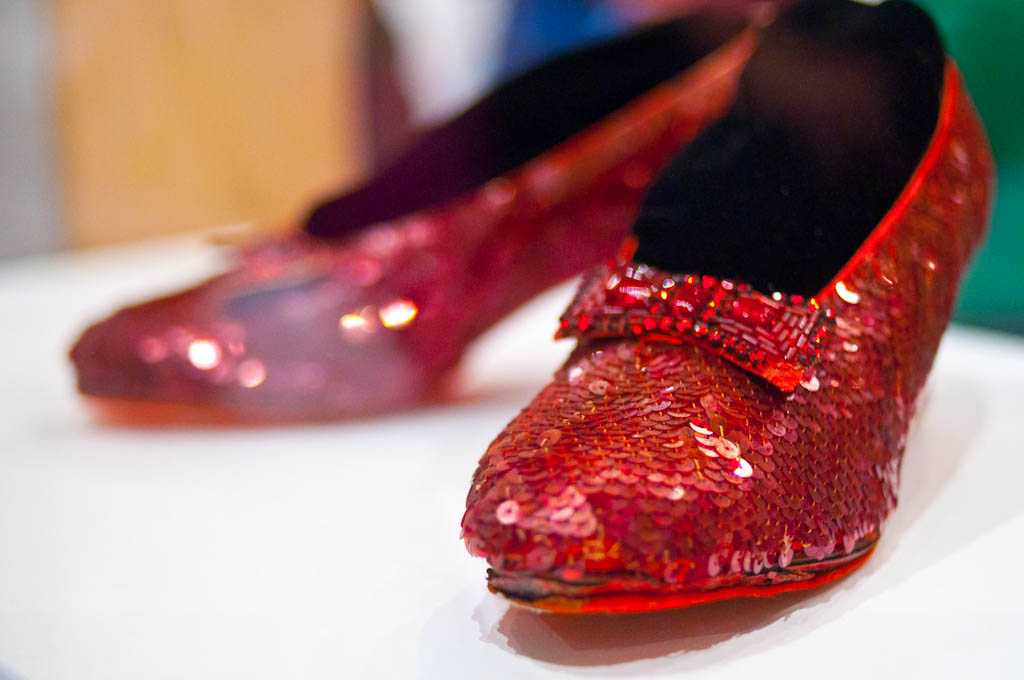
Few items in cinematic history are as universally recognized and beloved as Dorothy Gale’s ruby slippers from “The Wizard of Oz.” These shimmering shoes are not just a prop; they are a symbol of home, magic, and adventure, instantly transporting anyone who sees them back to the magical land of Oz. Their intrinsic connection to one of cinema’s most enduring classics makes them priceless cultural artifacts.
The saga of the ruby slippers, however, includes a particularly heartbreaking chapter: the theft of one of the four pairs. In 2005, thieves broke through a rear window of the Judy Garland Museum in Minnesota, destroying the display case and leaving behind only a lone sequin and an empty pedestal. This brazen act left the film world in shock, as a piece of history was snatched away.
Film historians and collectors have always valued these classic shoes immensely. Each slipper is adorned with an astonishing 2,300 sequins, contributing to their dazzling appearance on screen. At the time of the theft, this particular pair was insured for a staggering $1 million, a testament to their unparalleled value and iconic status.
The disappearance of these ruby slippers is more than just the loss of an expensive item; it’s the loss of a tangible link to a bygone era of moviemaking. The hope remains that someday, this stolen pair will click their heels and find their way back home, where they belong, to be admired by generations to come. Until then, their absence continues to fuel both fascination and a sense of wistful longing for their return.
Read more about: The Hidden Hoard: Hollywood’s Most Valuable Props and the Prop Masters Who Knew Their True Worth

2. James Bond’s Aston Martin DB5
When one thinks of James Bond, images of sophisticated gadgets, dangerous villains, and, of course, magnificent cars immediately come to mind. Among all of 007’s vehicles, the Aston Martin DB5 from “Goldfinger” stands out as perhaps the most iconic. It wasn’t just a car; it was a character in itself, equipped with legendary features like ejector seats and machine guns that made every chase scene an unforgettable spectacle.
This particular Aston Martin DB5, chassis number DP/2161/1, was one of four used for the Bond films, specifically featured in “Goldfinger” and “Thunderball.” After its glamorous cinematic career, this gadget-laden vehicle embarked on a convoluted journey that included appearing in 1981’s “The Cannonball Run” and being sold at auction in 1986 to businessman Anthony Pugliese for $275,000. It truly was a marvel of automotive and film engineering.
However, its most dramatic chapter occurred in June 1997 when the car mysteriously disappeared from an aircraft hangar in Florida. The theft was baffling, given the car’s distinctive appearance and the fact it was valued at about $4.6 million, making it a target that would be incredibly difficult to hide. It’s truly like someone managed to steal the Mona Lisa of the automotive world—instantly recognizable and completely irreplaceable.
The fate of chassis number DP/2161/1 remains an international adventure, mirroring the thrilling exploits of Bond himself. The vehicle’s disappearance adds another layer of intrigue to its already storied past. Despite extensive searches and enduring hopes, this legendary piece of movie history is still missing, leaving fans to wonder if it will ever resurface from the shadows.
Car Model Information: 2019 Honda Civic EX-L
Name: Aston Martin DB5
Manufacturer: Aston Martin
Production: 1963–1965 (1,059 units),2020 (25 units)
Assembly: Newport Pagnell,England
Designer: Carrozzeria Touring Superleggera
Class: Grand tourer
BodyStyle: coupé
Layout: Front-engine, rear-wheel-drive layout
Engine: DOHC,Straight-6,3995 cc
Order: flip
Abbr: on
Powerout: convert
Transmission: ZF Friedrichshafen
Length: 4570 mm
Width: 1680 mm
Wheelbase: 98.0 in
Predecessor: Aston Martin DB4
Successor: Aston Martin DB6
Doors: 2
Weight: 3311 lb
Sp: uk
Categories: All Wikipedia articles written in British English, Articles with short description, Aston Martin vehicles, CS1: unfit URL, Cars discontinued in 1965
Summary: The Aston Martin DB5 is a British grand tourer (GT) produced by Aston Martin and designed by Italian coachbuilder Carrozzeria Touring Superleggera. Originally produced from 1963 to 1965, the DB5 was an evolution of the final series of DB4. The “DB” designation is from the initials of David Brown who built up the company from 1947 onwards.
The DB5 is best-known for its role in the James Bond films. It was first driven by the fictional spy in the film Goldfinger (1964). In 2013, the car featured on a “British Auto Legends” postage stamp issued by the Royal Mail.
Get more information about: Aston Martin DB5
Buying a high-performing used car >>>
Brand: Aston Martin Model: DB5
Price: $17,747 Mileage: 88,993 mi.
Read more about: From Gadget-Filled Spymobiles to Time-Traveling Legends: 13 Classic Cars That Drove Hollywood History
3. Pulp Fiction’s Briefcase
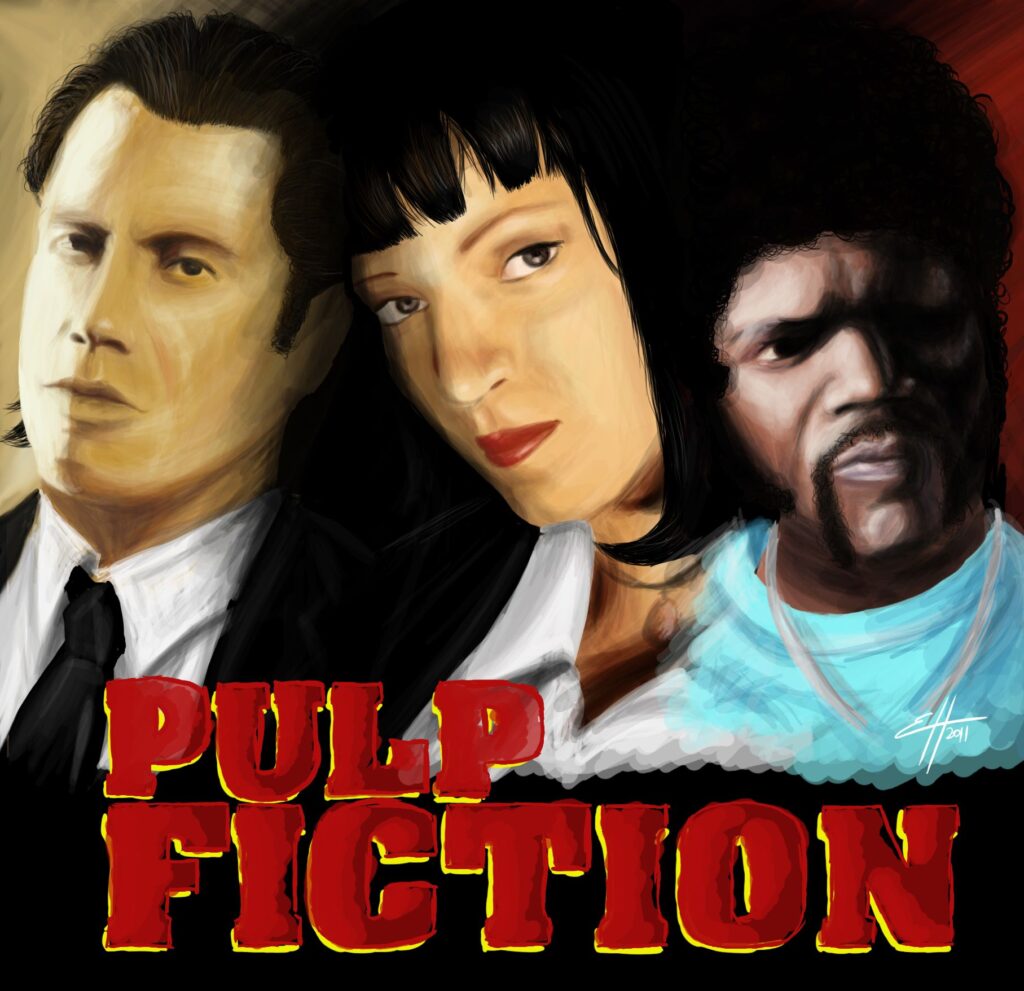
Quentin Tarantino’s “Pulp Fiction” is a masterpiece of modern cinema, full of memorable characters, quotable lines, and one utterly enigmatic prop: the mysterious glowing briefcase. Its contents were famously never revealed in the film, making it one of cinema’s greatest MacGuffins—a plot device that drives the story without its specific nature being important. This ambiguity has fueled fan theories and debates for decades.
Adding an even deeper layer of mystery to this already enigmatic object is the fact that the prop itself vanished shortly after filming wrapped. Unlike many other high-value props that are meticulously archived or sold at auction, the briefcase simply disappeared into the ether. This real-life vanishing act only enhances its legendary status, turning a fictional mystery into a tangible one.
For years, fans have speculated endlessly about what might have been inside that glowing case, ranging from a golden glow bulb to more outlandish theories. The prop’s disappearance means there’s no physical object to scrutinize for clues, forcing the mystery to live on solely in the realm of discussion and imagination. It’s a testament to the film’s cleverness that even a missing prop can maintain such a strong hold on popular culture.
The absence of the briefcase serves as a quirky, poetic footnote to the film’s legacy. It mirrors the film’s own refusal to provide easy answers, letting the viewer’s imagination do the heavy lifting. Finding this prop would not just be a recovery; it would be like cracking open a real-life cinematic puzzle, offering a tantalizing glimpse behind the curtain of one of Hollywood’s most beloved and perplexing films.

4. Charlie Chaplin’s Bowler Hat
For many, the image of Charlie Chaplin’s Little Tramp character is instantly recognizable: the baggy trousers, the oversized shoes, the cane, the distinctive mustache, and, of course, the ever-present bowler hat. This hat was far more than just an accessory; it was an essential component of Chaplin’s iconic silhouette, a symbol of the everyman struggling with dignity in an often-absurd world, known worldwide.
The significance of this humble prop is immense, representing an entire era of silent film and comedic genius. Imagine trying to picture the Little Tramp without his signature headwear—it’s practically impossible, as it completed a character that transcended language barriers and captivated global audiences for decades. Its simplicity belied its profound cultural impact.
Tragically, one of Chaplin’s signature bowler hats went missing from his estate sometime in the 1970s. The precise circumstances of its disappearance remain shrouded in mystery, leaving fans and historians to ponder its fate. The loss of such a personal and iconic item from the legend’s own collection only adds to the poignancy of its absence.
Finding this hat would be akin to discovering a missing piece of early cinema history, a direct link to one of the most influential figures in film. It is a tangible fragment of artistic brilliance, a reminder of the power of visual storytelling and the enduring appeal of a character who communicated volumes without uttering a single word. Its current whereabouts are a true enigma, a silent echo of a bygone era.
Read more about: Time-Tested Treasures: 14 Essential Older Films Every Movie Lover Needs to Experience

5. The Maltese Falcon Statue
In the shadowy world of 1941 film noir classic “The Maltese Falcon,” the black bird statuette is the ultimate prize, an object that every character is willing to lie, cheat, and even murder to possess. This elusive, jewel-encrusted falcon drives the entire intricate plot, becoming a focal point of greed, deception, and desire. Its fictional value is immense, reflecting the depth of human avarice.
What makes its real-life story even more compelling is that one of the two lead statuettes used in the film disappeared sometime after production wrapped. While a weighty, 45-pound metal version was famously purchased by casino mogul Steve Wynn for $4.1 million in 2013, with a Warner Bros. archivist allegedly authenticating it, questions still linger about other versions and the whereabouts of the original. The mystery of the prop mirrors the film’s own intricate plot.
The real-life disappearance of this specific prop perfectly mirrors the fictional object’s elusive nature within the film itself. It’s a prop that refuses to be definitively pinned down, maintaining a mystique that few other cinematic items can claim. For collectors, the Maltese Falcon isn’t just a prop; it’s a “Holy Grail” piece, embodying the allure and dark romance of classic Hollywood.
The debate about which of the various versions of the Falcon, including lighter plaster birds, might have been the true “original” or the one most prominently featured, only deepens the enigma. Regardless, the fact that a significant, valuable version vanished and its specific fate remains unknown adds layers to its already legendary status. It’s a testament to the power of a prop to transcend its on-screen role and become a compelling mystery in its own right.
Read more about: The Hidden Hoard: Hollywood’s Most Valuable Props and the Prop Masters Who Knew Their True Worth
6. The Wizard of Oz’s Cowardly Lion Costume
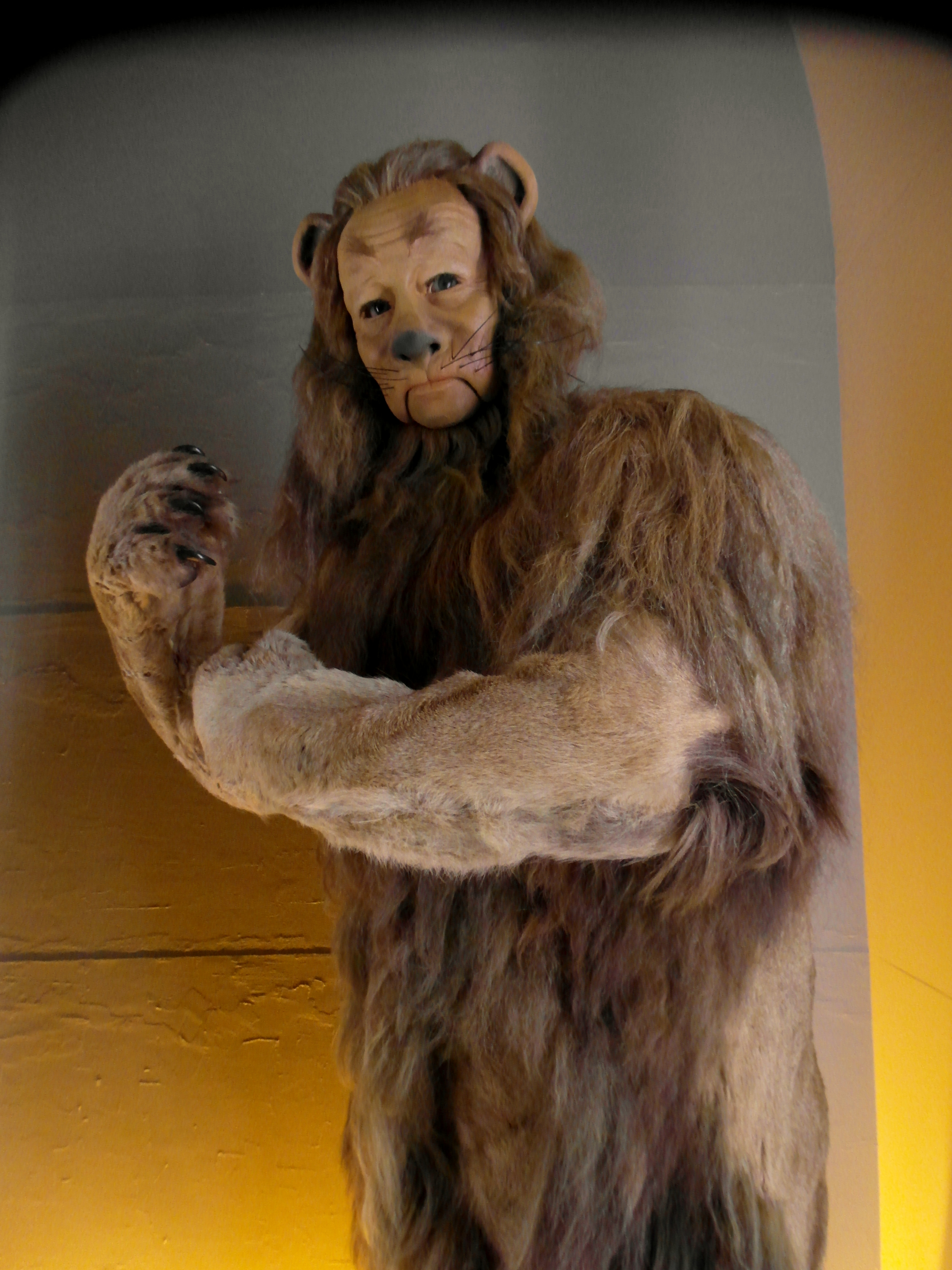
Bert Lahr’s portrayal of the Cowardly Lion in “The Wizard of Oz” is a triumph of character acting, bringing humor, pathos, and a surprising amount of courage to the beloved character. Integral to his performance was the incredible costume, a remarkable feat of craftsmanship for its time that truly brought the lion to life. This costume wasn’t merely fabric and stitching; it was a character in itself.
A little-known fact about this iconic costume is its unique construction: it was crafted from actual lion pelts, a practice that would understandably not be allowed in filmmaking today. Weighing nearly 60 pounds, wearing it was an absolute beast, and the intense heat from studio lights made it a true test of an actor’s endurance. Imagine performing under those conditions, carrying such a heavy load!
The original costume worn by Bert Lahr vanished for decades, adding another layer of intrigue to the film’s legacy. While a secondary version was discovered in 2014, and another authenticated costume was famously sold at a Bonhams auction in 2014 for an astonishing $3,070,000, the fate of that very first, long-lost original remains a mystery. The sheer value of the discovered costume only highlights the immense worth of the one that remains missing.
Although another version of the costume was found in a warehouse in a disheveled state and later restored and auctioned, the original’s long disappearance, and the questions surrounding it, contribute to its mythic status. This remarkable creation, a testament to golden-age Hollywood ingenuity and Lahr’s dedication, is a truly significant piece of film history that we hope will one day roar its way back into public view. Its absence leaves a palpable gap in the chronicles of Hollywood’s most treasured artifacts.

7. Rosebud Sled from Citizen Kane
Few objects in cinematic history carry as much symbolic weight as the “Rosebud” sled from Orson Welles’ masterpiece, “Citizen Kane.” This seemingly simple sled appears only briefly at the film’s climax, yet it unlocks the profound mystery of Charles Foster Kane’s dying word, representing his lost childhood and the innocence he could never reclaim, no matter his wealth or power. It’s a poignant reminder that some things, truly, money simply cannot buy.
The significance of Rosebud extends beyond its on-screen role; it became a powerful cultural touchstone. Kane’s relentless pursuit of power and possessions ultimately left him isolated and unfulfilled, and the sled serves as the ultimate metaphor for this emptiness. Its reveal provides a heartbreaking counterpoint to a life of ambition, encapsulating the film’s overarching themes of memory, regret, and the elusive nature of happiness.
Adding to its mystique, the history of the “Rosebud” props is almost as convoluted as Kane’s own life. Multiple sleds were apparently used during the film’s production. While one iconic version eventually made its way into the hands of none other than Steven Spielberg, who reportedly purchased it for $60,500, another equally important sled has vanished entirely. This missing prop adds a real-world layer of enigma to the film’s fictional one.
The disappearance of a second “Rosebud” sled feels almost poetically appropriate, given the film’s central themes. Just as Kane’s true happiness and innocence slipped away, so too has a tangible representation of that loss slipped from our grasp. It leaves film enthusiasts and historians with a lingering sense of mystery, a physical absence that mirrors the emotional void at the heart of Kane’s epic story.
Read more about: 14 Iconic Movie Props That Secretly Hinted at the Story

8. Luke Skywalker’s Original Lightsaber
For generations of science fiction fans, the lightsaber is more than just a weapon; it is the elegant and iconic blade of the Jedi, embodying their noble ideals and the eternal struggle against the Dark Side. Among all the lightsabers in the galaxy, Luke Skywalker’s original weapon, passed down from his father, Anakin, holds a special place, symbolizing the entire history of the Jedi Order and the hopes of a new generation. It is a prop that truly represents the heart of the “Star Wars” saga.
This crucial prop, which made its debut in “Star Wars: A New Hope” and later reappeared in “The Empire Strikes Back,” somehow vanished from the official archives. It’s a disappearance that borders on the inexplicable, given its immense cultural weight and the meticulous cataloging usually associated with such cinematic treasures. To lose such a central artifact from one of the most beloved film franchises in history is truly astounding.
The original lightsaber’s cultural and monetary value is, quite frankly, enormous. For dedicated “Star Wars” collectors, owning this piece of cinematic history would be the ultimate prize, connecting them directly to the epic narrative of good versus evil. Its tangible presence would offer a direct link to the pivotal moments where Luke began his journey as a Jedi, making it an artifact worth millions to the right enthusiast.
The fact that this particular lightsaber remains missing leaves a palpable void in the annals of movie prop history. Its absence means that a direct link to the origins of the Jedi’s most iconic symbol is lost to public view, existing only in the collective memory of fans. The quest to uncover its whereabouts continues, fueled by the hope that one day, this legendary weapon will illuminate a new path back to the archives where it belongs.
Read more about: Beyond Expectations: A Deep Dive into Cinema’s Most Unforgettable Twist Endings

9. Iron Man’s Original Suit
The year 2008 marked a pivotal moment in cinematic history with the release of “Iron Man,” a film that not only introduced audiences to Tony Stark but also ignited the Marvel Cinematic Universe as we know it. Central to this origin story was Iron Man’s original suit, the dazzling red and gold armor that symbolized Stark’s incredible transformation from a self-serving weapon manufacturer to a selfless superhero. It was a visual marvel and an instant icon.
However, this magnificent piece of movie history found itself at the center of a real-life mystery. In 2018, news broke that the very suit used in the groundbreaking 2008 film had been stolen from a warehouse. Valued at a substantial $325,000, this was no ordinary prop; it was the genesis point for countless superhero adventures and a testament to modern filmmaking. The theft sent shockwaves through the fan community and Hollywood alike.
What makes the disappearance of Iron Man’s original suit particularly puzzling is its sheer physical presence. Unlike smaller, easily concealed items, this prop is described as weighing a lot and being “about the size of a refrigerator.” Such a large and distinctive object would be incredibly difficult to transport and hide without attracting significant attention, making its vanishing act even more baffling for investigators and fans.
The missing suit represents the physical beginning of an cinematic empire that has captivated millions globally. Its absence means a tangible connection to the foundational film of the MCU is lost, denying enthusiasts the chance to witness the actual armor that first brought Tony Stark’s genius and heroism to life. The mystery surrounding its whereabouts remains a persistent, head-scratching footnote to the saga of Earth’s mightiest heroes.
Read more about: Remembering the Icons: We Bid Farewell to 13 American Figures Who Left an Indelible Mark in 2024
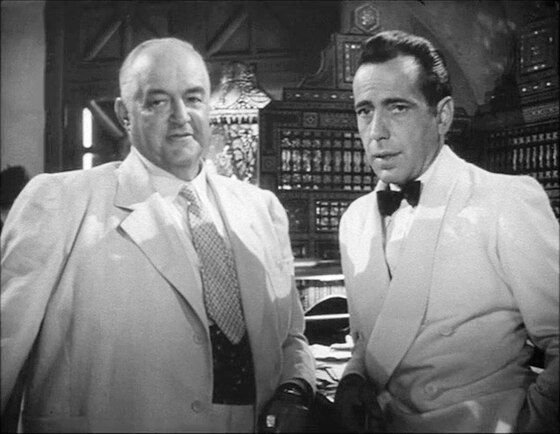
10. The Casablanca Piano
In the pantheon of cinematic moments, few are as enduringly romantic and emotionally charged as Sam playing “As Time Goes By” for Ilsa in “Casablanca.” The upright miniature piano, upon which Dooley Wilson’s character famously performed this melancholic tune, is far more than mere set dressing; it serves as the unforgettable focal point of one of the most beloved and instantly recognizable scenes in film history, resonating with themes of lost love and memory.
This iconic instrument, however, has a rather convoluted past, shrouded in a peculiar real-life mystery. It’s known that there were at least two versions of the piano. While one particular version has made appearances at auctions, fetching considerable sums and being celebrated as a piece of film lore, another key version of the piano has inexplicably vanished. This duality adds a layer of intrigue to an already legendary prop.
The fact that a significant version of this piano remains lost to history is a source of frustration for film preservationists and collectors alike. Its immense cultural value is undisputed; it literally set the stage for one of cinema’s most famous lines (“Play it, Sam”) and encapsulated the film’s poignant narrative. Should this missing piano ever resurface, its worth would undoubtedly soar into the millions of dollars, a testament to its unparalleled legacy.
Until that day, the whereabouts of the vanished “Casablanca” piano remain unknown, leaving an empty space in the physical archives of Hollywood. Its absence compels us to rely on our memories of the film, cherishing the indelible image of Sam at the keys, even if the actual prop continues its own mysterious journey through time, much like the timeless melody it once produced.
Read more about: The Hidden Hoard: Hollywood’s Most Valuable Props and the Prop Masters Who Knew Their True Worth

11. Batman’s Batmobile
When the Bat-Signal first flared across television screens in the 1960s, it signaled not only the arrival of the Caped Crusader but also the debut of arguably the most iconic superhero vehicle ever conceived: the Batmobile. This custom-built marvel, originally a Lincoln Futura concept car, transcended its origins to define what the Batmobile would look like for generations of fans, setting a benchmark for crime-fighting conveyances with its distinctive fins and futuristic flair.
Despite its colossal cultural footprint and instantly recognizable design, one of the original Batmobiles from that legendary 1960s television series simply vanished without explanation. It’s a disappearance as mysterious as any case Batman himself might tackle, leaving fans and historians scratching their heads. How could such a prominent piece of pop culture history just fade away?
The sheer scale and uniqueness of the vehicle make its disappearance particularly baffling. We’re talking about a vehicle that measures “19-foot length and distinctive appearance” – not exactly something that could be tucked away unnoticed in a garage or “parallel park unnoticed” on a busy street. Its theft or mysterious vanishing act defies logic, suggesting a highly elaborate scheme or an incredibly fortunate, yet illicit, hiding spot.
The missing Batmobile leaves a significant void in the tangible history of superhero lore. It’s not just a car; it’s a symbol of justice, a beacon of retro-cool, and a testament to the imaginative spirit of a bygone era in television. Until it speeds back into public view, its phantom presence will continue to fuel speculation and longing among generations of Gotham’s greatest defender’s admirers.
Read more about: The Million-Dollar Memories: Unveiling 15 Legendary Movie Props That Sold for Unbelievable Fortunes

12. Jaws’ Mechanical Shark
In 1975, Steven Spielberg unleashed “Jaws” upon an unsuspecting world, forever changing the landscape of summer blockbusters and instilling a primal fear of the ocean’s depths. Central to this terrifying tale was the film’s star antagonist: the massive mechanical shark, affectionately nicknamed “Bruce.” This 25-foot prop became an unforgettable symbol of aquatic terror, even if its real-life journey was far less graceful.
Ironically, Bruce’s technical shortcomings during filming became one of the film’s greatest strengths. The mechanical shark “frequently malfunctioned,” forcing Spielberg to adopt a brilliant, suspenseful approach: hiding the shark. This technical limitation inadvertently created the film’s iconic, slow-burn tension, proving a timeless cinematic truth: “what you can’t see is often scarier than what you can.” The unseen predator was far more frightening.
After its star-making turn, the fate of one of these pivotal mechanical sharks took a rather ignominious turn. This imposing prop, integral to one of the most famous horror films of all time, “disappeared after production” and was eventually “left to rot in a junkyard.” It’s a shocking lack of foresight for an object that would become so historically significant.
Today, while replicas have been lovingly crafted, and one now resides proudly at the Academy Museum of Motion Pictures, the original shark that instilled fear in millions is “long gone.” Its disappearance, whether by explicit disposal or gradual decay, marks the loss of a tangible piece of cinematic legend. The mystery of its final resting place, or if any fragments still exist, continues to pique the curiosity of film historians and fans who appreciate the raw, mechanical magic of early special effects.
As we’ve journeyed through the perplexing tales of these 12 incredibly expensive and iconic movie props, it becomes abundantly clear that these aren’t just mere objects; they are vital threads woven into the fabric of our collective cultural memory. They’re tangible fragments from the dream factory, each carrying stories not only from the films they graced but also from the ingenious craftspeople who brought them to life and the legendary actors who wielded them on screen.
These vanished props represent more than just missing memorabilia; they are indeed lost pieces of cultural history that helped shape our imaginations. The ongoing search for these phantom objects is a testament to their enduring power, a quest that unites film historians, dedicated collectors, and curious fans. Until these treasures perhaps one day resurface from forgotten storage units or dusty estate sales, they will continue to exist in a captivating space – eternally present in our minds, yet tantalizingly absent from the physical world. Their mysteries, in a way, make them even more legendary, reminding us that sometimes, the greatest magic lies in what remains just out of reach.