Classic cars represent more than just vehicles; they are passion projects, tangible symbols of a bygone era, and for many, potential investments that evoke a deep sense of nostalgia and appreciation for automotive history. The allure of these vintage machines often draws enthusiasts into a world of intricate mechanics, timeless design, and a vibrant community. However, beneath the gleaming chrome and elegant lines, there frequently lie hidden costs and complexities that can transform a dream acquisition into a significant financial undertaking right from the outset.
Embarking on the journey of classic car ownership, whether for restoration as a personal project or simply to keep a cherished vehicle roadworthy, requires a clear-eyed understanding of the potential repair bills. The romantic notion of a barn find or a neglected vintage auto often gives way to the stark reality that no major restoration is cheap or easy. Even the most meticulously planned projects can incur additional, unexpected costs and demand considerable time and specialized expertise. This article serves as a crucial guide for those considering an investment in these iconic automobiles, highlighting specific models and common issues that will almost certainly require substantial financial outlay—often exceeding $50,000—immediately after purchase.
Our aim is to empower consumers with practical, actionable advice, drawing on independent research and data to provide unbiased and credible information. We will delve into the specific challenges and long-term ownership costs associated with certain collector cars, emphasizing reliability and value while shedding light on potential pitfalls and hidden expenses. By understanding what you might be getting into, you can approach your classic car acquisition with preparedness and a more realistic budget, avoiding costly surprises down the road and ensuring your passion project remains a source of joy, not financial stress.
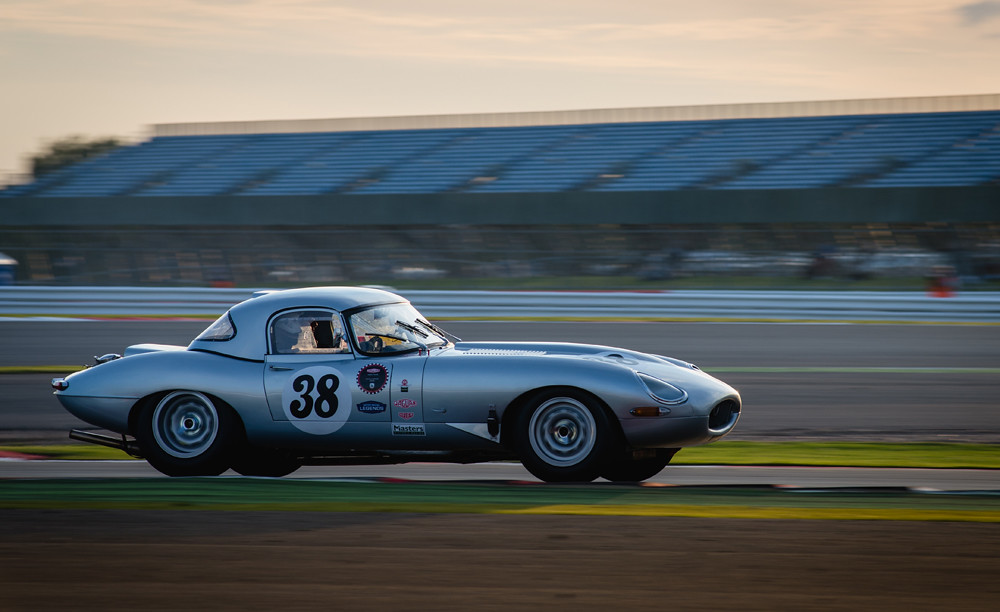
1. Jaguar E-Type: The Quintessential Money Pit
The Jaguar E-Type, a head-turning icon of the 1960s, is undeniably one of the most beautiful cars ever made. Its sleek design and undeniable presence make it a highly coveted collector’s item. However, beneath its alluring exterior lies a complex system with its fair share of inherent challenges that can quickly drain a new owner’s wallet.
Jaguar E-Types are notoriously known for their complex and often finicky engines. Whether a car has the straight-six XK or V12 engine, it will demand regular, often specialized, maintenance to ensure it remains in good running condition. Parts for these engines are not only rare but also typically expensive, making routine servicing a significant ongoing cost.
Beyond the engine, rust stands as the E-Type’s formidable enemy, relentlessly consuming both the body and frame. A thorough pre-purchase inspection is critical, but even then, hidden rust can emerge, requiring extensive and costly bodywork. Furthermore, a common major repair, clutch replacement, is particularly arduous for the E-Type; it necessitates the entire engine to be removed from the car before the work can even begin, translating into exceptionally high labor costs.
Car Model Information: 1971 Jaguar E-Type Restomod
Sp: uk
Name: Jaguar E-Type
Caption: 1961 E-Type Series 1 3.8-Litre, the first production model of this open two-seater
Aka: Jaguar XK-E (North America),Jaguar V-12
Manufacturer: Jaguar Cars
Production: 1961–1974
Class: Sports car
Predecessor: Jaguar XK150
Related: Jaguar D-Type,Jaguar XJ13
Successor: Jaguar XJS
Layout: FMR layout
Assembly: Coventry,England
Designer: Malcolm Sayer
Categories: 1970s cars, 2+2 coupés, All Wikipedia articles written in British English, All articles with dead external links, All articles with specifically marked weasel-worded phrases
Summary: The Jaguar E-Type, or the Jaguar XK-E for the North American market, is a British front mid-engined sports car that was manufactured by Jaguar Cars Ltd from 1961 to 1974. Its sleek appearance, advanced technologies, high performance, and competitive pricing established it as an icon. The E-Type’s claimed 150 miles per hour (240 km/h) top speed, sub-7-second 0 to 60 mph (97 km/h) acceleration, largely unitary body construction, front and rear independent suspension with disc brakes, mounted inboard at the rear, and rack-and-pinion steering spurred industry-wide changes.
The E-Type was based on Jaguar’s D-Type racing car, which had won the 24 Hours of Le Mans for three consecutive years beginning in 1955.
The E-Type employed what was, for the early 1960s, a novel design principle, with a front subframe carrying the engine, front suspension and front bodywork bolted directly to the body tub. No ladder frame chassis, as was common at the time, was needed and as such the first cars weighed only 1,315 kg (2,899 lb).
It is rumored that, on its debut on 15 March 1961, Enzo Ferrari called it “the most beautiful car ever made”, but this statement is not fully confirmed. In 2004, Sports Car International magazine placed the E-Type at number one on their list of Top Sports Cars of the 1960s. In March 2008, the Jaguar E-Type ranked first in The Daily Telegraph’s online list of the world’s “100 most beautiful cars” of all time.
Get more information about: Jaguar E-Type
Buying a high-performing used car >>>
Brand: Jaguar Model: E-Type
Price: $64,900 Mileage: 2,455 mi.
Read more about: Beyond Bond: Sean Connery’s Iconic Automotive Legacy – A Deep Dive into the Classic Cars He Made Famous
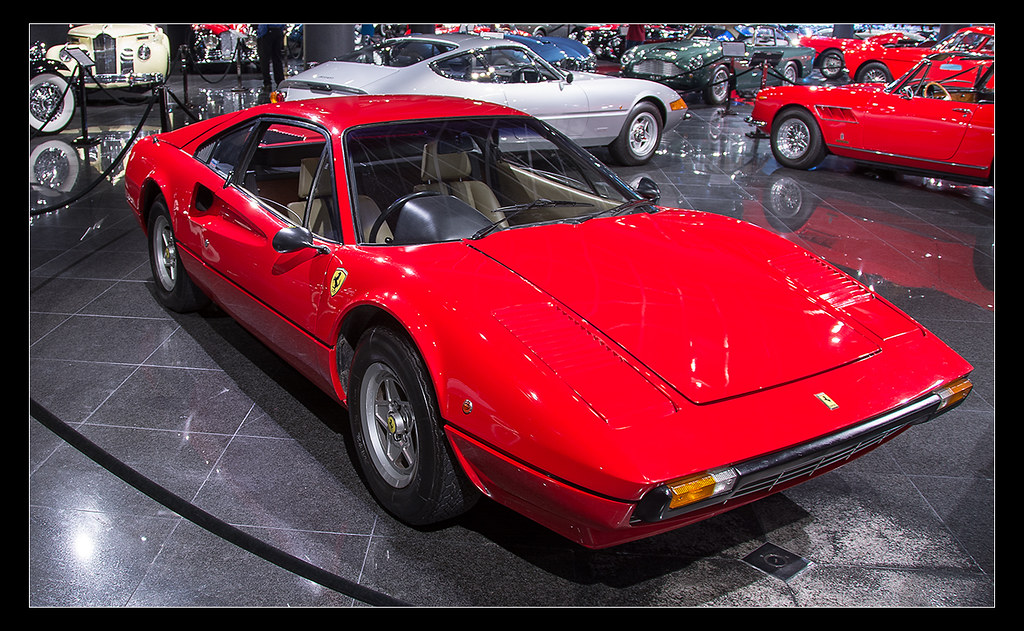
2. Ferrari 308: A Prancing Horse with Pricy Demands
The Ferrari 308 holds a special place in the hearts of collectors, revered for its iconic design and exhilarating performance. Owning a Ferrari is often a dream, but maintaining a 308 isn’t for those with a faint heart or a thin wallet. The high cost of ownership is a well-documented aspect of the Ferrari experience, and the 308 is no exception.
Ferrari parts are notoriously expensive, and the specialized labor required for their repair is equally steep. If your 308 requires significant repairs, you will almost certainly need to engage a specialist Ferrari technician. The expertise and specialized tools required for these vehicles come at a premium, and these costs are invariably reflected in the final repair bill.
One of the most common and significant major repairs for the Ferrari 308 is the timing belt replacement. This critical maintenance item is recommended every 30,000 miles or five years, whichever comes first, to prevent catastrophic engine damage. Depending on labor rates and the specific parts needed, this essential service can easily run anywhere from $3,000 to $5,000, making it a regular and substantial expense that new owners must anticipate.
Car Model Information: 1977 Ferrari 308 GTB
Name: Ferrari 308 GTB and GTS
Manufacturer: Ferrari
Production: 1975–1985
Assembly: Maranello
Designer: Leonardo Fioravanti (engineer)
Class: Sports car
BodyStyle: Berlinetta
Layout: Transverse engine,Rear mid-engine, rear-wheel-drive layout
Related: Ferrari GT4,Ferrari Mondial,Ferrari 288 GTO
Wheelbase: convert
Length: 4230 mm
Abbr: on
Width: 1720 mm
Height: 1120 mm
Predecessor: Dino 206 GT and 246 GT
Successor: Ferrari 328
Sp: uk
Caption: 1976 Ferrari 308 GTB
Categories: 1980s cars, All articles with dead external links, Articles with dead external links from August 2025, Articles with permanently dead external links, Articles with short description
Summary: The Ferrari 308 GTB berlinetta and targa-topped 308 GTS are V8 mid-engined, two-seater sports cars manufactured by the Italian company Ferrari from 1975 until 1985. The 308 replaced the Dino 246 GT and GTS in 1975 and was updated as the 328 GTB/GTS in 1985. The similar 208 GTB and GTS were equipped with a smaller, initially naturally aspirated and later turbocharged, two-litre engine, and were sold mainly in Italy.
Get more information about: Ferrari 308 GTB/GTS
Buying a high-performing used car >>>
Brand: Ferrari Model: 308
Price: $79,980 Mileage: 63,744 mi.

3. Porsche 911 (Pre-1990s): The Air-Cooled Anomaly
The pre-1990s Porsche 911 enjoys cult status among car enthusiasts, celebrated for its distinctive air-cooled engine and engaging driving dynamics. This generation of 911s represents a purist’s choice, embodying a raw, mechanical connection to the road. However, it’s a widely acknowledged fact that keeping one of these beloved machines in prime condition is a costly endeavor.
The unique air-cooled engine, while cherished by enthusiasts for its character, is also known to be prone to oil leaks. These leaks, if left unaddressed, can lead to more serious problems and are a clear indicator that the engine requires regular and meticulous attention. The intricate nature of these powerplants means that even routine maintenance can be more involved and expensive than for a conventional water-cooled engine.
Should a new owner find themselves facing the need for a full engine rebuild for a pre-1990s 911, they should brace for a significant financial hit. According to specialist owners’ forums, such an extensive overhaul can easily exceed $10,000. This potential repair underscores the importance of a thorough pre-purchase inspection by a Porsche specialist, as an engine rebuild represents a substantial portion of the car’s initial purchase price and certainly pushes towards that $50K repair threshold when combined with other issues.
Car Model Information: 2020 Porsche 911 Carrera
Name: Porsche 911
Caption: The 1 millionth 911 produced on display at Volkswagen Group Forum, Berlin
Designer: Ferdinand Alexander Porsche
Manufacturer: Porsche
Production: September 1964 – present
Assembly: Stuttgart,Baden-Württemberg
Class: Sports car
BodyStyle: unbulleted list
Related: unbulleted list
Layout: Rear-engine design,rear-wheel drive
Predecessor: Porsche 356
Categories: 1970s cars, 1980s cars, 1990s cars, 2+2 coupés, 2000s cars
Summary: The Porsche 911 model series (pronounced Nine Eleven or in German: Neunelf) is a family of German two-door, high performance rear-engine sports cars, introduced in September 1964 by Porsche AG of Stuttgart, Germany, and now in its eighth generation. All 911s have a rear-mounted flat-six engine, and usually 2+2 seating, except for special 2-seater variants. Originally, 911s had air-cooled engines, and torsion bar suspension, but the 911 has been continuously enhanced, and evolved across generations. Though the 911 core concept has remained largely unchanged, water-cooled engines were introduced with the 996 series in 1998, and front and rear suspension have been replaced by Porsche-specific MacPherson suspension up front, and independent multi-link rear suspension.
The 911 has been raced extensively by private and factory teams, in a variety of classes. It is among the most successful competition cars. In the mid-1970s, the naturally aspirated 911 Carrera RSR won world championship races including Targa Florio and the 24 Hours of Daytona. The 911-derived 935 turbo also won the 24 Hours of Le Mans in 1979. Porsche won the World Championship for Makes in 1976, 1977, 1978, and 1979 with 911-derived models.
In a 1999 poll to determine the Car of the Century, the 911 ranked fifth — one of two in the top five that had remained continuously in production (the original Beetle remained in production until 2003). The one millionth example was manufactured in May 2017 and is in the company’s permanent collection.
Get more information about: Porsche 911
Buying a high-performing used car >>>
Brand: Porsche Model: 911
Price: $119,980 Mileage: 8,387 mi.

4. Mercedes-Benz 280SL ‘Pagoda’: Elegance with a Price Tag
The Mercedes-Benz 280SL, affectionately known as the “Pagoda” due to its distinctive hardtop roofline, is the very definition of timeless elegance and sophisticated engineering. Its classic lines and refined driving experience make it a highly desirable collector car. Yet, as with many vehicles of such pedigree, this elegance inevitably comes at a significant cost, especially when restoration or major repairs are required.
Maintaining a 280SL ‘Pagoda’ often necessitates specialized knowledge, not just from a general mechanic but from technicians specifically experienced with vintage Mercedes-Benz models. Furthermore, finding replacement parts for these cars can be a challenging and expensive exercise. Many components are neither cheap nor readily available, often requiring diligent sourcing or even custom fabrication, adding both time and expense to any repair project.
Common issues that plague the 280SL include electrical and mechanical problems. These can range from minor annoyances to major system failures that demand immediate attention. Should the engine or transmission require a rebuild, new owners can easily anticipate these critical repairs to exceed five figures. Such extensive work, often unforeseen at the point of purchase, quickly contributes to the substantial repair costs that can amount to tens of thousands of dollars.
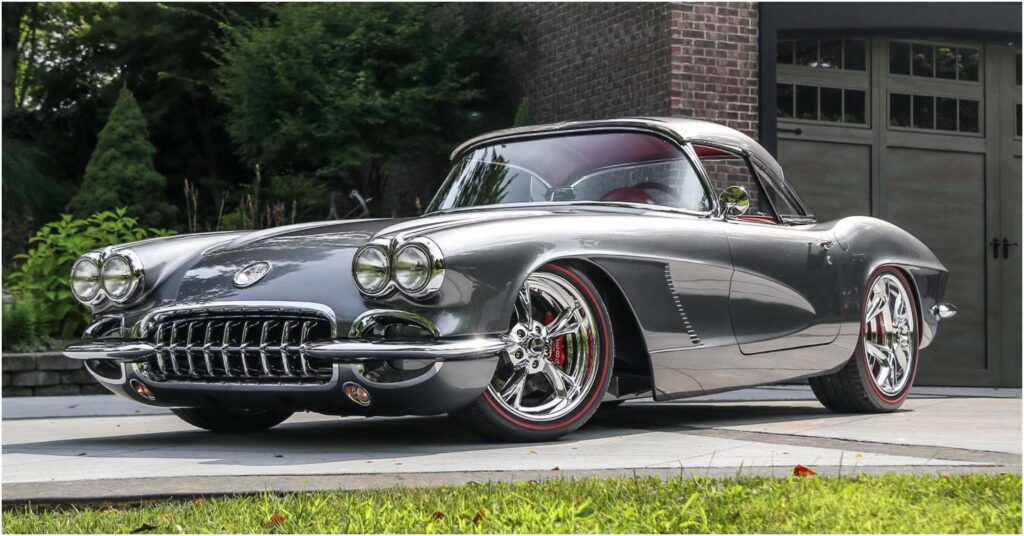
5. Any Classic Car with Extensive Frame Damage: The Structural Nightmare
Beyond specific models, any classic car presenting with extensive frame damage immediately signals a restoration project that will demand an enormous financial outlay. The frame is the backbone of the vehicle, and structural integrity is paramount for safety, handling, and the overall value of the car. Damage to this critical component is not merely cosmetic; it is fundamental and requires specialized expertise and significant labor.
Restoring a damaged frame often involves complex processes such as manual cutting out of old, rusted, or compromised sections and precisely welding in new ones. Parts like rocker panels, cab corners, floor pans, and aprons frequently need to be replaced due to rust or impact damage. These individual panel replacements can be shockingly expensive, with rocker panels alone potentially costing $2,000 to $6,000 per panel.
The labor involved in frame restoration is intensive and highly skilled. Each part of the frame can take anywhere from 4 to 12 hours to remove and install, even if done by experienced professionals. When you consider multiple damaged sections, these hours quickly accumulate, pushing labor costs well into the tens of thousands of dollars. A significant frame restoration can easily represent a substantial portion of the projected $50,000 repair bill, making a car with such issues a prime candidate for immediate, high-cost investment.
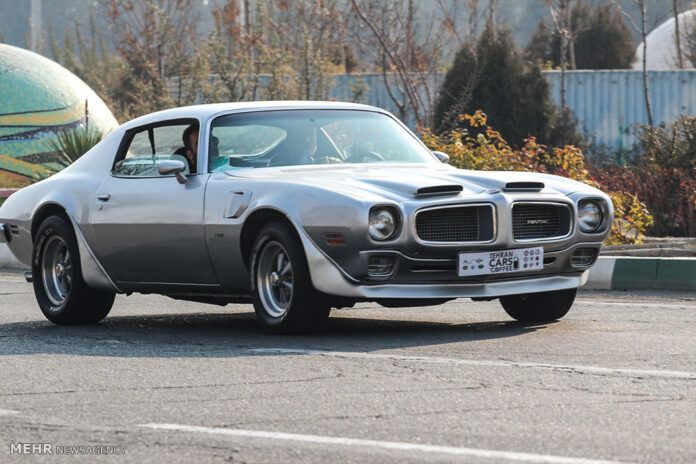
6. Any Classic Car Requiring a Full Engine Rebuild: The Heart of the Matter
The engine is the heart of any classic car, and if it requires a full rebuild, a new owner is looking at one of the most significant and expensive components of a restoration project. Many factors contribute to the necessity of an engine rebuild, including prolonged disuse, inadequate maintenance, or simply the ravages of time. A car purchased with an engine in this condition will immediately require a substantial financial commitment.
An engine restoration involves a complete teardown of the entire unit. This meticulous process includes inspecting, cleaning, and often replacing damaged internal parts and belts. Critical components such as intake and output shafts may need to be replaced or refinished, bearings exchanged for new ones, and everything regreased to ensure proper function and longevity. This is not a task for the inexperienced or the impatient.
Professional technicians can spend 20 or more hours on an engine rebuild, and this figure does not account for the time it takes to remove and reinstall the engine, which can be considerable. Depending on the engine’s complexity, the availability of parts, and the specific components needing replacement, the total cost for parts and labor for an engine rebuild can range from $2,500 to $10,000. For rare or highly specialized engines, these figures can be even higher, making a distressed engine a clear indicator of immediate, high post-purchase expenses.” , “_words_section1”: “1945

7. Any Classic Car Requiring a Complete Suspension Overhaul
For many classic car enthusiasts, the dream of cruising in a vintage vehicle is often accompanied by the reality of its mechanical condition. One area frequently demanding significant attention, and an often-underestimated expense, is the suspension system. If a car has been sitting for years or driven extensively without proper care, a complete suspension overhaul is almost certainly on the horizon, presenting a substantial financial hurdle right after purchase.
The suspension is vital for both a comfortable ride and safe handling. Over time, components such as shocks, struts, tie rods, coils, ball joints, socket assemblies, and bushings degrade. The older these parts are, the less smoothly your classic car will drive, compromising its performance and your enjoyment. Restoring a vehicle to a “like-new” condition invariably means inspecting, and often replacing, these critical steering and suspension elements to ensure both functionality and safety.
Replacing these numerous suspension parts can quickly add up. While the cost is highly variable depending on the specific car and parts availability, you can expect the full job to typically fall between “$2,500 and $5,000.” However, for certain vehicles or if particular specialized components are needed, replacing those parts “may cost upwards of $10,000 for a car.” This substantial investment is necessary to restore the car’s ride quality, handling, and overall structural integrity, making it a critical consideration for any buyer.
A complete suspension overhaul involves not just the cost of parts, but also significant labor. Professionals will spend hours meticulously removing old, worn components and installing new ones, aligning the system to factory specifications. This attention to detail ensures that your classic isn’t just a showpiece, but also a joy to drive, providing stability and responsiveness on the road. Without addressing these issues, you risk not only a subpar driving experience but also potential safety hazards.
Read more about: Behind the Hook: What Tow Truck Drivers *Really* Think About Your High-Mileage Truck
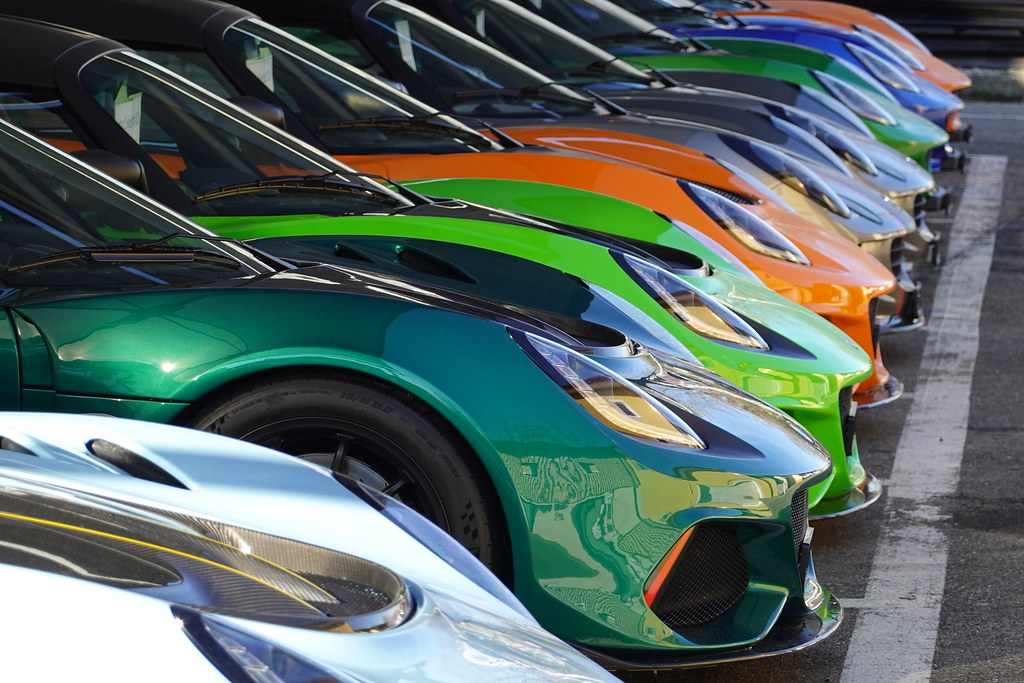
8. Any Classic Car with Major Exterior Deterioration
Beyond minor dings and faded paint, classic cars often present with “major exterior deterioration,” which encompasses severe rust and significant body damage that goes deep into the vehicle’s structure. This level of damage requires much more than a simple cosmetic refresh; it necessitates extensive bodywork that can easily push repair costs into the $50,000 bracket right from the start. Ignoring these issues means the car’s beauty, and its structural integrity, will remain severely compromised.
Exterior restorations for severely deteriorated cars often involve a rigorous multi-step process. “Some body shops prefer to work by completely stripping the car, removing the engine, suspension, and transmission, and then sandblasting the old frame.” This extreme measure is taken to eliminate as much “old dirt and rust as possible” from the foundational elements. Only then can the true extent of the damage be assessed and addressed.
Following the stripping and cleaning, the hands-on work begins, which is both labor-intensive and costly. Technicians “might then have to cut out and patch rusty parts of the body” or “replace paneling on a panel-by-panel basis.” Repairing dents, whether by “hammering out dents or using suction cup methods,” also adds to the complexity. Each of these intricate steps demands specialized skills and considerable time to ensure precision and a flawless finish, contributing substantially to the overall budget.
The costs associated with this detailed exterior work are significant. Each stage, from rust removal and dent repair to patching and panel replacement, “can cost between $1,000 and $4,000+.” These rates fluctuate based on the current condition of the car and the specific methods required. When multiple panels are affected, or when deep structural rust mandates extensive repairs, these figures multiply rapidly, making exterior deterioration a primary driver of high post-purchase expenses.
Finally, once all structural and panel repairs are complete, the vehicle requires a full repaint. This isn’t just about aesthetics; a high-quality paint job protects the newly restored metal from future corrosion. The preparation alone, including sealing and priming, demands meticulous work. This final step further adds to the considerable investment, emphasizing why major exterior deterioration is a clear warning sign of impending high restoration costs for any classic car enthusiast.
Read more about: The $50,000 Mistakes: Essential Rules to Master Before Buying Your Dream Classic Car

9. Any Classic Car with a Severely Degraded Interior
The interior of a classic car plays a crucial role in its overall appeal, comfort, and value, yet it is an area that often suffers severe degradation over decades of use and exposure. A “severely degraded interior” goes beyond simple wear and tear; it implies compromised upholstery, damaged trim, brittle dashboards, and worn-out seating that demand a comprehensive overhaul. For a new owner, this level of interior decay represents a substantial, immediate investment.
A full interior restoration is an exhaustive process, involving the complete removal of all “upholstery, fabric, trim, and seating.” Once stripped, the underlying components are thoroughly “clean[ed], re-pad[ded], and refinish[ed].” This often means selecting new, period-appropriate fabrics to line the car, meticulously re-padding door handles, and either reupholstering existing seats or replacing them entirely. The decision to replace seating, especially for older, more deteriorated pieces, can add a significant cost.
The scope of interior components requiring attention is broad and detailed, ranging from the obvious to the subtle. This includes “Seats, Headliner, Liner, Trim and paneling, Steering wheel, Dashboard paneling, Gauges and dials, Buttons, Radio, Floorboards, Seatbelts.” Each of these items might need individual cleaning, repair, or replacement. While it’s sometimes possible to restore items incrementally, for a truly “like-new” finish, stripping the entire interior and addressing all issues at once is often the most efficient, albeit expensive, approach.
The time and monetary commitment for such an extensive interior overhaul are considerable. Time estimates for a full interior job can vary significantly, from “a minimum of 8-12 hours and a maximum of about 30 hours.” Financially, this can translate to “anywhere between about $500 and upwards of $6,000” for labor and materials. If new seating is required, especially for specialized classic models, you can “pay a significant amount for those as well,” further escalating the total outlay. This careful and precise work ensures that the interior becomes a comfortable and aesthetically pleasing space once more.
Read more about: Unlocking Peak Efficiency: Engineer-Backed Strategies to Boost Your Car’s MPG by 10 Without Changing Your Route
10. Any Classic Car with Unforeseen Mechanical and Electrical Issues
One of the most insidious financial pitfalls in classic car ownership is the “lurking dangers of unforeseen mechanical and electrical issues.” While an initial inspection might reveal obvious problems, many deeper, more complex issues remain hidden until the restoration process begins. These unexpected discoveries can quickly derail budgets, adding thousands to the immediate repair bill for any new classic car owner.
Mechanical issues are a common culprit for unforeseen expenses. During disassembly for bodywork or engine access, technicians may “uncover rust, body damage, or mechanical issues that were not initially visible.” This could range from worn bearings and failing seals to cracked components that require immediate and expensive attention. For instance, even the Mercedes-Benz 280SL ‘Pagoda’ is known for “electrical and mechanical issues” that demand specialized knowledge and costly parts, demonstrating that even prestigious marques are not immune.
Electrical systems in classic cars are particularly prone to age-related problems and can be a significant source of “unforeseen mechanical and electrical issues.” Original wiring harnesses can become brittle, frayed, or corroded over decades, leading to intermittent failures or even fire hazards. Restoring these intricate systems involves “troubleshooting wiring, replacing components such as the ignition system or lighting, and ensuring that all electrical systems function correctly.” This work is highly specialized, and “Electricians with experience in classic car restorations typically charge between $75 and $120 per hour, given the intricacy and safety considerations involved.”
The cumulative effect of these unexpected repairs can be financially devastating. What seems like a manageable project on paper can quickly balloon in cost as layer after layer of hidden problems are uncovered. Each additional mechanical or electrical issue demands specific parts, specialized labor, and valuable time, pushing the total repair costs well beyond initial estimates. Prospective buyers must factor in a significant contingency fund for these “unforeseen” challenges, as they are almost a certainty in classic car restoration.
Read more about: Beyond the Dream: Unpacking the Eye-Watering Hidden Costs of Porsche 911 Ownership That Most Enthusiasts Overlook
11. Any Classic Car with Extreme Parts Scarcity
The dream of restoring a classic car can often collide with the “budget-busting reality of extreme parts scarcity.” For many vintage models, particularly rare or less common ones, finding original or even reproduction parts is a monumental challenge. This scarcity directly impacts both the timeline and the financial viability of a restoration project, quickly driving immediate post-purchase repair costs beyond reasonable expectations.
When essential components are difficult to source, the impact on your budget can be severe. “Original or reproduction parts may be more difficult to source than anticipated,” and for these rare components, “Prices can skyrocket.” This forces restorers into a costly dilemma: either pay exorbitant prices for limited existing stock, or resort to custom fabrication. Custom-made parts, while ensuring authenticity and fit, invariably come with a premium price tag due to the specialized craftsmanship required. Even “shipping costs can add to this expense” when parts must be sourced internationally.
The older and more unique a vehicle is, the more pronounced the problem of parts availability becomes. “The older your vehicle, the more likely it is you’ll have to custom order parts.” This not only adds to the financial outlay but also significantly extends the project timeline. A car could “stay at the shop for weeks or even months” simply waiting for a custom-ordered engine part or a rare body panel to arrive. Such delays incur additional “lot fee” charges, even if no active work is being done on the car, adding another layer of unexpected expense.
The financial strain of parts scarcity is a critical factor for any potential classic car owner to consider. Unlike modern vehicles where parts are readily available, vintage models require diligent sourcing and often involve higher costs. As highlighted by the Mercedes-Benz 280SL ‘Pagoda’, “finding replacement parts for these cars can be a challenging and expensive exercise.” This means that even before labor costs are tallied, the sheer expense and difficulty in acquiring necessary components can immediately push a restoration budget well past the $50,000 mark.
Therefore, thorough research into parts availability and pricing for a specific make and model is paramount before committing to a purchase. Understanding this “extreme parts scarcity” beforehand can save you from a project that becomes unmanageable due to unending waits and escalating costs, ensuring that your passion for automotive history doesn’t become a financial burden.
**Conclusion: Navigating the Road to Classic Car Ownership**
Bringing a classic car back to its former glory is an immensely rewarding journey, offering a unique connection to automotive heritage and the satisfaction of preserving history. However, as this comprehensive guide illustrates, it’s a path strewn with potential financial potholes that demand careful planning and a realistic budget. From model-specific engine woes and intricate frame damage to the hidden costs of suspension overhauls, exterior deterioration, degraded interiors, unforeseen mechanical issues, and the formidable challenge of parts scarcity, each aspect can significantly impact your investment.
Read more about: Beyond Myth and Legend: Unearthing 15 of the Rarest American Muscle Cars Ever Built
The key to a successful and enjoyable classic car restoration lies in meticulous research and a clear-eyed understanding of what you’re getting into. Prioritize a thorough pre-purchase inspection by a specialist, develop a detailed budget that includes generous contingencies for unexpected repairs, and research the availability and cost of parts for your chosen vehicle. By empowering yourself with this knowledge, you can navigate the complexities of classic car ownership, transform a potential money pit into a cherished masterpiece, and truly savor the timeless elegance and mechanical artistry of these magnificent machines. Your passion deserves a prepared approach, ensuring that your classic car remains a source of joy for years to come.