Game of Thrones was more than just a TV show; it was a cultural phenomenon that captivated millions worldwide with its intricate political intrigue, dramatic romances, and, of course, fire-breathing dragons. From its humble beginnings, adapting George R.R. Martin’s sprawling fantasy novels, it grew into one of the most talked-about series of all time, redefining what television could achieve in terms of scale and storytelling.
Yet, behind the epic battles and shocking plot twists, the journey for many involved in bringing Westeros to life was far from straightforward. While the world saw the glory on screen, the actors often faced their own unique challenges, from navigating strict secrecy and unexpected character changes to grappling with the intense demands of a global hit. For some, these experiences led to profound personal decisions, while for others, they sparked candid feedback about the very narrative they helped create.
In this comprehensive look, we pull back the curtain on the experiences of 11 Game of Thrones actors who, in various ways, either spoke out against aspects of the production or faced significant behind-the-scenes hurdles. From near-misses that almost cost them their roles to deeply felt frustrations with character arcs and narrative choices, their stories offer a fascinating glimpse into the human element of this monumental series.
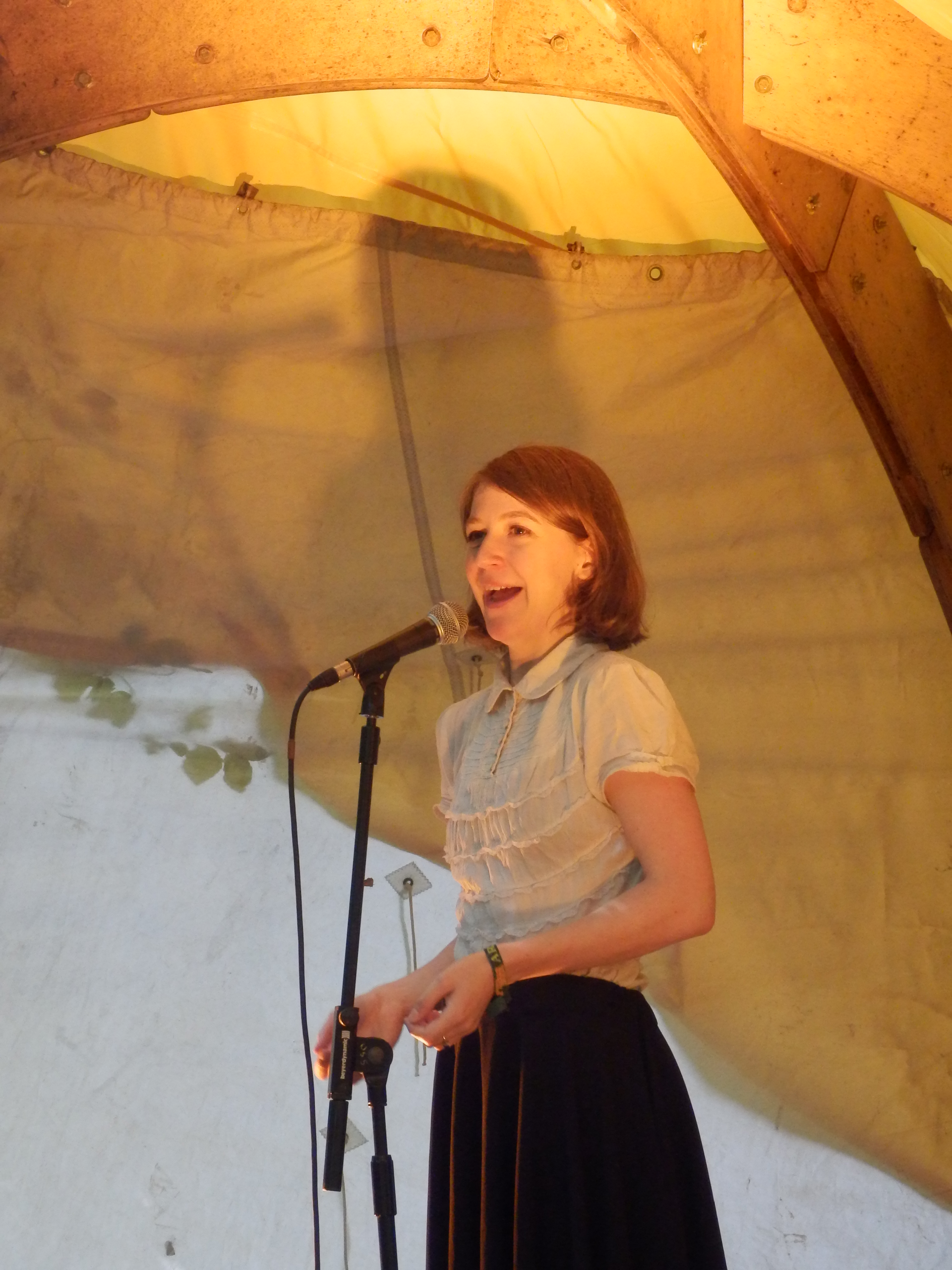
1. **Gemma Whelan (Yara Greyjoy): A Close Call with Secrecy**When actors are cast in a project as massively secretive as Game of Thrones, the rules of discretion are paramount. Gemma Whelan, who brought the formidable Yara Greyjoy to life, learned this lesson the hard way, in a moment that nearly cost her the coveted role before she even truly began. Her experience highlights the extreme lengths the production went to in order to prevent spoilers from leaking, even to its own cast members.
“The first lesson I learnt was when I first got the job. No one told me to keep quiet about it,” Whelan candidly told the U.K. Times. In an innocent and perhaps understandable oversight for a less high-profile production, she simply thought it was normal practice to update her professional resume. “I just thought it was normal to pop it in my Spotlight entry, so I wrote on my CV, ‘This summer, Gemma will be playing Yara Greyjoy in Game of Thrones.’”
This seemingly innocuous update, however, triggered a rapid and serious response from the show’s producers. The internet, with its ever-vigilant fan base, quickly caught wind of the casting news. Whelan recalled, “The internet went nuts.” This sudden explosion of information, stemming from her public CV entry, raised immediate red flags for HBO, which prided itself on maintaining an ironclad veil of secrecy around its upcoming seasons and major castings.
What followed was a moment of severe reckoning. Whelan was summoned to a producer’s office, where the gravity of her unintentional disclosure was made starkly clear. She recounted the tense conversation: “One of the lovely, lovely producers on Thrones called me into his office and said, ‘This is very serious. We almost can’t employ you because of this.’” This was not a minor reprimand; it was a direct threat to her employment, underscoring how seriously any breach of their stringent nondisclosure agreements was taken.
Fortunately for Whelan and for fans of Yara Greyjoy, ‘almost’ was the operative word. She ended up playing the fan-favorite character for six seasons, becoming an integral part of Daenerys Targaryen’s allied forces. However, her early experience served as a stark reminder and a catalyst for the showrunners to further tighten their NDAs, making subsequent seasons, especially Season 7, even more secretive than before. It was a baptism by fire into the world of Westeros, demonstrating the high stakes involved in being part of television’s biggest show.
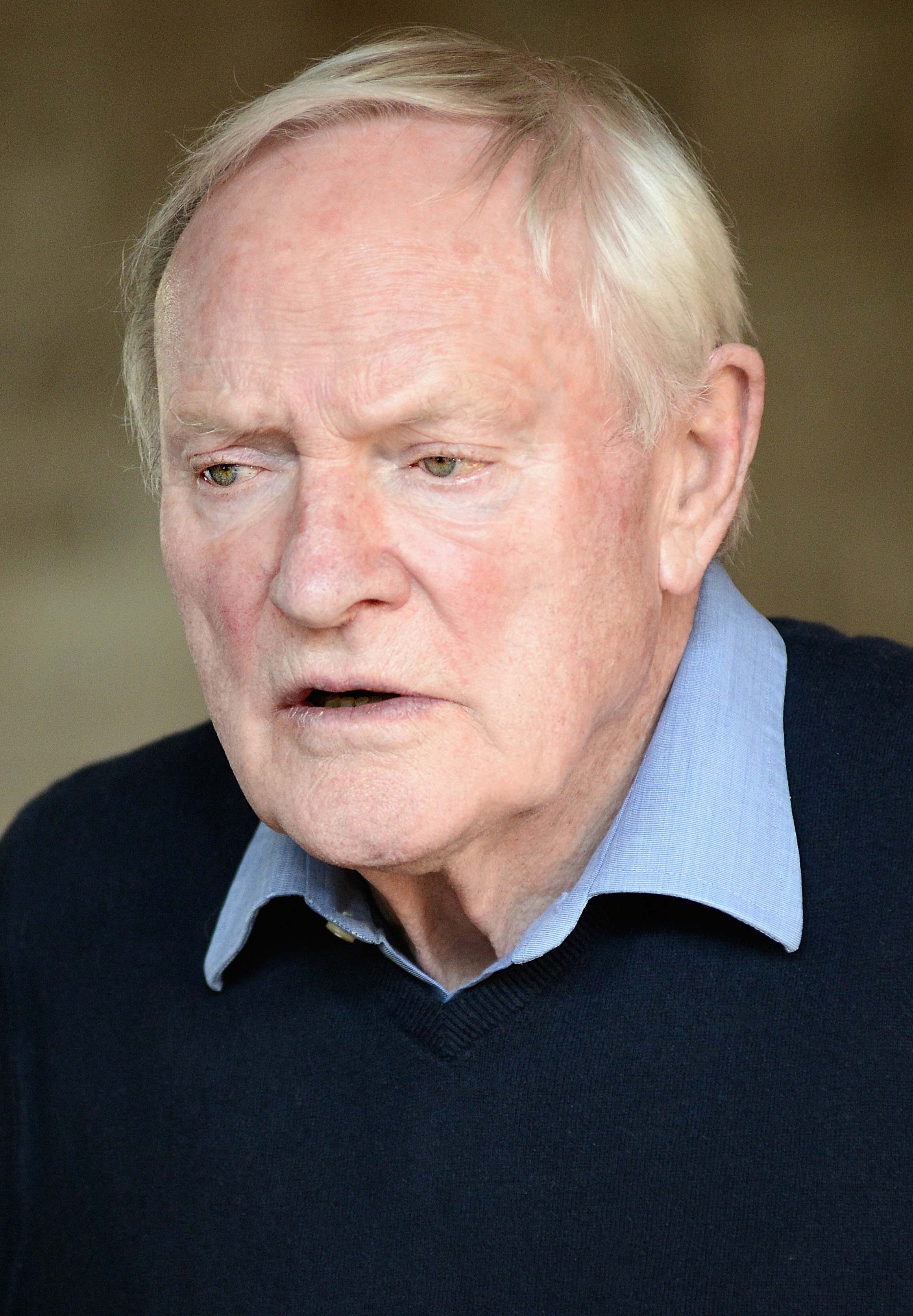
2. **Julian Glover (Grand Maester Pycelle): The Quest for an Exit**For many actors on Game of Thrones, the fear of their character being killed off was a constant, nail-biting reality. However, for veteran actor Julian Glover, who portrayed the seemingly frail but cunning Grand Maester Pycelle, his experience was quite the opposite. After years of inhabiting the role, Glover found himself growing weary, not of the character’s machinations, but of what he perceived as its stagnation. He yearned for an exit, a sentiment rarely voiced by his co-stars.
Glover felt that his character’s purpose had become repetitive, primarily revolving around being “ticked off at Cersei.” This observation led him to the rather unusual position of actively seeking his character’s demise. While others clung to their roles, hoping for survival in the brutal world of Westeros, Glover was ready to hang up Pycelle’s chain, convinced that his story had run its course and that new challenges awaited him elsewhere.
Much to Glover’s disappointment, his requests to be written off were repeatedly denied. The showrunners, it seemed, had different plans for Pycelle, continually informing him that he would survive into the next season. This created a paradoxical situation where, as many of his fellow actors departed through gruesome and unexpected deaths, Pycelle inexplicably endured, much to Glover’s growing frustration rather than relief.
Finally, in Season 6, Glover’s persistent wish was granted. Grand Maester Pycelle met his end, dispatched by Qyburn’s little birds. The context notes that Glover got his wish, allowing him to film his death scene “at his leisure” and, notably, with his usual salary tripled. This unique anecdote highlights a rare instance where an actor’s direct plea for an exit was not only honored but seemingly compensated, offering a glimpse into the diverse experiences of the Game of Thrones ensemble.
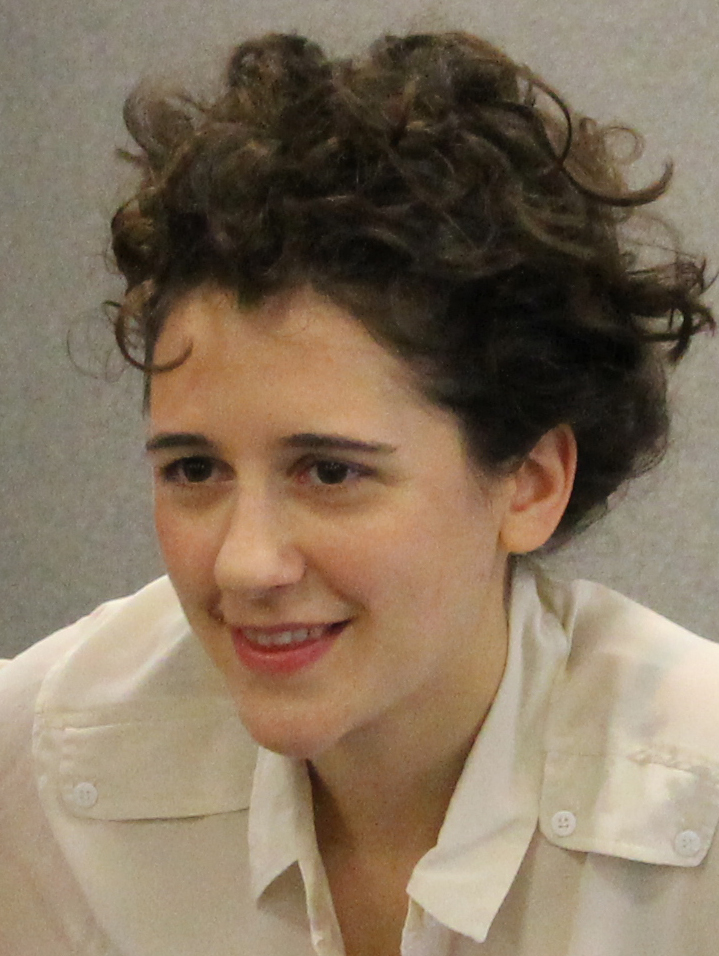
3. **Ellie Kendrick (Meera Reed): Left Hanging in the Winds of Winterfell**Meera Reed, portrayed by Ellie Kendrick, was a character of unwavering loyalty and fierce resilience, serving as Bran Stark’s protector through some of his darkest and most perilous journeys. Fans witnessed her sacrifice and endurance, losing her brother Jojen and Hodor along the way, all to ensure Bran’s safe passage to the Three-Eyed Raven and eventually back to Winterfell. Yet, after all her contributions, her departure from the main storyline felt abrupt and dissatisfying to many, leaving both the character and the actress in a state of unresolved uncertainty.
After Meera delivered Bran to Winterfell, her journey seemingly ended with a rather unceremonious “thank you” from Bran before he sent her on her way. This lackluster conclusion for such a pivotal supporting character left fans wondering if she would return for Season 8 to receive a more fitting and satisfying resolution. The unanswered questions surrounding Meera’s fate extended beyond the viewers to Kendrick herself, who was left in limbo regarding her character’s future.
As filming wrapped for Season 7, Kendrick had no definitive word on whether she would be asked to reprise her role. Her situation underscored a common challenge for actors in a show with such a vast and dynamic cast: the unpredictable nature of their character’s longevity and narrative importance. In late 2017, long after her last scenes, Kendrick was still without an answer, a frustrating position for any performer.
Speaking to Metro at the time, Kendrick revealed her suspense: “I wait for the phone to ring and then I find out, but it hasn’t rung so I don’t know.” She added, “I’ll find out whether I am or not at some point, but for now, I haven’t been notified so I’m yet to discover.” This candid admission exposed the behind-the-scenes reality of waiting for critical career news, a stark contrast to the epic certainty of the on-screen narratives. Ultimately, it appears the call for her return never came, leaving Meera Reed’s story concluded without a final on-screen bow, and Kendrick left without further notification.
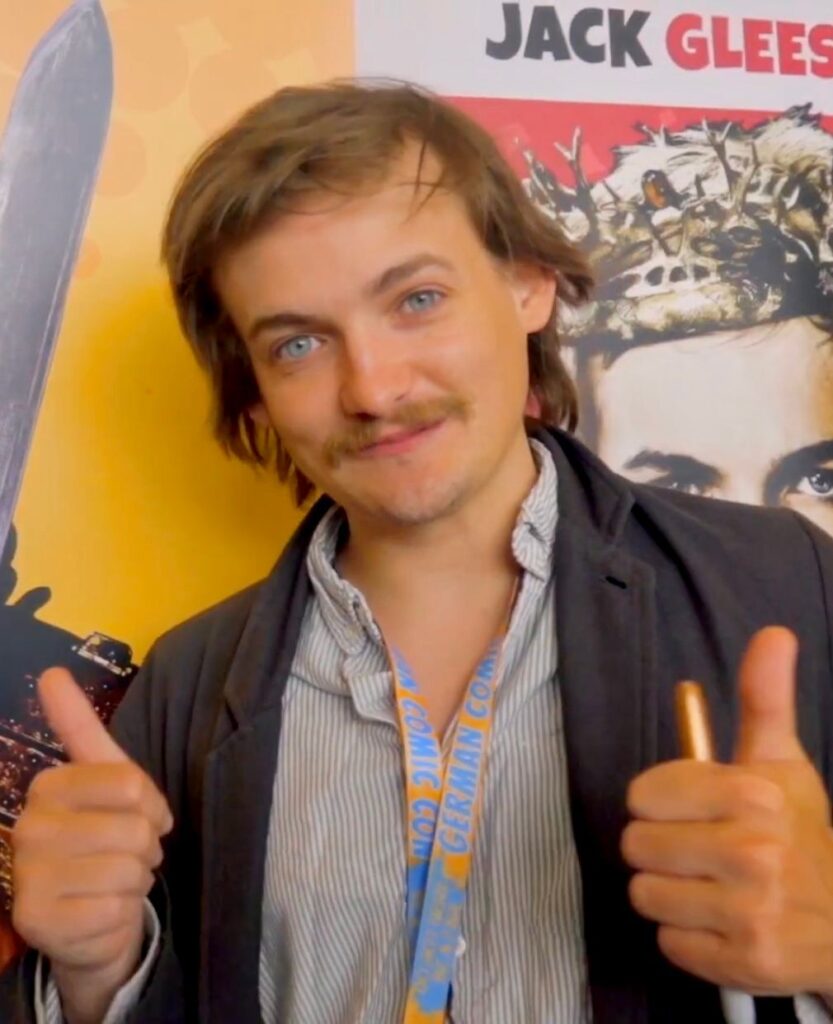
4. **Jack Gleeson (Joffrey Baratheon): Retiring from the Spotlight**Jack Gleeson’s portrayal of the notoriously cruel King Joffrey Baratheon was so convincingly villainous that it solidified him as one of television’s most hated characters. His performance was critically acclaimed, demonstrating a talent for embodying pure evil that few actors achieve, especially in their first major role. However, for Gleeson himself, the experience of playing such a despised character, coupled with the immense scrutiny of global stardom, had a profound and unexpected impact, leading him to step away from screen acting.
Gleeson openly admitted that he found it difficult to watch himself as Joffrey. The embodiment of such malevolence on screen was, for him, too much to bear. This personal discomfort was compounded by a growing realization that the lifestyle accompanying fame, particularly from a show as colossal as Game of Thrones, was not something he desired or gravitated towards. The sudden explosion of celebrity was a significant factor in his decision to take a break from the industry.
When Joffrey finally met his demise by poison at his own wedding, it marked a turning point for Gleeson’s career. He realized that once his time on Game of Thrones concluded, he would be more than ready for his final curtain call in that specific spotlight. “When I started doing Game of Thrones, perhaps the reality was made too real for me,” Gleeson told The Independent, articulating his discomfort with the fame. “The lifestyle that comes with being an actor in a successful TV show isn’t something I gravitate towards.”
For years, rumors circulated that Gleeson retired due to the audience’s intense hatred for Joffrey, suggesting he was hounded by fans who couldn’t separate the actor from the character. However, Gleeson later set the record straight in an interview at the premiere of his new project, Netflix’s House of Guinness. He clarified that there was no truth to these rumors, stating, “I can say thankfully, it wasn’t because I received any sort of abuse from anybody. Thankfully, I know that can happen, sadly. People confuse the character with the actor.”
Gleeson explained that his break wasn’t a “hiatus” from acting entirely but rather a shift in focus. He continued acting with a theater company he had co-founded with friends in Dublin, pursuing his craft on his own terms. His eventual return to screen acting, as seen in projects like House of Guinness, Safe Harbor, and The Sandman, suggests a newfound balance, having explored his craft at his own pace and on his own terms after the initial overwhelming experience of Game of Thrones’ global success.
.jpg/1200px-Emilia_Clarke_by_Gage_Skidmore_2_(cropped).jpg)
5. **Emilia Clarke (Daenerys Targaryen): The ‘Mad Queen’ and Emotional Turmoil**Emilia Clarke’s portrayal of Daenerys Targaryen was arguably one of the most transformative and challenging roles in Game of Thrones, charting her journey from a timid exile to a powerful, dragon-riding queen. However, the character’s controversial descent into the ‘Mad Queen’ in the final season sparked outrage among fans and, as Clarke herself revealed, caused significant emotional turmoil for the actress, leaving a lasting impact on her perspective of the character and her own performance.
Clarke openly discussed the profound personal and professional struggle she faced in depicting Daenerys’ sudden turn. Playing a character whose arc concluded in such a divisive manner deeply affected her. Speaking to Vanity Fair, Clarke candidly confessed that the ending of Game of Thrones “f***ed me up,” especially given that it would be the lasting impression of her iconic character. She grappled with the weight of portraying Daenerys’ genocidal actions, stating, “Knowing that is going to be a lasting flavor in someone’s mouth of what Daenerys is…” her voice trailing off, indicative of her deep concern for the character’s legacy.
Her immediate reaction to reading the scripts for the final season was intensely emotional. “I cried,” Clarke told Entertainment Weekly. The revelation of Daenerys’ fate prompted a visceral response, leading her to seek solace and process the news by herself. “And I went for a walk. I walked out of the house and took my keys and phone and walked back with blisters on my feet. I didn’t come back for five hours. I’m like, ‘How am I going to do this?’” This powerful image paints a picture of an actress profoundly impacted by the narrative choices for her character.
Despite her acceptance that the show was “never going to satisfy everyone” and that divisive stories can be compelling, Clarke harbored hopes for more development in Daenerys’ final stages. In an interview with The New Yorker, she expressed a desire for “more dissection and those beautifully written scenes that the boys have between characters.” She wished for more intimate, dialogue-driven moments, particularly with Cersei or Missandei, to better explain the abrupt shift in Daenerys’ character, rather than the rapid descent into madness.
Perhaps most poignantly, Clarke revealed her fears about how the character’s ending would reflect on her own image. At an Oscars afterparty, she recalled meeting Beyoncé, a moment that unexpectedly brought her insecurities to the surface. Clarke described her intense fan reaction to the pop icon, admitting, “All I wanted to scream was ‘Please, please still like me even though my character turns into a mass-killing dictator! Please still think that I’m representing women in a really fabulous way?’” This heartfelt plea encapsulated the deep personal investment actors make in their roles and their hopes for how those roles are ultimately received and remembered by the audience.
As Game of Thrones hurtled towards its epic conclusion, the stakes weren’t just high for the characters; they were intensely personal for the actors who brought them to life. While some navigated the behind-the-scenes demands with a quiet grace, others found themselves wrestling with narrative choices that profoundly impacted their characters and, in turn, their own emotional investment. The final seasons, particularly the much-debated Season 8, became a crucible of fan expectations and creative decisions, prompting several cast members to voice their candid critiques and hopes for different outcomes. Their stories offer a fascinating look into the human side of a monumental production, revealing the deeply personal connections forged between performer and role. This next section explores five more instances where actors publicly shared their significant complaints and emotional responses to the show’s creative direction, particularly concerning the controversial final season and their characters’ ultimate fates.
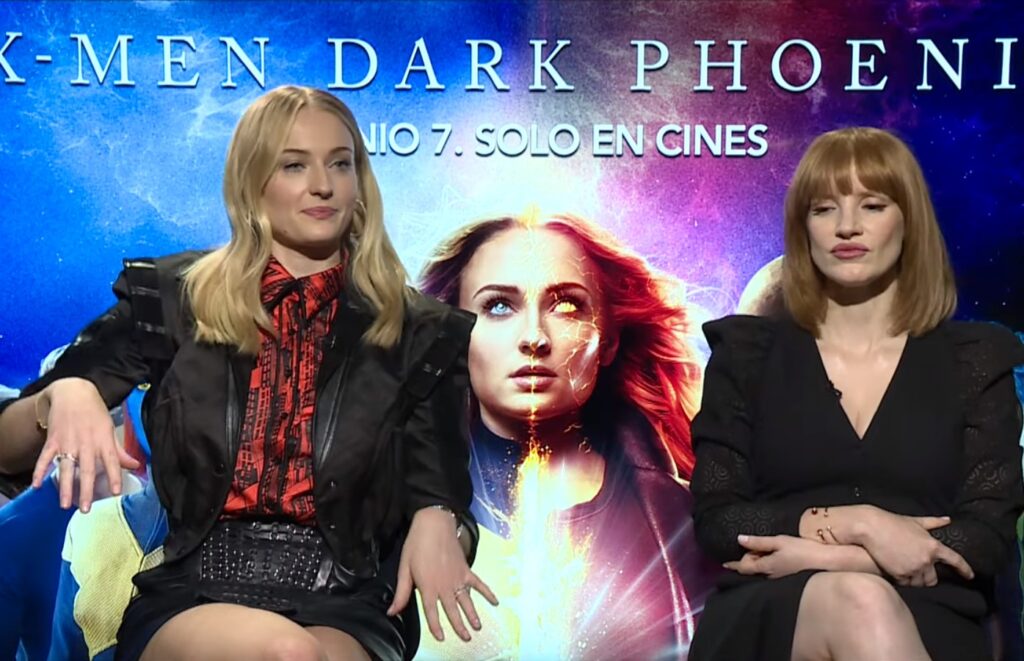
6. **Sophie Turner (Sansa Stark): Hopes for a Stark-Lannister Reunion**Sophie Turner, who masterfully portrayed Sansa Stark’s journey from naive noblewoman to the Queen in the North, found herself in a unique position regarding the show’s controversial final season. While she stood firm in defending the writers against a passionate fan-led petition demanding a rewrite, her personal hopes for certain character conclusions differed from what eventually unfolded on screen. Her perspective highlights the intricate balance actors often strike between creative loyalty and personal vision.
Turner openly shared her desires for specific narrative beats, particularly concerning the ultimate fate of Cersei Lannister. Speaking to TheWrap in August 2019, she confessed, “I thought Arya would kill Cersei.” This expectation was shared by many fans, who anticipated a dramatic confrontation between the younger Stark sister and the queen who had caused so much suffering.
Beyond Arya’s arc, Turner also harbored hopes for a more direct interaction between her own character and the formidable Lannister matriarch. “I would like to have seen Sansa and Cersei reunited, or Arya and Cersei,” she articulated, underscoring a yearning for a climactic showdown or at least a powerful dialogue that never materialized. However, despite these unfulfilled wishes, Turner expressed profound satisfaction with Sansa’s final arc. She declared, “I felt very passionately about the ending for Sansa, and I was very happy with the ending that turned out for her,” showcasing an actor’s ability to appreciate their character’s journey even amidst divergent personal preferences for other plot points.
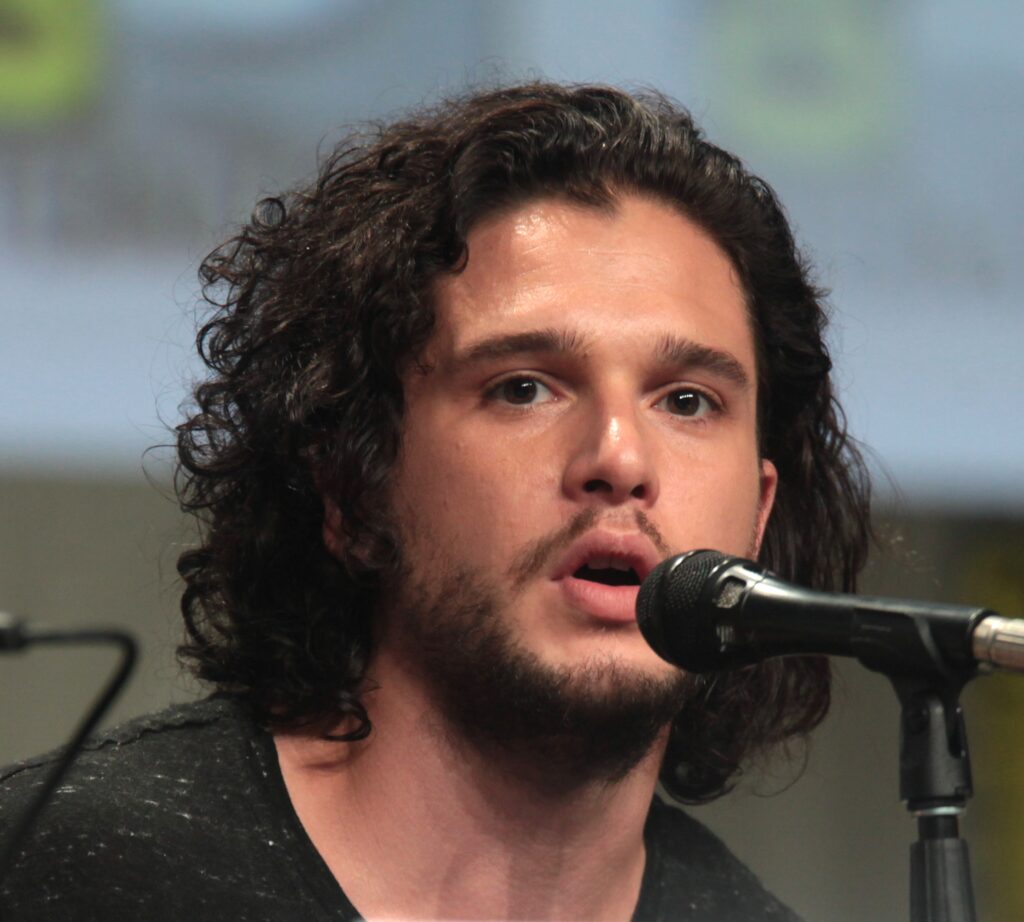
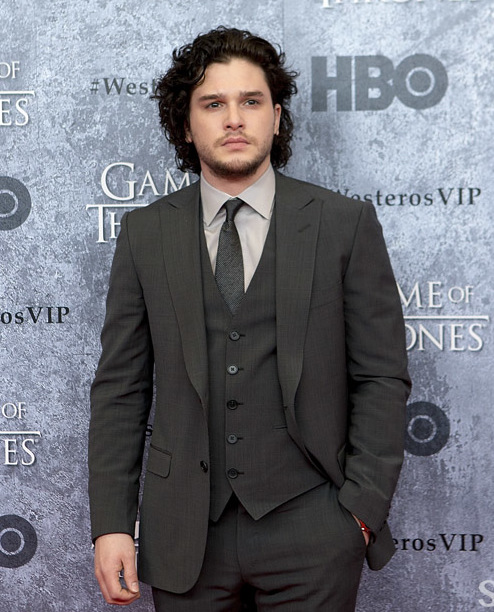
7. **Kit Harington (Jon Snow): Divided Loyalties and Missed Opportunities**Kit Harington’s portrayal of Jon Snow, the stoic hero of Westeros, was central to Game of Thrones’ narrative, and his emotional investment in the character was undeniably profound. While he famously shed tears upon reading the final scripts, those powerful emotions were also tinged with significant concerns regarding how the show’s ending, particularly the fates of key female characters, would be received by the global audience. Harington foresaw the division that would soon erupt among fans.
In an interview with Entertainment Weekly, conducted even before the final episodes aired, Harington candidly predicted that the show’s ending would “divide” fans. His primary apprehension centered on the controversial character arcs of Cersei and Daenerys. He articulated his worry, stating, “One of my worries with this is we have Cersei and Dany, two leading women, who fall.” Yet, he also offered a nuanced justification for these twists, noting that Game of Thrones had always challenged conventional heroic narratives.
Harington further elaborated on this point, suggesting that the show consistently defied expectations, especially regarding its powerful female characters. “The justification is: Just because they’re women, why should they be the goodies?” he pondered, adding, “They’re the most interesting characters in the show.” He believed that these complex, even villainous, turns were truthful to the show’s overarching thematic approach, asking, “And when have you ever seen a woman play a dictator?” This perspective showcased his commitment to the gritty realism of Westeros, even when it meant unpopular character outcomes.
Beyond the broader narrative, Harington also harbored a deeply personal disappointment regarding a specific plot point for his own character. In an August 2019 interview with The Hollywood Reporter, he admitted his frustration about Jon Snow not being the one to kill the Night King. “I was a bit pissed off, only because I wanted to kill the Night King!” he confessed, echoing a sentiment shared by many viewers who had anticipated such a confrontation for years.
Despite his initial vexation, Harington ultimately accepted the unexpected twist, praising Maisie Williams’ performance. He expressed his joy for her and Arya, calling it a “really great twist” that beautifully culminated Arya’s journey. “Over the seasons, we’ve seen her build up these skills to become this hardened assassin, and she uses it all to kill our main antagonist,” he reflected, demonstrating an actor’s capacity to both critique and celebrate the creative choices made by the showrunners.
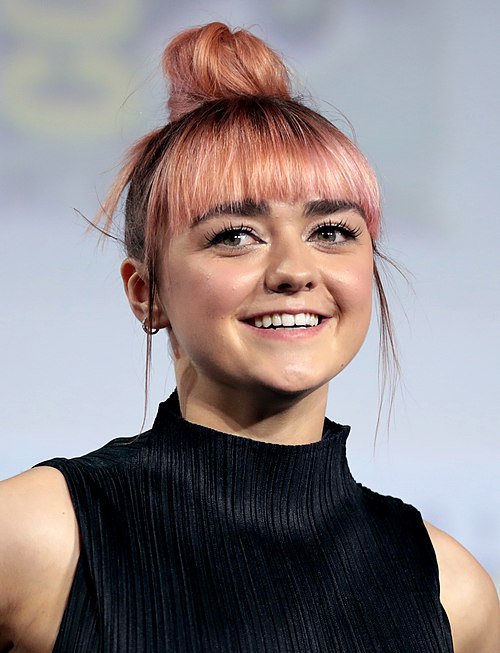
8. **Maisie Williams (Arya Stark): The Unfulfilled Quest for Cersei**Maisie Williams’ portrayal of Arya Stark captivated audiences, transforming her from a rebellious tomboy into one of Westeros’ most formidable assassins. Throughout her journey, a singular objective simmered beneath the surface: revenge against those who wronged her family, with Cersei Lannister at the top of her infamous list. It was a narrative thread so deeply ingrained that when Arya’s path diverged from this ultimate confrontation in the final season, many fans, and indeed Williams herself, were left surprised and with a sense of unfulfilled destiny.
Williams was candid about her personal desire for Arya to be the one to kill Cersei. She told Entertainment Weekly, “I wanted Arya to kill Cersei even if it means [Arya] dies too.” This powerful sentiment reflects not just a fan’s wish but an actor’s deep understanding of her character’s driving motivations. She even imagined the dramatic specifics of such a scene, recalling, “Even up to the point when Cersei’s with Jaime I thought [while reading the script], ‘He’s going to whip off his face [and reveal it’s Arya]’ and they’re both going to die.” This vivid internal image underscores the intensity of her belief in that particular narrative outcome for Arya.
Ultimately, the showrunners steered Arya’s story in a different direction, one that Williams ultimately found satisfying, albeit unexpected. She explained that the arc she experienced in the final episodes allowed her to reconnect with a more innocent side of her character. “It’s not a Game of Thrones ending for Arya, it’s a happy ending,” Williams stated, emphasizing a return to a sense of freedom and youthful adventure. She found solace in the fact that it “gave me a place to take Arya that I never thought I’d go with her again,” suggesting a renewed sense of purpose for a character who had long been consumed by vengeance.

9. **Gwendoline Christie (Brienne of Tarth): Protecting the Knight of the Seven Kingdoms**Gwendoline Christie brought the noble and unwavering Brienne of Tarth to life with a commanding presence, making her a fan-favorite and a powerful symbol of female strength and integrity. Her long-standing, unrequited love for Jaime Lannister was a poignant subplot that reached a bittersweet peak in the final season. However, the subsequent turn of events, particularly Jaime’s departure from Brienne to return to Cersei, left Christie so dismayed that it prompted a very real, emotional reaction from the actress, revealing her deep protective instinct for the character she inhabited.
Following the episode where Brienne and Jaime finally consummated their relationship, only for Jaime to abandon her, Christie revealed her profound disappointment to Entertainment Weekly. She was so troubled by the character’s turn that she “needed to go for a walk.” This visceral response highlights the emotional toll an actor’s connection to their role can take when the narrative veers unexpectedly.
When asked if she had questions for showrunners David Benioff and D.B. Weiss after reading the script, Christie unequivocally said yes. She explained her unique connection to Brienne, noting, “I love this character and I read about this character [in George R.R. Martin’s novels] before I saw the show.” This deep-seated understanding meant she had her own firm ideas about Brienne’s development, which sometimes clashed with the writers’ vision.
Christie acknowledged that unexpected writing could be “difficult to comprehend,” especially for a character as significant to her as Brienne. “This character has been very impactful in my life and in the way I think about women and in the way they’re portrayed in the media and the way they’re treated in society,” she reflected. Her role had challenged her own beliefs, making her feel intensely protective. She expressed a profound “feeling of wanting to honor the character and also to bring her to life,” showcasing the immense responsibility she felt towards Brienne’s legacy and how the character was perceived, not just by her, but by the wider audience.
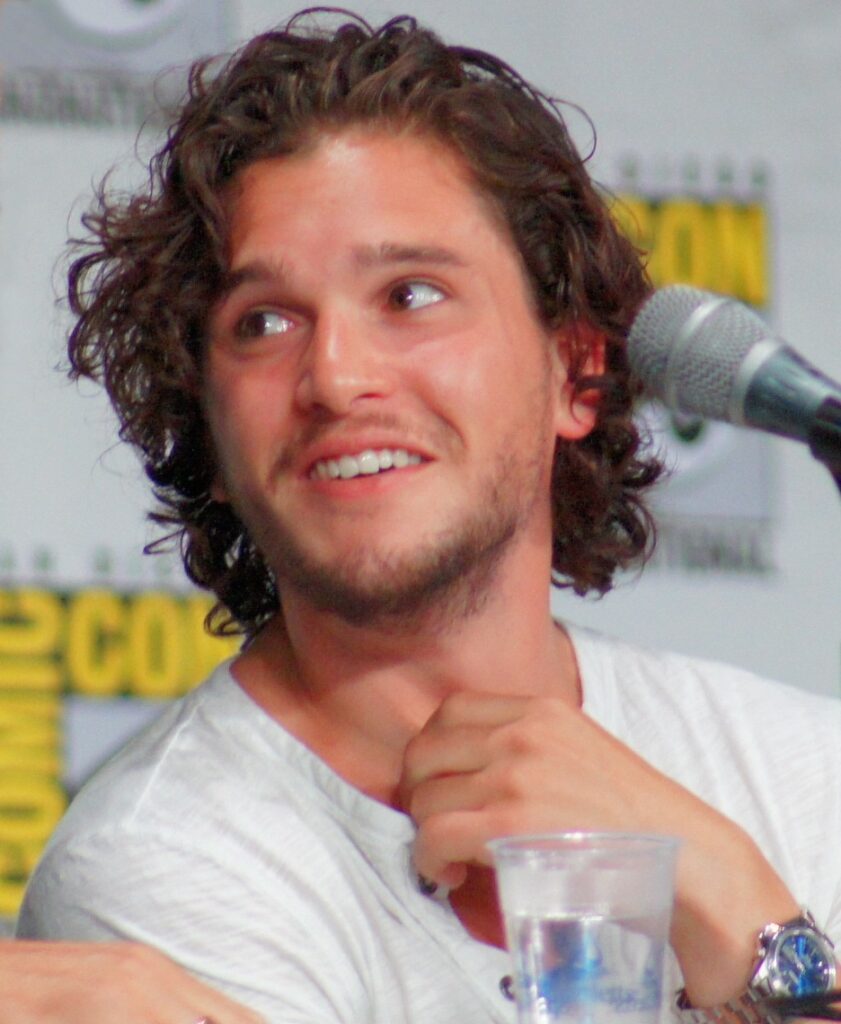
10. **Lena Headey (Cersei Lannister): The Dream of a ‘Better Death’**Lena Headey’s portrayal of Cersei Lannister, the formidable and ruthless Queen of the Seven Kingdoms, was a masterclass in nuanced villainy, earning her widespread critical acclaim. Cersei’s reign of terror and her unshakeable determination made her one of the show’s most compelling figures. When her end finally came in the penultimate episode of Game of Thrones, trapped with Jaime beneath the crumbling Red Keep, Headey’s reaction, much like the broader fan response, was decidedly “mixed.” The iconic queen deserved a memorable exit, and Headey openly wished for something more grand.
In an interview with Entertainment Weekly, Headey conveyed her immediate feelings upon reading Cersei’s death scene, admitting she “wanted her to have some big piece or fight with somebody.” This desire for a more dramatic and climactic confrontation was not just a personal preference but arguably a testament to Cersei’s stature as a character. Later, speaking to The Guardian, Headey was even more direct about her disappointment, stating, “I will say I wanted a better death.”
Headey’s expectation was rooted in the show’s consistent track record of spectacular and often shocking character deaths. “Obviously you dream of your death. You could go in any way on that show. So I was kind of gutted,” she confessed, illustrating the actor’s internal anticipation for a fitting conclusion to such a pivotal role. Beyond her character’s specific demise, Headey also admitted to having broader “gripes” with the final season as a viewer, a sentiment she has yet to fully discuss with the showrunners, David Benioff and D.B. Weiss.
Despite her personal reservations and longing for a more explosive end for Cersei, Headey also displayed a pragmatic understanding of the creative challenges faced by the showrunners. She acknowledged that “they couldn’t have pleased everyone,” recognizing the immense pressure to conclude a saga of such scale. While she initially expressed disappointment, Headey did later reveal that, after discussing the contentious death scene with Nikolaj Coster-Waldau (Jaime), she eventually found it to be “the perfect end for her,” showcasing a reflective acceptance of Cersei’s tragic, intertwined fate.
The world of Westeros, as brought to life by this incredible ensemble, was a place of unparalleled ambition, intricate storytelling, and, inevitably, intense pressure. These accounts from the actors themselves peel back the layers of fame and fantasy, revealing the very human struggles, frustrations, and passionate investments made by those who dedicated years to telling this epic tale. From accidental leaks that nearly cost roles to deep-seated artistic disagreements about character arcs and narrative conclusions, their stories remind us that behind every iconic performance lies a person navigating the unpredictable currents of a global phenomenon. Their willingness to share these candid reflections not only enriches our understanding of Game of Thrones but also offers a powerful testament to the emotional labor and dedication inherent in bringing such beloved, complex characters to the screen.