Alright, internet, let’s talk about something that’s probably popped up on your feeds more times than you can count: celebrities, those glistening titans of pop culture, and the often-rocky world of their endorsement deals. It’s no secret that for many A-listers, being a brand ambassador is a golden ticket, sometimes even more lucrative than their actual showbiz gigs—think acting in films, starring in TV shows, or taking on hosting or guest appearances. In fact, their fees can often be so much more than all their showbiz talent fees combined.
But here’s the kicker, and it’s a big one: however rewarding, being a brand ambassador also comes with tremendous responsibilities. Failing to meet these obligations can result in terminated deals and, depending on the severity of the breach, even legal repercussions based on the contract terms agreed upon by both parties. Companies take a significant risk when partnering with celebrities, who are expected to positively represent the brand, influence consumer behavior, and drive profits.
This approach makes perfect sense because any negative publicity generated by an endorser can reflect badly on the brand. This reflection can potentially damage public perception and negatively impact revenues as well. So, when stars stumble, the corporate machine often reacts swiftly to protect its image and bottom line. Let’s dive deep into 14 notable cases where celebrity endorsements went sideways, starting with some of the biggest names in the game. Get ready for some serious tea-spilling, Mashable-style.
1. Kanye West
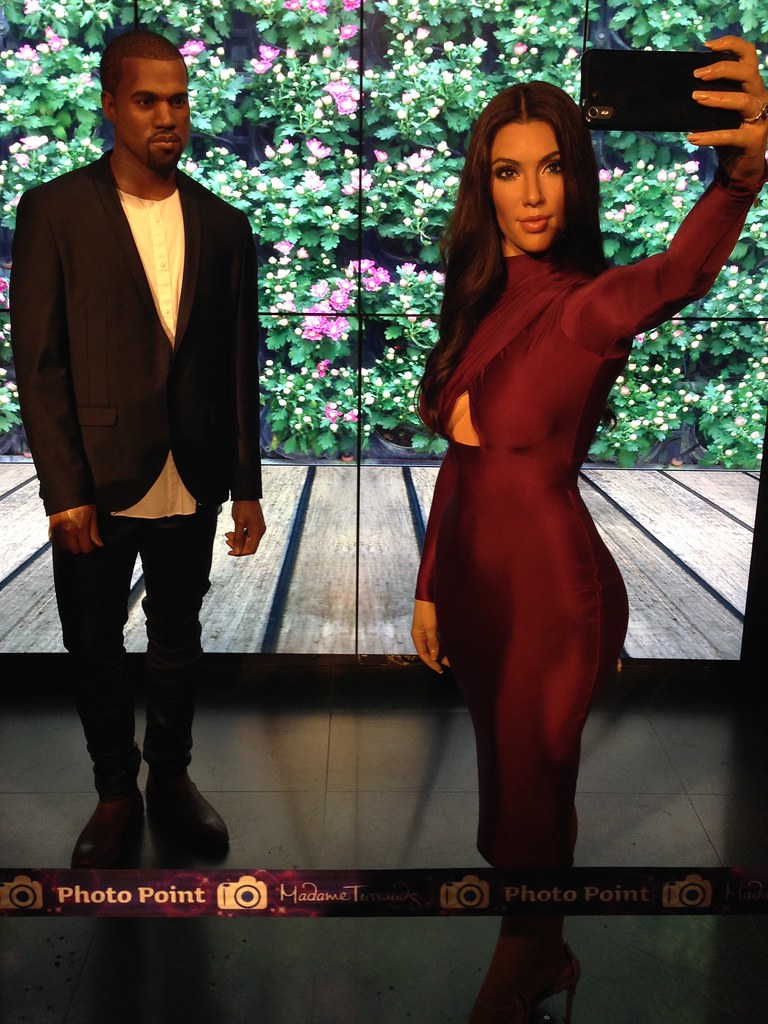
The fashion and music mogul, Kanye West, found himself at the center of a monumental storm in 2022 when Adidas decided to pull the plug on their highly profitable partnership. This wasn’t just a minor disagreement; it was a direct response to his “antisemitic remarks” that shocked the world and clearly violated the core principles of the athletic wear giant, sending shockwaves through the industry.
Adidas didn’t mince words in their official statement, making it crystal clear that “Adidas does not tolerate antisemitism and any other sort of hate speech.” They emphatically stated that “Ye’s recent comments and actions have been unacceptable, hateful and dangerous,” fundamentally clashing with “the company’s values of diversity and inclusion, mutual respect and fairness.” It was a swift and decisive move that underscored the zero-tolerance policy many brands now adopt toward hate speech in the public sphere.
The termination of this deal, which was reported to be worth billions, served as a stark reminder that even the most influential and financially beneficial celebrity partnerships are built on a foundation of shared values. When those values are fundamentally breached, the financial implications, however vast, often take a backseat to maintaining brand integrity and social responsibility in the public eye. The ripple effect of such a decision sends a clear message about corporate accountability.
Read more about: Justin Bieber’s Unforgettable Odyssey: Tracing the Milestones of a Pop Phenomenon’s Enduring Legacy
2. Whoopi Goldberg
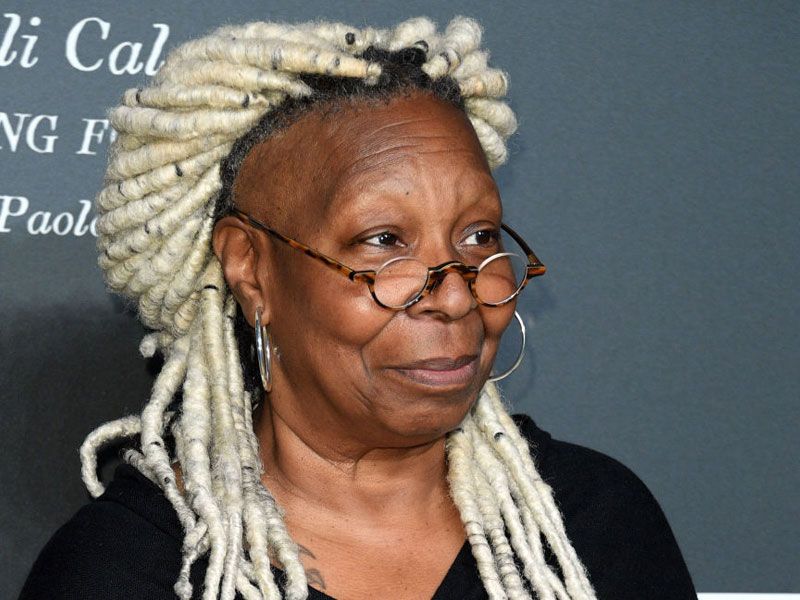
Back in 2004, the beloved actress and TV personality Whoopi Goldberg learned a tough lesson about comedic timing and corporate sponsorships. She was famously fired as SlimFast’s spokesperson, not for a serious scandal involving personal misconduct, but for cracking what were deemed “ually explicit jokes” about President George Bush’s name. This happened at a fundraiser for Democratic candidate John Kerry in New York.
While Goldberg’s intention might have been political humor or satire, the fallout from her remarks was immediate and impactful. The jokes “offended consumers,” a critical misstep for a brand like SlimFast which relies on a broad, health-conscious, and often family-oriented appeal. Brands often walk a tightrope, and while celebrity endorsers are expected to have personalities, those personalities must align with the brand’s desired public image without causing offense.
This incident highlights how even seemingly innocuous (to some) comments, especially when they touch on sensitive political figures or contain ually explicit content, can lead to a quick termination of endorsement deals. It shows that brand perception is everything, and companies are quick to distance themselves from anything that might tarnish their carefully crafted image, even if the celebrity is a household name with a generally positive reputation.
For SlimFast, the risk of alienating a segment of their consumer base was clearly too high to ignore. It was a classic case of an endorser’s personal expression clashing irreconcilably with the carefully cultivated, non-controversial image a mass-market brand needs to maintain to thrive.
Read more about: Inside the Negotiation: 6 Reality TV Hosts Who Made Their Private Dressing Room Demands Known

3. Tiger Woods
The legendary golfer Tiger Woods, once the epitome of clean-cut athleticism and a marketing goldmine, saw his career hit a major rough patch following “public revelations of extramarital affairs.” This scandal, which exploded into national headlines and dominated news cycles, profoundly “tarnished his public image” and had immediate repercussions for his numerous high-profile endorsements.
Among the brands that swiftly dropped Woods was Gillette, a company known for its association with precision, strength, and a certain wholesome masculinity. The personal conduct of their endorser was simply too far removed from the values they aimed to project through their advertising. The scandal ultimately culminated in Woods and his then-wife, Elin Nordegren, divorcing in 2010, underscoring the public severity of his transgressions.
Tiger Woods’ story serves as a classic example of how deeply personal behavior, particularly moral failings in private life, can intertwine with and devastate professional brand partnerships. For athletes, whose image is often synonymous with discipline, integrity, and aspirational values, a fall from grace in their private life can have devastating professional consequences.
His case proved that moral clauses, whether explicitly written into contracts or implicitly understood, are very much alive and potent in the world of celebrity endorsements. The expectations placed on such global figures extend far beyond their performance in their respective fields, encompassing their perceived character and trustworthiness.
Read more about: The Most Inspiring 14 Sports Victories That Still Give You Chills.
4. Rihanna
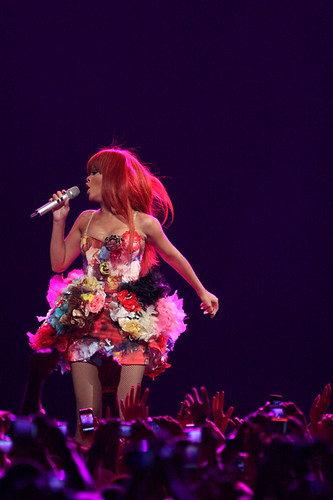
In 2012, global pop icon Rihanna was removed as the face of Nivea, not due to an outright scandal or illicit behavior in the traditional sense, but because her “raunchy image” was perceived as “conflicting with the brand’s values of dependability and trust.” This decision came directly from Stefan Heidenreich, the CEO of Beiersdorf, Nivea’s parent company, who expressed significant concerns about the misalignment.
Heidenreich’s blunt assessment, shared with the German newspaper Welt, left no room for ambiguity: “Rihanna is a no go.” He further clarified his stance, stating, “I do not understand how to bring the core brand of Nivea in conjunction with Rihanna.” It was a clear statement that despite Rihanna’s immense popularity and global appeal, her evolving, more provocative persona no longer aligned with Nivea’s desire to project a reliable, trustworthy, and perhaps more conservative brand image.
This case is particularly fascinating because it illustrates that brand deal terminations aren’t always about outright controversy or a violation of a specific moral clause. Sometimes, it’s a matter of evolving brand identity or an endorser’s public image simply growing too far apart from the brand’s perceived values and target audience. It’s a strategic decision made to protect the brand’s core identity.
It’s a reminder that even when a celebrity isn’t doing anything “wrong” or illegal, a fundamental mismatch in aesthetic, messaging, or target demographic can be enough to sever lucrative ties. Brands are constantly curating their public face, and sometimes, a once-perfect fit can become a stylistic contradiction over time.
Read more about: Behind the Velvet Rope: The Meticulous Demands That Define Beyoncé’s Tour Experience
5. Johnny Depp
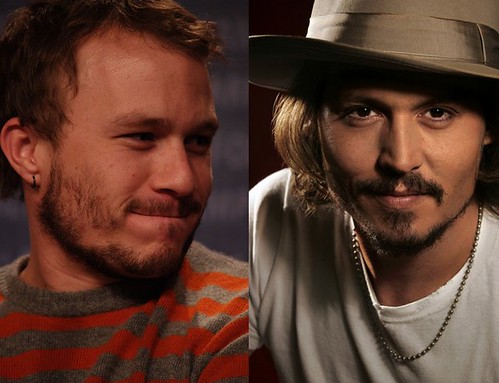
The acclaimed actor Johnny Depp faced a significant career upheaval following “allegations of domestic abuse” made by his ex-wife Amber Heard. These serious accusations, brought forth in a Washington Post op-ed, had a profound and immediate impact on his professional life, leading directly to his dismissal from a cornerstone role that had defined much of his recent career.
Disney, the powerhouse studio behind the “multibillion-dollar ‘Pirates of the Caribbean’ franchise,” made the difficult decision to fire Depp from his iconic role as Captain Jack Sparrow. The company simply could not afford to have an actor facing such serious public allegations continue to represent one of their most valuable properties, especially one that is so widely beloved and aimed at a broad family audience across the globe.
Depp’s situation highlights the severe repercussions that allegations of personal misconduct, particularly those involving domestic abuse, can have on a celebrity’s career and their brand partnerships. Even before legal outcomes are definitively settled, public perception and the imperative of corporate social responsibility often compel brands to take decisive action to protect their image and their audience.
The public’s evolving sensitivity to such issues means that companies are under immense pressure to react. This ensures that their affiliations do not inadvertently endorse or appear to condone problematic behavior. This incident served as a potent example of how quickly and dramatically a celebrity’s professional landscape can shift when faced with grave accusations.
Read more about: Forever Our Queen: Unpacking the Incredible Life, Tragic End, and Unforgettable Legacy of Selena Quintanilla-Pérez
6. Nick Cannon
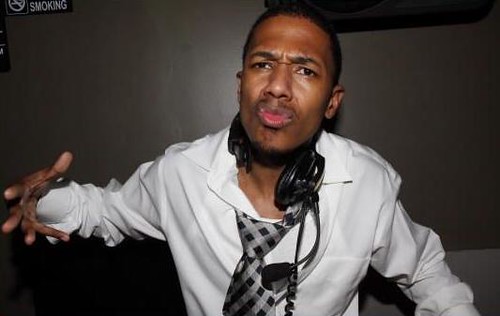
Multi-talented entertainer Nick Cannon was “dismissed from Wild’N’Out in 2020 for antisemitic comments” that he publicly made on his podcast, ‘Cannon’s Class.’ This incident quickly drew widespread condemnation from media outlets and the public alike, leading to immediate professional consequences for his affiliations with major networks and brands.
During the controversial podcast episode, Cannon interviewed Richard Griffin, who himself had been expelled from Public Enemy for making similarly prejudiced remarks. Cannon then proceeded to question why “we give so much power to the ‘theys,’ and ‘theys’ turn into illuminati, Zionists, and Rothschilds,” explicitly using “the wealthy Jewish family as a code word for antisemitism.”
This situation is a stark reminder that in the age of pervasive digital media, celebrity comments, particularly those made on their own platforms, are under constant and intense scrutiny. Antisemitic remarks, like any form of hate speech, are universally condemned across society, and brands are quick to cut ties to avoid any association with such harmful ideologies or prejudiced views.
Cannon’s dismissal underscored the serious implications of using one’s influential platform to spread prejudiced views, regardless of intent. For corporations, the risk of being linked to such divisive rhetoric far outweighs the benefits of any celebrity endorsement, leading to swift action to preserve their brand reputation and values.
Read more about: Hold Up, Did That Just Happen?! The 14 Wildest & Quickest Hollywood Engagements That Still Make Zero Sense
7. Chrissy Teigen
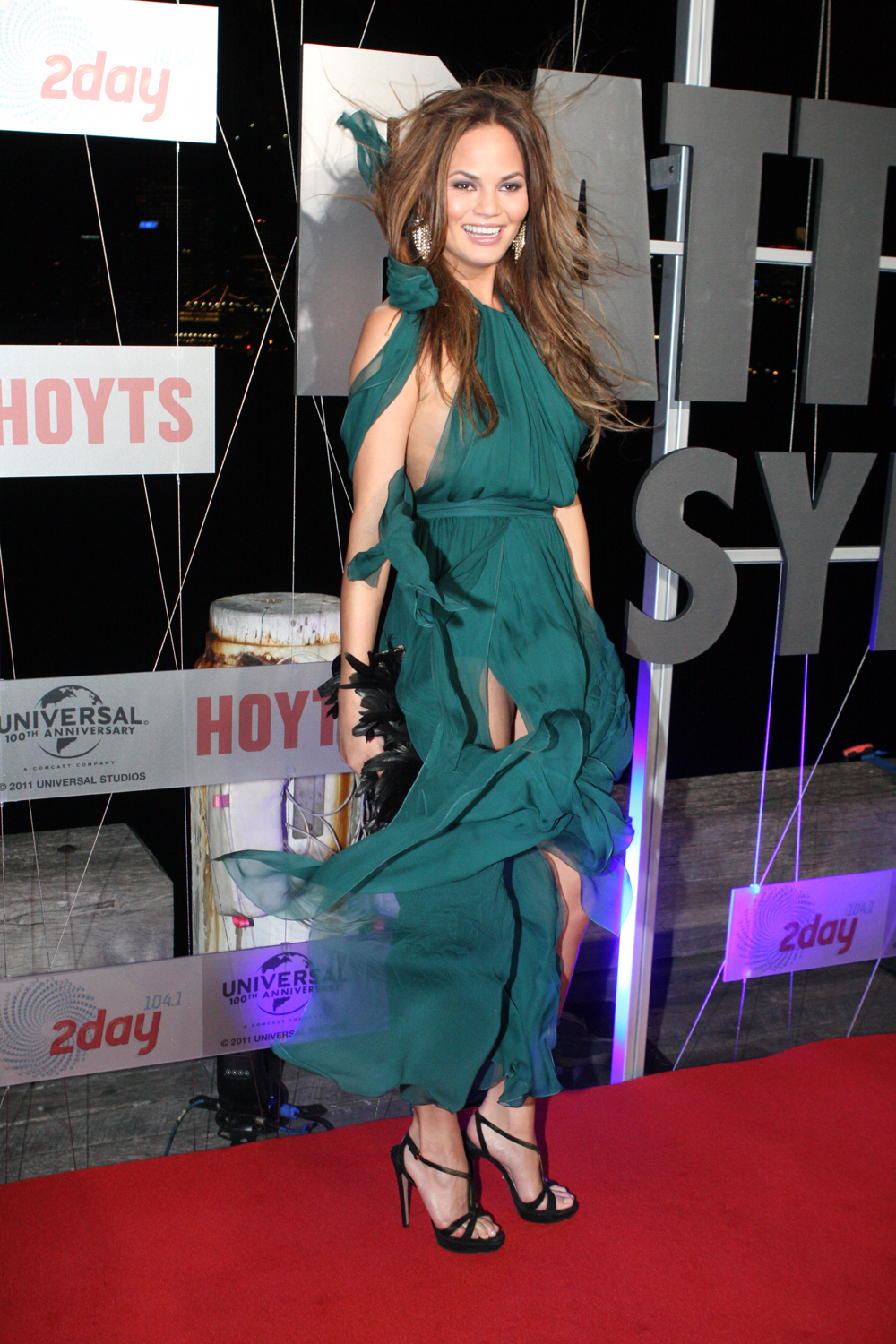
Social media personality and model Chrissy Teigen experienced a significant blow to her endorsement portfolio after “allegations of cyberbullying surfaced.” These claims, which notably included “harassing a 16-year-old girl on Twitter in 2011,” led to a cascade of lost deals, powerfully demonstrating the lasting and damaging power of past online behavior in the modern era.
In an era where online conduct is increasingly scrutinized and historical posts can easily resurface and go viral, Teigen’s past actions proved to be a major liability for her brand partnerships. Brands, particularly those appealing to a broad or younger demographic, are acutely aware of the importance of promoting positive and inclusive online environments, making cyberbullying allegations particularly damaging to their image.
The public’s awareness and condemnation of cyberbullying have grown exponentially, and celebrities are certainly not exempt from accountability for their online interactions, past or present. Teigen’s experience illustrates how a digital footprint, even one from years ago, can significantly impact a celebrity’s current marketability and lead to the termination of lucrative partnerships.
This incident served as a powerful reminder that the internet never truly forgets, and public figures must navigate their digital presence with extreme caution. The repercussions extended beyond just a few deals, highlighting a broader shift in how brands evaluate the online history and character of their potential endorsers, emphasizing authenticity and respectful conduct.
Alright, let’s keep this wild ride going, because when it comes to celebrity endorsements, there’s always more tea to spill! We’ve seen how global superstars can stumble, but it’s not just about controversial comments or major scandals. Sometimes, it’s a breach of contract, a clash of images, or even the unique pressures faced by local personalities that send those lucrative deals packing. Get ready to dive into seven more fascinating cases where celebrity endorsements hit a snag, proving that even the brightest stars aren’t immune to the corporate chop.
Read more about: Beyond the Lens: 12 Plus-Size Actresses Who Are Redefining Beauty, Owning the Spotlight, and Inspiring a Movement

8. Michael Phelps
Remember Michael Phelps, the aquatic legend who made Olympic swimming look like a walk in the park? This guy was, and still is, synonymous with peak athletic performance, discipline, and a clean-cut image. He dominated the swimming world, racking up medals faster than you can say “butterfly stroke,” making him a prime candidate for any brand looking to associate with success and health.
But even a titan like Phelps isn’t immune to missteps. In 2009, his squeaky-clean image took a serious hit when photos surfaced showing him consuming illegal substances. Talk about a splash in the wrong kind of pool! For brands, this was a major red flag, clashing directly with the wholesome, family-friendly image they aim to project.
Kellogg’s, a brand that prides itself on healthy breakfasts and family values, swiftly ended their endorsement deal with the Olympic champion. It was a clear, unambiguous message: associating with illegal substance use, regardless of the celebrity’s athletic prowess, was simply not acceptable. This incident underscored that even for sports icons, personal conduct off the field (or, in this case, out of the pool) carries immense weight.
His case was a stark reminder that the moral clauses in endorsement contracts aren’t just for show. They’re there to protect the brand’s integrity, ensuring that their public faces uphold the very values they’re selling. Phelps’s brief fall from grace proved that even a golden boy can tarnish his shine, at least temporarily, in the eyes of corporate sponsors.
Read more about: The Most Inspiring 14 Sports Victories That Still Give You Chills.
9. Charlize Theron
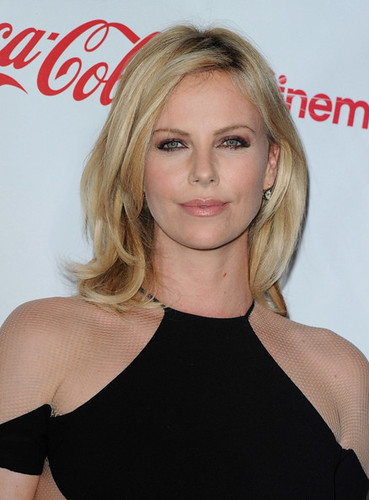
Now, let’s talk about an Oscar-winning actress with undeniable glamor and sophistication: Charlize Theron. Her endorsements were typically high-end, aligning with her status as a global style icon. She epitomized elegance, making her the perfect face for luxury brands that traded on prestige and exclusivity.
However, in 2006, Theron found herself embroiled in a legal battle that highlighted the stringent nature of celebrity endorsement contracts. Swiss watchmaker Raymond Weil terminated their contract with her. The reason? A breach of agreement that stipulated she couldn’t publicly wear watches from rival brands. Apparently, our Queen Theron was spotted sporting another timepiece. Oops!
This wasn’t just a friendly parting of ways; the luxury watchmaker meant business. The Oscar-winning actress was ordered to pay an undisclosed settlement sum, proving that exclusivity clauses in these deals are no joke. It’s not enough to simply promote the brand; you also have to actively avoid giving any airtime to the competition, even by accident.
Charlize Theron’s experience serves as a powerful lesson for any celebrity navigating the complex world of endorsements. These contracts are meticulously crafted, and every detail, no matter how small it seems, holds significant legal weight. It’s a stark reminder that glamour comes with strict guidelines, and a simple accessory choice can cost a pretty penny if it violates the fine print.
Read more about: Beyond the Green Screen: The Fearless Stars Who Insisted on Performing Their Own Most Dangerous Stunts

10. Kate Moss
Speaking of icons, Kate Moss is undoubtedly one of the most recognizable faces in fashion history. Her distinctive look and effortless cool made her a supermodel legend, gracing countless magazine covers and fronting campaigns for the biggest names in the industry. She was the epitome of edgy chic, a trendsetter whose influence spanned decades.
But in 2005, Moss’s career faced a major challenge when tabloid accusations of illegal substance use made headlines. The media frenzy was intense, and the public scrutiny was immediate and unforgiving. For brands, especially those in the luxury sector, image is everything, and any whiff of scandal can be detrimental to their carefully cultivated prestige.
Luxury powerhouses like Chanel and Burberry, with whom Moss had long-standing relationships, acted swiftly. After she reportedly acknowledged the accusations, both brands ended their partnerships with her. This was a clear demonstration of how quickly the corporate world distances itself from anything that could tarnish its reputation or alienate its discerning clientele.
Moss’s situation highlights the unforgiving nature of the public eye and the high standards brands hold their endorsers to. Even an icon of her stature could not escape the consequences of actions perceived as damaging to her public persona. It was a clear message that for luxury fashion, a clean image is as important as a flawless runway walk.
Now, let’s shift gears and look at how these dynamics play out in the vibrant, often intense, world of Filipino showbiz.
Read more about: An Exclusive Deep Dive into the Phenomenal World of Shaun the Sheep and Its Enduring Global Appeal

11. Maris Racal
Maris Racal, a talented singer-actress, recently found herself in the spotlight for reasons beyond her creative work. She was dropped by the beauty brand Dazzle Me following the public revelation of her romance with her screen partner, Anthony Jennings. This might sound like typical celebrity relationship drama, but it quickly became a public discussion point.
Maris swiftly clarified that she was unaware Anthony was still in a relationship when their romance began. While she tried to manage the situation and set the record straight, the controversy had already taken root, stirring up a flurry of online chatter and media speculation. In the interconnected world we live in, personal lives can quickly become public spectacles.
Dazzle Me, the beauty brand, issued an official statement, explaining that they were taking a “different direction” and remaining committed to “staying true to the principles that guide our brand.” This corporate speak is often a polite way of saying the current situation doesn’t align with brand values, even if it’s not an outright moral failing by the endorser.
What truly made Maris’s situation stand out in the Philippines was the public nature of Dazzle Me’s announcement. Historically, Filipino companies tend to end such partnerships quietly, avoiding public statements. However, with social media now being a powerful platform for communication, these types of public announcements might just become the new norm. It’s a sign of evolving transparency, or perhaps, increased pressure, in the digital age.
12. Daniel Padilla
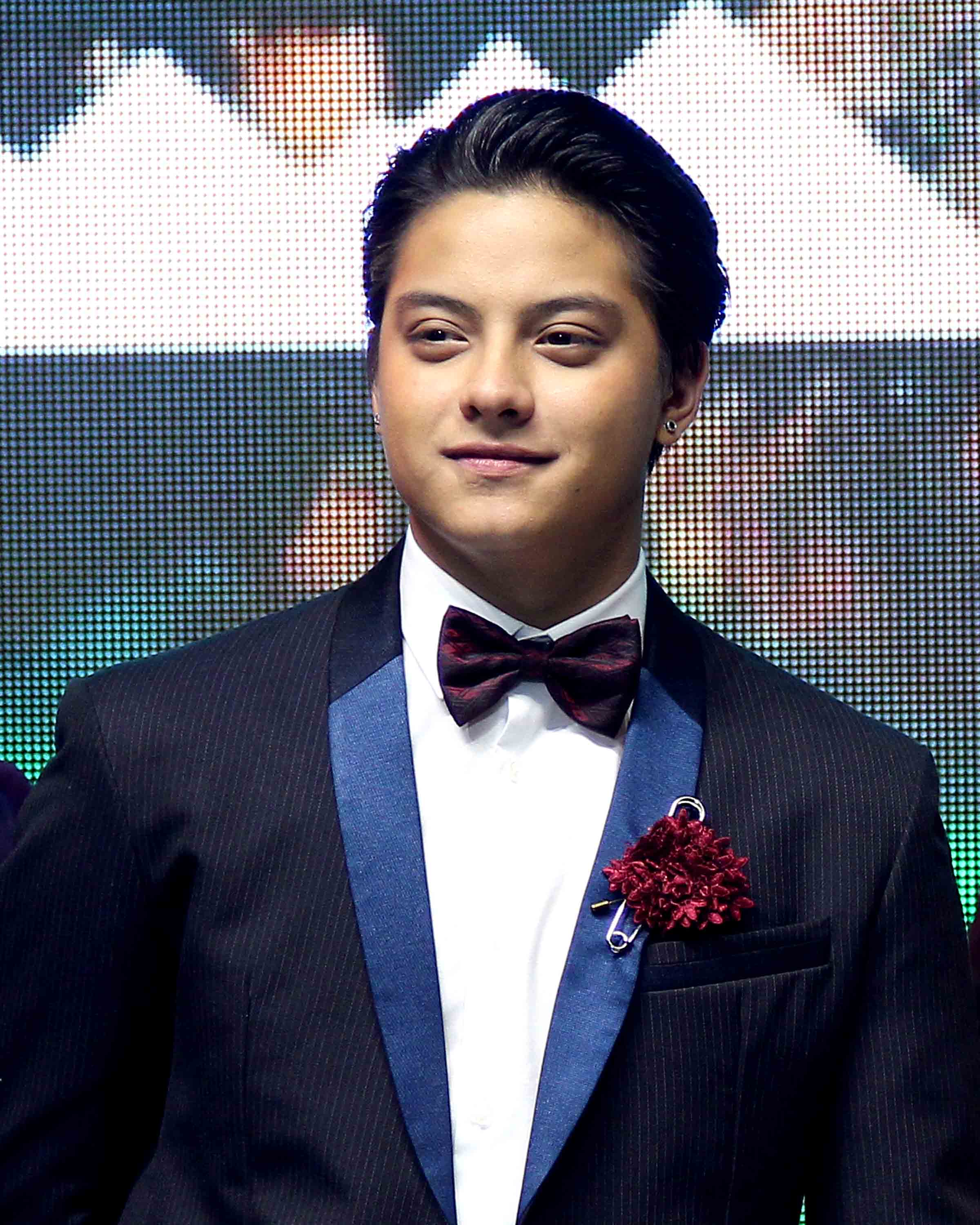
Daniel Padilla, a major heartthrob in Filipino entertainment, was one half of one of the country’s most beloved love teams, often seen as an aspirational couple by fans. His appeal to the masses made him a lucrative choice for numerous brands looking to tap into his widespread popularity and loyal fanbase.
However, his public image took a severe hit after his controversial and highly publicized split from his long-time girlfriend and love-team partner, Kathryn Bernardo. The breakup alone was headline news, but it was the circulating allegations of cheating that truly damaged his carefully curated persona.
These allegations, whether proven or not, reportedly cost him multiple brand deals. For celebrities whose marketability is heavily tied to a wholesome, romantic, or trustworthy image, such personal scandals can be devastating. Brands are often quick to distance themselves from anything that could be perceived as morally ambiguous or negative by their target audience.
Daniel’s case highlights the unique challenges faced by love-team stars in the Philippines. Their personal relationships are often intertwined with their professional brand, and any disruption to that perceived reality can have significant financial and career repercussions. The line between public and private life, especially for these celebrities, is incredibly thin, if not non-existent.
Read more about: 13 Reasons Why: A Comprehensive Look at the Series’ Evolution, Impact, and Controversies

13. Dolphy
Let’s turn back the clock to 1989 and talk about the legendary Comedy King, Dolphy. This icon was a household name, beloved by generations for his humor and enduring presence in Philippine entertainment. His status was unparalleled, making him a sought-after endorser for brands that aimed for broad appeal and a touch of trusted nostalgia.
However, even a legend can face intense public scrutiny. In 1989, Dolphy became romantically involved with singer Zsa Zsa Padilla, who was 36 years his junior. What complicated matters intensely was that both were publicly known to be in committed relationships – Zsa Zsa was legally married, and Dolphy had been with Alma Moreno for years. This affair quickly became national news, sparking moral outrage.
The backlash was severe, with some church sermons reportedly condemning their relationship as a moral issue. The criticism grew so overwhelming that Dolphy and Zsa Zsa felt compelled to move to the United States to escape the intense public scrutiny, highlighting the profound societal impact of such a controversy in a predominantly Catholic country.
The personal cost was immense. Dolphy recalled in his 2008 biography, “When Zsa Zsa and I got together, our lives were turned upside down. I lost my show and was dropped from commercials. At that time, we seriously considered living in the States. We even bought a house there.” He was forced to sell properties to support their new life overseas. Though the issue eventually simmered down and they returned to the Philippines, remaining together until his passing, the immediate career and financial fallout was a harsh reality check.

14. Katrina Halili
In 2009, Katrina Halili was a rising star in Philippine showbiz, a former StarStruck finalist making waves and gracing top-billed projects. Her sultry and attractive persona perfectly fit the ‘bida-kontrabida’ (protagonist-antagonist) archetype, making her stand out and leading her to be named FHM Philippines’ “Sexiest Woman” for two consecutive years—a significant achievement that cemented her status.
However, her surging career hit a devastating roadblock in May 2009. Intimate videos of her and aesthetic doctor Hayden Kho Jr. were leaked online, exploding into a national scandal. The affair was rendered even more illicit and scandalous because Hayden was publicly known to be in a relationship with celebrity cosmetic surgeon Vicki Belo, making the situation a triple threat of personal betrayal, public exposure, and moral debate.
The controversy became so widespread that it even reached the Philippine Senate, where Katrina sought assistance to file charges against Hayden. The nation watched as a Senate hearing unfolded, captivated by the drama. This high-profile, deeply personal issue transcended entertainment news, becoming a topic of national discussion and public discourse.
The severe repercussions on Katrina’s career were almost immediate. She lamented in a June 2009 interview, “Wala na ngang pumapasok na trabaho ngayon, mula nang magsimula ito. Ang daming nag-cancel. Yung isa, para sa isang cellphone network provider, hindi na kami ulit tinawagan…” Among the most notable losses was her partnership with Belo Medical Group, owned by Vicki Belo, who had previously launched Katrina as an image model. The scandal completely derailed her trajectory, illustrating how swiftly a promising career can unravel due to a highly publicized personal controversy.
From global sports figures caught in a compromising photo to fashionistas breaching exclusivity clauses, and from local love team partners facing cheating allegations to veterans embroiled in moral controversies, the stories are as varied as they are dramatic. What connects them all is the undeniable truth: celebrity endorsement deals come with monumental responsibilities and an unblinking public eye. In an age dominated by social media, where a single misstep can go viral in minutes, brands are more vigilant than ever, and stars must navigate their public and private lives with extreme caution. The digital footprint is permanent, and the consequences of a tarnished image are increasingly severe, proving that in the world of endorsements, reputation is truly priceless.