The automotive industry is currently navigating a tempestuous “significant auto-industry storm,” as described by Carlos Tavares, CEO of Stellantis. This turbulent period is characterized by a confluence of slowing sales, stubbornly high vehicle prices, and immense capital expenditures required to develop both new electric and traditional gas vehicles. Investors are signaling their apprehension, punishing automakers’ stocks as second-quarter earnings reports lay bare these widespread issues.
This perfect storm didn’t brew overnight. Following the initial impact of the coronavirus pandemic in 2020, a global computer chip shortage compelled automakers to scale back production. At that time, a unique market dynamic emerged: high-income buyers, restricted from travel and dining, began paying premium prices for a limited supply of high-end vehicles. Automakers capitalized on this, directing their constrained production toward expensive, loaded-out models, which sent new vehicle prices soaring nearly 27% above pre-pandemic levels.
However, as chip supplies normalized, production ramped up, and inventory on U.S. dealer lots swelled from around 1.8 million a year ago to just under 3 million today. The fundamental problem is that automakers continued to build these expensive, option-rich vehicles, while most high-income buyers had already made their purchases. The remaining potential buyers, facing an average new vehicle price of $47,616 and an average new auto loan rate jumping to 7.3% (resulting in an average monthly payment of $739), can no longer afford much of what’s available. The lucrative profits from pricey trucks and SUVs that once funded electric vehicle development are now diminishing, signaling the end of what Sam Abuelsamid, principal mobility analyst for Guidehouse Insights, called “a party” that was bound to conclude. In this unforgiving climate, “survival of the fittest” isn’t just a phrase; it’s a stark reality for several once-unstoppable car brands.

1. **Jeep: A Rugged Reputation Under Siege**Jeep, a brand long synonymous with ruggedness and off-road capability, is currently grappling with a severe blow to its reputation for durability and quality. Historically celebrated for its adventurous spirit and robust build, the brand finds itself in a precarious position as reliability concerns increasingly plague its lineup, particularly in popular models like the Compass, Grand Cherokee, and the iconic Wrangler. These issues are directly impacting consumer trust and, consequently, sales figures for a brand that has traditionally enjoyed a fiercely loyal customer base.
Reports indicate a range of persistent problems, from lighting malfunctions and brake failures to the notorious “death wobble” affecting certain Wrangler models. Such widespread quality control issues are particularly damaging for a brand that commands premium pricing, as buyers expect an equally premium ownership experience. When a vehicle designed for challenging terrains exhibits fundamental reliability shortcomings, it directly undermines the core promise of the brand.
Jeep’s parent company, Stellantis, has attempted to reposition the brand further into the luxury segment, with some models fetching upwards of $80,000 or even exceeding $100,000 for new offerings. This strategy, however, has encountered significant resistance from consumers. Buyers are understandably reluctant to pay luxury prices for vehicles that are simultaneously experiencing poor reliability and frequent recalls. The dissonance between the aspirational pricing and the reality of product quality is actively deterring potential customers, leading to a decline in sales and further erosion of Jeep’s once-unimpeachable reputation.
Furthermore, the struggles of Jeep are not isolated; they reflect broader challenges within Stellantis. North American operations, primarily driven by Jeep and Ram truck sales, account for approximately 50% of Stellantis’s profits. The decline in sales and the accumulation of high inventory on dealer lots for Stellantis vehicles, according to Cox Automotive, underscore that this once-reliable “cash cow” now needs substantial support. The product quality complaints, especially on new high-priced Jeep models, are at the heart of the company’s financial downturn, with sales in the first half of 2024 falling 14% and profits plummeting by nearly half.
Car Model Information: 2015 Jeep Wrangler Sahara
Name: Jeep Wrangler
Caption: Jeep Wrangler Unlimited, Sahara edition
Manufacturer: Jeep
Class: Compact SUV
Production: 1986–present
Predecessor: Jeep CJ
Layout: Front-engine, rear-wheel-drive layout,rear-wheel drive
Chassis: Body-on-frame
Related: AIL Storm
Categories: 1980s cars, 1990s cars, 2000s cars, 2010s cars, All-wheel-drive vehicles
Summary: The Jeep Wrangler is a series of compact and mid-size four-wheel drive off-road SUVs manufactured by Jeep since 1986, and currently in its fourth generation. The Wrangler JL, the most recent generation, was unveiled in late 2017 and is produced at Jeep’s Toledo Complex.
The Wrangler is a direct progression from the World War II Jeep, through the CJ (Civilian Jeeps) produced by Willys, Kaiser-Jeep, and American Motors Corporation (AMC) from the mid-1940s through the 1980s. Although neither AMC nor Chrysler (after it purchased AMC in 1987) have claimed that the Wrangler was a direct descendant of the original military model — both the CJ Jeeps and the conceptually consistent Wrangler, with their solid axles and open top, have been called the Jeep model as central to Jeep’s brand identity as the rear-engine 911 is to Porsche.
Similar to the Willys MB and the CJ Jeeps before it, all Wrangler models continue to use a separate body and frame, rigid live axles both front and rear, a tapering nose design with flared fenders, a fold-flat windshield, and can be driven without doors. Also, with few exceptions, they have part-time four-wheel drive systems, with the choice of high and low gearing, and standard open bodies with removable hard or soft tops. However, the Wrangler series was specifically redesigned to be safer and more comfortable on-road, to attract more daily drivers, by upgrading its suspension, drivetrain, and interior, compared to the CJ line. The suspension on all Wranglers included trackbars and anti-roll bars, and, from the 1997 TJ onwards, front and rear coil springs instead of the previous leaf springs.
From 2004 on, the Wrangler has been complemented with long-wheelbase versions, called Wrangler Unlimited. 2004-2006 models were longer versions with 2 doors. In 2004, only automatic transmission-equipped “Unlimited” versions were sold. In 2005, both an automatic and manual 6-speed (NSG-370) were offered. Since 2007, the long-wheelbase Wranglers were four-door models, offering over 20 in (508 mm) more room. By mid-2017, the four-door models represented three-quarters of all new Wranglers on the market.
Get more information about: Jeep Wrangler
Buying a high-performing used car >>>
Brand: Jeep Model: Wrangler
Price: $11,997 Mileage: 157,085 mi.
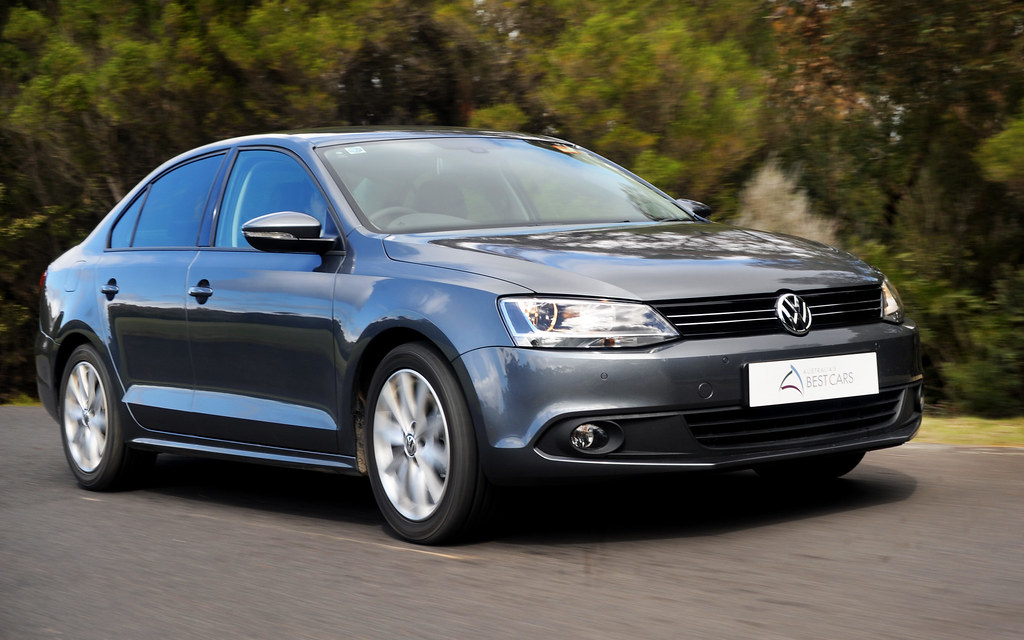
2. **Volkswagen: Navigating a Dual Crisis of Quality and Electrification**Volkswagen, a global automotive giant with a storied history, is currently contending with a multifaceted crisis that imperils its future. The brand is simultaneously battling significant quality control issues across its internal combustion engine (ICE) lineup and struggling to gain meaningful traction in the rapidly evolving electric vehicle (EV) market. This dual challenge is undermining its market position and financial stability, creating an urgent need for strategic reorientation.
On the quality front, Volkswagen has faced a persistent stream of customer complaints and technical problems that have damaged its long-standing reputation for German engineering and reliability. Issues such as engine failures, timing chain problems, and carbon buildup are not only costly to address but also erode consumer confidence. These recurring mechanical concerns deter prospective buyers who might otherwise consider Volkswagen for its perceived quality and performance, pushing them towards more reliable alternatives from competitors.
Compounding its woes, Volkswagen’s aggressive push into the electric vehicle market, exemplified by models like the ID.4, has yet to yield the anticipated results. Despite substantial investment, the brand’s EVs have struggled to resonate widely with American consumers. Factors contributing to this hesitancy include ongoing concerns about EV range, particularly in colder climates, and the perceived inadequacy or inconvenience of public charging infrastructure. These barriers prevent many potential buyers from embracing Volkswagen’s electric offerings, thereby stalling its ambitious electrification roadmap.
Simultaneously, the brand’s intense focus on developing and promoting its EV lineup appears to have come at the expense of its traditional ICE vehicles. A noticeable neglect of its internal combustion engine offerings has led to a decline in their competitiveness and appeal, resulting in a slump in sales across this crucial segment. With both its ICE and EV strategies facing considerable headwinds, Volkswagen has reported mass layoffs and declining profits, highlighting the severe challenges it faces in maintaining relevance and profitability in a fiercely competitive global automotive landscape. The company finds itself in a difficult position, needing to simultaneously restore faith in its traditional models while accelerating its EV transition effectively.
Read more about: From Dominance to Decline: Why These 12 Iconic Car Brands Are Fading Fast in Today’s Volatile Market
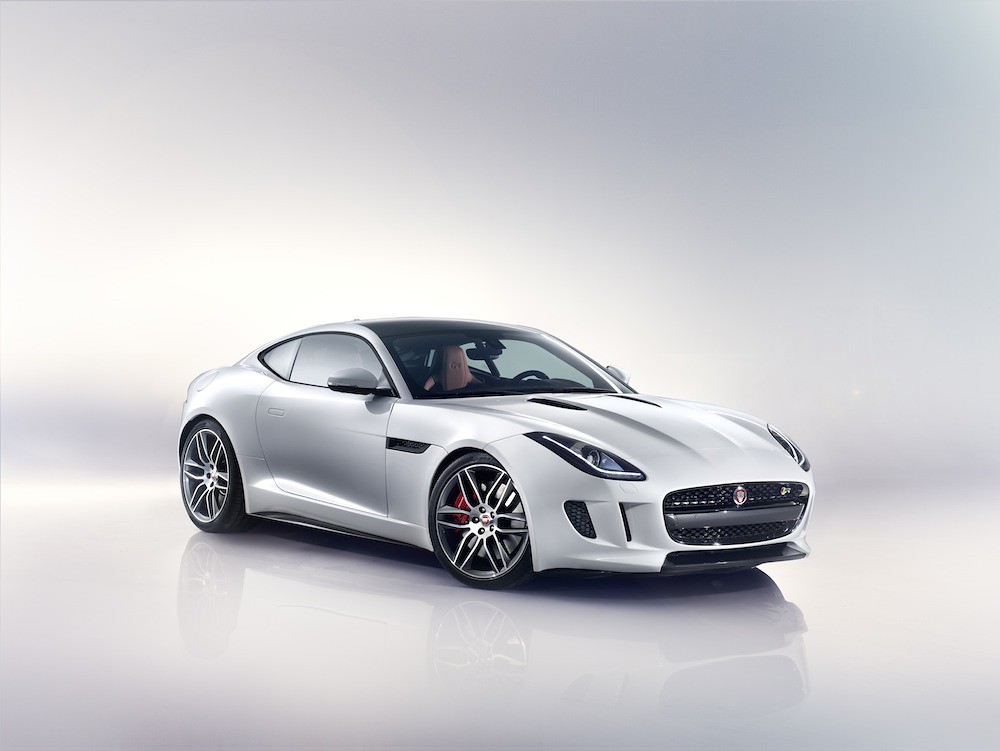
3. **Jaguar: Luxury’s Fading Luster Amidst Reliability Woes**Jaguar, a brand steeped in a rich heritage of luxury, performance, and distinctive British elegance, is confronting an existential threat in the modern automotive market. Despite its aspirational image and a lineup of visually striking vehicles like the XF, XE, and F-Type, persistent and severe reliability issues have become its Achilles’ heel, consistently driving customers away and jeopardizing its long-term viability, particularly in key markets like North America.
The core of Jaguar’s struggle lies in chronic quality control problems that plague various aspects of its vehicles. Customers have reported a litany of issues, including significant engine failures, malfunctions with superchargers, and widespread electrical system glitches. These problems, often associated with high repair costs and frustrating ownership experiences, directly contradict the expectations of luxury vehicle buyers who demand impeccable performance and unwavering dependability for their investment. The allure of luxury quickly diminishes when it is accompanied by frequent breakdowns and dealership visits.
In an attempt to salvage its dwindling fortunes and redefine its market position, Jaguar, as part of the Jaguar Land Rover (JLR) Group, embarked on a strategic gamble: it chose to pause the launch of new models. The intention was to allow the brand to re-strategize and rebrand itself as a niche luxury player, focusing on exclusivity and a refined experience rather than volume sales. However, this high-stakes maneuver appears to have backfired spectacularly in the short term.
The absence of new and exciting models has led to a significant decline in brand visibility and recognition, especially among new generations of luxury consumers. Without fresh products to generate buzz and attract attention, Jaguar is struggling to remain relevant in a dynamic market saturated with innovative offerings from competitors. This lack of a compelling product pipeline, coupled with its ingrained reliability problems, has placed Jaguar’s future in North America at serious risk, raising questions about whether the brand can truly regain its footing or if it is destined to become a historical footnote.
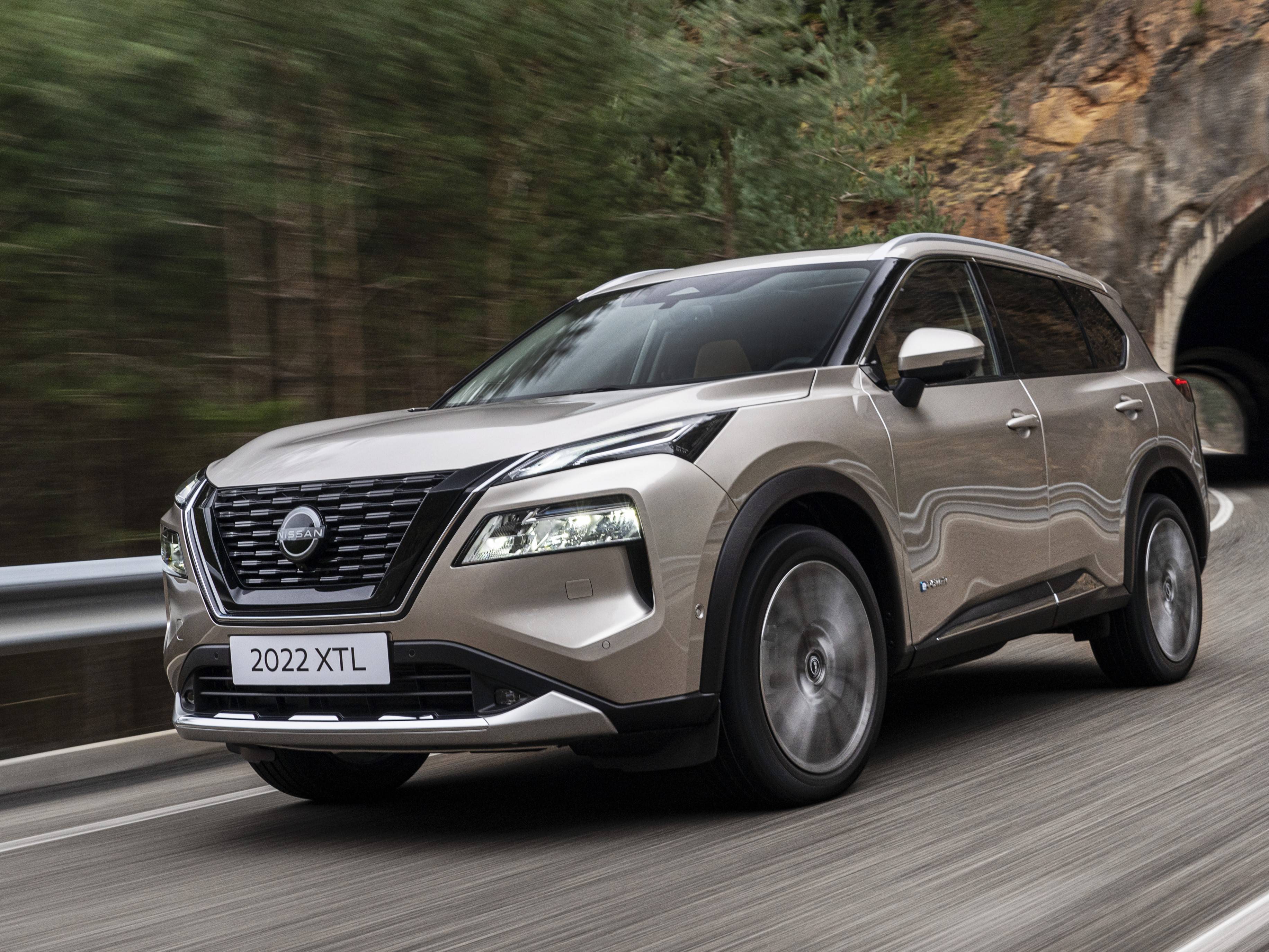
4. **Nissan: The Long Road Back from CVT Troubles and Leadership Turmoil**Nissan, once a formidable player in the global automotive arena, is enduring a protracted period of struggle marked by significant mechanical issues, financial instability, and shifting leadership. While not yet in immediate danger of vanishing from the U.S. market, the brand’s ability to recover hinges on its capacity to overcome deep-seated problems and implement a bold, effective strategy for the years ahead. The company has been battling these challenges for an extended period, leading to a cumulative effect that now threatens its market standing.
A central and enduring problem for Nissan has been the widespread durability issues associated with its Continuously Variable Transmissions (CVT). These transmissions, featured prominently in popular models like the Sentra, Altima, and Kicks, have been a frequent source of complaints regarding reliability and longevity. As a result, many potential customers have grown wary of Nissan vehicles, choosing more reliable alternatives from competitors such as Toyota and Subaru. This fundamental mechanical flaw has systematically eroded consumer trust and directly impacted sales volumes across key segments.
Financially, Nissan has been in a perilous state, with profits plunging despite extensive efforts, including massive incentives offered to boost sales. The company reported a staggering $4.5 billion net loss in 2024, a clear indicator of the depth of its struggles. This financial downturn has been accompanied by significant internal turmoil, including the resignation of the company’s CFO and the CEO taking a substantial 50% pay cut. Furthermore, Nissan initiated a significant restructuring effort, cutting 20,000 jobs and announcing the closure of its first overseas plant by 2027, signaling a contraction of its global footprint.
The challenges continue with the planned discontinuation of once-popular models like the Altima and Versa after this year, further narrowing its product offerings. Production has also been disrupted by ongoing tariffs and supply chain issues, particularly impacting its operations in Mexico. Despite these formidable headwinds, Nissan retains some advantages, including its status as a volume player with global scale and a foundational head start in electric vehicles, exemplified by models like the Ariya and LEAF. While these EV offerings haven’t set the market alight, Nissan’s ongoing investments in product refreshes and future battery technology could provide a pathway to recovery, provided the brand can execute a decisive and successful turnaround strategy in the face of persistent adversity. Without such a strategy, its future, though not immediately terminal, remains undeniably shaky.
The previous section detailed the broader economic headwinds impacting the automotive industry and specific challenges faced by Jeep, Volkswagen, Jaguar, and Nissan. As the “survival of the fittest” mentality sweeps through the sector, it’s clear that not all brands, even those with storied histories, are guaranteed to navigate this tempest successfully. We now turn our attention to three more brands — all under the Stellantis umbrella — that are battling significant existential threats in the U.S. market, each facing unique struggles with brand identity, product strategy, and financial viability. Their precarious positions offer crucial insights into the evolving landscape of global automotive commerce.
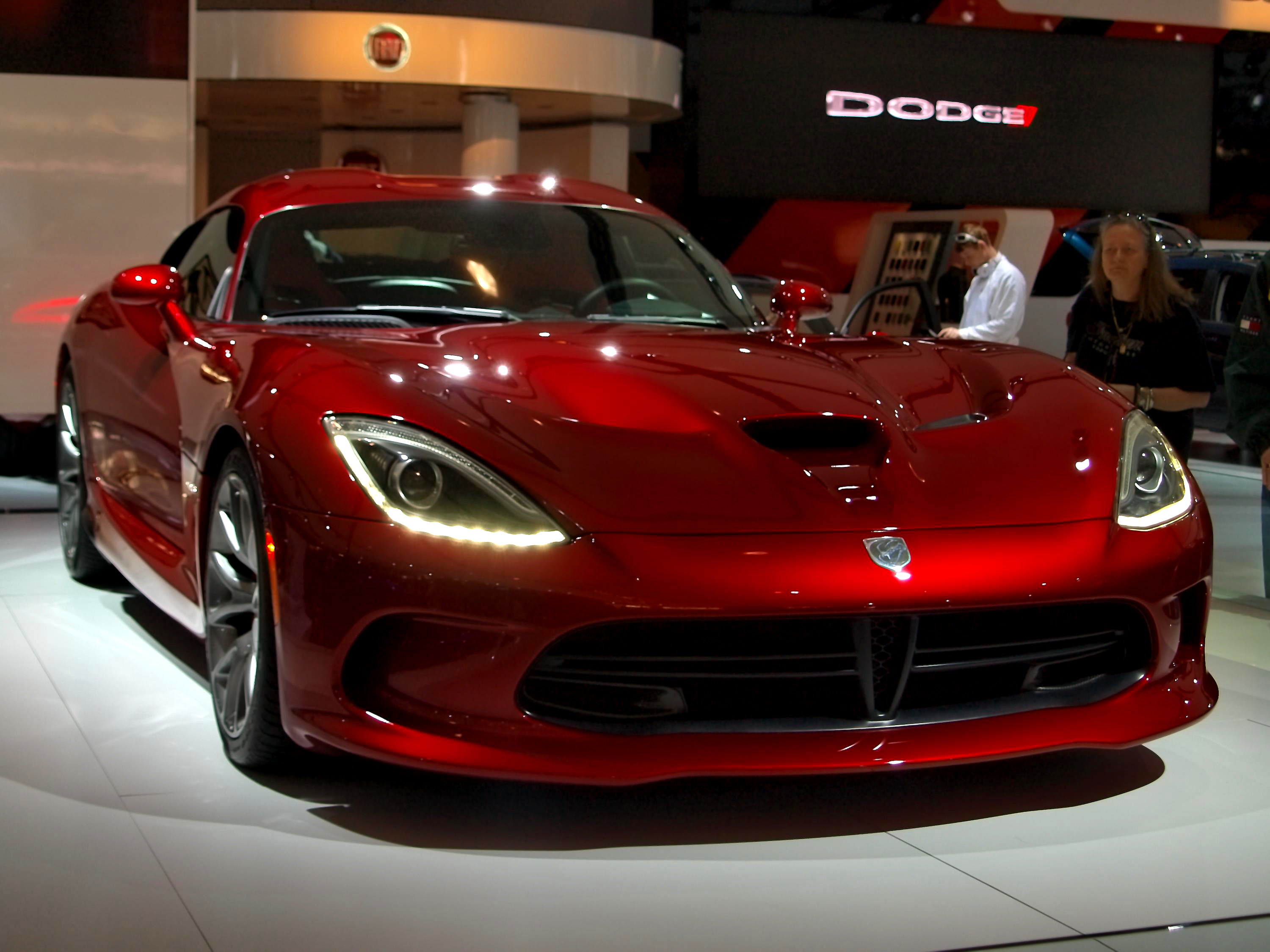
5. **Chrysler: Down to a Single Model, Facing an Uncertain Future**Chrysler, a once-dominant American brand, is currently clinging to relevance with a dramatically diminished product line. Its entire existence in the U.S. market now hinges on a singular model: the Chrysler Pacifica minivan. The brand has seen the discontinuation of its iconic Chrysler 300, leaving no other gas-powered vehicles in its portfolio. This drastic reduction in offerings places an immense burden on the Pacifica to carry the brand’s legacy and future prospects.
The brand’s survival is tied to a rather ambitious, yet vague, promise: an all-electric future by 2028. However, the path to this electrified vision remains entirely unclear. The much-anticipated Chrysler Airflow concept, which was supposed to herald this new era, has been indefinitely put on hold. There are currently no Chrysler EVs available in showrooms, and the broader U.S. market is witnessing a stagnation in electric vehicle sales.
This lack of a concrete strategy for its electric transition is particularly concerning. It’s uncertain whether parent company Stellantis has fully grasped the consumer sentiment regarding electric minivans, as there isn’t a clear indication that buyers are rushing to embrace such a niche electric offering. This absence of a compelling, immediate EV lineup leaves Chrysler vulnerable, especially in a rapidly changing market where electric adoption isn’t as swift or universal as once projected.
Ray Shefska, Co-Founder and industry veteran at CarEdge, articulates the precariousness of Chrysler’s position, stating, “You can’t put all your chips on one vehicle, especially in a niche market. The Pacifica is great, but it’s not going to save Chrysler on its own.” He further emphasizes the uncertainty, noting, “It remains to be seen if Chrysler has a game plan for beyond 2026. Right now it’s all speculation.” This expert analysis underscores the critical need for Stellantis to rapidly develop and deploy a clear and diversified product roadmap for Chrysler, beyond just one model.
The reasons for Chrysler’s shaky future are multifaceted. Its sales are entirely reliant on the Pacifica minivan, a highly specialized vehicle that appeals to a specific demographic. The likelihood of a legacy car brand successfully transitioning to an all-electric future is looking increasingly dim, given current market trends and consumer hesitancy. Furthermore, Chrysler’s brand identity has become murky, raising questions about whether it can still be considered a luxury brand. Without a swift and compelling lineup from Stellantis, Chrysler faces the distinct possibility of fading into irrelevance, with speculation even suggesting the Pacifica could eventually join the Dodge family, paving the way for the ultimate sunsetting of the Chrysler brand.
Read more about: The Real Talk: 13 Car Brands Drivers Say Are Overrated and Don’t Deliver
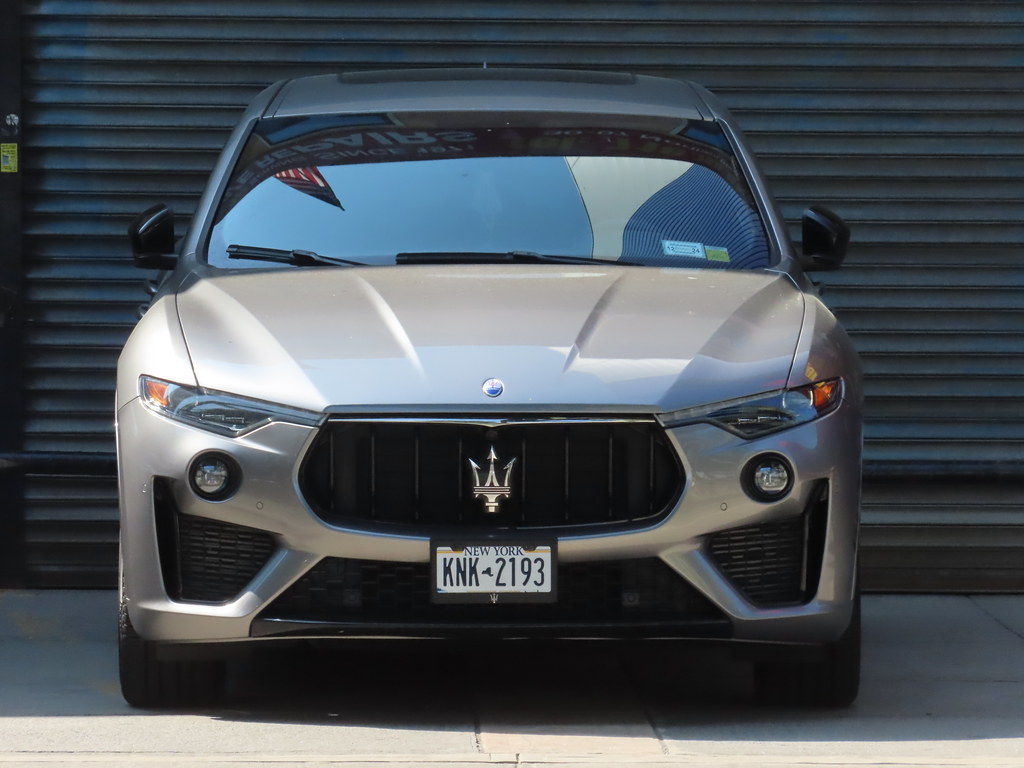
6. **Maserati: A Luxury Brand Bleeding Money and Time**Maserati, envisioned as Stellantis’s crown jewel among its luxury offerings, is unfortunately proving to be more of a financial anchor in 2025. The brand, renowned for its Italian heritage and performance, is confronting a severe downturn that has raised serious questions about its long-term viability, particularly in the U.S. market. The numbers paint a stark picture of a brand in deep distress.
The financial performance of Maserati has been particularly alarming. Global sales plummeted by a staggering 58% in just one year, falling from 26,600 units in 2023 to a mere 11,300 in 2024. This precipitous decline was accompanied by substantial financial losses, with operating losses exceeding $260 million last year alone. Adding to these woes, Stellantis was forced to write off a monumental $1.6 billion in canceled electric vehicle projects that were specifically tied to the Maserati brand, indicating significant missteps in its electrification strategy.
Compounding Maserati’s current struggles is a severe lack of immediate product innovation. There are no new models scheduled for launch until mid-2026, creating a significant void in its lineup. Existing vehicles, such as the Grecale SUV and the MC20 supercar, are simply not achieving meaningful sales figures, suggesting that their appeal in the market is limited or not sufficient to generate the necessary revenue. This stagnant product pipeline prevents the brand from attracting new customers and reinvigorating interest among its traditional clientele.
Ray Shefska offers a blunt assessment of Maserati’s predicament: “If Maserati weren’t a luxury badge, it probably would’ve been shut down already. But even brand equity can only buy so much time.” This observation highlights the critical role of Maserati’s historical prestige in its continued existence, but also signals that even the strongest brand loyalty has its limits when financial performance is consistently poor. The brand’s luxury status, while offering a certain degree of insulation, is not infinite.
The future of Maserati in the U.S. appears increasingly uncertain. Without a significant intervention, such as finding a new buyer or experiencing an unforeseen market “miracle,” the brand’s exit from the American market could become a matter of “when, not if.” This situation underscores the harsh reality that even high-end luxury brands are not immune to the pressures of a challenging automotive market if they fail to adapt, innovate, and deliver financially sustainable results.
Read more about: Financial Freefall: The 15 Cars That Will Absolutely Decimate Your Wallet with Depreciation

7. **Alfa Romeo: Shrinking Sales and an Unclear U.S. Strategy**Alfa Romeo, another storied Italian brand under the Stellantis umbrella, made a highly anticipated return to the United States in 2014 after a two-decade absence. Despite the initial excitement and its rich racing heritage, the brand has struggled significantly to establish a stable foothold, with U.S. sales now in a steep decline and new models failing to reverse this troubling trend. This persistent underperformance raises serious questions about its long-term viability in the North American market.
The sales figures illustrate Alfa Romeo’s challenging trajectory. After reaching a peak of over 18,000 units sold in 2021, its U.S. sales plummeted to a mere 8,868 vehicles in all of 2024. This dramatic drop indicates a significant loss of market traction. Compounding this, there is no clear new product pipeline specifically tailored for the U.S. market, leaving dealers with limited fresh inventory to entice customers. Consequently, dealerships are struggling to move existing stock, reflected in an alarming 208 days of market supply as of July 2025.
Sales of its core models, the Giulia sedan and Stelvio SUV, continue to slide, further eroding the brand’s presence. As a result, Alfa Romeo’s market share in the American car market has fallen to well under 1%. This shrinking footprint comes at a critical time when its parent company, Stellantis, is reportedly undergoing a strategic review of Alfa Romeo, driven by financial losses and ambitious, yet currently unrealized, turnaround plans. The brand’s struggle for relevance is a clear indicator of the intense competition within the premium segment.
Ray Shefska is particularly direct in his assessment, stating, “Alfa Romeo’s a brand with no clear future in the U.S. If the next model isn’t a hit, it could quietly vanish from this market.” This stark warning highlights the make-or-break nature of future product launches for Alfa Romeo. The brand simply cannot afford another misstep in a market that demands constant innovation and compelling offerings to capture consumer attention and loyalty.
Several factors contribute to Alfa Romeo’s precarious position in the U.S. market. The significant drop in U.S. sales, from over 18,000 in 2021 to less than 9,000 in 2024, is a major red flag. Despite being top models, sales of the Giulia and Stelvio continued to fall in 2025. Even the Tonale, which became Alfa Romeo’s top U.S. seller, experienced a 28% decline. These declining figures, coupled with Stellantis posting a $2.7 billion loss in the first half of 2025, suggest that the parent company is seriously re-evaluating Alfa Romeo’s future. While it may be too early to definitively count Alfa Romeo out, the outlook for the brand’s presence in North America appears undeniably grim.
**What This Means for Buyers and Sellers in a Shifting Automotive Landscape**
For consumers considering purchasing a vehicle from one of these struggling brands, or indeed any brand facing an uncertain future, several crucial considerations come to the forefront. The primary concerns revolve around resale value and long-term support for the vehicle. History has shown that vehicles from discontinued or significantly weakened brands often experience a substantial hit to their resale value. Owners may also find it harder and more expensive to source parts and secure maintenance services over time, as the manufacturer’s support infrastructure diminishes. Examples like the resale values of Pontiac, Saturn, and Oldsmobile vehicles serve as clear historical precedents, illustrating the potential pitfalls for buyers.
However, the picture isn’t entirely bleak for savvy shoppers. Brands in distress or with accumulating inventory often resort to offering heavy discounts at the dealership. This can present a unique opportunity for buyers to acquire a vehicle at a significantly reduced price, provided they are prepared for the potential long-term implications regarding resale and service. Staying informed about the latest deals and market trends is essential for navigating these opportunities. As the industry continues its dramatic shake-up, marked by shifting consumer tastes, persistent inflation, and the complex transition to electric vehicles, keeping a close watch on these brands will be paramount. Whether they manage to adapt and survive or eventually fade away, their struggles offer a compelling narrative of resilience and fragility in the fiercely competitive world of automobiles.