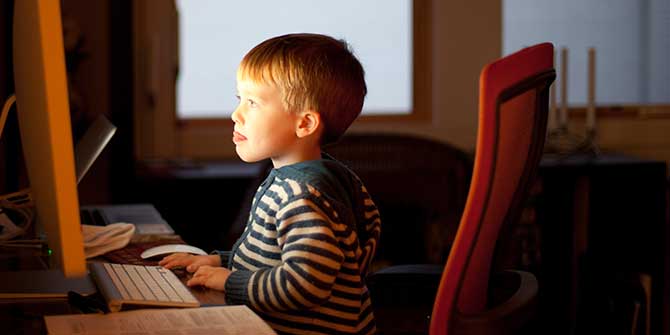
In a world brimming with information, where critical thinking and sound decision-making are more vital than ever, parents often wonder how best to equip their children for the complexities of life. We see headlines and social trends that make us pause, prompting us to consider the foundational skills our kids need to navigate their environment effectively. This constant need to process, understand, and respond rationally highlights a fundamental human capacity that is often taken for granted: reason itself.
But what exactly is ‘reason,’ and how does a deeper understanding of this profound faculty empower us as parents to nurture it in our children? Far from being a dry academic subject, reason is the very engine of comprehending the world, distinguishing truth from falsehood, and shaping a life of freedom and self-determination. It’s about consciously applying logic, drawing valid conclusions, and developing the intellect that defines us as humans. As we delve into its intricate nature, parents will gain invaluable insights into fostering this indispensable ability in their young ones.
This comprehensive guide explores multifaceted dimensions of reason, tracing its philosophical origins, various forms, and profound implications for our children’s development. We’ll unpack expert-backed concepts, historical perspectives, and practical considerations, providing knowledge to actively cultivate strong reasoning skills from early childhood through adolescence. Let’s embark on this enlightening journey to unlock the full potential of the rational mind.
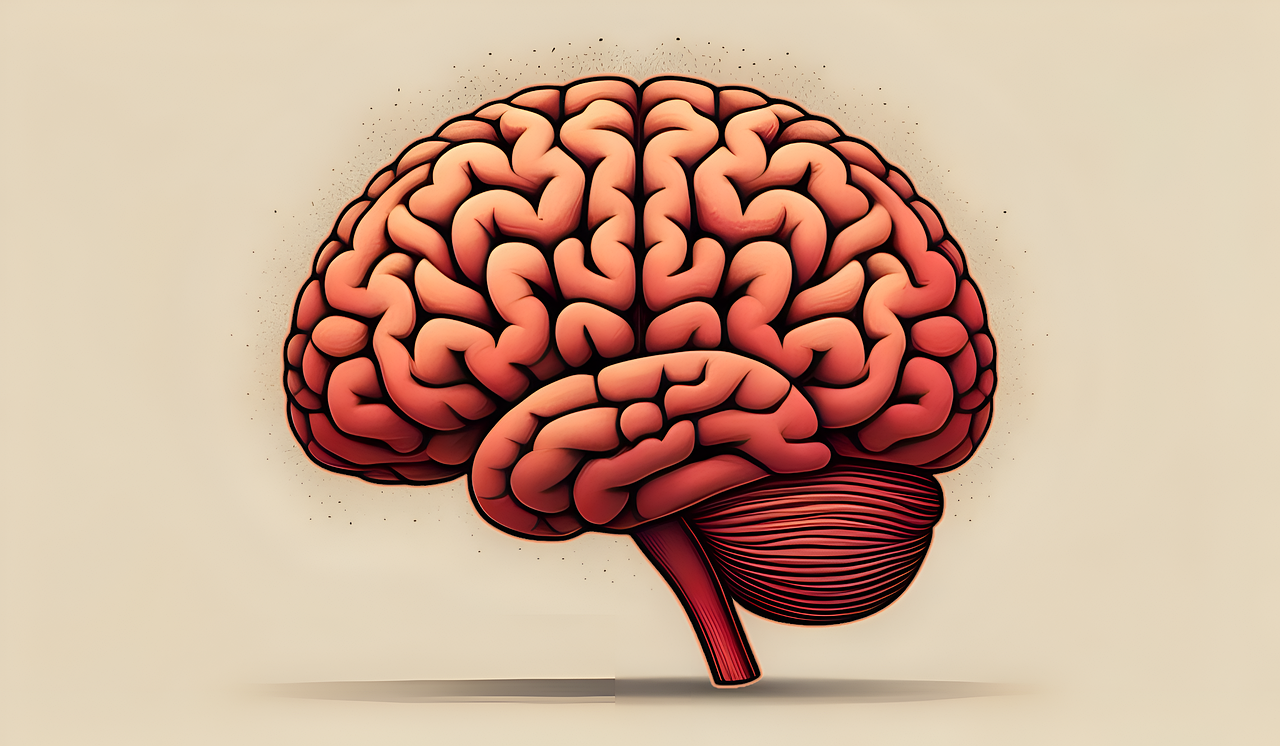
1. **Defining the Core of Reason: Understanding its Fundamental Nature and Human Significance**At its heart, reason is the astonishing human capacity for consciously applying logic to make sense of the world around us. It’s the intrinsic ability to draw valid conclusions, not just from what we already know, but also from new information we encounter daily, all with the ultimate goal of seeking truth. For parents, understanding this foundational definition is crucial because it highlights the very mechanism through which our children learn, adapt, and grow into thoughtful individuals capable of independent thought.
This unique faculty is deeply interwoven with characteristically human endeavors like philosophy, science, language, and mathematics. Reason is universally acknowledged as a distinguishing ability, enabling complex thought and societal advancement. Nurturing reason isn’t about rote learning, but about cultivating a holistic capacity essential for thriving in every aspect of life.
While reason and rationality are often used interchangeably, reason is the inherent capacity itself—the potential for logical thought. Rationality implies the *application* of this capacity. Our goal as parents is to encourage its consistent and effective application in daily lives, guiding choices and interpretations from an early age.
2. **The Process of Reasoning: How We Build New Knowledge from Existing Information**Beyond defining reason, understanding reasoning as an active process is vital. It involves engaging cognitive processes to extrapolate new insights from existing knowledge, expanding our understanding. This intellectual journey from familiar concepts to uncharted understandings testifies to the mind’s dynamic power. For parents, this means recognizing children aren’t just absorbing facts; they’re constantly connecting dots, forming hypotheses, and building their unique world understanding.
Logic studies how humans achieve valid arguments and true conclusions, formalizing sound reasoning. Reasoning isn’t monolithic; it breaks into deductive, inductive, and abductive forms, each a unique approach to problem-solving. Observing how children approach puzzles offers clues into their reasoning forms, guiding parents to support more comprehensive approaches.
Reasoning connects ideas, like habit or intuition, allowing children to grasp sensory information’s significance, conceptualizing abstract dichotomies like cause and effect or truth and falsehood. This process links to executive decision-making and the ability to self-consciously change goals, beliefs, and attitudes, fostering freedom and self-determination. Empowering children with strong reasoning skills gives them tools for a self-directed, thoughtful life.
Read more about: Unveiling the Architects of Thought: The Enduring Quest to Define Reason’s True Nature
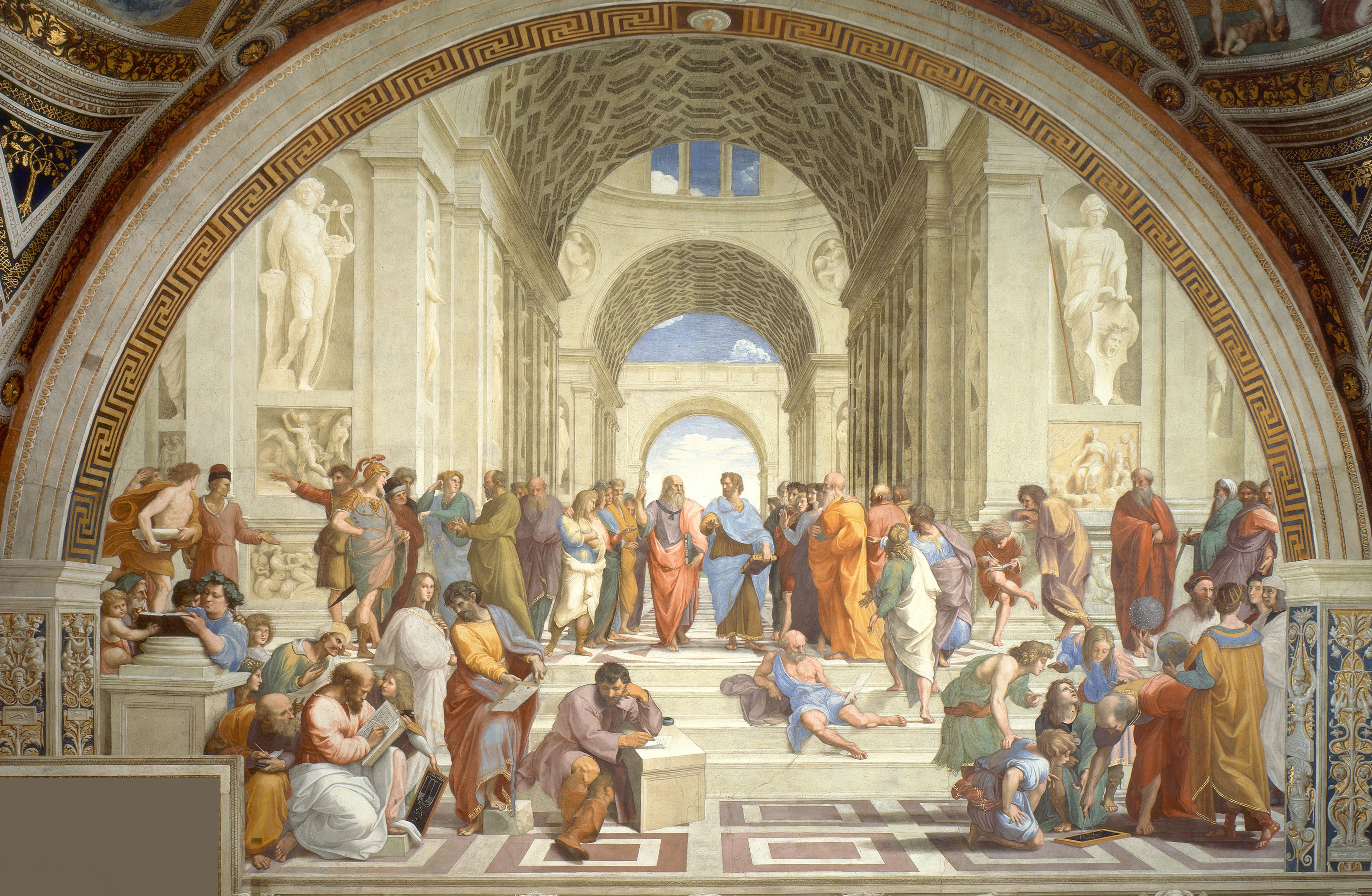
3. **Classical Roots of Rationality: Reason in Ancient Greek Philosophy, from Plato to Aristotle**To appreciate reason’s depth, we look to classical Greece, where it was established as a cornerstone of Western philosophy and science. Reason wasn’t merely a human trait; it was a way of life, offering humanity a special place in the natural world. This history helps parents understand the enduring significance of cultivating reason in their children, connecting them to millennia of profound thought.
Ancient philosophers viewed nature teleologically, believing everything had inherent purpose within a grand, rational cosmic order. They posited the cosmos itself possessed reason, suggesting this faculty was a divine link. Reason was superior to other human characteristics, crucial for human flourishing. For parents, this reverence underscores its importance in developing a child’s character and worldview.
Plato described reason within the human mind (psyche) as the ‘natural monarch,’ ruling over impulses like spiritedness and passions. His student, Aristotle, defined human beings as ‘rational animals,’ emphasizing reason as our species’ defining characteristic. He argued highest human happiness, *eudaimonia*, was achieved by living consistently, excellently, and completely in accordance with reason. These ancient insights remind parents that fostering reason guides children toward a fulfilling and well-ordered life.

4. **Reason’s Spiritual Embrace: Its Integration into Christian and Islamic Thought**Classical philosophical insights into reason were embraced and developed by Christian and Islamic traditions, shaping a rich intellectual tapestry. This adoption by early Church Fathers like Augustine of Hippo and esteemed Islamic philosophers demonstrates reason’s timeless, universal appeal. For parents, this highlights reason not just as an academic tool, but a deep-seated human faculty with spiritual and ethical implications across diverse cultures.
The Neoplatonic concept of the rational human soul, intertwined with reason, found widespread acceptance among medieval Islamic philosophers and influences Iranian philosophy today. As Europe transitioned from the Dark Ages, Christian Patristic traditions and Islamic scholars like Averroes and Avicenna forged the Scholastic view of reason, laying groundwork for modern understandings of rationality.
Saint Thomas Aquinas powerfully exemplified this integration, placing reason at the core of his Natural Law doctrine. He concluded that humans, endowed with reason as a divine spark, possess invaluable worth, leading to ideas of equality and intrinsic basic rights—foundations for human rights. Other Scholastics like Roger Bacon emphasized reason as an innate ability to decipher the created order, contributing significantly to the scientific method. These developments underscore profound ethical and societal implications of fostering reason in children.
5. **The Dawn of Subject-Centred Reason: Early Modern Philosophy’s Shift with Descartes and Locke**In the early modern era, the understanding of reason underwent a monumental transformation. Philosophers and scientists questioned the ancient teleological view of nature, where it possessed inherent purposes and reason. This shifted from a spiritual understanding of the universe towards a more mechanistic one, contextualizing our modern scientific and analytical mindset for parents.
René Descartes, a pivotal figure, challenged the traditional definition of humans as ‘rational animals,’ proposing instead that humans are ‘thinking things’ with unique internal experience. His quest for undeniable knowledge led him to doubt everything except his own mind’s activity in thinking. He famously stated, ‘At this time I admit nothing that is not necessarily true. I am therefore precisely nothing but a thinking thing; that is a mind, or intellect, or understanding, or reason—words of whose meanings I was previously ignorant.’ This radical introspection highlights internal thought as knowledge’s bedrock.
This approach became known as ‘subject-centred’ or epistemological reason, emphasizing the individual mind as the primary lens through which the world and self are perceived. Descartes saw the incorporeal soul, including reason and intellect, as one indivisible entity. Thomas Hobbes described reason as a broad ‘addition and subtraction,’ a ‘calculative’ reason. These ideas, further elaborated by Locke and Hume, influenced how we conceive of knowledge and reason, helping parents understand how children process information and construct reality individually.

6. **Hume’s Skeptical Challenge: Reevaluating Reason’s Power and its Relation to Passions**David Hume introduced a profoundly skeptical perspective challenging previous understandings of reason, particularly for parents guiding children’s emotional and intellectual development. Hume argued we could not logically deduce cause-and-effect relationships with certainty, suggesting much knowledge isn’t based on reason alone. This insight encourages considering pure logic’s limits and experience’s role in forming beliefs.
Hume’s famous statement addressed the conflict between reason and emotion. He asserted, ‘Reason is, and ought only to be the slave of the passions, and can never pretend to any other office than to serve and obey them.’ This view posited desires and emotions as primary drivers, with reason serving as a tool to achieve passionate ends. For parents, this suggests a nuanced approach: understanding children’s feelings motivate actions, and reason can be an invaluable ally in navigating emotional landscapes.
Hume pushed his redefinition of reason to unorthodox extremes. He contended human reason wasn’t fundamentally different from simply conceiving individual ideas or associating two ideas. In his eyes, ‘reason is nothing but a wonderful and unintelligible instinct in our souls, which carries us along a certain train of ideas, and endows them with particular qualities, according to their particular situations and relations.’ This blurred lines between human and animal cognition, concluding animals also possess reason, albeit less complex. Hume’s ideas encourage a holistic view of child development, acknowledging instinct, emotion, and intellect beyond abstract thought.
7. **Kant’s Revolutionary Universal Principles: Guiding Moral Autonomy and Consistent Thinking**After Hume’s skeptical challenge, Immanuel Kant offered a profound re-evaluation of reason, asserting its capacity for universal law-making. For parents, understanding Kant’s perspective helps us guide our children in developing a consistent moral compass and an understanding of universal principles that can govern their actions, moving beyond mere instincts or desires.
Kant distinguished between practical reasoning and theoretical reasoning. Practical reasoning involves the self-legislating formulation of universal norms. This means that our children, through reason, can learn to act according to rules they give themselves, rather than merely following external authority or immediate gratification. This self-governance is the foundation of moral autonomy, fostering true freedom rooted in reasoned choices.
His famous “categorical imperative” provides a powerful framework for ethical decision-making: ‘Act only according to that maxim whereby you can, at the same time, will that it should become a universal law.’ This principle encourages children to consider if their actions would be acceptable if everyone did them, a practical tool for ethical reflection. Theoretical reasoning, on the other hand, is how humans posit universal laws of nature, helping children understand the consistent workings of the physical world.
For parents, Kant’s insights emphasize that reason is not just about solving problems; it’s about shaping character. By encouraging children to think universally and consistently about their actions, we empower them to become morally responsible individuals who understand that their choices impact not just themselves, but the broader community. This cultivation of principled thought is essential for navigating complex social landscapes.
8. **Habermas’s Modern Spheres of Reason: Navigating Cognitive, Moral, and Aesthetic Dimensions**In our complex modern world, Jürgen Habermas suggests that the “substantive unity” of reason, which once offered clear answers to questions like “How should I live?”, has dissolved. For parents, this means recognizing that reason isn’t a single, monolithic tool, but rather a set of specialized approaches, each suited to different aspects of life, and helping our children discern which to apply when.
Habermas describes reason as comprising three autonomous spheres. First, there’s cognitive-instrumental reason, the kind employed by the sciences. This is what children use to observe events, predict outcomes, and intervene in the world based on hypotheses—skills vital for scientific literacy and practical problem-solving. Parents can foster this by encouraging experimentation and inquiry in everyday activities.
Next is moral-practical reason, which guides our deliberations in the moral and political realms, operating according to universalizable procedures akin to Kant’s categorical imperative. This sphere is crucial for children to develop empathy, fairness, and the ability to engage in constructive ethical discussions, understanding the perspectives of others and advocating for justice.
Finally, aesthetic reason is typically found in art and literature, offering novel ways of seeing the world and interpreting things. This encourages creativity, appreciation for beauty, and an understanding that there are multiple valid interpretations of experiences. Parents can nurture this by exposing children to diverse art forms and encouraging imaginative play and storytelling, broadening their intellectual horizons.
These three spheres, while distinct, need to be mediated and connected to our daily “lifeworld.” By helping children understand these different modes of reasoning, we equip them with a versatile mental toolkit to approach challenges in science, ethics, and artistic expression, ensuring they can engage deeply and effectively with the world around them.
9. **The Ongoing Critique of Reason: Fostering Flexible Thinking and Diverse Perspectives**While reason is celebrated, its very nature has been a subject of continuous philosophical debate, prompting what’s known as the “critique of reason.” For parents, understanding these critiques means appreciating that there isn’t just one “right” way to reason, and it encourages us to foster flexibility, open-mindedness, and an ability to consider multiple viewpoints in our children.
Thinkers from Kierkegaard to Nietzsche, Heidegger, Foucault, and Rorty have questioned subject-centred, universal, or instrumental reason, sometimes even expressing skepticism toward reason as a whole. This isn’t to dismiss reason, but to highlight its limitations or potential for misuse. For example, some argue that reason has overshadowed the importance of intersubjectivity or ‘spirit’ in human life, advocating for a more holistic view.
This ongoing philosophical conversation has led to proposals for “re-orienting” reason. Habermas, for instance, suggested ‘communicative reason,’ emphasizing it as a cooperative activity based on linguistic intersubjectivity – essentially, reasoning together through dialogue. Nikolas Kompridis championed reason as practices that open and preserve ‘openness’ in human affairs, promoting social change.
Michel Foucault, building on Kant, distinguished between ‘private reason’—when an individual acts as ‘a cog in a machine’ fulfilling a specific social role—and ‘public reason’—when one reasons as a ‘reasonable being’ and ‘member of reasonable humanity,’ where the use of reason must be free and public. This highlights the importance of critical engagement in societal discourse, a crucial skill for children becoming active citizens.
By engaging children in discussions that acknowledge diverse perspectives on truth and understanding, we prepare them for a world where complex problems rarely have single, straightforward solutions. Teaching them to question, to seek multiple viewpoints, and to understand the context of different reasoning approaches will serve them well in all aspects of life.
10. **Reason’s Intricate Dance with Logic: Beyond Rules to Deeper Understanding**The terms “reason” and “logic” are often used interchangeably, yet they are distinct, though interconnected. For parents, grasping this difference is key to helping children develop robust thinking skills, understanding that logic is a powerful tool *within* the broader capacity of reason, not its entirety.
Logic is fundamentally about reasoning, moving from premises to a conclusion, and clarifying arguments to separate valid from invalid reasoning. It provides formal rules and systems for constructing sound arguments. For example, Aristotle’s “syllogism” was an early codification of logical thought, demonstrating how conclusions can be derived with certainty from given premises.
However, reason encompasses more than just strict logic. As author Douglas Hofstadter suggests, logic operates “inside a system,” while reason can operate “outside the system” using creative methods like skipping steps, working backward, or drawing diagrams. This highlights reason’s adaptive and flexible nature, often requiring intuitive leaps that transcend formal rules.
Psychologists Mark H. Bickard and Robert L. Campbell further assert that “rationality cannot be simply assimilated to logicality.” They point out that our knowledge of logic itself has evolved through reasoning, and logical systems cannot create more powerful ones on their own. This suggests that reason involves a metacognitive capacity for understanding, evaluating, and even constructing logical systems, as psychologist David Moshman notes.
Therefore, when guiding our children, we should encourage them to master logical tools but also to think creatively and critically beyond predefined rules. Fostering this nuanced understanding helps them not only apply established logical frameworks but also to innovate, adapt, and even challenge existing systems when necessary, truly harnessing the full power of their reasoning abilities.
Read more about: Decoding Human Reason: Key Facets of Our Defining Intellectual Capacity
11. **The Power of Symbolic Thinking and Imagination: Cultivating Creativity Alongside Rationality**
Human reason is profoundly linked to our unique ability to engage in symbolic thinking and imagination, distinguishing us from other species. For parents, recognizing this connection empowers us to foster not just analytical skills, but also the rich imaginative and linguistic capacities that are fundamental to our children’s overall intellectual development and problem-solving.
Philosophers like Charles Sanders Peirce highlight that reason requires the ability to create and manipulate systems of symbols, like language, where words have a nominal, though habitual, connection to what they represent. Thomas Hobbes viewed the creation of internal ‘Marks, or Notes of remembrance’ as a form of speech, which when communicated, becomes language. This symbolic capacity is the bedrock of complex thought and communication.
Reason and imagination are not separate but rely on similar mental processes. Aristotle observed that while some animals possess ‘phantasia’ (imagination) and a form of ‘phronein’ (thinking that can judge), human imagination is distinctly different. Terrence Deacon and Merlin Donald link the origin of language, consciousness, and imagination to human ‘mimesis’ – the ability to invent intentional representations, distinct from simple imitation.
Merlin Donald emphasizes that young children effortlessly distinguish between a play-acted event and a real one, a crucial aspect of representational thinking. This human capacity, which Plato called ‘eikasia,’ allows us to perceive whether a perception is an image or a reflection, not reality itself. It’s the ability to grasp that a dream or a memory is a representation, not the actual event.
Furthermore, human ‘recollection’ (anamnēsis) differs from mere memory. It’s a deliberate, voluntary effort to search for and recapture something once known, what Donald calls ‘autocueing.’ This active engagement with our internal mental world is uniquely human. As J.R.R. Tolkien suggested, fantasy and enchantment are deeply connected to the ‘origin of language and of the mind,’ underscoring how imagination fuels our deepest cognitive faculties. By nurturing these capacities, parents help children develop rich internal worlds and sophisticated means of engaging with reality.
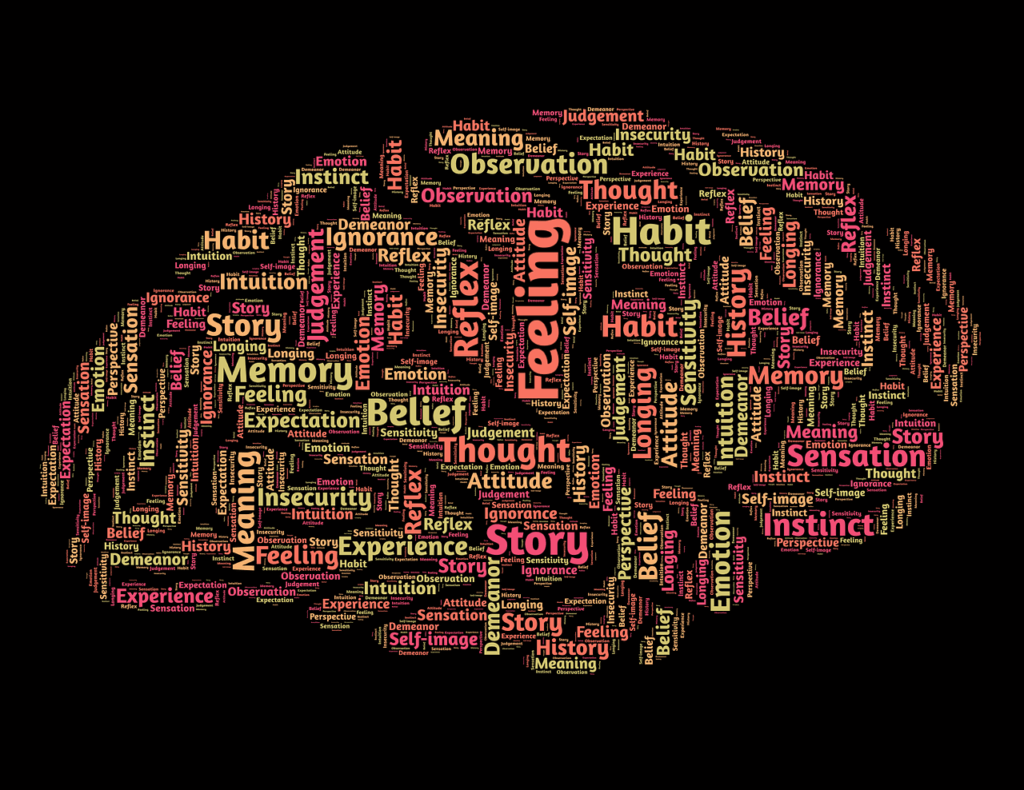
12. **Navigating the Labyrinth of Reasoning: Logical Methods and Avoiding Fallacies for Clear Thinking**
To truly foster robust reasoning skills in our children, it’s essential to understand the various forms of logical reasoning and, critically, how to identify flawed arguments. Equipping them with these tools helps them analyze information, make sound judgments, and articulate their thoughts with clarity and precision.
We can categorize logical reasoning into several methods. Deductive reasoning, for instance, starts with general premises and moves to a specific, necessarily true conclusion, like ‘All humans are mortal. Socrates is a human. Therefore, Socrates is mortal.’ The conclusion is guaranteed if the premises are true. Inductive reasoning, conversely, draws general conclusions from specific observations, like inferring ‘The sun will also rise in the east tomorrow’ because it always has. Its conclusions are probable, not certain, but expand our understanding.
Analogical reasoning is a form of inductive reasoning that moves from particular to particular, often used in legal thinking. An example might be: ‘Socrates is human and mortal. Plato is human. Therefore, Plato is mortal.’ However, parents should teach caution here, as analogical reasoning, while helpful, can be weaker and often lead to incorrect conclusions if the analogy is flawed, such as ‘Socrates is human and male. Ada Lovelace is human. Therefore, Ada Lovelace is male.’
Abductive reasoning, or argument to the best explanation, involves starting with incomplete observations and inferring the most likely explanation. For example, if a child has certain symptoms, a doctor might abduce the most probable illness. This is crucial for problem-solving in everyday life, where we often make decisions based on the best available, though incomplete, evidence.
Crucially, parents must also help children recognize ‘fallacious reasoning’ – flawed arguments. Formal fallacies involve a problem with the argument’s structure, always rendering it invalid. Informal fallacies, on the other hand, arise from issues with the argument’s content. By teaching children to identify these common pitfalls, we empower them to critically evaluate information, whether from social media, advertising, or everyday conversations, ensuring they can think clearly and avoid being misled.
**Empowering the Next Generation of Rational Thinkers**
As we’ve journeyed through the intricate landscape of reason, from its ancient philosophical roots to its modern applications and ongoing critiques, a clear message emerges for parents: fostering a child’s rational mind is one of the most powerful gifts we can bestow. It’s not about rote memorization or rigid adherence to rules, but about cultivating a dynamic, adaptable capacity for understanding, problem-solving, and ethical decision-making.
By embracing the multifaceted nature of reason – understanding its logical underpinnings, appreciating its creative potential through imagination and language, and navigating its various applications in different spheres of life – we equip our children with the tools to navigate a complex world with confidence. Let us champion an environment where curiosity thrives, critical inquiry is encouraged, and the boundless potential of the human intellect is nurtured, preparing them to be thoughtful, independent, and effective contributors to their own lives and to society as a whole.