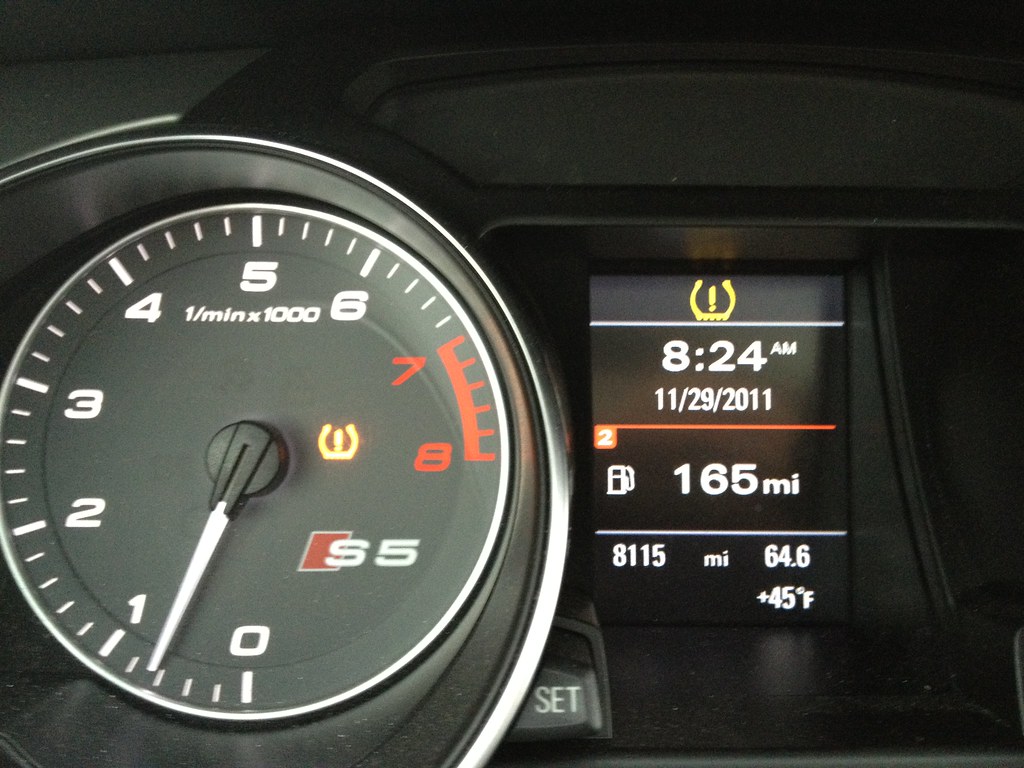
Few dashboard warnings are as universally frustrating as the tire pressure light. It’s that familiar horseshoe icon with an exclamation point, typically signaling a quick stop at the air pump. The expectation is simple: fill your tires to the recommended pressure, drive a short distance, and the pesky light will disappear, allowing you to get back to your journey with peace of mind. But what happens when you’ve done everything right—or so you think—and that stubborn light refuses to go out? It’s a common scenario that leaves many drivers scratching their heads, wondering what went wrong after their diligent efforts.
This persistent illumination of the Tire Pressure Monitoring System (TPMS) light can be confusing, especially when you’ve taken the time to ensure your tires seem adequately inflated. Beyond the annoyance, ignoring this warning can lead to significant issues, impacting everything from your vehicle’s safety and handling to its fuel efficiency and tire longevity. Understanding the intricacies of your TPMS and the various factors that can cause its light to stay on is not just about silencing a warning; it’s about maintaining a safe and efficient vehicle.
In this comprehensive guide, we’ll delve into the typical culprits behind a TPMS light that just won’t quit, even after you’ve topped off your tires. From simple oversight to more complex technical glitches, we’ll equip you with the knowledge and actionable advice needed to diagnose and, in many cases, resolve this common automotive enigma. Prepare to take the guesswork out of that dashboard warning and empower yourself with a deeper understanding of your vehicle’s tire health system.
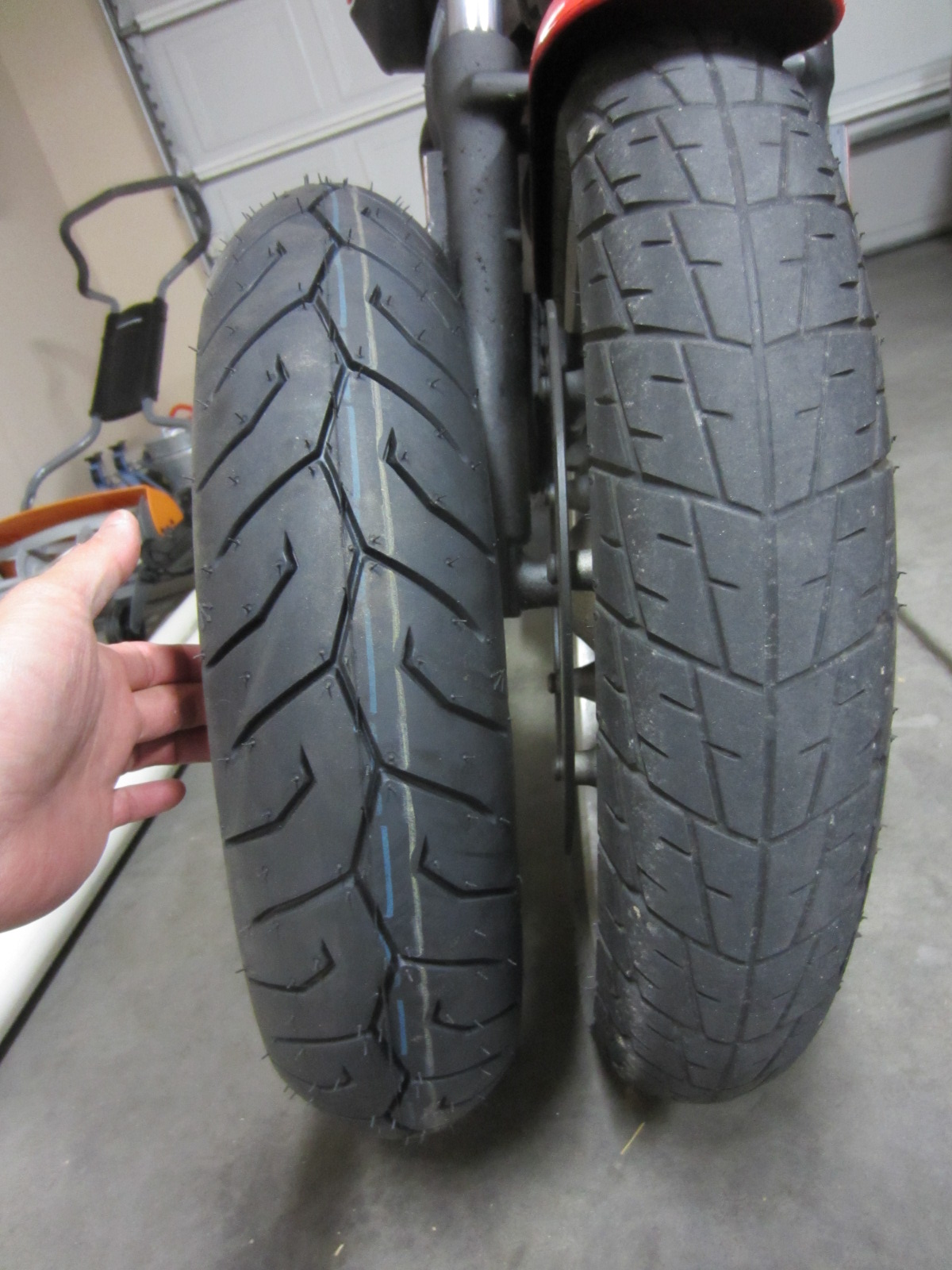
1. **Incorrect Tire Pressure Readings**One of the most frequent reasons your tire pressure light remains illuminated, despite your best efforts, is that the tires simply aren’t filled to the *correct* pressure. It’s a common misconception that the pressure listed on the tire sidewall is the recommended inflation level for your vehicle. In reality, that number represents the *maximum* pressure the tire can safely handle, not the optimal pressure for your specific car or truck. The true recommended pressure, crucial for safety, fuel efficiency, and tire longevity, is typically found on a sticker inside the driver’s side doorjamb or within your vehicle’s owner’s manual. Always consult these sources for the precise PSI (Pounds Per Square Inch) your manufacturer advises.
Furthermore, the timing of your pressure check is critical. Tires should always be checked when they are “cold,” meaning they haven’t been driven on for at least a few hours. Driving generates friction and heat, causing the air inside your tires to expand and the pressure to increase, providing a falsely high reading. If you measure your tire pressure immediately after a drive, you might mistakenly believe your tires are adequately inflated when, in fact, they are still under-inflated once cooled down. This small but significant detail can be the difference between a persistent TPMS light and a clear dashboard.
Another factor often overlooked is the accuracy of the tire pressure gauge itself. Inexpensive or old gauges can be surprisingly inaccurate, leading you to believe your tires are at the correct PSI when they are not. Investing in a reliable, perhaps even digital, tire pressure gauge can provide more precise readings and eliminate this variable from your troubleshooting process. Remember, a small pressure difference—even one tire being slightly off—can still trigger the warning light, as the TPMS is designed to be quite sensitive to deviations from the recommended range. Both underfilling and overfilling can activate the system, highlighting the importance of precise inflation.
Read more about: Why Your Tire Pressure Is a Game-Changer for Safety, Performance, and Your Wallet: An In-Depth Guide

2. **TPMS System Not Resetting**Sometimes, even after you’ve meticulously inflated your tires to the correct pressure and ensured all sensors are functioning, the TPMS light stubbornly refuses to turn off. This isn’t necessarily an indication of a new problem, but rather that the system needs a bit of time—or a little help—to recalibrate itself and acknowledge the updated pressure readings. Many TPMS sensors require actual motion to update their data, meaning simply filling the tires while stationary isn’t always enough to clear the warning.
For most vehicles, the system will eventually reset itself after you drive for a certain period. Typically, driving for at least 10 to 20 minutes at highway speeds allows the sensors to transmit updated pressure data wirelessly to the vehicle’s computer. This sustained motion and speed provide the necessary conditions for the system to recognize that the tire pressures are now within the acceptable range, and the light should extinguish. If you’ve only driven short distances or at low speeds, the system might not have had enough time or the right conditions to complete its recalibration cycle.
However, some vehicles require a manual intervention to reset the TPMS. If driving doesn’t resolve the issue, your next step should be to consult your owner’s manual. This invaluable resource will provide specific instructions tailored to your vehicle’s make and model. Often, there’s a dedicated TPMS button that needs to be pressed and held for a few seconds, or a reset option accessible through the vehicle’s infotainment system or dash menu. Performing this manual reset, often followed by a short drive, provides the system with the explicit command to recalibrate. The right calibration is needed for the TPMS to behave normally.

3. **Temperature Fluctuations**Our tires are sensitive to more than just punctures and under-inflation; they’re also affected by the environment around them, especially temperature changes. Significant drops or rises in ambient temperature can directly impact the air pressure inside your tires, leading to the TPMS light illuminating. This phenomenon is rooted in basic physics: hot air is less dense than cold air, and this principle applies directly to the pressure within your tires. As the temperature drops, the air inside your tires contracts, causing the pressure to decrease. Conversely, rising temperatures can cause the air to expand, increasing pressure.
Consider the seasonal shifts: during colder months, it’s quite common for the TPMS light to appear because the air pressure inside your tires naturally drops. A general rule of thumb is that for every 10 degrees Fahrenheit drop in temperature, tire pressure can decrease by about 1 PSI. If your tires were already on the lower end of the recommended PSI, even a moderate cold snap can push them below the manufacturer’s threshold, triggering the warning. During the winter, your tires are more susceptible to low pressure, making regular checks even more crucial.
Conversely, in the summer, your vehicle’s TPMS could be super sensitive because of the increased pressure inside the tire due to heat. Therefore, it’s not just under-inflation that can cause concern; pressure fluctuations due to temperature can trick the system. To counter this, it’s essential to check your tire pressure regularly, particularly during periods of significant weather change or when transitioning between seasons. Adjusting your tire pressure to the recommended levels during the coldest part of the day will help ensure accurate readings and prevent false alarms from temperature-induced pressure drops.
Read more about: The Definitive Guide to Carbon Mountain Bike Frame Durability: 11 Factors That Determine Longevity
4. **Slow Tire Leaks**Even if you’ve recently filled your tires and driven for a bit, a persistent TPMS light can indicate a more insidious problem: a slow leak. These leaks are often difficult to detect visually because the pressure loss occurs gradually, sometimes over days or weeks, making it less obvious than a sudden flat. Over time, however, even a small, imperceptible leak can reduce the tire pressure enough to trigger the sensitive TPMS warning, leaving you puzzled if you’ve only just topped up the air.
Slow leaks can stem from various sources. A common culprit is a puncture from a small object like a nail or screw, which might remain embedded in the tire, allowing air to escape slowly. Valve stem damage is another frequent cause; the rubber on the valve stem can crack and degrade over time, or the valve core itself can become loose, creating a subtle escape route for air. Additionally, corrosion on the wheel rim where the tire bead seals can compromise the seal, leading to a slow leak that is often hard to pinpoint without professional inspection.
If you suspect a slow leak, a thorough inspection of your tires is warranted. Look closely for any embedded objects, check the valve stems for visible damage, and examine the wheel rims for signs of corrosion or deformity. You can also perform a simple soapy water test: spray a mixture of soap and water around the tire’s tread, sidewalls, valve stem, and the rim-tire interface. Bubbles forming indicate escaping air and pinpoint the location of the leak. If you find one, it’s crucial to take your vehicle to a reputable tire shop for inspection and repair, as ignoring a slow leak can eventually lead to a more dangerous tire failure.
Read more about: Mechanic’s Crucial Warning: 15 Popular Vehicles That Turn into Costly Financial Traps Well Before 120,000 Miles

5. **Spare Tire Issues**While most drivers focus on the four tires currently on their vehicle, it’s easy to forget about the fifth—the spare tire. In many modern vehicles, especially those equipped with a direct TPMS system, the spare tire also contains a TPMS sensor. This means that if your spare tire is significantly under-inflated, it can trigger the TPMS light on your dashboard, causing confusion when all four mounted tires appear to be at their correct pressure. This is particularly true for full-size spare tires, which are more likely to be integrated into the vehicle’s monitoring system.
The logic behind monitoring the spare tire is sound: an emergency spare is only truly useful if it’s properly inflated and ready for immediate use. An under-inflated spare could leave you stranded or, worse, compromise your safety if you have to install it in an emergency situation. The TPMS system is designed to provide a comprehensive view of your vehicle’s tire health, and for many manufacturers, that includes the spare.
Therefore, if you’ve checked and re-checked your four main tires and the light persists, make it a point to check the pressure of your spare tire. Ensure it is inflated to the recommended pressure specified in your owner’s manual, which might be different from the primary tires. Regularly checking the spare’s pressure, even if you don’t use it frequently, is a good preventive measure that can save you from an unexpected TPMS warning and ensure you’re prepared for any roadside tire emergency. If your vehicle spare tire does not have a tire pressure sensor, low air pressure will not cause the TPMS warning light to turn on.
Read more about: Forget the Big Screen: 14 War TV Shows That Deliver More Punch Than Any War Movie

6. **Overinflated Tires**While the primary concern for the Tire Pressure Monitoring System (TPMS) is typically under-inflation, it’s important to understand that the system can also be triggered by tires that are significantly *overinflated*. Many drivers mistakenly believe that as long as the tires have ‘enough’ air, they are safe. However, just as under-inflation poses risks, so does over-inflation, and the TPMS is designed to alert you to pressure levels that fall outside the manufacturer’s recommended PSI range in either direction.
When tires are overinflated, the contact patch with the road — the area of the tire that actually touches the pavement — shrinks considerably. This reduced contact patch means less traction, which can negatively impact your vehicle’s handling, especially during braking or cornering. It also leads to a harsher, less comfortable ride, as the tire is less able to absorb road imperfections. Furthermore, over-inflation causes uneven tire wear, primarily concentrating wear in the center of the tread, shortening the lifespan of your tires and requiring more frequent replacements.
The TPMS can be quite sensitive, and if the pressure inside your tires exceeds the upper limit of the manufacturer’s specified range, the light can illuminate to let you know that something might be wrong. If you find your tires are overinflated after checking them with a reliable gauge, the solution is straightforward: carefully deflate them back down to the safe and recommended PSI range specified on your driver’s side doorjamb or in your owner’s manual. Maintaining the exact recommended pressure is crucial for optimal performance, safety, and longevity of your tires.” , “_words_section1”: “1945
Read more about: Tire Specialist’s ‘Crucial’ Tips: Double Your Tire Life Without Ever Buying a More Expensive Brand

7. **Faulty TPMS Sensor (Dead Battery or Damage)**The Tire Pressure Monitoring System (TPMS) relies on sophisticated sensors inside your tires, constantly monitoring pressure and transmitting data. These sensors, like any electronic component, are not immortal. Each direct TPMS sensor is powered by a small, non-rechargeable internal battery, typically lasting 5 to 10 years. Once this battery’s life cycle concludes, the sensor goes blind and silent, ceasing its transmission. When the vehicle’s computer stops receiving data, it registers a fault, illuminating the TPMS warning light, even if the tire is perfectly inflated. This can be perplexing when you diligently check tire pressure and find it correct.
The longevity of these sensor batteries varies, and once a TPMS sensor battery dies, it cannot be recharged or replaced separately; the entire sensor unit must be swapped out. Beyond battery depletion, TPMS sensors are susceptible to physical damage. Located inside the tire near the valve stem, they are vulnerable during tire installation, rotation, or repair. An inexperienced technician might inadvertently strike or crack the sensor, damage its antenna, or break the valve stem connection. Road debris, impacts, or corrosion can also contribute to sensor degradation. A damaged sensor, much like one with a dead battery, cannot perform its function accurately, leading to a persistent warning.
Diagnosing a faulty sensor usually requires specialized diagnostic tools that communicate directly with the TPMS system to identify the specific malfunctioning sensor. If a sensor is the culprit, replacement is the only viable solution. This involves dismounting the tire, replacing the old sensor, and performing a TPMS relearn procedure to integrate the new sensor. While the sensors themselves aren’t overly expensive, the labor involved in replacement and reprogramming contributes to the overall cost, yet it’s essential for restoring your safety system’s integrity.
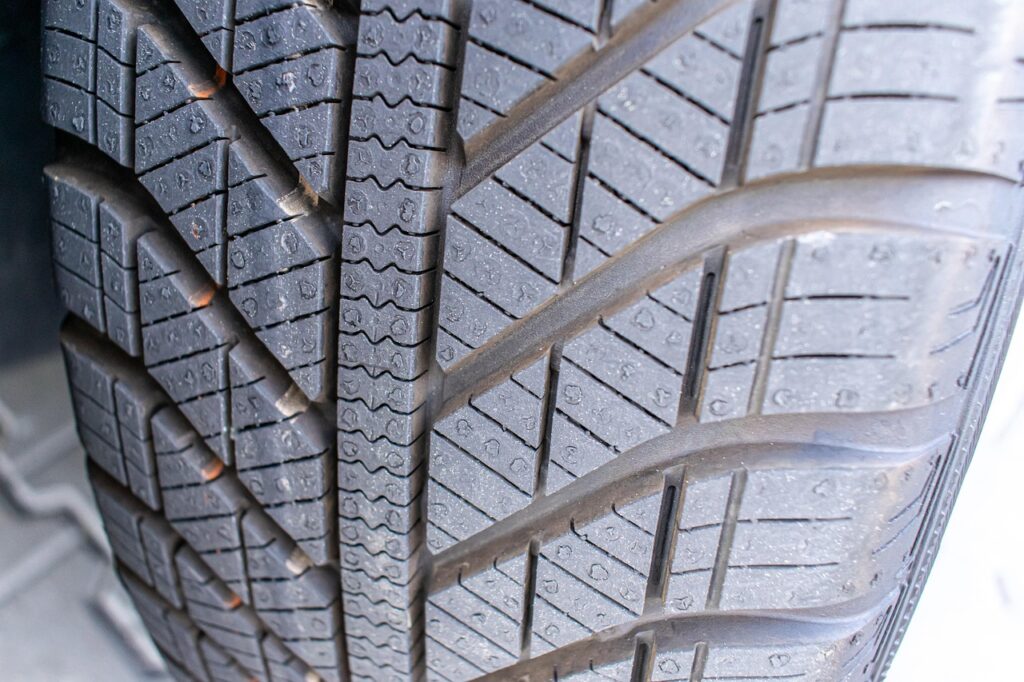
8. **Indirect TPMS System and its Unique Reset Needs**While many vehicles use direct TPMS, a notable number, particularly older models, employ an indirect TPMS. This system operates differently, often confusing drivers who expect physical sensors. Instead of directly measuring pressure, indirect TPMS leverages existing Anti-lock Braking System (ABS) wheel speed sensors to infer tire pressure. It works on a simple principle: an under-inflated tire has a slightly smaller diameter, causing it to rotate marginally faster than properly inflated tires. The ABS sensors detect this discrepancy, interpreting the faster spin as low tire pressure and triggering the warning light.
However, this reliance on inference has limitations. An indirect system may be less precise in detecting minor pressure deviations, and it struggles if all four tires are equally under-inflated. In such a case, the system might not register a significant differential, potentially leading to a delayed or missed warning. This underscores why regular manual tire pressure checks remain crucial. A common reason an indirect TPMS light persists after inflation is an improper reset or recalibration. It needs to “relearn” what normal wheel speeds look like after a pressure adjustment, rarely clearing simply by driving.
Instead, many indirect TPMS systems require a manual reset, usually initiated through a dedicated button, a menu option on the infotainment screen, or a specific sequence outlined in your owner’s manual. This tells the system to store the current wheel speeds as the new baseline for proper inflation. It’s crucial to perform this reset *after* ensuring all tires are inflated to the correct PSI. If you inflate your tires but forget to reset the indirect TPMS, the system continues to compare current wheel speeds against its old, inaccurate baseline, causing the light to stubbornly stay on. Always consult your owner’s manual for specific reset instructions.

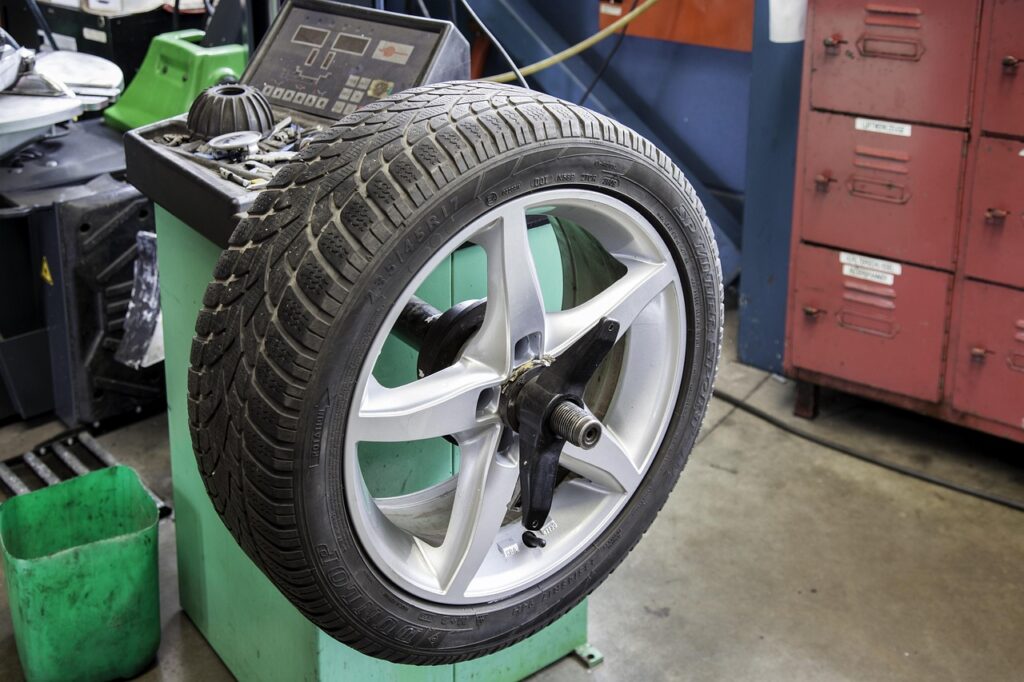
9. **Sensor Damage During Tire Service or New Wheel Installation**It’s a common frustration: your TPMS light illuminates and persists right after new tires were installed or existing ones rotated. While initial thoughts turn to leaks or incorrect pressure, the timing often points to sensor damage during the service appointment. These small electronic devices, robust in everyday operation, can be surprisingly delicate when subjected to the mechanical forces involved in changing or mounting a tire. If a technician isn’t meticulously careful, the TPMS sensor—mounted inside the wheel near the valve stem—can easily be struck, bent, or broken by tire-changing machinery. Even without visible damage, internal components can be compromised, or the antenna transmitting the signal might be damaged.
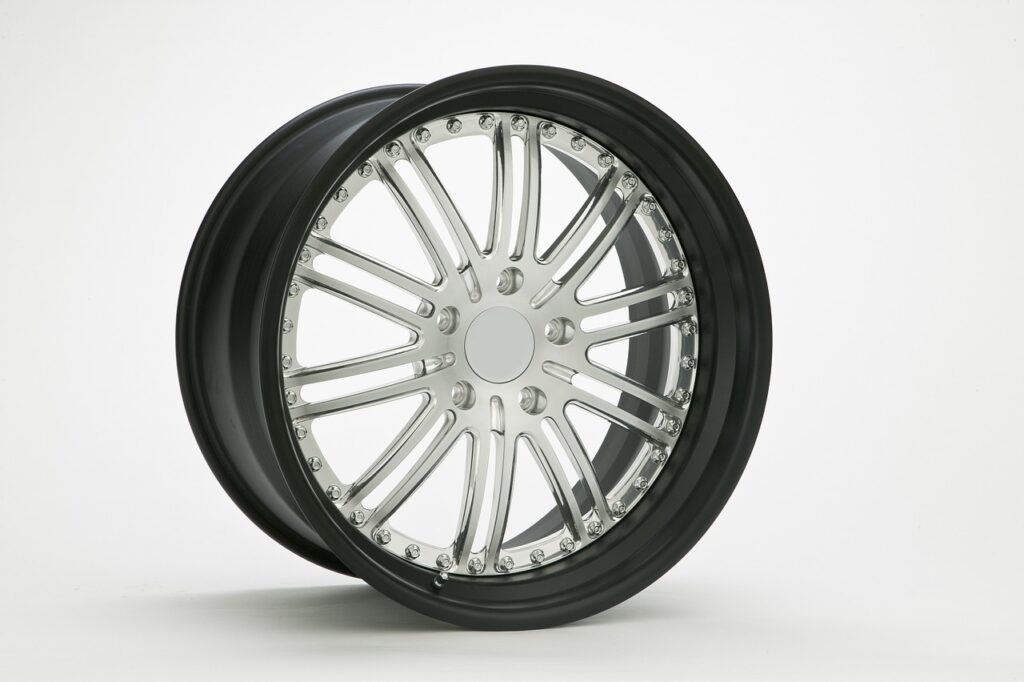
Another common source of TPMS issues is the installation of new, aftermarket wheels. Many aftermarket wheel packages do not come with TPMS sensors pre-installed. If you opt for new wheels without transferring your existing sensors or installing new, compatible ones, your vehicle’s TPMS system will immediately register a fault. The system needs to “see” and communicate with a sensor at each wheel position to confirm pressure. If it doesn’t, the light will remain on indefinitely. Compatibility and proper programming are paramount, as not all universal sensors work flawlessly, and new sensors often require specific programming or “cloning.”
To avoid these frustrations, choose a reputable tire shop with technicians experienced in handling TPMS-equipped vehicles. Always explicitly confirm that your TPMS sensors will be properly handled, or that new sensors will be correctly installed and programmed during tire service or new wheel installation. If the light comes on immediately after such work, return to the shop for diagnosis. A professional should perform a diagnostic scan and address any sensor-related problems that arose from their service, ensuring your TPMS is fully functional.
Read more about: Consumer Alert: The 14 Costly Dealer Add-Ons to Avoid at the Car Dealership

10. **TPMS Relearn Procedure Was Skipped or Communication Issues**After addressing a tire pressure issue, replacing a faulty sensor, or even rotating tires, it seems logical for the TPMS light to turn off. However, in many cases, the vehicle’s Tire Pressure Monitoring System requires a specific “relearn” procedure to recognize updated information or newly installed components. This process is how the vehicle’s computer establishes communication with and validates pressure readings from each sensor. If this crucial step is skipped or performed incorrectly, the light will stubbornly remain illuminated, causing persistent frustration.
Different vehicles have varying methods for a TPMS relearn. Some, particularly those with direct TPMS, might only need to be driven for 10 to 20 minutes at speeds above 25 mph to allow sensors to transmit updated IDs and pressure data. This “auto-relearn” method is the simplest, but it only works if all conditions are met and the system is otherwise functional. Other vehicles may require a stationary relearn procedure, involving a specific sequence of actions performed while parked, like ignition cycling or pressing a dedicated TPMS reset button. The most complex methods often use a specialized TPMS scan tool to trigger sensors, read IDs, and program them into the computer.
Beyond formal relearn procedures, persistent TPMS lights can also stem from broader “communication issues.” This means sensors are working, and the receiver is listening, but the signal isn’t getting through reliably. Factors like electromagnetic interference, faulty wiring between the TPMS receiver and the vehicle’s computer, or even physical placement of aftermarket components can disrupt this communication. In rare cases, the TPMS receiver itself could be malfunctioning. A diagnostic scan tool is often the most effective way to pinpoint these issues, ensuring your system is accurately functioning.
11. **Computer Glitches or Electrical Faults**In a modern vehicle, the TPMS system is intricately connected to the central computer (ECU) and relies on electrical wiring and modules. While most TPMS light issues are tire or sensor-related, some stubborn warnings point to deeper, more systemic problems within the vehicle’s electrical or software architecture. These can be the most challenging issues to diagnose without specialized equipment and expertise, often leaving drivers puzzled by a persistent light despite seemingly perfect tires.
One such scenario involves a computer glitch. Modern ECUs, though sophisticated, are susceptible to occasional software hiccups. A vehicle’s computer can experience a temporary bug or error, causing it to misinterpret data or get “stuck” in a warning state. This can illuminate the TPMS light even when all tire pressures are correct and sensors function perfectly. In these rare cases, a simple “reboot” of the vehicle’s system—sometimes achieved by carefully disconnecting the battery for a few minutes—can clear the glitch and restore normal operation, though this is often a temporary fix.
Beyond software, the TPMS system relies on a delicate network of electrical wiring and connections to transmit data. Over time, these wires can suffer from corrosion, fraying, or damage due to environmental exposure or impacts. A loose or faulty connection anywhere along this pathway can interrupt information flow, causing the TPMS light to turn on. For instance, a damaged wire to the TPMS receiver module might prevent it from getting sensor data. Another less common but frustrating electrical issue is a malfunctioning TPMS module itself. If this central brain fails, it can send erroneous signals or cease to function, resulting in a persistent warning light.
When facing such elusive issues, professional diagnosis is essential. A certified mechanic has access to advanced diagnostic scan tools to delve into the vehicle’s electronic systems, read specific TPMS fault codes, and perform live data streaming from sensors and modules. This allows them to pinpoint exactly where the breakdown in communication or functionality is occurring, whether it’s a dying sensor, a wiring issue, a faulty module, or a software glitch. Trusting these complex diagnostics to a professional ensures the root cause is identified and properly addressed, finally silencing that stubborn TPMS light.
Read more about: Navigating the Electric Highway: What Drivers and Repair Bills Reveal About 15 Problematic EVs for New Owners
The persistent glow of your tire pressure light can indeed be a vexing mystery, but as we’ve explored, it’s rarely without a logical explanation. From the simple oversight of incorrect pressure to the intricate dance of sensors and software, understanding the potential culprits is your first step towards resolution. Remember, this isn’t just about silencing an annoyance; it’s about safeguarding your journeys, preserving your tires, and maintaining your vehicle’s peak performance. Armed with this comprehensive knowledge, you’re now empowered to tackle that stubborn light, whether it means a quick check in the driveway, a simple reset, or knowing precisely when it’s time to enlist the seasoned expertise of a trusted mechanic. Drive smart, drive safe, and keep those tires happy!