There’s a certain magic, a primal allure, in the question of whether a long-dormant machine will rumble back to life. It’s a test of endurance, a testament to engineering, and frankly, a bit of an adventure! When that machine happens to be a military-grade backhoe, designed not just for construction but for the crucible of combat and the rigors of rapid deployment, the stakes – and the excitement – are instantly ratcheted up a notch. We’re talking about heavy metal built to defy the odds, to persist through conditions that would make lesser equipment call it quits.
Forget your average construction site workhorse; military backhoes are a different breed entirely. These aren’t just diggers; they are high-mobility, armored, multi-role engineering vehicles, crafted with an unwavering focus on reliability and performance under the harshest imaginable circumstances. They’re designed to keep pace with convoys, clear obstacles, fortify positions, and move mountains of earth, all while shrugging off impacts that would cripple civilian counterparts. The engineering that goes into these machines isn’t just about power; it’s about relentless resilience, the kind that whispers ‘I’m still here’ even after decades.
So, can a machine built for this kind of enduring service truly stand the test of time, potentially firing up after years of neglect? To answer that, we need to dive deep into the very DNA of what makes a military backhoe so incredibly robust. We’re talking about vehicles like the legendary JCB HMEE and the formidable lineup from Hydrema Defence, machines whose design principles inherently bake in a level of toughness that civilian equipment can only dream of. Let’s unearth the incredible features that contribute to their almost mythical longevity and operational readiness, proving that some beasts are simply too well-engineered to stay down for good.
1. The JCB HMEE: A High-Speed Military Engineering Marvel
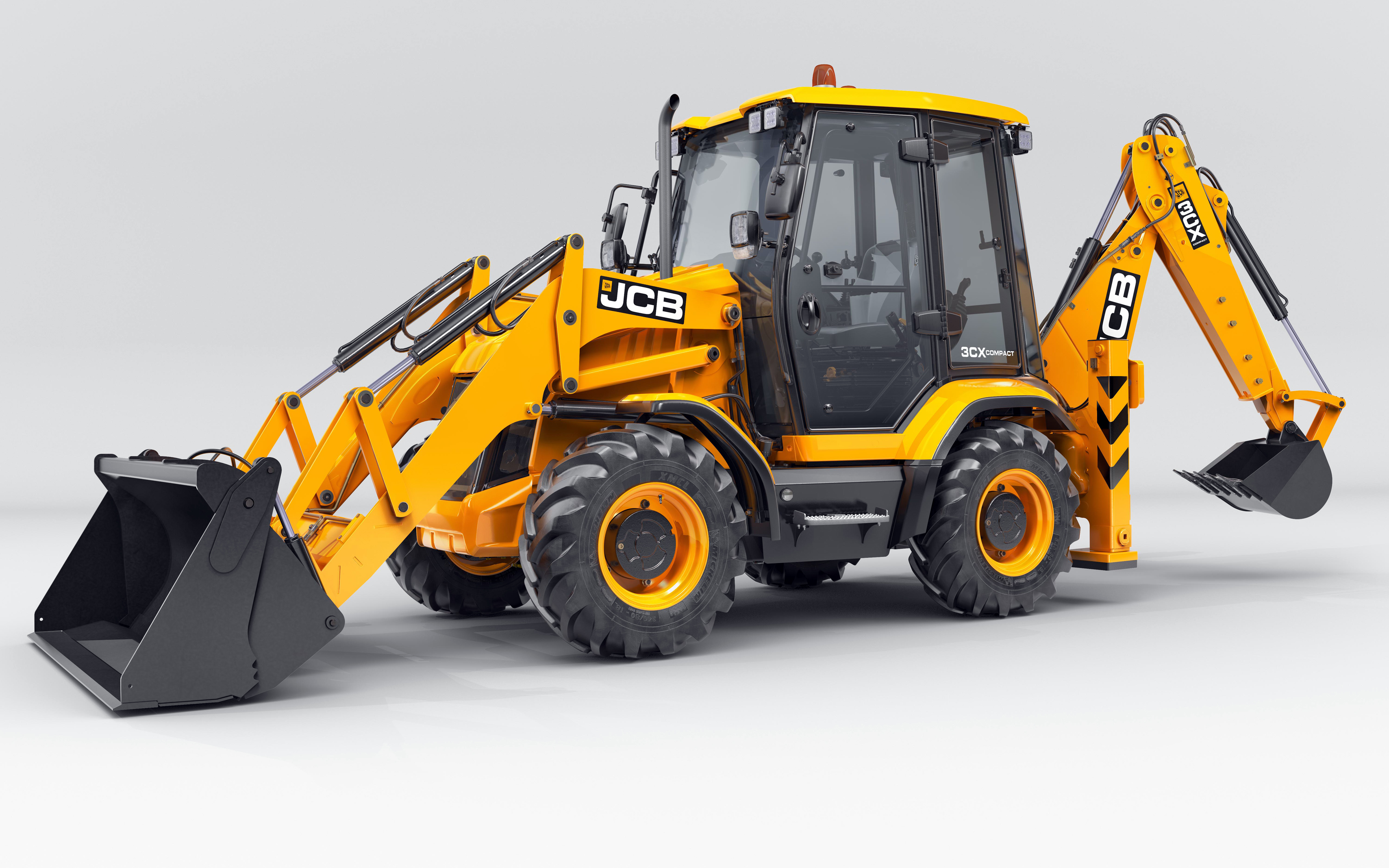
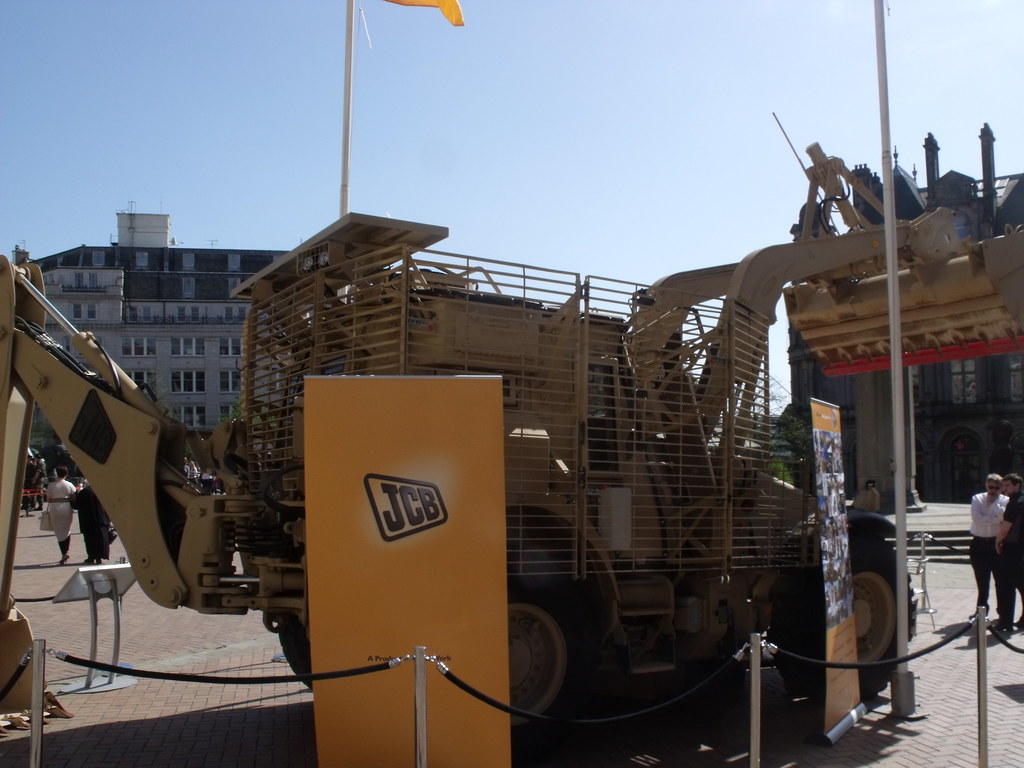
When we talk about military backhoes, the JCB HMEE, or High Mobility Engineer Excavator, immediately springs to mind as a prime example of purpose-built excellence. It’s not just a backhoe loader; it’s a specialized military engineering vehicle meticulously crafted by JCB, ready for action at a moment’s notice. This machine embodies a fusion of raw power and tactical agility, setting it apart from virtually everything else in its class.
What truly distinguishes the HMEE is its groundbreaking design philosophy: it’s an armored backhoe loader engineered specifically for high speeds. This isn’t a minor detail; it’s a game-changer, allowing it to self-deploy seamlessly with military convoys. Think about that for a second: a heavy engineering vehicle that can keep up with rapid troop movements, minimizing the logistical headaches and transport costs that typically plague the deployment of such equipment. Most conventional backhoes are shackled by much lower speed limits, making the HMEE’s rapid mobility a genuine tactical advantage.
This capability for swift self-deployment means the HMEE is always where it needs to be, quickly and efficiently. It reduces reliance on external transport assets, freeing up valuable resources and accelerating operational timelines. This kind of inherent efficiency not only makes it a crucial asset in dynamic military scenarios but also speaks volumes about the foresight and advanced engineering that went into its conception. It’s a machine designed to reduce friction and amplify response.
The HMEE’s design isn’t just about speed; it’s about readiness. The context explicitly notes that units are “prepared for shipping,” underscoring their perpetual state of operational readiness. This commitment to being deployment-ready, coupled with its unique high-speed capability, solidifies the HMEE’s reputation as a truly innovative and indispensable piece of military engineering equipment, built for continuous, reliable service in demanding environments.
2. Self-Deployment and High Mobility: The HMEE’s Core Design Philosophy
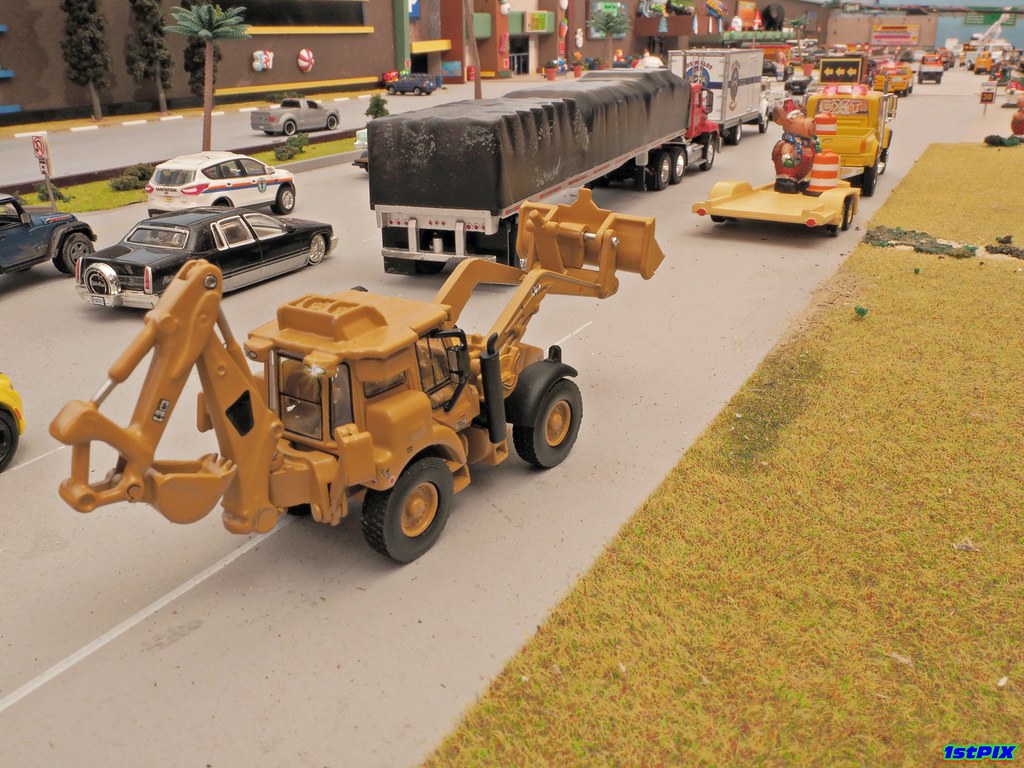
The ability to self-deploy at high speeds isn’t merely a feature; it’s the very heartbeat of the JCB HMEE’s operational doctrine. This armoured backhoe loader was conceived with a singular vision: to integrate seamlessly into fast-moving military convoys, eliminating the typical bottlenecks associated with moving heavy machinery. It’s a fundamental departure from traditional engineering vehicle design, prioritizing tactical speed alongside robust utility.
This high-speed capability translates directly into enhanced operational flexibility for military planners. Instead of requiring specialized heavy haulers or multiple transport elements, the HMEE can simply drive itself to the front lines or to a new strategic position. This not only saves precious time but also reduces the logistical footprint and vulnerability during transit, making it an invaluable asset in dynamic and unpredictable combat zones. It fundamentally alters how engineering support can be provided.
Beyond its impressive on-road velocity, the HMEE boasts exceptional off-road mobility. This crucial attribute ensures that once it arrives in the theater of operations, it isn’t limited by challenging terrain. Whether it’s traversing rough wilderness, muddy fields, or uneven ground, its design allows it to navigate and operate effectively, bringing its digging and lifting power precisely where it’s needed, without hesitation. This combination of speed and agility is a testament to its comprehensive engineering.
The emphasis on high mobility underscores the HMEE’s role as a true expeditionary vehicle. It’s not a static tool; it’s a dynamic enabler, capable of keeping pace with infantry and armored columns alike. This design ethos contributes significantly to its potential for long-term viability, as a machine that can adapt and move with evolving operational requirements is inherently more valuable and likely to be maintained for extended periods of service.
3. Towing Heavy Loads and Off-Road Prowess: Versatility for Any Terrain
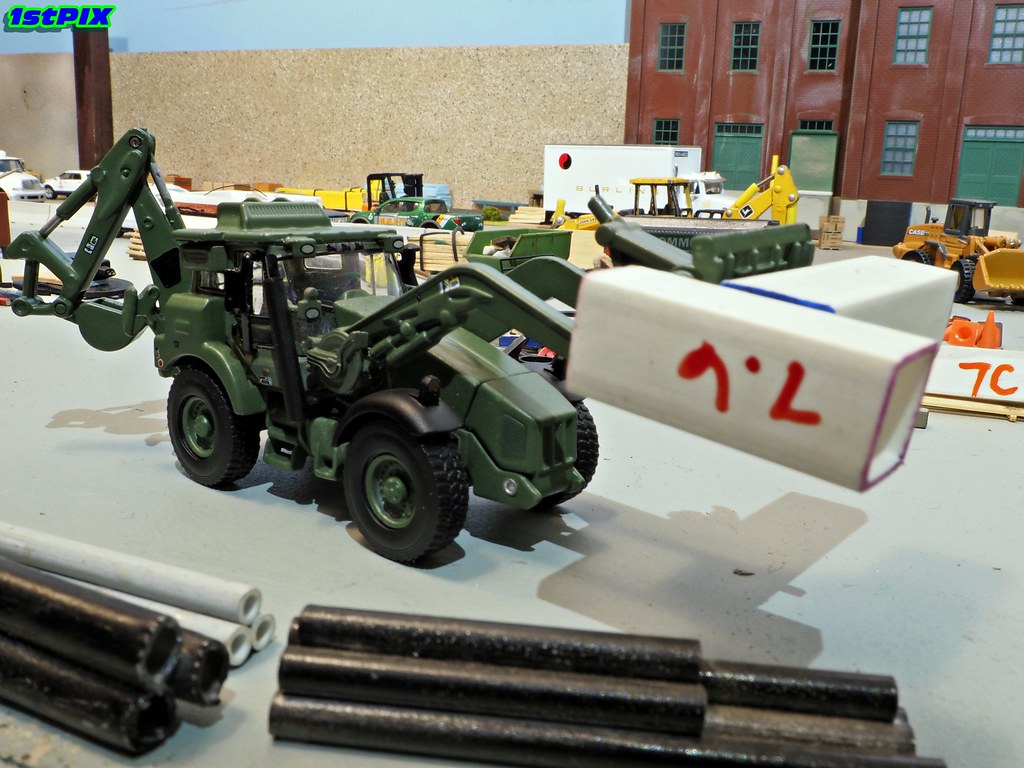
The JCB HMEE is far more than just a fast digger; its design philosophy extends to an incredible breadth of utility, making it a true multi-role workhorse on the battlefield. One of its standout capabilities is its capacity for towing heavy loads, a feature that significantly expands its operational envelope beyond mere excavation. This means it can not only move earth but also transport essential equipment, supplies, or even damaged vehicles, providing critical support in diverse scenarios.
This towing power, combined with its renowned good off-road mobility, paints a picture of a machine built for unfettered access and functionality in even the most unforgiving environments. It’s not going to get stuck easily, and if something else does, the HMEE has the muscle to help. Picture a challenging landscape, perhaps uneven terrain or a makeshift road; the HMEE is engineered to traverse it, all while bringing substantial towing capacity to bear, ensuring that missions aren’t stalled by environmental obstacles or heavy logistics requirements.
Such versatility is a hallmark of military-grade engineering, designed to address a multitude of unforeseen challenges with a single, reliable platform. This means fewer specialized vehicles are needed, streamlining logistics and maintenance efforts, which, in turn, contributes to the overall longevity and cost-effectiveness of the HMEE fleet. A machine that can do many things well is a machine that sees continued use and investment.
From rapid trenching and clearing to transporting critical assets across rugged landscapes, the HMEE stands ready. Its ability to perform heavy-duty tasks across varied terrains, unhindered by speed limitations or lack of traction, is a testament to its robust chassis and powerful driveline. This comprehensive capability ensures that the HMEE is a go-to solution for military engineers, capable of adapting to diverse mission profiles and sustaining its operational relevance for decades.
.jpg)
4. JCB Fastrac and 4CX Technology: The Proven Pedigree of the HMEE
The formidable capabilities of the JCB HMEE didn’t spring from thin air; they are the result of a deliberate and intelligent integration of proven, existing technologies. At its heart, the HMEE is “based on technology from the JCB Fastrac tractors.” This lineage is crucial, as Fastracs are renowned for their high-speed, full-suspension design, making them ideal donors for a military vehicle that prioritizes rapid deployment and off-road comfort.
The development program for the HMEE officially kicked off in 2003, showcasing a relatively modern origin for such a sophisticated military platform. This indicates a design that incorporates contemporary engineering principles and manufacturing techniques, aimed at maximum efficiency and durability from its inception. The project was a strategic move to address specific military requirements for a fast, robust engineering vehicle.
Critically, JCB leveraged a powerful combination of existing innovations. The context highlights that “JCB used technologies of the JCB 4CX backhoe Loader and the Fastrac tractors to develop this system.” This blending of the 4CX’s robust backhoe capabilities – known for its powerful digging and loading performance – with the Fastrac’s unique chassis and speed characteristics created a truly hybrid marvel. It’s the best of both worlds: unyielding digging power fused with unparalleled mobility.
This foundation in well-established and highly regarded commercial platforms speaks volumes about the HMEE’s inherent reliability and ease of maintenance. When a military vehicle draws from widely deployed civilian technology, it often benefits from readily available parts, well-understood diagnostics, and a deep pool of technical expertise. This proven pedigree is a significant factor in predicting the long-term operational viability and potential for older units to still function effectively.
5. Armored Protection: Built for the Battlefield with American Defense Systems
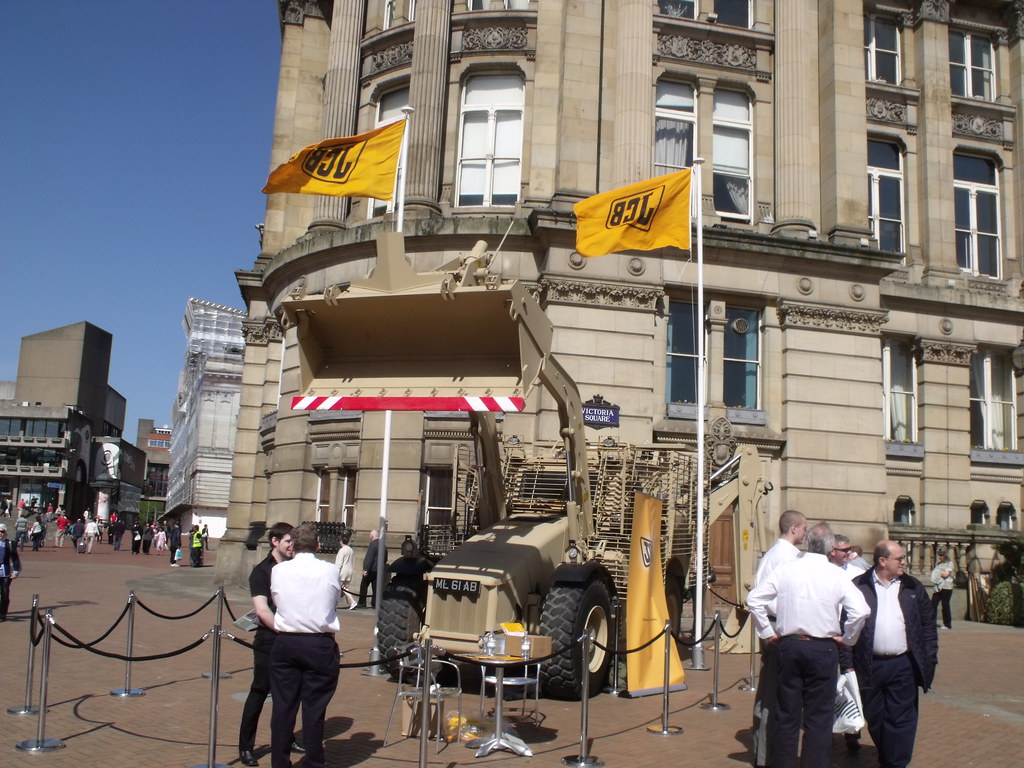
What truly elevates the JCB HMEE from a powerful construction machine to a dedicated military asset is its integrated armored protection. This isn’t just an afterthought; the HMEE is unequivocally “an armoured backhoe loader,” designed from the ground up to operate safely in hostile environments. This protective shell is a critical component of its design, reflecting its intended role in high-risk zones where personnel safety is paramount.
The armor integration is a collaborative effort, with the HMEE built at JCB’s plant in Pooler, Georgia, while “integrating armour made by American Defense Systems (ASDI).” This partnership ensures that the protective elements are purpose-designed and expertly fitted, maximizing crew safety without unduly compromising the vehicle’s operational performance. It’s a testament to combining specialized expertise for a superior product.
This robust protection means that military engineers can operate the HMEE closer to the front lines, clearing obstacles, digging defensive positions, or repairing infrastructure under direct threat. The armor provides vital defense against small arms fire, artillery shrapnel, and other battlefield hazards, allowing the operators to focus on their critical tasks rather than their vulnerability. It enhances operational capability by extending the range of safe working conditions.
The presence of armor also contributes significantly to the HMEE’s overall structural integrity and its ability to withstand extreme conditions, even outside of combat. It signifies a level of heavy-duty construction that goes beyond typical industrial standards. This inherent toughness, baked into its very frame, is a powerful indicator of its long-term durability and its potential to endure decades of hard service, remaining a viable and operational asset.

6. Global Operators: The HMEE’s Widespread International Adoption
If you want to gauge the success and reliability of a military vehicle, look no further than its adoption by armed forces around the globe. The JCB HMEE has earned the trust of numerous nations, a testament to its exceptional design, performance, and durability. Its widespread international deployment speaks volumes about its effectiveness in diverse operational contexts and varying military doctrines, proving its universal utility.
Consider Australia, for instance, which ordered 10 units in two batches, with 6 delivered by 2012 and a further four in 2017. This staged procurement suggests a positive experience and continued reliance on the HMEE’s capabilities. Belgium also recognized its value, with JCB securing a €5 million contract to supply 4 HMEE as part of their ACEV program in December 2020, highlighting its cutting-edge relevance in modern defense planning.
Denmark received 6 machines in March 2020, further solidifying the HMEE’s reputation in Scandinavian forces. Germany initially purchased 7 in 2013, later demonstrating a profound trust in the machines by donating 6 of them to Ukraine as aid in its war, showcasing the HMEE’s enduring tactical value even as a critical aid component in active conflict zones.
Ireland, a nation known for its rigorous peace-keeping efforts, purchased one HMEE specifically for its UNIFIL mission of the Army. This specific deployment for a critical international mission underscores the HMEE’s reliability and suitability for sensitive, high-stakes operations. These examples paint a vivid picture of a machine that is not only robust but also incredibly adaptable to a wide range of military requirements and international commitments.
Such global demand and continued investment from multiple countries across different continents affirm the HMEE’s status as a truly world-class piece of engineering. Each order, each delivery, each deployment, serves as an endorsement of its resilience and operational effectiveness. This broad adoption is a clear indicator that these machines are built to last and are highly valued assets that countries expect to perform reliably for many, many years.
7. The US Military: The HMEE’s Foremost Operator
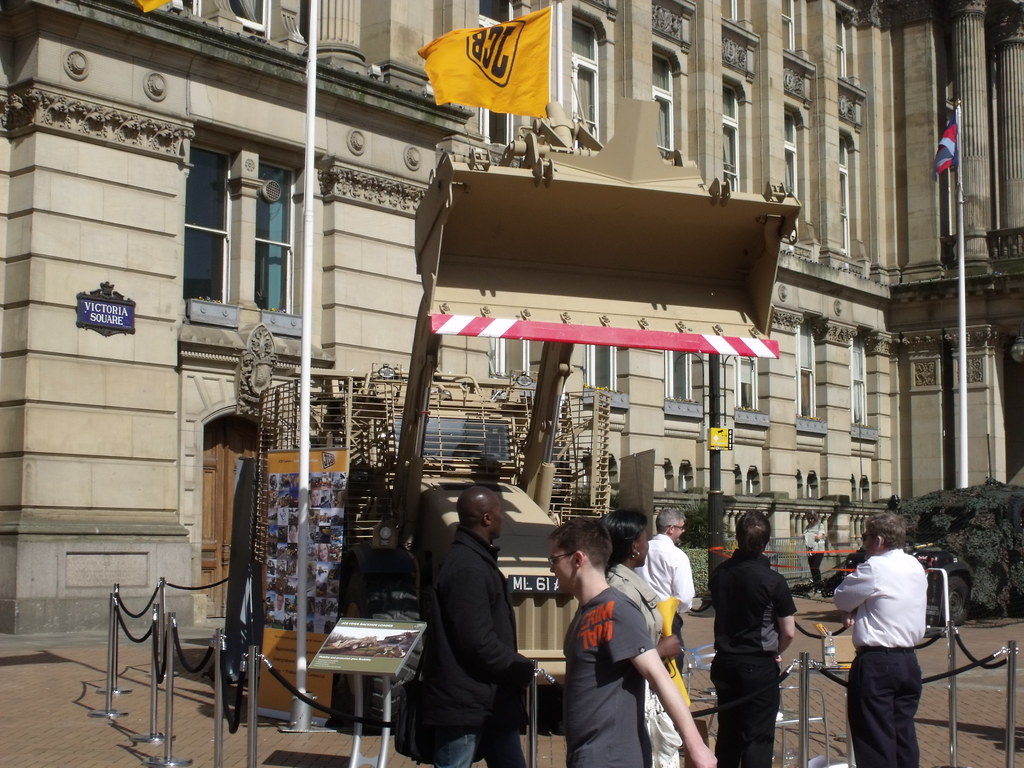
The JCB HMEE, a true titan of tactical engineering, has found its most fervent and expansive home with none other than the United States military. When we talk about global operators, the numbers for the US military are truly staggering, elevating their commitment to this machine far beyond any other nation. This isn’t just an adoption; it’s a profound strategic integration, a testament to the HMEE’s unparalleled value in the most demanding operational environments imaginable.
The relationship between JCB and the US military dates back to significant milestones, starting with JCB being selected in 2005 to produce what at the time was estimated to be 636 machines for an impressive $209 million. This initial commitment was just the beginning of a remarkable partnership. Fast forward to 2008, and the first major production contract saw the US military ordering a staggering 800 HMEEs for $229 million, firmly establishing its pivotal role in their engineering capabilities. These aren’t just purchases; they are investments in rapid response and battlefield superiority.
Subsequent years saw continued, robust investment. June 2014 brought a second production order with a contract valued at $50 million, further expanding the fleet, though the exact quantity from this order remains unspecified in the records. Then came September 2017, with an order for 98 HMEEs at $36.3 million, followed by a substantial contract extension in September 2018 for 180 more machines. These ongoing procurements underscore a consistent and evolving need for the HMEE’s unique blend of speed, protection, and earthmoving power.
The commitment didn’t stop there. July 2020 witnessed a colossal order for 400 HMEEs for the US Armed Forces, a contract worth a massive $269 million, slated for delivery over eight years. Cumulatively, the US military operates “around 1,600” of these incredible machines, making them by far the largest single operator globally. This massive fleet size isn’t just about quantity; it represents a deep-seated reliance and confidence in the HMEE to perform critical, life-saving tasks across the globe, solidifying its legacy as a cornerstone of American military engineering. The sheer scale of this deployment paints a vivid picture of a machine not just starting after 30 years, but enduring for many more, deeply ingrained in the fabric of military operations.
8. HYdrema Defence: A Full Spectrum of Military Engineering Solutions
While the JCB HMEE stands as an undeniable icon, it’s crucial to cast our gaze wider across the landscape of military engineering, where other formidable players contribute equally vital equipment. Enter Hydrema Defence, a name synonymous with robust, reliable, and specialized machinery tailored explicitly for the rigorous demands of military and defense applications. They offer an “extensive array of machines” that aren’t just built for toughness but are engineered with an understanding of the unique challenges faced by armed forces worldwide.
Hydrema Defence isn’t just a manufacturer; they are a partner in critical operations, providing solutions that range from earthmoving workhorses to specialized vehicles designed for the most dangerous tasks imaginable. Their portfolio encompasses a diverse selection of equipment, including various models of backhoe loaders, high-mobility wheeled excavators, and heavy-duty dump trucks. But they don’t stop at conventional construction equipment; they push the boundaries of innovation with a specialized mine clearing vehicle, demonstrating a holistic approach to military engineering.
What sets Hydrema apart is their unwavering focus on delivering “reliability and high performance under tough conditions.” This isn’t a mere marketing slogan; it’s the bedrock of their design philosophy. Every piece of equipment they produce is a testament to meticulous engineering, aimed at ensuring operational readiness and effectiveness in the most unforgiving environments, from arid deserts to frozen tundras. Their machines are built to withstand the crucible of combat and the relentless pace of military logistics.
The commitment to excellence is palpable across their entire range. Whether it’s the precision of their hydraulic systems, the user-friendly controls designed for rapid training and deployment, or the sheer structural integrity built into every chassis, Hydrema Defence ensures that military planners and procurement officers have access to machines that not only meet but “exceed the operational requirements of armed forces worldwide.” They’re not just selling hardware; they’re providing peace of mind and operational advantage, ensuring that the heavy lifting — and the even heavier clearing — gets done, no matter what.
9. Hydrema Backhoe Loaders: Precision and Power on the Battlefield
When military engineers need to dig, load, or trench with unwavering precision and power, Hydrema Defence’s line of backhoe loaders stands ready to answer the call. These aren’t your run-of-the-mill construction site diggers; these are purpose-built military assets, designed to excel in the most challenging and critical engineering tasks that armed forces encounter. Their models – including the 906G, 908G, 926G, and 928G – represent the pinnacle of military-grade backhoe technology, blending raw strength with intelligent design.
Each model in this esteemed lineup is “engineered with precision,” a core tenet that ensures not only brute force but also refined control. This precision is vital for tasks ranging from quickly establishing defensive positions to meticulously excavating for infrastructure repair. The incorporation of “advanced hydraulics” translates into smooth, responsive movements and formidable digging power, allowing operators to execute complex maneuvers with ease and efficiency, even under high-pressure conditions.
Beyond their mechanical prowess, Hydrema backhoe loaders are celebrated for their “user-friendly controls.” In military scenarios, where time is often of the essence and personnel may need to adapt quickly to new equipment, intuitive operation is a distinct advantage. This focus on ease of use means faster training, quicker deployment, and reduced operator fatigue, all contributing to enhanced mission effectiveness in a variety of construction and combat engineering tasks.
Their versatility is truly astounding, capable of a “wide range of activities.” Whether it’s the foundational work of excavation, the logistical necessity of loading materials, the strategic importance of trenching for fortifications, or the delicate distribution of materials in sensitive areas, these machines are designed to handle it all. The Hydrema backhoe loaders are more than just tools; they are indispensable multi-taskers, ensuring that engineering units can adapt and respond to virtually any ground-based challenge the battlefield presents, keeping operations moving forward with unstoppable momentum.
10. Hydrema Wheeled Excavators: Swift Mobility, Mighty Digging
For military operations demanding both formidable digging power and exceptional tactical mobility, Hydrema Defence offers a compelling solution in its range of wheeled excavators. These machines, including the MX14G, MX16G, MX17G, MX18G, and MX20G models, are specifically “built for exceptional mobility and efficiency.” They represent a significant leap forward in rapid-response engineering, combining the heavy-duty capabilities of an excavator with the agility to keep pace with dynamic military movements.
What truly sets these wheeled excavators apart is their ability to leverage “swift on-road travel speeds.” Unlike traditional tracked excavators that often require separate transport, Hydrema’s wheeled models can self-deploy quickly, much like their backhoe counterparts. This dramatically reduces logistical burdens and accelerates deployment times, making them “ideal for quick deployment and a variety of military applications.” Imagine needing to fortify a position or conduct rapid repair operations far from base; these machines can get there, and get to work, faster than ever.
But don’t let their speed fool you into thinking they compromise on power. These excavators boast “powerful digging capabilities,” ensuring that once they arrive, they can tackle the most demanding earthmoving and material handling tasks. From excavating large defensive ditches to clearing debris and preparing sites for temporary structures, their hydraulic strength and robust construction mean no job is too big, and no material too tough to handle.
Their operational flexibility extends to critical tasks such as “fortification building and rapid repair operations.” In dynamic combat zones or post-conflict recovery efforts, the ability to quickly construct defenses or mend damaged infrastructure is paramount. Hydrema’s wheeled excavators provide that crucial capability, blending their inherent speed with unwavering strength to ensure that military engineers can adapt, reinforce, and rebuild with unparalleled effectiveness. They are the definition of swift power, a critical asset for any modern armed force.

11. Hydrema Dump Trucks: Hauling Power for the Harshest Conditions
When military logistics demand the rapid and reliable movement of vast quantities of material across unforgiving terrain, Hydrema Defence’s robust dump trucks stand as the unyielding backbone of such operations. These aren’t simply vehicles for transporting dirt; they are heavy-duty workhorses specifically engineered to perform in the “challenging terrains and conditions” that define military environments. The models 912G, 922G, and the specialized 922G Arctic exemplify this commitment to extreme performance and reliability.
Designed explicitly for “heavy-duty tasks,” these dump trucks possess the raw power and structural integrity to haul immense volumes of materials. Whether it’s moving tons of soil for a new base, clearing rubble from a damaged area, or transporting aggregates for road construction, their capabilities are paramount. This immense carrying capacity is essential for maintaining operational momentum and supporting diverse military engineering efforts, ensuring that supplies and excavated materials are where they need to be, when they need to be there.
A standout feature is the 922G Arctic, a testament to Hydrema’s dedication to specialized applications. This particular model highlights the company’s foresight in addressing the unique demands of extreme cold weather operations, demonstrating a design that transcends conventional capabilities to function flawlessly in the most frigid environments. It’s not just about surviving; it’s about thriving in conditions that would paralyze lesser equipment, further underscoring Hydrema’s comprehensive approach to military readiness.
These trucks are undeniably “crucial for logistical support, earthmoving, and infrastructure development in military settings.” They provide the vital link between excavation sites and construction areas, enabling the continuous flow of materials necessary for everything from fortifying positions to rebuilding essential infrastructure. In the complex dance of military operations, Hydrema’s dump trucks ensure that materials move efficiently and reliably, making them silent, powerful giants in the relentless pursuit of mission success.
12. The Hydrema 910MCV: Critical Mine Clearing for Ultimate Safety
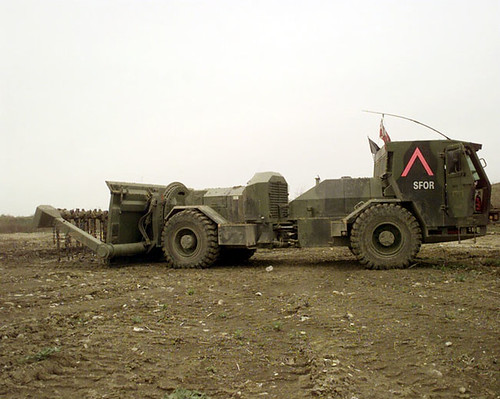
In the harrowing world of military operations, few tasks are as critical – and as dangerous – as mine clearance. This is where the Hydrema 910MCV mine clearing vehicle steps in, a truly “highly specialized piece of equipment vital for ensuring troop safety.” It stands as a testament to engineering innovation focused entirely on protecting personnel, enabling movement, and securing areas that would otherwise remain lethal hazards. This isn’t just a machine; it’s a guardian of life on the battlefield.
Designed explicitly “to withstand the rigors of mine clearance,” the 910MCV is not built for delicate maneuvers but for brute force and resilience against explosive threats. Its robust construction and specialized components are meticulously engineered to endure impacts and detonations, ensuring the vehicle and its operators remain secure while performing their perilous duties. This unwavering durability is essential for continuous, effective minefield neutralization, making it a front-line hero in every sense.
What makes the 910MCV indispensable is its reliance on “advanced technology to detect and clear land mines and unexploded ordnance.” This isn’t about guesswork; it’s about precision and systematic neutralization. The integration of cutting-edge sensors and clearance mechanisms allows the vehicle to methodically sweep and render safe vast areas, drastically reducing the risk to human engineers who would otherwise be exposed to extreme danger. It’s a technological marvel dedicated to a singular, critical purpose.
Ultimately, the goal of the 910MCV is to “effectively securing safe passage for military personnel and civilian operations alike.” By systematically removing hidden threats, it literally paves the way for troops to advance, for humanitarian aid to be delivered, and for communities to begin the long process of recovery. This machine doesn’t just clear mines; it clears paths to safety, stability, and progress, cementing Hydrema Defence’s commitment to providing solutions that genuinely enhance efficiency, safety, and effectiveness in the most profound ways.
So, will that 30-year-old military backhoe start? As we’ve unearthed the incredible depth of engineering that goes into machines like the JCB HMEE and the comprehensive lineup from Hydrema Defence, the answer becomes less a question of “if” and more a resounding “when.” These are not just pieces of equipment; they are monuments to resilience, built with an uncompromising dedication to performance, protection, and operational longevity. From high-speed self-deployment to critical mine clearing, the design principles and robust construction baked into their very DNA ensure that these heavy metal beasts are destined not just to endure, but to roar back to life, ready to tackle any challenge, for decades to come. It’s a thrilling prospect, and a powerful testament to military-grade toughness that truly stands the test of time!