Winter driving presents a unique and often treacherous challenge for even the most experienced motorists. When temperatures drop and roads transform into slippery expanses of snow and ice, the familiar feeling of control can quickly diminish. Loss of traction is not just an inconvenience; it’s a critical safety issue that can lead to loss of stopping ability, skidding, and potentially severe accidents. This comprehensive guide aims to equip you with the knowledge and actionable strategies needed to navigate these conditions with confidence, empowering you to maintain control and recover effectively when traction is compromised.
Improving traction in snow is far more than a mere convenience—it’s a safety essential that can dictate the difference between a smooth journey and a hazardous ordeal. Whether you’re confronted with an unexpected patch of black ice or navigating deep snowfall, understanding how to prepare your vehicle and yourself is paramount. Our expert-backed advice breaks down complex scenarios into clear, actionable steps, drawing on thorough research and objective analysis to ensure you’re making informed decisions on the road.
In this first part of our in-depth guide, we’ll delve into the foundational preparations and general driving practices that are indispensable for winter safety. From crucial vehicle maintenance to astute hazard recognition and strategic driving habits, these initial seven steps lay the groundwork for a safer and more controlled winter driving experience. By mastering these proactive measures, you’ll be well on your way to becoming a true winter driving pro, ready to face the season’s challenges head-on.
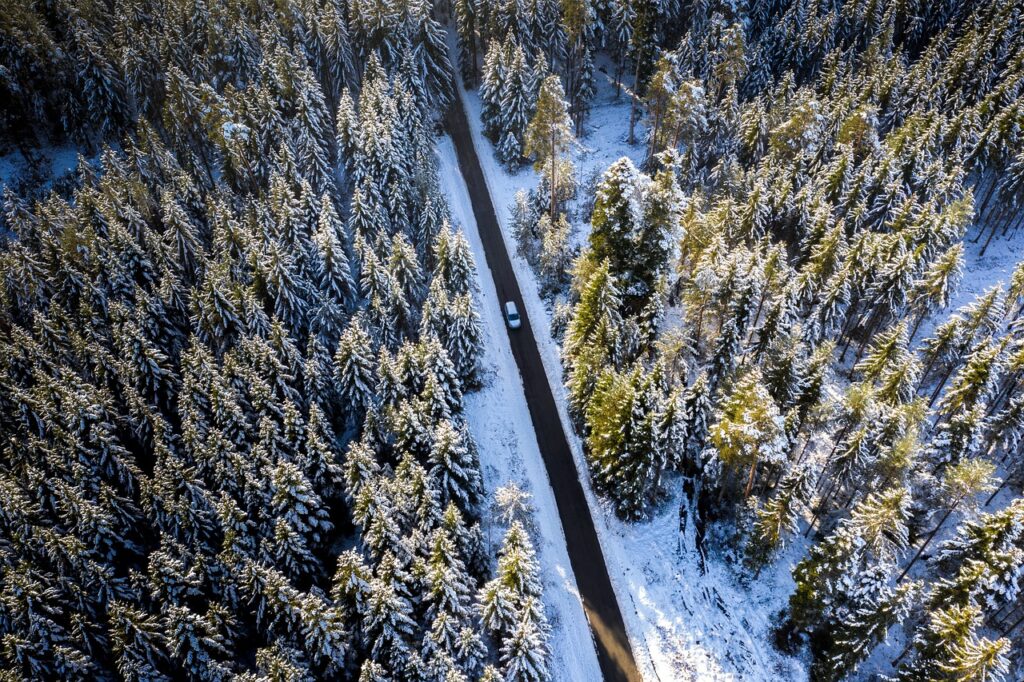
1. **Proactive Weather Monitoring**Before even thinking about hitting the road in winter, checking the forecast is a non-negotiable step. Knowing what to expect regarding hazardous conditions allows you to prepare adequately, ensuring you’re not caught off guard by sudden changes in weather. This foresight extends beyond just the immediate forecast, as frequent checks along your planned route are equally important to stay updated on developing conditions.
Effective weather monitoring also enables you to plan safer routes, potentially avoiding areas known for more severe winter impacts. Furthermore, it helps you manage your driving hours more effectively, allowing for adjustments that prioritize safety over adherence to a rigid schedule. The goal is to minimize exposure to the most challenging conditions whenever possible.
Perhaps the most crucial aspect of proactive weather monitoring is the ability to make the informed decision to postpone your trip entirely. If severe weather is expected, thinking about delaying your travel, if feasible, can help you avoid unnecessary risks altogether. As per federal regulations (49 CFR §392.14), if conditions become too dangerous, you should discontinue driving until it’s safe to proceed.
Read more about: Essential Driver’s Guide: Proactive Steps to Prevent Windshield Cracks and Keep Minor Damage from Spreading
2. **Tire Traction Optimization**For maintaining traction on winter roads, your tires are your primary point of contact and, therefore, your most critical component. It is absolutely essential to ensure you have ample tread depth, as this directly contributes to good traction and effective stopping capability on slippery surfaces. Worn-out tires with inadequate tread depth significantly reduce grip in snowy or icy conditions, making them a serious liability.
Beyond tread, frequently checking tire pressures throughout the winter season is vital. Cold temperatures cause tire pressure to drop, so it’s important to add air as needed to keep them at recommended levels of inflation. Properly inflated tires are instrumental in maintaining optimal contact with the road, thereby helping to maintain traction even on the slickest surfaces.
Additionally, understanding and preparing for chain requirements in states where you will be driving can be a lifesaver. Being equipped with the proper equipment should the need arise ensures you’re ready for extreme conditions. For those living in areas with frequent heavy snowfall, considering dedicated snow tires with a “3-Peak Mountain Snow Flake” symbol and a tread depth of 6/32″ or greater is highly recommended.
Read more about: Unlocking Your EV’s True Potential: Six Common Reasons Why Your Electric Car Is Losing Range Suddenly

3. **Vehicle System Readiness**Ensuring your vehicle is in the best possible driving condition is a foundational step for safe winter travel. This extends beyond just your tires and encompasses a comprehensive pre-trip inspection, as required by federal regulations. A well-maintained vehicle is inherently more reliable and responsive, which is critical when facing unpredictable winter road challenges.
In addition to the tires, several other vehicle components become especially important for overall safety during winter driving. Your lights must be fully functional and clean to ensure maximum visibility, both for you and for other drivers on the road. Effective brakes are paramount, as stopping distances can double on wet roads, and they are crucial for preventing skids.
Furthermore, the windshield wipers, defroster, and radiator all play a significant role. Clear visibility is non-negotiable, so working wipers and a powerful defroster are essential for combating snow, ice, and fog. The radiator ensures your engine operates efficiently without overheating, a less obvious but equally important factor in harsh conditions. Regular fluid checks for coolant, transmission, and brake fluids are also vital for optimal performance and safety.
Read more about: Beyond Bad: Unraveling the Precision of ‘Worse’ and ‘Worst’ in Automotive Evaluation

4. **Adaptive Speed Control**One of the most common causes of accidents in winter conditions is driving too fast for the prevailing circumstances. Even if roads have been salted or sanded, their effectiveness can vary, and underlying ice patches might remain. Therefore, the single most impactful adjustment you can make is to slow down significantly, adapting your speed to match the current road conditions.
Slower speeds offer a dual advantage: they inherently help you maintain traction on ice and snow by reducing the forces that can cause your tires to slip, and they provide you with considerably more time to react to unexpected hazards. This increased reaction window is invaluable when every second counts in a potential skid situation.
Until you can accurately determine how much traction to expect from your tires—which can change with every shift in temperature or road surface—it is imperative to be extremely cautious with your speed. A good rule of thumb when braving roads in rain or snow is to drive at about a third of the speed you would under normal conditions. This conservative approach is your best defense against losing control.
Read more about: Unlock Significant Savings: A Practical Guide to Boosting Your Car’s MPG with Expert-Backed Tips
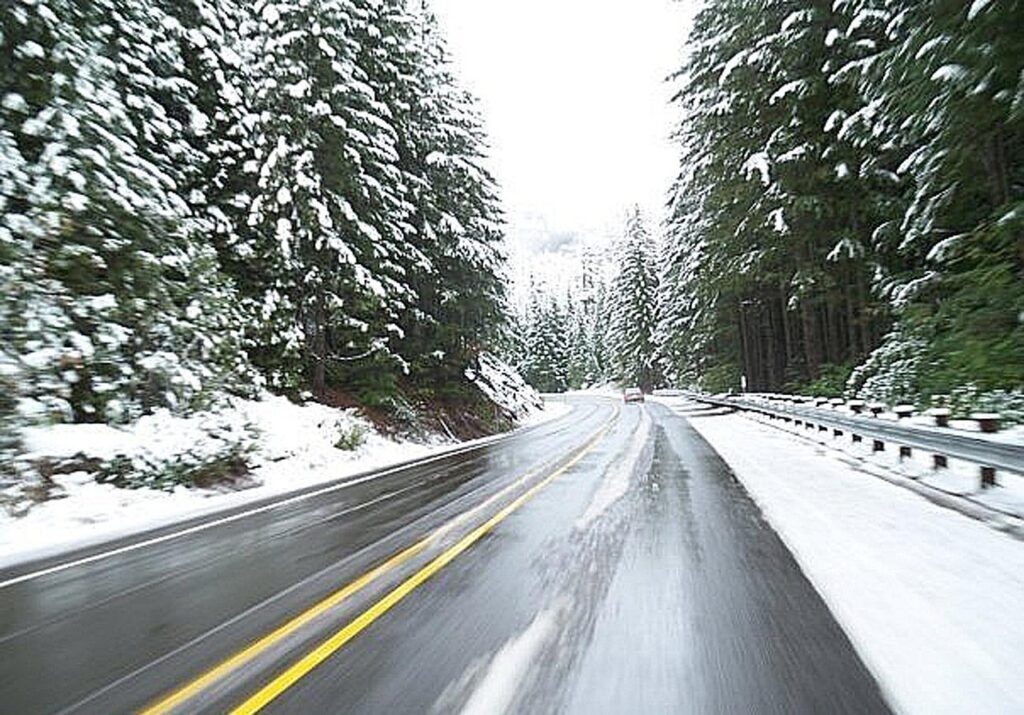
5. **Vigilant Surface Awareness**Winter roads are dynamic and can change dramatically over short distances, making vigilant awareness of the road surface absolutely crucial. You must stay alert for these changes, as different conditions can rapidly affect your vehicle’s traction and your ability to maintain control. What appears to be a clear stretch of asphalt might quickly transition to a treacherous patch of ice.
It’s important to remember that ice and snow are often most dangerous when the ambient temperature is at or near the freezing mark. These conditions can create a thin, almost invisible layer of ice that provides virtually no grip. Being aware of the temperature and how it interacts with precipitation is key to anticipating dangerous surfaces.
Actively watch for specific hazards that can quickly compromise traction. Patches of black ice, which often appear as a thin, dark spot on the road surface, are notoriously difficult to spot and extremely slippery. Similarly, snow drifts and slush can cause uneven resistance and pull your vehicle off course. If you do hit black ice, take your foot off the gas and steer smoothly in the direction you want to go, avoiding sudden movements.
Read more about: Consumer Alert: Unmasking the 13 Car Dealership Scams That Cost Buyers Thousands
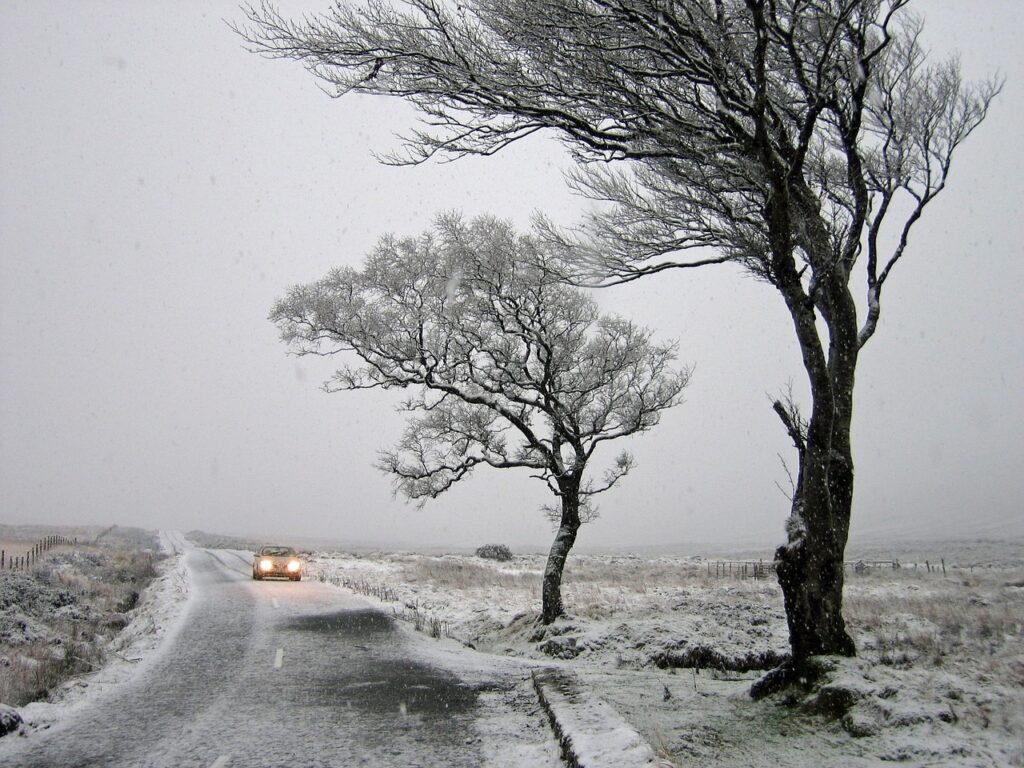
6. **Strategic Road Scanning**Effective winter driving demands a heightened sense of awareness of your surroundings and the ability to anticipate potential situations well in advance. Every city block and highway mile may present different challenges, depending on factors like sun or shade exposure and the specific road’s surface. This constant variation necessitates an active and strategic approach to scanning the road ahead.
To anticipate these varied situations, it’s advised to look well ahead—a minimum of 12-15 seconds, and ideally up to 20-30 seconds, if possible. This extended gaze provides you with precious time to process changes, identify hazards, and formulate a safe response before you are directly upon them. This proactive scanning is a cornerstone of defensive driving in challenging conditions.
Specific areas require even more focused attention due to their propensity for losing traction first. Focus on bridges, overpasses, intersections, and wherever water may run across the roadway. These elevated or low-lying areas, or places with converging water, are often the first to freeze and become slick. Additionally, watch for other vehicles that may be having problems with conditions and assume other drivers might do something unexpected, giving yourself ample space and time to react to their errors.
Read more about: The Unseen Drivers: Deconstructing Unlicensed Driving Laws, Viral Myths, and the Future of Road Safety
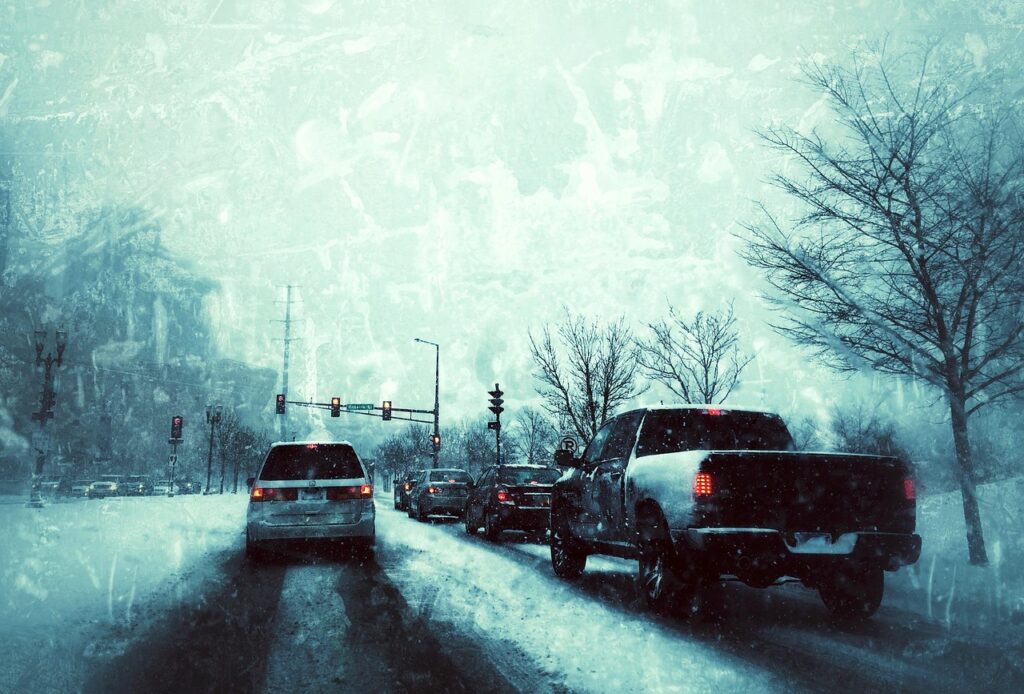
7. **Maintaining a Generous Safety Buffer**One of the most practical and immediate steps you can take to enhance your safety on slippery winter roads is to maintain a significant cushion of space around your vehicle. This principle is even more critical in adverse conditions than in dry weather, as it provides you with an essential extra margin of safety, which can be the difference between a close call and a serious incident.
This increased following distance is particularly vital if you suddenly begin to skid or are forced to stop quickly. On icy streets, where stopping distances are drastically extended and control can be lost in an instant, failing to leave sufficient space is a common cause of needless crashes. Many drivers underestimate how much longer it takes to stop on ice or snow, leading to rear-end collisions and pile-ups.
Beyond simply preventing collisions, a proper buffer around your vehicle also allows you precious time and space to make the necessary subtle adjustments that help maintain traction. Whether it’s a gentle steering correction, a gradual reduction in speed, or a smooth application of brakes, having that extra room makes controlled responses possible, significantly reducing the chances of losing control.
Navigating winter roads successfully means not only preventing issues but also skillfully recovering when traction inevitably falters. While proactive measures are indispensable, understanding how to react effectively to a loss of control can be the difference between a minor incident and a serious accident. This section delves into advanced driving techniques and the crucial role of modern vehicle technologies, empowering you with the knowledge to regain command and maintain safety when conditions push your limits.
Here are the next seven vital steps to elevate your winter driving expertise, focusing on skid recovery, enhanced control techniques, and leveraging your vehicle’s safety systems.
Read more about: Beyond the Obvious: 11 Crucial Pothole Avoidance Tricks Every Driver Should Master to Protect Their Car

8. **Smooth & Gentle Driver Inputs**On treacherous winter roads, your interaction with vehicle controls is profoundly important. Sudden or aggressive inputs—whether steering, braking, or accelerating—can rapidly disrupt tire grip and initiate a skid. Wet roads alone can double stopping distance, and turning without skidding becomes exponentially harder with ice and snow. Your movements behind the wheel must transition from automatic responses to a deliberate, almost delicate touch.
Mastering smooth acceleration and braking begins with an intimate awareness of your vehicle’s behavior on snow-covered surfaces. When you need to increase speed, do so gradually, applying only gentle pressure to the accelerator, avoiding sudden surges that cause immediate wheelspin and compromise traction. Similarly, braking demands equal finesse: use a light touch, gradually increasing pressure to slow down, and never slam the brakes. Practice these techniques in a safe, controlled environment, such as an empty parking lot.
Smooth steering inputs are equally crucial; sharp, jerky turns quickly overcome the limited traction available on icy roads. Aim for gentle, gradual steering adjustments, allowing the tires to maintain their connection with the road surface. Adopting this controlled approach across all driver inputs significantly reduces the chances of losing control, enhancing both your safety and your confidence in challenging winter conditions.
Read more about: Unlocking Your EV’s True Potential: Six Common Reasons Why Your Electric Car Is Losing Range Suddenly
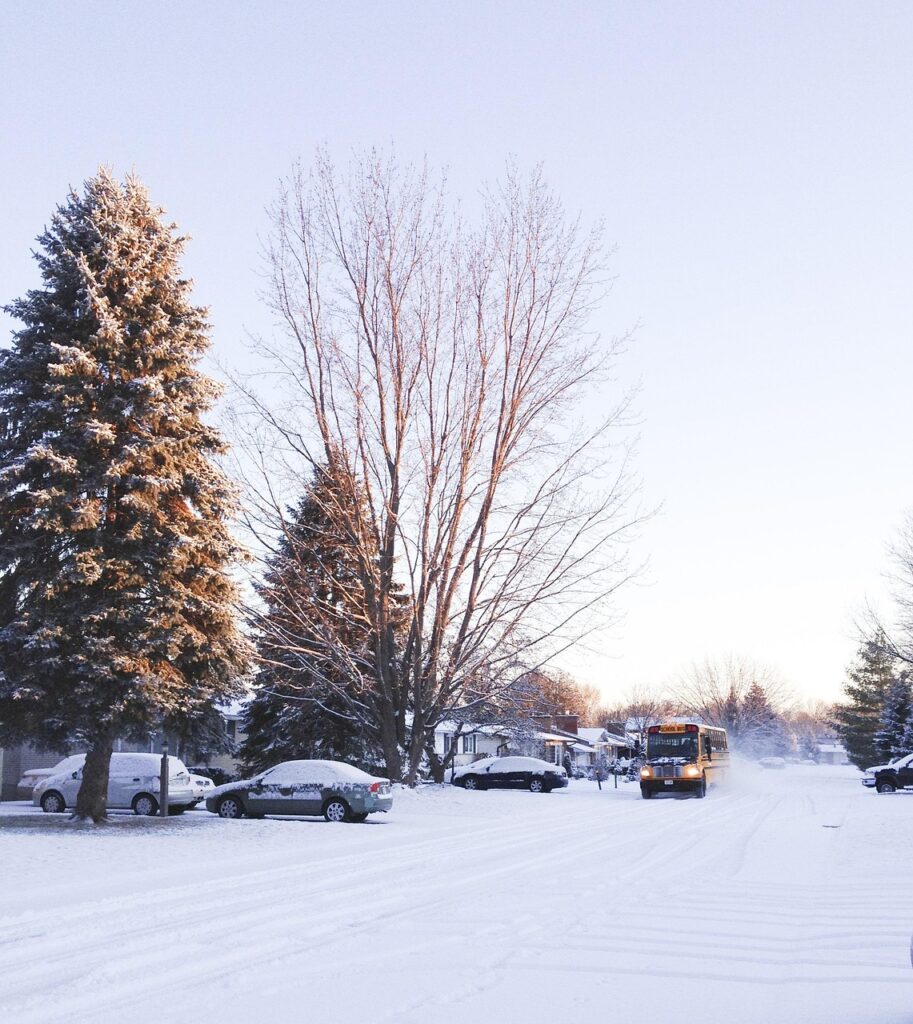
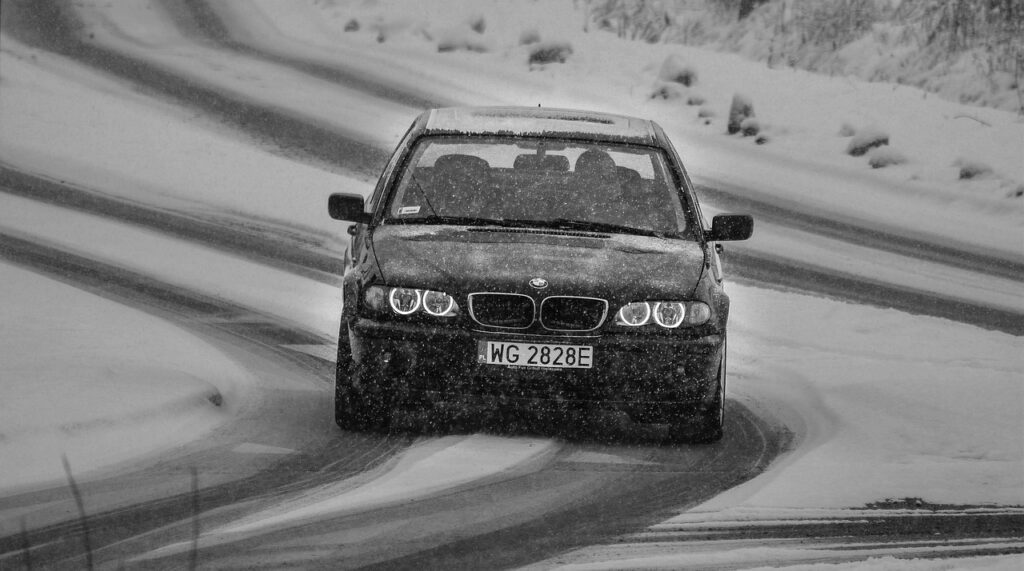
9. **Mastering Slippery Curves**Navigating curves on slick winter roads presents one of the most significant challenges, as the forces at play can easily cause your vehicle to slide sideways, potentially into oncoming traffic or off the roadway entirely. The key to safely traversing these banked turns is foresight and a meticulous approach to speed management, especially when the road is shrouded in snow or ice.
The critical first step is to drastically slow your vehicle to a safe speed *before* you even enter the curve. Begin applying your brakes well in advance, giving yourself ample time to smoothly and gently reduce your momentum. Waiting until you are already in the turn to decelerate is a dangerous mistake; at that point, it may be too late to prevent a loss of traction. This proactive deceleration ensures your tires have the best possible chance to maintain grip as you begin to turn.
Once you’ve entered the curve at a reduced, safe speed, consider shifting to a lower gear. This technique allows you to slightly accelerate *within* the curve itself, which can be counterintuitive but highly effective. A gentle application of power helps to maintain traction and control by distributing weight and stabilizing the vehicle through the turn. However, this acceleration must be very subtle—just enough to feel a sense of ‘pull’ through the curve, not a surge of speed—to keep your vehicle safely on course.
Read more about: Demystifying the Road: An Expert Guide to America’s Confusing Road Signs for Smarter Driving
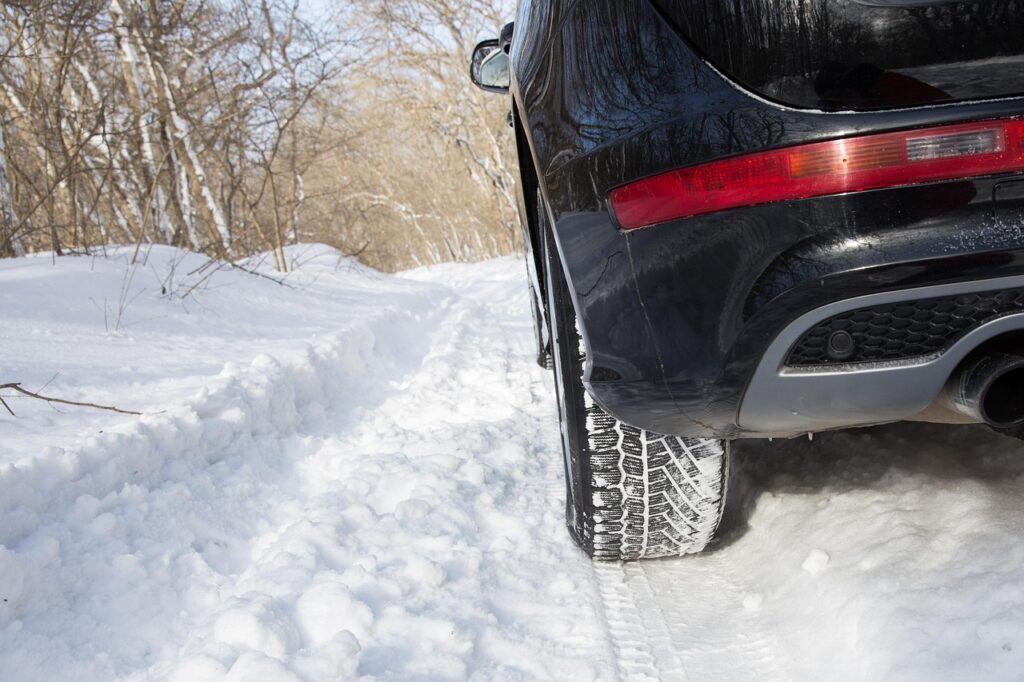
10. **Sustaining Momentum in Deep Snow/Ice**When confronted with deep snow or extensive patches of ice, one of the most valuable strategies is to maintain continuous, albeit slow, forward momentum. The moment your vehicle comes to a complete stop in these challenging conditions, your chances of getting it moving again are drastically reduced. This is due to the static friction being lower than kinetic friction on slippery surfaces.
The objective isn’t to pick up speed, but rather to keep your wheels ever-so-gently rolling, leveraging the minimal existing traction to your advantage. However, this technique requires a careful balance; while sustaining momentum is key, it’s equally important to be cautious not to build up too much speed. When your stopping power is already severely compromised by snow and ice, excessive momentum transforms into a significant liability, making your vehicle incredibly difficult to halt safely.
Therefore, the focus should always be on smooth, consistent, and minimal acceleration, just enough to keep the vehicle gently in motion. Avoid any aggressive throttle inputs that could cause wheel spin and loss of control. This controlled approach dramatically improves your ability to navigate safely through deep snow and ice, ensuring you don’t get stuck and can respond to changes without accumulating dangerous speed.
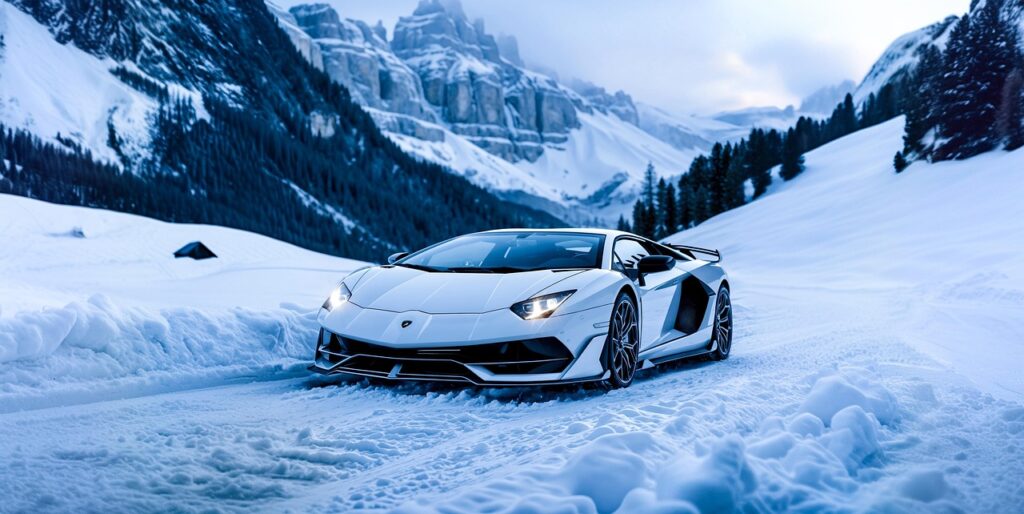
11. **Correcting a Rear Wheel Skid (Fishtailing)**A rear-wheel skid, widely known as “fishtailing,” is a daunting experience where your vehicle’s rear end swings out, making it feel as if the vehicle is turning far more sharply than your steering input. This unsettling situation is most prevalent in wet or icy conditions, or on surfaces compromised by loose sand or dust, where tires struggle to maintain their crucial connection to the road. Recognizing this sensation—the vehicle’s rear wanting to overtake the front—is the first, crucial step toward recovery.
The immediate, instinctual reaction for many drivers is to hit the brakes or forcefully accelerate to power out of the slide. However, these sudden actions are precisely what will worsen a loss of traction. As soon as you perceive the slide, remove your foot entirely from both the accelerator and the brake pedals. Your full attention must shift to the steering wheel, resisting any abrupt pedal movements that can further destabilize your vehicle.
The correct response is to steer gently in the direction you want the front of your vehicle to go. This is often referred to as “steering into the skid,” and while it might seem counterintuitive to outdated advice, it’s the most effective method for regaining control. If you find yourself in a spin and are disoriented about your current direction, try to hold the wheel still; it should roughly align with your intended path before the skid began. Avoid whipping your head around, which can further disorient you.
Once you’ve made the appropriate steering correction, allow the vehicle to slow itself naturally. Keep the wheel steady and your feet clear of the pedals until you can feel the tires regain firm contact with the road surface. Only once you’ve successfully restored traction should you gently accelerate to resume linear movement. A critical final note on rear-wheel skid recovery is to avoid overcompensating: as your vehicle begins to straighten out, be ready to stop turning the wheel. If you cut too hard or too fast in the opposite direction, you risk immediately sending the vehicle into another fishtail, so align your wheels with the road using small, precise movements to prevent another fishtail.
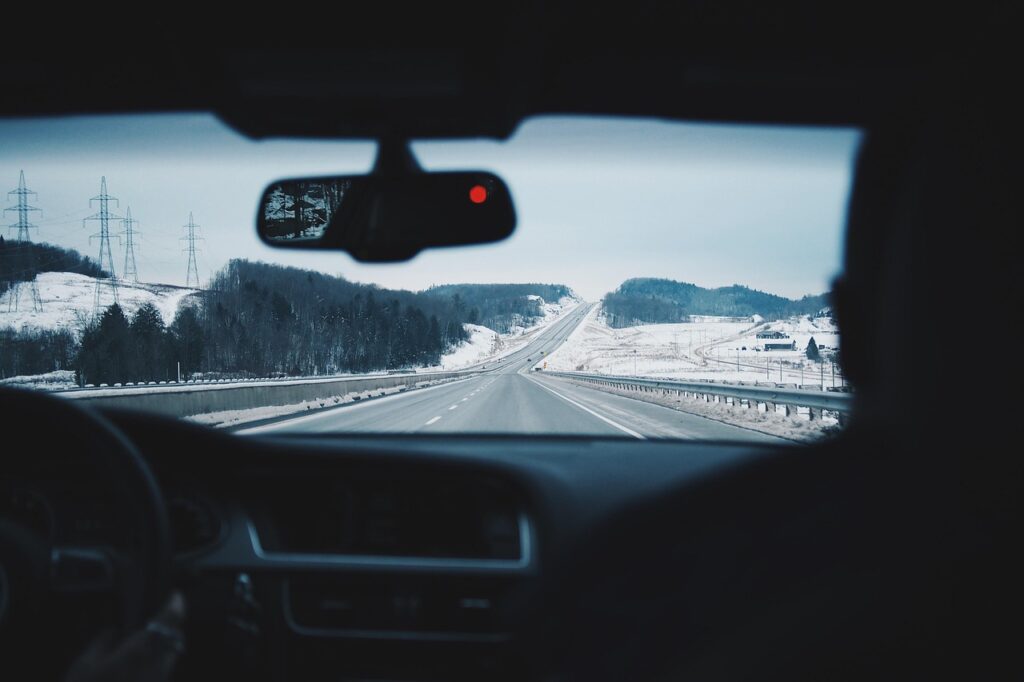
12. **Correcting a Front Wheel Skid (Plowing)**A front-wheel skid, frequently termed “plowing,” manifests when you turn the steering wheel, but your vehicle stubbornly continues to travel straight ahead, failing to respond to your steering input. This unsettling sensation indicates a significant loss of traction in the front wheels, which are responsible for steering. Such skids are particularly common on icy, winding roads where the vehicle’s tires already have minimal grip, causing a disconcerting lack of directional control for drivers.
In contrast to a rear-wheel skid, a gentle application of the brake is possible here, as your back tires might still retain some degree of traction. Lightly applying the brakes can help slow the vehicle, making a controlled correction more achievable and potentially mitigating the severity of an accident in a worst-case scenario. Braking effectively shifts the vehicle’s weight back over the front wheels, and this resulting increase in friction can be instrumental in restoring some much-needed traction. If your vehicle lacks anti-lock brakes, remember to pump the brakes slowly and rhythmically to prevent them from locking up completely.
While attempting to slow down, point your wheels in your intended travel direction. Focus your gaze straight ahead on where you *want* the vehicle to go, using your peripheral vision to track your current course. This helps your brain process the correct steering input needed for recovery. Keep in mind that many front-wheel skid incidents occur as a vehicle is entering a curve, making it disastrous to steer in any other direction than along that curve. If your vehicle does veer off the road, your safest course of action is to identify and aim for the nearest open, flat space.
During a front-wheel skid, resist the urge to vigorously turn the steering wheel. Since plowing is fundamentally a result of front-wheel traction loss, attempting to force a turn will be futile and counterproductive. Instead, hold the wheel steady without drastic directional changes; this prevents you from being vulnerable to another, perhaps more severe, skid once control is momentarily regained. Drive away in a controlled manner: proceed slowly and in a straight line, meticulously avoiding any large, jerky movements with the steering wheel. Only increase your speed once you are absolutely certain that full traction has been restored, and remain vigilant for other hazardous sections of the road until you safely reach your destination.
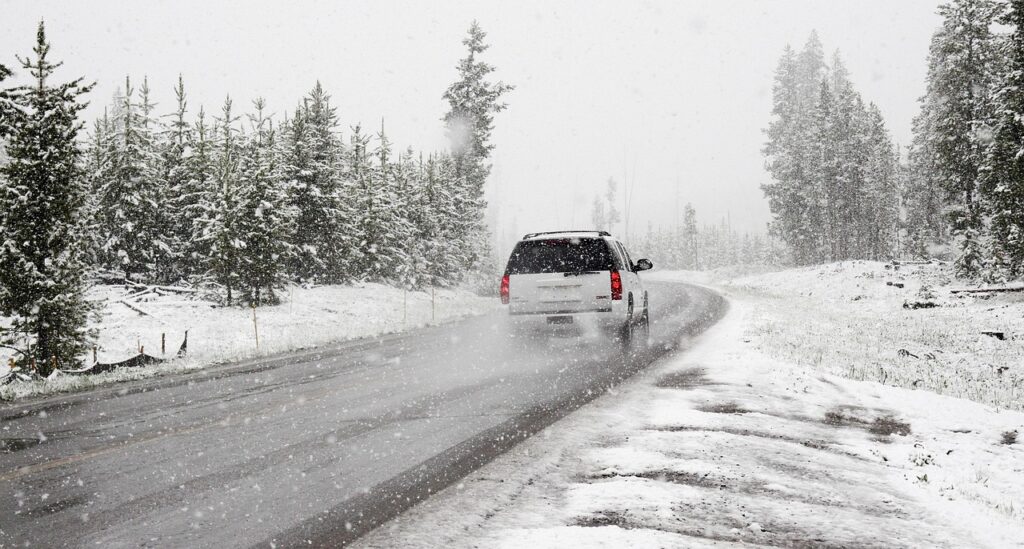
13. **Leveraging Weight Transfer for Grip**Weight transfer is an advanced, yet remarkably powerful, technique for enhancing snow traction, and it’s far less complicated than it might initially sound. At its core, weight transfer involves strategically manipulating your vehicle’s weight distribution to gain superior grip on slick, snowy roads. During acceleration or braking in winter conditions, it’s natural for weight to shift forward or backward within the vehicle; by understanding and consciously controlling these shifts, you can significantly boost your traction and, consequently, your confidence behind the wheel.
To effectively apply weight transfer, the fundamental principle is to utilize smooth, gradual inputs for both acceleration and braking. Abrupt movements can cause an uncontrolled, sudden shift in weight that often leads to wheelspin or a complete loss of traction. Instead, gentle pressure on the accelerator moves weight to the rear, enhancing rear-wheel grip, while subtle braking shifts weight forward, improving front-wheel adhesion. This deliberate, unhurried application of controls is paramount.
Beyond pedal control, a subtle shift of your body weight towards the outside of a turn can also help counterbalance any potential loss of traction. For instance, when climbing steep, snowy hills, a gentle acceleration paired with a slight forward shift in your seating position can help distribute weight evenly, ensuring better grip on the drive wheels. Embracing and practicing these weight transfer techniques will improve your comfort, security, and confidence on even the most challenging and slippery road surfaces.
Read more about: Uncovering the Untold Stories: The Fascinating Lives and Dramatic Evolution of Our Universe’s Stars

14. **Understanding Vehicle Technologies**In the ongoing battle against winter’s treacherous grip, modern vehicle technologies have emerged as invaluable allies, significantly enhancing traction and overall stability. Understanding how these advanced systems function is crucial for maximizing their benefits and for fully empowering yourself as a winter driving pro. These aren’t just fancy add-ons; they are sophisticated safety nets designed to intervene precisely when traction is compromised.
Among the most critical technologies are Traction Control Systems (TCS). These systems actively prevent wheelspin and loss of traction on slippery roads by continuously monitoring the speed of each wheel. If a wheel begins to slip, TCS intelligently reduces power to that specific wheel, allowing it to regain grip. Working hand-in-hand with TCS are Electronic Stability Programs (ESP), also known as Electronic Stability Control (ESC). ESP goes a step further by helping to stabilize the entire vehicle during critical maneuvers like cornering or swerving. It achieves this by precisely controlling engine torque, braking on individual wheels, and even transmission shifting, effectively correcting both understeer and oversteer situations for easier control on snow.
Beyond these foundational systems, other specialized features can dramatically improve your winter driving experience. Hill descent control, for example, is designed to automatically slow your vehicle to a controlled speed when descending a steep incline, preventing potential loss of traction and wheelspin. Similarly, many modern vehicles now offer a “snow mode” or similar driving settings. These modes often adjust throttle response, transmission shift points, and traction control sensitivity to optimize the vehicle’s performance specifically for low-traction conditions, providing a smoother, more controlled drive.
To truly leverage these advanced technologies, it’s essential to confirm that your vehicle is equipped with them and that they are properly maintained and calibrated. Furthermore, always consult your owner’s manual for specific instructions on how to activate and utilize these features effectively in snowy conditions. While these systems offer a significant advantage, they are aids, not replacements, for fundamental safe winter driving practices. They enhance your control, but your proactive judgment and skillful inputs remain paramount.
As we navigate the complex and often unpredictable landscape of winter roads, remember that preparedness, vigilance, and the mastery of both proactive and reactive techniques are your strongest defenses. Each step—from meticulously preparing your vehicle and adapting your driving style, to understanding advanced skid recovery and leveraging modern safety technologies—contributes to transforming you into a truly confident and capable winter driving pro.
Read more about: The 2025 Lemon List: 14 Cars to Avoid That Mechanics Already Dread Seeing
The challenges of ice and snow don’t have to translate into fear or uncertainty. Instead, they present an opportunity to hone your skills, deepen your understanding of vehicle dynamics, and embrace the responsibility that comes with sharing the road in adverse conditions. Stay informed, stay practiced, and most importantly, stay safe. Your journey through winter can be as smooth and controlled as any other, provided you apply these essential lessons with diligence and care.