Remember those movies you watched a million times as a kid or even just a few years ago? The ones that felt like cinematic comfort food, making you laugh, cry, or swoon without a second thought? Well, buckle up, buttercups, because we’re about to take a deep dive into some flicks that, let’s just say, didn’t exactly get better with age. It’s like finding an old favorite snack in the back of the pantry, only to discover it’s way past its expiration date – definitely not as tasty as you remember, and maybe a little bit… unsettling.
We all have fond memories of films from our childhood, or even just from a decade or two ago, that we thought were the absolute bomb. But let’s be real, when we hit replay on some of these ‘classics,’ we can be confronted with themes that don’t quite match our modern sensibilities. What once got a chuckle now elicits a wince, and some tropes that were passed off as lighthearted fun are, in hindsight, downright offensive.
Today, we’re grabbing our metaphorical milk cartons and checking the expiration dates on some seriously popular movies. From classic comedies that haven’t aged gracefully to beloved romance films that now feature more red flags than a matador convention, some of these entries are shockingly problematic. So, let’s ruin some nostalgia together and uncover the cinematic missteps that prove not all movies stand the test of time – some spoil faster than a carton left out in the sun. Get ready for a cringe-worthy countdown!

1. **Horrible Bosses (2011)**Let’s kick things off with a film that, at first glance, seemed like a dark comedy gem: *Horrible Bosses*. Released in 2011, this movie tackled the relatable fantasy of getting rid of your awful superiors. However, one of its core comedic premises has aged incredibly poorly, especially when viewed through today’s lens. “There was a time when the thought of a man being ually harassed was laughable. So much so that Horrible Bosses decided to use it as one of its running gags in the film.” This line alone should make you raise an eyebrow, or maybe even drop your popcorn.
The character Dale, a dentist assistant, finds himself in a truly uncomfortable and frankly unacceptable situation. He is “constantly harassed by his female boss,” whose “ual demands” are explicit and unwavering, regardless of Dale’s clear resistance to her advances. What’s even more disturbing is how this serious issue is framed within the narrative. It’s presented as a running gag, meant to elicit laughter, rather than a depiction of a genuinely distressing experience. This choice is a stark reminder of how certain societal norms were once treated with a shocking lack of seriousness.
Adding insult to injury, Dale’s attempts to confide in his friends about this harassment are met with derision. “He is laughed at when he tries to discuss them with his friends,” and they even tell him “he should be happy this is happening since his boss is an attractive woman.” This dialogue not only trivializes ual harassment but also reinforces harmful ideas about consent and power dynamics. It sends a message that attractiveness somehow justifies inappropriate behavior, a notion that is, to put it mildly, deeply flawed and damaging.
This portrayal in *Horrible Bosses* is a prime example of how humor derived from ual harassment hasn’t aged well. What might have been considered edgy or darkly comedic at the time now simply feels uncomfortable and insensitive. It underscores a significant cultural shift in how we understand and address issues of consent, workplace boundaries, and gender-based harassment. Rewatching this film today, it’s hard to ignore the problematic message it inadvertently sends, making it a prime candidate for our “aged like milk” list.
Read more about: Bye, Bye Tinseltown: 13 Famous Faces Who Traded Hollywood’s Glitz for a Totally Different Life

2. **Wedding Crashers (2005)**Next up, we have *Wedding Crashers*, a beloved comedy from 2005 that many remember for its witty banter and charming leads. But dig a little deeper, or rather, just watch one particular scene, and you’ll find something that goes “a step further” into problematic territory. The context explicitly states, “Wedding Crashers depicts Vince Vaughn’s character being raped for laughs.” Yep, you read that right: “for laughs.” This is where the humor train completely derails and veers into deeply unsettling territory.
The scene in question involves Vince Vaughn’s character being “awoken and tied to a bed by a female character in the film” in the middle of the night. His protests are dismissed as she declares “she is here to fulfill his fantasies.” The intention behind this scene was clearly to be comedic, played up to generate laughter from the audience. However, the action it depicts is anything but funny; it’s a “horrible action” that should never be trivialized, especially not for the sake of a cheap joke.
The implications of portraying such an event as humorous are profoundly damaging. As the context points out, “Events like these lead to men not speaking out about ual violence.” When sexual assault is presented as a comedic plot point, it can invalidate the experiences of victims and contribute to a culture where such violence is not taken seriously. “Seeing people laugh at the terrible abuse that has happened to them can be highly upsetting to victims of sexual violence.” This isn’t just a bad joke; it’s a harmful narrative choice that undermines the gravity of sexual assault.
For a film that was once considered a carefree, laugh-out-loud romp, this particular sequence makes *Wedding Crashers* a difficult rewatch for many today. It highlights how certain comedic tropes, particularly those involving non-consensual acts, have no place in modern storytelling, especially when they are designed to entertain rather than provoke critical thought. This glaring misstep firmly plants *Wedding Crashers* on our list of movies that have truly curdled over time.
Read more about: Binge-Worthy Bliss: 14 Movies You’ll Never Get Tired Of Watching (Seriously!)
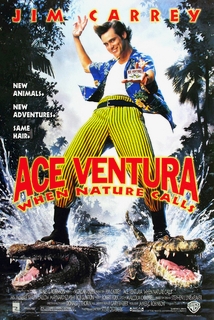
3. **Ace Ventura: Pet Detective (1994)**Jim Carrey’s iconic, over-the-top performance in *Ace Ventura: Pet Detective* is etched into the minds of many ’90s kids. It was a bizarre, often hilarious journey with a man who solves pet-related crimes. Yet, beneath the slapstick humor and quotable lines lies a deeply disturbing and “far out of its way” offensive storyline that focuses on transphobia. This particular aspect of the film has undoubtedly contributed to its rapid aging, making it an uncomfortable watch in our more understanding times.
As the movie progresses, a major plot twist reveals that the film’s villain is secretly trans. This revelation, rather than being handled with any sensitivity, is exploited for shock value and, regrettably, for “laughs.” When this information comes to light, the reactions depicted are nothing short of appalling. “Her ual partners begin to throw up and mock her,” painting a picture of disgust and ridicule towards a trans individual. This portrayal is not just a cheap gag; it’s a dehumanizing act wrapped in a comedic package.
The context doesn’t mince words about the impact of this scene, stating, “This depiction of LGBTQ people is not only offensive, it is incredibly harmful to a group simply trying to live their lives.” It reinforces negative stereotypes and fosters an environment of prejudice and misunderstanding. In a time when awareness and acceptance of trans identities are growing, revisiting such a blatant and cruel caricature can be truly shocking for viewers who once enjoyed the film without questioning its underlying messages.
What might have been dismissed as edgy humor in 1994 now stands out as a glaring example of how pop culture can perpetuate harm. The film’s “outdated gender portrayals” sour the whole experience, turning what was once a beloved comedy into a painful reminder of past insensitivities. *Ace Ventura: Pet Detective*, despite its comedic legacy, serves as a stark example of a movie that has unequivocally “aged like milk” due to its offensive and damaging representation of the LGBTQ community.
Read more about: Remember the ’90s? These 12 Comedy Icons Had Us Absolutely ROLLING and Are Still Crushing It Today!

4. **American Pie (1999)**Oh, *American Pie*. For many, this 1999 comedy was a quintessential coming-of-age film, chronicling a group of high school students’ quest to lose their virginity. While the premise of teenagers navigating ual awakenings is “reasonably standard,” the way *American Pie* executes some of its comedic scenarios is anything but. The film, like “a lot of older comedies,” features what would now be considered deeply troubling, if not outright “sexual crimes.” This is where the nostalgia-tinted glasses fog up and crack.
One particularly egregious scene highlighted in the context involves a significant violation of privacy and consent. “There is a scene in the film where a person is being filmed in the protagonist’s bedroom without her consent.” As if this wasn’t bad enough, the situation escalates dramatically: “the tape is being broadcast to the local school.” Imagine the horror and humiliation of being a high school student and having your private moments non-consensually filmed and then publicly broadcast to your entire peer group. It’s a scenario that is truly nightmarish.
What makes this even more frustrating and difficult to stomach is the unequal consequences depicted. The context notes, “For some reason, the girl is punished by being sent back to Eastern Europe, while nothing happens to the young man.” This outrageous disparity in treatment is not just unfair; it’s a narrative choice that completely undermines any semblance of justice or accountability. It implicitly normalizes the male protagonist’s actions while unfairly penalizing the victim, sending a truly damaging message about who is held responsible in such situations.
The film’s portrayal of “accidental or not” actions as something without real repercussions for the perpetrator, especially when the victim faces severe consequences, demonstrates a stark lack of understanding of consent and criminal behavior. The context rightfully asserts, “what he did is still a crime, and he deserves some real punishment for his actions.” *American Pie*, once seen as a harmless teen romp, now serves as a glaring example of how humor at the expense of privacy and consent can turn a film from classic to cringe-worthy, earning its spot on our “aged like milk” list.
Read more about: BuzzFeed Presents: Classics Never Die! 15 Iconic Movies You’ll Want to Rewatch Again (And Again!)

5. **The Notebook (2004)**Let’s take a slight detour from outright comedies into the world of romance, because sometimes even the most beloved love stories can “walk a fine line between genuine romance and a minefield of red flags.” *The Notebook*, released in 2004, is widely adored for its passionate love story between Noah and Allie. However, looking back with a more critical eye, the film features some “very problematic behavior” that, frankly, is far from romantic and leans heavily into the creepy category.
The context zeros in on a specific, highly memorable scene that, in retrospect, is deeply troubling. When Noah Calhoun is attempting to court Allie Hamilton, and “she rejects his advances,” his response is not to respect her boundaries. Instead, “To show his dedication, he hangs off of a Ferris wheel and threatens to kill himself if she does not go on a date with him.” This isn’t grand romantic gesture material; it’s a manipulative and emotionally abusive tactic that puts immense pressure on Allie under the guise of passion.
This particular act, once celebrated as an iconic declaration of love, is now widely recognized for what it truly is: a dangerous display of coercive control. The context clearly states, “Threatening to kill yourself is not romantic. It is dangerous and creepy.” This kind of behavior, if replicated in real life, would be a massive red flag, indicating an unhealthy and potentially toxic dynamic. It suggests a lack of respect for personal autonomy and uses emotional blackmail to get what one wants, which is the antithesis of healthy love.
*The Notebook*’s enduring popularity makes its problematic elements all the more striking as our understanding of healthy relationships evolves. What was once seen as charmingly persistent now screams alarming and manipulative. This scene, more than any other, showcases how a film lauded for its romance can, upon re-evaluation, reveal deeply troubling undertones, securing its place among the movies that have undeniably “aged like milk” in the romance genre.
Read more about: Laughing All the Way to Legend: 15 Iconic TV Scenes Where Comedians Totally Lost It on Live TV
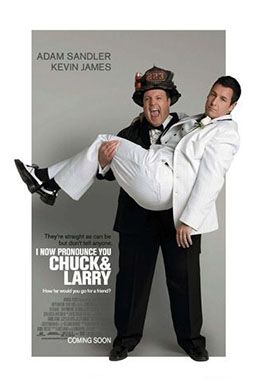
6. **I Now Pronounce You Chuck & Larry (2007)**When it comes to movies that tried to tackle social issues but ended up reinforcing stereotypes, *I Now Pronounce You Chuck & Larry* stands out like a sore thumb. Released in 2007, this film attempted to address themes of same- marriage, but did so in a way that utterly missed the mark and created a “mockery [of] queer efforts for equality.” It’s a prime example of a film whose humor relied on prejudice and misunderstanding.
The central premise involves two straight firefighters, Chuck and Larry, who pretend to be a same- couple to “abuse the system” and secure domestic partner benefits. This plot choice, as the context details, positions “a same-sex marriage as a gambit to abuse the system.” This narrative trivializes the profound significance of marriage equality and reduces it to a cynical ploy, especially considering that same-sex marriage wasn’t even legalized nationwide in the United States until 2015.
The film’s comedic approach is further complicated by its overt reliance on “homophobic and misogynistic” tropes. The characters “pretend to be gay to look at women and abuse the system,” which not only perpetuates offensive stereotypes about gay men but also reduces women to mere objects for the male gaze. This kind of humor, rooted in prejudice and objectification, simply doesn’t fly anymore and reveals a deeply insensitive core.
*I Now Pronounce You Chuck & Larry* is a clear demonstration of how attempting to be progressive without genuine understanding or respect can backfire spectacularly. Its humor, instead of fostering empathy or dialogue, actively mocks and undermines the struggles of marginalized communities. The film’s dated and offensive portrayal of LGBTQ people and women firmly cements its status as a movie that has not just aged poorly, but has completely “aged like milk.”
Read more about: Richard Chamberlain: From ‘Dr. Kildare’ Heartthrob to ‘Miniseries King,’ A Comprehensive Retrospective of a Screen and Stage Icon.
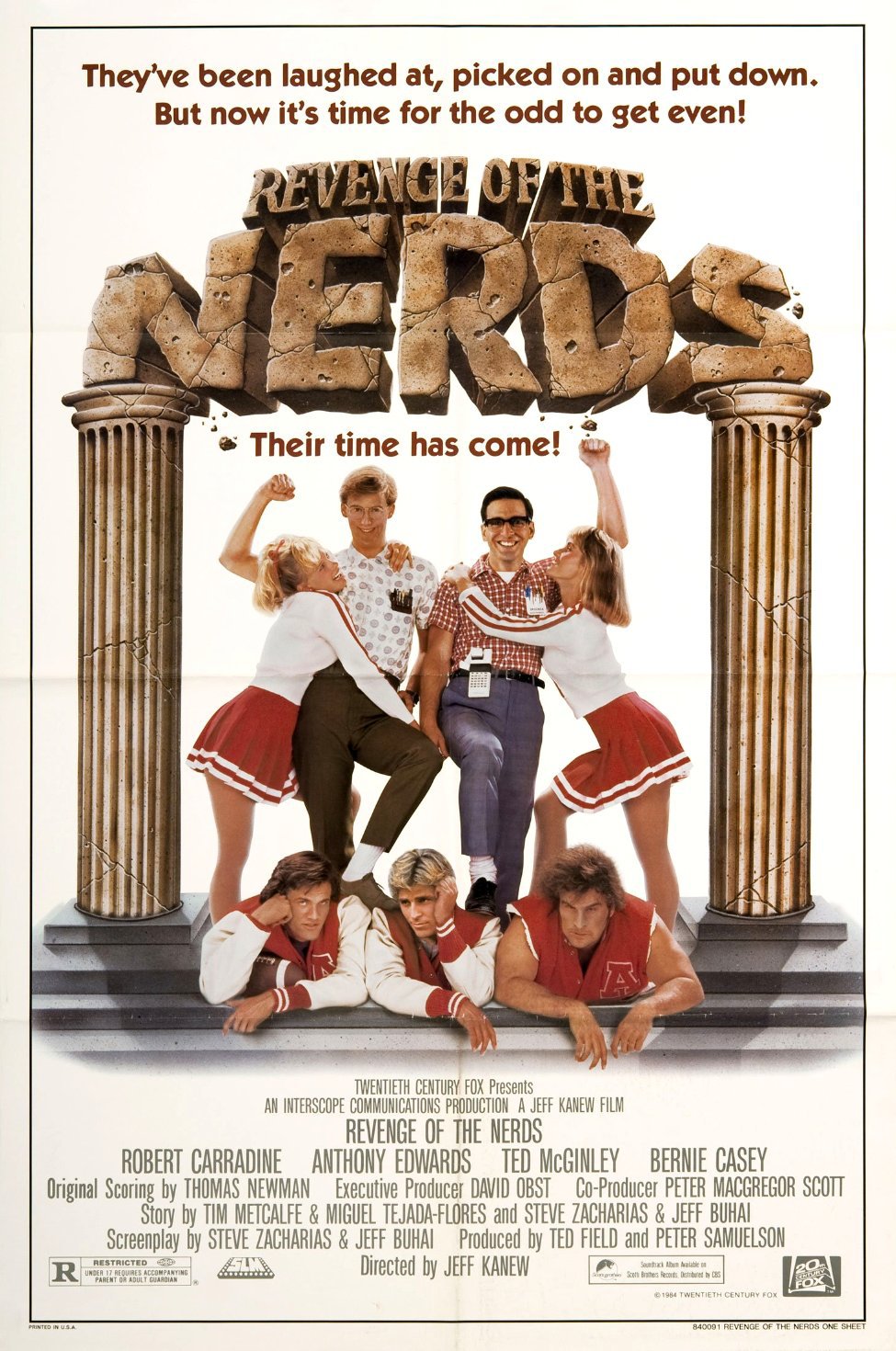
7. **Revenge of the Nerds (1984)**Ah, the classic underdog story, *Revenge of the Nerds*. This 1984 film was once celebrated for its portrayal of outcasts triumphing over the jocks. However, beneath its seemingly harmless premise of “nerds” getting their due, lies a truly disturbing scene that prompts a very simple, yet horrifying, question: “Is it still rape if you pretend to be the girl’s boyfriend?” The context provides a chillingly direct answer: “The answer to that question is also simple. Yes, yes, it is.” And with that, this film’s milk carton hits the floor with a splat.
The scene in question depicts the protagonist, Lewis, engaging in an act that is unequivocally ual assault. He “tricks his crush into having sex with him by wearing a mask and pretending to be her boyfriend.” This act of deception is a profound violation of consent, as the individual he is with believes they are engaging with someone they know and trust, not a stranger. The fact that this is played for a comedic or triumphant moment in the film is, in retrospect, utterly appalling and indefensible.
What makes this scene even more problematic and difficult to stomach is the victim’s reaction. After discovering the horrific truth of what has happened, Betty “isn’t even bothered by it.” Worse still, “She thanks the masked intruder for what he has done.” This portrayal is not just unrealistic; it’s actively harmful. It sends a message that such a severe violation is acceptable, even desirable, and that a victim’s trauma is negligible, or worse, non-existent.
The context rightly highlights the insidious message this scene communicates: “This scene tells young people it’s ok to ually assault people as long as you are good in bed.” This is a dangerous, irresponsible, and morally reprehensible takeaway for any film to offer its audience. *Revenge of the Nerds*, despite its cultural status, has become a stark reminder of how severely some older films mismanaged themes of consent and respect, making it a truly uncomfortable relic that has undoubtedly “aged like milk.”
Read more about: Dust Off Your VCR: These 10 VHS Tapes From Your Childhood Could Be Worth Thousands
8. **Breakfast at Tiffany’s (1961)**Okay, prepare for a dose of iconic Hollywood glamour mixed with a seriously sour taste. *Breakfast at Tiffany’s*, a film often celebrated for its timeless style and Audrey Hepburn’s enchanting performance, actually carries a glaring flaw that’s impossible to ignore today. We’re talking about a classic that really struggled to age gracefully in one particular area, leaving a pretty big stain on its otherwise polished reputation.
The issue? The film’s utterly baffling and deeply offensive casting of Mickey Rooney as Mr. Yunioshi, Holly Golightly’s Japanese landlord. The context explicitly states, “The film casts Mickey Rooney to play a racist caricature of an Asian man.” It’s not just a subtle misstep; it’s an over-the-top, buck-toothed, squinting, heavily accented portrayal that leans into every single harmful stereotype imaginable. Seriously, what were they thinking?
This choice was, frankly, inexcusable even by the standards of its era, and it has only become more egregious with time. The context asks, “Why they chose to do this is anyone’s guess, but the resulting performance has haunted the movie since its release.” It’s a powerful reminder that even beloved classics aren’t immune to problematic elements, and this particular depiction of an Asian character is a cringe-inducing watch that completely pulls you out of the sophisticated world the film tries to create.
Read more about: Beyond the Limelight: 7 ’60s Stars Who Charted Surprising Courses After the Spotlight Dimmed

9. **Head of State (2003)**Next up, let’s talk about *Head of State*, a 2003 comedy that took a swing at political satire but ended up whiffing it spectacularly, landing squarely in the “aged like milk” category. The film’s premise revolved around “a black man winning the Presidency.” Now, that sounds like it could be a setup for insightful commentary. Except, according to the context, that’s “the whole joke,” and that’s where the wheels fall off.
The entire comedic foundation of *Head of State* rested on the perceived absurdity of a Black man becoming president. This humor, rooted in racial bias, doesn’t just fall flat; it actively reinforces harmful notions. It’s hard to imagine how the creators could have overlooked the deeply offensive nature of building an entire film around such a premise. The context bluntly states, “It is unclear how the people behind this film did not see how offensive the premise is.”
This film reminds us that humor shouldn’t come at dignity’s expense. What might have been conceived as edgy at the time now feels tone-deaf and lazy. *Head of State* stands as an example of a film that tried to be topical but instead became a textbook case of how not to approach sensitive subjects in comedy, making it a truly uncomfortable rewatch for anyone with a shred of modern sensibility.
Read more about: Hidden Gems: 14 Critically Underrated Movies Everyone Needs to See At Least Once
10. **The Hangover (2009)**Alright, time to revisit a comedy titan that once had us all in stitches: *The Hangover*. This 2009 blockbuster was a cultural phenomenon, launching a franchise and defining a generation’s idea of a wild night out. But before you hit play for a dose of nostalgic laughs, brace yourself. The context delivers a harsh truth: “if you go back to enjoy it now, you will be greeted by a queer slur directly after the film starts.”
That’s right, a beloved, popular comedy from not too long ago opens with a homophobic slur. While the context acknowledges these slurs were “fairly common at the time,” that doesn’t make them less jarring or offensive for today’s audience. What was once brushed off as casual dialogue now screams insensitivity, instantly souring the experience and leaving a bitter taste right from the opening credits. It’s a prime example of how language evolves and how what was “acceptable” then is absolutely not okay now.
This jolt of casual homophobia does more than make us cringe; it serves as “a reminder of the contempt that LGBTQ people continue to rally against.” It highlights how deeply ingrained prejudice can be in popular culture, even in films that many consider harmless fun. *The Hangover*, despite its comedic triumphs, has undeniably “aged like milk” in this aspect, proving that even a laugh-out-loud hit can stumble badly when it comes to basic respect and inclusivity.
Read more about: The Highest-Paid Cameos in Recent TV History: Unpacking Hollywood’s Priciest Surprise Appearances
11. **Grease (1978)**Oh, *Grease*! The iconic musical transported us back to Rydell High with catchy tunes and undeniable chemistry, adored for decades. It’s a film that’s been adored for decades, a staple at sing-alongs and sleepovers. But let’s pump the brakes on the nostalgia train for a moment because, as the context points out, this beloved classic also harbors some “problematic areas,” and one particular lyrical gem is a massive red flag.
The most egregious offense appears during the classic duet “Summer Lovin’,” when Danny asks Sandy, “Did she put up a fight?” Stop the music. The context unequivocally states that this line “raises questions about the nature of romantic relationships in the film” and highlights the critical importance of consent. This isn’t just a quirky ’70s lyric; it’s a deeply disturbing insinuation that completely undermines healthy relationship dynamics.
The idea that someone “putting up a fight” could be part of a romantic encounter is, frankly, horrifying. The context emphasizes, “Consent is essential. If someone is putting up a fight, you should take that as a no.” This non-negotiable truth makes revisiting *Grease* more complicated. The film’s enduring charm clashes harshly with this deeply insensitive and alarming dialogue, forcing us to confront how much our understanding of respectful interaction has evolved. It’s a bummer, but this moment alone pushes *Grease* firmly into the “aged like milk” category, making us rethink our summer nights at the drive-in.
Read more about: Beyond the Showroom Shine: 14 Automotive Design Fails That Rocked the Industry
12. **Peter Pan (1953)**Let’s sail back to Neverland with Disney’s animated classic, *Peter Pan*, a whimsical tale for many. But underneath that pixie dust lies a deeply troubling portrayal that has, unfortunately, curdled over time. The context reminds us that “The American media isn’t known for treating the Indigenous people with much respect,” and *Peter Pan* is a prime example of this historical failing, making it a tough watch for modern audiences.
The film’s depiction of Indigenous characters, often referred to with racist slurs, is incredibly jarring. Beyond derogatory language, the context specifically calls out “an entire musical number dedicated to mocking the oppressed group.” This isn’t just a brief, unfortunate moment; it’s a prolonged, celebratory sequence that revels in caricature and harmful stereotypes. These portrayals contribute to a legacy of dehumanization that has real-world consequences, painting entire cultures with a broad, prejudiced brush.
Revisiting *Peter Pan* today means confronting these uncomfortable truths head-on. What once might have been seen as innocent or simply a product of its time now clearly stands out as insensitive and damaging. It highlights how important it is for media, especially children’s entertainment, to be mindful and respectful in its representations. This aspect of *Peter Pan* undeniably earns it a spot on our list, proving that even beloved animated classics aren’t immune to the passage of time and the evolution of social consciousness.
Read more about: Beyond the Blockbuster: 12 Gritty War Movies That Critics Call the Most Realistic—Have You Seen Them All?
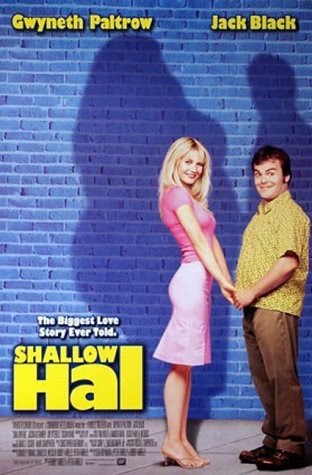
13. **Shallow Hal (2001)**Now, let’s talk about *Shallow Hal* from 2001, a movie that genuinely tried to be progressive but face-planted into problematic tropes. Its premise sounded sweet: a man hypnotized to see people’s inner beauty, learning not to be so shallow. Everyone *should* feel better after watching, right?
Except, *Shallow Hal* spectacularly missed the point, turning its earnest message into a cringe-fest. The context highlights that “the point of this film is hindered by a constant barrage of fat jokes.” Instead of championing inner beauty, the movie constantly uses the altered perception for cheap laughs at the expense of larger individuals. It portrays Hal as some kind of “hero for loving a woman he later learns is overweight,” which is, frankly, insulting. Loving someone shouldn’t be a heroic act contingent on overlooking their weight.
To make matters worse, the film depicts “most attractive people as being hideous monsters on the inside.” This creates a bizarre, equally shallow inverse message: physical attractiveness is almost always synonymous with internal ugliness. It’s a confusing and ultimately damaging narrative that cancels out any positive intentions. *Shallow Hal* serves as a glaring example of how even well-meaning films can completely misfire, proving that a good heart isn’t always enough to deliver a truly progressive and thoughtful story. This one definitely aged like milk.
Read more about: Beyond the Blockbuster: 15 Historical Epics That Rewrote Reality on the Big Screen

14. **The Blind Side (2009)**Here’s *The Blind Side*, a film that tugged at heartstrings and racked up awards, presenting itself as a heartwarming true story of compassion and triumph. Released in 2009, it quickly became a feel-good favorite. However, a deeper look, especially through the lens of modern scrutiny and, crucially, the subject’s own words, reveals a far more complex and troubling narrative. What once seemed like an inspirational tale has, for many, soured considerably.
The core issue, highlighted by the context, is that “instead of focusing on his difficulties growing up… The Blind Side focuses much of its time on the white family that adopts him.” This narrative transforms Michael Oher’s story into a “white savior story,” disproportionately placing emotional weight on the adopting family, rather than Oher’s resilience. It minimizes his agency and struggles by centering a different perspective.
Adding a truly heartbreaking layer to this is Oher’s own recent claims. The context reveals that “Oher also states that he never received compensation for the film” and “claimed that the Tuohy family took advantage of him as a child to profit from his athletic abilities.” These accusations upend the film’s heartwarming façade, painting a picture of exploitation rather than genuine philanthropy. Such revelations transform *The Blind Side* from an inspiring drama into a deeply uncomfortable watch, making it a prime candidate for our “aged like milk” list due to its problematic framing and the real-life implications.
Read more about: Hidden Gems: 14 Critically Underrated Movies Everyone Needs to See At Least Once
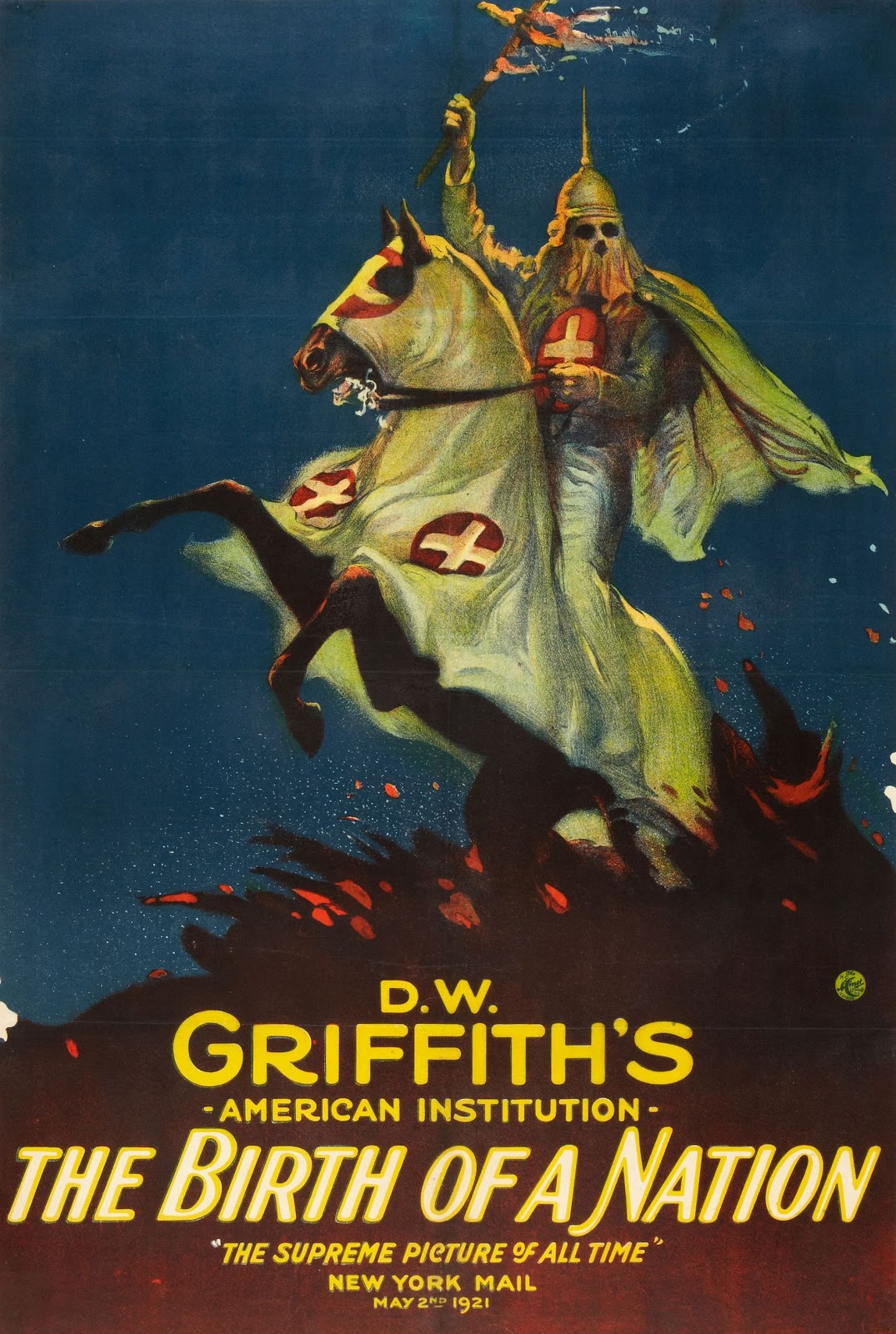
15. **Birth of a Nation (1915)**And now, for the grand finale, *Birth of a Nation* from 1915. This film has always been inherently problematic, yet its historical significance in cinematic history, pioneering techniques, cannot be understated. This movie is a stark, almost horrifying, benchmark in cinematic history, showcasing the very worst of prejudiced storytelling, even as it pioneered filmmaking techniques. It’s an awful watch today, a historical artifact of hate.
The context doesn’t pull any punches, stating, “While this film has always been incredibly racist, it was praised upon release for its technical innovations and storytelling techniques.” This dichotomy is crucial, but its technical achievements are overshadowed by its content. The film “manages to put the KKK in a good light while also birthing several stereotypes about black people that are still used today.” It’s a masterclass in propaganda, actively glorifying a white supremacist terrorist organization and embedding deeply harmful racial caricatures into the public consciousness.
Watching it today is a visceral experience of disgust and discomfort. It’s not just “aged like milk”; it was spoiled from the start. The context accurately concludes that “The film helps study propaganda tactics but little else.” It stands as a chilling reminder of how powerfully film can shape public perception, for better or worse. *Birth of a Nation* is a monument to bigotry, a cinematic stain that, despite its place in history books, has absolutely no place in a modern viewing list except as a cautionary tale.
—
Read more about: Banned from the Big Screen: Iconic Moments That Sparked Outrage and Censor’s Fury
Whew, what a ride! It’s wild to look back at these films, some genuinely loved, and realize how much our perspectives have shifted. What was once acceptable, or even funny, now often feels deeply uncomfortable, offensive, or wrong. This countdown isn’t about canceling movies; it’s about acknowledging how art reflects and influences society, and how our understanding of respect, consent, and equality evolves. So, next time you revisit an old favorite, give that milk carton a sniff test first – you might be surprised!