John Hughes. The name alone conjures up images of neon lights, classic 80s tunes, and heartfelt tales of teenage angst, love, and self-discovery. As both a writer and a director, his unparalleled ability to connect with teenagers in the ‘80s is why he was famous, crafting narratives that resonated deeply with a generation and continue to captivate new audiences today. His films weren’t just about the main characters; they were entire worlds, teeming with personalities that felt incredibly real, even in the most fantastical scenarios.
But here’s a secret that many Hughes fans already know: while his protagonists often took center stage, it was often the quirky, unforgettable minor characters who truly stole the show. From very small one-line cameos to characters with one or two short scenes, these often end up the characters with the most quotable lines in movies chock full of lines film fans say all the time to each other. They provided the unexpected laughs, the poignant moments, and the sheer comedic genius that elevated his movies from great to legendary.
We’re about to take a hilarious journey down memory lane, celebrating the unsung heroes of the John Hughes universe – those supporting players who, with just a few lines or a memorable glance, etched themselves into our hearts and cinematic history. Get ready to revisit some seriously iconic performances, because while it’s hard to pick out the best, we think you’ll agree that these are classic minor characters in Hughes’ films. Let’s kick things off with seven absolute gems who proved that sometimes, less truly is more!

1. **Car Rental Agent (Planes, Trains and Automobiles)**When you think of Thanksgiving travel disasters, “Planes, Trains and Automobiles” immediately springs to mind, and right in the chaotic heart of it all is a character who perfectly embodies the frustration – and eventual hilarity – of a trip gone wrong. Edie McClurg, a true mainstay in John Hughes movies, delivers one of her shining moments in a fairly brief scene at the St. Louis airport, forever cementing her place in the pantheon of unforgettable minor roles.
Steve Martin’s character, Neil Page, is in a desperate bid to get home for Thanksgiving, and by this point in the film, he’s at the absolute end of his tether. He walks up to the car rental counter, expecting service, but instead unleashes a profanity-filled barrage towards McClurg’s very pleasant car rental agent. It’s a moment of pure, unadulterated stress boiling over, a relatable nightmare for anyone who has ever dealt with travel woes.
What makes this scene legendary isn’t just Neil Page’s explosive rant, but McClurg’s absolutely unflappable demeanor. She takes it all in, absorbing every single expletive and frustrated outburst with a calm, almost serene expression. Her composure in the face of such a verbal onslaught builds incredible comedic tension, preparing the audience for something truly special.
And then it happens. After enduring the entire, epic tirade, she finally delivers one of the best lines of the movie. With a quiet, utterly deadpan resignation, she tells him: “You’re ed.” It’s a mic drop moment of epic proportions, a blunt, perfect summary of Neil’s entire predicament and a shocking, hilarious punchline that cuts through the tension like a knife. McClurg’s performance here is a masterclass in comedic timing and understated brilliance, proving that a single, perfectly delivered line can steal an entire scene.

2. **Mutant Biker (Weird Science)**”Weird Science” is a wild ride through teenage fantasy and the unintended consequences of wish fulfillment, and amidst the chaos of a house party gone wrong, we find another brilliant, one-line wonder. Character actor Michael Berryman, known more for his intense work in horror flicks and “One Flew Over The Cuckoo’s Nest” than for comedies, makes an unforgettable appearance as one of the crazed “mutant” bikers who crash Wyatt and Gary’s bash.
The scene itself is pure Hughes genius: two socially awkward teenagers, their dream girl Lisa (who is literally a created woman), and a party spiraling out of control with uninvited guests. When the intimidating bikers show up, things look dire for Wyatt and Gary, who are naturally terrified. It seems their party, and possibly their lives, are about to be completely ruined by these menacing figures.
But then Lisa, with her unique powers, steps in. She convinces the boys that they need to stand up for themselves, giving them the confidence boost they so desperately need. Miraculously, when Wyatt and Gary do finally assert themselves, the tough-guy bikers suddenly back off. Even more surprisingly, they don’t just leave; they become incredibly polite, transforming from menacing figures to almost apologetic guests.
As Michael Berryman’s character is making his exit, he turns and delivers his total gem of a line, a moment that completely flips the script on what you’d expect. With a hushed, almost conspiratorial tone, he asks, “Can we keep this between us? I’d hate to lose my teaching job.” It’s a comedic explosion, instantly shattering the tough-guy facade and revealing an unexpected, mundane reality behind the intimidating exterior, highlighting Hughes’ knack for subverting expectations.

3. **Economics Teacher (Ferris Bueller’s Day Off)**Is there any line in cinematic history more synonymous with exasperated boredom and the sheer joy of playing hooky than this one? “Ferris Bueller’s Day Off” is an ode to freedom, youth, and defying authority, and at the heart of the authority that Ferris so deftly avoids is the brilliantly deadpan Economics Teacher, played by the inimitable Ben Stein. He may only have a few minutes of screen time, but his impact is immeasurable.
The scene is simple: a classroom, a teacher taking roll, and the conspicuous absence of the titular character. Stein’s delivery as the most boring economics teacher ever is so famous and so often quoted, the phrase could honestly be added to the dictionary. Seriously, who hasn’t mimicked that voice at some point when someone is missing or just not paying attention? It’s truly iconic.
With a slow, monotonous cadence, Stein repeatedly calls out the absent student’s name: “Bueller…Bueller….Bueller…” Each repetition is more soul-crushing than the last, perfectly capturing the tedium of a high school classroom and the blissful escape that Ferris is currently enjoying. The sound itself becomes a kind of hypnotic mantra, a comedic lullaby that lulls both the onscreen students and the audience into a state of amused stupor.
What makes this character so effective is Stein’s unwavering commitment to the bit. His expression never changes, his voice never waivers, and his entire demeanor screams “I’ve been doing this for decades, and nothing surprises me anymore.” He embodies the quintessential dull teacher, making the audience simultaneously laugh at his dry delivery and cheer for Ferris’s audacious truancy. The phrase “Bueller…Bueller….Bueller…” has transcended the film itself, becoming a cultural shorthand for absence or indifference.

4. **Ed, The Car Salesman (National Lampoon’s Vacation)**Before the Griswolds even embark on their ill-fated cross-country journey to Walley World in “National Lampoon’s Vacation,” they encounter their first major setback, personified by the wonderfully sketchy car salesman, Ed. Played by the comedic genius Eugene Levy, Ed only gets one scene in the entire movie, but wow, is it fantastic. It sets the tone for all the hilarious calamities that are about to befall Clark and his family.
Levy plays this sales guy perfectly, embodying the slick, slightly disreputable dealer who sees Clark Griswold coming from a mile away. Clark, ever the optimistic, slightly naive family man, arrives at the dealership with grand visions of the perfect family vehicle: the “Arctic Sports Wagon with the optional CB and rally fun pack.” He has a very specific, if slightly absurd, idea of what his vacation car should be.
Ed, however, has other plans. He smoothly talks Clark out of his dream car and, with a dazzling display of questionable salesmanship, still manages to sell Clark the now-infamous Family Truckster. This metallic pea-colored monstrosity is anything but the rugged, adventure-ready vehicle Clark envisioned. It’s a colossal, ugly station wagon that instantly becomes a character in itself, symbolizing the dashed hopes and comedic compromises of the entire trip.
The beauty of Levy’s performance is in his utterly convincing, yet transparently manipulative, sales pitch. He refers to the Family Truckster as “a damn fine automobile, if you want his opinion,” knowing full well it’s a lemon. His ability to con Clark into this vehicle is not just funny; it’s a crucial plot point that kicks off the entire absurd adventure. Ed the Car Salesman is more than just a brief cameo; he’s the architect of the Griswold’s misery, the first person to rip off Chevy Chase’s Clark Griswold before the trip even begins.
5. **Carl Reed (The Breakfast Club)**”The Breakfast Club” is a film steeped in the raw emotions and complex dynamics of high school detention, but amidst the angst and self-discovery, a beacon of grounded wisdom (and subtle humor) emerges in the form of Carl the janitor. Played with quiet authority by John Kapelos, Carl Reed isn’t just a guy with a mop; he’s the eyes and ears of Shermer High School, a character who truly understands the institution and, perhaps, its students better than anyone else.
Carl’s role is understated, yet profound. He’s seen it all, heard it all, and probably cleaned it all. This gives him a unique perspective, making him an almost mystical figure of working-class wisdom within the confines of the detention room. He’s not there to judge, but to observe, and occasionally, to drop a truth bomb that cuts through the teenagers’ carefully constructed facades.
One of his most memorable interactions is with John Bender, the rebellious “criminal” of the group. Bender, in his usual confrontational style, attempts to insult Carl by questioning his choice of “getting into the custodial arts.” But Carl, unflustered, masterfully turns the insult around, using Bender’s own question as a springboard to impart some life wisdom and, in his own way, freak out Bender and all of the kids in detention.
Carl also reveals his acute observational skills, knowing secrets about the school and its staff that even the students don’t. He’s the one who points out that Principal Vernon’s clock is 20 minutes fast, a seemingly minor detail that subtly undermines the authority figure and reinforces Carl’s position as an insider. Who doesn’t love a guy like Carl? He’s the embodiment of quiet power, commanding respect and truly stealing a few key moments.

6. **Jinx Latham (Mr. Mom)**Jeffery Tambor is one of those actors who consistently elevates any project he’s in, often stealing scenes even when he’s not the star. “Mr. Mom” is no exception, where he delivers a memorable performance as Jinx Latham, the hapless, somewhat idiotic boss to Michael Keaton’s character, Jack Butler. Tambor brings his unique brand of awkward charm and comedic bluster to a role that brilliantly evolves from bumbling superior to a more sinister, yet still hilarious, antagonist.
The first scene in the movie where Jinx makes his appearance is an absolute masterclass in comedic discomfort. He’s tasked with firing Jack and everyone else in his department, and Tambor plays the moment with a perfect blend of managerial jargon, forced empathy, and an underlying cluelessness. It’s funny because it’s relatable – who hasn’t encountered a boss trying to soften a blow with corporate platitudes?
However, it’s when Jinx returns later in the movie that viewers get to truly see what Tambor does brilliantly: playing the comedic bad guy. His character takes a surprisingly dark, albeit still humorous, turn as he reveals a more manipulative and self-serving side. This shift allows Tambor to showcase a wider range of his comedic talents, proving that even a “bad guy” can be incredibly entertaining when portrayed by a master of the craft.
Tambor excels at making Jinx simultaneously unlikeable and laugh-out-loud funny. His exaggerated mannerisms, his slightly unhinged expressions, and his delivery of absurd dialogue create a character who is both a legitimate threat to Jack’s professional life and a source of constant amusement. Jinx Latham is a testament to the power of a strong supporting performance; Tambor imbues him with such a distinct personality and evolving comedic arc that he becomes one of the film’s most memorable elements.

7. **Grandpa Howard (Sixteen Candles)**”Sixteen Candles” is absolutely brimming with great smaller roles that add flavor and depth to the already charming story of Sam Baker’s disastrous 16th birthday. The film is a treasure trove of memorable bit parts. But arguably one of the funniest, and certainly one of the most controversial, is Sam’s grandfather, Howard Baker, played by the distinguished Edward Andrews.
Grandpa Howard provides a specific brand of humor through his interactions with the foreign exchange student living with the Bakers, Long Duk Dong (Gedde Watanabe). Their exchanges are as funny as they are, admittedly, offensive, reflecting the comedic sensibilities and cultural stereotypes prevalent at the time. It’s a delicate balance, and Hughes, even at the time, faced criticism for the stereotyping of The Donger.
However, the film also smartly frames Grandpa Howard’s character as the source of many of the prejudices. His sometimes bewildering, sometimes ignorant reactions to Long Duk Dong are played for laughs, but often at Howard’s expense. The humor often comes from his inability to understand or his ingrained biases, making it as easy to make fun of Howard and his prejudices as it is to be offended by The Donger.
Edward Andrews plays Grandpa Howard with a certain old-fashioned charm mixed with a cluelessness that is both endearing and cringeworthy. His interactions with Dong, particularly his attempts to bridge cultural gaps with often inappropriate comments, create moments of genuine comedic gold that are hard to forget. Despite the controversy, Grandpa Howard stands out because he actively contributes to the film’s comedic tapestry, showcasing Hughes’ willingness to tackle uncomfortable themes through comedy and delivering a truly memorable performance.
Continuing our journey through John Hughes’ genius, we spotlight 8 more legendary minor characters whose hilarious performances and unique contributions cemented their place in pop culture history. Get ready to revisit some seriously iconic performances, because while it’s hard to pick out the best, we think you’ll agree that these are classic minor characters in Hughes’ films.
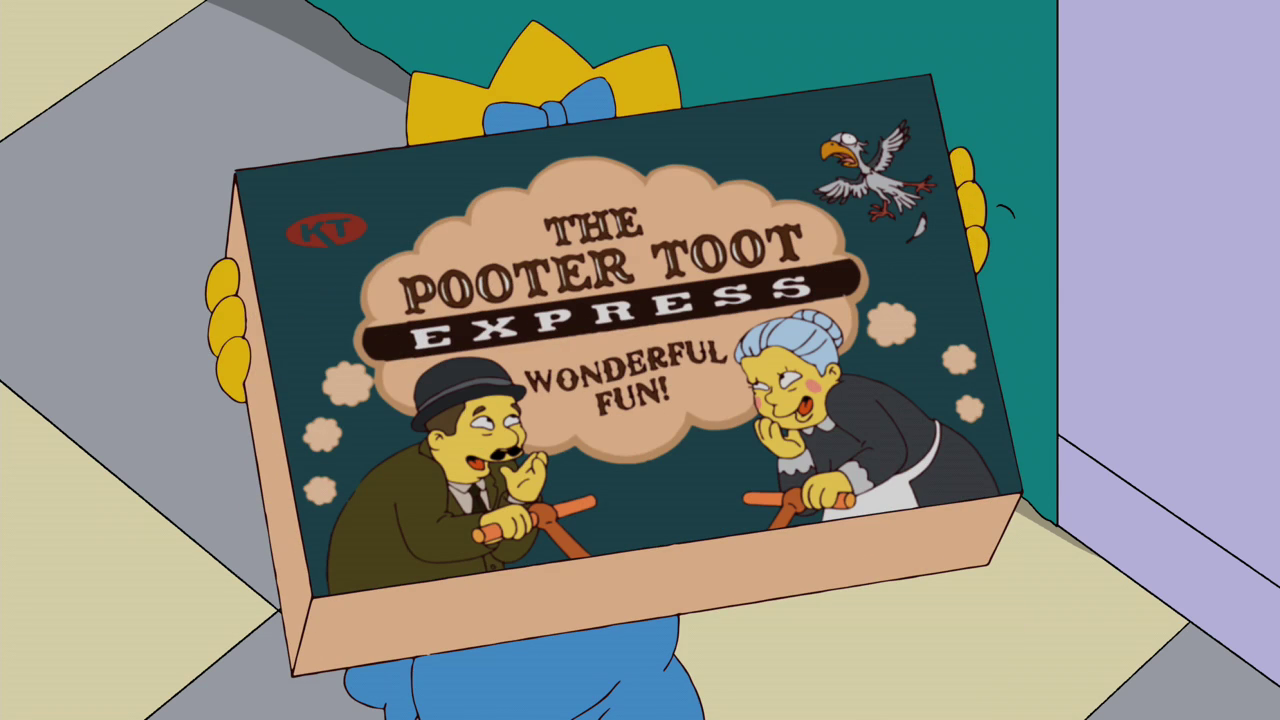
8. **Pooter The Clown (Uncle Buck)**When we talk about memorable supporting characters, Pooter the Clown in “Uncle Buck” leaves a huge impression. Mike Starr, widely recognized for “Dumb and Dumber,” delivers one of his funniest contributions to the John Hughes universe in this unforgettable scene.
Pooter makes his grand, if wobbly, entrance when hired as a birthday clown for Buck’s nephew. Arriving in his mouse-themed cars, he’s clearly no ordinary entertainer. The real kicker: an unmistakable haze of a night spent at a bachelorette party, with Pooter visibly still feeling the effects. It’s a hilarious subversion of expectations for a children’s party.
What makes Pooter such a gem is the sheer audacity of his situation. He’s a professional clown hired to bring joy, but his disheveled appearance and slurred speech tell a very different story. This blatant inappropriateness, contrasted with the innocent setting, is pure humor. Starr nails the portrayal, making Pooter pitiable, ridiculous, and utterly laugh-out-loud funny.

9. **Margo and Todd (Christmas Vacation)**Oh, the neighbors! “Christmas Vacation” perfectly fills this role with Margo and Todd, played by Julia Louis-Dreyfuss and Nicholas Guest. These perpetually put-together residents are the long-suffering next-door victims of the Griswolds, providing some of the movie’s most quotable moments.
Todd, in particular, delivers a legendary line: “I don’t know, Margo!” This phrase, a cultural touchstone, perfectly encapsulates the sheer chaos the Griswolds inflict. Margo and Todd are, in essence, the audience’s stand-ins, experiencing the absurdity right along with us.
Their pristine home is repeatedly shattered by Clark’s over-the-top holiday ambitions, from blinding lights to rogue squirrels. The running gag of their house being unwittingly dragged into the Griswold’s mayhem is pure comedic gold. They truly didn’t deserve all the trouble, and their frustrated despair makes their brief appearances shine.

10. **Gus Polinski (Home Alone)**When Kevin McCallister accidentally gets left “Home Alone,” Gus Polinski, played by John Candy, swoops in. This uncredited cameo is a masterclass in comedic timing and heartfelt delivery, not only helping reunite a family but also stealing the movie.
Gus isn’t just any stranger; he’s the “Polka King of the Midwest,” leading “The Kenosha Kickers.” His encounter with Kevin’s distraught mother, Kate, is pivotal, offering a lifeline when all hope seems lost. Candy’s portrayal brings warmth, humor, and relief to a very stressful situation.
The dialogue between Gus and Kate is fantastic, full of quirky details like his observation about the “Twin Lakes Polka.” His generosity in offering Kate a ride, despite their vastly different destinations, highlights the kindness Hughes wove into his narratives. It makes you want a beerfest in Chaboygen in the Hughes-verse!
11. **The Diceman (Pretty in Pink)**Before “The Diceman” persona, Andrew Dice Clay made a memorable, brief appearance in “Pretty in Pink.” His role as the bouncer was a pivotal moment, launching him into collective consciousness and setting the stage for his comedic career.
In this role, Clay is really just playing himself, or his burgeoning persona. The film even leans into this, with Duckie (Jon Cryer) explicitly calling him “The Diceman.” This isn’t an acting stretch, but that raw, unfiltered energy makes his appearance captivating and hilarious.
The true highlight, iconic for fans, is when Dice lights that cigarette. He executes it with such distinctive, swaggering flair, it etched itself into viewers’ minds as an incredibly cool, rebellious gesture. A perfect example of a minor character, in just seconds, leaving an indelible mark.

12. **Reg (The Great Outdoors)**”The Great Outdoors” is full of physical comedy and outrageous characters, with Reg, played by Britt Leach, standing out. Reg isn’t just any local; he’s an outlandish figure whose unique affliction provides some of the movie’s goofiest, funniest bits.
Reg is the expert on the woods around Pechoggin, Wisconsin, boasting “66 times – make that 67 times!” This unhinged detail paints a picture of a man intimately familiar with his surroundings, a trait both endearing and alarming.
His stutter isn’t just an impediment; it’s attributed to him being a “human lightning rod,” an absurdly brilliant backstory only from John Hughes. This fantastical explanation elevates the stutter, adding layers of hilarity to his every line. Leach’s commitment ensures Reg’s brief appearances are consistently a source of genuine laughter.

13. **The Bike Rider (National Lampoon’s European Vacation)**When the Griswolds bring chaos to “National Lampoon’s European Vacation,” an unsuspecting bike rider bears the brunt of their mayhem. Portrayed by Eric Idle, this character is arguably the most outlandish in the Hughes universe, his escalating misfortune a consistent highlight.
Idle’s bike rider is relentlessly menaced across Europe by the Griswolds’ disastrous driving. Wherever they go, this poor cyclist crosses their path, each encounter leaving him progressively battered. It’s a running gag that builds beautifully, adding layers of physical comedy.
By the film’s end, the bike rider is literally falling apart, a patchwork of bandages and contusions. His over-the-top suffering doesn’t quite fit Hughes’ more grounded characters, but Eric Idle’s comedic genius makes it work perfectly. His knack for physical comedy transforms this bit into a masterclass of escalating, painful hilarity.

14. **Laura Nelson (Some Kind Of Wonderful)**”Some Kind Of Wonderful” explores young love, but Eric Stoltz’s younger sister, Laura Nelson (Maddie Corman), brings blunt, hilarious reality. This minor character delivers a scene-stealing moment that leaves family and audience in shock and stitches.
The pivotal scene: at breakfast, Laura discovers her awkward brother, Keith, has a date with a popular girl. She launches into an explicit explanation of its ridiculousness. Her unfiltered honesty about the perceived mismatch is both shocking and incredibly funny.
Maddie Corman’s performance as Laura is a standout, capturing the essence of a younger sister with no filter. While brutally honest, by her monologue’s end, you realize she truly cares. Her brief moment of unfiltered truth is pure comedic gold, even if she’s the kind of sister we’re all a little terrified of.

15. **C.D. Marsh (Career Opportunities)**No list of Hughes’ hilarious minor characters is complete without another John Candy appearance. In “Career Opportunities,” Candy makes an uncredited cameo as C.D. Marsh, the Target manager, in what might be one of the film’s best scenes.
Whaley’s character attempts to get hired as a security guard in a seemingly straightforward interview. However, John Candy, as C.D. Marsh, transforms it into a comedic masterpiece. With subtle frustration, he mistakenly confuses Whaley for a candidate applying for a much more important, executive position.
As only Candy could, he makes this mundane scene come alive. His earnest, misguided belief about Whaley’s application is hilariously juxtaposed with Whaley’s discomfort. It’s a testament to Candy’s talent, making a simple job interview a genuinely standout moment, reminding us why he’s a beloved figure in cinematic history.
So there you have it! From the exasperated car rental agent to the polka-playing savior, and the brutally honest sister to the bewildered Target manager, John Hughes truly had a gift for bringing life to every corner of his cinematic worlds. His ability to craft minor characters who, with just a few lines or a memorable glance, could steal entire scenes is what cemented his legacy not just as a chronicler of teen life, but as a comedic genius. These unsung heroes added layers of humor, heart, and unforgettable moments, proving that sometimes, the biggest laughs come from the smallest roles. They remind us that while the leads get the glory, the supporting cast often gets the best lines – and in the Hughes-verse, those lines live on forever in our movie-loving hearts.