Ever hopped into a car, turned the key, and just *knew* you were in for an adventure? Well, imagine that adventure also came with a side of “will I make it home in one piece?” Sounds terrifying, right? We’re about to take a wild ride through automotive history, uncovering some truly jaw-dropping stories that prove sometimes, what’s on the road isn’t quite as safe as it seems. Get ready, because these tales are not for the faint of heart!
For decades, we’ve relied on our trusty vehicles to get us from point A to point B, often without a second thought about what lies beneath the hood or within the chassis. But what happens when the very machines designed for convenience and freedom become notorious for putting their drivers and passengers in mortal peril? From explosive fuel tanks to cars that loved to spontaneously combust, the automotive world has seen its fair share of truly questionable creations.
You might be thinking, “No way! Manufacturers wouldn’t let truly dangerous cars hit the streets!” Oh, if only that were true! Today, we’re shining a spotlight on 10 mass-produced vehicles that, unbelievably, were once perfectly legal to drive. These are the “killer cars” whose legacies are etched in infamy, prompting recalls, lawsuits, and even government intervention. Buckle up, because you’re about to discover why these vehicles were pulled off the market, and how some of them left a truly unforgettable, and often tragic, mark on history. Let’s dive in!

1. **Ford Pinto (1971–1980)**: When we talk about cars with a notorious safety record, the Ford Pinto almost always screeches to the top of the list! This little compact, sold from 1971 to 1980, became an absolute legend – but not for reasons Ford wanted. It earned itself the infamous title of having one of the biggest automotive safety failures in history, and honestly, the story behind it is pretty wild.
So, what exactly made the Pinto a ticking time bomb on wheels? The core problem lay in a massive design flaw: the car’s fuel tank was dangerously prone to exploding in rear-end collisions. Imagine a fender bender turning into a catastrophic inferno – that was the horrifying reality for many Pinto owners. It wasn’t just a minor glitch; it was a fundamental design oversight that put lives at incredible risk every single day.
What’s even more shocking is Ford’s response (or lack thereof) to this glaring issue. Despite numerous lawsuits piling up and clear evidence of the danger, there was a scandalous controversy involving Ford’s own cost-benefit analysis. The company essentially weighed the cost of human lives against the expense of a recall, and for a terrifying period, chose the latter. This reluctance to immediately recall the car tragically led to more deaths, a fact that still sends shivers down spines today.
The public wasn’t having it, and neither was the government. The outrage grew into a full-blown scandal, fueled by media attention and the heartbreaking stories of victims. This immense public pressure, coupled with increasing government scrutiny and intervention, eventually forced Ford to discontinue the model. The Pinto’s legacy isn’t just about a car; it’s a powerful, somber reminder of the critical importance of vehicle safety regulations and corporate accountability. It’s a story that truly makes you wonder, how was this ever legal to drive?!
Car Model Information: 1980 Ford Pinto WAGON
Name: Ford Pinto
Caption: Ford Pinto
Manufacturer: Ford Motor Company
Aka: Mercury Bobcat
Production: September 1970 – July 1980
ModelYears: 1971–1980 (Pinto),1974–1980 (Bobcat)
Assembly: Edison, New Jersey,Milpitas, California
Designer: Robert Eidschun (1968)
Class: Subcompact car
BodyStyle: Sedan (automobile),sedan delivery,station wagon,hatchback
Related: #Mercury Bobcat (1974–1980),Ford Mustang (second generation)
Layout: Front-engine, rear-wheel-drive layout
Chassis: Unibody
Engine: unbulleted list
Abbr: on
Disp: Ford Cologne engine
Transmission: unbulleted list
Wheelbase: 94.0 in
Length: 163 in
Width: 69.4 in
Height: 50 in
Weight: convert
Predecessor: Ford Cortina#Mark II (1966–1970)
Successor: Ford Escort (North America)
Categories: 1980s cars, Articles with short description, Cars discontinued in 1980, Cars introduced in 1970, Commons category link from Wikidata
Summary: The Ford Pinto is a subcompact car that was manufactured and marketed by Ford Motor Company in North America from 1970 until 1980. The Pinto was the first subcompact vehicle produced by Ford in North America.
The Pinto was marketed in three body styles throughout its production: a two-door fastback sedan with a trunk, a three-door hatchback, and a two-door station wagon. Mercury offered rebadged versions of the Pinto as the Mercury Bobcat from 1975 until 1980 (1974–1980 in Canada). Over three million Pintos were produced over its ten-year production run, outproducing the combined totals of its domestic rivals, the Chevrolet Vega and the AMC Gremlin. The Pinto and Mercury Bobcat were produced at Edison Assembly in Edison, New Jersey, St. Thomas Assembly in Southwold, Ontario, and San Jose Assembly in Milpitas, California.
Since the 1970s, the safety reputation of the Pinto has generated controversy. Its fuel-tank design attracted both media and government scrutiny after several deadly fires occurred when the tanks ruptured in rear-end collisions. A subsequent analysis of the overall safety of the Pinto suggested it was comparable to other 1970s subcompact cars. The safety issues surrounding the Pinto and the subsequent response by Ford have been cited widely as business ethics and tort reform case studies.
Get more information about: Ford Pinto
Buying a high-performing used car >>>
Brand: Ford Model: Pinto
Price: $5,951 Mileage: 107,000 mi.
Read more about: Hold My Beer: These 14 Cars Went From Automotive Icons to Total Cringe Fails and We’re Not Sorry
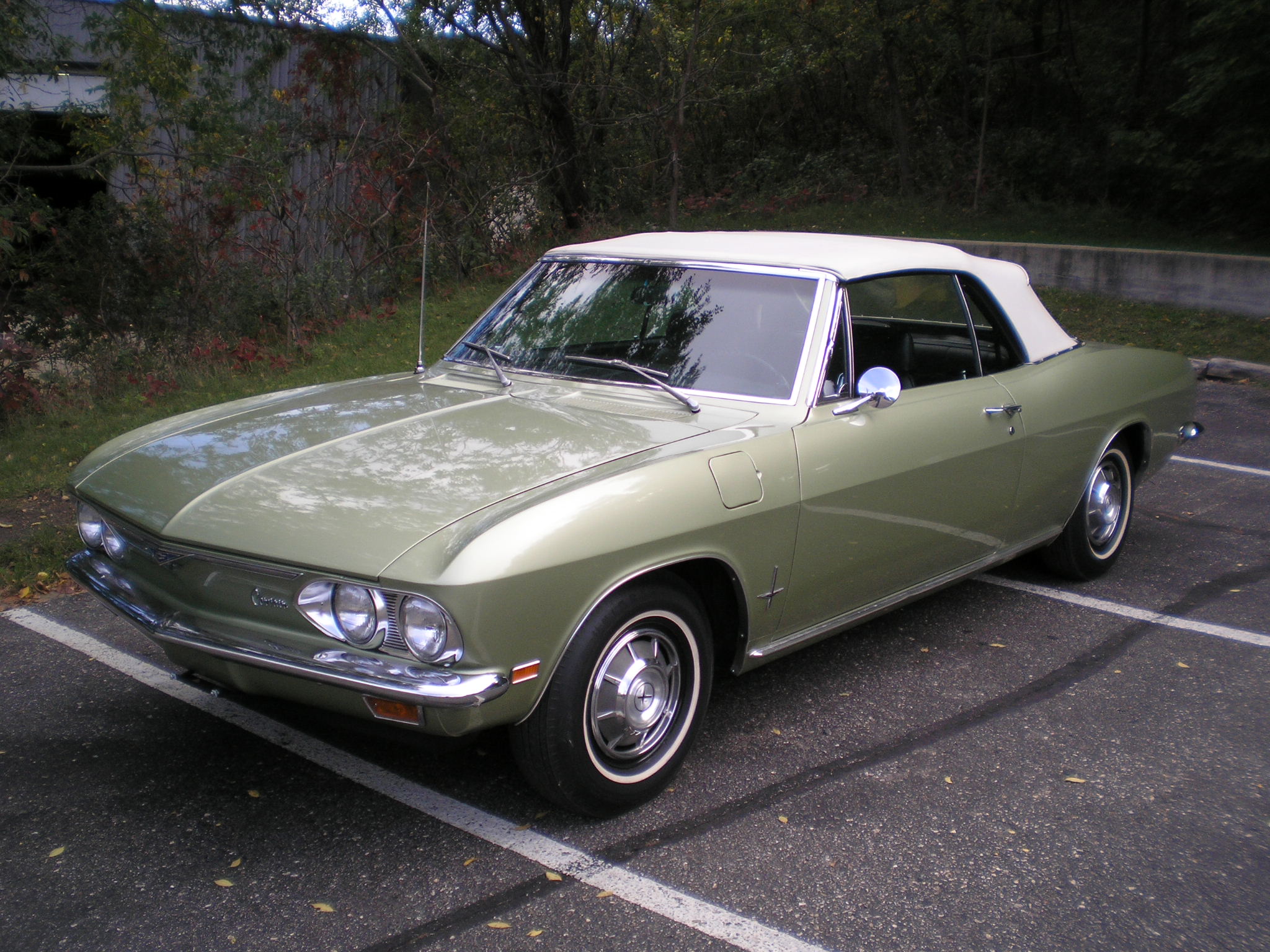
2. **Chevrolet Corvair (1960–1969)**: Next up on our list of head-scratchers is the Chevrolet Corvair, a car that cemented its place in history thanks to Ralph Nader’s groundbreaking (and utterly damning) book, “Unsafe at Any Speed.” This isn’t just a casual mention; Nader’s work specifically highlighted the Corvair’s inherent dangers, turning it into one of the most controversial cars ever made. It truly shook the automotive world!
What made the Corvair so treacherous? It featured a unique rear-engine design paired with a swing-axle suspension, a combination that proved to be a recipe for disaster on the road. This setup made the car notoriously prone to dangerous oversteering. Just picture trying to navigate a turn, only for your car to suddenly decide it wants to go in a completely different direction than you intended – terrifying!
The poor handling characteristics meant that drivers often lost control, leading to a high incidence of rollovers. To make matters worse, the early models lacked front stabilizer bars, exacerbating the steering’s unpredictability. This wasn’t a car that just felt a bit wobbly; it was a machine that could suddenly turn on you, making even routine driving a high-stakes gamble. No wonder it caused such a stir!
Nader’s relentless activism didn’t just put the Corvair under a microscope; it actually became a catalyst for much stricter safety regulations across the entire automotive industry. While the Corvair wasn’t directly “banned” by law, the public outcry and the subsequent tightening of safety standards effectively sealed its fate, rendering it commercially unviable and leading to its eventual discontinuation. The Corvair story is a stark reminder that public awareness can truly drive change, even against powerful corporations.
Car Model Information: 1964 Chevrolet Corvair Monza
Caption: 1964 Chevrolet Corvair Monza
Name: Chevrolet Corvair
Manufacturer: Chevrolet
Production: July 1959
Platform: GM Z platform
Chassis: Unibody
ModelYears: 1960–1969
Assembly: United States,Kansas City, Missouri,Oakland, California,Van Nuys,St. Louis,Flint, Michigan,Belgium,Canada,Mexico,South Africa,Switzerland,Venezuela
Class: Compact car
Successor: Chevrolet Vega
Layout: Rear-engine, rear-wheel-drive layout
Categories: All Wikipedia articles written in American English, All articles lacking in-text citations, All articles needing additional references, All articles with dead external links, All articles with specifically marked weasel-worded phrases
Summary: The Chevrolet Corvair is a rear-engined, air-cooled compact car manufactured and marketed by Chevrolet over two generations from the 1960 through 1969 model years. The Corvair was a response to the increasing popularity of small, fuel-efficient automobiles, particularly the imported Volkswagen Beetle and American-built compacts like the Rambler American and Studebaker Lark.
The first generation (1960–1964) was offered in four-door sedan, two-door coupe, convertible, and four-door station wagon configurations. A two- and four-door hardtop, as well as a convertible, were available as second-generation variants (1965–1969). The Corvair platform was also offered as a subseries known as the Corvair 95 (1961–1965), which consisted of a passenger van, commercial van, and pickup truck variant. Total production was approximately 1.8 million vehicles from 1960 until 1969.
The name “Corvair” was first applied in 1954 to a Corvette-based concept with a hardtop fastback-styled roof, part of the Motorama traveling exhibition. When applied to the production models, the “air” part referenced the engine’s cooling system.
A prominent aspect of the Corvair’s legacy derives from controversy surrounding the handling of early models equipped with rear swing axles, articulated aggressively by Ralph Nader’s Unsafe at Any Speed but tempered by a 1972 Texas A&M University safety commission report for the National Highway Traffic Safety Administration (NHTSA) which found that the 1960–1963 Corvair possessed no greater potential for loss of control in extreme situations than contemporary compacts.
To better counter popular inexpensive subcompact competitors, notably the Beetle and Japanese imports such as the Datsun 510, GM replaced the Corvair with the more conventional Chevrolet Vega in 1970.
Get more information about: Chevrolet Corvair
Buying a high-performing used car >>>
Brand: Chevrolet Model: Corvair
Price: $29,988 Mileage: 74,787 mi.
Read more about: Don’t Fall for the Hype: The 15 Cars That Look Absolutely Stunning But Drive Terribly

3. **DeLorean DMC-12 (1981–1983)**: “Roads? Where we’re going, we don’t need roads!” Famous words indeed, but if you were driving a DeLorean DMC-12, you probably wished you *could* avoid them! While it became an absolute icon thanks to its starring role in the “Back to the Future” franchise, the reality of the DeLorean as a safe, practical vehicle was, well, far from futuristic. Its real-world performance on the safety front was surprisingly dismal.
Beyond its dazzling gull-wing doors and brushed stainless steel panels, the DeLorean had some serious flaws. Those stylish stainless steel panels actually made the car extremely heavy, yet it shockingly lacked sufficient power to compensate. Worse still, it offered poor crash protection, meaning that in an accident, the driver and passengers were far more vulnerable than they should have been in a car of its era. This was a case where form definitely did not follow function for safety!
And those iconic gull-wing doors? As cool as they looked, they presented a significant safety hazard in emergency situations. Imagine being involved in a rollover accident – those doors, designed to open upwards, could easily trap occupants inside. This critical design flaw meant that escaping a dangerous situation could become incredibly difficult, turning a visually striking feature into a potential death trap. Talk about a plot twist you don’t want to experience!
The DeLorean’s journey was also plagued by poor crash safety ratings, which severely impacted its reputation. Combined with the company’s legal issues surrounding its founder, John DeLorean, these safety concerns contributed significantly to its swift demise. Its production run was incredibly short, spanning only a couple of years. So, while it became a cinematic legend, the DMC-12’s real-life road performance highlights a cautionary tale about balancing groundbreaking style with fundamental safety necessities.
Car Model Information: 1981 Delorean DMC-12
Name: DMC DeLorean
Alt: 1983 DeLorean
Caption: 1983 DeLorean
Manufacturer: DeLorean Motor Company
Production: January 21, 1981 – December 1982
ModelYears: 1981–1983
Assembly: Dunmurry
Designer: Giorgetto Giugiaro
Class: Sports car
BodyStyle: coupé
Layout: Rear-engine, rear-wheel-drive layout
Doors: Gull-wing doors
Engine: 2.85 L
Abbr: on
Powerout: 130 hp
Transmission: 5-speed manual ,3-speed automatic
Wheelbase: 2413 mm
Length: 4267 mm
Width: 1988 mm
Height: 1140 mm
Weight: 1233 kg
Sp: us
Categories: 1980s cars, All Wikipedia articles written in American English, Articles with short description, Automobiles with backbone chassis, Automobiles with gull-wing doors
Summary: The DMC DeLorean is a rear-engine, two-seat sports car manufactured and marketed by John DeLorean’s DeLorean Motor Company (DMC) for the American market from 1981 until 1983—ultimately the only car brought to market by the fledgling company. The DeLorean is sometimes referred to by its internal DMC pre-production designation, DMC-12, although this was not used in sales or marketing materials for the production model.
Designed by Giorgetto Giugiaro, the DeLorean is noted for its gull-wing doors and brushed stainless-steel outer body panels, as well as its lack of power and performance. Though its production was short-lived, the DeLorean became widely known after it was featured as the time machine in the Back to the Future films.
With the first production car completed on January 21, 1981, the design incorporated numerous minor revisions to the hood, wheels and interior before production ended in late December 1982, shortly after DMC filed for bankruptcy and after total production reached an estimated 9,000 units.
Despite the car having a reputation for poor build quality and an unsatisfactory driving experience, the DeLorean continues to have a strong following, driven in part by the popularity of Back to the Future. 6,500 DeLoreans were estimated to still be on the road as of 2015.
Get more information about: DMC DeLorean
Buying a high-performing used car >>>
Brand: DeLorean Model: DMC-12
Price: $37,500 Mileage: 0 mi.
Read more about: Steer Clear: 15 Cars That Leave Automotive Enthusiasts Drowning in Collector’s Remorse

4. **Yugo GV (1985–1992)**: Alright, let’s talk about the Yugo GV, a car that practically screamed “bargain” but whispered “danger” with every turn of the wheel! Marketed as one of the cheapest cars ever sold in the U.S., its affordability came with a truly shocking trade-off: major safety risks that made it a punchline for all the wrong reasons. This little car was infamous, and not in a good way, for its abysmal quality.
The Yugo GV was plagued by an utterly unreliable engine, meaning you could never quite trust it to get you where you needed to go. More critically, it suffered from weak structural integrity – think of it as a tin can on wheels. This combination led to it being infamous for breaking down unexpectedly, often at high speeds, turning a simple commute into a terrifying ordeal. Imagine your car failing you when you need it most; that was the Yugo experience for many.
And if the unreliability wasn’t enough, its crash test results were, quite frankly, horrifying. The Yugo demonstrated consistently poor performance in impact scenarios, revealing a stark absence of basic safety features and engineering foresight. It was a vehicle built to minimum standards, if that, with low safety standards being a consistent theme throughout its design and construction.
The overwhelming accumulation of these glaring safety deficiencies ultimately led to its removal from the American market. The U.S. ban in the early 1990s was a direct consequence of its consistent mechanical failures, its terrible crash performance, and an overall disregard for occupant safety. The Yugo GV stands as a stark reminder that sometimes, the cheapest option can cost you more than just money – it can cost you peace of mind, and potentially, your life. Yikes!

5. **Pontiac Fiero (1984–1988)**: Oh, the Pontiac Fiero! It had all the makings of a sporty, affordable mid-engine dream machine, but reality hit hard, and often, with a fiery inferno! While its design was undeniably meant to be sleek and athletic, its operational reality quickly devolved into a nightmare for many owners. This car quickly gained a reputation that no vehicle wants: being a significant fire hazard.
The Fiero became notorious for a disturbingly high incidence of engine fires. The root cause? Persistent oil leaks that, when combined with the hot engine components, created the perfect recipe for spontaneous combustion. Owners frequently found themselves in dangerous, life-threatening situations, staring at flames where an engine should be. This wasn’t a rare occurrence; it was a recurring, terrifying problem that haunted the model.
Beyond the catastrophic fire risk, the Fiero was also criticized for its generally poor build quality and questionable reliability. From electrical glitches to various mechanical woes, the car struggled to meet basic expectations for durability and consistent performance. It felt like a vehicle rushed to market, with fundamental engineering and manufacturing issues left unaddressed, compromising the entire driving experience.
The mounting evidence of severe safety defects and the continuous reports of engine fires left General Motors (GM) with no choice. Faced with numerous accidents, widespread public concern, and potentially crippling legal battles, GM had to issue recalls and, eventually, make the difficult decision to discontinue the model entirely. The Fiero’s brief, fiery run serves as a powerful cautionary tale about prioritizing aesthetics and ambition over robust engineering and, most importantly, driver safety. What a wild ride that was!
Hold onto your seats, gearheads, because if you thought the last five cars were wild, you haven’t seen anything yet! We’re diving even deeper into the automotive hall of shame, uncovering five more vehicles that managed to hit the streets despite being absolute wild cards. From cars designed to be dirt cheap that ended up costing lives, to beasts so powerful they scared their own creators, these next entries will make you question everything you thought you knew about road safety. Get ready for some serious jaw-dropping moments!
**6. Tata Nano (2008–2018)**
Remember when we talked about affordability coming at a shocking cost? Well, the Tata Nano is practically the poster child for that! Marketed as the world’s cheapest car, this little guy was supposed to be the answer for Indian families dreaming of owning their first vehicle. It was an ambitious vision: accessible transportation for the masses. But sadly, that dream often turned into a nightmare when it came to basic safety.
The Nano’s pursuit of extreme affordability meant some critical corners were cut, particularly in areas you absolutely don’t want to skimp on: structural integrity. This car was notoriously flimsy, lacking the fundamental robustness needed to protect occupants in a collision. Imagine driving something that feels less like a car and more like a tin can – that’s the unsettling reality many Nano owners faced on busy roads, where even minor impacts could have devastating consequences.
It gets worse. This vehicle suffered from a glaring absence of basic safety features that we now consider standard in almost every car on the planet. We’re talking about no airbags, no reinforced frame – essentially, none of the crucial elements designed to keep you safe in a crash. This wasn’t just an oversight; it was a fundamental engineering choice that prioritized price over occupant protection, and the results in international crash tests were, predictably, alarming failures.
The harsh reality of its design flaws and the undeniable lack of safety features meant that the Tata Nano couldn’t escape scrutiny. As safety awareness grew and the devastating implications became clearer, it was eventually pulled from the market. The Nano’s story is a stark, sobering lesson that while low prices might tempt, they should never come at the expense of human life. Sometimes, cheaper truly isn’t better, especially when it comes to getting behind the wheel.
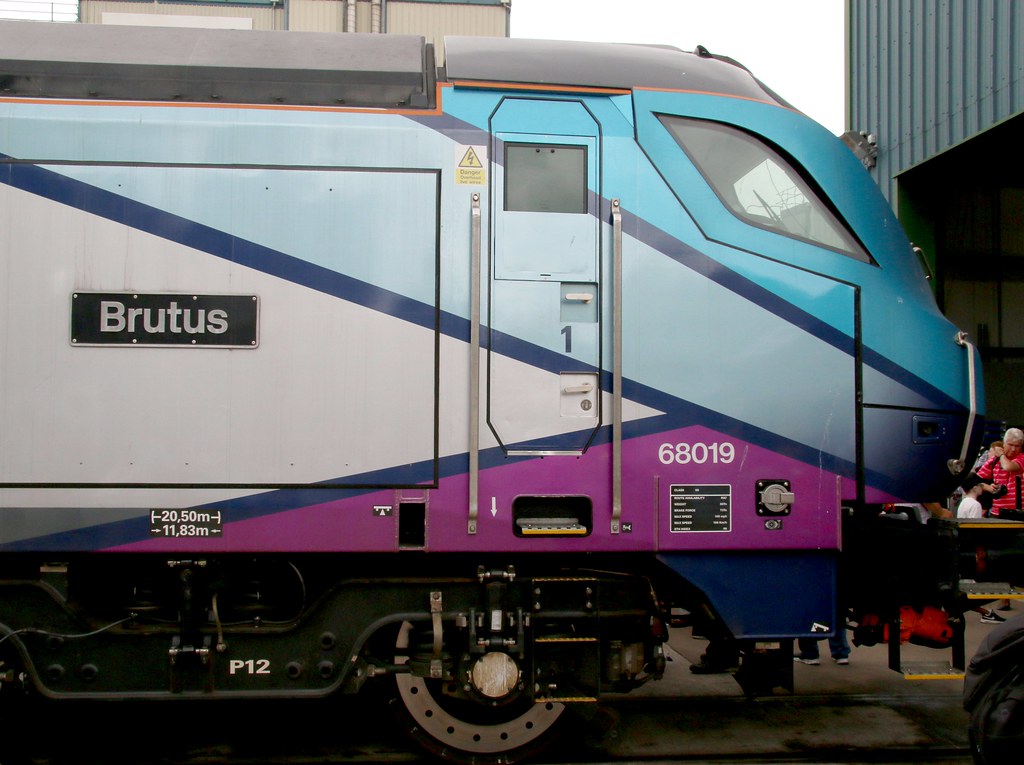
**7. Brutus (1920s)**
Alright, buckle up, because this next one isn’t just dangerous; it’s the stuff of legends, and honestly, nightmares! Meet the Brutus, a car so extreme it makes the wildest supercars of today look like tame kittens. This isn’t a mass-produced car in the traditional sense, but it *was* once considered road-legal, and its very existence is a testament to early automotive insanity. Just hearing its name sends shivers down your spine!
What makes the Brutus so utterly terrifying? Imagine taking a massive 46-liter BMW airplane engine – yes, an *airplane engine* – and strapping it onto a flimsy, unstable chassis. This monstrous vehicle wasn’t just powerful; it produced an utterly uncontrollable amount of raw, untamed horsepower. It’s like someone decided a car needed the heart of a fighter jet but forgot to give it any of the modern features to handle that kind of fury.
When we say “no modern safety features,” we really mean *none*. Forget airbags, seatbelts, or even a proper crumple zone; this 1920s beast was all about brute force and absolutely zero regard for occupant protection. Driving the Brutus wasn’t just a commute; it was a high-stakes gamble, a desperate battle to keep a missile on wheels pointed in the right direction. Every turn, every acceleration, every moment behind the wheel was a flirtation with sheer chaos.
And if the extreme speed and lack of any safety precautions weren’t enough to get your heart racing, consider the brakes – or rather, the alarming *absence* of effective brakes. Trying to bring this behemoth to a halt was nearly impossible, making every journey a terrifying exercise in forward momentum. It’s no wonder this glorious, terrifying contraption was eventually considered far too dangerous to be road-legal. The Brutus truly is a one-of-a-kind example of engineering ambition completely unshackled by common sense safety concerns!
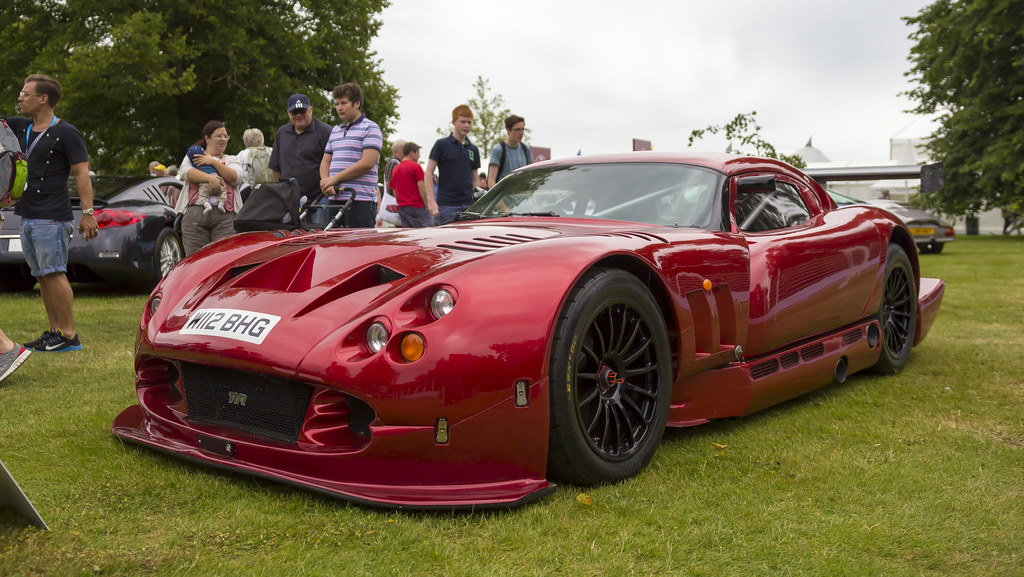
**8. TVR Cerbera Speed 12 (1996–2000)**
From the roaring twenties to the wild nineties, some cars just pushed the envelope right off the table! Enter the TVR Cerbera Speed 12, a beast so utterly untamed that even its own creators at TVR eventually looked at it and said, ‘Yeah, this is probably a bad idea for the general public.’ Seriously, when the people who *designed* the car deem it unsafe, you know you’re dealing with something truly special (and terrifying!).
What made this British monster so incredibly dangerous? It packed an insane punch, boasting over 800 horsepower – a staggering figure even by today’s supercar standards, let alone the late ’90s! But here’s the kicker: absolutely none of that power was managed by electronic stability control. No traction control, no ABS, just raw, unadulterated grunt directly from your foot to the rear wheels. Imagine trying to tame that on a rainy day, or even a perfectly dry one!
Driving the Cerbera Speed 12 wasn’t just a thrill ride; it was essentially a death wish for anyone not a professional race car driver. Its immense, uncontrollable power combined with handling characteristics that were, let’s just say, ‘challenging,’ meant that losing control was an ever-present, terrifying possibility. There was no electronic safety net to catch you if you pushed too hard; it was just you, 800 horsepower, and the open road – a truly exhilarating but monumentally risky combination.
Ultimately, TVR made the incredibly responsible decision to scrap the project before it could ever be mass-produced. They realized that putting such an untamed, visceral machine into the hands of ordinary (albeit wealthy) drivers would be an accident waiting to happen, repeatedly. The Cerbera Speed 12 remains a legendary ‘what if’ in automotive history, a testament to pushing performance boundaries, but also a stark reminder that sometimes, even engineering brilliance needs a safety leash. Talk about a car that was too hot to handle!
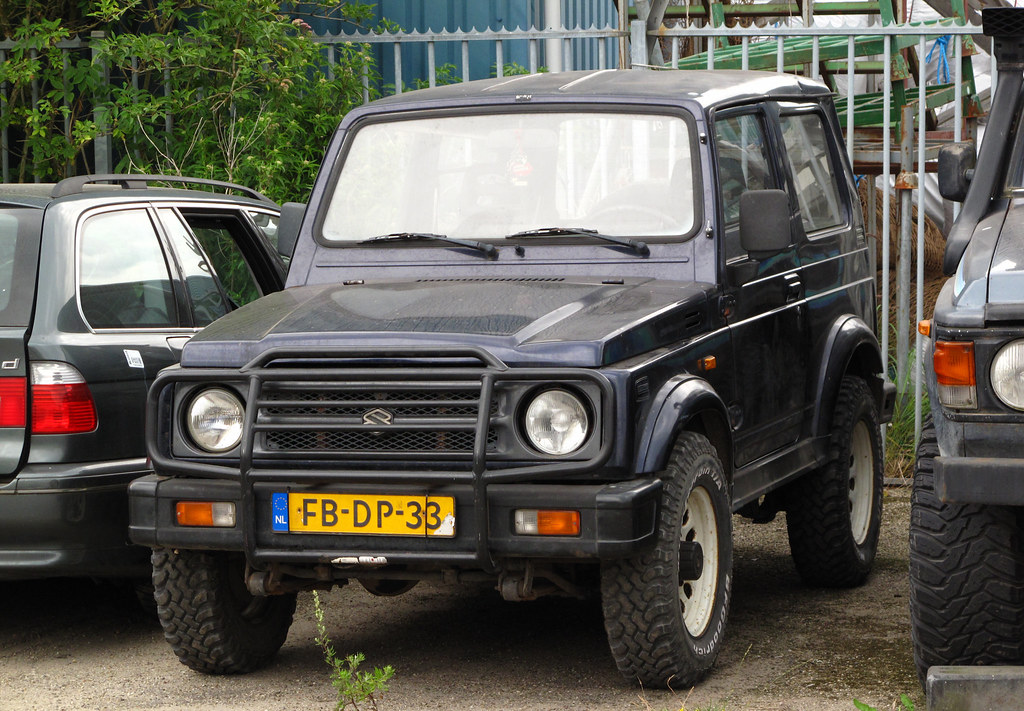
**9. Suzuki Samurai (1985–1995)**
Switching gears from fire-breathing monsters to something a little more, shall we say, *vertically challenged*! The Suzuki Samurai looked like a fun, plucky, and affordable off-road vehicle, ready for adventure. It had that undeniable charm of a compact SUV that could tackle rugged terrain. But beneath its adventurous facade lay a critical flaw that transformed this seemingly innocent ride into one of the most dangerous SUVs of its time: its alarming propensity to flip over.
Yes, you heard that right. The Suzuki Samurai was extremely prone to rollovers. And we’re not just talking about extreme off-roading stunts; this thing could go airborne with startling ease, even at moderate speeds and during relatively mundane maneuvers. A sudden turn, an evasive action, or even just hitting a poth in the wrong way could send it tumbling. This wasn’t just a minor design quirk; it was a fundamental instability that put every occupant at severe risk.
The consequences were, unfortunately, as severe as you might imagine. The high risk of flipping over led to a wave of multiple lawsuits from heartbroken families and injured drivers. The media picked up on the story, and the Suzuki Samurai quickly gained a notorious reputation for being a ‘death trap’ on wheels. It wasn’t just speculation; it was a documented hazard that tarnished its entire legacy and instilled fear in anyone who considered buying one.
Facing immense public pressure, legal battles, and undeniable safety concerns, the Suzuki Samurai was eventually withdrawn from the U.S. market. Its story serves as a crucial reminder that while off-road capabilities are great, a vehicle’s primary responsibility is to keep its occupants safe on *all* terrains, especially paved roads. Sometimes, a car looking fun on the outside can hide a truly dangerous secret on the inside. What a wild ride, literally!
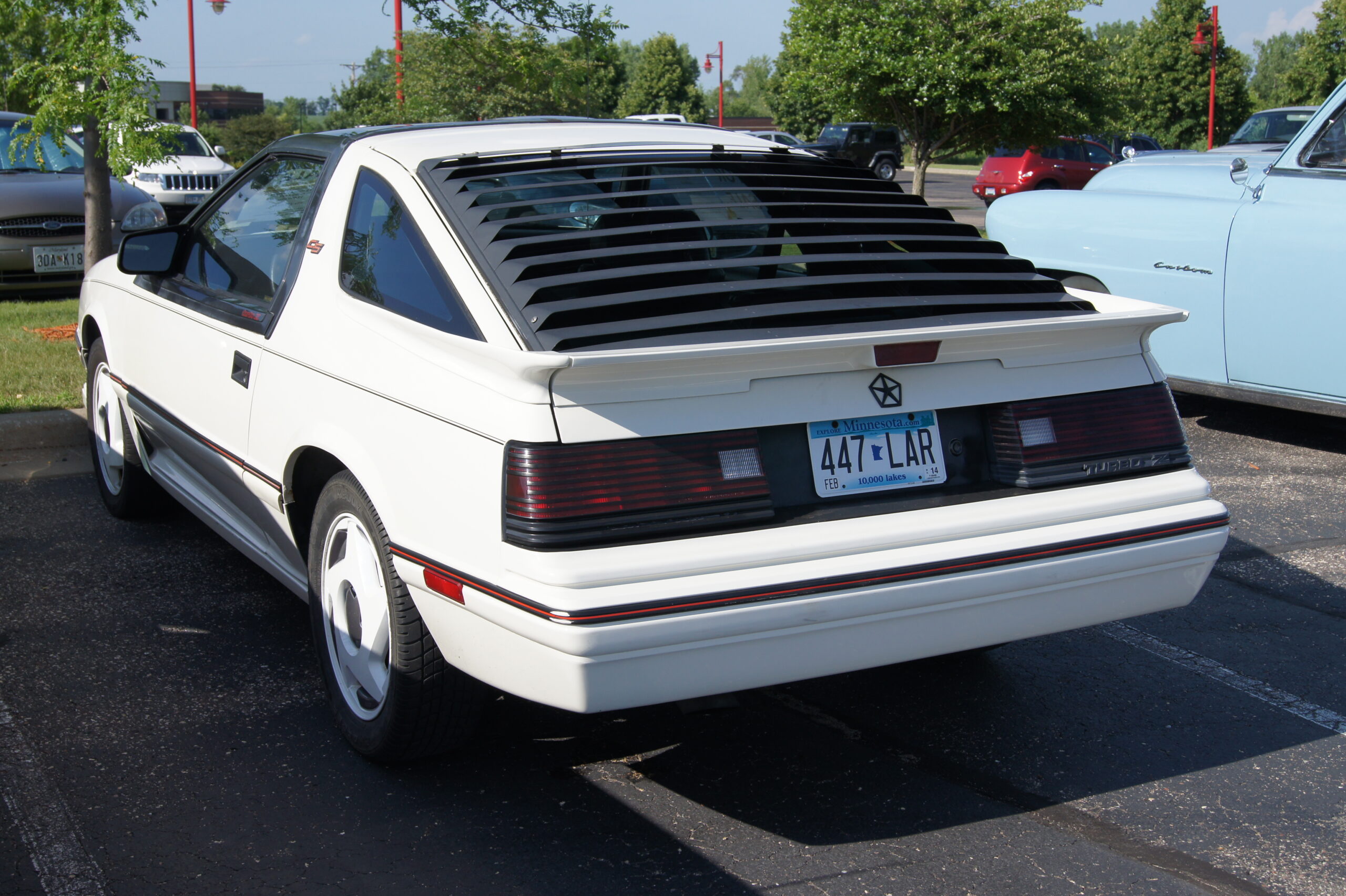
**10. Dodge Daytona Turbo Z (1984–1987)**
And finally, let’s wrap up our thrilling tour of automotive peril with a car that perfectly captures the unpredictable side of early turbocharged performance: the Dodge Daytona Turbo Z! Back in the ’80s, turbochargers were all the rage, promising exhilarating bursts of speed. The Daytona Turbo Z aimed to deliver that, but instead, it delivered a truly dangerous driving experience, especially for those not accustomed to its quirks.
The main culprit here was an extreme case of turbo lag, followed by sudden, unpredictable power surges. Imagine pressing the accelerator, waiting, waiting… and then BAM! All the power hits at once, often when you least expect it or are mid-turn. This wasn’t a smooth, linear acceleration; it was a jerky, wild beast that would suddenly lurch forward, making precise control an absolute nightmare. For inexperienced drivers, this phenomenon could quickly turn a casual drive into a terrifying fight for control.
Beyond the terrifying turbo lag, the Daytona Turbo Z was also plagued by poor turbocharged engine reliability in general. This meant frequent breakdowns and unexpected issues that further contributed to its dangerous reputation. When your car can’t consistently deliver power in a predictable manner, and then decides to throw an unexpected mechanical tantrum, it’s not just an inconvenience – it’s a serious safety concern that could lead to unforeseen accidents.
The combination of unpredictable handling, sudden power delivery, and overall reliability issues ultimately sealed the Daytona Turbo Z’s fate. Safety concerns and a growing reputation for causing accidents led to its eventual discontinuation. It’s a prime example of how ambitious engineering, when not fully refined for safety and predictability, can turn what was meant to be a performance car into a genuine hazard. And with that, our thrilling, slightly terrifying journey through history’s killer vehicles comes to a close!
Car Model Information: 1988 Pontiac Fiero Formula
Name: Pontiac Fiero
Caption: 1988 Fiero Formula
Manufacturer: Pontiac (automobile)
Production: August 1983 – August 16, 1988,370,168 produced
ModelYears: 1984 – 1988
Successor: Pontiac Solstice
Assembly: Pontiac, Michigan
Designer: Hulki Aldikacti,George Milidrag
Class: Sports car
BodyStyle: fastback,notchback
Platform: GM P platform
Layout: Rear mid-engine, rear-wheel-drive layout
Engine: {{cvt,151,CID,L,1,disp=flip,Iron Duke engine#LR8,Inline-four engine
Transmission: Turbo-Hydramatic 125,Manual transmission,Getrag 282 transmission,Isuzu
Wheelbase: 2373 mm
Abbr: on
Length: 4072 mm
Width: 1750 mm
Height: 1191 mm
Weight: 1116 to
Categories: All articles with unsourced statements, Articles with short description, Articles with unsourced statements from February 2012, Articles with unsourced statements from July 2024, Articles with unsourced statements from September 2011
Summary: The Pontiac Fiero is a rear mid-engine, light sports car manufactured and marketed by Pontiac for model years 1984 – 1988. Intended as an economical commuter car with modest performance aspirations, it was Pontiac’s first two-seater since their 1926 to 1938 coupes, and the first mass-produced, rear mid-engine car by any American manufacturer.
In addition to using 4- and 6-cylinder engines to help Pontiac meet America’s ‘CAFE’ average fuel economy requirements, the Fiero’s chassis and structure technology used non-load-bearing, composite body-panels, contributing to the car’s light-weight and its unique selling proposition. Pontiac engineers modified the design over its life to enhance its performance and reposition the two-seater closer to the implications of its sporty configuration.
The Fiero 2M4 (two-seat, mid-engine, four-cylinder) placed on Car and Driver magazine’s Ten Best list for 1984, and was the Official Pace Car of the Indianapolis 500 for 1984.
A total of 370,168 Fieros were manufactured over five years’ production, its mild performance, reliability and safety issues becoming points of criticism. The Fiero was discontinued after annual sales fell steadily.
Get more information about: Pontiac Fiero
Buying a high-performing used car >>>
Brand: Pontiac Model: Fiero
Price: $11,000 Mileage: 101,027 mi.
Read more about: The Great Deception: 12 Vintage Sports Cars That Looked Like Supercars But Drove Like Sloths
Wow, what a lineup, right? From explosive fuel tanks to cars that wanted to flip over at a moment’s notice, and even beasts too powerful for their own good, these vehicles are more than just footnotes in automotive history. They’re powerful, sometimes tragic, reminders that behind every sleek design and powerful engine, safety must always be the driving force. These stories aren’t just about cars; they’re about the fierce battles for consumer protection and the constant evolution of what it means to be truly safe on the road. So, next time you buckle up, give a little nod to these wild rides and be thankful for the regulations that keep us (mostly) out of harm’s way. Stay safe out there, fellow adventurers!