It’s a common habit, almost second nature for many of us: we step out of our cars, keys in hand, and leave behind a seemingly innocuous collection of items. Our vehicles often become a convenient, albeit temporary, extension of our homes or offices, a rolling storage container for everything from groceries to gadgets. After all, it’s accessible, and usually, only we can get into it legally. While it’s perfectly fine to have some essentials stashed away, and certain items are even recommended for your car, there’s a crucial distinction to be made about things that truly shouldn’t be left there—especially for prolonged periods.
This isn’t just about tidiness or avoiding a minor inconvenience. As Eva Velasquez, the CEO of the Identity Theft Resource Center, points out, “even a minor slip-up can leave you vulnerable to security risks.” Beyond theft, the enclosed environment of a car, particularly under fluctuating temperatures, can wreak havoc on a surprising array of items, compromising their effectiveness, leading to costly damage, or even posing serious health and safety hazards. We’re talking about everything from delicate electronics to crucial medications, and even items we use daily to protect ourselves from the elements.
Join us as we dive deep into the top 15 items that should never call your car a permanent home. Understanding these risks, both obvious and unexpected, can save you money, prevent health concerns, and offer invaluable peace of mind. Let’s learn how to avoid common pitfalls and make smarter choices about what we leave behind, keeping ourselves and our belongings safe and sound.

1. **Medication**Most medications are designed to be stored at room temperature, a moderate indoor climate that your car rarely maintains unless you’re actively driving with the air conditioning on. Once parked, especially on a hot day, the interior can become a sweltering oven, far exceeding safe storage guidelines. According to Baystate Health, temperatures outside the range of 59 to 77 degrees F can pose a threat to the stability and effectiveness of your pills and syrups.
While heat might not directly make your drugs harmful, it can significantly reduce their effectiveness. This means that a medication you rely on for a specific condition might not work as intended, potentially leading to unmet health needs or even a worsening of symptoms. Insulin, for example, is particularly vulnerable, becoming ineffective when exposed to heat, while antibiotics can degrade quickly.
It’s a critical oversight that can have real consequences for your health. Always prioritize storing your medication in a controlled environment to ensure its safety and potency. Keeping them in a temperature-stable area prevents wasted prescriptions and safeguards your well-being, making it imperative to take your medicine with you rather than leaving it behind in the car.
Read more about: Amy Schumer’s Unfiltered Journey: The Truth Behind Her Dramatic Weight Loss and Health Revelations

2. **Electronics**Our modern lives are filled with gadgets, from laptops and cell phones to cameras and thumb drives, all containing valuable information and representing a significant investment. Leaving these items in your car is essentially rolling out a welcome mat for thieves. “It doesn’t matter if the alarm goes off,” says Eva Velasquez, CEO of Identity Theft Resource Center, noting that if something looks attractive, opportunists are going to grab it.
Beyond the risk of theft, the extreme temperatures inside a parked car are a serious threat to electronics. High heat can cause lithium-ion batteries—commonly found in these devices—to overheat and potentially explode, or at the very least, shorten their lifespan significantly. Conversely, cold conditions can also shorten battery life and damage screens, rendering your expensive devices useless. Cabin temperatures can reach 30 degrees more than those outside in summer, creating an unwelcome environment for sensitive equipment.
If you absolutely must leave your laptop or phone unattended in your vehicle—though it’s strongly advised against—it’s crucial to ensure any information contained on these electronics is encrypted. Velasquez highlights that encryption provides a strong layer of protection, requiring a fair amount of effort from a thief to access, and is “much stronger than password protection.” Taking your devices with you or securing them in a temperature-controlled space is always the safest bet.
Read more about: Ozzy Osbourne’s Last Chapter: An Intimate Look at the Rock Legend’s Final Years and Enduring Legacy

3. **Sunscreen**It’s deeply ironic, but the very product designed to protect you from the sun can be severely compromised by it when left in your car. Sunscreen’s active ingredients are highly sensitive to high heat. Leaving a tube or bottle in a hot car, even for a short period, causes these protective chemicals to break down, drastically reducing its effectiveness. This leads to a dangerous false sense of security, making you believe you’re protected when you’re actually vulnerable to burns and potential skin cancer.
Beyond the loss of effectiveness, extreme heat can also cause sunscreen bottles to warp or even explode. Imagine returning to your car to find a sticky, white mess splattered across your upholstery, not only ruining your car’s interior but also leaving you with a costly cleaning bill. While it might not shorten the life of your car, it will certainly create a significant, hot mess.
To maintain its integrity and ensure you receive the protection you expect, proper storage is key. Keep your sunscreen in a cool bag when you’re out, and always bring it indoors once you reach your destination. Even at the beach or pool, covering it with a towel can help. This simple step ensures that your sunscreen remains an effective shield against harmful UV rays, protecting your skin rather than leaving it exposed.
Read more about: Road Trip Mastery: The 14 Essential Items Expert Drivers Never Travel Without
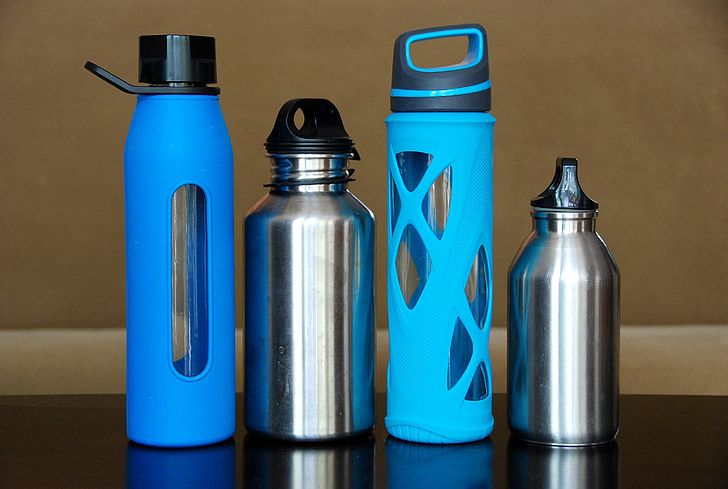
4. **Water Bottles**Leaving plastic water bottles in your car, especially on a warm day, is a practice fraught with potential health risks. Studies have linked chemicals like BPA (Bisphenol A) and phthalates, commonly found in plastic water bottles, with serious health conditions such as cancer and heart disease. When a bottle heats up in the sun-drenched interior of your car, these chemicals, along with microplastics, can leach directly into the water, contaminating what you thought was a refreshing drink.
Furthermore, if a plastic bottle has been opened and partially consumed, leaving it in the car creates an ideal breeding ground for bacterial growth. The warm, stagnant water becomes a perfect environment for microbes to flourish, posing a risk of illness if consumed. You might think you’re staying hydrated, but you could be ingesting harmful bacteria and chemicals instead.
Always pay attention to the expiration date on your bottled water, and make it a habit to avoid leaving it in your car, particularly if it’s been opened. For a healthier alternative, consider carrying a reusable, BPA-free bottle that can withstand temperature fluctuations, ensuring your water remains fresh, clean, and free from unwanted contaminants. Your health is too important to risk for a forgotten bottle.
Read more about: The 13 Unforgettable Marketing Misses: How Brands Blundered Their Way to Backlash and Damaged Reputations
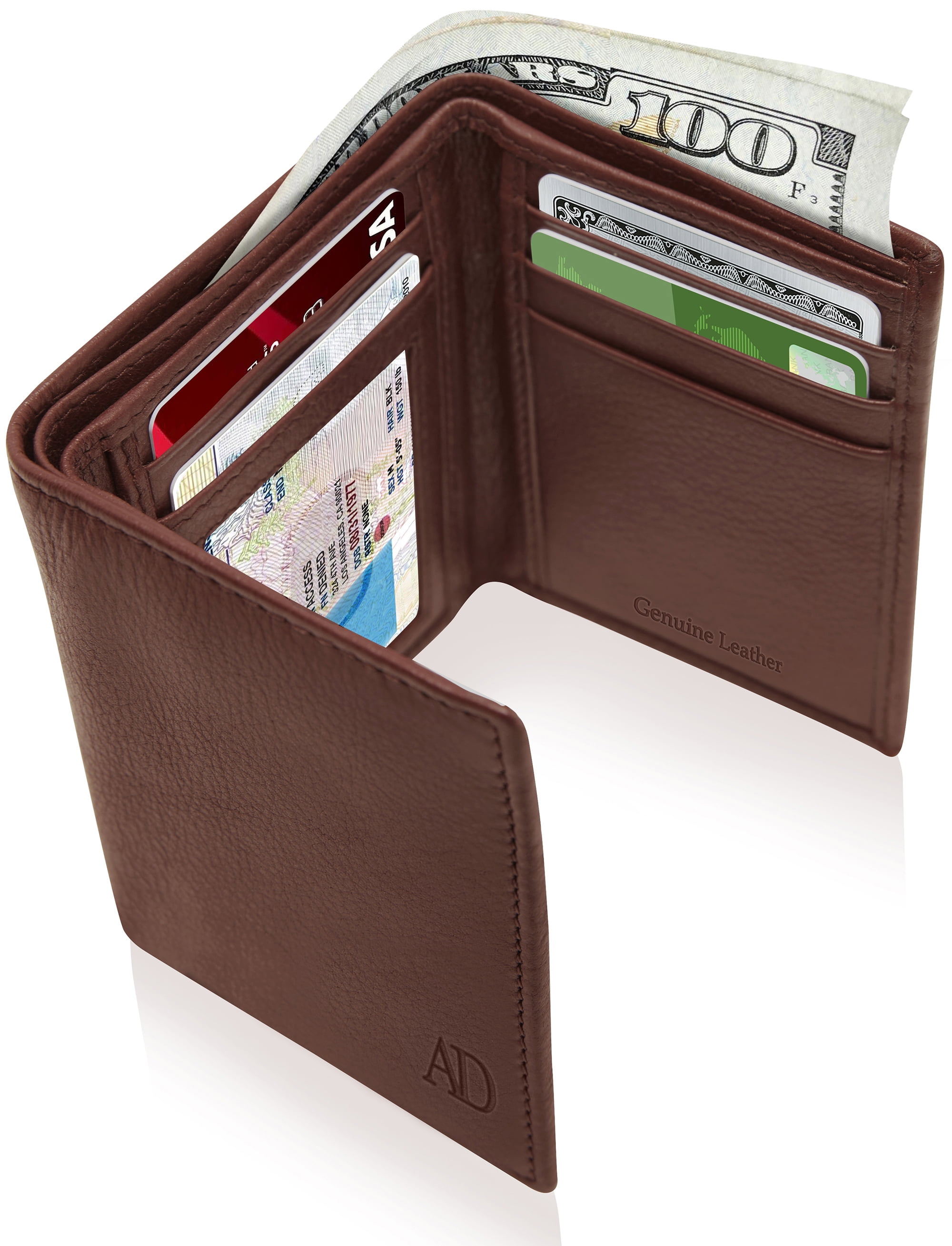
5. **Wallets and Handbags**Leaving a purse, wallet, or even loose cash in plain sight within your vehicle transforms your car into an irresistible target for opportunistic thieves. Even if your doors are locked or you’ve removed the most valuable contents from your bag, the mere presence of these items signals an easy opportunity. As Eva Velasquez emphasizes, “It doesn’t matter if the alarm goes off. It’s attractive, and they’re going to grab it.”
Thieves often operate on quick glances and easy access. A wallet or cash visible on your dashboard or anywhere inside your cabin, even a spare change in the cup holder, is enough to attract unwanted attention. They only need the smallest excuse to break into your car, causing not only the loss of your belongings but also potentially costly damage to your vehicle from a broken window or forced entry.
Keeping valuables out of sight is one of the simplest yet most effective deterrents against car theft and break-ins. Make it a strict rule to take your wallet with you as you leave the vehicle and ensure handbags are either secured in the trunk out of sight or, ideally, carried with you. This vigilance can save you the hassle, expense, and stress of dealing with theft and potential identity fraud.
Read more about: Unlock Your Car’s Security: The 15 Most Common Items Thieves Target (And Why You Should Never Leave #5 Behind)

6. **Glasses (Prescription and Sunglasses)**That convenient sunglasses compartment in your car is great while you’re driving, but it’s not a safe long-term storage solution. Leaving your prescription glasses or favorite shades in the car, especially on a hot day, can lead to irreversible damage. Heat can easily warp plastic frames, changing their fit and potentially making them uncomfortable or even impossible to wear. Metal frames, on the other hand, can become scorching hot, making them too painful to put on.
The lenses themselves are not immune. High temperatures can cause lenses to warp, distorting your vision and making it difficult, if not dangerous, to see clearly while driving or engaging in other activities. This damage often results in an expensive repair or replacement, turning a simple convenience into an unnecessary cost. Leaving them on the dashboard is particularly hazardous, as the windshield can magnify sunlight, intensifying the heat and accelerating damage.
Protect your eyewear investment by taking your glasses with you when you leave your car. This small habit can prevent discomfort, maintain clear vision, and save you from unexpected expenses. Your eyes and your wallet will thank you for keeping your glasses safe from the car’s fluctuating temperatures.

7. **Important Documents (including Passports)**For many of us, the car can become a temporary holding zone for important paperwork—files to shred, documents to mail, or even sensitive identification. However, allowing files like school transcripts, tax forms, financial statements, or passports to sit in your vehicle while you run errands creates a significant security vulnerability. “Letting files sit in your car while you run other errands leaves information vulnerable if anyone breaks into your vehicle,” cautions Eva Velasquez.
These documents contain a treasure trove of confidential personal information that, in the wrong hands, can be used for potential identity theft and fraud. A thief doesn’t just want your wallet; they’re after any piece of data that can help them assume your identity. Velasquez aptly states, “We have to think of data and pieces of our identity as valuables. You’re not going to leave jewelry in the car, but we don’t have that same level of concern with things that make up our identity, and we need to.”
The bottom line is clear: if documents don’t absolutely need to be in your car at that precise moment, they should be left at home or in the office. If you’re transporting them for shredding or mailing, make it an immediate priority on your to-do list. “Put it in the car, take care of it and then you’re done,” Velasquez advises. “You have to follow through.” This diligent approach is essential to safeguarding your identity and preventing future complications.” , “_words_section1”: “1945
Navigating the complexities of modern life means our cars often bear the brunt of our busy schedules, becoming temporary holding zones for an astounding variety of things. While we’ve covered the crucial first seven items you should rethink leaving in your vehicle, the journey toward a safer, more secure car doesn’t end there. Beyond the initial dangers, there are even more unexpected car hazards that, if left unchecked, can compromise safety, freshness, and your overall peace of mind.
From delicate consumables to potentially explosive everyday items, the enclosed environment of your car presents unique challenges. Extreme temperatures, whether soaring in summer or plummeting in winter, create a volatile space for many common belongings. Let’s dive deeper into these often-overlooked risks and uncover why smart storage choices are paramount for a truly worry-free ride.

8. **Wine**For those who appreciate a fine vintage, the car might seem like a harmless detour for a newly acquired bottle. However, picking up wine should always be saved until after all other errands are complete. A car’s interior, especially on a warm day, is far from the ideal storage environment for wine, potentially transforming your intended evening treat into a ruined beverage.
When a bottle of wine gets too hot, the air inside can expand significantly, putting undue pressure on the cork. This expansion can cause the cork to loosen or even push out, creating a small opening. Such a breach introduces unwanted bacteria into the bottle, which can quickly contaminate the wine and ruin its delicate balance, turning it into something far less appealing than its original state.
Beyond just a loose cork, a hot cabin accelerates the oxidation process within the wine. This chemical reaction can cause the wine to take on a brown tint, signaling that its taste has gone bad. What started as a promising bottle for dinner could quickly become unusable, leaving you with nothing more than expensive vinegar. Protecting your wine means protecting its quality, and that starts with keeping it out of a hot car.
Read more about: The Gospel of Mark: An In-Depth Examination of its Historical Context, Authorship, and Enduring Influence

9. **Young Children**This item stands as the most critical and heartbreaking warning on our list: never, under any circumstances, leave young children alone in a car. Even if an errand seems like it will take only a few minutes, the danger to a child’s safety is immediate and life-threatening. The interior of a car can become incredibly hot, incredibly fast, posing an unimaginable risk.
Tragically, the statistics speak volumes about this preventable danger. In 2024, 39 children died from heatstroke after being left in a car, a figure two more than the national average. According to the Centers for Disease Control and Prevention, temperatures inside cars can spike almost 20 degrees in just 10 minutes, even with a window cracked open. This rapid increase in temperature is lethal to small bodies that cannot regulate their heat as effectively as adults.
Many people mistakenly believe that cracking a window or parking in the shade is sufficient to keep a child safe, but this is a dangerous misconception. The reality is that these measures offer negligible protection against the rapid heat buildup inside a vehicle. Furthermore, it’s essential to be aware of local regulations, as in some areas, leaving young children unattended in a vehicle is illegal, regardless of the outside temperature.
Read more about: Sci-Fi Adventure Pick: 14 Visually Awesome Future World Movies to Transport Your Mind!

10. **Pets**Just as with young children, leaving pets unattended in a car, even for a short period, poses severe and life-threatening risks. Hundreds of pets die every year from overheating in vehicles, a grim statistic reported by the American Veterinary Medical Association. Our beloved animal companions are highly susceptible to heatstroke, and the enclosed environment of a car quickly becomes a deathtrap.
After just an hour, car temperatures can soar to 45 degrees higher than the outside climate. Even if you park in a shaded spot, the interior will not remain significantly cooler, and cracking a window offers minimal relief. The rapid rise in temperature can quickly lead to distress, heatstroke, and even death for pets, whose bodies struggle to dissipate heat effectively.
It is crucial to remember that a car can also become dangerously cold in winter, exposing pets to dangerously low temperatures that can lead to hypothermia. Whether hot or cold, the fluctuating and often extreme climate inside a parked vehicle is simply not safe for animals. If you must travel with your pet, meticulous planning to ensure their constant safety and comfort is absolutely paramount, ensuring they never have to endure the isolation and danger of being left alone in your car.
Read more about: Hit the Road! Relive Your Best Childhood Memories with 14 Legendary Family Wagons That Defined an Era

11. **Perishable Groceries**For many of us, a trip to the grocery store is often just one stop on a longer list of errands. However, leaving perishable groceries in your car for extended periods can quickly lead to spoilage and poses a serious risk of foodborne illness. This seemingly minor oversight can have significant health and financial consequences, turning your fresh produce into a health hazard.
General food safety guidelines recommend that perishable foods be refrigerated within two hours. This window shrinks dramatically during warmer months; if the outside temperature climbs above 90 degrees Fahrenheit, that safe period dwindles to a mere one hour, according to the U.S. Department of Agriculture. Beyond these time limits, bacteria can multiply rapidly, compromising the safety and edibility of your food.
Items like dairy products, meats, and eggs are particularly vulnerable to spoilage in a hot car, going bad within an hour in summer conditions. Even in cooler weather, bacteria will still grow if food is left out for too long. Fresh produce can also suffer, becoming wilted or even frozen depending on the external temperature. The most practical advice is to save your grocery run for the very end of your errands list, ensuring you can transport perishables directly home and into proper storage immediately.
Read more about: Your Car’s Hot Seat: 14 Everyday Essentials That Become Hazards in Summer Heat

12. **Indoor Plants**Bringing home new indoor plants adds life and vibrancy to your space, but their journey from the nursery to your home requires careful consideration, especially regarding the weather. Delicate flora is highly sensitive to extreme temperatures, making your car a surprisingly perilous environment for them if left unattended.
Both hot and cold conditions can be deadly to plants. Even relatively mild temperatures between 45 to 50 degrees Fahrenheit can cause some plants to perish within an hour. If the leaves of your new plant touch a chilly window, the cold glass can quickly damage the foliage, leaving visible, irreparable harm. Conversely, intense heat can quickly wilt and kill plants, essentially cooking them in their pots.
To ensure your green companions thrive, always consider the prevailing weather before heading to a gardening center. During your drive home, keep plants shaded and as cool as possible. The golden rule is to bring them indoors as soon as you reach your destination, protecting them from the car’s unpredictable climate. This simple step can prevent premature wilting and ensure your plants remain healthy and vibrant.
Read more about: Fit as a Fiddle at 91: Unpacking Jane Goodall’s Enduring Legacy and the 11 Lifestyle Habits That Powered Her Remarkable Longevity
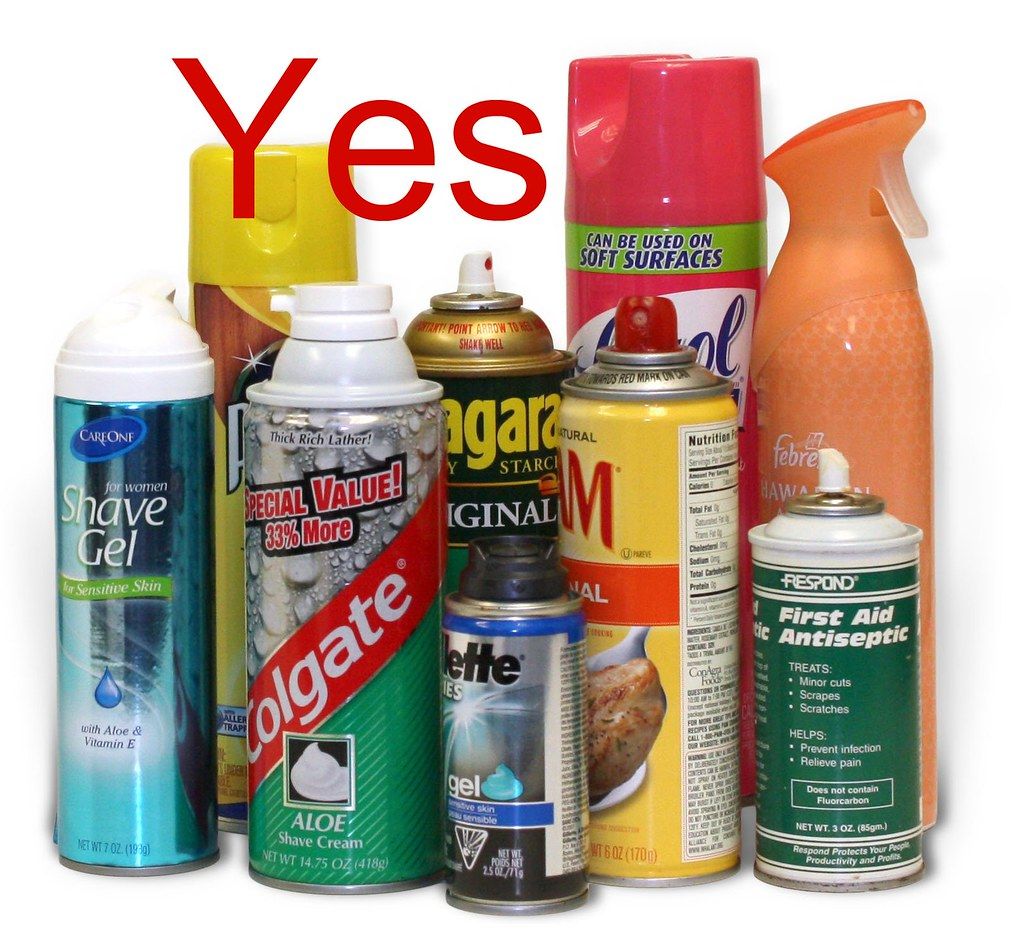
13. **Aerosol Cans**Many common household and personal care products come in aerosol cans, from deodorants and hairsprays to spray paints and cleaners. While convenient, these pressurized containers carry a hidden danger when exposed to the extreme temperatures that can build up inside a parked car. A quick glance at the fine print on most aerosol cans will reveal a stark warning: “Don’t store in temperatures above 120 degrees.”
The reason for this caution is simple yet alarming: heat causes the pressure inside aerosol cans to rise dramatically. As the internal pressure increases, the container becomes a ticking time bomb. In rare but dangerous cases, the intense heat within a car, particularly if the can is in direct sunlight, can cause it to explode. This isn’t just a messy incident; it can be incredibly hazardous.
Take the unfortunate case in Louisiana in 2024, where a spray can left in a vehicle became a projectile upon exploding, shattering the car’s windshield. While thankfully no one was injured, the incident underscores the severe potential for harm. To avoid such dangerous situations, it’s wise to keep all aerosol cans out of your car, especially during warmer seasons, storing them instead in a cool, dry place.
Read more about: Your Car’s Hot Seat: 14 Everyday Essentials That Become Hazards in Summer Heat
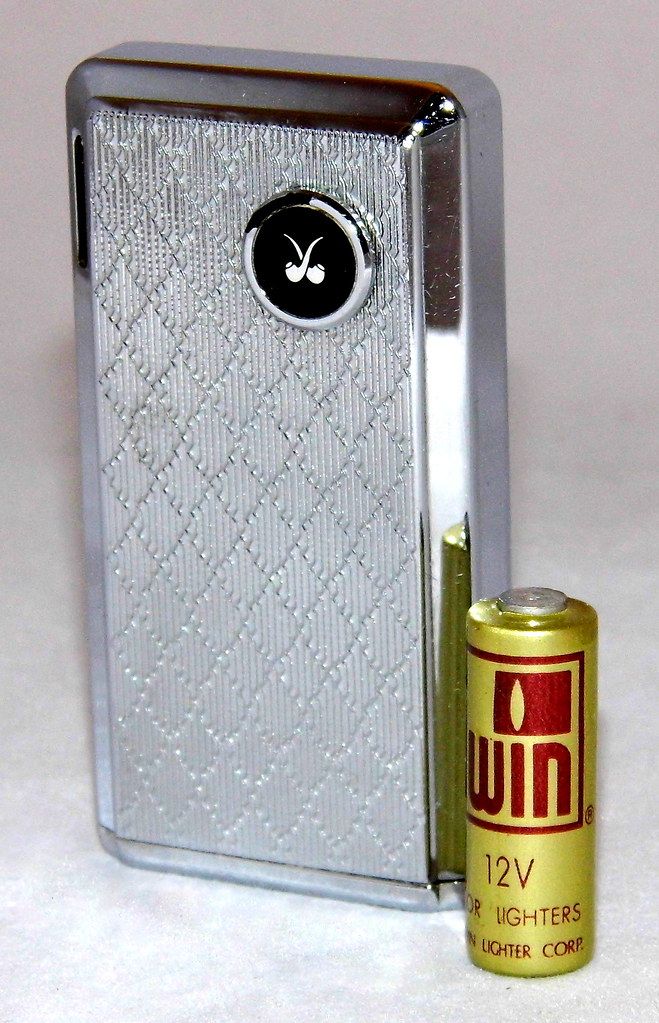
14. **Lighters**For many, a lighter is a small, everyday item often found tucked into a pocket or a car’s console. However, this seemingly innocuous item can become a dangerous hazard when left inside a vehicle, particularly in fluctuating temperatures. The simple design of a lighter belies its potential for explosive consequences under the wrong conditions.
The danger stems from the pressurized gas contained within the lighter. When exposed to high temperatures, this gas expands rapidly. This expansion can build up immense internal pressure, eventually causing the lighter to explode. Such an incident could not only damage your car’s interior but also pose a significant safety risk to anyone nearby or objects within the vehicle, potentially turning into a small, dangerous projectile.
It’s a warning for everyone, particularly smokers who might habitually forget their lighters in their vehicles. These items are unstable at harsh temperatures, and the gas inside truly can cause them to explode. For the safety of your car and yourself, make it a steadfast habit to carry your lighters with you when you leave your vehicle, keeping them away from the car’s unpredictable internal climate.
Read more about: Clarke Quay’s Epic Glow-Up: The Untold Stories and Thrilling Transformations of Singapore’s Riverside Gem!

15. **Cosmetics & Art Supplies**For many, a car can feel like an extension of their personal space, making it tempting to store everyday essentials like makeup or creative tools such as art supplies. However, these items are often far more temperature-sensitive than you might realize, and leaving them in your car can lead to costly damage and disappointing messes.
Cosmetic and skincare products, in particular, are prone to breaking down when exposed to heat. Lipsticks can melt into unusable puddles, creams can separate into unappealing concoctions, and active ingredients in high-end products, such as retinol, can lose their effectiveness entirely. Conversely, chilly winter temperatures can also alter textures, rendering mascaras and other liquids useless if they freeze.
Art supplies face similar vulnerabilities. Items like crayons and pastels are notoriously prone to melting when exposed to the rising heat inside a car. Imagine returning to your vehicle only to find a colorful, waxy mess scraped onto your brand-new seats—a frustrating and expensive cleaning endeavor. This damage not only ruins the products but also creates significant cleaning challenges for your car’s interior.
Considering the investment in quality cosmetic items and art materials, it’s simply not worth the risk. To keep your beauty and creative products in good condition, always avoid leaving them in your car. Store them instead at room temperature, protecting your purchases from the car’s volatile environment and ensuring they remain ready for use, rather than becoming a melted or frozen disaster.
As we pull back the curtain on the things we should never keep in our cars, a clear picture emerges: our vehicles are not secure, temperature-controlled storage units. The convenience they offer can be deceptive, masking potential risks ranging from health hazards and financial losses to outright safety dangers. Every item we’ve discussed, from life-saving medications to cherished pets, demands our mindful attention.
Read more about: From Betelgeuse to Beyond: 12 Essential Rules Every New Hollywood Makeup Artist Must Live By
Making smarter choices about what we leave behind is an empowering act of self-care for ourselves, our loved ones, and our belongings. It’s about cultivating habits that prioritize safety, security, and the longevity of our possessions. By understanding the unique vulnerabilities of a car’s interior, we can actively prevent accidents, avoid unnecessary expenses, and foster a greater sense of peace as we navigate our daily lives. Your car should be a safe haven, not a storage gamble. Drive smart, store smarter.