Shopping for a used vehicle is a smart financial move, especially in today’s market where value and longevity are prized. A pre-owned Subaru, with its well-earned reputation for capability, safety, and all-wheel-drive prowess, often tops the list for savvy buyers. These vehicles are known to withstand the test of time, particularly due to their robust all-wheel-drive systems and rugged construction, making them popular choices for diverse driving conditions, from city commutes to adventurous off-road trips. However, the true value of a used car lies in its condition and history, making a thorough inspection not just advisable, but absolutely essential.
While the allure of a Subaru’s proven reliability is strong, it’s crucial to understand that not all used vehicles are created equal. Even a brand as dependable as Subaru can present unexpected challenges if a pre-owned model hasn’t been meticulously maintained or has hidden issues. Making a smart purchase requires an informed approach, going beyond a quick glance or a brief test drive. You need to know precisely what to look for, enabling you to identify potential problems before they become costly repairs and ensuring you drive off with a vehicle that meets your needs without unwelcome surprises.
This comprehensive guide empowers you with the knowledge needed to conduct an in-depth assessment of any used Subaru you consider. We will explore key areas of inspection, from understanding specific model characteristics and scrutinizing engine health, to meticulously examining the exterior and interior for signs of wear, damage, and prior issues. By equipping yourself with these practical, actionable insights, you can navigate the used car market with confidence, make an informed purchasing decision, and secure a reliable Subaru that will serve you well for many miles to come.
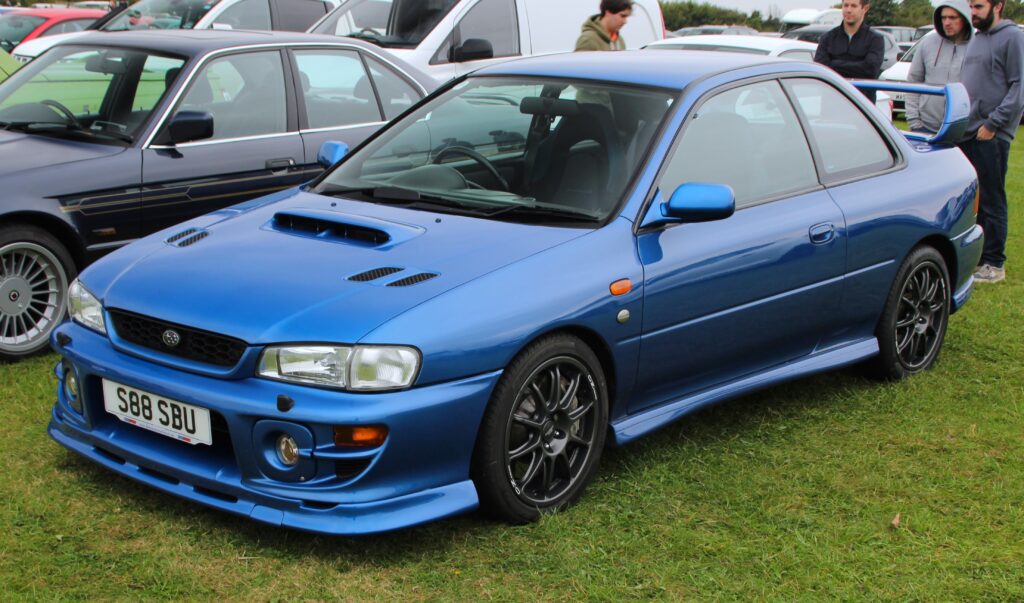
1. **Model and Mileage Assessment**When beginning your search for a used Subaru, the first logical step is to consider the model that best fits your lifestyle and needs. Each Subaru model is designed with distinct strengths and purposes. For instance, the Subaru Outback is a popular choice for “adventure seekers,” known for its “spacious cargo areas and strong off-road chops.” If you’re looking for a vehicle suitable for “families and daily commuting,” the Subaru Forester is often highlighted as “compact, practical, and dependable.” City dwellers might gravitate towards the “Subaru Impreza,” which is “Great for city drivers” and available in both sedan and hatchback styles. For those desiring a smaller crossover with surprising capability, the “Subaru Crosstrek” fits the bill with its “surprising off-road ability.” Lastly, if comfort and all-wheel drive are priorities in a midsize sedan, the “Subaru Legacy” is presented as the ideal choice.
Once you’ve narrowed down your model preference, the vehicle’s mileage becomes a significant factor to scrutinize. Subaru vehicles have a strong reputation for longevity, often lasting “well past 200,000 miles with proper care.” This impressive lifespan is a testament to their robust engineering, but it doesn’t mean mileage can be ignored. Generally, a lower mileage vehicle will offer you more time before major service intervals are typically required, potentially translating to fewer immediate expenses.
However, mileage alone isn’t the sole determinant of a car’s condition. It’s crucial to understand the context of that mileage, particularly “how the car was used (daily commute vs. occasional trips).” A car with higher mileage accumulated primarily from long highway drives might have less wear and tear than a lower mileage car used predominantly for stop-and-go city driving. The type of usage impacts components like the transmission, brakes, and suspension differently, so a holistic view is beneficial.
Ultimately, a key takeaway is that “a well-maintained 80,000-mile car could be a better buy than a neglected 40,000-mile one.” This emphasizes the paramount importance of service history over just the odometer reading. Always ask about “service records to see how it was cared for” because diligent maintenance can significantly extend a vehicle’s life and mitigate potential problems, regardless of the numbers on the dash. This initial assessment helps align your expectations with the vehicle’s potential.
Car Model Information: 2013 Subaru Outback 2.5i Limited
Name: Subaru Outback
Caption: 2023 Subaru Outback Premium
Manufacturer: Subaru
Production: 1994–present
ModelYears: 1995–present
Assembly: Ota, Gunma
Aka: Subaru Legacy
Class: Mid-size car
BodyStyle: station wagon
Categories: All Wikipedia articles written in American English, All articles with unsourced statements, Articles containing Japanese-language text, Articles with short description, Articles with unsourced statements from April 2012
Summary: The Subaru Outback is an automotive nameplate used by the Japanese automaker Subaru for two different themed vehicles: a Legacy-derived station wagon, the Outback (1994–present, also sold as Legacy Outback in some markets), and an Impreza-derived off-road themed hatchback, the Outback Sport (1994–2011). Most versions of the Outback wagon and Outback Sport have had all-wheel drive as standard equipment.
Get more information about: Subaru Outback
Buying a high-performing used car >>>
Brand: Subaru Model: Outback
Price: $7,995 Mileage: 175,533 mi.
Read more about: Headaches in Every Turn: 6 SUVs Owners Say They’d “Send to the Scrapyard” If Allowed
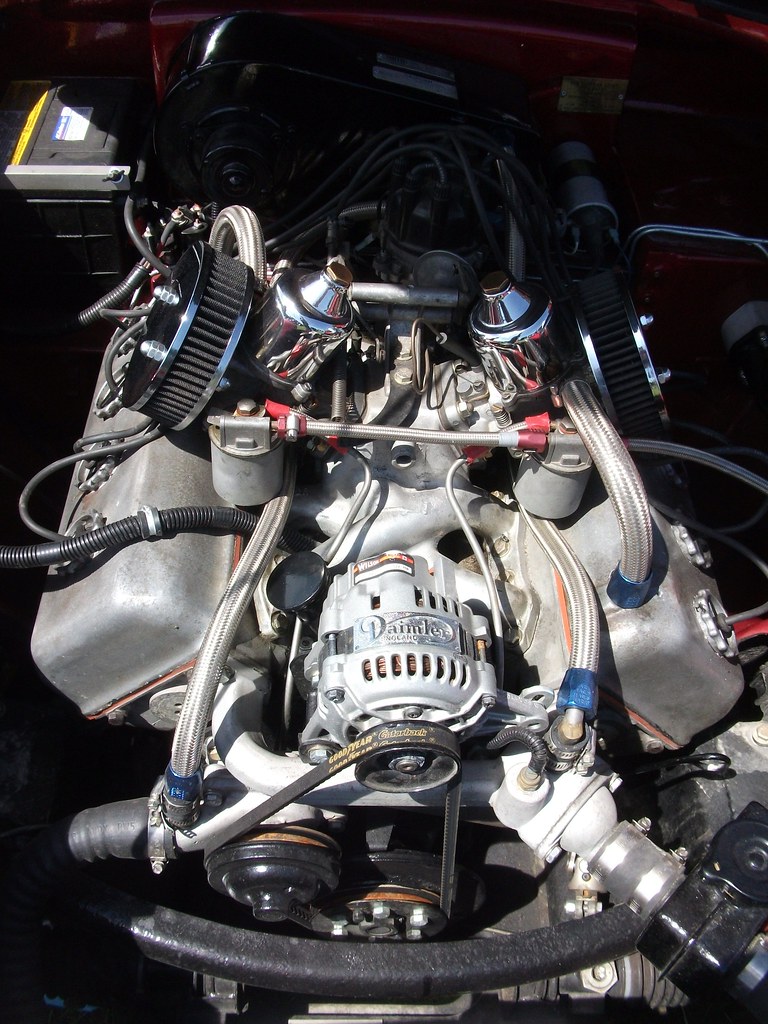
2. **Engine Health: Head Gaskets and Oil Systems**One of the most frequently discussed topics when it comes to older used Subarus is the potential for head gasket problems. Specifically, “Older Subaru engines—especially those from the early 2000s—had a reputation for head gasket problems.” While many of these issues may have been addressed over the years, it is undeniably “worth asking if this repair has been done” when considering a model from that era. This specific concern can be a major repair cost if not already completed, making it a critical inquiry for any prospective buyer.
Beyond head gaskets, a general check for oil issues is paramount. You should “Look for signs of oil leaks around the engine block, under the vehicle, or on the ground where it’s parked.” These visible signs of seepage are clear indicators of potential gasket failures or other sealing issues. Inside the engine, it’s also important to “check the oil level and condition.” The presence of “Thick, dirty oil or signs of froth (like a milkshake texture) could point to bigger engine concerns,” signaling anything from poor maintenance to more severe internal engine damage. The context highlights “Oil Leaks on Top of the Engine” on EJ-series engines as a “telltale sign of a blown head gasket.”
Further symptoms of a compromised head gasket include coolant issues and distinctive smells. The “coolant reservoir was bone dry” is explicitly mentioned as a major red flag, as “A blown head gasket often leads to coolant loss as the engine starts consuming it.” Additionally, a “Burning Oil Smell” is a common byproduct of head gasket failure; “When head gaskets go bad, oil tends to leak down onto the exhaust manifold. When the manifold gets hot, it burns the oil, creating that unmistakable burnt smell.” This is a strong olfactory clue that shouldn’t be ignored during an inspection or test drive.
Another telling sign of head gasket trouble involves the radiator hoses. An “Overpressurized Radiator Hose” that feels “tight as a tick” is a classic symptom because “combustion gases can enter the cooling system, creating air locks and overpressurizing the hoses.” This condition can also manifest as “the upper radiator hose was boiling hot, while the lower hose was cool to the touch,” indicating improper coolant circulation. Visible “DIY Fixes and Clues,” such as “The factory spring clamps on the radiator hoses had been replaced with worm gear clamps,” suggest previous attempts to mitigate issues, often after hoses have “blown off” due to overpressurization. These seemingly small details provide significant diagnostic clues.
It is widely acknowledged that “Subarus, especially older ones, are notorious for head gasket failures.” The text specifies a “danger zone” for these failures “between 120,000 and 150,000” miles. By the time a car reaches “170,000 miles, like this Outback, either the head gaskets have been replaced, or they’re likely shot.” This historical context underscores the importance of a meticulous engine inspection and specific inquiries about past repairs. Protecting yourself involves looking for these signs directly, or ideally, engaging a knowledgeable mechanic.

3. **AWD System Integrity**One of the most significant selling points of any Subaru is its “standard symmetrical all-wheel drive” system. This feature is a primary reason why many people choose a pre-owned Subaru, valuing its enhanced traction and stability in various driving conditions. However, the sophistication of this system also means it has several critical components that demand careful inspection to ensure it’s functioning as intended and will deliver reliable performance. Overlooking the health of the AWD system can lead to substantial and unexpected repair costs down the line.
During your test drive, evaluating the AWD system’s integrity should be a priority. An effective way to do this is to “make tight turns in a parking lot.” While executing these maneuvers, you should “listen for whining or binding noises.” The presence of such sounds is a serious red flag, as they “could signal a center differential issue.” The differential is a vital part of the AWD system, allowing wheels to rotate at different speeds during turns, and any malfunction here can severely impact driving dynamics and vehicle safety.
Further investigation into the AWD system’s maintenance history is also crucial. It is highly recommended to “Ask the dealer about the differential fluid and transfer case service records, especially on CVT models like the Crosstrek or Legacy.” These fluid changes are essential for the longevity and smooth operation of these components. Neglecting these services can lead to premature wear and failure, which can be very expensive to rectify. Understanding if these critical maintenance tasks have been performed according to manufacturer recommendations provides valuable insight into the vehicle’s overall care.
The health of the AWD system is intrinsically linked to the broader transmission and drivetrain. When you “Inspecting the Transmission and Drivetrain for Smooth Operation,” you are also implicitly evaluating the all-wheel-drive functionality. The entire system “should engage seamlessly without grinding or jerking” and “operate smoothly” across various conditions. Driving over uneven terrain during a test drive can also help reveal how well the suspension and drivetrain work together, ensuring they “feel sturdy and responsive, not loose or grinding.” A fully operational and well-maintained AWD system is fundamental to the Subaru driving experience and its renowned capability.
Read more about: Headaches in Every Turn: 6 SUVs Owners Say They’d “Send to the Scrapyard” If Allowed
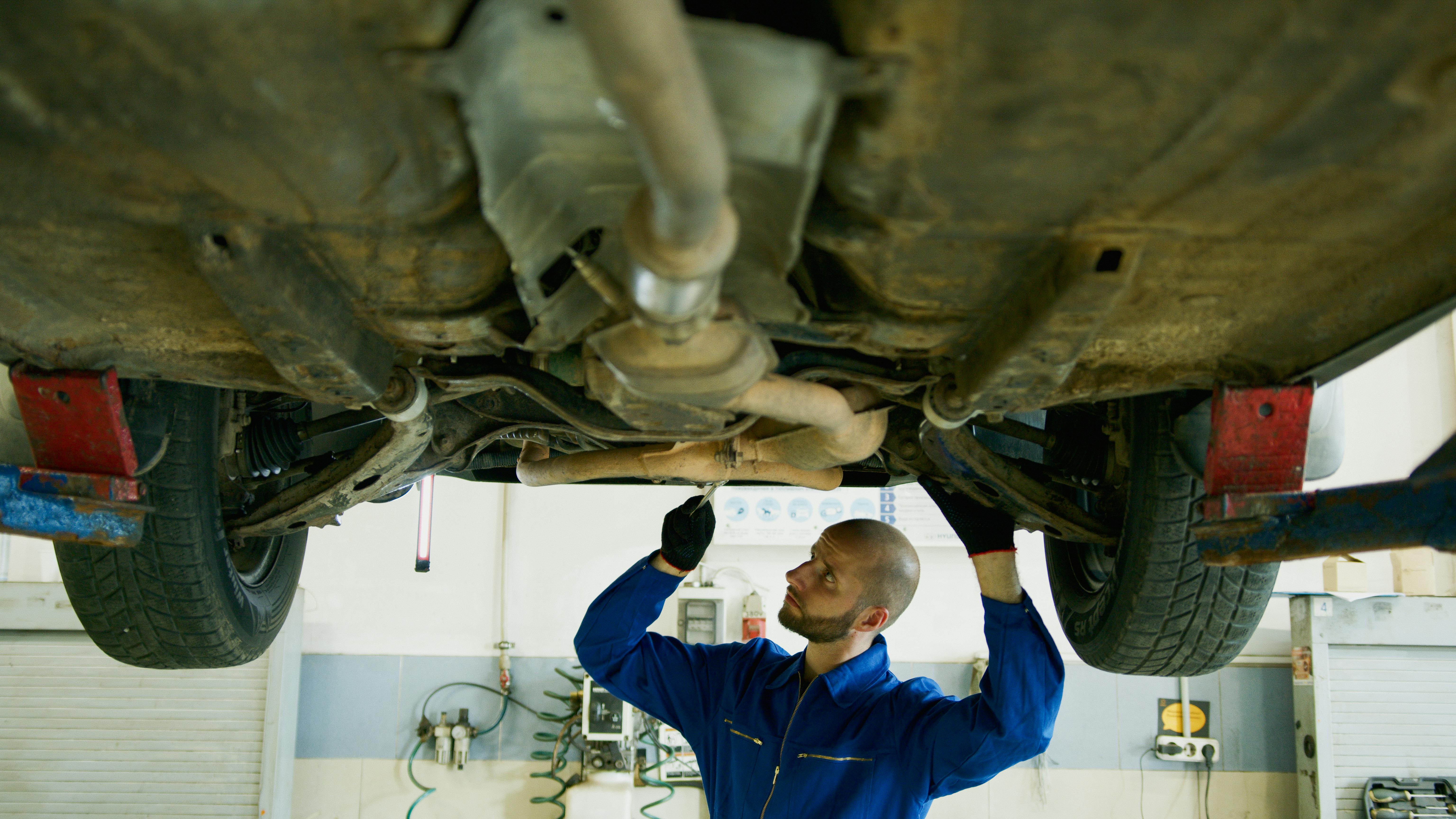
4. **Suspension and Undercarriage Examination**Given that Subarus are frequently chosen for their ruggedness and capability, often being “used for off-road trips or snowy roads,” a thorough examination of the suspension and undercarriage is an absolute necessity. These components bear the brunt of challenging driving conditions and road imperfections, making them highly susceptible to wear and damage. Neglecting to inspect these areas can lead to significant and expensive repairs in the future, compromising both ride quality and safety.
When inspecting the undercarriage, “Rust on the frame, worn-out struts, or damaged suspension components could lead to expensive repairs later.” Rust, in particular, can compromise the structural integrity of the vehicle, especially in areas where road salt is commonly used. Pay special attention to hidden corners and structural elements. “Scrutinize the underbody for scraped or dented areas,” as these can indicate rough driving habits or previous accidents that may have caused underlying damage not immediately visible. Additionally, closely “inspect the control arms, bushings, and sway bars for excessive wear or damage,” as these are critical for handling and stability.
One of the simplest yet most effective tests for suspension health is the “bounce test.” You should “Bounce each corner and observe how quickly the vehicle settles.” If the vehicle “continues bouncing or feels loose,” it’s a strong indication that the suspension parts, particularly the shock absorbers, “might be worn out.” Beyond this, a visual check of the “shock absorbers for leaks or damage” is important, as fluid leaks signify a compromised unit. Also, “check the springs for cracks or sagging,” which can affect ride height and suspension performance.
Uneven tire wear is another critical indicator of potential suspension or alignment issues. You should “Take note of uneven tire wear, which could indicate alignment problems or tired suspension parts.” Tires that show wear on one edge more than the other, or in irregular patterns, often point to underlying mechanical problems that need addressing. A well-maintained suspension system is crucial not just for a comfortable ride, but also for safe and confident handling. Therefore, don’t overlook this vital aspect of your used Subaru’s overall health during your inspection.
Read more about: Headaches in Every Turn: 6 SUVs Owners Say They’d “Send to the Scrapyard” If Allowed
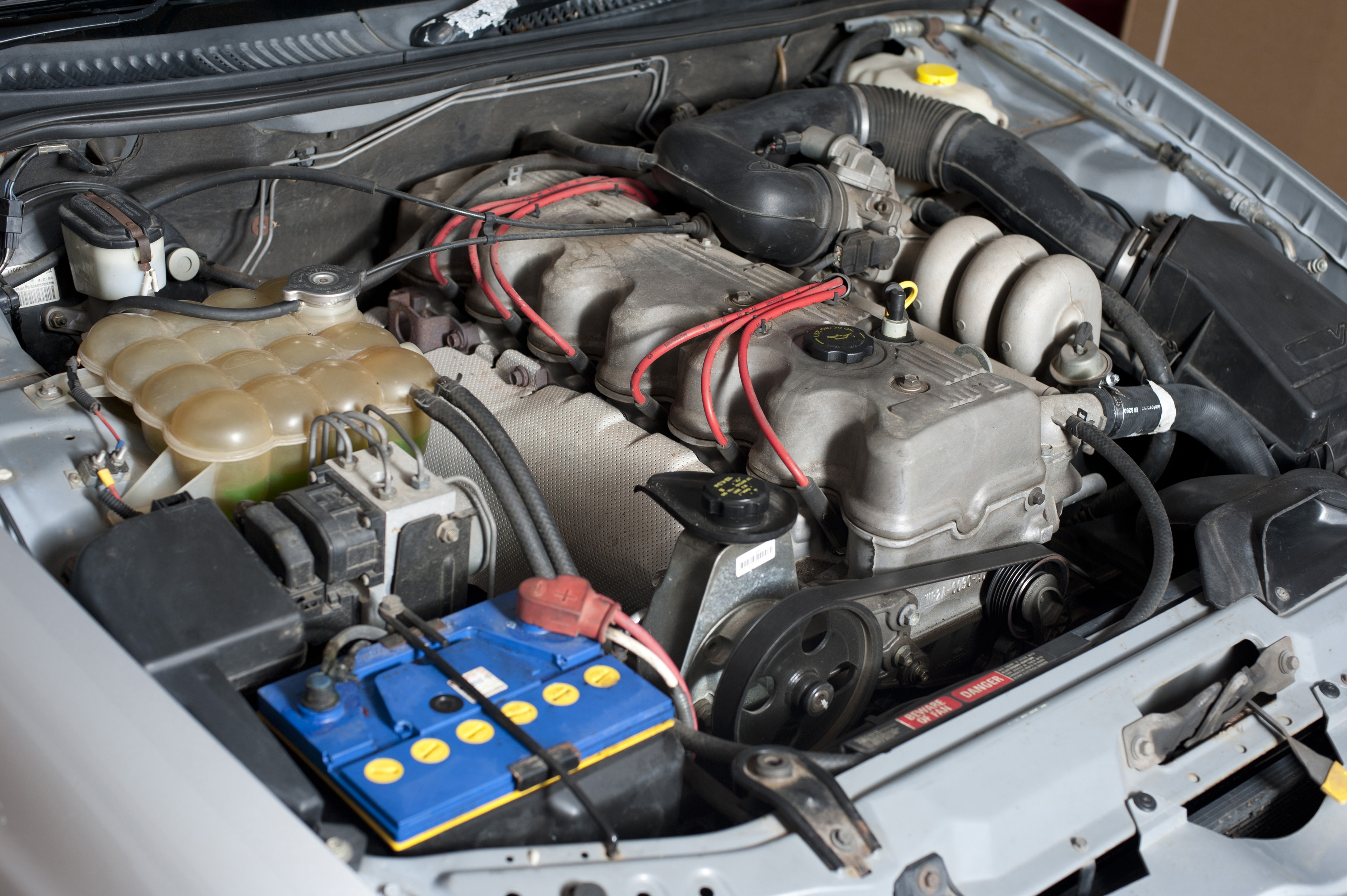
5. **Timing Component Check: Belts or Chains**Understanding the type and condition of the timing component in a used Subaru engine is crucial, as it represents a significant maintenance item that can lead to catastrophic engine failure if neglected. Depending on the engine design and model year, your pre-owned Subaru will utilize either a timing belt or a timing chain. These components are responsible for synchronizing the rotation of the crankshaft and camshafts, ensuring the engine’s valves open and close at the correct times. Misalignment or failure here can cause pistons to strike valves, resulting in extensive engine damage.
The distinction between belts and chains is important for maintenance planning. For example, “2.5L engines (non-turbo, pre-2013) – usually have timing belts that need replacement around 105,000 miles.” A timing belt is typically made of reinforced rubber and requires periodic replacement as a preventative measure. Failing to replace a timing belt at its recommended interval is a common cause of severe engine damage, making this a critical inspection point and historical inquiry.
In contrast, “Newer engines – tend to come with timing chains,” which are designed to be more durable and “last longer.” While timing chains generally do not require the same regular replacement as belts, they are not maintenance-free. They “still need inspection” for stretch or wear, which can affect engine timing and lead to poor performance or, in rare cases, failure. The presence of a timing chain doesn’t eliminate the need for diligence; it simply shifts the focus from replacement to regular inspection for signs of wear.
Given the critical nature and cost of timing component service, it is paramount to “Ask if the timing belt service has already been completed” for vehicles equipped with belts near or beyond the recommended mileage. Proof of this service, ideally with documentation, provides immense peace of mind. Without this confirmation, you should factor in the cost of timing belt replacement into your purchase budget, as it’s an expense that cannot be deferred without considerable risk.
This inspection extends to general under-the-hood checks, where you should also ensure that “Belts aren’t worn or frayed” and “Rubber hoses for the radiator, air conditioner and other parts are free of cracks and holes.” Although not directly part of the timing system, these belts and hoses are vital for overall engine function and their condition reflects the general level of care the vehicle has received. A meticulous look at these components provides a broader picture of the engine’s health and potential upcoming maintenance needs.

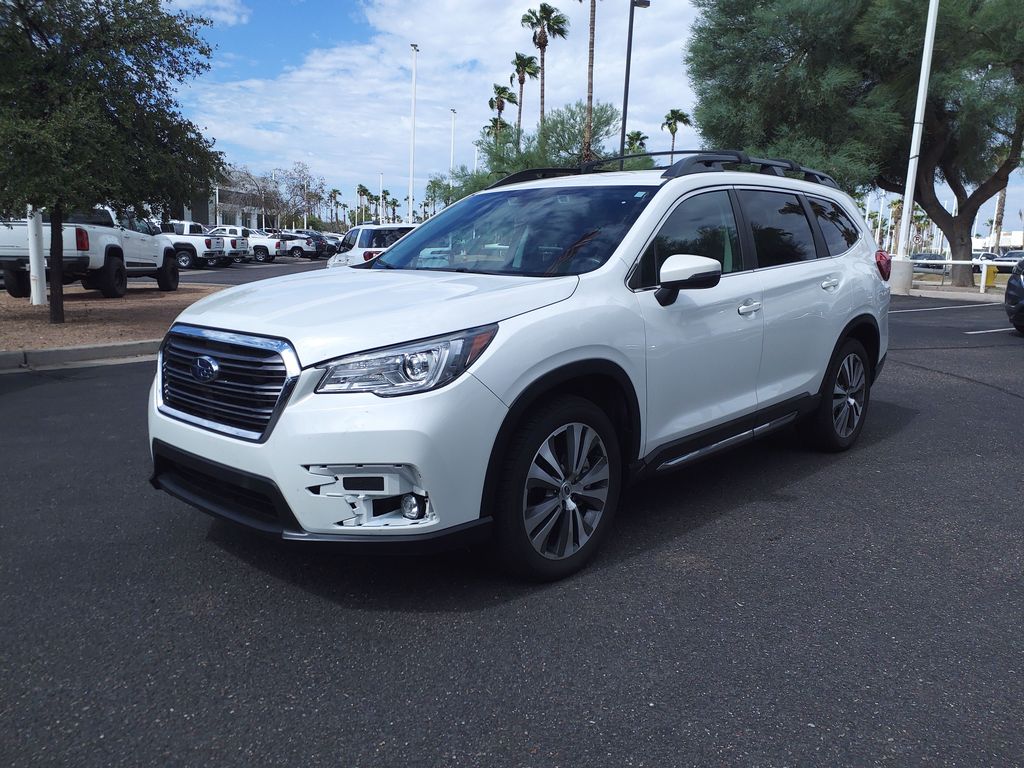
6. **Exterior Condition and Body History**The exterior condition of a used Subaru is far more than just aesthetics; it’s a window into the vehicle’s past, revealing potential accident history, rust issues, and the level of care it has received. Your initial step should be to “give the exterior a thorough once-over.” This means scrutinizing the vehicle for any “signs of rust, dents, or mismatched paint, which could indicate past accidents or repairs.” A clean, consistent exterior often signals a well-cared-for vehicle, while discrepancies demand further investigation.
Rust is a particular concern, especially for vehicles that have been exposed to harsh winter conditions or coastal environments. “Subaru vehicles are typically known for their solid build, but corrosion—especially in areas with road salt—can be a concern.” It’s vital to “Pay special attention to the undercarriage and wheel arches, as these are most prone to rust.” Rust can compromise structural integrity and lead to expensive repairs, so thoroughly checking these areas can prevent future headaches.
Signs of past accidents or shoddy repairs are critical to identify. You should “Check the body panels for alignment issues or signs of collision repairs, which might be hidden behind fresh paint or filler.” Look for uneven gaps between panels or areas where the paint texture differs slightly. Also, “Paint colors match on all panels; mismatched paint can be a sign of repairs”—even subtle variations can reveal a repaint. Additionally, “No gaps between body panels and bumpers; large gaps might be from accident damage,” indicating improper fitment or unaddressed collision impacts. A small magnet can also be useful here: “Magnet adheres to all steel body panels; if not, damage could have been repaired with filler,” which is often used to conceal accident damage.
Other exterior elements also warrant close inspection. “Examine the headlights, taillights, and mirrors for cracks or fogging, which could signal previous damage or poor maintenance.” The integrity of these components is crucial for safety and visibility. Ensure the “Windshield is free of cracks and chips,” as even small imperfections can spread. Also, check that “Windshield wipers are fully functional” to ensure clear visibility in adverse weather conditions. The functionality of “Doors, trunk or liftgate” should be smooth, closing tightly and locking securely, indicating proper alignment and hinge health.
Finally, a detailed inspection of the tires can reveal much about the car’s general health. “Inspect the tires for uneven wear, as that can reveal wheel alignment issues or suspension problems.” All tires should be “the same size and brand” for consistent handling. To gauge tread depth, use the penny test: “A penny placed in the tread groove with Lincoln’s head down shouldn’t show the top of his head,” indicating sufficient tread. Also, a quick look under the car for “No evidence of fluid leaks” and “No rust on underbody surfaces” rounds out this vital exterior assessment.
Read more about: License to Judge: These 10 Car Brands Might Just Be Driving Like You-Know-Who (Statistically Speaking!)
7. **Interior Wear and Electrical Functionality**Stepping inside a used Subaru provides crucial insights into its history, care, and the functionality of its numerous systems. Your primary goal is to “pay attention to the interior details.” Look for “Worn seats, cracked dashboards, or peeling trim” which, while common in high-mileage vehicles, should still be noted as indicators of overall wear. More importantly, “Look for signs of excessive wear on the pedals, steering wheel, and gear shifter—these can suggest the car’s usage level” and potentially whether the odometer reading aligns with actual use.
The condition of the carpets and headliner can hint at deeper issues. “Stains or sagging might hint at water leaks or neglect,” which could lead to mold or structural damage over time. You should also confirm “No signs of water damage under carpets” and “No signs of leaks around the windows or sunroof.” Additionally, pay attention to any odors. The interior should be “Free of odors, musty or smoky smells;” if you detect “heavy air freshener scent could mean something is being concealed,” possibly odors from smoke, mold, or spills.
Modern Subarus are packed with electronic features, and testing their functionality is essential. “Power windows, locks, and seat adjusters should function properly; if not, wiring issues could be lurking.” The infotainment system is a central component, so you should “Test the tech and interior comfort” by sitting inside, attempting to “pair your phone, test the touchscreen, and flip on every switch.” Confirm that “Smart device pairing works” and that all controls, including the air conditioner, heater, hazard lights, and sound system, are fully operational.
Crucially, pay close attention to the dashboard and its warning lights. Upon turning the ignition, “verify that all dashboard warning lights come on and then go off as they should.” Any remaining lights, “especially check engine, ABS, or airbag warnings,” are significant red flags that indicate current problems requiring diagnostic attention. “Problems with the air conditioning, infotainment, or lighting are also signs of electrical gremlins,” which can be complex and costly to diagnose and repair. Even “dimming headlights or flickering interior lights” can signal underlying wiring issues or a failing alternator, highlighting the importance of testing every electrical component thoroughly.
Finally, the odometer reading should be evaluated in conjunction with the interior’s condition. “An abnormally low mileage for the age might be suspicious if wear and tear don’t match” what you observe, potentially indicating an illegally rolled-back odometer. Ensure that “All controls, gauges and indicators are functional” and responsive. A detailed interior inspection provides invaluable clues about the vehicle’s past life, its maintenance, and its potential for future electrical or comfort-related issues, helping you make a more confident decision.””_words_section1″: “1994
Navigating the used car market requires more than just a surface-level glance; it demands an informed, systematic approach. Building upon the initial physical and mechanical health checks, this second section delves into the advanced considerations necessary for a confident purchase, spanning from dynamic performance evaluations to critical historical and legal verifications, culminating in strategic negotiation insights. By meticulously examining these areas, consumers can mitigate risks, uncover potential issues, and secure a pre-owned Subaru that truly offers lasting value and reliability.
Read more about: 9GadgetsTech Fans’ Nightmare: The Hidden Power Drains Making Devices and Cars Fail
8. **Engine Performance and Sounds**Beyond the static inspection of the engine bay, evaluating the engine’s dynamic performance and listening for unusual sounds is paramount during a test drive. When initiating the vehicle, particularly from a cold start, pay close attention to any hesitations in ignition, instances of rough idling, or distinct knocking sounds. A healthy Subaru engine should start readily and settle into a steady, quiet idle, indicating well-functioning internal components and proper combustion.
As the vehicle operates, an informed ear can detect significant issues. Listen for persistent rattles, high-pitched squeals, or any visible exhaust smoke, particularly when accelerating. These acoustic or visual cues can be indicative of critical underlying problems, such as excessively worn piston rings, impending turbocharger complications (if applicable to the model), or various fluid leaks that only manifest under engine load. Such symptoms warrant immediate and thorough investigation.
During the test drive, systematically assess the engine’s response to acceleration and deceleration. The power delivery should feel consistent and smooth, devoid of noticeable hesitations or unusual noises as the engine’s RPMs increase. The engine should respond promptly and predictably to accelerator input, reflecting optimal fuel delivery and efficient engine timing. Any sluggishness or abrupt changes in power signify potential performance compromises.
Ultimately, the presence of persistent knocking, irregular ticking, or any perceived loss of power during driving are undeniable red flags. A properly maintained Subaru engine is engineered to run smoothly and quietly, delivering reliable performance over many miles. Deviations from this expected standard should prompt serious consideration about the engine’s long-term health and the potential for costly repairs.
Read more about: When the Music Fell Silent: Remembering 14 Icons Lost in Tragic Plane Crashes

9. **Transmission and Drivetrain Operation**Subaru’s renowned Symmetrical All-Wheel Drive system, while a significant asset, means that the transmission and associated drivetrain components require particularly rigorous scrutiny. A critical step involves systematically shifting the transmission through all available gears, whether it is an automatic or a manual unit. During these shifts, observe for any discernible delays, sensations of hesitation, or signs of slipping, which can indicate internal wear or fluid-related issues.
For vehicles equipped with automatic transmissions, monitor for harsh shifts or delayed responses between gear changes. These symptoms often suggest that transmission fluid changes are overdue, or more critically, they might point to internal wear within the transmission unit itself. A healthy automatic transmission should engage gears seamlessly and without any jarring motions, ensuring a smooth and comfortable driving experience.
When evaluating manual transmissions, meticulously assess the clutch engagement and the overall feel of the pedal. Any instances of clutch slipping, where engine RPMs rise disproportionately to vehicle speed, or difficulty in engaging gears, can directly point to a worn clutch assembly or issues within the linkage system. The clutch should engage smoothly and predictably, providing precise control over power delivery.
Furthermore, if the vehicle features a selectable four-wheel-drive system, verify that it engages properly and operates without any undue resistance or noise. During the test drive, intentionally seek out varied terrain or areas with bumps to observe how the suspension and drivetrain interact. These systems should operate cohesively, imparting a feeling of sturdiness and responsiveness, rather than exhibiting any loose sensations or grinding noises, which would indicate foundational issues detrimental to both safety and an enjoyable driving experience.
Read more about: Unpacking the Pavement: 12 Enduring Myths About All-Wheel Drive (AWD) That Every Driver Needs to Understand
10. **Maintenance Records and Ownership History**In the realm of used vehicle acquisition, the adage “knowledge is power” holds particular significance, especially concerning a vehicle’s maintenance records and ownership history. It is highly advisable to request comprehensive maintenance records from the seller, which can verify the regularity of critical services such as oil changes, fluid replacements, and documented repairs. Subaru vehicles operate on specific service intervals, and adherence to these schedules is a strong indicator of diligent care.
Vehicles accompanied by a detailed service history typically represent a more secure investment, as they overtly demonstrate that previous owners prioritized the car’s upkeep. Beyond service specifics, a review of ownership history reports is crucial. These reports can disclose whether the vehicle has been involved in any major accidents or if its title has been branded as salvage or rebuilt. This information is vital for avoiding unforeseen complications and confirming the vehicle’s legitimate status.
Furthermore, the number of previous owners can offer insights into a vehicle’s stability and care. Generally, a car with a low number of owners—ideally just one or two—is often a positive indicator that the vehicle has received consistent care. Conversely, a history of multiple owners in a short period might suggest recurring issues that prompted successive sales. Accessing a CARFAX® or AutoCheck® report is a primary method for obtaining this background information, covering previous ownership details, accident history, title status, and documented maintenance entries.
A clean vehicle history, free from undisclosed accidents or problematic title brands, provides significant peace of mind to a prospective buyer. Conversely, the presence of red flags, such as extensive past accidents or unresolved title issues, should serve as a strong deterrent, signaling a potentially problematic acquisition. Transparency regarding a vehicle’s historical journey is unequivocally key to making a confident and ultimately satisfactory purchase decision.
Read more about: Evaluating the 8 Safest Used Trucks Under $20,000 for Savvy Buyers
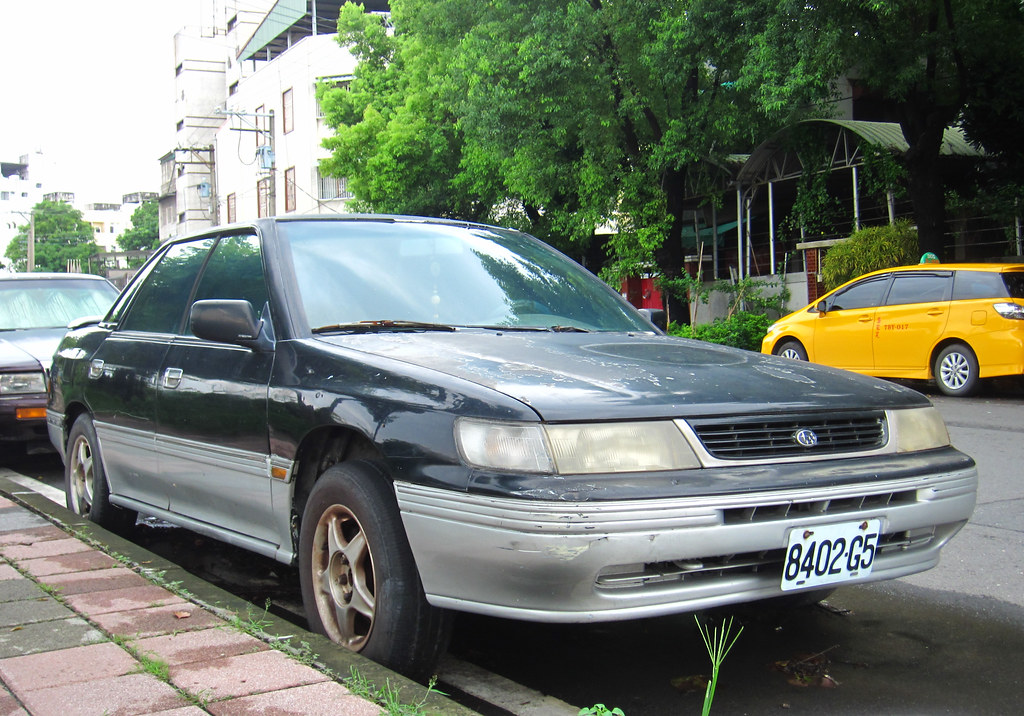
11. **Test Drive Experience**A test drive transcends a mere formality; it represents a critical opportunity to personally experience and evaluate how the Subaru truly performs on the road under various conditions. During this dynamic assessment, concentrate on the steering mechanism. It should feel precise and responsive, providing immediate feedback without being overly heavy, vague, or exhibiting any excessive play. This direct connection to the road is fundamental to a confident driving experience.
Execute a series of braking tests to ascertain the system’s effectiveness. The brake pedal should feel firm and provide smooth, consistent stopping power without any pulsing sensations or audible squealing, which could indicate warped rotors or worn pads. Simultaneously, observe for any vibrations during braking or a tendency for the vehicle to pull to one side, as these can point to alignment issues or problems within the suspension system that require immediate attention.
Beyond mechanical performance, assess the driver’s comfort and ergonomics within the cabin. Evaluate whether the seats offer adequate support for longer journeys, whether visibility through the windows and mirrors is unobstructed, and if all the dashboard controls feel intuitive and easily accessible. Concurrently, listen intently for any strange or unusual noises—such as creaks, rattles, or clunks—that may emerge during turns, braking, or acceleration, as these often reveal hidden issues.
To conduct a comprehensive evaluation, it is beneficial to drive on a variety of routes, including roads with bumps, winding curves, and sections at highway speeds. This diverse driving exposure allows for a holistic assessment of the vehicle’s overall handling characteristics, ride comfort, and the detection of any latent issues that may not be apparent during a stationary inspection. The test drive is an indispensable tool for uncovering critical details that a brochure or static examination simply cannot reveal.
Read more about: Decoding Child Safety: 12 Essential Standards for Car Seat Anchor Compatibility and Usage in Every Vehicle
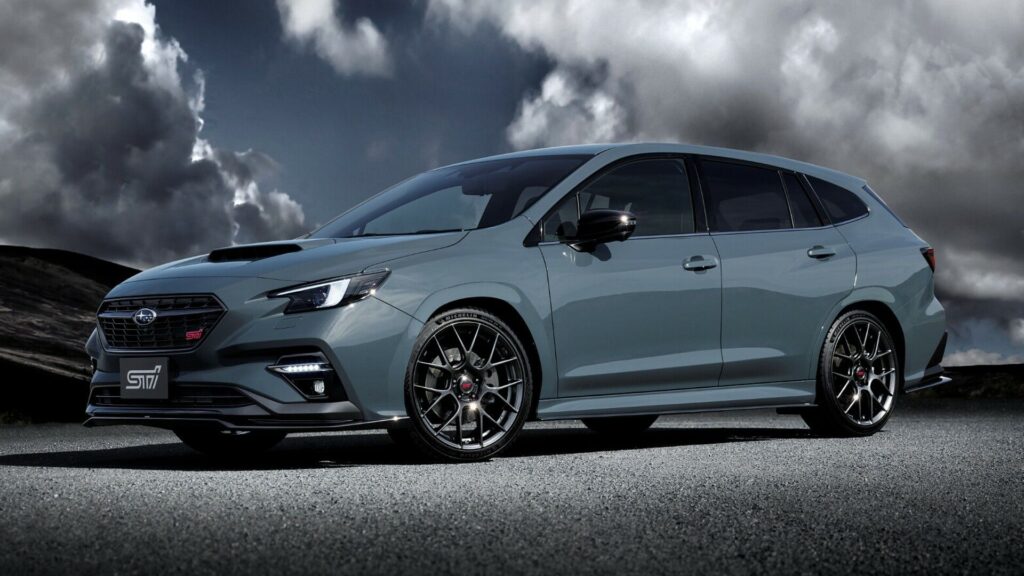
12. **Model-Specific Common Problems and Recalls**Each Subaru model, while sharing the brand’s core values of reliability and capability, often possesses its own distinct set of quirks and common issues that seasoned owners frequently encounter. To become a truly informed buyer, it is advisable to conduct preliminary research into the specific Subaru model and year you are considering. For instance, while earlier discussions touched upon head gasket problems, certain Subaru years are more notoriously prone to these issues than others, while other models might have specific vulnerabilities related to turbochargers or Continuously Variable Transmissions (CVT).
An effective way to gain insights into these model-specific tendencies is through quick online searches, including delving into owner forums and reputable automotive review sites. These platforms often host extensive discussions from actual owners, providing firsthand accounts of what to watch out for in the particular Subaru model you are eyeing. This collective knowledge can highlight recurring mechanical or electrical issues that might not be immediately apparent during a standard inspection.
Equally important is checking for any outstanding recalls that have been issued for safety-related fixes specific to that model. These recalls are typically initiated by the manufacturer and can often be serviced free of charge at authorized dealerships, provided they have not yet been addressed. Ignoring open recalls can pose significant safety risks and lead to unexpected functional problems down the line, making this an essential verification step.
Possessing knowledge of common problems and active recall notices serves multiple purposes: it prevents unwelcome surprises after purchase, strengthens your position to negotiate potential repairs or price adjustments, and empowers you to ask targeted questions to the seller or dealer. This proactive approach contributes significantly to achieving peace of mind regarding your used Subaru’s long-term reliability and operational safety.
Read more about: Buyer Beware: 14 Cars Notorious for Breaking Down Prematurely, Especially After 100,000 Miles
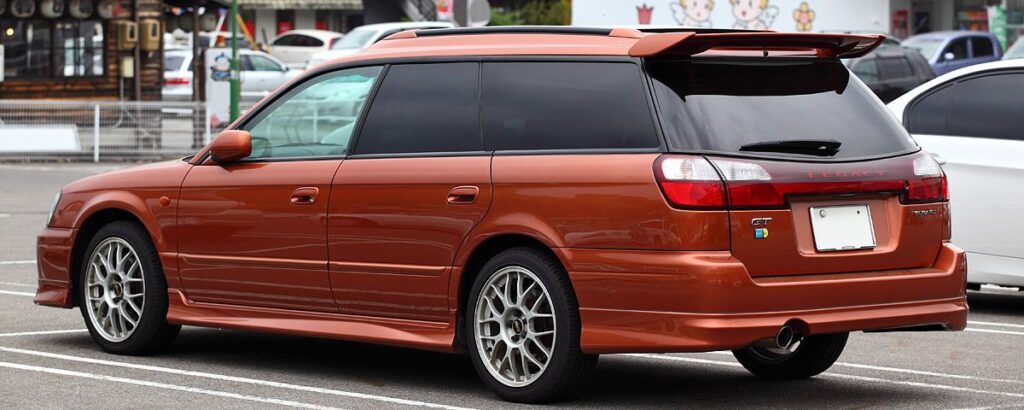
13. **Title and VIN Verification**Prior to finalizing any purchase agreement, it is absolutely essential to perform a thorough verification of the vehicle’s title and its Vehicle Identification Number (VIN). Begin by double-checking that the vehicle possesses a clean title, which signifies that the car has not been declared a total loss by an insurance company, nor branded as salvaged or rebuilt. A clean title is fundamental to ensuring clear ownership and avoiding significant complications in the future.
Furthermore, confirm that the VIN displayed on the vehicle—typically found on the dashboard near the windshield, on the driver’s side door jamb, and sometimes on engine components—precisely matches the VIN listed on all associated documentation, including the title, registration, and any history reports. Discrepancies here can be serious indicators of fraud, stolen vehicles, or illicit tampering, necessitating an immediate cessation of the transaction.
Utilize the VIN to run a comprehensive vehicle history report from reputable sources such as CARFAX® or AutoCheck®. This invaluable resource provides a detailed chronological record of the car’s past, encompassing previous ownership, documented title status changes, any reported accidents, comprehensive service records, and verification of odometer readings. Any suspicious anomalies, such as an unusually high number of previous owners or inconsistent mileage entries, warrant a deeper, cautious investigation.
This meticulous verification process serves as a crucial safeguard, helping to prevent the unwitting purchase of stolen, flood-damaged, or otherwise compromised vehicles. Ensuring all paperwork is in perfect order is not merely a bureaucratic step; it is a vital prerequisite for a smooth, legal, and hassle-free transfer of ownership, thereby protecting your investment and ensuring confidence in your acquisition.
Read more about: Do You Recall? 14 Luxury Models That Have Vanished from the Market Today

14. **Pricing and Negotiation Tips**Determining the true market value of a used Subaru is a foundational step in negotiating a fair and advantageous deal. Begin by thoroughly researching similar models available in your local area, utilizing reliable online pricing guides, automotive classifieds, and recent sale prices as benchmarks. When formulating your offer, meticulously factor in the vehicle’s age, current mileage, its overall condition as assessed during your inspections, and the completeness of its maintenance history. These elements collectively inform a reasonable and justifiable offer.
Determining the true market value of a used Subaru is a foundational step in negotiating a fair and advantageous deal. Begin by thoroughly researching similar models available in your local area, utilizing reliable online pricing guides, automotive classifieds, and recent sale prices as benchmarks. When formulating your offer, meticulously factor in the vehicle’s age, current mileage, its overall condition as assessed during your inspections, and the completeness of its maintenance history. These elements collectively inform a reasonable and justifiable offer.
Approaching the negotiation process with confidence is key; many sellers anticipate and are prepared to adjust their asking price. This is particularly true if you can present concrete evidence of issues discovered during your inspection or highlight upcoming maintenance needs that will incur additional costs for you. Maintain a confident, polite, and firm demeanor throughout the discussion, as persistence, when backed by data, often yields favorable outcomes.
It is imperative to integrate all anticipated costs into your negotiation strategy. This includes not only any identified repair costs and parts replacements but also projected expenses for upcoming scheduled maintenance items, such as timing belt services if applicable. The goal is not solely to secure a low upfront price, but rather to ensure the overall long-term affordability and positive ownership experience of the vehicle, preventing unforeseen financial burdens soon after purchase.
Finally, when discussing the overall cost, request a transparent breakdown of the true cost of ownership beyond the sticker price. This should encompass estimated fuel economy, potential insurance costs, ongoing maintenance requirements, and a clear understanding of all applicable taxes, fees, and financing terms. A reputable dealer will be able to walk you through these financial considerations, offering transparency and helping you make a fully informed decision without undue pressure or guesswork.
Read more about: Evaluating the 8 Safest Used Trucks Under $20,000 for Savvy Buyers
Armed with a comprehensive understanding of what to inspect, what questions to ask, and how to approach the purchasing process, you are well-equipped to navigate the used Subaru market. From the nuanced sounds of the engine to the critical verification of legal documents and the art of negotiation, each step is designed to empower you. Taking the time for this detailed diligence ensures that your chosen Subaru is not merely a vehicle, but a reliable, capable, and enduring companion for countless journeys ahead. This thorough approach is the ultimate safeguard against costly surprises, guaranteeing that your investment is a sound one, ready to serve you faithfully for many miles to come.