Alright, let’s be real for a moment. We all love the idea of a one-stop shop, especially when it comes to tackling those never-ending home projects. The lure of a massive home improvement store, with its endless aisles brimming with possibility, can be incredibly strong. It feels like you can walk in, grab everything on your list, and conquer that DIY dream without breaking a sweat, right? Well, not so fast, my friends. Because while these big-box retailers are undeniably convenient, a little insider knowledge can save you a whole lot of headache, frustration, and cold, hard cash in the long run.
Julian Thomas, a Command Brand partner and DIY home lifestyle expert, puts it perfectly: “When you understand why certain retailers only carry certain products, you can better judge on where and when to source your home improvement needs. This will make you a much savvier shopper, saving you money in the long run.” And trust me, as someone who’s navigated these aisles countless times, that wisdom is gold. Sometimes, that tempting product sitting on the shelf is more of a financial trap than a savvy solution.
So, buckle up, because we’re about to dive deep into the world of smart shopping for your home. We’ve consulted experts from almost a dozen fields – plumbers, painters, gardeners, and more – to spill the beans on what they would *never* buy at a home improvement store. By the end of this, you’ll be armed with the knowledge to make smarter choices, get better quality, and genuinely save money. Let’s start by uncovering some of the biggest culprits you should bypass on your next visit.

1. **Plants, Houseplants & Garden Starts**You walk into the garden center, and those vibrant plants just scream, “Take me home!” They look so lush under those store lights, promising to bring life to your home or garden. But here’s the kicker: many of these plants, especially houseplants and garden plant starts, might not be cut out for your local climate. Even worse, they’re often drenched in chemical fertilizers, growth retardants, and pesticides designed to keep them looking pristine on the shelves, which can be seriously harmful to essential wildlife like bees and birds.
Randy Cummings, a growing specialist at Bootstrap Farmer, advises that “For healthier plants, it’s better to purchase from local nurseries or the farmers market.” Why? Because these specialized spots “offer varieties specifically adapted to your area, provide expert advice and keep those dollars spent locally.” Plus, the plants raised in local nurseries are typically grown in conditions much closer to what you have at home, meaning they’ll adjust more easily and are less likely to kick the bucket shortly after you bring them home.
A huge red flag to watch out for is milkweed. While planting it to help monarch butterflies is a fantastic idea, a lot of the milkweed in big-box stores is treated with pesticides. This makes it toxic to monarch caterpillars, completely undermining your good intentions! Instead, seek out local plant nurseries or order seeds online from trusted nonprofit organizations like Save Our Monarchs and Garden for Wildlife, ensuring you’re truly supporting the ecosystem, not harming it.

2. **Garden Seeds**Okay, so you’ve got your local plants sorted, but what about seeds? Those neatly packaged seed packets at the home improvement store might seem like a convenient grab for your spring planting. However, there’s a big question mark hanging over their shelf-life. Cummings points out that these seeds “may have been sitting in packages for quite a while,” and the “fulfillment centers aren’t temperature or humidity-controlled.” This means you could be buying seeds that have a significantly reduced chance of germinating, leading to a lot of wasted effort and disappointment.
Beyond freshness, the selection can be surprisingly narrow. You might struggle to find varieties that are genuinely tailored to your specific grow zone or resistant to the local pests and diseases that plague your region. It’s like trying to find a perfect-fitting glove when all they have are one-size-fits-all options – it rarely works out for the best, especially in gardening where local conditions are everything.
Cummings’ expert advice is to do your shopping “from a reputable seed company and select for disease resistance, heat or cold resistance, pest pressure and plant habits you’re most interested in.” These specialized companies offer a far superior range and quality, giving your gardening efforts the best possible start. It’s a small change that can make a huge difference to your harvest.
Read more about: The Quiet Revolution: How a Teen’s Roblox Game Just Beat Fortnite and What It Means for the Future of Gaming
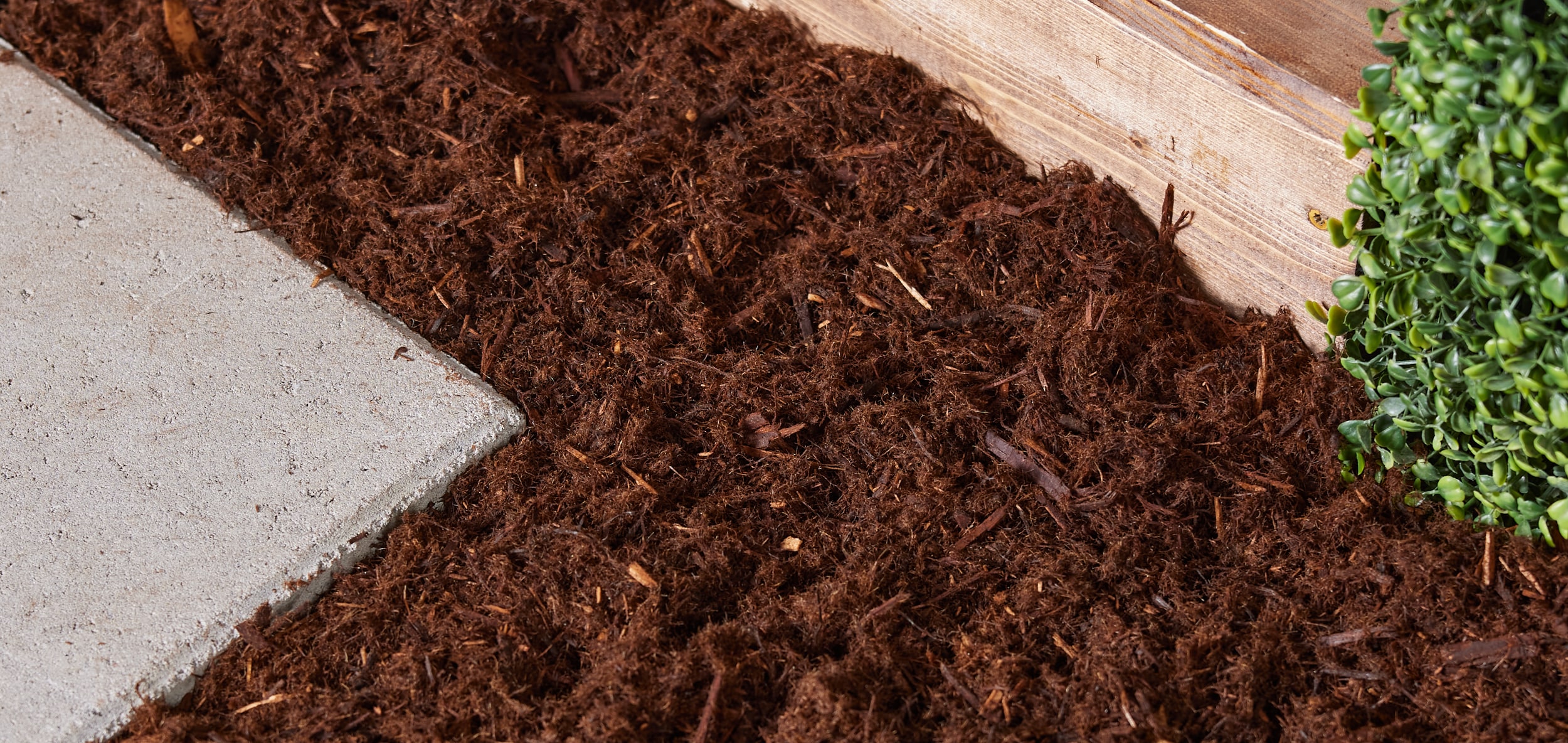
3. **Mulch**Mulch seems straightforward, right? A bag of wood chips, what could go wrong? Well, a lot, actually. The national supplier mulch you find stacked high in home improvement stores is often dyed or made from recycled materials, and that’s where the trouble can begin. Cummings warns that these recycled options “can include splintery wood or even bits of metal,” a nasty surprise for your garden, your hands, or even your pets.
This issue is especially prevalent with brightly colored mulches and those lower-cost bagged options that always seem to be on sale. While they might look appealing and budget-friendly, the hidden dangers and questionable origins make them a less-than-ideal choice for nurturing your garden beds or creating safe pathways. You want to enrich your soil and keep things tidy, not introduce hazards.
Instead of grabbing those questionable bags, Cummings suggests making your own mulch or, for larger quantities, buying in bulk from regional suppliers. These local sources typically use wood from locally sourced trees, which means you’re getting a more natural, higher-quality product. Plus, buying local often “not only saves money but also helps build a relationship with a reliable source that may also supply topsoil, gravel and compost,” turning a simple purchase into a community-supporting, long-term win.
Read more about: Backyard Guardians: A National Geographic Guide to 15 Non-Venomous Snakes You Might Encounter

4. **Major Appliances**Ah, major appliances – the big-ticket items that can make or break a kitchen or laundry room. It’s incredibly tempting to snag a new dishwasher or refrigerator from a big-box store, especially when those sales hit. But Sofia Vyshnevska, a housing expert and co-founder at Jome, delivers a stark warning: “Major appliances can be a gamble at big-box giants.” Her main concern? The incredibly short window to report defects, often a “scant 48 hours.”
Think about it: who uses their new dishwasher within 48 hours to discover every potential quirk? As Vyshnevska aptly puts it, that’s an “impossible time frame, especially if your poor new dishwasher decides to reveal its eccentricities on, say, day four.” Beyond the tight timeline, Docia Boylen, owner at Handyman Connection of Golden, highlights another issue: the staff at these stores might lack the specialized expertise to truly help you figure out which product is the perfect fit for your specific home and needs.
Many experts, including the family handyman, also point to less-than-stellar customer service and installation issues. They often contract out delivery and installation, leading to hurried jobs, potential damage, and issues with old appliance removal. Your best bet for these significant investments is a local appliance store. They typically offer more robust warranties, better installation services, and most importantly, knowledgeable staff who can guide you to a reliable, long-lasting purchase.
Read more about: Rolling in That Old Camper Van? The Unfiltered Truths Full-Time Nomads Secretly Whisper About Your Life on the Road

5. **Painting Tools**When you’re gearing up for a painting project, it’s easy to just toss a set of brushes and rollers into your cart at the home improvement store. They’re right there, they’re cheap, and they’ll get the job done… right? Well, not always. While they’re not an absolute “what not to buy” item, Carr Lanphier, CEO of Improovy painting services, advises a different approach if you have access to a painting-specific store like Sherwin-Williams.
The key difference lies in quality. The brushes and rollers found at general home centers are often made with cheaper materials that wear out quickly. Imagine this: you’re halfway through painting, and your brush starts shedding bristles all over your freshly painted wall, or your roller leaves streaks. Talk about frustrating! A flimsy brush can turn a simple task into a major headache, adding more time and effort to your project.
Specialty paint stores offer products of much higher quality. But it’s not just about the tools themselves; it’s also about the expertise. Lanphier notes that “these types of stores tend to have employees with more specialized knowledge on what type of materials you will need for specific projects, which can make them a better resource for you.” They can steer you towards the right brush for the right paint and surface, ensuring a smoother, more professional finish and ultimately saving you time and frustration in the long run.
Read more about: Unpacking ‘High’: 14 Critical Consumer Insights for Navigating Risk and Value in 2025

6. **Clearance or Mis-tint Paint**Oh, the siren song of the clearance aisle! Those $10 (or less!) cans of mis-tinted paint can look incredibly tempting. A whole gallon for a fraction of the price? What a steal! But before you grab that bucket for your next big project, Steven Mena, CEO at AAA Fence and Deck Company, has a strong word of caution: it’s often a “waste of money unless you’re painting something non-critical like a doghouse.”
The issues with clearance paint are twofold and significant. First, the color is often inconsistent or, even worse, unmatchable. If you need more paint later, you’re out of luck trying to get the exact same shade. Second, these bargains are often not quality paint brands. As Mena explains, “Worse, cheap paint usually requires more coats.” This means you’ll end up using more product, spending more time, and potentially still not achieving the coverage or finish you desire, making that initial saving a false economy.
Instead, both Mena and Thomas recommend opting for mid- to high-grade paint from a specialty store like Sherwin-Williams or Benjamin Moore. While the upfront cost per gallon might be higher, these paints offer vastly superior coverage and longevity. You’ll need fewer coats, the color will be consistent, and the finish will last. Plus, as Thomas points out, these stores often have “lower foot traffic,” meaning “the staff is likely to have more time to assist you” in choosing the perfect paint, saving you money and hassle in the long run.
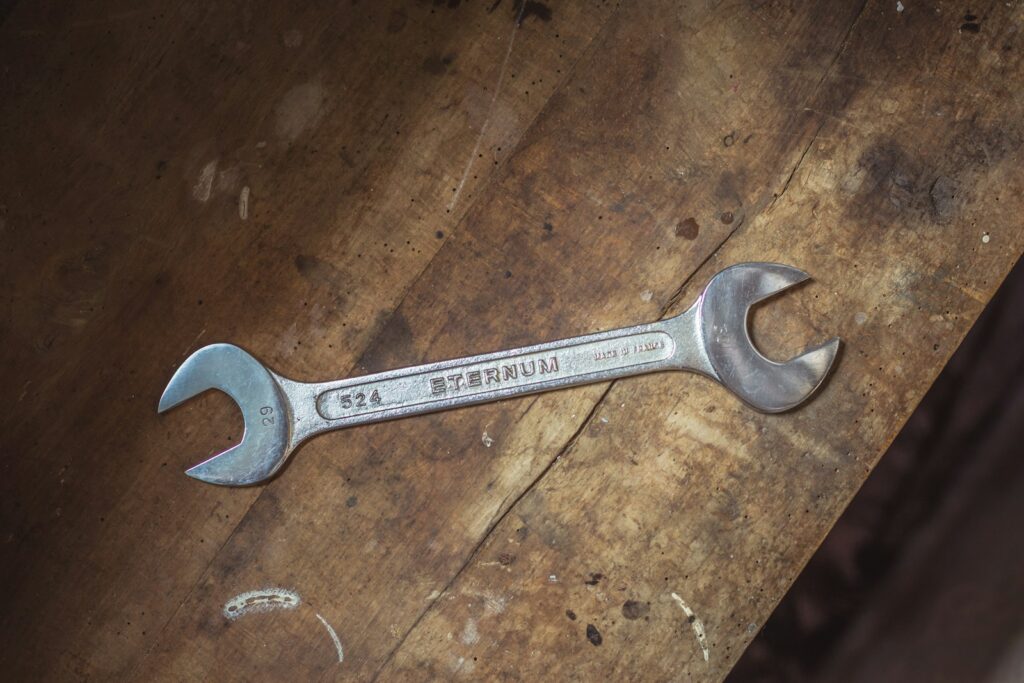
7. **Cheap Tools & Small Hand Tools You Rarely Use**It’s a classic trap: you need a specific tool for a one-off project, and the cheapest option at the home improvement store catches your eye. Geno Caccia, CEO of Caccia Plumbing, learned this lesson the hard way. “Budget tools might seem like a good deal, but I’ve had them break mid-project, causing me more frustration than savings.” This isn’t just about professional use; homeowners face the same headaches. Imagine a screwdriver snapping, or a wrench stripping in the middle of a crucial repair – pure agony!
Rinea Blanchard, founder and CEO of Superior Contract Cleaning, echoes this sentiment, specifically mentioning wet/dry vacuums that “tend to burn out quickly and clog frequently,” and universal electric testers under $10, which “can be dangerous if they give false readings.” When it comes to tools, especially those that involve safety or structural integrity, quality is paramount. A tool that fails isn’t just inconvenient; it can be dangerous or lead to more costly problems down the line.
The collective wisdom from experts like Caccia is clear: “It’s worth spending more upfront for tools that last, even if you don’t use them every day as most homeowners might not.” For those rare, one-time projects where you need a specialized item like a tile cutter or pipe wrench, consider renting tools (many home improvement stores offer this!) or borrowing from a neighbor. But for tools you’ll use regularly, invest in quality brands from specialty tool suppliers. Your sanity and your wallet will thank you.
Alright, so we’ve already uncovered some of the major pitfalls of shopping for certain items at your go-to home improvement store. But trust me, the journey to becoming a true DIY and home maintenance guru isn’t over yet! There are still some tricky categories lurking in those vast aisles, especially when it comes to crucial safety components, complex home systems, and even some decorative elements where quality truly matters more than convenience. Let’s dive back in and explore seven more items you should probably bypass to save yourself a future headache, a potential safety risk, or just a whole lot of wasted cash.
Read more about: The Braking Breakdown: 10 Vans Scored on Stopping Distance – Separating Fact from Fiction for Safer Commercial Driving
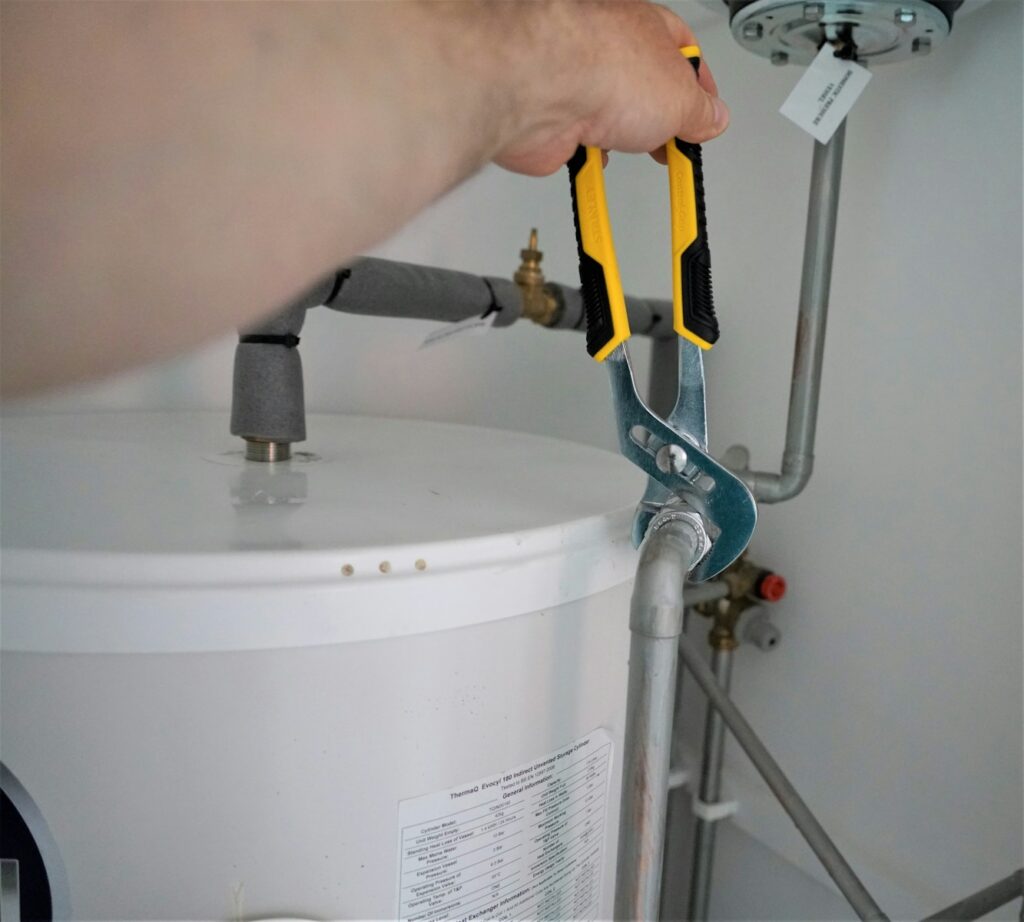
8. **Water Softener and Filter Systems**Walking into the home improvement store, you might spot an array of water softener and filter systems, all promising clearer, better-tasting water. It’s a tempting thought, especially if you’re dealing with hard water woes or concerns about what’s coming out of your tap. But here’s the thing: choosing the right system isn’t a simple grab-and-go decision; it’s actually pretty complex and requires a bit of detective work.
Docia Boylen, owner at Handyman Connection of Golden, perfectly articulates the core problem: “Without a proper analysis of your water, it’s really difficult to know what type of water filter and softener you need.” It’s not a one-size-fits-all situation, and getting it wrong can lead to bigger issues down the line. A poorly chosen or low-quality system isn’t just ineffective; it can actually cause damage to your existing plumbing or even your beloved appliances, turning a hopeful improvement into a costly repair.
So, what’s the savvy shopper’s move here? Boylen suggests enlisting the help of a service or retail store that specializes in water treatment. These experts are not only well-versed in system complexities but also familiar with common water issues specific to your local area. You could also find a local environmental or water testing company that offers products alongside their testing services, ensuring you get a system that’s truly tailored to your home’s unique needs and provides genuine, long-lasting benefits.

9. **Pesticides**When pests invade, it’s only natural to reach for the quickest solution on the shelf. Home improvement stores stock a wide variety of pesticides, promising to rid your garden or home of unwanted critters. However, this is one area where good intentions can seriously backfire, not just for your plants, but for the entire ecosystem and even your own health. It’s far more complicated than simply spraying and hoping for the best.
A significant concern is that many home gardeners don’t always follow the proper application instructions, or worse, they use the wrong pesticide for the specific task at hand. This kind of misapplication isn’t just wasteful; it can harm beneficial insects – those amazing little helpers like bees and ladybugs – and other wildlife crucial to a healthy environment. Beyond that, mishandling or misusing these chemicals can also pose very real risks to human health, especially for children and pets.
Instead of blindly grabbing the first bottle you see, it’s worth considering organic or non-toxic alternatives. These are often more readily available at local garden centers, where staff can offer expert guidance on their safe and effective use. Just remember, even “organic” sprays can still be deadly to beneficial insects, so always proceed with caution and research. The goal is to naturally cut down on pesticide use by embracing native plants and other eco-friendly practices, creating a balanced garden where nature does most of the heavy lifting.
Read more about: The Unseen Toll: Navigating the Complex Environmental Costs of Electric Vehicle Batteries
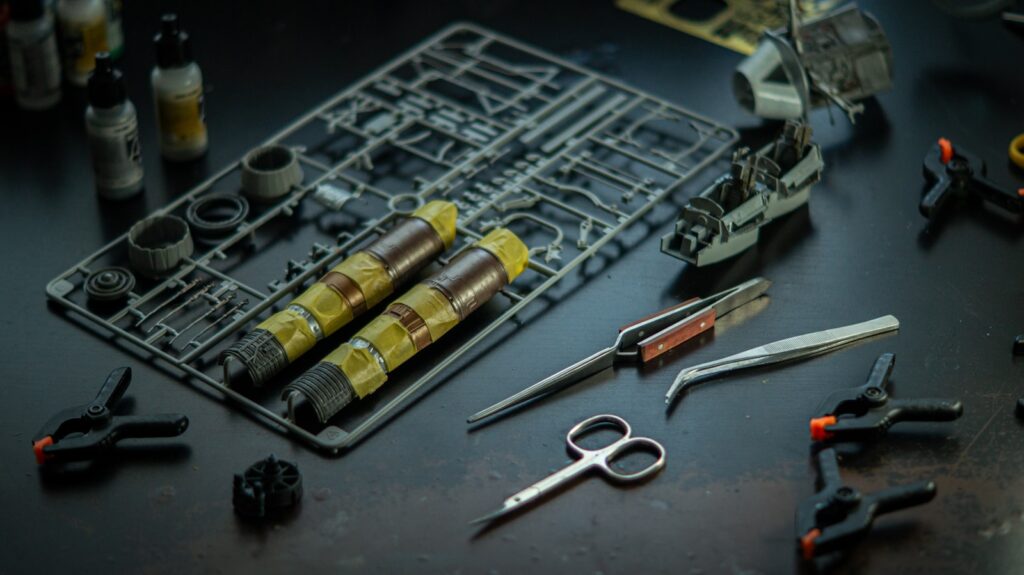
10. **Quick-Fix Products**We’ve all been there: staring at a DIY dilemma, wishing for a magic wand. That’s exactly why “quick-fix” products are so appealing. Those alluring promises of an instant solution for a leaky roof or a cracking foundation can be incredibly tempting when you’re short on time or budget. They shout convenience from the shelves of the home improvement store, but a little secret? Many of these so-called shortcuts are actually expensive detours to bigger problems.
Take “quick-fix” roof coating and sealants, for example. While they might seem to offer a temporary patch, Blanchard warns that they often “trap in moisture and can void your existing roof warranty.” That’s a double whammy: you’re not solving the problem, and you might be losing valuable protection. And as for foundation repair kits? Blanchard’s blunt advice is “Just, no,” adding, “They’re expensive snake oil that often makes the problem worse. Foundation repair is not a DIY job!!” This is one area where a temporary solution can create a permanent disaster.
The bottom line here is that genuine home repairs, especially those involving structural integrity or water ingress, rarely have a simple, cheap, and instant solution. These quick fixes might mask the problem for a short time, but they almost always fail to address the root cause, leading to recurring issues that are far more extensive and costly to fix down the line. For anything that touts a quick DIY fix over spending the time to fix something the proper way, it’s best to be highly skeptical and consider professional help.
Read more about: The $10 Tool That Could Save You $300+ on Tire Repairs: A Lifehacker’s Guide to DIY Flat Fixes
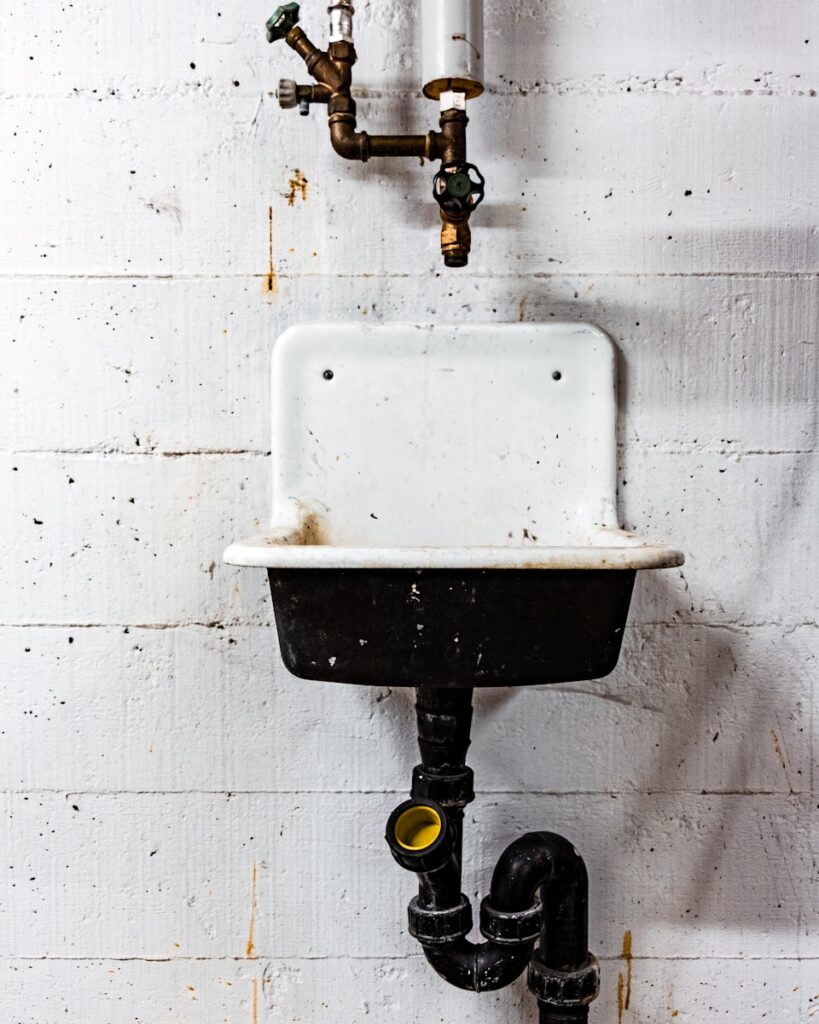
11. **Inexpensive Plumbing Fixtures**You’re upgrading your bathroom or kitchen, and a shiny new faucet or showerhead catches your eye. The price tag is unbelievably low compared to other options, and it seems like a fantastic deal, right? But when it comes to plumbing fixtures, that bargain basement price at the home improvement store often comes at a steep cost in terms of quality and longevity. This is one instance where saving a few bucks now can lead to a whole lot more expense and frustration later.
Geno Caccia, CEO of Caccia Plumbing, highlights the core issue: these inexpensive fixtures often use lower-quality materials, like plastic instead of durable brass. While they might look good on the shelf, they’re simply not built to withstand the rigors of daily use. Over time, these materials wear out quickly, leading to the dreaded drip, drip, drip of a leak. A small leak can quickly escalate, causing water damage that is far more costly to repair than the savings you initially enjoyed on the cheap fixture.
Instead of compromising on quality, Caccia strongly recommends buying plumbing fixtures from specialized plumbing supply stores. These retailers offer a much wider selection of options built for durability, featuring robust materials and superior craftsmanship. Plus, they often come with better warranties, giving you peace of mind. Investing a little more upfront in high-quality fixtures means fewer headaches, less water waste, and a longer-lasting, more reliable addition to your home.

12. **Products That Mitigate Danger**When it comes to the safety and structural integrity of your home, cutting corners is never a good idea. Home improvement stores might stock items like circuit breakers or mold removal kits, making it seem easy to pick up these crucial components while you’re shopping for other things. However, for products designed to mitigate danger, the expertise and quality assurance found at specialty stores are simply irreplaceable.
Caccia emphasizes that for crucial safety components like circuit breakers and other electrical parts, purchasing them from a specialized electrical supply house “ensures you’re getting high-quality, certified products.” He also points out a critical difference: “You also have expert professionals to answer your questions, and with no disrespect to home improvement employees, you are not always getting the true expert advice.” This specialized knowledge is vital when dealing with something as potentially dangerous as your home’s electrical system.
The same principle applies to serious mold problems. While big-box stores offer quick-fix mold removal products, Pete Duncanson, vice president of training and development at ServiceMaster Restore, warns that they “often provide a surface-level clean but fail to address the root cause, which can lead to recurring issues.” For genuine mold remediation, a professional restoration company is often the best, and safest, course of action. When your home’s safety is on the line, always prioritize certified products and expert guidance over convenience.
Read more about: The $10 Tool That Could Save You $300+ on Tire Repairs: A Lifehacker’s Guide to DIY Flat Fixes

13. **Fire Safety Devices**Fire safety is one of those non-negotiable aspects of homeownership, and it’s tempting to grab fire extinguishers or smoke/carbon monoxide detectors while you’re at the home improvement store. They’re right there, affordable, and check a box on your safety list. But like many safety-critical items, these often fall short of the comprehensive protection your home and family truly deserve when sourced from a general retailer.
Duncanson advises against buying fire extinguishers and cheap smoke alarms/carbon monoxide detectors from home improvement stores. The issue isn’t just about price; it’s about crucial features and specialized application. Detectors purchased from big-box retailers may lack advanced features like connectivity to other alarms, longer battery life, or multi-sensor capabilities that are vital for early detection and overall home safety, especially in larger or multi-story homes.
When it comes to fire extinguishers, the problem often lies in their general-purpose nature. Duncanson explains that “different types of extinguishers are designed for grease fires, electrical fires, or combustible materials, and the wrong one could make a fire worse.” Using a water-based extinguisher on an electrical fire, for example, can be incredibly dangerous. For these reasons, buying from specialized safety companies is a far smarter choice. They can guide you through purchases tailored to your home’s layout, appliances, and potential fire risks, and even train you on their effective use.
Read more about: The Rare-Earth Elements: Hidden Marvels That Transformed Modern Innovation

14. **Greenhouse Plastic**For avid gardeners or those looking to extend their growing season, greenhouse plastic is an essential material. You might spot rolls of thick, clear plastic at the home improvement store and think, “Aha! This will work perfectly for my DIY greenhouse!” However, what often appears to be suitable greenhouse plastic is generally just construction plastic, and there’s a crucial difference that can lead to major disappointment and wasted effort.
The problem with construction plastic is that it simply doesn’t contain the necessary UV inhibitors or stabilizers required for long-term outdoor exposure. Cummings clearly states that without these, it “will deteriorate in three to five months and turn into confetti.” Imagine putting all that effort into building a greenhouse, only for its covering to disintegrate in less than half a year. It’s a frustrating, false economy that leaves your plants exposed and your hard work undone.
Beyond durability, many construction plastics are also opaque, which means they don’t offer the optimal light transmission that greenhouse-specific plastic does. Proper light transmission is absolutely critical for plant growth, especially in a controlled greenhouse environment. Specialized greenhouse plastic is designed to allow the right spectrum and intensity of light to penetrate, fostering healthy plant development. So, while it might seem like a clever hack, using construction plastic for a greenhouse is a definite no-go; invest in the real deal from a reputable gardening supplier.
And there you have it! Our deep dive into the sometimes-tricky world of home improvement shopping has come to an end. It’s clear that while those big-box stores are incredibly convenient and a true goldmine for many projects, they’re not always the best bet for every single item on your list. From garden essentials to the intricate details of home safety and specialized systems, a little bit of knowledge and a willingness to explore alternatives can make all the difference.
Read more about: Your Car’s Hot Seat: 14 Everyday Essentials That Become Hazards in Summer Heat
By understanding when to seek out specialized retailers, local experts, or even just take a moment to research, you’ll not only save money and avoid headaches but also ensure your home projects are built to last. So, the next time you’re heading to the home improvement store, remember these insights. Your wallet, your home, and your peace of mind will definitely thank you for becoming a savvier, smarter shopper!