
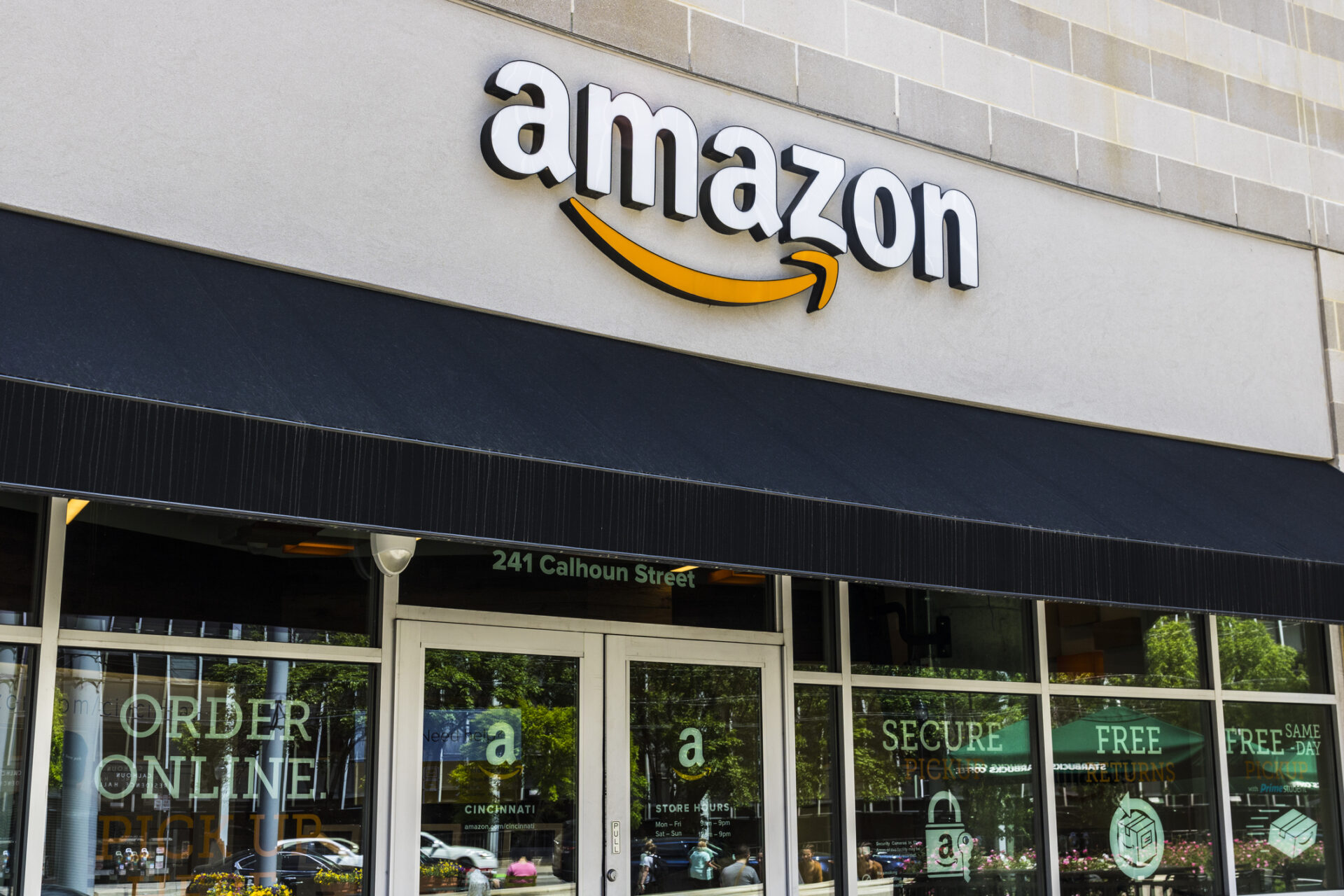
In a significant development that underscores the intensified scrutiny on online subscription practices, Amazon has reached a historic $2.5 billion settlement with the Federal Trade Commission (FTC). This monumental agreement aims to resolve allegations that the e-commerce giant employed deceptive tactics, often referred to as ‘dark patterns,’ to enroll consumers into its Prime membership program without clear consent and subsequently created substantial barriers to cancellation.
This settlement is not merely a financial penalty; it represents one of the largest FTC-related consumer refund programs in history, with $1.5 billion specifically earmarked for customer redress. It sends a clear message to companies about the imperative of transparent subscription practices and the regulatory commitment to protecting consumers from manipulative user interfaces designed to obscure commitments or complicate exits.
The detailed resolution, which includes a substantial civil penalty and mandated changes to Amazon’s enrollment and cancellation processes, offers a compelling case study into the evolving landscape of digital consumer protection. This first section will meticulously dissect the core allegations, the specific deceptive practices identified, and the strategic implications of this landmark legal action.

1. **The Landmark $2.5 Billion Settlement**Amazon’s agreement to a $2.5 billion deal resolving FTC claims marks a pivotal moment in consumer protection. This comprehensive settlement comprises two primary components: a $1 billion civil penalty and an additional $1.5 billion designated for customer refunds. This division highlights a dual objective of the FTC: to penalize past misconduct and to provide tangible restitution to affected consumers.
The $1 billion civil penalty stands as the largest ever in a case involving an FTC rule violation, signaling the gravity of the offenses and the FTC’s resolve. Beyond the punitive aspect, the $1.5 billion in consumer redress is projected to provide full relief for an estimated 35 million consumers impacted by unwanted Prime enrollment or deferred cancellation. This considerable sum positions the settlement’s restitution award as the second-highest ever obtained through an FTC action, emphasizing the widespread nature of the alleged deceptive practices.
FTC Chairman Andrew N. Ferguson lauded the settlement as “a record-breaking, monumental win for the millions of Americans who are tired of deceptive subscriptions that feel impossible to cancel.” The sheer scale of the financial commitment, coupled with the number of consumers expected to benefit, truly elevates this settlement to a landmark status, setting a new precedent for corporate accountability in the digital subscription economy.
Read more about: Microsoft’s Enduring Legacy: A Comprehensive Look at Four Decades of Innovation, Dominance, and Transformation

2. **FTC’s Core Allegations: ‘Trick and Trap’ Tactics**The heart of the FTC’s lawsuit against Amazon centered on claims that the company “tricked and trapped” users into Prime memberships. The Federal Trade Commission alleged that Amazon employed “manipulative, coercive, or deceptive user-interface designs” to achieve this, making it difficult for consumers to either understand their enrollment or subsequently cancel the service.
The original complaint, filed by the FTC in 2023, meticulously outlined a two-part problem. Firstly, Amazon Prime was allegedly designed to be so easy to join that customers were accidentally enrolled without realizing they were signing up for a recurring membership. This lack of clear, informed consent formed a significant pillar of the regulatory body’s argument.
Secondly, once enrolled, the process for canceling Amazon Prime was deemed unnecessarily confusing and complicated. These allegations collectively painted a picture of a system designed to maximize Prime membership numbers through covert enrollment and retention mechanisms, in direct violation of consumer protection statutes like the FTC Act and the Restore Online Shoppers’ Confidence Act (ROSCA).

3. **Understanding ‘Dark Patterns’ in Prime Enrollment**Central to the FTC’s case was the concept of “dark patterns”—manipulative website designs intended to mislead or trick customers into specific actions, such as signing up for subscriptions. The FTC specifically charged Amazon and several executives with knowingly misleading millions of consumers into enrolling in Prime by creating “confusing and deceptive user interfaces.”
These deceptive practices, according to the complaint, often involved pre-selecting Prime membership options during checkout or employing vague language that obscured the true nature of the commitment. Consumers might believe they were merely accepting a shipping benefit or a temporary trial, only to discover they had been enrolled in an automatically renewing, paid subscription.
Compounding these findings, internal Amazon documents discovered during the investigation revealed explicit awareness among Amazon executives and employees regarding these unlawful enrollment issues. Telling comments such as “subscription driving is a bit of a shady world” and descriptions of unwanted subscriptions as “an unspoken cancer” were cited, suggesting that the company was cognizant of the problematic nature of its practices but continued to deploy them to boost Prime membership figures.
Read more about: Federal Trial to Scrutinize Amazon Prime Practices: A Deep Dive into Allegations of Deceptive Enrollment and Difficult Cancellations

4. **The Challenge of Prime Cancellation**Beyond the initial enrollment, the FTC’s allegations extended to Amazon’s practices concerning the cancellation of Prime memberships. The regulatory body contended that Amazon intentionally created a complex and difficult process for consumers seeking to end their Prime subscriptions, with the explicit goal of impeding cancellations.
This involved an “unnecessarily complicated multi-step process,” according to the FTC complaint, characterized by repeated “save offers” that customers had to navigate through before they could finally terminate their Prime membership. These retention efforts were designed to be confusing, making it difficult for users to distinguish between genuine cancellation options and attempts to retain their subscription through alternative offers like “remind me later” or “pause membership.”
Such a convoluted cancellation pathway stood in stark contrast to the relative ease of enrollment, creating what the FTC described as significant barriers that prevented easy subscription cancellation. Amazon, in its motion to dismiss the case in 2023, denied these claims, asserting that its cancellation processes “comply with current law” and that members were given “multiple simple mechanisms to cancel.” However, the settlement terms clearly mandate a reversal of these complex practices.
Read more about: In the Boardroom: Decoding 15 Critical Control Mechanisms for Auto Executives in Joint Ventures and Venture Deals

5. **Specific Deceptive Enrollment Flows (Part 1): Universal Prime Decision Page**One of the four specific “challenged enrollment flows” identified by the FTC as deceptive was the “Universal Prime Decision page.” This particular sign-up page presented customers with options that, while seemingly straightforward, led to unwitting Prime enrollment.
The deceptive language often included buttons that read something like “Yes, I want free shipping” or “No thanks, I don’t want free shipping.” The crucial point of contention was that by clicking “Yes, I want free shipping,” consumers were not merely agreeing to free shipping on a single order but were, in fact, signing up for a full Amazon Prime membership, which includes recurring charges and auto-renewal.
This design exploited consumers’ desire for immediate benefits, such as free shipping, by conflating it with a long-term subscription commitment. The FTC argued that this formulation lacked the necessary clarity and conspicuousness required for informed consent, thereby tricking users into a service they did not explicitly intend to purchase.

6. **Specific Deceptive Enrollment Flows (Part 2): Shipping Option Select Page**Another highly problematic enrollment flow identified in the FTC’s lawsuit was the “Shipping Option Select page.” This page typically appeared during the checkout process, presenting various shipping speeds and associated prices to the customer.
The deceptive element here was the pre-selected default option, which frequently read something along the lines of “FREE Same-Day Delivery with a free trial of Amazon Prime.” By having this option pre-selected, customers who proceeded through checkout without actively changing this default selection would be automatically enrolled into Amazon Prime.
This tactic leveraged inertia and the common consumer behavior of quickly moving through checkout screens, especially when a “free” option is presented. The FTC contended that this default selection served as a powerful “dark pattern,” making Prime enrollment an opt-out process rather than a clear opt-in one, thereby enrolling customers without their clear, affirmative consent.

7. **Specific Deceptive Enrollment Flows (Part 3): Prime Video Enrollment & Single Page Checkout**The remaining “challenged enrollment flows” further illustrate Amazon’s alleged use of deceptive tactics. One was the “Prime Video enrollment flow,” where consumers attempting to sign up solely for a Prime Video subscription inadvertently found themselves enrolled in a full Amazon Prime membership. This often occurred if they clicked a general “Watch with Prime” button under a movie or show they wished to view, without a clear disclosure of the broader Prime commitment.
Another significant example was the “Single Page Checkout,” which shared similarities with the Universal Prime Decision page but was integrated directly into the checkout process. Buttons on this page frequently displayed ambiguous language such as “Fast FREE Delivery” or “Try Prime FREE for 30 Days.” Clicking these buttons, even if the customer did not ultimately complete the full checkout process, would still enroll them into a Prime membership.
This particular flow was noted for being especially insidious as it capitalized on the customer’s intent to finalize a purchase, embedding a subscription agreement within that transactional context. Notably, the Single Page Checkout enrollment flow was discontinued in 2022 following direct pressure and scrutiny from the FTC, demonstrating the agency’s proactive engagement in curbing these practices even prior to the final settlement.”
Navigating the complexities of this settlement, particularly for individual consumers, requires a clear understanding of the eligibility criteria, the mechanisms for receiving compensation, and the broader, systemic changes mandated for Amazon. This second section will serve as a comprehensive guide, meticulously detailing who qualifies for a payout, how much to expect, and the procedural steps to ensure affected customers receive their rightful restitution. Furthermore, it will analyze the long-term implications of this landmark agreement, signaling a significant shift in the landscape of online subscription services and consumer protection.

8. **Eligibility for Payouts: Who Qualifies**Understanding who is eligible for a payout from the $2.5 billion Amazon settlement is crucial for consumers seeking restitution. The settlement specifically targets U.S. consumers who enrolled in Amazon Prime through certain “challenged” flows between June 23, 2019, and June 23, 2025. This eligibility window ensures that the settlement addresses practices over a defined period, encompassing the alleged deceptive tactics identified by the FTC.
Crucially, eligibility extends to those who enrolled via specific methods, including checkout processes, Prime decision pages, Prime Video enrollment flows, or the single-page checkout. These are the “dark patterns” that the FTC highlighted as manipulative. Furthermore, individuals who attempted to cancel their Prime subscription online during the same period but failed to complete the process—or inadvertently clicked on a retention “save offer”—are also within the scope of eligibility, acknowledging the intentional complexities Amazon allegedly put in place to deter cancellations.
Amazon’s records of enrollment and cancellation flows, coupled with Prime benefit usage data, will be instrumental in determining individual eligibility. It is important to note that consumers outside the U.S. are not covered by this particular settlement fund. Additionally, individuals whose Prime activity substantially exceeded certain usage thresholds for automatic payment or claims may not qualify under the initial criteria, though subsequent payment rounds could broaden these thresholds if funds remain after the initial distribution.

9. **Expected Refund Amounts and Calculation**For eligible consumers, a key question revolves around the anticipated refund amount. The $1.5 billion customer fund is designated to provide restitution, with typical individual refunds expected to be approximately $51 per eligible person. This figure is derived from the total fund distributed among the estimated 35 million affected customers.
It’s important to recognize that this $51 is an average, and individual payouts are subject to pro rata adjustments. This means if the total validated claims exceed the available funds, the per-person amount may be adjusted downwards. Conversely, the settlement structure also allows for additional automatic payment rounds. If early payouts total less than $1 billion, the eligibility criteria may be expanded by gradually increasing the usage threshold, ensuring that at least $1 billion is distributed to a broader base of affected consumers.
The specific amount an individual receives will depend on several factors, including how much they were charged without consent, the duration of their unwanted Prime membership, documented attempts to cancel, and the level of harm experienced from the deceptive practices. For those in certain low-usage categories, full refunds for unauthorized Prime charges are anticipated, capped around the $51 mark, ensuring significant compensation for those most impacted.
Read more about: Unpacking the One, Big, Beautiful Bill: 8 Key Tax Deductions and Changes You Need to Know for 2025

10. **Receiving Your Compensation: Automatic Refunds vs. Claims**Navigating the payout process involves two primary mechanisms: automatic refunds for some consumers and a claims process for others. The goal is to simplify restitution for a significant portion of affected individuals while providing a clear pathway for others to secure their compensation.
Certain customers are slated to receive automatic refunds, requiring no action on their part. This group typically includes those who enrolled via a “challenged flow” and subsequently used a limited number of Prime benefits—specifically, three or fewer benefits during any 12-month period after enrollment. These automatic payments, capped around $51, will be disbursed for membership fees paid, following the final court approval of the settlement.
For other eligible individuals, a claims process will be initiated. This applies to consumers with slightly higher usage (between three and ten benefits during any 12-month period) or those who unsuccessfully attempted to cancel their membership. These individuals will be prompted by email, mail, or through a dedicated settlement website to submit a claim within a specified window. It is crucial for these consumers to monitor official communications and respond promptly to ensure their eligibility is validated.
The settlement administrator, an independent third party, will manage these notifications and the processing of claims. Payments are anticipated to follow final court approval, with specific timelines detailed in the official notices and on the settlement website. Consumers should remain vigilant for these official communications to avoid potential scams.

11. **Navigating the Payout Timeline and Next Steps**The timeline for receiving settlement funds involves several distinct phases, underscoring the structured approach to this restitution program. Consumers should anticipate specific windows for notification and payment, all contingent on the final approval of the court.
After the court order is finalized, Amazon is required to send automatic payments to all eligible individuals within 90 days. This initial round targets those identified as having low Prime benefit usage following a deceptive enrollment. For those awaiting a claim form, Amazon must dispatch these forms within 30 days of completing the automatic payments, establishing a clear sequence for the distribution process.
Once a claim form is received, eligible consumers will have a 180-day window to complete and submit it to Amazon. Following submission, Amazon is mandated to review the claim and determine refund eligibility and amount within 30 days. This structured approach aims to ensure a timely and organized processing of individual claims, although the sheer volume of anticipated claims may introduce some variability.
If the $1.5 billion consumer fund is depleted before all eligible claims are paid, additional claimants will receive payments on a pro-rated basis, prioritized by the number of benefits used—fewer benefits generally indicate higher priority. Conversely, if less than $1 billion is paid out after all eligible claims are processed, Amazon must make additional payments, again pro-rated, until that $1 billion mark is reached. This mechanism ensures the substantial fund is effectively distributed. Consumers should closely monitor official notices and be prepared to take action or simply wait, depending on their eligibility group.
Read more about: The Unexpected Urban Conundrum: Why Owning a Car in the City Can Become a Significant Liability

12. **Mandated Changes to Amazon’s Practices**Beyond the substantial financial penalties and consumer refunds, a pivotal aspect of this settlement involves the mandated systemic changes to Amazon’s Prime enrollment and cancellation processes. These changes are designed to prevent future deceptive practices and ensure greater transparency and consumer control.
One fundamental requirement is the inclusion of a clear and conspicuous button for customers to decline Prime during any enrollment flow. Amazon can no longer use ambiguous phrasing like “No, I don’t want Free Shipping” to obscure the true nature of declining a full Prime membership. This ensures that the option to opt out is as straightforward and visible as the option to enroll, promoting true informed consent.
Furthermore, Amazon is now obligated to include clear and conspicuous disclosures regarding all material terms of Prime during the enrollment process. This encompasses vital information such as the exact cost, the date and frequency of charges, whether the subscription auto-renews, and explicit cancellation procedures. These disclosures are intended to eliminate ambiguity and ensure consumers are fully aware of the commitment they are making.
Crucially, the settlement mandates the creation of an easy way for consumers to cancel Prime, using the same method that they used to sign up. The cancellation process must not be difficult, costly, or time-consuming, effectively dismantling the “unnecessarily complicated multi-step process” that was a core part of the FTC’s allegations. An independent, third-party supervisor will also monitor Amazon’s compliance with the consumer redress distribution process and the implementation of these new practices, adding an essential layer of oversight.
Read more about: Federal Trial to Scrutinize Amazon Prime Practices: A Deep Dive into Allegations of Deceptive Enrollment and Difficult Cancellations

13. **Broader Implications for Online Subscription Models**The Amazon settlement transcends its immediate financial and operational impacts, sending a resounding message across the entire digital economy, particularly to companies operating online subscription models. This landmark agreement fundamentally reshapes the regulatory landscape, underscoring an intensified scrutiny of “dark patterns” and manipulative user interfaces.
This resolution signals that regulatory bodies are not only vigilant but also empowered to impose significant penalties for practices that undermine consumer autonomy and informed consent. For other companies, this serves as a potent deterrent, urging them to proactively review and simplify their subscription enrollment and cancellation flows. The message is clear: deceptive design elements designed to “trick and trap” users will no longer be tolerated, and the cost of non-compliance can be substantial.
The settlement also empowers consumers by setting a new precedent for their rights in the digital marketplace. It reinforces the expectation that signing up for a service should be as straightforward as canceling it, fostering an environment of trust and transparency. This shift is likely to encourage greater corporate accountability, prompting businesses to prioritize user experience and ethical design over short-term subscription growth metrics. It represents a significant step towards creating a fairer online environment, where consent is truly informed and digital exits are genuinely accessible.
Read more about: Is the Theaters vs. Streaming War Over? Unpacking the One Trend That Tells the Whole Story

14. **Staying Informed and Avoiding Scams**Given the magnitude of this settlement and the significant number of consumers affected, it is paramount for individuals to stay informed through official channels and remain vigilant against potential scams. Unfortunately, major settlements often attract opportunistic fraudsters seeking to exploit public interest.
Consumers should prioritize official FTC announcements and communications directly from Amazon or the court-appointed settlement administrator. Bookmark official links, such as the FTC’s press release, and regularly check for updates on the official settlement website once it launches. Updating your contact information in your Amazon account is also a wise immediate step, ensuring you receive any direct notifications.
Be acutely aware of red flags that indicate a scam. These include fake claim websites that demand personal information upfront, phishing emails requesting immediate action or verification of sensitive details, or phone calls claiming to process your settlement. Legitimate settlement processes will never ask for upfront fees to “guarantee” your payout. All official processes will be free, transparent, and communicated through verified channels. If in doubt, cross-reference any communication with information on the official FTC website or consult official legal resources.
Read more about: 15 Crucial Reasons Why You Should Think Twice Before Buying a Used Car from a Dealership
This historic settlement marks a turning point for digital consumer protection, setting a clear standard for transparency and ease in online subscription services. For millions of Americans, it promises tangible restitution and a renewed commitment to ethical design from one of the world’s largest retailers. By staying informed and following the outlined steps, eligible consumers can ensure they receive their rightful compensation, contributing to a broader movement towards a more trustworthy digital commerce landscape. The era of veiled commitments and arduous exits is steadily giving way to an imperative for clarity and consumer respect, a monumental shift championed by this landmark agreement.