In the world of off-roading, the Jeep stands as an undisputed icon, a blank canvas for enthusiasts eager to push boundaries and explore the untamed. From the rugged trails of Baja Mexico to the expansive terrains of Texas oil fields, a custom Jeep is more than just a vehicle; it’s a testament to adventure, engineering, and personal expression. Yet, amidst the roar of powerful engines and the gleam of beadlock wheels, there’s an unspoken code, a set of expectations held by seasoned off-road purists who recognize true capability when they see it.
The allure of transforming a factory Jeep into a formidable off-road beast is undeniable. Whether it’s a new JL Wrangler, a versatile Gladiator, or a classic JK, the aftermarket abounds with parts and accessories designed to personalize and dramatically improve performance. While every modification adds a layer of individuality, certain upgrades transcend mere aesthetics, becoming foundational pillars of a truly capable and respected off-road rig. These are the modifications that signal not just a willingness to spend, but a deep understanding of what it takes to conquer the toughest trails.
For those looking to venture beyond the pavement, or even just to enhance their existing off-road experience, understanding these critical upgrades is paramount. This article delves into the modifications that off-road purists secretly evaluate, the enhancements that equip your Jeep for serious adventures, and ultimately, the components that build an off-road vehicle worthy of admiration in any company. We’ll explore the first five essential modifications that are often the hallmark of a well-prepared and thoughtfully built off-road machine, setting the stage for unmatched capability and reliability on any expedition.
1. **Jeep Winch**
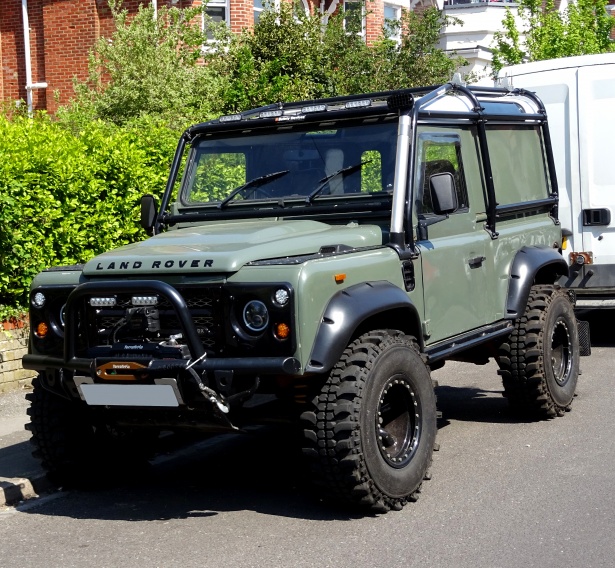
No serious off-road build is complete without a robust winch mounted on the front bumper. This isn’t merely an accessory; it’s an indispensable piece of recovery gear, a self-preservation tool that ensures you and your fellow adventurers can navigate challenging situations with confidence. Investing in a quality winch not only helps your Jeep buddies extract their vehicles when stuck but, more importantly, provides the crucial ability to pull yourself out when you’re alone or far from assistance, transforming a potentially disastrous predicament into a manageable challenge.
The market offers a diverse array of winches from various manufacturers, catering to a wide spectrum of budgets and performance needs. Whether you’re looking for a budget-friendly option or a top-tier recovery system, there’s a winch designed to meet your specific requirements. The choice often comes down to balancing cost with critical features such as pulling capacity and rope material. For instance, the Badland 12,000 lb Winch is often highlighted as a budget-friendly and widely utilized option, demonstrating that effective recovery doesn’t always necessitate the highest price tag.
When selecting a winch, prioritizing durability and functionality is key. We highly recommend investing in a Jeep winch equipped with either a steel or nylon rope, as these heavy-duty materials are engineered for longevity and reliable performance under strenuous conditions. Such ropes are designed to withstand the immense forces involved in recovery operations, ensuring you can extricate your Jeep without premature rope failure. Furthermore, an electric-powered winch that can be operated efficiently by a single individual significantly enhances ease of use and safety during solo expeditions or complex recovery scenarios.
Beyond its critical functional role, a well-chosen winch also contributes significantly to the visual presence of an off-road Jeep. A properly installed winch, particularly one that integrates seamlessly with an aftermarket bumper, immediately conveys a sense of preparedness and rugged capability. It’s an unmistakable sign to off-road purists that this vehicle is built for real adventure, adding a “badass” aesthetic that complements the inherent toughness of the Jeep itself. To prolong the life and maintain the performance of this vital equipment, considering a winch cover to shield it from dust, water, and harsh weather conditions is a prudent additional step.
Read more about: Beyond the Call: A Tow Truck Driver’s Guide to Dominating Sand and Snow Without Outside Help

2. **Jeep Off-Road Tires**
The foundation of any off-road vehicle’s performance lies in its tires. Upgrading your Jeep’s tires is perhaps one of the most impactful modifications you can undertake, directly influencing traction, handling, and overall capability across diverse terrains. Depending on your preferred off-road activities—be it mudding, snow exploration, extreme rock crawling, or general trail use—there’s a specialized tire type engineered to excel in those specific conditions, transforming how your Jeep interacts with the ground beneath it.
The selection process for off-road tires should be meticulously guided by the intensity of your off-roading adventures and the specific characteristics of the trails you frequent. Enthusiasts might choose aggressive mud-terrain tires for deep, soupy conditions, while those tackling technical rock crawling demand tires with robust sidewalls and exceptional grip. All-season or all-terrain tires, conversely, offer a versatile compromise for mixed-use Jeeps, balancing off-road prowess with on-road manners. Understanding your typical environment is crucial for making an informed decision that truly elevates your Jeep’s performance.
Key features to scrutinize when upgrading your Jeep tires include the tire size and, critically, the tread patterns. Larger tire sizes are often necessary to clear obstacles and improve ground clearance, while the design of the tread pattern directly dictates the tire’s ability to bite into loose surfaces, expel mud, or conform to rock formations. Aggressive, open-block tread designs are engineered to maximize traction in challenging environments, effectively digging your Jeep out of compromised situations and maintaining forward momentum where standard tires would simply spin.
For Jeep owners who use their vehicles as daily drivers in addition to weekend trail machines, the choice of tires becomes a balanced decision. While dedicated mud tires and rock crawling tires offer unparalleled performance in their respective niches, they are notoriously noisy on pavement and tend to be less fuel-efficient due to their aggressive rolling resistance. In such cases, high-quality all-terrain tires often present the optimal compromise, providing significantly improved off-road capability over stock tires without completely sacrificing on-road comfort and economy. This balanced perspective is one that purists appreciate, recognizing the practicalities of a versatile build.
Read more about: Reimagining Automotive Icons: The California Innovators Electrifying Classic Muscle Cars for a Sustainable Future

3. **Jeep Spare Tire**
The necessity of a reliable spare tire for any off-road excursion cannot be overstated; it is a fundamental safety and recovery item that no Jeeper should overlook. Given the harsh and unpredictable nature of off-road trails, tire punctures are an almost inevitable occurrence, with sharp rocks, abrasive terrain, and unexpected debris posing constant threats to your rubber. Investing in a full-sized spare tire for your Jeep is not just a recommendation but an essential practice, ensuring you have a capable replacement readily available when the unexpected happens.
Maintaining your spare tire is just as crucial as having one. We highly recommend incorporating your full-sized spare into your regular tire rotation schedule. This practice ensures that the spare tire wears evenly with the other four tires, preventing significant differences in tread depth or diameter that could negatively impact your Jeep’s handling and drivetrain, especially if you have a full-time 4WD system. A well-maintained spare is a ready spare, capable of performing just as reliably as the tires currently in use, offering true peace of mind on remote trails.
The reasons for carrying a spare are straightforward and plentiful. Rocks, sharp branches, and various other elements commonly found off-road can easily compromise a tire, leaving you stranded. In such situations, a full-sized spare is your immediate solution, allowing you to quickly get back on track and continue your adventure. Conversely, we strongly advise against relying on a compact “donut” spare tire for off-roading. The demands of uneven terrain necessitate that all wheels on your Jeep are of the same size and type to ensure maximum traction, maintain optimal handling characteristics, and prevent undue stress on your differentials and axles.
Beyond the spare tire itself, equipping your Jeep with the necessary tools for a swift and efficient tire change is equally important. This includes investing in a robust air compressor to adjust tire pressures or reinflate a repaired tire, along with a comprehensive set of spanners for lug nuts and, critically, a High lift Jack. A high-lift jack is an indispensable tool for off-roaders, capable of lifting a heavily modified Jeep high enough to change a tire on uneven ground, a task often impossible with standard factory jacks. These ancillary tools complete your tire management strategy, making you truly self-sufficient on the trail.
Read more about: Reimagining Automotive Icons: The California Innovators Electrifying Classic Muscle Cars for a Sustainable Future

4. **Jeep Tow Points**
Integral to any effective off-road recovery strategy, tow points are a non-negotiable modification for a properly equipped Jeep. These robust attachment points, typically integrated into the front and rear bumpers, are designed to withstand significant pulling forces, making them essential for both self-recovery and assisting other vehicles. Depending on your budget and anticipated usage, you can opt for two tow points at the front of your off-road Jeep and a corresponding pair at the rear. For those on a tighter budget, even a single strategically placed tow point, either front or rear, marks a significant improvement in trail readiness and safety.
The primary function of tow points extends beyond simply looking rugged; they are crucial for a variety of recovery scenarios and utility tasks. Whether you’re pulling your own Jeep out of a mud hole, assisting a fellow Jeeper who’s become stuck, or even towing a trailer to your favorite campsite, properly installed tow points provide the secure connection needed for these operations. They ensure that recovery forces are applied to the strongest parts of your vehicle’s frame, minimizing the risk of damage during high-stress situations and preserving the integrity of your Jeep’s structure.
When selecting tow points, the variety of types and designs available can seem overwhelming, but certain characteristics stand out for their strength and reliability. We recommend opting for loop-style tow points that are forged, as forging produces a stronger and more durable component capable of handling extreme loads. Moreover, many high-quality aftermarket bumpers now include tow points that are designed to be directly in line with the frame of your Jeep. This direct connection maximizes stability and strength, ensuring that the pulling forces are transferred efficiently to the vehicle’s structural backbone, providing the ultimate in recovery security.
The thoughtful placement and robust construction of tow points are tell-tale signs of an experienced off-roader who understands the real demands of the trail. Off-road purists recognize that while a winch is a powerful tool, it requires a secure anchor point to operate effectively. Similarly, being able to safely receive a pull from another vehicle or secure your Jeep for transport relies entirely on these critical attachment points. Equipping your Jeep with well-engineered tow points demonstrates a commitment to safe and responsible off-roading, earning respect from those who prioritize functionality and safety over mere aesthetics.
Read more about: Beyond the Chrome: Unveiling 12 Critical Factors That Could Render Your Vehicle Uninsurable in the Next Five Years

5. **Jeep Recovery Straps**
Even with the most robust tow points and a powerful winch, your recovery arsenal is incomplete without a set of high-quality recovery straps. These are the crucial links that connect your vehicle to a tow point, another vehicle, or an anchor, making them indispensable whether you have fixed tow points installed or are relying on a robust bumper. Recovery straps come in various forms, each designed for specific applications, and choosing the right type can significantly impact the safety and effectiveness of a recovery operation.
Among the various options available in the market, kinetic recovery ropes stand out as a superior choice for off-road use. Unlike traditional static tow ropes, kinetic ropes possess an inherent ability to stretch up to 30% of their length without snapping. This elastic property is vital; it allows the rope to absorb kinetic energy during a recovery pull, creating a smoother, more controlled extraction. This smooth action significantly reduces the jarring shock loads that can otherwise damage your Jeep’s drivetrain, chassis, or recovery points, making the recovery process safer for both vehicles involved and their occupants.
Many Jeepers historically used traditional nylon ropes, which are certainly adequate for on-road recovery or lighter duty tasks. However, when faced with the extreme forces and uneven terrain typical of off-road environments, kinetic ropes are overwhelmingly preferred by experienced enthusiasts and purists alike. The controlled elasticity of kinetic ropes makes them far more effective for dynamic “yank” tows, where a quick, powerful pull is needed to free a deeply stuck vehicle. We strongly advise against using static nylon ropes for such yank tows, as their lack of stretch can generate dangerous shock loads, leading to snapped ropes, damaged vehicles, or even serious injury.
The versatility of recovery ropes extends beyond vehicle-to-vehicle extraction. They are incredibly useful for clearing trails, allowing you to pull fallen logs or other obstacles that block your path. When you find yourself deeply stuck, a well-placed recovery rope, securely attached to your tow points or a sturdy part of your bumper, can provide the necessary leverage to get your Jeep moving again. This adaptability, combined with the safety benefits of kinetic energy absorption, solidifies recovery straps, especially kinetic ones, as a fundamental component of any truly prepared off-road recovery kit, reflecting a deep understanding of trail preparedness.
Continuing our exploration into the modifications that truly define an off-road purist’s Jeep, we shift our focus to enhancements that amplify visibility, structural integrity, and logistical preparedness. These next five upgrades are not mere accessories; they are fundamental components that contribute significantly to a Jeep’s ultimate performance, protection, and capability, ensuring it’s ready for any challenge the trail throws its way. A truly well-built rig integrates these elements seamlessly, reflecting a deep understanding of off-road dynamics and responsible adventuring.
Read more about: Beyond the Call: A Tow Truck Driver’s Guide to Dominating Sand and Snow Without Outside Help

6. **Jeep Auxiliary Lights**
Illuminating the path ahead when venturing off the beaten path is paramount, and this is where Jeep auxiliary lights become an indispensable modification. Far beyond mere aesthetics, these additions are crucial for visibility during challenging night drives or extended overlanding expeditions. Whether opting for a powerful light bar, broad floodlights, or focused cube lights, this upgrade offers a significant enhancement to safety and capability. It’s a “cheap upgrade” that fundamentally transforms your nighttime off-road experience.
When selecting auxiliary lights, the informed purist gravitates towards LED technology, renowned for its superior energy efficiency. This is a critical consideration to avoid draining the vehicle’s battery, especially when operating multiple accessories in remote locations. Key factors in the decision-making process include the lumen count, which directly correlates to brightness, and the available mounting options to ensure secure and optimal placement on the Jeep. The ability to customize light output and spread is essential for different trail conditions and visibility needs.
Standard factory headlights, while adequate for paved roads, often prove insufficient for the unpredictable and intensely dark environments encountered off-road. Auxiliary lights provide the necessary illumination to spot obstacles, navigate treacherous terrain, and react swiftly to changing conditions. Upgrading your Jeep’s lighting system, perhaps even complementing auxiliary lights with a more powerful main headlight setup, dramatically enhances your field of vision, making daunting night trails manageable and safer for all occupants. This commitment to superior visibility is a hallmark of a truly prepared off-road rig.
Read more about: The Million-Dollar Memories: Unveiling 15 Legendary Movie Props That Sold for Unbelievable Fortunes

7. **Jeep Suspension or Body Lift Kits**
While every new Jeep arrives with a factory-installed lift, serious off-road enthusiasts invariably recognize the need to upgrade their suspension or body lift kits. This modification is not merely about achieving a commanding stance; it’s a critical enhancement designed to fundamentally improve handling characteristics and overall off-roading performance. The choice between a body lift—raising the body from the frame—and a suspension lift—modifying the entire suspension system—depends on specific performance goals and the desired outcome.
The primary drivers for investing in an aftermarket lift kit are multifold. Crucially, a well-engineered lift system accommodates significantly larger tires, which are indispensable for superior traction and obstacle clearance on challenging trails. Furthermore, an upgraded suspension directly contributes to enhanced articulation, allowing the wheels to maintain contact with uneven terrain more effectively, thus boosting off-road traction. This translates to a more controlled and capable vehicle, improving the handling of your Jeep in demanding situations.
Beyond tire clearance and articulation, a high-quality suspension kit offers tangible benefits in ride quality, a factor often overlooked but deeply appreciated by both driver and passengers during long expeditions. Moreover, the increased ground clearance provided by a lift kit is paramount, serving as a crucial defense mechanism. It actively “prevent[s] your Jeep undercarriage from being damaged by large obstacles when off-roading,” mitigating the risk of expensive repairs and ensuring the longevity of critical components beneath the vehicle.
For those pushing the boundaries of off-road capability, advanced options such as air suspension systems present an unparalleled level of versatility. This sophisticated technology allows for dynamic adjustment of the Jeep’s ride height, enabling the driver to lower the vehicle for improved aerodynamics and “gas mileage on the highway” or raise it significantly for maximum clearance when confronting formidable obstacles on the trail. This adaptability provides “more control when clearing obstacles,” a feature highly valued by purists seeking ultimate performance and precision in diverse environments.
Read more about: Why We Still Adore Them: A Deep Dive into the Most Gloriously Awkward ’80s Cars That Were So Ugly, They Became Icons
8. **Jeep Skid Plate**
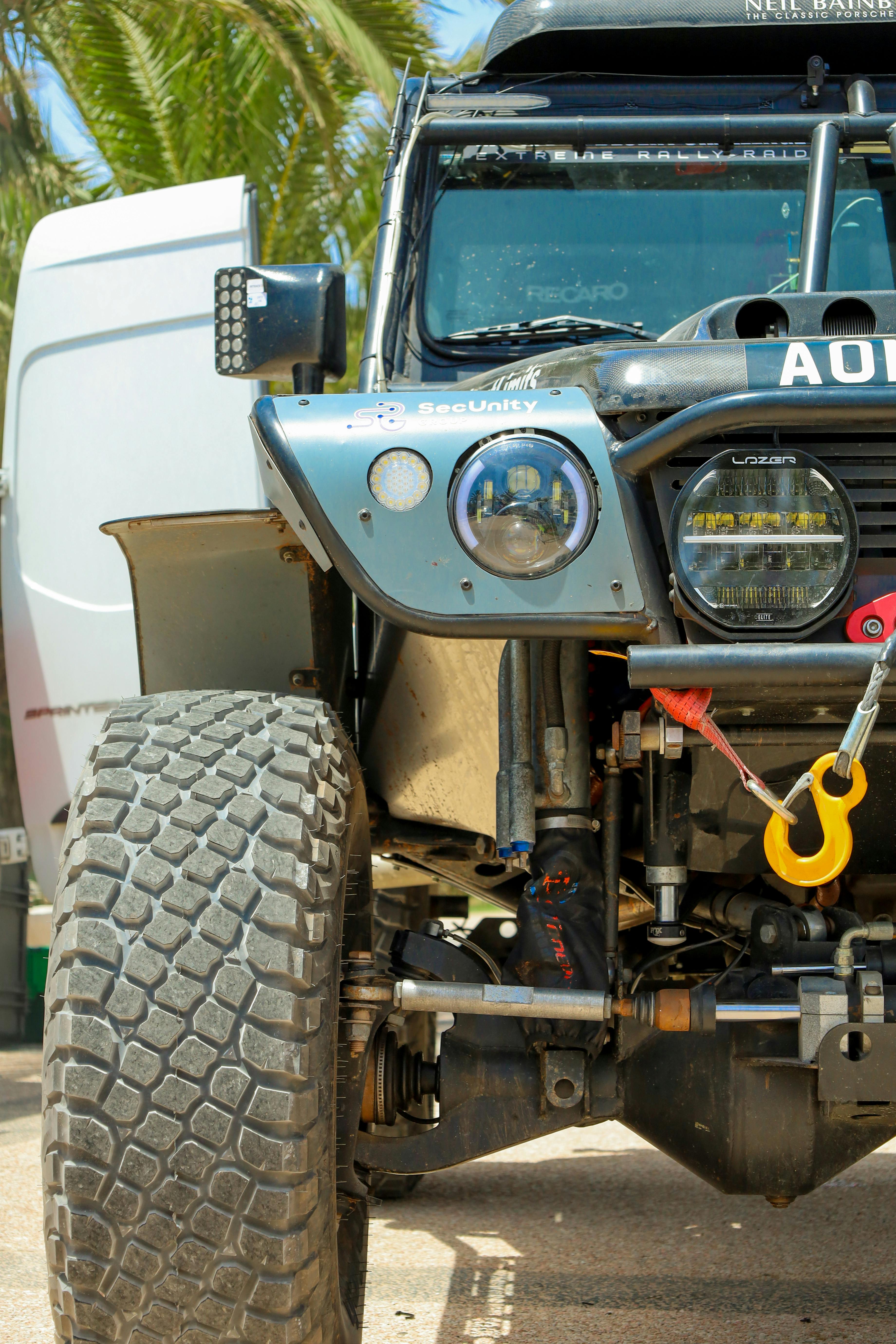
The undercarriage of a Jeep, despite its inherent ruggedness, houses several vital and vulnerable components that are constantly exposed to the unforgiving realities of off-road trails. The transmission, engine, and radiator, for instance, are particularly susceptible to damage from rocks, logs, and other debris. Recognizing this inherent vulnerability, off-road purists understand that a strategic layer of protection is not just an option, but an absolute necessity for safeguarding their investment and ensuring uninterrupted adventure.
This essential “layer of protection” comes in the form of a Jeep skid plate. Installing these robust shields is a proactive measure that “will protect your undercarriage and prevent expensive repairs and damages.” More than just a physical barrier, a comprehensive skid plate system instills “confidence when off-roading,” allowing drivers to tackle challenging terrain without constant apprehension about costly impacts. It acts as a resilient buffer, absorbing blows that would otherwise inflict severe harm on the vehicle’s critical mechanical systems.
What discerning off-roaders truly appreciate is that the utility of a skid plate transcends mere ground clearance. “It doesn’t matter whether you have a lift kit installed or not,” the context clearly states, because even with elevated suspension, some “elements are tall enough, especially on rough terrain, and can find their way to Jeeps parts on the undercarriage.” Therefore, a well-designed skid plate system provides comprehensive coverage, ensuring that vital components remain shielded from unexpected impacts, regardless of the vehicle’s ride height, solidifying its status as a fundamental protective modification.
Car Model Information: 2024 Jeep Compass Trailhawk
Name: Willys MB , Ford GPW , Truck, 1⁄4nbhton, 4×4, command reconnaissance
Origin: United States
Type: 1/4 ton 4×4 utility truck
IsVehicle: true
Service: 1941–2000
UsedBy: allies of World War II
Wars: World War II,Korean War,List of wars: 1945–1989
Designer: Harold Crist
DesignDate: 1940 through early 1942
Manufacturer: Willys,Ford Motor Company
ProductionDate: 1941–1945
Number: WWII total: More than 647,925 *,,including early production units,Willys MB: Over 359,489 *,Ford GPW: Over 277,896 *,Auburn Automobile#Corporate history
Variants: Ford GPA
SpecLabel: MB and GPW same
Weight: convert
Length: 132 in
Abbr: refn
Width: 62 in
Height: 52 in
Crew: 3 to 4
PrimaryArmament: Designed to mount .30 or .50 caliber machine guns swiveling on a post between front seatbacks
Engine: 134 cuin
EnginePower: 60 hp
PwRatio: 49 hp
Transmission: 3-speed × 2-range transfer case
Suspension: Beam axle#Live axle vs Dead axle
Clearance: convert
PayloadCapacity: 1200 lb
FuelCapacity: 15 USgal
VehicleRange: 300 mi
Speed: 65 mph
Categories: All articles needing additional references, All articles with failed verification, All articles with unsourced statements, Articles needing additional references from September 2021, Articles with failed verification from September 2021
Summary: The Willys MB ( Willis) and the Ford GPW, both formally called the U.S. Army truck, 1⁄4‑ton, 4×4, command reconnaissance, commonly known as the Willys Jeep, Jeep, or jeep, and sometimes referred to by its Standard Army vehicle supply number G-503, were highly successful American off-road capable, light military utility vehicles. Well over 600,000 were built to a single standardized design, for the United States and the Allied forces in World War II, from 1941 until 1945. This also made it (by its light weight) the world’s first mass-produced four-wheel-drive car, built in six-figure numbers.
The 1⁄4-ton jeep became the primary light, wheeled, multi-role vehicle of the United States military and its allies. With some 640,000 units built, the 1⁄4‑ton jeeps constituted a quarter of the total military support motor vehicles that the U.S. produced during the war, and almost two-thirds of the 988,000 light 4WD vehicles produced, when counted together with the Dodge WC series. Large numbers of jeeps were provided to U.S. allies, including the Soviet Union at the time. Aside from large amounts of 11⁄2- and 21⁄2‑ton trucks, and 25,000 3⁄4‑ton Dodges, some 50,000 1⁄4‑ton jeeps were shipped to help Russia during WWII, against Nazi Germany’s total production of just over 50,000 Kübelwagens, the jeep’s primary counterpart.
Historian Charles K. Hyde wrote: “In many respects, the jeep became the iconic vehicle of World War II, with an almost mythological reputation of toughness, durability, and versatility.” It became the workhorse of the American military, replacing horses, other draft animals, and motorcycles in every role, from messaging and cavalry units to supply trains. In addition, improvised field modifications made the jeep capable of just about any other function soldiers could think of. Military jeeps were adopted by countries all over the world, so much so that they became the most widely used and recognizable military vehicle in history.
Dwight D. Eisenhower, the Supreme Commander of the Allied Expeditionary Force in Europe in World War II, wrote in his memoirs that most senior officers regarded it as one of the five pieces of equipment most vital to success in Africa and Europe. General George Marshall, Chief of Staff of the US Army during the war, called the vehicle “America’s greatest contribution to modern warfare.” In 1991, the MB Jeep was designated an “International Historic Mechanical Engineering Landmark” by the American Society of Mechanical Engineers.
After WWII, the original jeep continued to serve, in the Korean War and other conflicts, until it was updated in the form of the M38 Willys MC and M38A1 Willys MD (in 1949 and 1952 respectively), and received a complete redesign by Ford in the form of the 1960-introduced M151 jeep. Its influence, however, was much greater than that—manufacturers worldwide began building jeeps and similar designs, either under license or not—at first primarily for military purposes, but later also for the civilian market. Willys turned the MB into the civilian Jeep CJ-2A in 1945, making the world’s first mass-produced civilian four-wheel drive. The “Jeep” name was trademarked and grew into a successful and highly valued brand.
The success of the jeep inspired both an entire category of recreational 4WDs and SUVs, making “four-wheel drive” a household term, and numerous incarnations of military light utility vehicles. In 2010, the American Enterprise Institute called the jeep “one of the most influential designs in automotive history.” Its “sardine tin on wheels” silhouette and slotted grille made it instantly recognizable, and it has evolved into the currently produced Jeep Wrangler still largely resembling the original jeep design.
Get more information about: Willys MB
Buying a high-performing used car >>>
Brand: Jeep Model: Jeep
Price: $26,990 Mileage: 29,270 mi.
Read more about: Unveiling the Unseen: Why a Pristine 1979 Ford Bronco Ranger XLT Represents Peak Collectibility

9. **Jeep Roof Rack**
For the dedicated off-roader and overland enthusiast, maximizing storage capacity without compromising interior space is a constant challenge. This is precisely where a high-quality Jeep roof rack emerges as an “essential Jeep upgrade.” It transforms the often-underutilized roof area into a practical cargo platform, critical for carrying the extensive array of gear required for multi-day expeditions or demanding trail runs.
A robust roof rack provides a secure anchor for a diverse range of equipment that simply won’t fit or is best kept outside the cabin. This includes bulky “storage boxes,” auxiliary “Jeep gas cans” for extended range, and crucial “recovery gear such as hi-lift Jacks” that are often cumbersome. Furthermore, it’s the ideal mounting point for “camping gear such as awnings and rooftop tents,” which are foundational for comfortable and self-sufficient overlanding setups. “A high-quality roof rack,” in essence, allows you to “max out your storage for your off-roading gears and accessories.”
The integrity of a roof rack installation is paramount, a detail never overlooked by seasoned purists. It is imperative to “have the roof rack professionally mounted on the roof of your Jeep.” This meticulous approach ensures that the rack is “strong enough” to safely bear heavy loads, even over punishing terrain, and crucially, it prevents “water leaks that can damage the roof of your Jeep, and prevent water from leaking into your Jeep’s interior.” Proper installation safeguards both the cargo and the vehicle itself.
The ability to carry “ample storage” directly correlates with the potential to “extend your off-roading or Overlanding Jeep expeditions.” By accommodating “more camping items and gear you will require for your Jeep expedition,” a roof rack unlocks longer, more ambitious adventures, enabling self-sufficiency in remote areas. This foresight in preparation, facilitated by effective storage solutions, is a hallmark of a truly capable and respected overland build.
Car Model Information: 2024 Jeep Compass Trailhawk
Name: Willys MB , Ford GPW , Truck, 1⁄4nbhton, 4×4, command reconnaissance
Origin: United States
Type: 1/4 ton 4×4 utility truck
IsVehicle: true
Service: 1941–2000
UsedBy: allies of World War II
Wars: World War II,Korean War,List of wars: 1945–1989
Designer: Harold Crist
DesignDate: 1940 through early 1942
Manufacturer: Willys,Ford Motor Company
ProductionDate: 1941–1945
Number: WWII total: More than 647,925 *,,including early production units,Willys MB: Over 359,489 *,Ford GPW: Over 277,896 *,Auburn Automobile#Corporate history
Variants: Ford GPA
SpecLabel: MB and GPW same
Weight: convert
Length: 132 in
Abbr: refn
Width: 62 in
Height: 52 in
Crew: 3 to 4
PrimaryArmament: Designed to mount .30 or .50 caliber machine guns swiveling on a post between front seatbacks
Engine: 134 cuin
EnginePower: 60 hp
PwRatio: 49 hp
Transmission: 3-speed × 2-range transfer case
Suspension: Beam axle#Live axle vs Dead axle
Clearance: convert
PayloadCapacity: 1200 lb
FuelCapacity: 15 USgal
VehicleRange: 300 mi
Speed: 65 mph
Categories: All articles needing additional references, All articles with failed verification, All articles with unsourced statements, Articles needing additional references from September 2021, Articles with failed verification from September 2021
Summary: The Willys MB ( Willis) and the Ford GPW, both formally called the U.S. Army truck, 1⁄4‑ton, 4×4, command reconnaissance, commonly known as the Willys Jeep, Jeep, or jeep, and sometimes referred to by its Standard Army vehicle supply number G-503, were highly successful American off-road capable, light military utility vehicles. Well over 600,000 were built to a single standardized design, for the United States and the Allied forces in World War II, from 1941 until 1945. This also made it (by its light weight) the world’s first mass-produced four-wheel-drive car, built in six-figure numbers.
The 1⁄4-ton jeep became the primary light, wheeled, multi-role vehicle of the United States military and its allies. With some 640,000 units built, the 1⁄4‑ton jeeps constituted a quarter of the total military support motor vehicles that the U.S. produced during the war, and almost two-thirds of the 988,000 light 4WD vehicles produced, when counted together with the Dodge WC series. Large numbers of jeeps were provided to U.S. allies, including the Soviet Union at the time. Aside from large amounts of 11⁄2- and 21⁄2‑ton trucks, and 25,000 3⁄4‑ton Dodges, some 50,000 1⁄4‑ton jeeps were shipped to help Russia during WWII, against Nazi Germany’s total production of just over 50,000 Kübelwagens, the jeep’s primary counterpart.
Historian Charles K. Hyde wrote: “In many respects, the jeep became the iconic vehicle of World War II, with an almost mythological reputation of toughness, durability, and versatility.” It became the workhorse of the American military, replacing horses, other draft animals, and motorcycles in every role, from messaging and cavalry units to supply trains. In addition, improvised field modifications made the jeep capable of just about any other function soldiers could think of. Military jeeps were adopted by countries all over the world, so much so that they became the most widely used and recognizable military vehicle in history.
Dwight D. Eisenhower, the Supreme Commander of the Allied Expeditionary Force in Europe in World War II, wrote in his memoirs that most senior officers regarded it as one of the five pieces of equipment most vital to success in Africa and Europe. General George Marshall, Chief of Staff of the US Army during the war, called the vehicle “America’s greatest contribution to modern warfare.” In 1991, the MB Jeep was designated an “International Historic Mechanical Engineering Landmark” by the American Society of Mechanical Engineers.
After WWII, the original jeep continued to serve, in the Korean War and other conflicts, until it was updated in the form of the M38 Willys MC and M38A1 Willys MD (in 1949 and 1952 respectively), and received a complete redesign by Ford in the form of the 1960-introduced M151 jeep. Its influence, however, was much greater than that—manufacturers worldwide began building jeeps and similar designs, either under license or not—at first primarily for military purposes, but later also for the civilian market. Willys turned the MB into the civilian Jeep CJ-2A in 1945, making the world’s first mass-produced civilian four-wheel drive. The “Jeep” name was trademarked and grew into a successful and highly valued brand.
The success of the jeep inspired both an entire category of recreational 4WDs and SUVs, making “four-wheel drive” a household term, and numerous incarnations of military light utility vehicles. In 2010, the American Enterprise Institute called the jeep “one of the most influential designs in automotive history.” Its “sardine tin on wheels” silhouette and slotted grille made it instantly recognizable, and it has evolved into the currently produced Jeep Wrangler still largely resembling the original jeep design.
Get more information about: Willys MB
Buying a high-performing used car >>>
Brand: Jeep Model: Jeep
Price: $26,990 Mileage: 29,270 mi.
Read more about: The Infotainment Report Card: Ranking 10 Modern Cars on Digital Reliability and Driver Experience
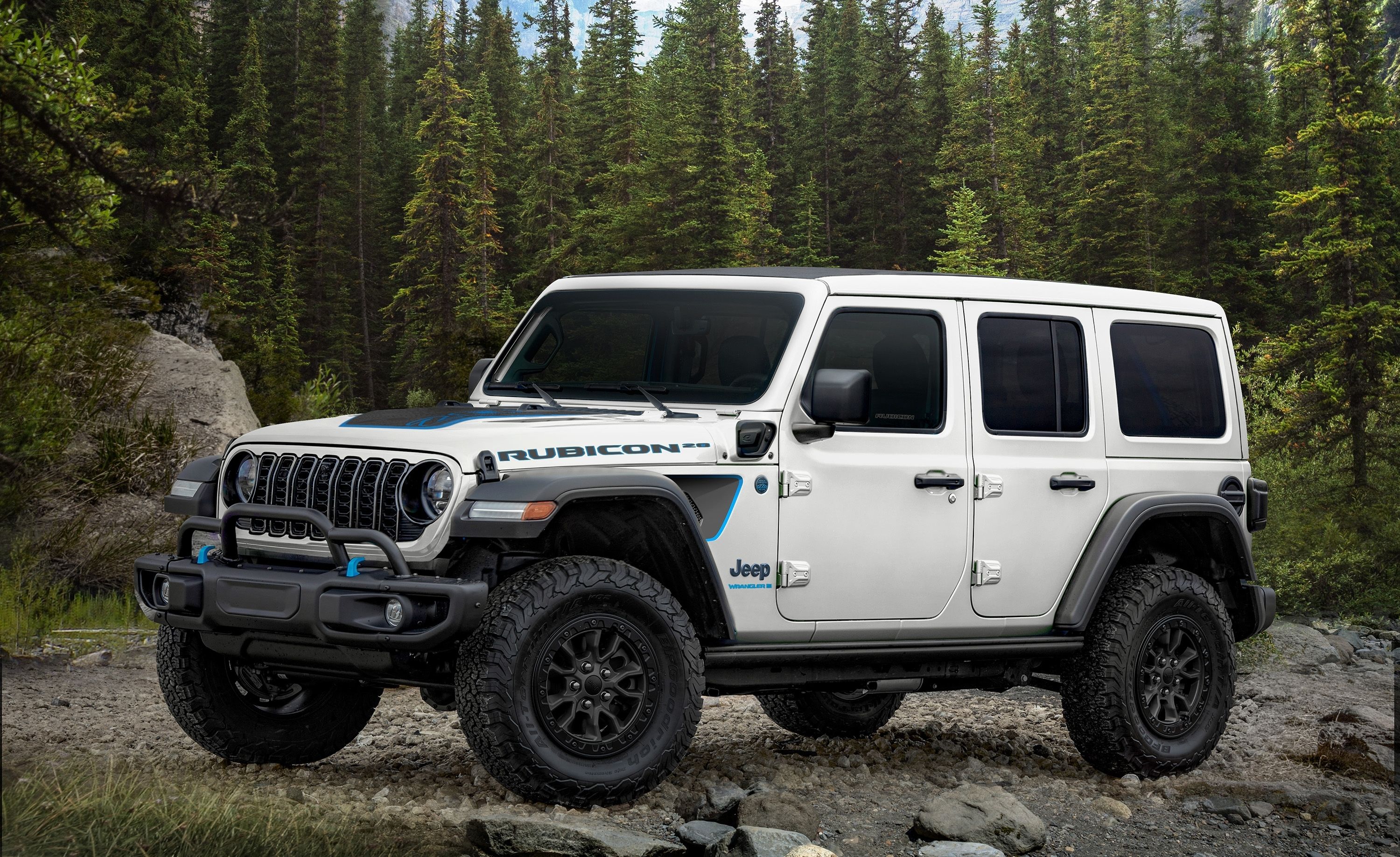
10. **Jeep Rocker Protection**
Among the most frequently assaulted areas on any off-road Jeep are the rocker panels, the lower sections situated between the front and rear wheels on each side of the vehicle. These areas are highly vulnerable to impacts from rocks, stumps, and ledges when navigating narrow trails or tackling uneven terrain. Recognizing this persistent threat, effective “Jeep rocker protection” becomes an indispensable modification, acting as a crucial line of defense for the vehicle’s structural integrity.
Essentially, rocker panels are designed to “protect your Jeep’s undercarriage from damage” by serving as robust buffers. Typically fabricated “made of steel,” these protective components absorb impacts that would otherwise bend, dent, or rupture the sheet metal of the body and potentially damage more critical underlying components. They function as a sacrificial layer, shielding your Jeep’s sensitive parts and maintaining the aesthetic condition of the vehicle even after aggressive trail use.
When considering rocker protection, experienced off-roaders highly recommend “installing rocker panels that are customized for your Jeep model.” A precise fit ensures maximum coverage and optimal integration with the vehicle’s design. Crucially, these components “should also be mounted properly, as they can cause problems if not installed properly.” Due to their strategic location and constant exposure to abuse, rocker panels “get hit more often” than many other protective elements. Therefore, a secure, professional installation is vital to prevent them from becoming loose or failing when most needed, reinforcing their role in long-term durability and reliable performance on the trail.
The dedication to comprehensive protection, particularly in high-impact zones like the rockers, signals a nuanced understanding of off-road dynamics. While sometimes perceived as merely cosmetic, robust rocker protection underscores a purist’s commitment to preserving their vehicle’s functionality and value through countless adventures. It’s a pragmatic investment that pays dividends in both peace of mind and the prevention of costly structural damage, showcasing a build that prioritizes ruggedness and longevity.
Concluding this comprehensive exploration of essential Jeep modifications, it becomes abundantly clear that a truly capable off-road rig is a carefully curated masterpiece of engineering and foresight. The additions discussed, from the life-saving winch and grippy tires to robust protection and extended storage, represent more than just upgrades; they are fundamental declarations of intent for serious adventure. Off-road purists don’t just see a collection of parts; they recognize the deliberate choices that transform a vehicle into a reliable companion for the most challenging expeditions.
However, it’s also important to consider the nuanced balance that comes with extensive modifications. As your Jeep evolves into an off-road beast, “you should factor in their weight, and aerodynamics,” as “aftermarket parts are notorious for affecting your gas mileage.” This practical consideration is part of the ongoing dialogue among enthusiasts, weighing capability against everyday usability. A truly well-built Jeep finds that sweet spot, offering formidable trail performance without entirely sacrificing efficiency.
Car Model Information: 2024 Jeep Compass Trailhawk
Name: Willys MB , Ford GPW , Truck, 1⁄4nbhton, 4×4, command reconnaissance
Origin: United States
Type: 1/4 ton 4×4 utility truck
IsVehicle: true
Service: 1941–2000
UsedBy: allies of World War II
Wars: World War II,Korean War,List of wars: 1945–1989
Designer: Harold Crist
DesignDate: 1940 through early 1942
Manufacturer: Willys,Ford Motor Company
ProductionDate: 1941–1945
Number: WWII total: More than 647,925 *,,including early production units,Willys MB: Over 359,489 *,Ford GPW: Over 277,896 *,Auburn Automobile#Corporate history
Variants: Ford GPA
SpecLabel: MB and GPW same
Weight: convert
Length: 132 in
Abbr: refn
Width: 62 in
Height: 52 in
Crew: 3 to 4
PrimaryArmament: Designed to mount .30 or .50 caliber machine guns swiveling on a post between front seatbacks
Engine: 134 cuin
EnginePower: 60 hp
PwRatio: 49 hp
Transmission: 3-speed × 2-range transfer case
Suspension: Beam axle#Live axle vs Dead axle
Clearance: convert
PayloadCapacity: 1200 lb
FuelCapacity: 15 USgal
VehicleRange: 300 mi
Speed: 65 mph
Categories: All articles needing additional references, All articles with failed verification, All articles with unsourced statements, Articles needing additional references from September 2021, Articles with failed verification from September 2021
Summary: The Willys MB ( Willis) and the Ford GPW, both formally called the U.S. Army truck, 1⁄4‑ton, 4×4, command reconnaissance, commonly known as the Willys Jeep, Jeep, or jeep, and sometimes referred to by its Standard Army vehicle supply number G-503, were highly successful American off-road capable, light military utility vehicles. Well over 600,000 were built to a single standardized design, for the United States and the Allied forces in World War II, from 1941 until 1945. This also made it (by its light weight) the world’s first mass-produced four-wheel-drive car, built in six-figure numbers.
The 1⁄4-ton jeep became the primary light, wheeled, multi-role vehicle of the United States military and its allies. With some 640,000 units built, the 1⁄4‑ton jeeps constituted a quarter of the total military support motor vehicles that the U.S. produced during the war, and almost two-thirds of the 988,000 light 4WD vehicles produced, when counted together with the Dodge WC series. Large numbers of jeeps were provided to U.S. allies, including the Soviet Union at the time. Aside from large amounts of 11⁄2- and 21⁄2‑ton trucks, and 25,000 3⁄4‑ton Dodges, some 50,000 1⁄4‑ton jeeps were shipped to help Russia during WWII, against Nazi Germany’s total production of just over 50,000 Kübelwagens, the jeep’s primary counterpart.
Historian Charles K. Hyde wrote: “In many respects, the jeep became the iconic vehicle of World War II, with an almost mythological reputation of toughness, durability, and versatility.” It became the workhorse of the American military, replacing horses, other draft animals, and motorcycles in every role, from messaging and cavalry units to supply trains. In addition, improvised field modifications made the jeep capable of just about any other function soldiers could think of. Military jeeps were adopted by countries all over the world, so much so that they became the most widely used and recognizable military vehicle in history.
Dwight D. Eisenhower, the Supreme Commander of the Allied Expeditionary Force in Europe in World War II, wrote in his memoirs that most senior officers regarded it as one of the five pieces of equipment most vital to success in Africa and Europe. General George Marshall, Chief of Staff of the US Army during the war, called the vehicle “America’s greatest contribution to modern warfare.” In 1991, the MB Jeep was designated an “International Historic Mechanical Engineering Landmark” by the American Society of Mechanical Engineers.
After WWII, the original jeep continued to serve, in the Korean War and other conflicts, until it was updated in the form of the M38 Willys MC and M38A1 Willys MD (in 1949 and 1952 respectively), and received a complete redesign by Ford in the form of the 1960-introduced M151 jeep. Its influence, however, was much greater than that—manufacturers worldwide began building jeeps and similar designs, either under license or not—at first primarily for military purposes, but later also for the civilian market. Willys turned the MB into the civilian Jeep CJ-2A in 1945, making the world’s first mass-produced civilian four-wheel drive. The “Jeep” name was trademarked and grew into a successful and highly valued brand.
The success of the jeep inspired both an entire category of recreational 4WDs and SUVs, making “four-wheel drive” a household term, and numerous incarnations of military light utility vehicles. In 2010, the American Enterprise Institute called the jeep “one of the most influential designs in automotive history.” Its “sardine tin on wheels” silhouette and slotted grille made it instantly recognizable, and it has evolved into the currently produced Jeep Wrangler still largely resembling the original jeep design.
Get more information about: Willys MB
Buying a high-performing used car >>>
Brand: Jeep Model: Jeep
Price: $26,990 Mileage: 29,270 mi.
Read more about: Safety Risk Alert: 15 Popular SUVs That Failed the Toughest Crash Tests, According to Leading Safety Agencies
This journey through indispensable Jeep modifications is just the beginning. We’ve merely scratched the surface of the vast world of aftermarket enhancements that can personalize and optimize your off-road machine. For those eager to delve deeper into specific components, from the latest suspension technologies to innovative storage solutions, our comprehensive “Jeep parts and Accessories posts” offer in-depth insights and recommendations. Continue exploring, continue building, and let your custom Jeep lead you to untold adventures.