Alright, let’s get real for a moment. You’ve seen them, maybe you even own one – that trusty, high-mileage truck, a veritable workhorse that’s seen more pavement than a road crew. It’s got character, you tell yourself. It’s affordable, you rationalize. But as you navigate the open road, blissfully unaware of the ticking time bombs beneath your hood, there’s a silent, watchful legion out there who knows exactly what’s coming: your friendly neighborhood tow truck drivers. And trust us, they’ve got opinions, strong ones, forged in the crucible of countless roadside rescues.
They see the tell-tale signs before you even realize your dash is lit up like a Christmas tree in July. They know the creaks, the groans, the subtle shifts in engine note that precede the inevitable call. While you’re dreaming of saving a few bucks at the dealership, they’re already calculating the best approach for winching your pride and joy onto their flatbed. This isn’t about judgment, not really; it’s about observation, a lifetime spent pulling crippled iron off the highway. They’ve seen it all, and they know the dirty secrets these aging beasts hold.
So, if you’re one of the brave (or perhaps, foolishly optimistic) souls piloting a high-mileage truck, prepare yourself. We’re about to pull back the curtain on what those seasoned tow truck operators are *really* thinking as they hook up your ride. This isn’t just about what *you* know about your truck; it’s about the silent diagnosis that happens every time they show up. What follows are some of the most common reasons your high-mileage truck becomes a familiar sight to them, a predictable outcome that has them either shaking their heads or subtly checking their watch.

1. **Increased Maintenance Costs**High-mileage trucks often require frequent and expensive maintenance due to the extensive wear and tear they have endured. Components such as brakes, suspension, and engine parts may need regular replacement, leading to higher upkeep costs. Routine services become more critical and frequent, driving up overall ownership expenses.
When you pull up to the gas station, humming to yourself about the deal you got, the tow truck driver cruising by is already picturing the mechanics scratching their heads over your rig. They’ve seen this movie before, countless times. Those “higher upkeep costs” aren’t just a suggestion; they’re an inevitability, a fundamental law of high-mileage physics. Every mile your truck logs is another step closer to a bill that will make your eyes water.
The reality is, parts just don’t last forever. Brakes wear down, suspension components get tired, and even the engine itself, the very heart of your vehicle, suffers from years of hard work. The context makes it clear: these components “may need regular replacement,” not just once, but as a recurring theme in your ownership journey. This isn’t about preventative care anymore; it’s about damage control, constantly patching up the next thing that decides to give up the ghost.
And let’s not forget the “routine services” that “become more critical and frequent.” This isn’t your average oil change schedule anymore. This is a perpetual cycle of fluid flushes, belt replacements, and sensor diagnostics, each one adding to the financial burden. The tow truck driver knows this. They know that eventually, one of these critical, frequent, and expensive maintenance items will be put off just one too many times, and that’s when they get the call.
So, while you might think you’re saving money on the initial purchase, you’re merely deferring a larger, more consistent expense. That tow truck driver isn’t just seeing a truck; they’re seeing a mobile ATM for mechanics, one that’s primed to eventually leave you stranded on the side of the road, waiting for *their* help. It’s less “saving money” and more “pre-paying for future inconvenience.”
Read more about: The Future of Cinematic Indulgence: How Popcorn, Partnerships, and Premium Experiences Are Reshaping Moviegoing

2. **Engine Wear and Tear**Engines with high mileage can have significant wear, leading to reduced performance and efficiency. Pistons, valves, and other moving parts may be worn down, causing loss of power and increased fuel consumption. This wear can also lead to more frequent breakdowns and expensive repairs.
Ah, the engine. The very soul of your truck, laboring away for hundreds of thousands of miles. To a tow truck driver, a high-mileage engine isn’t just a collection of metal; it’s a testament to entropy, a ticking mechanical clock slowly winding down to zero. They know that “reduced performance and efficiency” aren’t just minor inconveniences; they’re early warning signs of a deeper, more catastrophic problem brewing beneath the hood.
The culprits are many: “Pistons, valves, and other moving parts may be worn down.” Think about that for a second. These aren’t just abstract concepts; these are precision-engineered components designed to operate within incredibly tight tolerances. When they wear, the engine loses its ability to generate power efficiently, leading to that “loss of power” you might notice when climbing a hill, or the “increased fuel consumption” that has you visiting the pump far more often than you’d like.
This isn’t just about poor performance, though. The context explicitly states this wear “can also lead to more frequent breakdowns and expensive repairs.” This is the tow truck driver’s bread and butter. They know that an engine running on borrowed time is a prime candidate for seizing up, throwing a rod, or simply refusing to start on a cold morning. It’s not a matter of if, but when, that critical internal component will finally give up.
So, when you roll into a truck stop with that distinct, slightly off exhaust note, or when your oil light flickers a little too often, the tow truck driver isn’t just hearing an engine; they’re hearing the mournful dirge of impending mechanical failure. They’re silently nodding, knowing that the next time they see that truck, it’ll likely be lifeless, waiting for a lift to the nearest (and probably expensive) engine shop.
Read more about: Unlocking Hidden Savings: 15 Car Maintenance Secrets That Could Save You Thousands
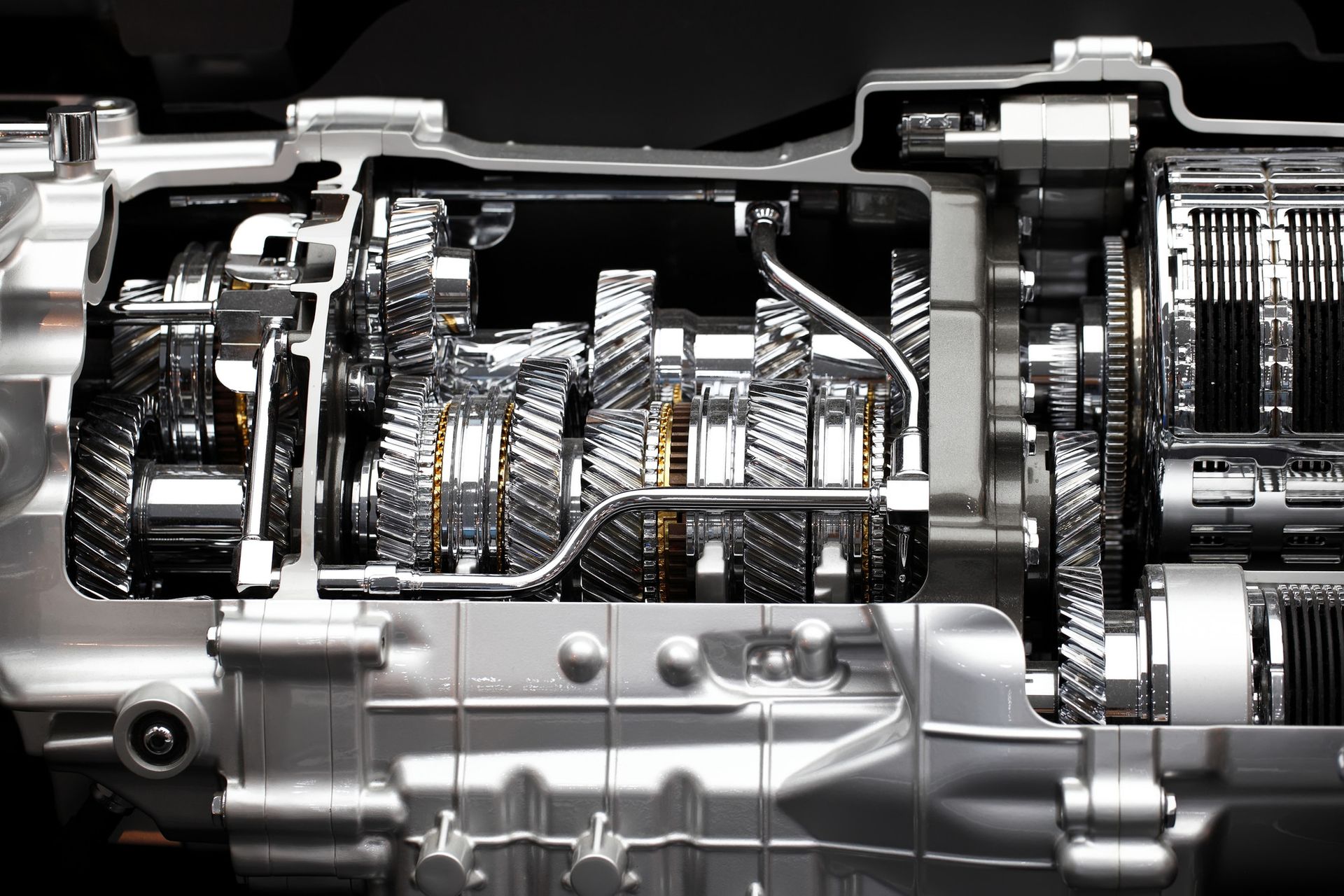
3. **Transmission Issues**Transmissions are more likely to fail in high-mileage trucks, leading to costly repairs or replacements. Worn gears, clutches, and other components can cause slipping, hard shifting, or complete transmission failure, making the truck unreliable and expensive to fix.
If the engine is the heart, the transmission is the nervous system, translating power into motion. And in high-mileage trucks, that nervous system is often on the verge of a full-blown collapse. Tow truck drivers universally dread (or secretly anticipate, depending on their mood and how busy they are) the “transmission issues” that plague these vehicles. It’s rarely a quick fix; it’s almost always a major headache, both for you and the poor soul who has to diagnose it.
The problem stems from the relentless work these complex units perform. “Worn gears, clutches, and other components” are the insidious enemies here. Every shift, every acceleration, every deceleration puts stress on these parts. Over time, that wear manifests as “slipping,” where the engine revs but the truck doesn’t accelerate properly, or “hard shifting,” a jarring experience that feels like the transmission is actively fighting itself.
And then, of course, there’s the big one: “complete transmission failure.” This isn’t just a minor hiccup; it’s an immediate, unequivocal roadside stop. No forward motion, no reverse motion, just the grim realization that your day, and probably your wallet, are about to take a significant hit. The context is brutally honest: such failures make the truck “unreliable and expensive to fix.” “Expensive” is an understatement; often, a new transmission can cost as much as the truck itself.
So, when a tow truck driver gets a call for a truck that “won’t move” or “got stuck in gear,” they don’t even need to ask. They know it’s probably the transmission, silently saluting another fallen soldier of the open road. They’re not just picking up a vehicle; they’re picking up a testament to the fact that even the most robust gearboxes have their limits. Better call for a U-Haul car trailer to get it home once it’s fixed.
Read more about: The Infotainment Report Card: Ranking 10 Modern Cars on Digital Reliability and Driver Experience

4. **Suspension Problems**High-mileage trucks often have worn-out suspension systems, affecting ride quality and handling. Components like shocks, struts, and bushings deteriorate over time, leading to a rougher ride and reduced stability, especially when carrying heavy loads or driving on rough terrain.
Ever seen a high-mileage truck bouncing down the road like a shopping cart with a broken wheel? That’s not a style choice; that’s a classic case of “suspension problems” that tow truck drivers see every single day. They know that a truck with a bad suspension isn’t just uncomfortable; it’s a hazard waiting to happen, a precursor to losing control, especially if you’re hauling anything significant.
The vital components in question—“shocks, struts, and bushings”—are designed to absorb impacts and keep your wheels firmly planted. But after thousands upon thousands of miles, they “deteriorate over time.” This isn’t just about a bumpy ride anymore; it’s about compromised control. A “rougher ride” is merely the symptom; the real danger is the “reduced stability,” particularly when the truck is “carrying heavy loads or driving on rough terrain.”
Imagine trying to steer a boat with a broken rudder, or riding a bicycle with a wobbly frame. That’s what it feels like to drive a truck with a truly shot suspension. It affects everything from braking distances to emergency maneuvers. And while a tow truck driver isn’t typically called for *just* a bad ride, they know that these underlying issues make other breakdowns more likely, from tire failures to structural damage.
So, as you clatter down the highway, feeling every pebble and pothole, the tow truck driver sees a truck that’s not just uncomfortable, but actively fighting its own structure. They might not be towing you *for* the suspension, but they know it’s a silent accomplice in whatever mechanical drama eventually unfolds. It’s a reminder that even the chassis needs a vacation sometimes, or at least a complete overhaul.
Read more about: The Infotainment Report Card: Ranking 10 Modern Cars on Digital Reliability and Driver Experience
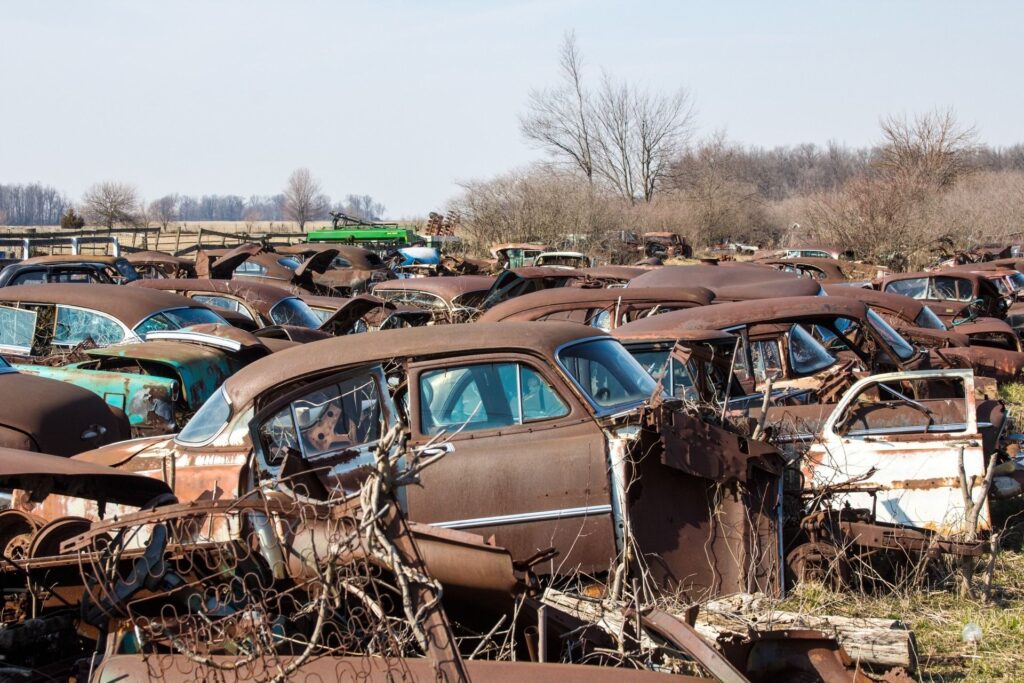
5. **Rust and Corrosion**Older trucks are more prone to rust and corrosion, especially in regions with harsh weather or where salt is used on roads. This can weaken the truck’s body and frame, leading to safety concerns and expensive bodywork repairs to maintain structural integrity.
Ah, the dreaded orange plague: rust. To a tow truck driver, rust isn’t just an aesthetic flaw; it’s a structural cancer, slowly but surely eating away at the very bones of your high-mileage truck. They know that beneath that chipped paint and superficial patina, “older trucks are more prone to rust and corrosion,” especially when they’ve been subjected to “harsh weather or where salt is used on roads.” And what happens when the frame starts to go? That’s right, you call the tow truck.
This isn’t just about a rusty fender or a flaking bumper. The context highlights that rust “can weaken the truck’s body and frame.” This is critical. The frame is the foundation, the very integrity of the vehicle. When that starts to compromise, everything else is at risk. It leads to “safety concerns” that are far more serious than a rough ride. We’re talking about structural failure here, where components can detach, or the vehicle’s crashworthiness is severely diminished.
And let’s be honest, “expensive bodywork repairs to maintain structural integrity” are often far more costly than the truck is worth. Many owners just let it go, hoping for the best, until the worst happens. A tow truck driver pulling a truck with advanced corrosion isn’t just thinking about the breakdown; they’re thinking about the potential danger the driver was in, or the sheer difficulty of finding solid points to secure the vehicle without further damage.
So, if your truck looks like it’s been slowly dissolving into the landscape, know that the tow truck driver sees more than just surface rust. They see the skeletal remains of a once-proud vehicle, anticipating the day its structural integrity finally gives out, leaving it an immovable, rusty hulk on the side of the road. It’s a literal battle against the elements, and in the long run, the elements always win.
Read more about: Unlocking Hidden Savings: 15 Car Maintenance Secrets That Could Save You Thousands
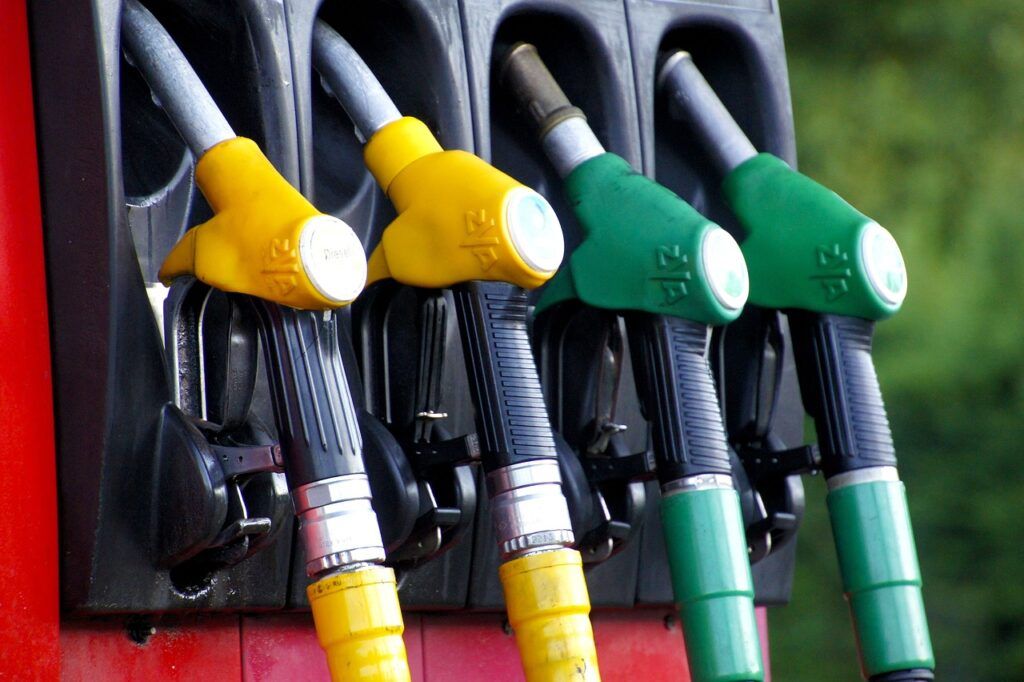
6. **Decreased Fuel Efficiency**Engines with high mileage can become less fuel-efficient over time due to worn components and loss of compression. This means you’ll spend more on fuel as the truck consumes more to deliver the same performance, making it less economical to operate.
Here’s one that doesn’t usually call for a tow directly, but it’s a constant, nagging reminder of your truck’s advanced age: “decreased fuel efficiency.” The tow truck driver might not be pulling you because you’re out of gas (though they get plenty of those calls too), but they know this symptom signals deeper issues. When “engines with high mileage can become less fuel-efficient over time,” it’s not just bad for your wallet; it’s a siren song for impending mechanical doom.
The reasons are rooted in the very heart of the combustion process: “worn components and loss of compression.” An engine is a finely tuned machine, and when its parts don’t seal properly, or its timing is off, it has to work harder to do the same job. This means it “consumes more [fuel] to deliver the same performance,” a frustrating reality for anyone trying to manage their daily expenses. You’re pouring money into the tank for less bang for your buck.
While increased fuel consumption isn’t a direct reason for a tow, it’s an indicator of an engine that’s not running optimally. It suggests fouled spark plugs, clogged injectors, or even more severe internal wear that is slowly but surely pushing your truck towards its final, sputtering breath. It makes the truck “less economical to operate,” turning what was once a sensible purchase into a financial drain.
So, when you’re at the pump, grumbling about the latest gas prices, the tow truck driver who sees you there isn’t just seeing a truck needing fuel. They’re seeing an engine that’s screaming for attention, inefficiently burning precious resources, inching closer to the day it simply refuses to start, or worse, leaves you stranded with an empty tank and an empty wallet. It’s a slow burn towards the inevitable.
Read more about: Beyond the Tank: Unmasking the Dangerous Fuel Efficiency Trends and Driving Behaviors Imperiling Our Highways

7. **Electrical System Failures**The electrical systems in high-mileage trucks are more likely to develop faults due to aging wiring, connectors, and components. Issues with lights, sensors, and other electrical features can arise, leading to frustrating and sometimes costly repairs.
Now, let’s talk about the mysterious beast that is the modern vehicle’s electrical system. In high-mileage trucks, this beast often has a mind of its own, and usually, it’s not a good one. Tow truck drivers know that “electrical system failures” are among the most confounding and frustrating issues, often leaving drivers completely baffled and, crucially, completely immobile. It’s not just a blown fuse; it’s a tangled web of potential problems that can shut down your entire operation.
The core problem lies in “aging wiring, connectors, and components.” Over years of vibrations, heat cycles, and exposure to the elements, these intricate pathways degrade. Insulated wires become brittle, connectors corrode, and sensors start sending erroneous signals. This leads to “issues with lights, sensors, and other electrical features” that can range from a minor annoyance (a flickering dashboard light) to a complete shutdown (the engine refusing to crank).
The frustration factor here is immense. Imagine being unable to start your truck because a tiny, hidden wire has frayed, or having your lights inexplicably go out on a dark road. These aren’t just minor glitches; they can be critical safety hazards. And the repairs? They can be “sometimes costly,” not necessarily for the parts, but for the labor involved in tracking down an intermittent fault in a labyrinthine electrical network.
So, when a tow truck driver gets a call about a truck that’s “dead as a doornail” despite a good battery, or one whose dashboard lights resemble a disco party, they know it’s probably an electrical phantom at play. They’re not just dealing with a mechanical breakdown; they’re dealing with a high-tech enigma, another high-mileage casualty whose internal nervous system has finally short-circuited. It’s a reminder that sometimes, the smallest wire can bring the mightiest truck to its knees.
We’ve already pulled back the curtain on the engine-seizing, transmission-grinding, and suspension-collapsing nightmares that make high-mileage trucks a tow truck driver’s best customer. But the truth is, the story doesn’t end there. Beyond the obvious breakdowns, there’s a whole host of insidious issues that quietly chip away at your truck’s soul, compromise your safety, and frankly, make you a walking (or rather, driving) headache for those in the recovery business. It’s not always a dramatic bang and a puff of smoke; sometimes, it’s the slow, agonizing decline that truly catches the eye of a seasoned tow operator. They see the warning signs, the silent signals of neglect or misplaced optimism, long before you even consider reaching for your phone. Let’s delve into the deeper, often overlooked implications that solidify your high-mileage truck’s place in the tow truck hall of fame.
Read more about: Beyond the Chrome: Unveiling 12 Critical Factors That Could Render Your Vehicle Uninsurable in the Next Five Years
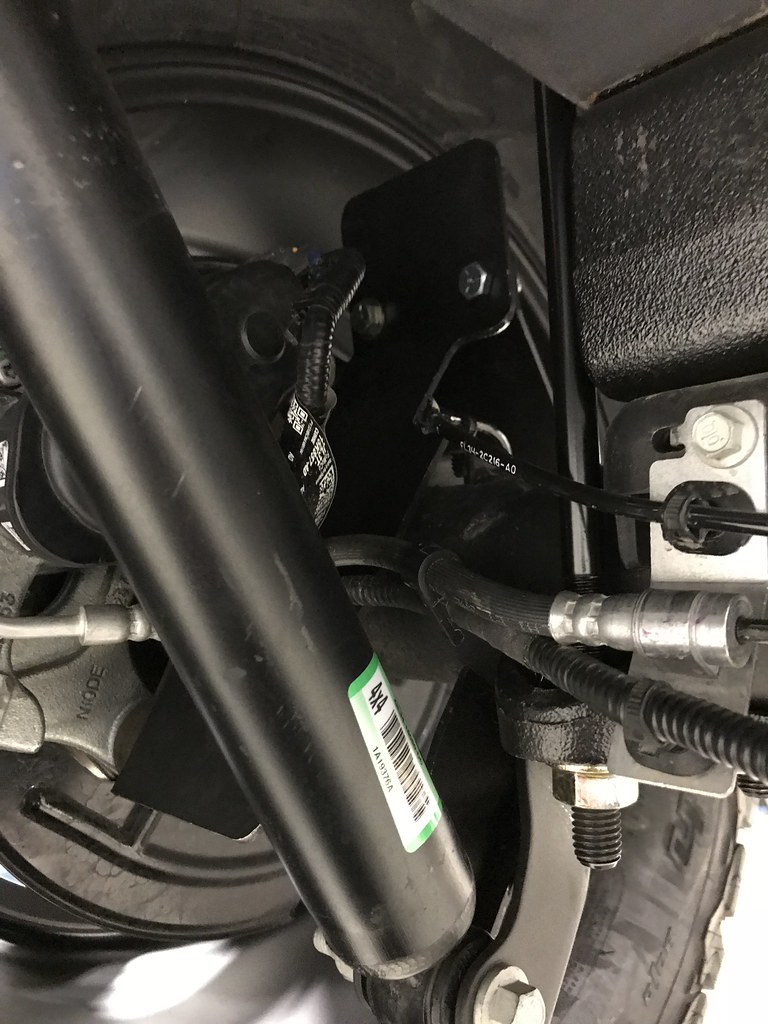
8. **Worn-Out Brakes**Okay, so you’ve got a high-mileage truck. It starts, it drives, it probably even gets you from point A to point B… eventually. But how does it *stop*? To a tow truck driver, few things are as terrifying, or as predictable, as the sight of a truck with “significantly worn” brake systems. They’ve seen the aftermath, the bent metal, the bewildered faces. They know that while you might be trying to squeeze every last mile out of those pads, you’re also playing a very dangerous game of automotive roulette.
The context states it plainly: “Components like brake pads, rotors, and calipers degrade over time.” This isn’t just about a little squeak or a softer pedal. This is about the very foundation of your vehicle’s safety eroding, bit by bit, until that crucial moment when you need to shed speed, and your truck decides to take its sweet time. It “reduc[es] braking efficiency” to a point where your stopping distance is more of a suggestion than a certainty, especially when you’re hauling a heavy load.
The real kicker, the one that makes tow truck drivers sigh and shake their heads, is the “increasing risk of accidents if not addressed promptly.” It’s not a hypothetical. It’s a matter of kinetic energy meeting immovable objects, or worse, other drivers. They’re not just looking at your tired old rotors; they’re envisioning the crumpled fender, the airbags deployed, and the inevitable call to haul your now thoroughly broken down (and potentially totaled) vehicle away. It’s a preventative maintenance item that, when neglected, turns into a full-blown emergency.
So, while your high-mileage chariot might still chug along, the tow truck operator isn’t just seeing a vehicle in motion; they’re seeing a potential accident waiting for the right moment to happen. They know that when those brakes finally give up the ghost – or cause a major mishap – they’ll be there to clean up the mess, silently judging every ignored squeal and shudder. Safety isn’t optional, and neither is the bill that comes with ignoring it.
Read more about: Rider’s Guide: Separating Myth from Reality on High-Mileage Motorcycles and What to Know Before You Buy
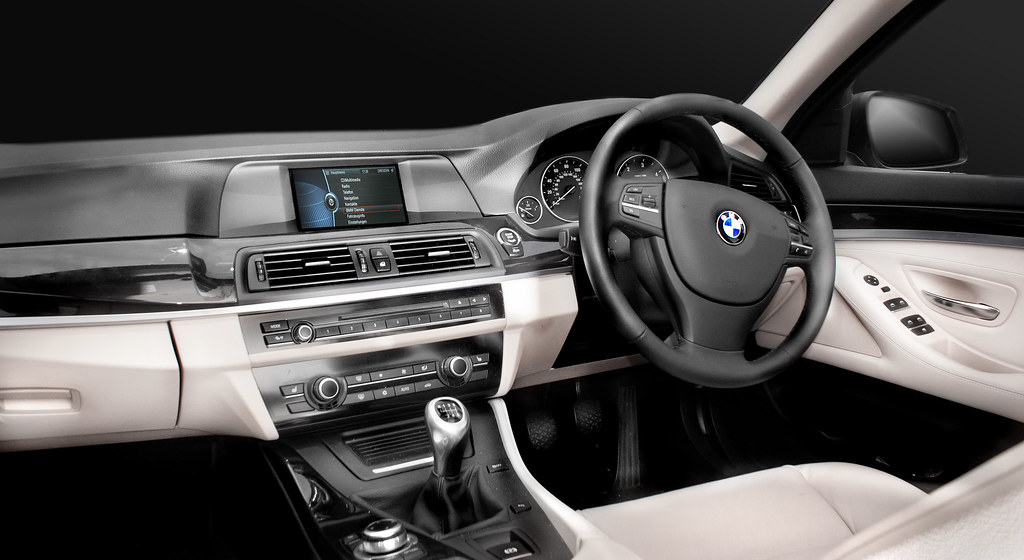
9. **Interior Wear and Tear**It might not be the kind of breakdown that requires a hook and chain, but step inside a high-mileage truck, and you’ll instantly understand why tow truck drivers often view them with a certain blend of pity and exasperation. The interior isn’t just a place to sit; it’s a silent testament to the life the truck has lived, and often, the lack of care it’s received. “High mileage usually means the interior is heavily used and worn,” and boy, does it show.
Think about it: “Seats, carpets, and other interior components can show significant signs of wear.” We’re talking torn upholstery, faded dashboards, sticky buttons, and carpets that have seen more spilled coffee and muddy boots than a roadside diner. This isn’t just an aesthetic inconvenience; it “reduc[es] comfort and aesthetic appeal,” turning what should be a functional space into a battleground against grime and disintegration. The smell alone can sometimes be enough to warrant a tow truck driver questioning their life choices.
And while a tattered interior won’t directly leave you stranded, it’s a huge indicator of how the rest of the vehicle has likely been treated. A driver who doesn’t care about their broken seat springs probably isn’t meticulously checking their oil or rotating their tires. The context also hints at the financial sting: “This can also affect resale value and overall enjoyment of the vehicle.” It’s a perpetual cycle of diminishing returns, where every scratch and stain makes your truck less valuable and less enjoyable to own.
So, when the tow truck driver opens your door to check the VIN or help you retrieve your belongings, they’re not just seeing a vehicle with a mechanical failure. They’re seeing the accumulated neglect, the faded glory, and the silent cries of a truck that’s been run into the ground, inside and out. It’s a subtle but powerful signal that this isn’t just a breakdown; it’s the inevitable capitulation of a vehicle that’s been, shall we say, loved a little too hard, and not maintained enough.
Read more about: Unlocking Hidden Savings: 15 Car Maintenance Secrets That Could Save You Thousands

10. **Outdated Technology**In an age where cars are becoming rolling computers, piloting a high-mileage truck can feel like driving a relic from a bygone era. “Older trucks lack modern technology and safety features found in newer models,” and while you might proudly boast about its simplicity, the tow truck driver sees a distinct disadvantage, particularly when things go sideways. No fancy screens, no lane-keeping assist, just you, a heavy piece of metal, and the open road.
The missing pieces aren’t just about creature comforts. We’re talking about crucial safety nets. The context specifically mentions “advanced driver assistance systems (ADAS), infotainment options, and connectivity features.” While infotainment might seem trivial, the lack of ADAS – features like automatic emergency braking or blind-spot monitoring – means you’re entirely reliant on your own reflexes and attentiveness. And after hundreds of thousands of miles, even the sharpest driver can use a little backup.
This deficit in technology makes “high-mileage trucks less appealing and less safe by today’s standards.” For the tow truck driver, this translates into a heightened sense of concern. They know that these older trucks are more likely to be involved in preventable incidents because they simply don’t have the digital guardians that modern vehicles do. A simple fender bender in a modern truck might be a minor inconvenience, but in an older, tech-sparse model, it can escalate quickly, turning into a situation that definitively calls for their services.
So, while you might appreciate the raw, unadulterated driving experience of your vintage workhorse, the tow truck driver sees a vehicle that offers fewer layers of protection, both for you and for the truck itself. They understand that while technology might add complexity, it also adds an invaluable margin of safety. When they’re loading your tech-free titan onto their flatbed, they’re often thinking about how a few modern sensors might have prevented the whole ordeal in the first place.
Read more about: The Future of Cinematic Indulgence: How Popcorn, Partnerships, and Premium Experiences Are Reshaping Moviegoing
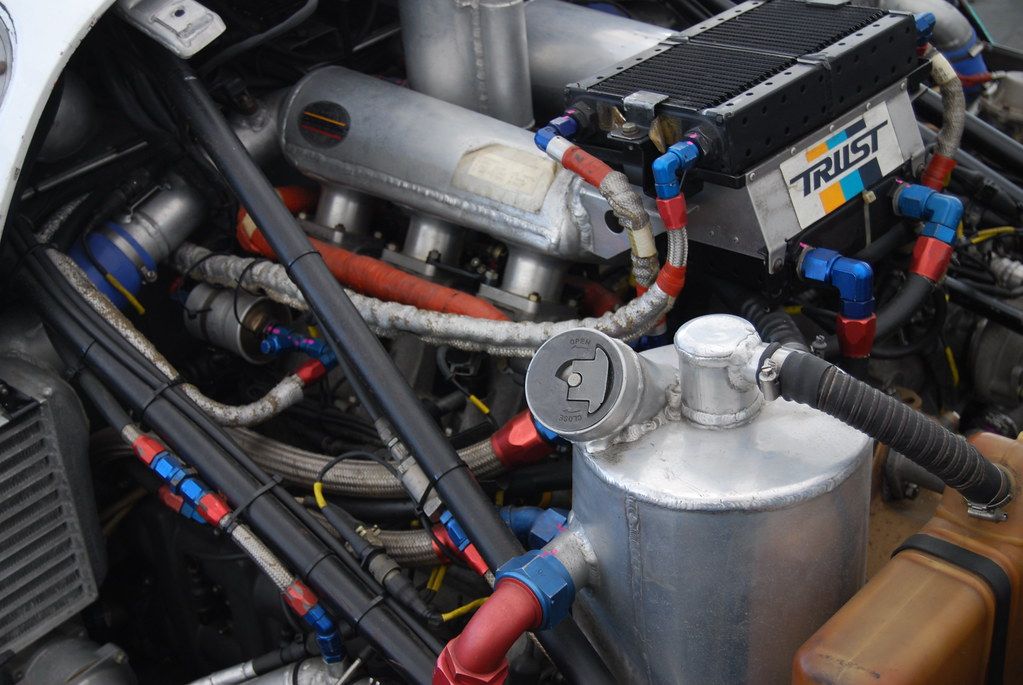
11. **Cooling System Problems**Here’s a hot one: the cooling system. In high-mileage trucks, this essential network of hoses, pumps, and radiators is often on its last legs, silently begging for mercy. To a tow truck driver, an overheating truck isn’t just an inconvenience; it’s a dramatic, steaming, smell-emitting spectacle that almost always signals impending doom for the engine itself. They’ve seen countless drivers pull over, hood up, a plume of steam escaping, often too late to prevent serious damage.
The problem starts subtly. “The radiator and other cooling system components may be near the end of their lifespan in high-mileage trucks.” This isn’t just about old coolant; it’s about radiators clogged with years of crud, water pumps with weary bearings, and hoses that have become brittle and prone to bursting. These are the unsung heroes of your engine, constantly working to dissipate heat, and when they fail, they fail spectacularly.
The consequence? “Leaks, clogs, and failures in the cooling system can lead to overheating and significant engine damage if not addressed.” This isn’t just about a red light on your dashboard; it’s about warped cylinder heads, blown head gaskets, and pistons seizing in their bores. Overheating is one of the quickest ways to turn a running engine into a very expensive paperweight, “requiring expensive repairs” that often outweigh the truck’s value. And guess who gets the call when that happens?
So, while you might be blissfully unaware of the slow creep of your temperature gauge, the tow truck driver knows that a failing cooling system is a ticking time bomb. They’re prepared for the sight, the smell, and the desperate phone call from a driver whose trusty steed has just cooked its own internals. It’s another classic high-mileage scenario where preventative care is ignored, leading directly to the need for a very un-cool ride on a flatbed.
Read more about: Unlocking Hidden Savings: 15 Car Maintenance Secrets That Could Save You Thousands

12. **Lower Resale Value**Let’s talk brass tacks. You bought that high-mileage truck for a steal, right? You probably felt like you won the lottery. But the cold, hard truth, the one tow truck drivers silently acknowledge with a nod, is that “high-mileage trucks have lower resale value compared to low-mileage counterparts.” What might have seemed like a bargain initially quickly becomes a financial black hole when it comes time to move on.
This isn’t rocket science; it’s basic economics rooted in “increased wear and tear.” Every breakdown, every major repair, every faded interior component chips away at what little value your truck still holds. While you might see character, potential buyers see a money pit, and that “can make it harder to sell the vehicle later on.” You’re stuck with it, or you sell it for peanuts, losing even more on your “investment.”
The tow truck driver, having seen your truck on the side of the road multiple times, knows exactly what it’s worth – or rather, what it’s *not* worth. They understand that every time they hook up your vehicle, its already dismal resale value plummets a little further. They’re not just towing a broken truck; they’re towing a rapidly depreciating asset, a burden that continues to drain your finances long after it’s left you stranded.
Ultimately, this “reduce[s] the return on your investment when it’s time to upgrade,” leaving you with fewer options and more financial strain. So, when a tow truck driver sees a high-mileage truck, they’re not just seeing a vehicle in distress; they’re seeing the financial trap it has become for its owner. It’s a quiet tragedy of ownership, often culminating in the tow truck being the last ride before the scrapyard.
Read more about: Unlocking Hidden Savings: 15 Car Maintenance Secrets That Could Save You Thousands
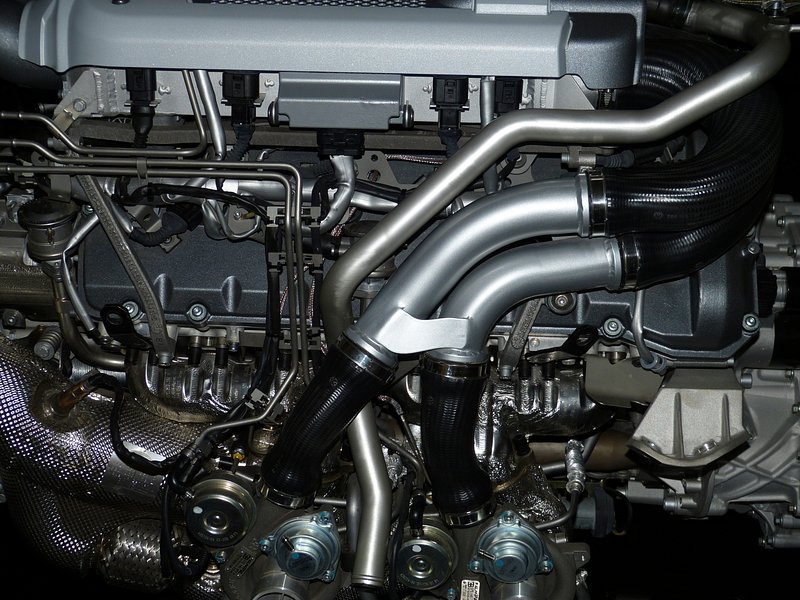
13. **Exhaust System Issues**You can often hear a high-mileage truck long before you see it, and for good reason. “The exhaust system may be rusted or damaged in high-mileage trucks,” transforming what should be a relatively quiet and clean operation into an auditory assault and environmental concern. To a tow truck driver, the tell-tale roar or clatter of a compromised exhaust system isn’t just an annoyance; it’s another sign of a truck that’s slowly falling apart, often with consequences far beyond just noise.
The issues stem from years of exposure to road salt, moisture, and extreme temperatures. Mufflers rust through, catalytic converters clog or break internally, and pipes develop holes. This “leading to emissions problems and noise issues” isn’t just about failing inspection; it’s about your truck spewing out unburnt hydrocarbons and noxious gases, making it a rolling pollutant. And that incessant rumbling? It’s not a power statement; it’s a cry for help.
While a loud exhaust might not directly cause a tow, it’s a symptom of deeper neglect, and it often leads to other problems. A failed catalytic converter, for example, can cause your engine to run poorly and eventually leave you stranded. The context notes that “replacing exhaust components like mufflers, catalytic converters, and pipes can be costly,” especially when those crucial parts are needed “to meet emissions standards and pass inspections.” These are expenses many high-mileage truck owners simply defer, until they can’t anymore.
So, when the tow truck driver rolls up to your rattling, growling, and potentially stinky high-mileage truck, they’re not just hearing a loud vehicle. They’re hearing a symphony of neglect, a chorus of deferred maintenance, and the unmistakable sound of a truck that’s been pushed beyond its limits. It’s a clear signal that this old warhorse is, piece by piece, giving up the ghost, often calling for their services after an emissions failure or a component literally falls off.
Read more about: Beyond the Chrome: Unveiling 12 Critical Factors That Could Render Your Vehicle Uninsurable in the Next Five Years
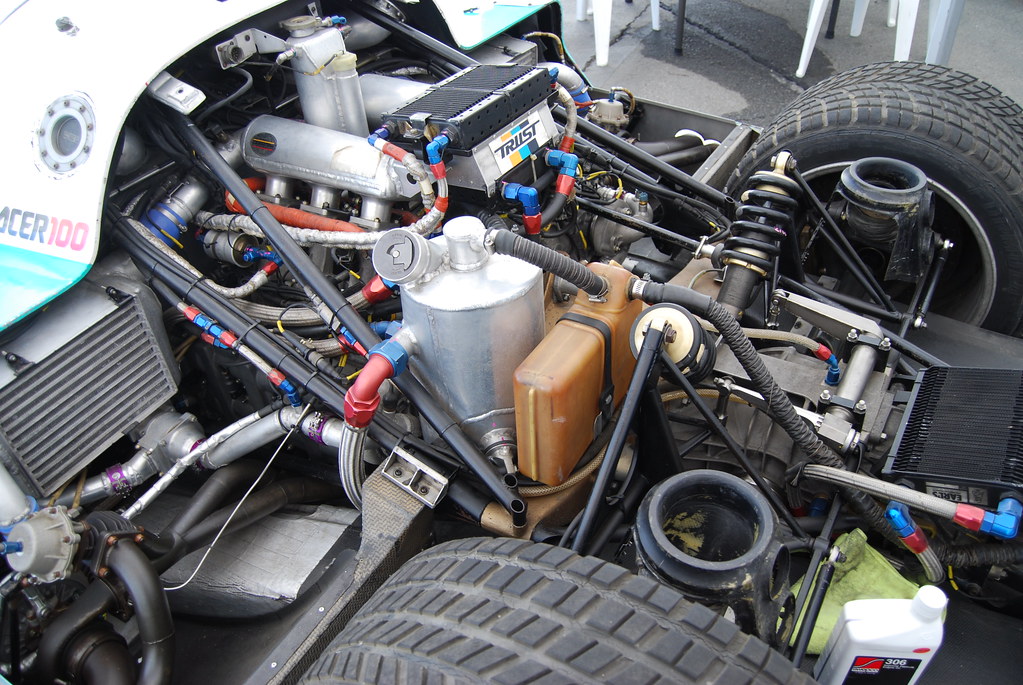
14. **Potential for Oil Leaks**If there’s one thing that screams “high-mileage truck with problems” to a tow truck driver, it’s the tell-tale dark stain on the pavement beneath your vehicle. “Older engines are more prone to oil leaks due to worn seals and gaskets,” and these seemingly minor drips are often precursors to far more serious, tow-worthy issues. It’s not just a little inconvenience; it’s your engine slowly bleeding itself dry, jeopardizing its very existence.
The integrity of an engine relies on keeping its vital fluids contained. But after years of heat cycles, vibrations, and sheer operational time, those “worn seals and gaskets” simply can’t hold the line anymore. The leaks, small at first, can become substantial, leading to “low oil levels” if not constantly monitored and topped up. And a low oil level is a death sentence for any engine.
The insidious nature of oil leaks is that they “lead to increased engine wear” even before catastrophic failure. Metal-on-metal friction, inadequate lubrication – it all grinds away at your engine’s internal components, hastening its demise. This necessitates “more frequent oil top-ups and repairs to prevent further damage,” another persistent drain on your wallet. But invariably, that critical top-up is forgotten, or a leak becomes too severe, and then the tow truck gets the call.
So, when the tow truck driver sees that tell-tale sheen on the tarmac where your truck was parked, or when they open the hood and see oil splashed everywhere, they know what’s coming. They know that this “potential for oil leaks” isn’t just about a messy driveway; it’s about an engine on borrowed time, relentlessly inching towards a full-blown breakdown that will undoubtedly require their expert intervention. It’s a slippery slope, quite literally, to a tow.
Read more about: Unlocking Hidden Savings: 15 Car Maintenance Secrets That Could Save You Thousands
There you have it. The secret thoughts, the unspoken diagnoses, and the grim realities that run through the minds of tow truck drivers every time they see another high-mileage truck roll by – or more accurately, roll to a stop. These aren’t just vehicles; they’re stories of wear, tear, and often, a hefty dose of denial. While the allure of a cheap initial price tag might be strong, remember that every mile on that odometer is a silent conversation with entropy, a conversation that inevitably, consistently, ends with a call to your local tow operator. They’re not judging you, not really. They’re just waiting. And they know, with chilling certainty, that eventually, your number will come up. So next time you see them, give a nod. They understand your truck better than you ever will.