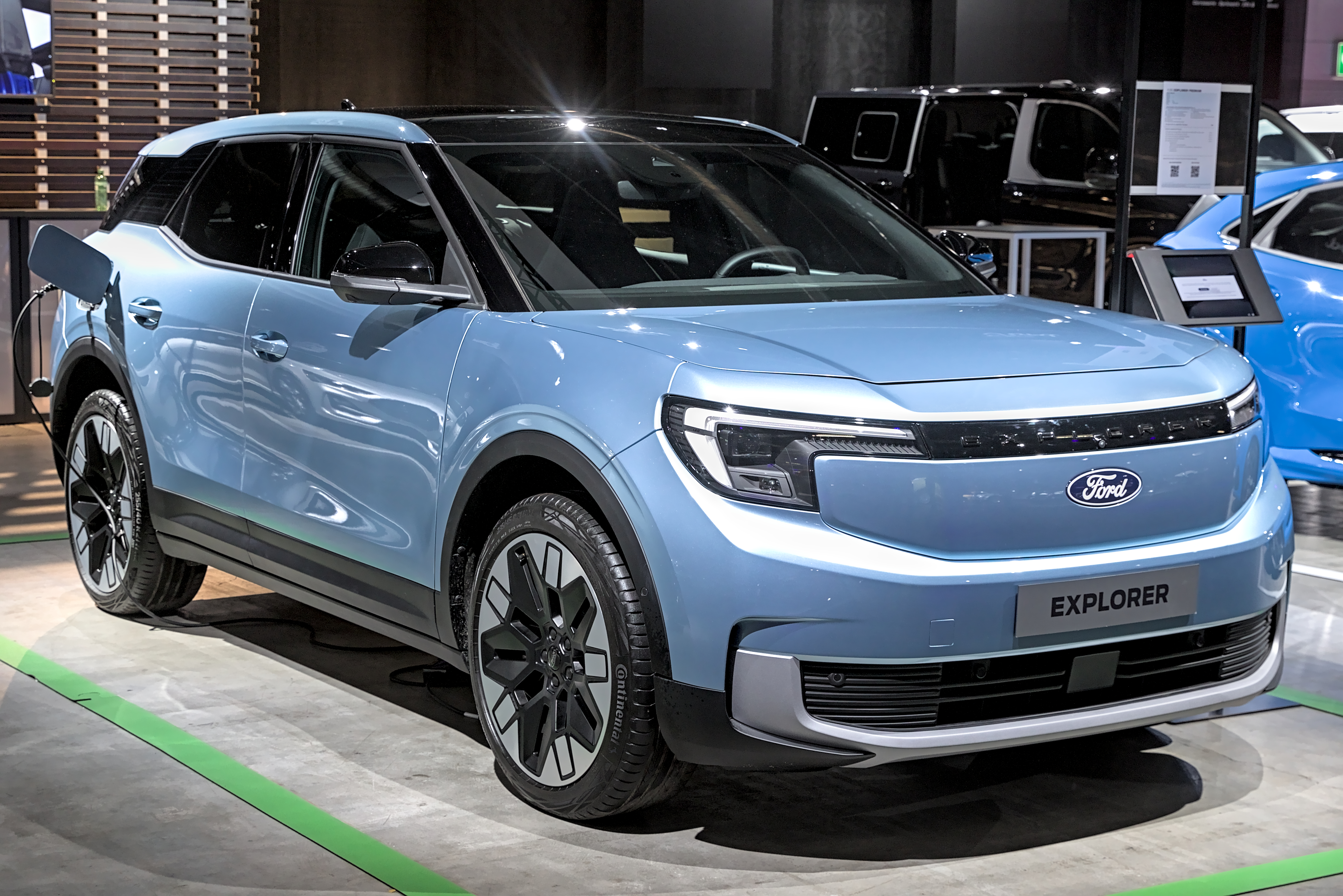
The automotive landscape is shifting at an unprecedented pace, and as we look toward 2025, a critical conversation is emerging around vehicle efficiency and environmental impact. Recent policy changes, particularly the removal of CAFE penalties by the Trump administration’s EPA, have significantly altered automakers’ incentives. This has paved the way for a renewed focus on high-margin segments like large SUVs and trucks, segments that inherently tend to be less fuel-efficient. While this pivot offers “a lot of additional profit” for companies like Stellantis, as CEO Antonio Filosa openly stated, and allows GM to “sell ICE vehicles… for longer and appreciate the profitability of those vehicles,” it also puts the onus on consumers to make informed choices.
This strategic shift is a direct response to the challenging, yet ultimately profitable, reality of the market. Ford’s Jim Farley sees “a multibillion-dollar opportunity over the next couple of years” in this space. While billions were invested in EV development, the momentum for electric vehicles has slowed, with automakers recognizing the tough road to successfully breaking into the EV space. Consequently, they are leaning back into what they know makes a big profit: internal combustion engine (ICE) vehicles. This means that American roadways are poised to see even more giant vehicles, making it more crucial than ever for consumers to be vigilant about fuel consumption.
As a discerning consumer, understanding which vehicles will drain your wallet at the pump is paramount. With the industry recalibrating its focus, our goal is to provide clear, evidence-based guidance to help you navigate the 2025 market. Auto expert Chris Pyle from JustAnswer recently offered straightforward advice on models that could leave you with an empty wallet and a constantly thirsty gas tank. We’ve compiled a list of prominent gas-guzzlers, analyzing their fuel economy and other ownership concerns, to help you make environmentally conscious and economically sound decisions. Let’s delve into the vehicles that might not be worth their premium price tags or the continuous commitment to their thirsty nature.
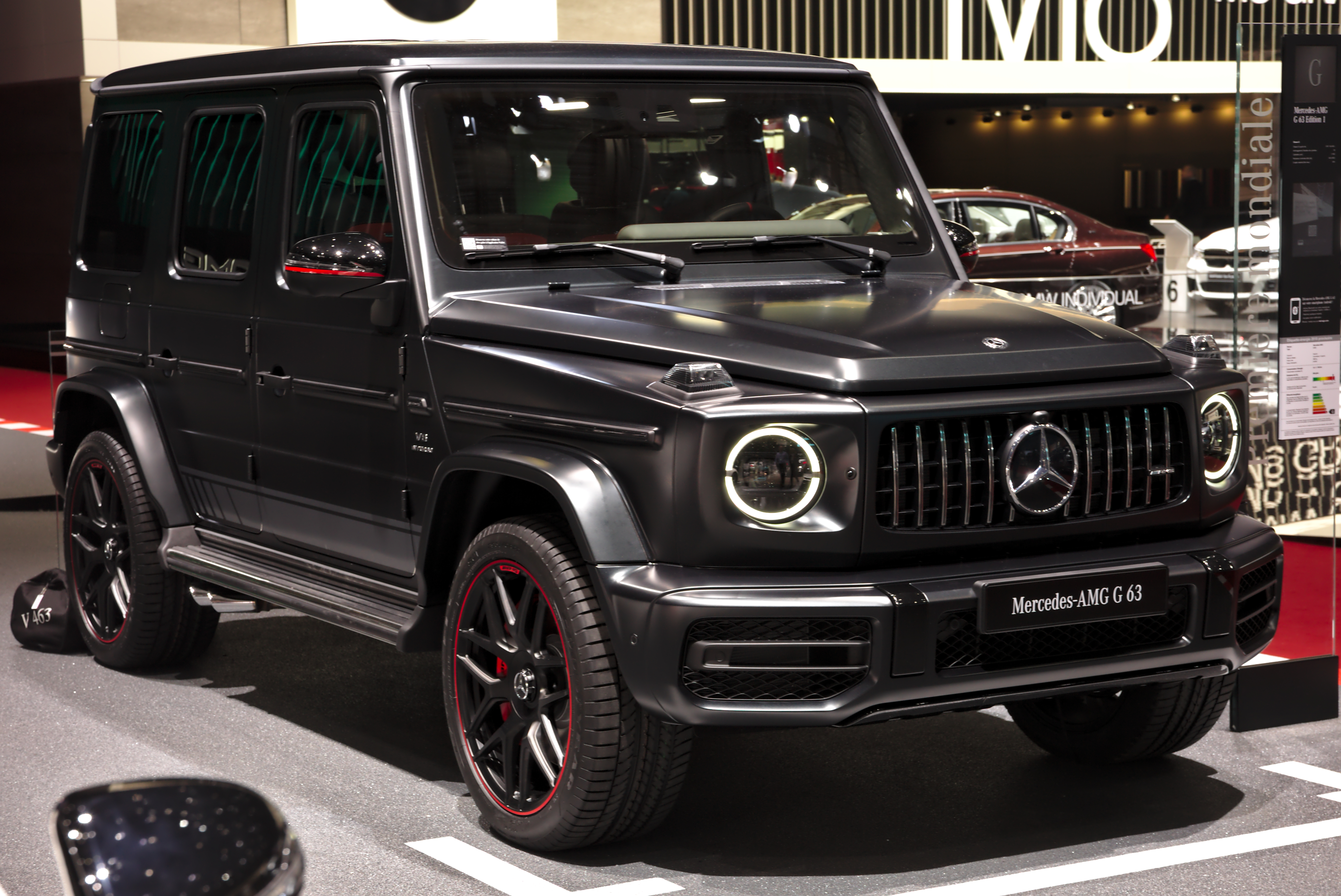
1. **Mercedes Benz G-Class and AMG**Leading the list of vehicles to reconsider are the Mercedes Benz G-Class and its AMG variants. These luxury giants carry a significant “premium price tag problem,” as highlighted by auto expert Chris Pyle. His assessment underscores a critical point for potential buyers: luxury doesn’t always equate to sensible long-term ownership costs, especially when it comes to fuel, making them less practical for those concerned with everyday expenses.
Pyle remarked succinctly about these models, stating, “Way too overpriced and they average 15 mpg.” This dismal fuel efficiency rating places them squarely in the category of gas guzzlers that will necessitate frequent stops at the fuel station. For a vehicle with such a high initial cost, the added burden of consistently high fuel expenses makes the overall ownership proposition significantly less appealing from a practical standpoint. The sheer volume of fuel required directly translates into a significant portion of your disposable income being channeled into the fuel tank.
The “15 mpg” figure is particularly telling in an era where sustainability and efficiency are increasingly important considerations. While the allure of a G-Class or AMG is undeniable for its powerful presence, consumers prioritizing financial prudence should think twice. The combination of an astronomical purchase price and relentlessly poor fuel economy translates into an exorbitant cost of ownership, challenging the notion of value beyond sheer brand prestige.
Car Model Information: 2023 Toyota Tacoma SR
Name: Mercedes-Benz G-Class
Caption: Mercedes-Benz G 350 (W463)
Manufacturer: Daimler-Benz,DaimlerChrysler,Daimler AG,Mercedes-Benz Group
Aka: Mercedes-Benz G-Wagen (1979–present),Mercedes-Benz G-Wagon,Puch G (1979–2000)
Production: 1979–present
Assembly: ubl
Class: Military jeep,Off-road vehicle,Luxury car,SUV,Pickup truck
Related: Mercedes-Benz W463 G 350 BlueTEC 01
Categories: 1980s cars, 1990s cars, 2000s cars, 2010s cars, 2020s cars
Summary: The Mercedes-Benz G-Class, colloquially known as the G-Wagon or G-Wagen (as an abbreviation of Geländewagen), is a four-wheel drive luxury SUV sold by Mercedes-Benz. Originally developed as a military off-roader, later more luxurious models were added to the line. In certain markets, it was sold under the Puch name as Puch G until 2000.
The G-Wagen is characterised by its boxy styling and body-on-frame construction. It uses three fully locking differentials, one of the few passenger car vehicles to have such a feature. Despite the introduction of an intended replacement, the unibody SUV Mercedes-Benz GL-Class in 2006, the G-Class is still in production and is one of the longest-produced vehicles in Daimler’s history, with a span of 45–46 years. Only the Unimog surpasses it. In 2018, Mercedes-Benz introduced the second-generation W463 with heavily revised chassis, powertrain, body, and interior. In 2023, Mercedes-Benz announced plans to launch a smaller version of the G-Class, named “little G”—though no definitive date was given for the launch.
The 400,000th unit was built on 4 December 2020. The success of the second-generation W463 led to the 500,000th unit milestone three years later in April 2023. The 500,000th model was a special one-off model with agave green paintwork, black front end, and amber turn signal indicators in tribute to the iconic 1979 press release photo of a jumping W460 240 GD.
Get more information about: Mercedes-Benz G-Class
Buying a high-performing used car >>>
Brand: Mercedes Benz Model: G-Class
Price: $33,199 Mileage: 59,070 mi.
Read more about: Inside the Garage: Unveiling 9 Legendary Tuning Houses That Redefine Automotive Platforms
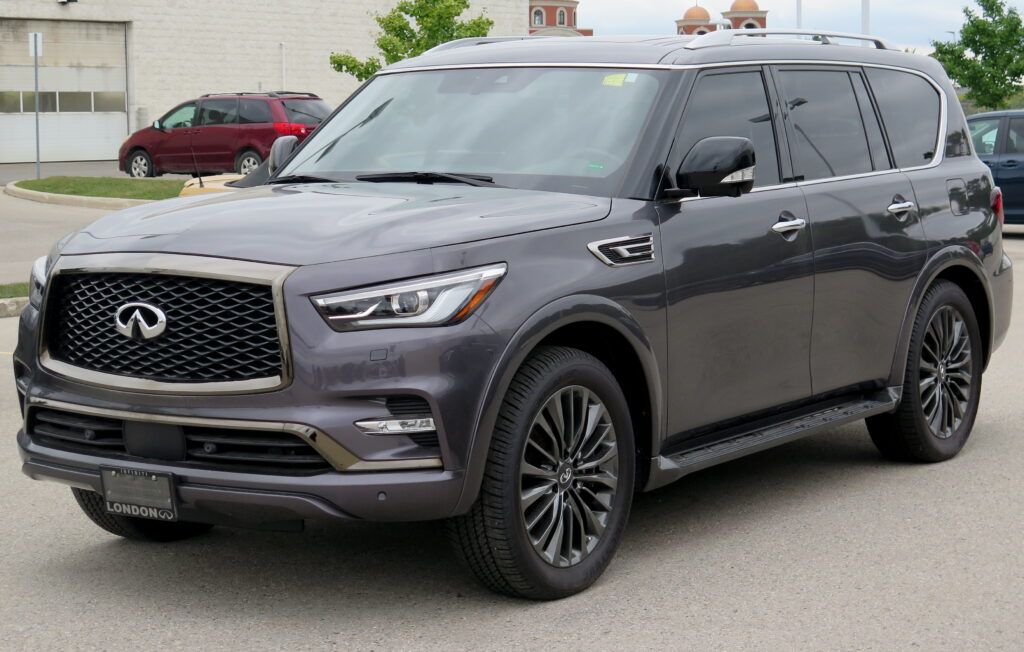
2. **Infiniti QX80**Following closely in the footsteps of other luxury behemoths is the Infiniti QX80, another model that failed to escape auto expert Chris Pyle’s critical eye. This large SUV also exemplifies the problematic intersection of a high sticker price and disappointing fuel efficiency, a combination that ultimately penalizes the consumer in the long run. The QX80 positions itself as a premium offering but struggles to deliver practical economy.
Pyle’s critique was direct: it is “another overpriced one with poor fuel economy at 15 mpg.” This echoes sentiments applied to other vehicles in this segment, emphasizing a recurring theme among larger, more luxurious SUVs. The “15 mpg” figure is a significant red flag, indicating this vehicle will be a constant drain on your fuel budget, necessitating frequent and costly trips to the gas station. For many families, this translates into a substantial recurring expenditure.
For families or individuals considering a spacious and comfortable SUV, the QX80’s fuel consumption presents a substantial economic hurdle. While the vehicle may offer a plush ride and ample room, its operational cost due to fuel thirst diminishes its appeal as a sensible investment, particularly when more fuel-efficient alternatives exist. Consumers are encouraged to look beyond the initial luxury and consider the relentless financial commitment required to keep this “overpriced” vehicle on the road.
Car Model Information: 2020 INFINITI QX80 Luxe
Name: Infiniti QX80
Caption: 2019 Infiniti QX80 (US)
Manufacturer: Nissan
Aka: Infiniti QX56 (2004–2013)
Production: 2004–present
Class: Full-size,luxury SUV
BodyStyle: SUV
Layout: Front-engine, rear-wheel-drive,Front-engine, four-wheel-drive
Predecessor: Nissan Pathfinder#Infiniti QX4
Chassis: Body-on-frame
Categories: 2010s cars, 2020s cars, All-wheel-drive vehicles, All articles with failed verification, All articles with unsourced statements
Summary: The Infiniti QX80 (formerly called the Infiniti QX56 until 2013) is a full-size luxury SUV marketed by Nissan’s luxury division Infiniti since the 2004 model year. The first-generation QX56 was built in the United States and is based on the first-generation Armada. The second-generation model was released in 2010 as a model produced in Japan, which used the sixth-generation Patrol (later also marketed as the second-generation Armada since 2016) as the base vehicle instead. Since the 2014 model year in 2013, the vehicle was renamed to the QX80 as Infiniti renamed their entire product line under a new nomenclature.
Get more information about: Infiniti QX80
Buying a high-performing used car >>>
Brand: Infiniti Model: QX80
Price: $22,951 Mileage: 104,531 mi.
Read more about: 14 Enduring SUVs: The Ultimate Guide to Vehicles That Last Decades and Deliver Exceptional Value
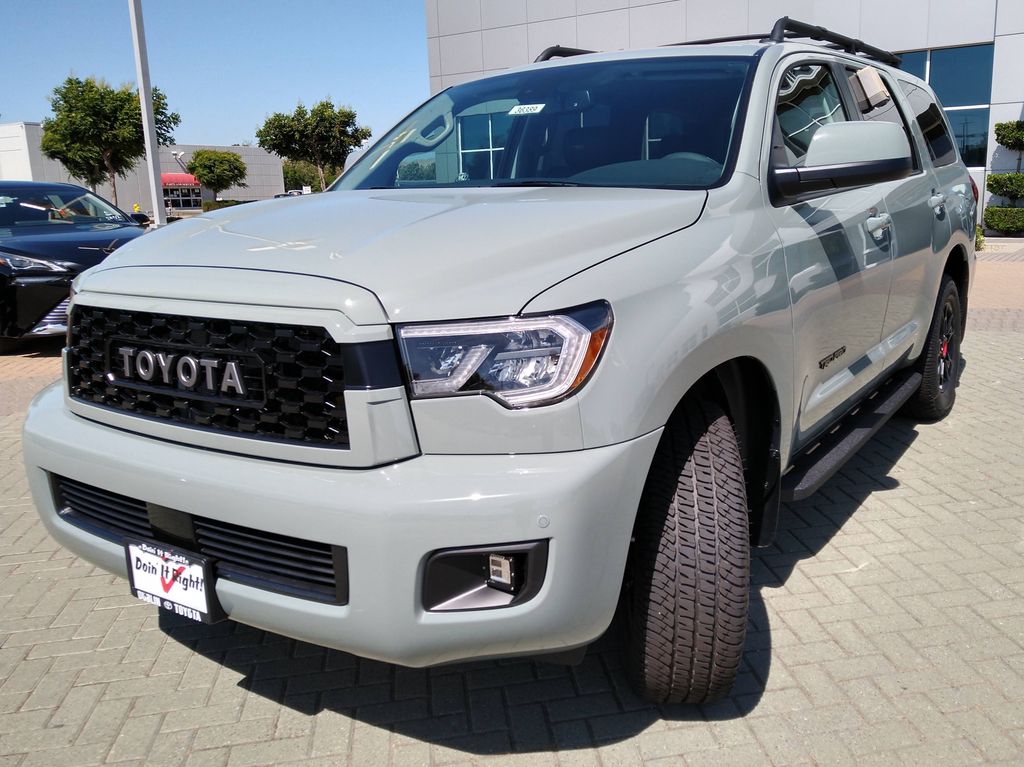
3. **Toyota Sequoia**Even the esteemed Toyota lineup, known for its reliability and value retention, has a notable entry on the list of gas guzzlers: the Toyota Sequoia. While it boasts many commendable attributes, its fuel economy unfortunately positions it as a less-than-ideal choice for those aiming to minimize their environmental footprint and reduce fuel expenses. This highlights that even respected brands can produce vehicles with significant operational costs.
Chris Pyle, while acknowledging the Sequoia’s positive traits, remarked, “Although nice, and it retains good value,” he quickly pointed out its Achilles’ heel: “At 16 mpg, it will visit the gas station too often.” The “16 mpg” figure, while slightly better than some luxury rivals, is still low for a contemporary vehicle and indicates considerable ongoing expense. This frequency of refueling can quickly erode any perceived savings from its good value retention.
The Sequoia’s capacity for frequent gas station visits means that, despite its spacious interior and legendary Toyota dependability, it demands a constant financial commitment for fuel. For consumers needing a large SUV, it’s crucial to weigh the benefits of its size and reliability against the long-term cost of its fuel consumption. The initial appeal of its practicality and brand reputation can be overshadowed by the cumulative expenses at the fuel pump over its lifespan.
Car Model Information: 2024 Toyota Sequoia Capstone
Name: Toyota Sequoia
Manufacturer: Toyota
Production: September 2000 – present
ModelYears: 2001–present
Class: Full-size SUV
BodyStyle: SUV
Layout: unbulleted list
Related: unbulleted list
Sp: us
Categories: 2010s cars, 2020s cars, All-wheel-drive vehicles, All Wikipedia articles written in American English, All articles containing potentially dated statements
Summary: The Toyota Sequoia is a full-size SUV manufactured by Toyota mainly for the North American market since 2000 for the 2001 model year, being derived from the Tundra pickup truck. It is the second largest SUV ever produced under the Toyota brand, after the Japan-exclusive, military-focused Mega Cruiser.
Previously manufactured at Toyota Motor Manufacturing Indiana in Princeton, Indiana between 2000 and 2021, and then in Toyota Motor Manufacturing Texas in San Antonio, Texas since 2022, the Sequoia is the first vehicle from a Japanese marque in the popular mainstream full-sized SUV class in North America, and initial planning done by first-generation Sequoia chief engineer Kaoru Hosokawa aimed the Sequoia directly at the Ford Expedition, Chevrolet Tahoe/GMC Yukon, and other full-size SUVs.
Up until the 2021 model year, the Sequoia was slotted between the mid-size 4Runner and the premium Land Cruiser in the North American Toyota SUV lineup. With the discontinuation of North American sales of the Land Cruiser from the 2022 model year onward, the Sequoia became the flagship SUV in Toyota’s North America lineup.
As of 2021, the Sequoia is sold in the United States, Canada, Mexico, and Costa Rica. It is offered in left-hand drive only.
The Sequoia is named after the Giant Sequoia, a species of tall redwood trees native to California.
Get more information about: Toyota Sequoia
Buying a high-performing used car >>>
Brand: Toyota Model: Sequoia
Price: $74,590 Mileage: 17,177 mi.
Read more about: Urgent Safety Alert: Unpacking Ford’s Seat Belt Pretensioner Recalls and What F-Series Owners Need to Know

4. **BMW X5**The BMW X5, a popular choice in the luxury SUV segment, also finds itself on the list of vehicles with concerning fuel economy. Despite its reputation for performance and sophisticated engineering, the X5’s real-world fuel consumption figures suggest it will not be a friend to your wallet at the pump. This demonstrates that even vehicles from brands synonymous with driving dynamics can have significant drawbacks in the realm of fuel efficiency.
Auto expert Chris Pyle directly addressed the BMW X5’s performance, pointing out its “disappointing 15 mpg performance.” This rating places it squarely among the less efficient options in its class, indicating that owners should anticipate frequent refueling stops and substantial ongoing fuel costs. For a vehicle that often commands a premium price, this level of fuel consumption can be particularly frustrating for consumers who expect a more balanced ownership experience.
While the BMW X5 offers a compelling blend of luxury, power, and handling, its “15 mpg” figure serves as a clear warning to potential buyers. The pursuit of sophisticated driving dynamics and interior comfort often comes at the expense of fuel efficiency in larger vehicles, a trade-off that is becoming increasingly costly. Consumers considering the X5 should be prepared for the financial implications of its consistent thirst for fuel, ensuring that driving pleasure outweighs economic considerations.
Car Model Information: 2010 BMW X5 xDrive48i
Name: BMW X5
Manufacturer: BMW
Class: Mid-size,luxury vehicle,crossover SUV
BodyStyle: SUV
Production: 1999–present
Layout: Front-engine, four-wheel-drive layout,Front-engine, rear-wheel-drive layout
Categories: 2000s cars, 2010s cars, All-wheel-drive vehicles, All articles with unsourced statements, Articles with short description
Summary: The BMW X5 is a mid-size luxury crossover SUV produced by BMW. The X5 made its debut in 1999 as the E53 model. It was BMW’s first SUV. At launch, it featured all-wheel drive and was available with either a manual or automatic gearbox. The second generation was launched in 2006, and was known internally as the E70. The E70 featured the torque-split capable xDrive all-wheel drive system mated to an automatic gearbox. In 2009, the X5 M performance variant was released as a 2010 model.
BMW marketed the X5 officially as a “Sports Activity Vehicle” (SAV), rather than an SUV, to indicate its on-road handling capability despite its large dimensions. The X5 signaled a shift away from the utilisation of body-on-frame construction, in favour of more modern monocoque chassis construction. Although the Mercedes-Benz M-Class was introduced more than a year prior to the X5, the X5 was the first to utilise a monocoque chassis. The M-Class used body-on-frame construction until its second generation.
The X5 is primarily manufactured in North America, at BMW Group Plant Spartanburg. Assembly operations also took place in Russia by Avtotor until February 2022, along with operations in India, Indonesia, Malaysia, and Thailand. The X5 is also modified for armoured security versions, at the BMW de México Toluca plant.
The automaker’s SAV series, which was started by the X5, has expanded with derivations of other number-series BMWs. This began in 2003 with the X3, and continued in 2008 with the X6 (which shares its platform with the X5).
Get more information about: BMW X5
Buying a high-performing used car >>>
Brand: BMW Model: X5
Price: $10,961 Mileage: 101,541 mi.
Read more about: The Infotainment Report Card: Ranking 10 Modern Cars on Digital Reliability and Driver Experience

5. **Nissan Armada**Another sizable SUV, the Nissan Armada, is called out by expert Chris Pyle as a vehicle that, despite offering a comfortable ride, falls short when it comes to fuel efficiency. This model exemplifies how even widely-used family vehicles can contribute significantly to a household’s overall fuel expenditure, requiring a careful cost-benefit analysis before purchase. It illustrates the trade-offs often made between spaciousness, utility, and economic operation.
Pyle categorized the Nissan Armada similarly to others on this list, stating it’s “another nice ride but lousy 15 MPG.” This unambiguous warning about its poor fuel economy means that for a vehicle designed to transport multiple passengers and cargo, its low mileage translates into a frequent need for refueling. This can quickly become a considerable recurring expense for owners, significantly impacting a family’s budget, especially during long trips.
The Armada’s appeal often lies in its spaciousness and capability, making it a viable option for larger families or those requiring significant towing capacity. However, these benefits come with a clear operational cost in terms of fuel, a factor that should not be underestimated. “Just be ready for fewer miles on your dollar,” the expert warns, perfectly encapsulating the core dilemma.
Car Model Information: 2011 Nissan Armada SV
Caption: 2023 Nissan Armada
Manufacturer: Nissan
Aka: Nissan Patrol
Production: 2003–present
ModelYears: 2004–present
Class: Full-size,sport utility vehicle
BodyStyle: SUV
Layout: Front-engine, rear-wheel-drive layout
Categories: 2010s cars, 2020s cars, All-wheel-drive vehicles, All Wikipedia articles written in American English, All articles with unsourced statements
Summary: The Nissan Armada (originally badged as the Nissan Pathfinder Armada) is a full-size SUV manufactured by Nissan for the North American market, since 2003 for the 2004 model year.
From 2003 to 2015, the first-generation Armada was assembled in Canton, Mississippi based on the Nissan Titan. From mid-2016 onwards, the second-generation Armada is built in Yukuhashi, Kyushu, Japan. It shares the same platform as the Nissan Patrol, with American-specific modifications, and went on sale in mid-2016 as a 2017 model. A luxury version of the Armada has been sold as the Infiniti QX80 (originally QX56).
Get more information about: Nissan Armada
Buying a high-performing used car >>>
Brand: Nissan Model: Armada
Price: $8,645 Mileage: 149,775 mi.
Read more about: Urgent Safety Alert: Unpacking Ford’s Seat Belt Pretensioner Recalls and What F-Series Owners Need to Know
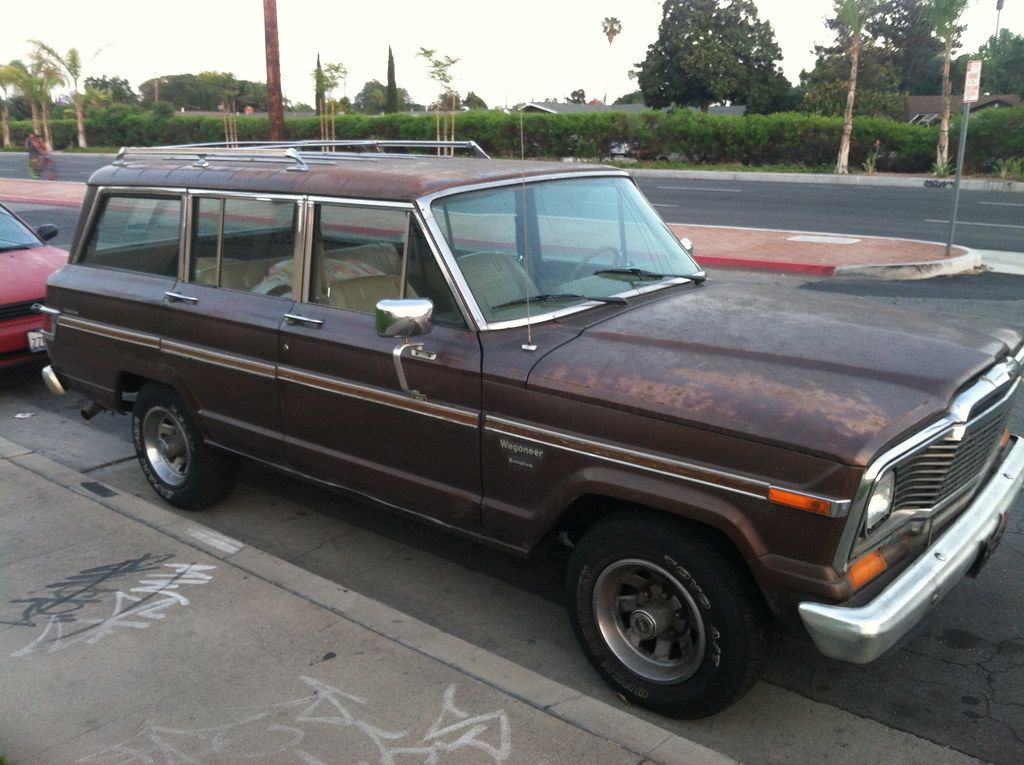
6. **Jeep Wagoneer**The Jeep Wagoneer, a relatively newer entry in the large SUV market, garnered particular attention from auto expert Chris Pyle, and not for positive reasons concerning its efficiency or reliability. This model presents a dual challenge to prospective owners: not only does it suffer from poor fuel economy, but it also carries concerns about its long-term durability and the potential for “premature failures.”
Pyle issued a strong warning about the Wagoneer, stating, “Fifteen mpg, plus I am seeing some complaints of premature failures.” He then concluded decisively, “It is not worth the high expense of ownership.” The “15 mpg” rating immediately flags it as a gas guzzler, ensuring that owners will face frequent and costly trips to the gas station, a questionable choice for budget-conscious consumers.
The added concern of “premature failures” significantly compounds the Wagoneer’s ownership problems. This suggests that the “high expense of ownership” extends beyond just fuel costs, potentially encompassing unexpected maintenance and repair bills for a premium-priced vehicle. These combined factors make the Jeep Wagoneer a particularly risky and economically unsound investment, despite its size and perceived luxury, demanding high caution.
Car Model Information: 2022 Jeep Wagoneer Series II
Name: Jeep Wagoneer
Aka: Jeep Grand Wagoneer
Caption: 1990 Jeep Grand Wagoneer (SJ)
Manufacturer: Jeep
Class: Full-size SUV
Production: 1962–1993,2021–present
Layout: Front-engine, rear-wheel-drive
Chassis: ubl
Categories: 1960s cars, 1970s cars, 1980s cars, 1990s cars, 2020s cars
Summary: The Jeep Wagoneer and Grand Wagoneer are a sport utility vehicle (SUV) nameplate of Jeep vehicles, with several models marketed for the 1963 through 1993 model years and again since the 2022 model year.
Various versions of the Wagoneer/Grand Wagoneer were manufactured in the US and other nations by Kaiser Motors (1962−1971), by American Motors (1971−1987), by Chrysler (1987−1993), and Stellantis from 2021.
A revival of the Jeep Wagoneer was introduced as a concept version on September 3, 2020, and as the production model on March 11, 2021. Sales began in the second half of 2021 for the 2022 model year. In 2024, Jeep added an all-electric vehicle called the Wagoneer S to the lineup.
Get more information about: Jeep Wagoneer
Buying a high-performing used car >>>
Brand: Jeep Model: Wagoneer
Price: $39,990 Mileage: 60,241 mi.
Read more about: Beyond Glare: Unpacking the Most Controversial Car Design Features and Their Unforeseen Impacts on the Road and Culture
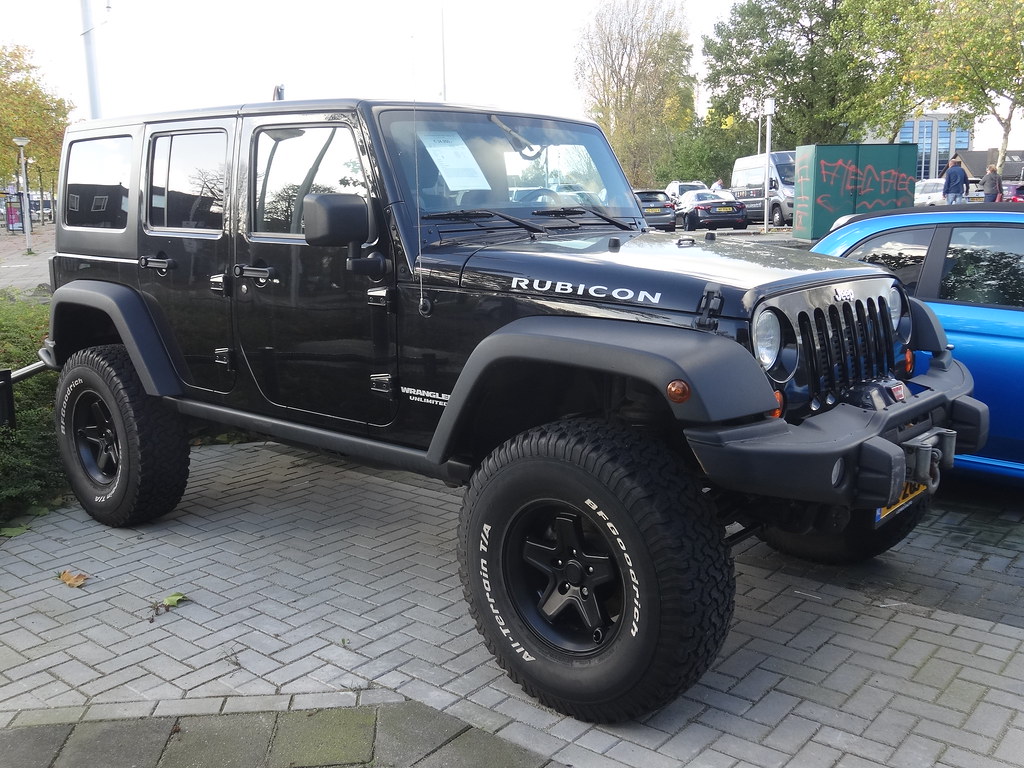
7. **Jeep Wrangler**The Jeep Wrangler, an iconic vehicle renowned for its off-road prowess, occupies a unique position on the list of gas guzzlers. While its fuel economy figures are unequivocally low, expert Chris Pyle offers a specific caveat, recognizing that its target demographic typically prioritizes rugged capability over miserly fuel consumption. This highlights a segment where consumer expectations fundamentally differ.
Regarding the Wrangler’s 14 mpg, Pyle noted that “most do not buy this one expecting good numbers.” This candid observation suggests that buyers are consciously accepting its fuel thirst as a trade-off for its unmatched off-road performance and adventurous spirit. Its design and engineering, geared towards challenging terrains, require robust powertrains not designed for peak fuel efficiency.
However, even with this understanding, the “14 mpg” figure is still a significant consideration for long-term ownership. For those using the Wrangler primarily for daily commutes rather than its intended off-road excursions, the frequent and substantial fuel costs will quickly become a recurring drain on their budget. “The price though is in line with other SUVs this size if you call the Jeep an SUV,” but operational costs demand careful budgeting.
Car Model Information: 2024 Jeep Wrangler 4-Door Sahara 4×4
Name: Jeep Wrangler
Caption: Jeep Wrangler Unlimited, Sahara edition
Manufacturer: Jeep
Class: Compact SUV
Production: 1986–present
Predecessor: Jeep CJ
Layout: Front-engine, rear-wheel-drive layout,rear-wheel drive
Chassis: Body-on-frame
Related: AIL Storm
Categories: 1980s cars, 1990s cars, 2000s cars, 2010s cars, All-wheel-drive vehicles
Summary: The Jeep Wrangler is a series of compact and mid-size four-wheel drive off-road SUVs manufactured by Jeep since 1986, and currently in its fourth generation. The Wrangler JL, the most recent generation, was unveiled in late 2017 and is produced at Jeep’s Toledo Complex.
The Wrangler is a direct progression from the World War II Jeep, through the CJ (Civilian Jeeps) produced by Willys, Kaiser-Jeep, and American Motors Corporation (AMC) from the mid-1940s through the 1980s. Although neither AMC nor Chrysler (after it purchased AMC in 1987) have claimed that the Wrangler was a direct descendant of the original military model — both the CJ Jeeps and the conceptually consistent Wrangler, with their solid axles and open top, have been called the Jeep model as central to Jeep’s brand identity as the rear-engine 911 is to Porsche.
Similar to the Willys MB and the CJ Jeeps before it, all Wrangler models continue to use a separate body and frame, rigid live axles both front and rear, a tapering nose design with flared fenders, a fold-flat windshield, and can be driven without doors. Also, with few exceptions, they have part-time four-wheel drive systems, with the choice of high and low gearing, and standard open bodies with removable hard or soft tops. However, the Wrangler series was specifically redesigned to be safer and more comfortable on-road, to attract more daily drivers, by upgrading its suspension, drivetrain, and interior, compared to the CJ line. The suspension on all Wranglers included trackbars and anti-roll bars, and, from the 1997 TJ onwards, front and rear coil springs instead of the previous leaf springs.
From 2004 on, the Wrangler has been complemented with long-wheelbase versions, called Wrangler Unlimited. 2004-2006 models were longer versions with 2 doors. In 2004, only automatic transmission-equipped “Unlimited” versions were sold. In 2005, both an automatic and manual 6-speed (NSG-370) were offered. Since 2007, the long-wheelbase Wranglers were four-door models, offering over 20 in (508 mm) more room. By mid-2017, the four-door models represented three-quarters of all new Wranglers on the market.
Get more information about: Jeep Wrangler
Buying a high-performing used car >>>
Brand: Jeep Model: Wrangler
Price: $42,786 Mileage: 25,349 mi.
Read more about: Reimagining Automotive Icons: The California Innovators Electrifying Classic Muscle Cars for a Sustainable Future
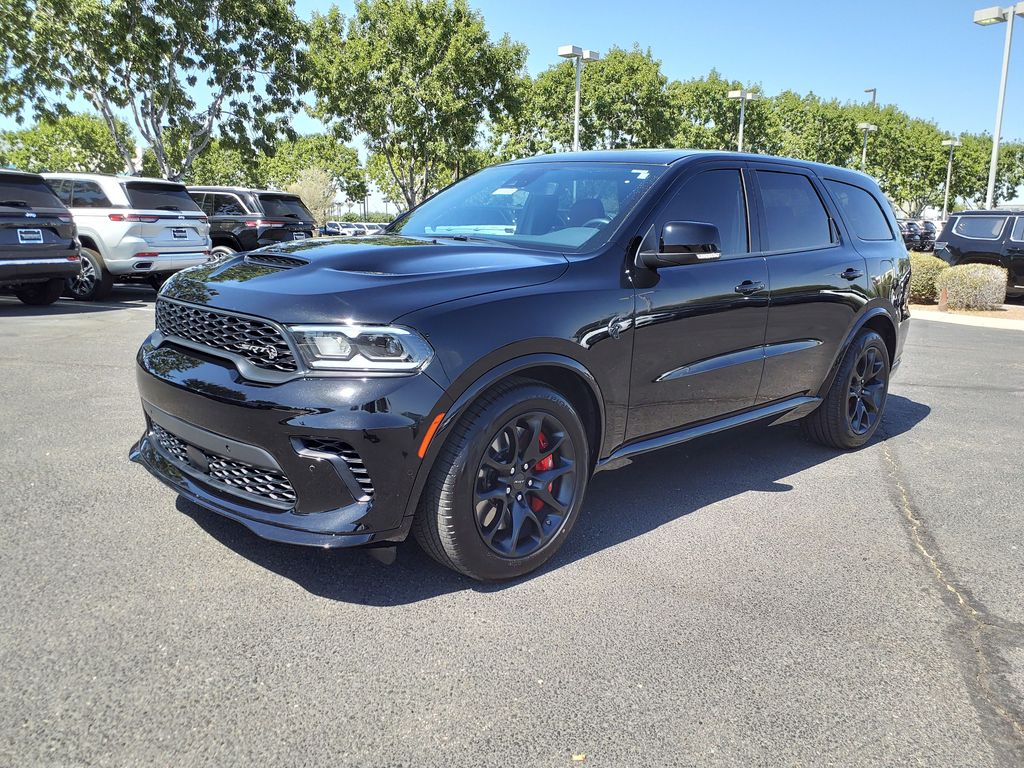
8. **Dodge Durango Hellcat**Continuing our exploration of vehicles that defy fuel efficiency, the Dodge Durango Hellcat stands out as a muscular SUV explicitly designed for power rather than prudence at the pump. Auto expert Chris Pyle highlighted this model as a special case, acknowledging that its primary appeal lies in its “wicked powerful” performance, not its ability to conserve fuel. This vehicle is a prime example of where raw horsepower takes absolute precedence over economic operation.
With a mere 13 miles per gallon (mpg), the Durango Hellcat solidifies its position as one of the most fuel-thirsty vehicles on the road. Pyle’s observation, “People do not buy this one for fuel economy; it is wicked powerful but high power, and an SUV is not really sought for,” perfectly encapsulates the trade-off. Buyers are consciously opting for an adrenaline rush and imposing road presence, understanding that frequent and costly fuel stops are part of the ownership experience.
For consumers whose priorities lean towards everyday practicality and managing recurring expenses, the Durango Hellcat presents a significant financial commitment beyond its purchase price. While its formidable engine and aggressive styling might turn heads, its continuous demand for fuel positions it as a non-recommendation for anyone seeking a sensible and cost-effective mode of transportation in 2025.
Car Model Information: 2022 Mitsubishi Outlander
Categories: All Wikipedia articles needing clarification, All articles needing additional references, All articles to be expanded, All articles with unsourced statements, Articles needing additional references from June 2010
Summary: The Chrysler Hemi engine, known by the trademark Hemi or HEMI, is a series of high-performance American overhead valve V8 engines built by Chrysler with hemispherical combustion chambers. Three generations have been produced: the FirePower series (with displacements from 241 to 392 cu in (3.9 to 6.4 L) from 1951 until 1958; a 426 cu in (7.0 L) race and street engine from 1964 through 1971; and family of advanced Hemis (displacing between 5.7 and 6.4 L (348 and 391 cu in) since 2003.
Although Chrysler is most identified with “Hemi” as a marketing term, many other auto manufacturers have incorporated Hemispherical cylinder head designs.
During the 1970s and 1980s, Chrysler also applied the term Hemi to their Australian-made Hemi-6 Engine, and a 4-cylinder Mitsubishi 2.6 L engine installed in various North American market vehicles.
Get more information about: Chrysler Hemi engine
Buying a high-performing used car >>>
Brand: Dodge Model: Durango Hellcat
Price: $21,595 Mileage: 44,296 mi.
Read more about: Unpacking the Wallet Drain: The 12 Most Expensive SUVs to Maintain in Today’s Market for Savvy Long-Term Planners

9. **Bugatti Chiron Pur Sport**Venturing into the realm of ultimate performance, the Bugatti Chiron Pur Sport exemplifies a category of vehicles where fuel economy is, by design, an afterthought. These hypercars exist at the apex of automotive engineering, pushing boundaries in speed, luxury, and exclusivity, with their operational costs being secondary concerns for their owners. However, for the purpose of understanding gas-guzzlers, it offers a stark illustration of extreme consumption.
As the context points out, a Bugatti Chiron Pur Sport offers “a bit of a gulp fest when it comes to fuel consumption – to the tune of around 10 miles per gallon.” This incredibly low MPG figure is a testament to the immense power output and specialized engineering required for such astronomical performance capabilities. It’s a vehicle built to dominate racetracks and impress on exclusive drives, not to be an economical daily commuter.
While largely irrelevant to its target demographic, this figure serves as a definitive benchmark for high fuel consumption. Prospective owners of such a vehicle are fully aware of the continuous financial outlay required to keep it fueled, signifying that the allure of unparalleled speed and prestige far outweighs any consideration for efficiency. It’s a pure performance machine, and its fuel appetite reflects that unwavering focus.
Car Model Information: 2022 Mitsubishi Outlander
Name: Bugatti Chiron
Manufacturer: Bugatti Automobiles S.A.S.
Production: 2016–2024
Assembly: Molsheim
Class: Sports car
BodyStyle: coupé
Related: unbulleted list
Layout: Mid-engine, four-wheel-drive layout,All-wheel drive vehicle
Engine: 8.0 L
Abbr: on
Powerout: unbulleted list
Order: flip (est) (Chiron Sport)
Transmission: dual-clutch transmission,automatic transmission
Wheelbase: 2711 mm
Length: 4544 mm
Width: 2038 mm
Height: 1212 mm
Weight: unbulleted list
Sp: uk
Predecessor: unbulleted list
Successor: unbulleted list
Designer: unbulleted list
Categories: All Wikipedia articles written in British English, Articles with short description, Bugatti automobiles, CS1 German-language sources (de), Cars discontinued in 2024
Summary: The Bugatti Chiron is a mid-engine two-seater sports car designed and developed in Germany by Bugatti Engineering GmbH. It was manufactured in Molsheim, France, by French automobile manufacturer Bugatti Automobiles S.A.S. The successor to the Bugatti Veyron, the Chiron was first shown at the Geneva Motor Show on 1 March 2016. The car’s design was initially previewed with the Bugatti Vision Gran Turismo concept car unveiled at the 2015 Frankfurt Auto Show.
The car is named after the Monégasque driver Louis Chiron. The car shares the name with the 1999 Bugatti 18/3 Chiron concept car.
Get more information about: Bugatti Chiron
Buying a high-performing used car >>>
Brand: Bugatti Model: Chiron Pur Sport
Price: $21,595 Mileage: 44,296 mi.
Read more about: Rev Up Your Engines! These 14 Stars Boast Jaw-Dropping, Priceless Classic Car Collections
10. **Lamborghini Aventador**Similarly, the Lamborghini Aventador embodies the spirit of an uncompromising supercar, placing breathtaking design and blistering performance far ahead of any aspirations for fuel efficiency. These iconic Italian machines are synonymous with high-octane thrills and exotic luxury, attracting buyers who prioritize visceral driving experiences above all else. Consequently, their fuel consumption figures are expected to be substantial.
In the grand scheme of fuel savings, the Lamborghini Aventador is noted to be “Far from the winning lap in fuel savings.” This colorful description succinctly conveys its status as a significant gas guzzler. The roaring V12 engine, central to the Aventador’s legendary performance, inherently requires a substantial amount of fuel to deliver its exhilarating power and sound. It’s a vehicle designed to consume fuel rapidly, converting it into an unparalleled driving sensation.
For most consumers, the Aventador’s fuel demands underscore a crucial economic reality: vehicles engineered for extreme performance and luxury come with commensurately high running costs. It’s a clear example of how dedication to pure performance translates directly into a continuous and considerable investment at the fuel pump, placing it firmly in the category of vehicles to reconsider if fuel economy is a factor.
Car Model Information: 2017 Lamborghini Aventador LP750-4 Superveloce
Name: Lamborghini Aventador
Caption: Lamborghini Aventador Ultimae Roadster
Manufacturer: Lamborghini
Production: February 2011 – September 2022
Assembly: Sant’Agata Bolognese
Designer: unbulleted list
Class: Sports car
BodyStyle: unbulleted list
Related: unbulleted list
Layout: Mid-engine, four-wheel drive layout
Engine: Lamborghini V12#Second Generation,V12 engine
Powerout: unbulleted list
Abbr: on
Order: flip SVJ LP 770-4 (with fluids, US)
Round: 5 (Aventador Ultimae)
Transmission: Graziano Trasmissioni
Wheelbase: 2700 mm
Length: 4780 mm
Width: 2030 mm
Height: 1136 mm
Weight: unbulleted list
Predecessor: Lamborghini Murciélago
Successor: Lamborghini Revuelto
ModelYears: 2012–2022
Doors: Scissor doors
Categories: 2020s cars, All Wikipedia articles written in British English, All articles with a promotional tone, All articles with unsourced statements, Articles with a promotional tone from January 2023
Summary: The Lamborghini Aventador (Spanish pronunciation: [aβentaˈðoɾ]) is a mid-engine, two-passenger sports car manufactured and marketed by Lamborghini from 2011 until 2022. Named after a prominent Spanish fighting bull that fought in Zaragoza, Aragón, in 1993, the Aventador succeeded the Murciélago and was manufactured in Sant’Agata Bolognese, Italy.
Get more information about: Lamborghini Aventador
Buying a high-performing used car >>>
Brand: Lamborghini Model: Aventador
Price: $439,900 Mileage: 9,987 mi.
Read more about: Inside Vanilla Ice’s Garage: A Deep Dive into the Rapper’s Eclectic and Multi-Million Dollar Automotive Collection
11. **Bentley Continental GT**The Bentley Continental GT occupies a unique space, blending opulent luxury and grand touring capability with powerful performance. While perhaps not as overtly extreme as a hypercar, its substantial size, luxurious appointments, and potent engines ensure that fuel efficiency is not its strong suit. It caters to a clientele that expects effortless power and supreme comfort, traits that typically demand considerable fuel.
The context highlights that with the Bentley Continental GT, “Luxury and heft come at a refueling cost.” This statement perfectly encapsulates the reality of owning such a prestigious vehicle. Its powerful engine, designed for smooth and commanding acceleration, coupled with its considerable weight, translates into a constant and significant demand for fuel. It’s a vehicle built for long-distance comfort and high-speed cruising, rather than frugal trips to the gas station.
Prospective buyers of the Continental GT should be prepared for this inherent trade-off. The unparalleled comfort, exquisite craftsmanship, and robust performance are undeniable, but they are accompanied by a consistent financial commitment to fuel. For those prioritizing a sophisticated and powerful driving experience, the recurring refueling costs are an expected part of the luxury ownership package, but for the average consumer, it’s a noteworthy expense.
Read more about: Beyond the Big Screen: A Deep Dive into Will Smith’s Elite and Eclectic Automobile Collection

12. **Chevrolet Equinox (Gas-Powered Variants)**As automakers pivot back to high-profit internal combustion engine (ICE) vehicles, models like the gas-powered Chevrolet Equinox represent a segment that, while popular, demands scrutiny for its efficiency. GM’s decision to repurpose plants like Fairfax to produce both EVs and gas-powered models underscores the industry’s renewed focus on traditional vehicles, often at the expense of improved fuel economy across the board. The context explicitly mentions the Fairfax plant producing the “gas-powered Equinox,” indicating its role in this strategic shift.
While specific MPG figures for the Equinox are not detailed by auto expert Chris Pyle in this context, its inclusion in GM’s accelerated ICE production plans places it within the broader trend of vehicles that may not prioritize efficiency as highly as purely electric alternatives. The general shift towards “giant vehicles” and “high-margin segments like large SUVs and trucks,” of which the Equinox is a part, implies a move away from optimizing every last mile per gallon.
For consumers evaluating new vehicles, it’s vital to consider how models like the gas-powered Equinox fit into the bigger picture of increasing fuel costs and environmental considerations. As automakers lean into selling “ICE vehicles… for longer,” buyers should remain vigilant, understanding that the emphasis on profitability for manufacturers often translates to higher ongoing operational costs for owners, particularly at the gas pump.
Car Model Information: 2024 Chevrolet Equinox LT
Name: Chevrolet Equinox
Manufacturer: General Motors
Aka: ubl
Production: 2004–present
ModelYears: 2005–present
Class: Mid-size crossover SUV
BodyStyle: Sport utility vehicle
Layout: Transverse engine,Front-engine, front-wheel-drive layout
Predecessor: ubl
Categories: 2000s cars, 2010s cars, 2020s cars, All-wheel-drive vehicles, All Wikipedia articles written in American English
Summary: The Chevrolet Equinox is a crossover SUV introduced by Chevrolet in 2004 for the 2005 model year. It was intended to replace the North American Chevrolet Tracker and Chevrolet S-10 Blazer. The third-generation Equinox also replaced the first-generation Chevrolet Captiva.
An all-electric battery-powered (BEV) version called the Equinox EV was introduced in 2022 with sales starting in 2023 for the 2024 model year. It adopts a separate design and underpinnings from the internal combustion engine powered Equinox.
Get more information about: Chevrolet Equinox
Buying a high-performing used car >>>
Brand: Chevrolet Model: Equinox
Price: $24,090 Mileage: 38,393 mi.

13. **Dodge Charger Sixpack (Gas-Powered)**The announcement of the gas-powered Dodge Charger with the Sixpack engine marks a significant moment in the automotive landscape, signaling Stellantis’s strategic pivot back to traditional high-performance internal combustion engines. This move, which follows the axing of the HEMI, is a direct response to market demands and the profitability of ICE vehicles. The Charger, especially in its performance-oriented Sixpack variant, is poised to be a vehicle where raw power and driving excitement will undoubtedly overshadow fuel efficiency.
While precise fuel economy figures for the upcoming Charger Sixpack are not yet available in the provided context, its lineage and the broader industry trend strongly suggest it will be a significant consumer of fuel. The very essence of a Dodge Charger, particularly one replacing the HEMI, is synonymous with muscular performance and an engaging roar, characteristics that are inherently tied to higher fuel consumption. This model is being introduced as automakers “lean back into what they already know makes a big profit, ICE vehicles.”
For consumers looking for an exhilarating driving experience and a vehicle that embraces its powerful heritage, the Charger Sixpack will be appealing. However, it’s crucial to acknowledge that this choice will come with a continuous financial commitment to fuel. It represents the industry’s strategic choice to provide powerful, gas-thirsty options, making it a model that will likely contribute to frequent stops at the gas station for its owners.
Car Model Information: 2022 Dodge Charger SRT Hellcat Redeye Widebody Jailbre
Name: Dodge Charger
Caption: 1969 Dodge Charger
Manufacturer: Dodge
Production: 1966–1978,1981–1987,2005–present
ModelYears: 1966–1978,1982–1987,2006–present
Categories: 1960s cars, 1970s cars, 1980s cars, 2000s cars, 2010s cars
Summary: The Dodge Charger is a model of automobile marketed by Dodge in various forms over eight generations since 1966.
The first Charger was a show car in 1964. A 1965 Charger II concept car resembled the 1966 production version.
In the United States, the Charger nameplate has been used on mid-size cars, personal luxury coupes, subcompact hatchbacks, and full-size sedans.
Get more information about: Dodge Charger
Buying a high-performing used car >>>
Brand: Dodge Model: Charger
Price: $88,138 Mileage: 7,100 mi.
14. **Ford Mustang (Muscle Car Segment)**The Ford Mustang, an enduring icon of American muscle, perfectly embodies the “muscle car” segment, where performance and the thrill of acceleration are paramount. While the Mustang has evolved over the years, its core identity remains rooted in delivering robust power and an exhilarating driving experience, traits that typically come with a notable trade-off in fuel efficiency. The context explicitly identifies muscle cars like the Mustang as vehicles that “aren’t designed with saving gas in mind.”
Indeed, the focus of muscle cars is squarely “on performance and that 🔥 thrill of acceleration,” rather than achieving impressive miles per gallon. As the context vividly puts it, “We often see these guys guzzling fuel faster than a kid slurping a milkshake.” This evocative comparison highlights the inherent fuel thirst of such vehicles, making it clear that they are engineered to provide maximum excitement, not maximum range on a tank of gas.
For enthusiasts, the Mustang’s power and heritage are compelling, and they often accept the higher fuel costs as part of the package. However, for the general consumer prioritizing economical operation, a muscle car like the Ford Mustang demands careful consideration. Its continuous thirst for fuel means more frequent and costly trips to the pump, positioning it as a vehicle that can quickly drain your wallet if not budgeted for appropriately.
***
**Maximizing Fuel Efficiency: Practical Steps for Savvy Consumers**
As we navigate an automotive market increasingly populated by robust, gas-guzzling vehicles, consumers hold significant power in making informed decisions and optimizing their driving habits. Understanding the nuances of fuel economy and adopting smart practices can lead to substantial savings and a reduced environmental footprint, even if your chosen vehicle isn’t a poster child for efficiency. Our goal is to empower you with actionable advice to squeeze every last mile from your fuel tank.
**Understanding Fuel Economy Ratings**
Knowledge truly is power, especially when deciphering vehicle specifications like EPA fuel economy ratings. These ratings provide essential miles per gallon (MPG) estimates, offering a clear reflection of a vehicle’s potential efficiency. By taking the time to compare these figures across different models, you can realistically gauge a car’s long-term operational costs and set appropriate expectations for your wallet.
It’s crucial to remember that these ratings are derived from standardized test conditions, meaning your actual mileage may vary based on your driving style, road conditions, and vehicle maintenance. Nevertheless, they offer an invaluable baseline. Understanding this playing field is the first crucial step toward becoming a fuel efficiency champion.
**Optimizing Driving Habits**
Your personal driving style has a profound impact on how much fuel your vehicle consumes. Adopting a few simple adjustments can significantly enhance your fuel economy, transforming wasteful habits into economical ones. It’s not about being the slowest on the road, but the smartest.
Consider your speed: studies unequivocally show that reducing your velocity can lead to tangible savings. For instance, dropping your speed from 65 mph to 55 mph can trim up to 15% off your fuel costs. Smooth acceleration and gentle braking also conserve considerably more gas than aggressive, jerky movements. Think of it as a ballet for your feet, rather than a frantic stomp.
Finally, eliminate unnecessary idling. The most inefficient mileage you can achieve is 0 mpg, which is precisely what happens when your engine runs while stationary. If you anticipate being stopped for more than a minute, it’s far more fuel-efficient to simply shut off the engine. These small, conscious changes collectively make a big difference.
**Routine Vehicle Maintenance**
Regular vehicle maintenance is not merely about preventing breakdowns; it’s a critical factor in maximizing your car’s fuel efficiency. Neglecting simple upkeep can lead to your vehicle working harder, consuming more fuel, and ultimately costing you more money. Think of maintenance as essential pit stops for peak performance, ensuring every component is working optimally.
Keeping your tire pressure at the manufacturer’s recommended level is paramount, as low pressure increases rolling resistance and forces your engine to exert more energy. Checking this monthly can yield noticeable savings. Similarly, regular oil changes with the correct grade reduce engine friction, and replacing clogged air and fuel filters ensures your engine breathes freely, preventing strain and improving combustion efficiency.
Beyond these basics, inspecting and replacing faulty spark plugs and ensuring oxygen sensors are functioning correctly are vital. A malfunctioning O2 sensor, for instance, can lead to your engine consuming excessive fuel, often indicated by an illuminated check engine light. Staying diligent with upkeep is the secret to keeping those MPG numbers sweet and your engine purring efficiently.
**Impact of Vehicle Type on Fuel Consumption**
Beyond driving habits and maintenance, the fundamental type of vehicle you choose plays a massive role in its fuel consumption. While compact cars like the Toyota Prius are celebrated for their efficiency due to lighter frames and smaller engines, larger vehicles inherently consume more fuel. Midsize cars, though relatively efficient, still use more fuel than their compact counterparts due to increased weight and engine size.
SUVs and muscle cars, such as the Ford Mustang or Dodge Challenger, embody this trade-off most clearly. While modern SUVs have seen improvements in efficiency, they still lag behind smaller vehicles. Muscle cars, in particular, are unequivocally designed for performance and acceleration, not fuel savings. They are the heavyweights of the road, offering excitement but demanding a constant flow of fuel, proving that space and power often come at a premium at the pump.
**Benefits of Hybrid and Plug-in Vehicles**
Despite the recent industry pivot back to ICE vehicles, hybrid and plug-in technologies continue to represent a significant stride in fuel efficiency and emission reduction. These vehicles leverage innovative systems to optimize fuel use and, in the case of plug-ins, offer the ability to run purely on electricity for significant distances. This dramatically reduces reliance on gasoline and offers a compelling pathway to bypass the gas station altogether.
Plug-in hybrids, in particular, are superstars in fuel economy when compared to traditional gas-powered vehicles. By relying more on electric propulsion, owners can achieve substantial savings on fuel costs and contribute to a cleaner environment. For those looking to make a truly smarter vehicle choice that prioritizes both economic savings and ecological impact, hybrids and plug-in vehicles offer a tangible and increasingly accessible solution.
**Advanced Technologies and Fuel Performance**
Modern vehicles are equipped with a bevy of advanced technologies designed to boost performance, and understanding how these interact with fuel consumption is key to smarter choices. While high-performance systems might offer an exhilarating “zip” when you hit the accelerator, they can sometimes trade off ultimate fuel efficiency for that added power. It’s a delicate balancing act engineers constantly manage.
For example, new-age fuel injectors are incredibly precise, releasing just the right amount of fuel to minimize wastage. However, the sophistication required for high performance can still lead to increased fuel usage if not optimized. Similarly, components like the O2 sensor diligently monitor the air-fuel ratio to ensure optimal combustion; a faulty sensor, however, can swiftly reduce efficiency and trigger that familiar check engine light.
Ultimately, making smarter vehicle choices means not only understanding the initial purchase but also how these advanced components function and, critically, how to keep them in top shape. Diligent maintenance of these high-tech systems is essential to striking the perfect harmony between robust performance and efficient fuel consumption, ensuring your ride delivers on both fronts.
**Navigating Fuel Options and Costs**
Choosing the right type of fuel for your vehicle is more than just a routine decision; it’s a crucial aspect of managing ownership costs, especially for high-performance vehicles. Understanding the differences between fuel grades and their implications for your wallet and engine is paramount in a world of fluctuating gas prices.
**Understanding Gas Prices and Fuel Grades**
When gas prices climb, the distinction between fuel grades becomes even more pronounced. Premium fuel, with its heftier price tag, is often a strict requirement for high-performance and luxury vehicles like Bugattis and Lamborghinis. It’s not just a recommendation; it’s essential for these sophisticated engines to perform optimally, reduce the risk of knocking and pinging, and maintain their cleanliness. It’s akin to providing a fine wine to an elite athlete – they demand the best to perform their best.
However, it’s equally important to recognize that not every vehicle requires premium fuel. Many economical cars, such as the Mitsubishi Mirage or Mazda MX-5, operate perfectly fine, and indeed are designed for, regular gasoline. Using premium fuel in a car not engineered for it is simply an unnecessary expense, offering no benefit to performance or engine longevity. Knowing your car’s specific needs ensures you’re not needlessly draining your wallet at the pump.
**The Economics of Driving Supercars**
Strap in, because the economics of driving a high-octane beast are a financial journey all their own. Fuel efficiency is rarely a design priority for supercars, and their operational costs vividly reflect this. Consider the Bugatti Chiron Pur Sport, which offers a truly remarkable “gulp fest” with an estimated 10 miles per gallon. This figure, while extraordinary, is an accepted reality for those who own such a machine.
Vehicles like the Lamborghini Aventador, explicitly described as “Far from the winning lap in fuel savings,” and the Bentley Continental GT, where “Luxury and heft come at a refueling cost,” demand a continuous and significant investment in fuel. While no one buys a supercar for its gas mileage, being acutely aware of these costs is a must. These extra stops at the gas station aren’t a chore; they’re the pit stops in your supercar experience, essential for keeping that engine singing its high-octane opera.
Car Model Information: 2008 Ford Mustang GT Premium
Name: Ford Mustang
Caption: 2018 Ford Mustang GT 5.0
Aka: Ford T5 (Germany)
Manufacturer: Ford Motor Company
Production: March 1964 – present
ModelYears: 1965–present
Class: Unbulleted list
BodyStyle: Unbulleted list
Layout: Front-engine, rear-wheel-drive layout
Categories: 1970s cars, 1980s cars, 1990s cars, 2+2 coupés, 2000s cars
Summary: The Ford Mustang is an American automobile manufactured and marketed by Ford since 1964, as Ford’s longest nameplate in continuous production. Currently in its seventh generation, it is the fifth-best selling Ford car nameplate. The namesake of the “pony car” automobile segment, the Mustang was developed as a highly styled line of sporty coupes and convertibles derived from existing model lines, initially distinguished by its pronounced “long hood, short deck” proportions.
Originally predicted to sell 100,000 vehicles yearly, the 1965 Mustang became the most successful vehicle launch since the 1927 Model A. Introduced on April 17, 1964 (16 days after the Plymouth Barracuda), over 400,000 units were sold in its first year; the one-millionth Mustang was sold within two years of its launch. In August 2018, Ford produced the 10-millionth Mustang; matching the first 1965 Mustang, the vehicle was a 2019 Wimbledon White convertible with a V8 engine.
The success of the Mustang launch led to multiple competitors from other American manufacturers, including the Chevrolet Camaro and Pontiac Firebird (1967), AMC Javelin (1968), and Dodge Challenger (1970). It also competed with the Plymouth Barracuda, which was launched around the same time. The Mustang also had an effect on designs of coupes worldwide, leading to the marketing of the Toyota Celica and Ford Capri in the United States (the latter, by Lincoln-Mercury). The Mercury Cougar was launched in 1967 as a unique-bodied higher-trim alternative to the Mustang; during the 1970s, it included more features and was marketed as a personal luxury car.
From 1965 until 2004, the Mustang shared chassis commonality with other Ford model lines, staying rear-wheel-drive throughout its production. From 1965 to 1973, the Mustang was derived from the 1960 Ford Falcon compact. From 1974 until 1978, the Mustang (denoted Mustang II) was a longer-wheelbase version of the Ford Pinto. From 1979 until 2004, the Mustang shared its Fox platform chassis with 14 other Ford vehicles (becoming the final one to use the Fox architecture). Since 2005, Ford has produced two generations of the Mustang, each using a distinct platform unique to the model line.
Through its production, multiple nameplates have been associated with the Ford Mustang series, including GT, Mach 1, Boss 302/429, Cobra (separate from Shelby Cobra), and Bullitt, along with “5.0” fender badging (denoting 4.9 L OHV or 5.0 L DOHC V8 engines).
Get more information about: Ford Mustang
Buying a high-performing used car >>>
Brand: Ford Model: Mustang
Price: $16,785 Mileage: 81,832 mi.
Ultimately, whether you’re eyeing a high-performance SUV or a luxury grand tourer, being fully informed about its fuel requirements and associated costs will always keep you in the driver’s seat when it comes to budgeting for the “black gold” that powers your pride and joy. Making smart, evidence-based choices about your vehicle in 2025 is more critical than ever, allowing you to navigate the shifting automotive landscape with confidence and a well-managed wallet. The road ahead demands vigilance, but with the right knowledge, it can still be a journey of smart, sustainable, and enjoyable driving decisions.