The automotive landscape is constantly shifting, presenting both opportunities and pitfalls for consumers. In an economy increasingly shaped by external forces, making informed purchasing decisions, especially when it comes to significant investments like a new or used vehicle, has never been more crucial. As we look ahead to 2026, a confluence of factors, including President Trump’s patchwork of trade tariffs and the lingering effects of inflation, is set to redefine vehicle pricing and ownership costs.
These tariffs, specifically on imported vehicles and components, are almost certain to cause an upward turn in new-vehicle prices across virtually all brands. Experts like Kiplinger suggest that the costs of import cars, trucks, and vans could swell by as much as $5,000 to $10,000, with domestic-branded models potentially seeing increases of $3,000. Coupled with already stratospheric sticker prices and stubbornly high financing rates, this added burden is creating an affordability crisis, driving many budget-conscious shoppers toward the used-vehicle market.
However, even the used-vehicle market is not immune. Increased demand for a limited supply of less-costly models is likely to send prices at the pre-owned end of dealerships soaring. This dynamic underscores a fundamental truth about vehicle ownership: depreciation, or the rate at which a vehicle loses its value over time, can significantly impact your financial well-being. Opting for a vehicle that quickly sheds its worth means a lower trade-in value or the risk of owing more than it’s worth on a long-term loan, trapping you in a cycle of debt. It is precisely this long-term financial impact that necessitates a careful, data-driven approach to vehicle selection, especially for those considering financing a truck in 2026.

1. **Jeep Gladiator**The Jeep Gladiator burst onto the scene, attempting to leverage the undeniable popularity of the Wrangler, and quickly carved out a distinctive visual niche in the truck market. Its rugged, open-air design certainly captured attention, promising a blend of pickup utility and off-road prowess. However, beneath the unique aesthetic, significant functional compromises emerged that make it a questionable choice for long-term financing, especially when considering its rapid depreciation and ownership costs.
The Gladiator’s design prioritizes off-road capability, an admirable trait for dedicated adventurers, but this focus comes at the expense of on-road dynamics. Owners frequently report a harsh ride quality, which can become particularly fatiguing over long distances, and excessive wind noise at highway speeds. These characteristics detract significantly from daily usability, transforming routine commutes or extended road trips into less comfortable experiences than what competitive midsize trucks offer.
Beyond comfort, the Gladiator has been plagued by multiple reliability concerns since its introduction. Issues ranging from electrical system failures to drivetrain problems have been documented, contributing to an average maintenance cost that is alarmingly high—approximately 30% higher than competitive models. Such unexpected expenses can quickly erode any perceived savings from its distinctive styling and further complicate its long-term financial viability for owners.
Compounding these issues is the truck’s depreciation rate. Despite its premium price tag, which doesn’t always align with its practical value, the Jeep Gladiator has seen a significant price drop in the used market. According to iSeeCars.com, late-model used Gladiators experienced a 10.7% decline in value over the last year alone. This quicker-than-average rate of depreciation means that financing a Gladiator could leave you upside down on your loan much sooner, paying a premium for a vehicle that rapidly loses its worth.
The combination of a rougher ride, diminished utility compared to more conventional trucks, higher maintenance costs, and rapid depreciation makes the Jeep Gladiator a truck that experts suggest should be approached with extreme caution, particularly if financing is involved. While its Wrangler DNA and convertible-truck novelty might appeal to some, the uncomfortable truth remains: paying premium prices for a vehicle that offers less utility, a rougher ride, and a faster value loss than almost any competitor is a decision that could lead to considerable financial regret.
Car Model Information: 2021 Jeep Gladiator Sport
Name: Jeep Gladiator (JT)
Aka: Jeep JT (Mexico)
Manufacturer: Jeep
Production: April 2019–present
ModelYears: 2020–present
Assembly: Toledo, Ohio
Designer: Taylor Langhals
Engine: ubl
Transmission: List of Aisin transmissions#Longitudinal rear-wheel drive,Manual transmission
Class: Mid-size,pickup truck
BodyStyle: 4-door pickup truck with removable roof and doors
Related: Jeep Wrangler (JL)
Layout: Front-engine, four-wheel-drive layout
Predecessor: Jeep CJ#CJ-10,Jeep Comanche
Weight: convert
Wheelbase: 137.3 in
Abbr: on
Lk: on
Length: 218.0 in
Width: 73.8 in
Height: convert
Categories: All-wheel-drive vehicles, Articles with short description, CS1 Japanese-language sources (ja), Cars introduced in 2018, Commons category link is on Wikidata
Summary: The Jeep Gladiator is a mid-size pickup truck manufactured by the Jeep division of Stellantis North America (formerly FCA US). It was introduced at the 2018 Los Angeles Auto Show on November 28, 2018, and went on sale in the spring of 2019 as a 2020 model. Based on the same platform as the Wrangler JL, the Gladiator is Jeep’s first pickup truck since the Comanche was discontinued in 1992, although the very similar dual-cab AEV Brute was custom-made using the Wrangler platform from 2013 until 2017 by American Expedition Vehicles under license.
The first markets outside the Americas were Australia and New Zealand. It is now also marketed in China, Japan, South Korea, South Africa as well as in selected nations in South America, Europe, and Southeast Asia.
Get more information about: Jeep Gladiator (JT)
Buying a high-performing used car >>>
Brand: Jeep Model: Gladiator
Price: $34,900 Mileage: 48,340 mi.
Read more about: Why American Pickup Trucks Became Colossal: Unpacking the Complex Web of Regulations, Culture, and Market Forces
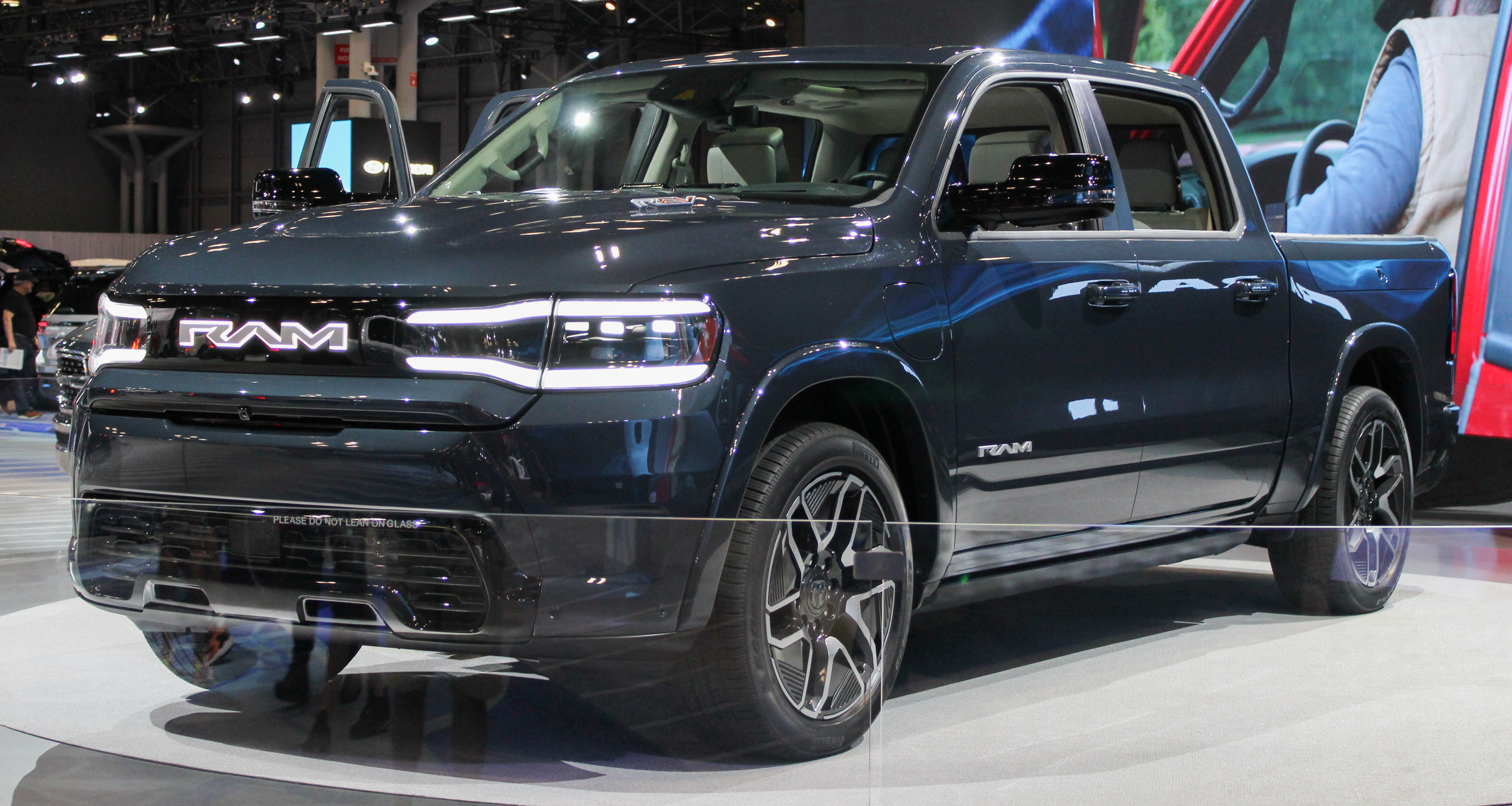
2. **Ram 1500 (2025 Model)**The Ram 1500 has long been a formidable contender in the full-size pickup segment, known for its comfortable ride and robust engine options. However, the 2025 redesign introduces significant powertrain changes that raise serious questions about its long-term reliability and, by extension, its suitability for financing in the current economic climate. These changes represent a departure from the established, proven engineering that previous generations enjoyed, creating a degree of uncertainty for prospective owners.
At the heart of these concerns is the replacement of the venerable Hemi V8 engine with a new twin-turbocharged six-cylinder unit. While modern turbocharged engines often promise improved fuel economy and comparable power, they inherently add multiple layers of mechanical complexity to what was previously a straightforward, time-tested engine design. This increased complexity can translate directly into a greater number of potential failure points and, consequently, higher repair costs down the line once the factory warranty expires.
Further illustrating this shift towards complexity and potentially higher ownership costs is the removal of several maintenance-oriented features, most notably the traditional oil dipstick. This seemingly minor change signals a broader trend toward dealer-dependent service, where routine checks and maintenance tasks that once could be performed by owners or independent mechanics now require specialized tools or diagnostic equipment. This can significantly increase the cost and inconvenience of ownership, pushing more service revenue towards dealerships.
The initial pricing for the 2025 Ram 1500 reflects a premium for this new, advanced technology. Yet, this premium comes without the crucial reassurance of historical reliability data that consumers have come to expect from established models. Early adopters will effectively be test drivers for these new powertrains, shouldering the risk of unforeseen issues. Financing a vehicle with an unproven and complex new engine, particularly at a premium price, is a considerable gamble.
Experts predict that ten years from now, as these complex twin-turbo components begin to fail outside of warranty coverage, the sentiment “they should have kept the Hemi” will likely echo through service department waiting rooms across the country. The prospect of substantial repair bills for a financed vehicle still carrying a significant balance should give any potential buyer pause. For those seeking long-term value and predictable ownership costs, the 2025 Ram 1500, with its mechanical unknowns, represents a risky proposition for financing.
Car Model Information: 2017 RAM 1500 Express
Name: Dodge Ram / Ram pickup
Caption: 2017 Ram 1500 Express
Manufacturer: Dodge
ModelYears: 1981–present
Production: October 1980 – present
Class: Pickup truck#Full-size pickup truck,Pickup truck#Heavy-duty pickup truck
Layout: Front-engine, rear-wheel-drive layout,rear-wheel drive
Predecessor: Dodge D series
Categories: 1990s cars, 2000s cars, 2010s cars, 2020s cars, All-wheel-drive vehicles
Summary: The Ram pickup (marketed as the Dodge Ram until 2010 when Ram Trucks was spun-off from Dodge) is a full-size pickup truck manufactured by Stellantis North America (formerly Chrysler Group LLC and FCA US LLC) and marketed from 2010 onwards under the Ram Trucks brand. The current fifth-generation Ram debuted at the 2018 North American International Auto Show in Detroit, Michigan, in January of that year.
Previously, Ram was part of the Dodge line of light trucks. The Ram name was introduced in October 1980 for model year 1981, when the Dodge D series pickup trucks and B series vans were rebranded, though the company had used a ram’s-head hood ornament on some trucks as early as 1933.
Ram trucks have been named Motor Trend magazine’s Truck of the Year eight times; the second-generation Ram won the award in 1994, the third-generation Ram heavy-duty won the award in 2003, the fourth-generation Ram Heavy Duty won in 2010 and the fourth-generation Ram 1500 won in 2013 and 2014, and the current fifth-generation Ram pickup became the first truck in history to win the award four times, winning in 2019, 2020, 2021 and most recently, 2025.
Get more information about: Ram pickup
Buying a high-performing used car >>>
Brand: Ram Model: 1500
Price: $18,886 Mileage: 101,000 mi.
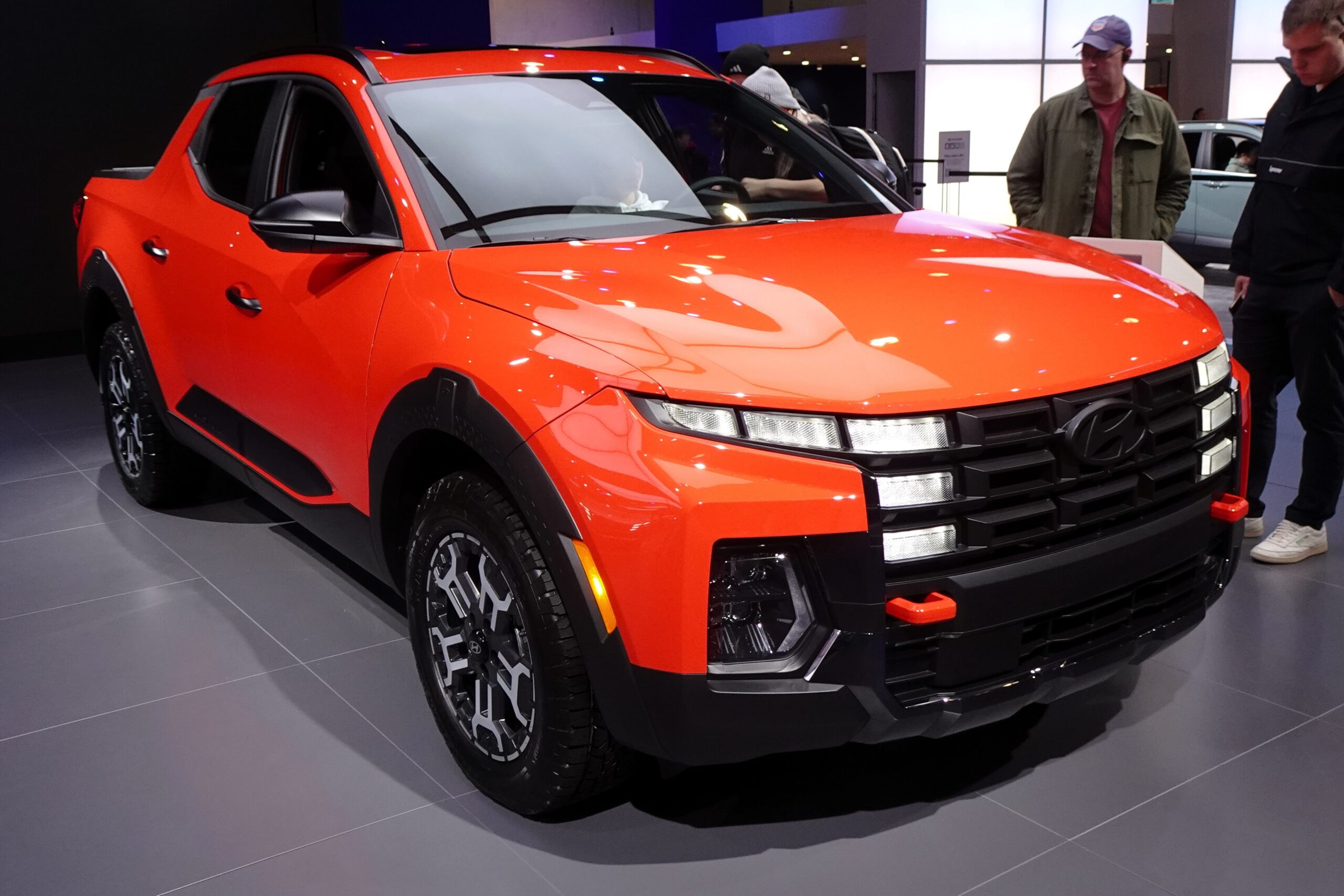
3. **Hyundai Santa Cruz**The Hyundai Santa Cruz entered the compact truck category as a relatively recent and unconventional offering, blending SUV-like characteristics with a small pickup bed. Its automotive-based design, which prioritizes on-road comfort and urban maneuverability, certainly appeals to crossover owners who desire occasional cargo versatility without committing to a traditional body-on-frame truck. However, this unique approach also introduces significant uncertainty regarding its long-term reliability, making it a problematic choice for financing.
A primary concern centers around its powertrain. The Santa Cruz is equipped with a turbocharged four-cylinder engine paired with a dual-clutch transmission (DCT). This specific combination has a documented history of issues in other Hyundai models, raising questions about its long-term durability and the potential for costly repairs. While modern, efficient, and capable of spirited performance, the complexity of a turbocharged engine combined with the intricacies of a DCT can lead to premature wear and unexpected breakdowns, especially under demanding conditions.
The comfortable interior accommodations and contemporary styling of the Santa Cruz are undeniable strong suits, contributing to its initial appeal. It offers a car-like driving experience that makes it easy to live with in daily urban environments, standing apart from more rugged, traditional trucks. However, the driving dynamics unequivocally favor on-road comfort over any serious off-road capability, with handling characteristics that closely resemble crossovers rather than conventional pickups, further highlighting its departure from traditional truck engineering.
Despite its appealing aesthetics and urban utility, the practical implications of its design and powertrain become apparent over time. If the documented issues with its engine and transmission manifest, the vehicle’s “cool factor” could quickly fade, turning a stylish lifestyle truck into a regular at the service department. Facing frequent, expensive repairs on a vehicle that is still being financed can rapidly deplete a budget and lead to significant financial strain for owners.
Financing a Hyundai Santa Cruz means taking on a vehicle with uncertain reliability implications and a known history of powertrain issues in similar applications. The allure of its styling and car-like comfort may be strong, but the risk of becoming your service department’s most regular customer at 60,000 miles is a very real concern. For prudent buyers looking to avoid unexpected debt, the Santa Cruz’s long-term durability outlook makes it a vehicle to reconsider before committing to a financing agreement.
Car Model Information: 2022 Mitsubishi Outlander
Name: Hyundai Santa Cruz
Manufacturer: Hyundai Motor Company
ModelCode: NX4a OB
Production: June 2021 – present
ModelYears: 2022–present
Assembly: Montgomery, Alabama
Class: Pickup_truck#Compact_pickup_truck
BodyStyle: pickup truck
Layout: Front-engine, front-wheel-drive,Front-engine, all-wheel-drive
Platform: Hyundai-Kia N platforms
Chassis: Unibody
Related: Hyundai Tucson#NX4
Engine: Petrol engine,Hyundai Smartstream Engine#G4KN,Hyundai Smartstream Engine#G4KP
Transmission: List of Hyundai transmissions#A8F27,automatic transmission
Wheelbase: 3005 mm
Abbr: on
Length: 4970 mm
Width: 1905 mm
Height: 1695 mm
Weight: convert
Sp: us
Categories: All-wheel-drive vehicles, All Wikipedia articles written in American English, Articles with short description, Cars introduced in 2021, Commons category link from Wikidata
Summary: The Hyundai Santa Cruz is a four-door compact pickup truck manufactured and marketed by Hyundai. Released in 2021 for the 2022 model year, the Santa Cruz is the first four-door pickup truck sold by Hyundai in the North American market. The vehicle is based on the Tucson crossover SUV, and uses a unibody chassis design.
Industry analysts expected the Santa Cruz to attract car or crossover SUV buyers instead of people who have owned a larger, traditional pickup truck.
Get more information about: Hyundai Santa Cruz
Buying a high-performing used car >>>
Brand: Hyundai Model: Santa Cruz
Price: $21,595 Mileage: 44,296 mi.
Read more about: Why American Pickup Trucks Became Colossal: Unpacking the Complex Web of Regulations, Culture, and Market Forces
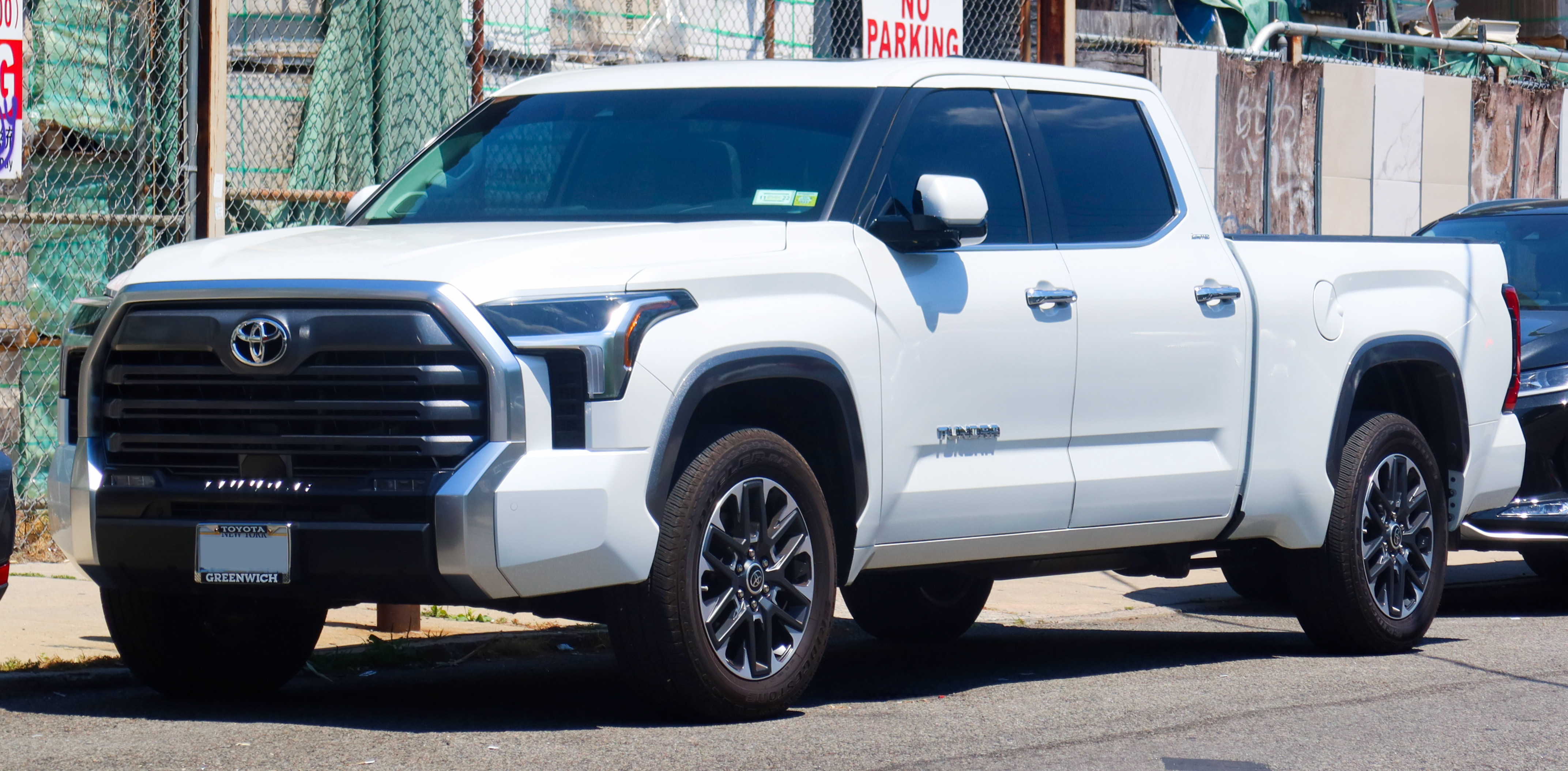
4. **Toyota Tundra (Current Generation)**Toyota has cultivated an enviable reputation for producing vehicles synonymous with bulletproof reliability, particularly its trucks, with countless examples of previous-generation Tundras achieving million-mile durability. This legacy has set an incredibly high bar for the brand. However, the current generation of the Toyota Tundra represents a notable deviation from this established standard, introducing engineering changes that have unfortunately been linked to significant mechanical issues, making it a surprising entry on a list of vehicles to approach cautiously for financing.
The core of the issue lies in the replacement of the previously proven V8 engine with a new twin-turbocharged V6. While this advanced powertrain delivers impressive performance specifications and promises greater efficiency, it has introduced a level of complexity and, more critically, has experienced significant mechanical problems. Most notably, main bearing failures have affected a substantial number of vehicles, prompting a documented recall program that involved over 100,000 units. This kind of widespread issue is highly uncharacteristic for Toyota’s truck lineup.
This shift in powertrain philosophy fundamentally alters the Tundra’s reliability profile. Previous generations were known for their mechanically straightforward design, which contributed directly to their legendary durability and lower long-term ownership costs. The current generation, with its advanced twin-turbo V6, presents an elevated mechanical risk that was largely absent from its predecessors. For buyers looking for the traditional Toyota reliability, this represents a significant concern.
While the current Tundra offers contemporary interior features and technology upgrades, providing modern amenities that appeal to today’s buyers, these advancements come intertwined with the aforementioned elevated mechanical risk. The allure of improved performance and advanced features must be weighed against the documented reliability issues that can lead to unexpected and potentially costly repairs, especially for a vehicle still under a financing agreement.
The stark reality for the current Tundra generation is that its once-defining million-mile reliability is now in question. The fact that loyal Toyota customers are actively hunting for low-mileage, previous-generation V8s speaks volumes about the perceived long-term dependability of these turbocharged models. For individuals considering financing a new truck in 2026, the current Toyota Tundra, despite its badge, presents a financial risk that many might be wise to avoid until its reliability concerns are definitively addressed.
Car Model Information: 2024 Toyota Tundra Hybrid Capstone
Name: Toyota Tundra
Manufacturer: Toyota
Production: May 1999 – present
ModelYears: 2000–present
Assembly: San Antonio,Texas
Class: Pickup truck#Full-size pickup truck
Layout: unbulleted list
Related: Toyota Sequoia
Predecessor: Toyota T100
Caption: 2022 Toyota Tundra Limited
Categories: 2000s cars, 2010s cars, 2020s cars, All-wheel-drive vehicles, All Wikipedia articles written in American English
Summary: The Toyota Tundra is a full-size pickup truck manufactured in the United States by the Japanese manufacturer Toyota since May 1999. The Tundra was the second full-size pickup to be built by a Japanese manufacturer (the first was the Toyota T100), but the Tundra was the first full-size pickup from a Japanese manufacturer to be built in North America. The Tundra was nominated for the North American Truck of the Year award and was Motor Trend magazine’s Truck of the Year in 2000 and 2008. Initially built in a new Toyota plant in Princeton, Indiana, production was consolidated in 2008 to Toyota’s San Antonio, Texas, factory.
Get more information about: Toyota Tundra
Buying a high-performing used car >>>
Brand: Toyota Model: Tundra
Price: $149,500 Mileage: 4,613 mi.
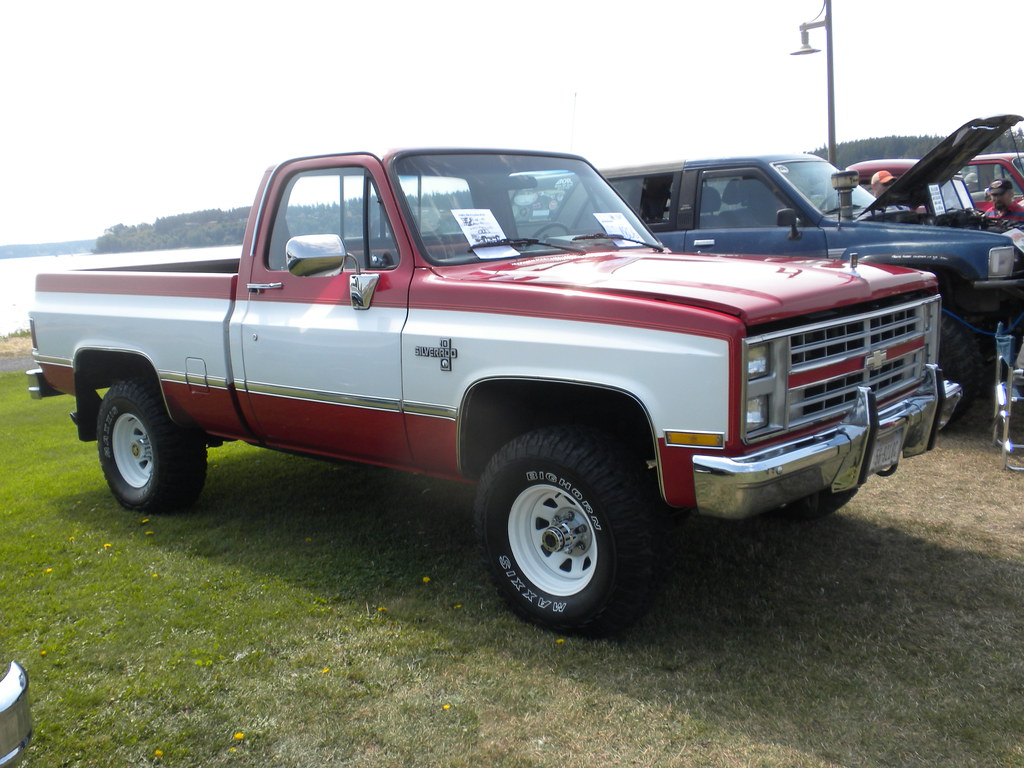
5. **Chevrolet Silverado EV**The advent of electric trucks marks a significant evolution in the pickup market, promising innovation and sustainable transportation. The Chevrolet Silverado EV stands as a prominent example, introducing a host of innovative features and a distinctive driving experience. However, electric trucks, particularly in their early iterations, face unique obstacles and practical limitations that make the Silverado EV a vehicle to carefully consider before committing to financing, especially for those reliant on a truck for demanding work or long-distance utility.
On the innovation front, the Silverado EV boasts features like four-wheel steering, which significantly improves maneuverability in tight urban spaces or on challenging job sites. Its flexible midgate design allows for extending cargo capacity into the cabin area when needed, offering impressive versatility for hauling oversized items. The electric drivetrain itself delivers immediate torque and brisk acceleration, characteristics that are unlike conventional internal combustion engine trucks and can be quite appealing for daily driving.
However, the practical limitations, particularly concerning range, present a significant hurdle for many potential truck buyers. One of the primary drawbacks is the substantial range reduction under load. When towing, for instance, the driving range can be impacted by a dramatic 30-50%, depending on conditions and the weight of the load. This considerable reduction means that a job site situated 200 miles from home, or even a typical weekend family trip with a trailer, could quickly become a logistical nightmare in areas with sparse charging infrastructure.
The ease of finding high-speed chargers remains a practical limitation. While gas stations are ubiquitous, readily available and fast EV charging stations, particularly in rural or less developed areas, are not yet comparable. This disparity means that extended trips or demanding work scenarios require meticulous planning and can lead to range anxiety, forcing inconvenient stops and significant downtime for recharging. For a vehicle intended for utility and demanding use, this is a critical impediment.
Until the charging infrastructure matures and battery technology allows for less impacted range under load, conventional trucks will likely remain the safer and more practical bet for many consumers, especially those whose livelihoods depend on their vehicle’s consistent performance and range. Financing a Chevrolet Silverado EV, while appealing for its innovation, means embracing these current practical limitations and the potential for a less reliable or more restrictive ownership experience compared to its gasoline-powered counterparts, which could lead to unforeseen financial pressures if it doesn’t meet your utility needs.
Navigating the complexities of the 2026 vehicle market demands a keen eye on more than just initial price tags; it requires a deep understanding of long-term value retention. As tariffs and inflation continue to exert upward pressure on vehicle costs, the savvy buyer must consider how quickly a vehicle sheds its value, turning a seemingly good deal into a debt trap. Our analysis continues with additional vehicles, including some truck-like SUVs, which, despite their appeal, present considerable financial risks due to their depreciation trends.
Car Model Information: 2022 Mitsubishi Outlander
Name: Chevrolet Silverado EV
Manufacturer: General Motors
Production: May 2023–present
ModelYears: 2024–present
Assembly: Detroit, Michigan
Aka: GMC Sierra EV
Designer: Raphael Molina, Jacky Zhan
Class: Pickup_truck#Full-size_pickup_truck
BodyStyle: pickup truck
Layout: unbulleted list
Platform: General Motors BT1 platform
Related: GMC Hummer EV,Cadillac Escalade
Motor: Permanent magnet motor,all-wheel-drive
Battery: Ultium,Lithium-ion battery
ElectricRange: 493 mi
Abbr: on
Charging: Vehicle-to-grid
Wheelbase: 145.7 in
Length: 233.1 in
Width: convert
Height: convert
Weight: convert
Powerout: convert
Sp: us
Drivetrain: Series_and_parallel_circuits#Series_circuits
Categories: All-wheel-drive vehicles, All Wikipedia articles written in American English, Articles with short description, Cars introduced in 2022, Chevrolet trucks
Summary: The Chevrolet Silverado EV is a battery electric full-size pickup truck manufactured by General Motors under the Chevrolet brand. Introduced in January 2022, the Silverado EV went on sale in 2023 for the 2024 model year in the North American market.
Despite using the Silverado nameplate, the vehicle does not share its underpinnings with the ICE-powered Silverado, as it is built on a narrower version of the dedicated electric platform used by the GMC Hummer EV. The Silverado EV is the first Chevrolet-branded electric pickup truck since the experimental S-10 EV and VIA VTRUX.
The GMC counterpart, the GMC Sierra EV, was introduced in October 2022 with a restyled exterior and interior design.
Get more information about: Chevrolet Silverado EV
Buying a high-performing used car >>>
Brand: Chevrolet Model: Silverado EV
Price: $21,595 Mileage: 44,296 mi.
Read more about: Go Green, Save Green: 14 Gas-Guzzlers You Absolutely Should Not Keep in 2025, According to Emissions Data and Auto Experts

6. **Ford Explorer Hybrid**The Ford Explorer has long been a staple in the SUV market, often chosen by families for its versatility and spaciousness. The hybrid variant, in particular, might seem like a prudent choice, offering improved fuel economy over its conventional gasoline counterparts. However, despite its perceived benefits, the Ford Explorer Hybrid has demonstrated a concerning trend in its resale value, making it a problematic choice for long-term financing in 2026.
According to data compiled by iSeeCars.com, the Ford Explorer Hybrid experienced a significant 14.1% decline in value over the last year alone. This places it squarely among the models that are losing value at a quicker-than-average rate. The context reveals that hybrid vehicles, in general, are among the “biggest losers on the price-drop list,” contributing to a broader trend where electrified rides are seeing substantial reductions in their pre-owned worth.
This rapid rate of depreciation carries considerable financial implications for buyers who opt to finance this vehicle. A significant portion of the vehicle’s value is lost early in its ownership cycle, potentially leaving the owner with negative equity—meaning they owe more on the loan than the vehicle is actually worth. This situation is particularly precarious when considering the “stubbornly high financing rates” that continue to affect the market.
Furthermore, the general economic climate, marked by potential new-vehicle price increases due to tariffs, is pushing more consumers toward the used-vehicle market. While this increased demand might stabilize some used car prices, it often does not mitigate the sharp declines seen in specific models like the Explorer Hybrid. The combination of high initial purchase price, rapid depreciation, and elevated financing costs makes a financed Explorer Hybrid a potential financial burden that could lead to unexpected debt.
Car Model Information: 2018 Ford Explorer Sport
Name: Ford Explorer
Caption: Sixth-generation Ford Explorer
Manufacturer: Ford Motor Company
Production: 1990–present
ModelYears: 1991–present
Class: unbulleted list
Chassis: unbulleted list
Predecessor: Ford Bronco II
Successor: Ford Territory (Australia)
Categories: 2000s cars, 2010s cars, 2020s cars, All-wheel-drive vehicles, All Wikipedia articles in need of updating
Summary: The Ford Explorer is a range of SUVs manufactured by the Ford Motor Company since the 1991 model year. The first five-door SUV produced by Ford, the Explorer, was introduced as a replacement for the three-door Bronco II. As with the Ford Ranger, the model line derives its name from a trim package previously offered on Ford F-Series pickup trucks. As of 2020, the Explorer became the best-selling SUV in the American market.
Currently in its sixth generation, the Explorer has featured a five-door wagon body style since its 1991 introduction. During the first two generations, the model line included a three-door wagon (directly replacing the Bronco II). The Ford Explorer Sport Trac is a crew-cab mid-size pickup derived from the second-generation Explorer. The fifth and sixth generations of the Explorer have been produced as the Ford Police Interceptor Utility (replacing both the Ford Crown Victoria Police Interceptor and the Ford Police Interceptor Sedan).
The Explorer is slotted between the Ford Edge and Ford Expedition within North America’s current Ford SUV range. The model line has undergone rebadging several times, with Mazda, Mercury, and Lincoln each selling derivative variants. Currently, Lincoln markets a luxury version of the Explorer as the Lincoln Aviator.
For the North American market, the first four generations of the Explorer were produced by Ford at its Louisville Assembly Plant (Louisville, Kentucky) and its now-closed St. Louis Assembly Plant (Hazelwood, Missouri). Ford currently assembles the Explorer alongside the Lincoln Aviator and the Police Interceptor Utility at its Chicago Assembly Plant (Chicago, Illinois).
Get more information about: Ford Explorer
Buying a high-performing used car >>>
Brand: Ford Model: Explorer
Price: $19,485 Mileage: 123,120 mi.
Read more about: The Infotainment Report Card: Ranking 10 Modern Cars on Digital Reliability and Driver Experience
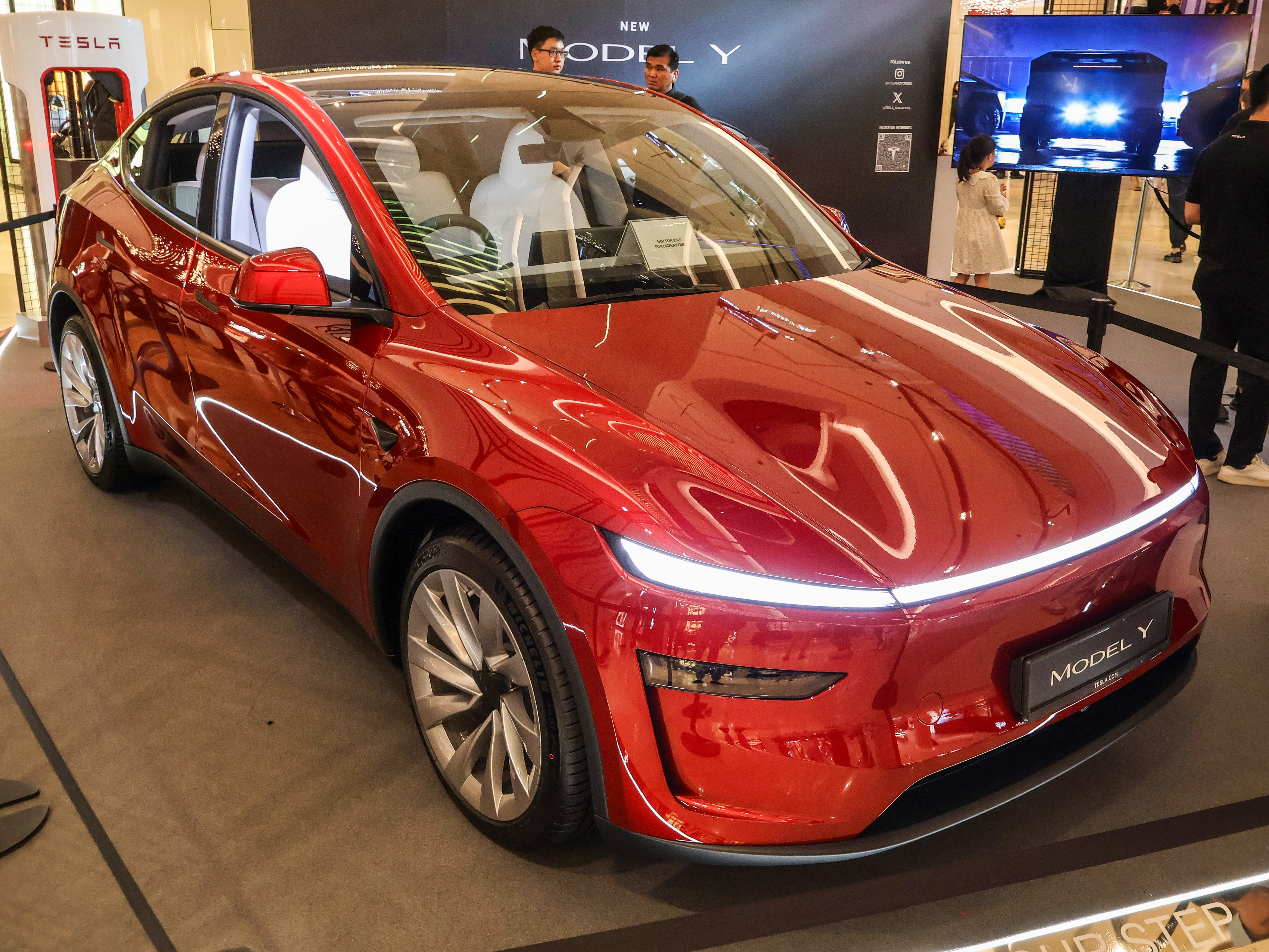
7. **Tesla Model Y**The Tesla Model Y, an electric SUV, has captivated a segment of the market with its advanced technology and sustainable appeal. However, despite its popularity, the Model Y has demonstrated a significant vulnerability in its resale value, placing it high on the list of vehicles to reconsider financing in 2026. This depreciation trend is not isolated but reflects broader challenges facing the Tesla brand and the electric vehicle market.
Recent data from iSeeCars.com indicates that the used Tesla Model Y experienced a substantial 13.1% decrease in value over the past year. This sharp decline aligns with a wider observation that Teslas, in particular, have been “hit hard in terms of price drops,” with their pre-owned models losing an average of 10.1% of their worth. This trend is further evidenced by the Tesla Model S, which saw a considerable 17.1% slide in value, and the Model 3 at -10.9%.
This rapid depreciation is not merely a market fluctuation but is deeply tied to Tesla’s pricing strategies and brand perception. As noted by Karl Brauer, iSeeCars Executive Analyst, “Price cuts on new Teslas immediately impacted used Teslas, driving their prices down at a rapid rate.” This aggressive pricing strategy, initially aimed at maintaining sales growth, ceased to be effective last year, leading to the automaker’s first decline in annual sales.
Adding to these commercial pressures, the context suggests that the company’s CEO Elon Musk’s “ersatz excursion into federal politics” has “eroded the public’s perception of the Tesla brand and its products.” This erosion of brand confidence can translate directly into reduced demand for pre-owned models, exacerbating the depreciation problem. For a vehicle that relies heavily on its brand image, such factors are detrimental to long-term value.
Financing a Tesla Model Y under these conditions means assuming a significant risk. The allure of an “electrified ride” that might offer “the best deals right now” for *buyers* of used vehicles often masks the reality for *owners* facing rapid value loss. Potential buyers must carefully weigh the innovative features against the proven volatility of its resale market, as carrying a substantial loan balance on a vehicle that consistently loses significant value can quickly lead to financial distress and negative equity.
Car Model Information: 2022 Mitsubishi Outlander
Name: Tesla Model Y
Caption: Pre-2025 Tesla Model Y
Manufacturer: Tesla, Inc.
Production: January 2020 – present
Assembly: Unbulleted list
Designer: Franz von Holzhausen
Class: Compact crossover SUV
BodyStyle: SUV
Layout: Unbulleted list
Related: Unbulleted list
Motor: unbulleted list
Battery: val,Lithium-ion battery
ElectricRange: FTP-75
Charging: unbulleted list
Wheelbase: Unbulleted list
Length: Unbulleted list
Width: cvt
Height: Unbulleted list
Weight: cvt
Sp: us
Categories: 2020s cars, All Wikipedia articles written in American English, All articles lacking reliable references, All articles that may contain original research, All articles to be expanded
Summary: The Tesla Model Y is a battery electric compact crossover SUV produced by Tesla, Inc. since 2020. The vehicle was presented in March 2019 as the company’s fifth production model since its inception after the Roadster, Model S, Model X and Model 3.
After its 2019 introduction, the Model Y started production at the Tesla Fremont Factory in California, US in January 2020. Production at Giga Shanghai, China was added in December 2020, and at Gigafactory Texas, US since late 2021. Deliveries from Gigafactory Berlin-Brandenburg, Germany started in March 2022.
The Model Y is based on the Model 3 sedan and serves as a larger variant, with around 76 percent of parts being shared between the two and identical exterior and interior styling. While most Model Y are configured with two-row seating, in the US the Model Y offers optional third-row seats for a seven-passenger seating capacity.
In 2023, Tesla delivered 1.2 million Model Ys, making it the world’s best-selling vehicle that year, surpassing the Toyota Corolla and becoming the first electric vehicle to claim that title. With at least 2.16 million units delivered since its start of production up to December 2023, the Model Y is also the most popular electric vehicle of all time. In 2024 sales were second to the Toyota RAV4. A refreshed version of the Model Y was revealed in January 2025, with upgrades similar to the upgraded Model 3.
In mid-2025, Tesla unveiled and released the Model Y L, a long-wheelbase, six-seat variant of the Model Y. That year, Tesla debuted the performance model of the Model Y.
Get more information about: Tesla Model Y
Buying a high-performing used car >>>
Brand: Tesla Model: Model Y
Price: $21,595 Mileage: 44,296 mi.
Read more about: Unlocking Savings: Your Definitive Guide to State-Level Tax Credits and Rebates for Used Electric Vehicles
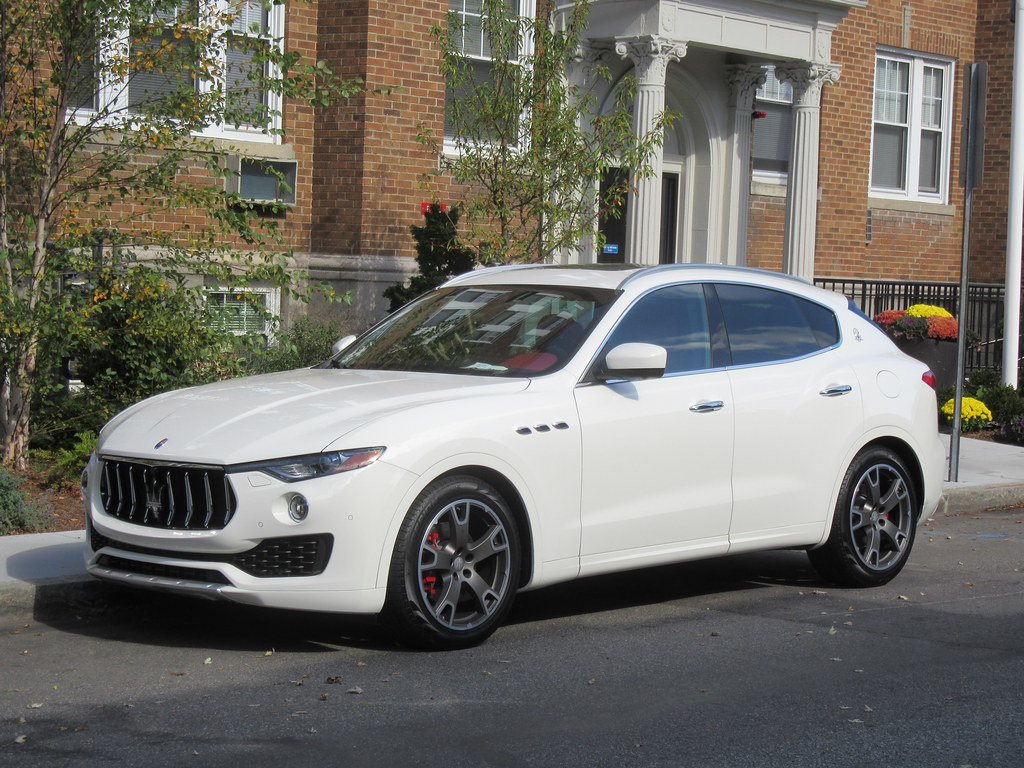
8. **Maserati Levante**Luxury SUVs like the Maserati Levante often promise an exclusive driving experience and high-end features, appealing to those seeking performance and prestige. However, the allure of luxury vehicles can sometimes mask a harsher financial reality when it comes to depreciation, making the Levante a notable entry on our list of vehicles to approach cautiously for financing in 2026. The substantial initial investment is often followed by a rapid decline in market value.
The iSeeCars.com data highlights this concern, showing the Maserati Levante with an 11.5% decrease in its pre-owned value over the last 12 months. While the market’s appreciation for luxury is undeniable, the context clearly states that the list of depreciating vehicles “also has its share of luxury models that for a bevy of reasons have had a difficult time finding forever homes.” This suggests that even premium brands are not immune to the forces of supply and demand that dictate used car prices.
The high sticker prices associated with new luxury vehicles, already described as “stratospheric,” mean that even a moderate percentage of depreciation translates into a substantial monetary loss. When coupled with the “stubbornly high financing rates,” the cost of owning and financing a rapidly depreciating luxury SUV like the Levante becomes exponentially higher. This can create a significant financial burden that extends far beyond the typical ownership period.
For consumers considering financing a Maserati Levante, it’s crucial to understand that the initial depreciation curve for many luxury vehicles is steep. The blend of high purchase price, significant depreciation, and ongoing high financing costs means that the owner could quickly find themselves in a position of negative equity, owing considerably more than the vehicle is worth. This financial exposure makes it a less-than-ideal choice for those looking to avoid unnecessary debt.
Car Model Information: 2017 Maserati Levante S
Name: Maserati Levante
Caption: 2016 Maserati Levante S (Europe, pre-facelift)
Manufacturer: Maserati
Production: May 2016–2024
ModelYears: 2017–2024
Assembly: Turin
Designer: Centro Stile Maserati
Class: Mid-size crossover SUV#Luxury vehicles
BodyStyle: Sport utility vehicle
Layout: F4 layout
Platform: Maserati M156 platform
Related: Maserati Ghibli (M157),Maserati Quattroporte VI
Engine: unbulleted list
Motor: eBooster 48V (eTorque)
Transmission: ZF Friedrichshafen,ZF 8HP transmission,Automatic transmission
Drivetrain: Mild hybrid
Wheelbase: 3004 mm
Abbr: on
Length: 5003 mm
Width: 1968 mm
Height: 1679 mm
Weight: convert
Sp: uk
Categories: All-wheel-drive vehicles, Articles with short description, Cars introduced in 2016, Luxury crossover sport utility vehicles, Luxury sport utility vehicles
Summary: The Maserati Levante (Tipo M161) is an executive crossover SUV produced by Italian manufacturer Maserati at the Mirafiori factory in Turin from 2016. The Levante went on sale in Europe in May 2016, and in North America in September 2016. Production of the Levante ended in 2024, commemorated with the release of a top-spec 424BHP special edition.
The Levante was named after a warm, easterly wind that blows in the western Mediterranean Sea, southern France, down to the Strait of Gibraltar. The name of the wind, in turn, comes from the Latin word “levare”, which means “to rise”. Its design is based on the Kubang concept car that debuted at the 2011 Frankfurt Auto Show.
Get more information about: Maserati Levante
Buying a high-performing used car >>>
Brand: Maserati Model: Levante
Price: $19,988 Mileage: 54,539 mi.
Read more about: A Financial Black Hole: 13 Sedans Experts Say Drain Your Bank Account After the First Year
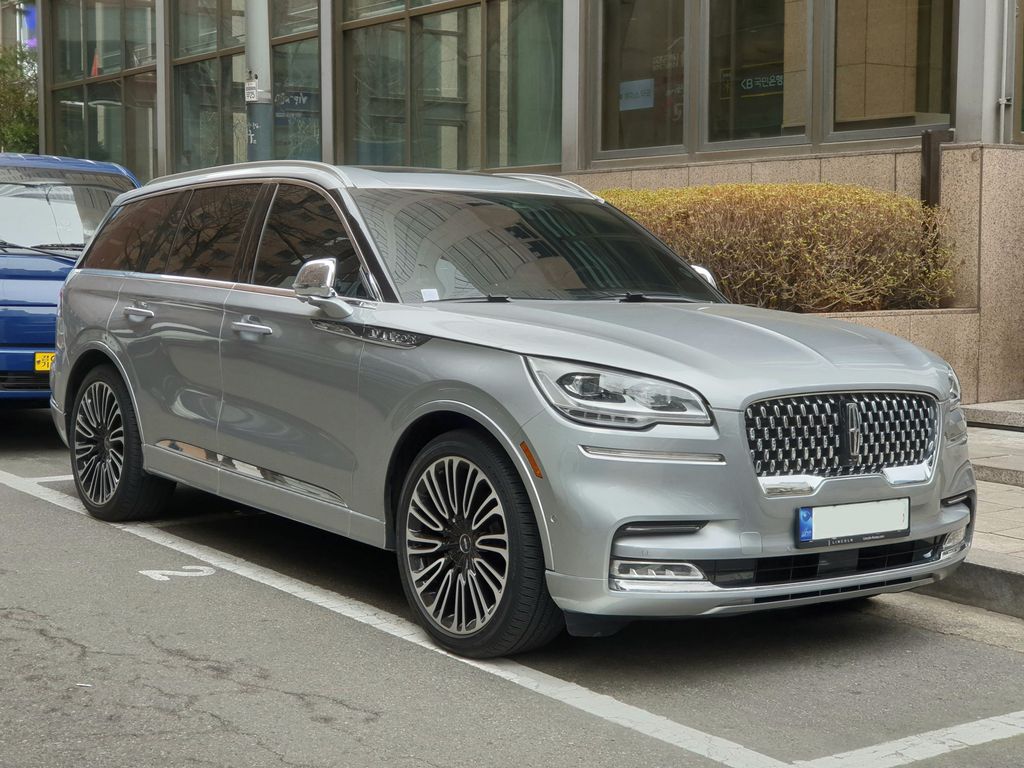
9. **Lincoln Aviator**The Lincoln Aviator presents itself as a sophisticated mid-size luxury SUV, offering a blend of comfort, style, and technology for discerning drivers. While it boasts a compelling package, its performance in the resale market, as indicated by recent data, suggests that financing a Lincoln Aviator in 2026 might not be the most financially prudent decision. Its depreciation trend, though less dramatic than some others, still warrants careful consideration.
According to iSeeCars.com, the late-model used Lincoln Aviator experienced a 7.1% drop in value over the past year. This places it among the vehicles that have seen noticeable price cuts, suggesting it may have “fallen out of favor” to some extent in the competitive luxury SUV segment. The context explains that “some otherwise competent rides that have somehow fallen out of favor will be far more affordable, being subjected to a quicker-than-average rate of depreciation.”
Luxury vehicles, in general, often face a steeper depreciation curve than their mainstream counterparts after the initial years of ownership. This is often due to higher initial costs, specialized maintenance requirements, and the quick pace at which luxury consumers seek the newest models with the latest technology. For a buyer financing an Aviator, this consistent loss of value means a lower trade-in value down the line and a heightened risk of negative equity on a long-term loan.
In an economic climate where new vehicle prices are rising due to tariffs and financing rates remain elevated, the impact of even a moderate depreciation rate on a high-value asset like the Lincoln Aviator is amplified. Choosing a vehicle with solid resale value is paramount to long-term financial health, and the Aviator’s performance in this regard suggests it may not be the optimal choice for those aiming to minimize debt and maximize retained value.
Car Model Information: 2022 Lincoln Aviator Reserve AWD
Name: Lincoln Aviator
Caption: 2020 Lincoln Aviator
Manufacturer: The Lincoln Motor Company
Production: unbulleted list
ModelYears: unbulleted list
Class: unbulleted list
BodyStyle: Sport utility vehicle
Layout: unbulleted list
Categories: 2010s cars, 2020s cars, All Wikipedia articles written in American English, Articles with short description, Cars introduced in 2002
Summary: The Lincoln Aviator is a mid-size, three-row luxury SUV manufactured and marketed under the Lincoln brand of Ford Motor Company — and now in its second generation, with a hiatus from 2006 to 2020.
The first generation Aviator was manufactured for 2003–2005 model years as a rebadged variant of the third generation Ford Explorer — and assembled at the now-closed St. Louis Assembly in Hazelwood, Missouri, alongside the Explorer and Mountaineer.
For the 2020 model year, Lincoln reintroduced the Aviator as a badge engineered variant of the sixth generation Ford Explorer manufactured at Chicago Assembly and offered with a plug-in hybrid variant.
Get more information about: Lincoln Aviator
Buying a high-performing used car >>>
Brand: Lincoln Model: Aviator
Price: $46,950 Mileage: 27,533 mi.
Read more about: The Infotainment Report Card: Ranking 10 Modern Cars on Digital Reliability and Driver Experience
The landscape of vehicle ownership in 2026 is unmistakably complex, fraught with rising prices, evolving technologies, and unpredictable market forces. From the practical limitations of nascent electric trucks to the rapid depreciation of luxury and even some hybrid SUVs, the message is clear: informed purchasing decisions are your most powerful defense against mounting debt. While the allure of innovation or a premium badge can be strong, a data-driven approach to evaluating long-term value and ownership costs is indispensable. Understanding these trends, recognizing the signs of rapid depreciation, and carefully calculating the true cost of financing can empower buyers to make choices that secure their financial well-being, steering clear of vehicles that threaten to become a drag on their finances. Ultimately, avoiding debt in the truck market of 2026 comes down to smart research, a dose of skepticism, and prioritizing long-term value over short-term appeal.