Cars today aren’t just vehicles; they’re essentially sophisticated computers on wheels, packed with more lines of code than a rocket ship. From sprawling touchscreens that control nearly every aspect of your ride to advanced driver-assistance systems promising a smoother, safer journey, modern automotive technology is designed to impress and integrate seamlessly into our digital lives. But in this exhilarating race to innovate and outdo competitors, sometimes things go a little… awry. And when they do, the fallout isn’t just a minor glitch; it can lead to monumental costs, massive recalls, and a whole lot of driver frustration.
We’re talking about the kind of tech blunders that make you want to pull over and scream into your cupholder, the kind that can turn a cutting-edge feature into a complete headache. While some innovations genuinely make driving safer and more convenient, others veer toward tech excess that ultimately harms the very experience it set out to improve. These aren’t just minor inconveniences; they’re design missteps that affect millions of drivers, pile up repair bills, and sometimes even compromise fundamental safety.
So, buckle up, because we’re taking a deep dive into the automotive industry’s most infamous tech fails. These aren’t just anecdotal annoyances; they’re system-wide frustrations, infotainment follies, and self-driving snafus that have collectively cost billions, turning dream features into digital nightmares. Get ready to explore the first seven frustrating issues that frequently leave drivers shaking their heads and questioning if “advanced” always means “better.”
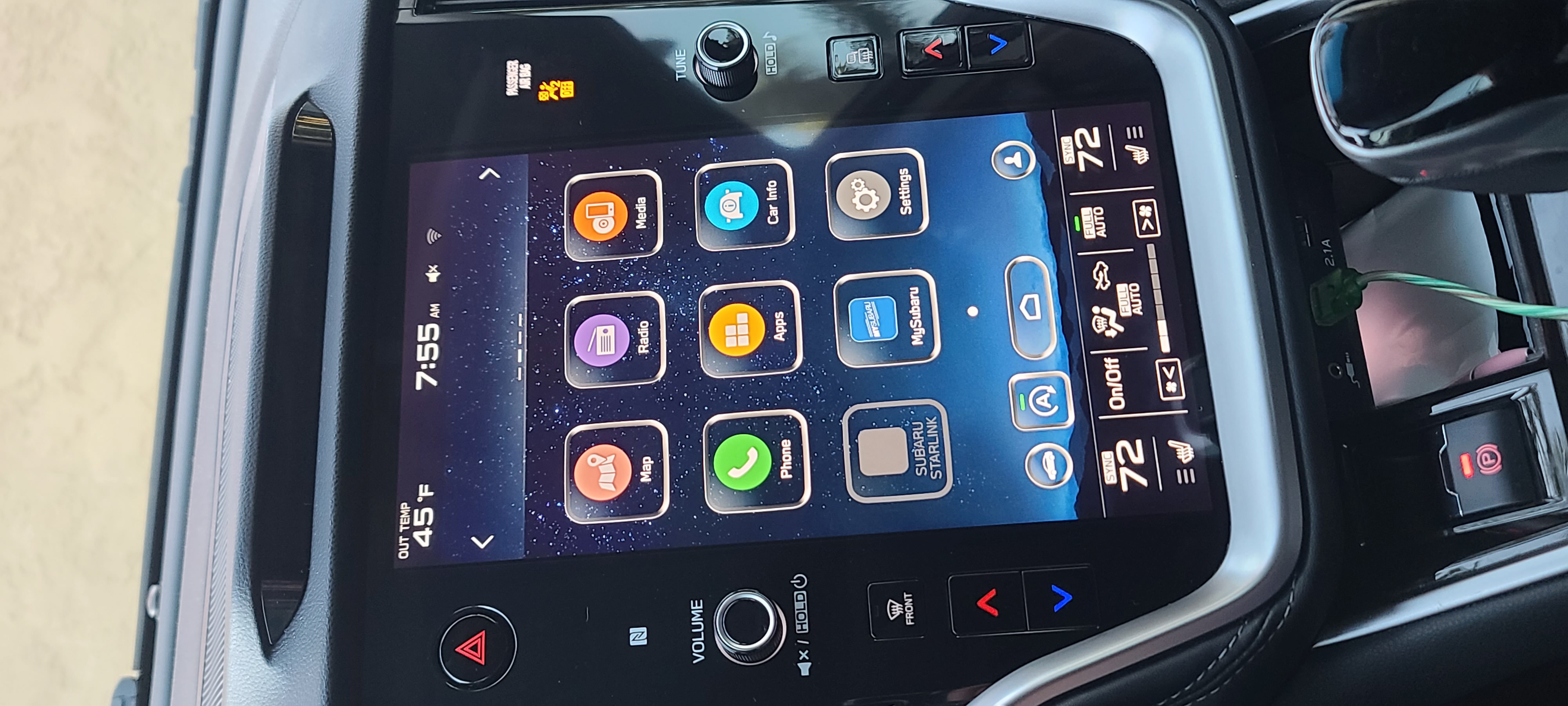
1. **Complicated Infotainment Systems**Step into almost any new car today, and you’re immediately greeted by a sprawling digital landscape: the infotainment system. These vibrant screens promise a universe of connectivity, entertainment, and control, acting as the central nervous system for everything from your music to your climate settings. The idea is brilliant: consolidate all your controls into one sleek, futuristic interface. But the reality? Often, it’s a bewildering maze that makes you long for the simple days of physical buttons and dials.
Drivers are routinely reporting that these “advanced” systems are anything but seamless. The primary culprit? Overly complex menus and an almost obsessive need to bury basic functions several layers deep within digital subfolders. Imagine trying to adjust the fan speed or switch radio stations, only to find yourself swiping through three different screens and tapping half a dozen icons, all while navigating rush hour traffic. It’s a recipe for distraction, transforming a supposedly convenient feature into a significant safety concern.
This isn’t just about mild annoyance; it’s a fundamental design flaw that impacts the driver’s ability to safely operate the vehicle. The pervasive shift from tactile controls to touch-only interfaces, as noted by experts, has prioritized aesthetics over usability and safety. Instead of a quick, muscle-memory flick of a switch, drivers are forced to take their eyes off the road for far longer than is safe, just to perform a simple task. This “tech excess” makes cars pricier to repair if the screens fail and harder to operate, directly contributing to driver disengagement and potential accident risk, ultimately costing both manufacturers and consumers.
Read more about: Your Guide to the 8 Safest Used Trucks Under $25,000 for Savvy Buyers
2. **Unreliable GPS Navigation**Ah, the built-in GPS navigation system – once a beacon of modern convenience, now often a source of bewildering frustration. These systems are meant to be our trusty co-pilots, guiding us effortlessly through unfamiliar territories and avoiding traffic snarls. Yet, a surprisingly common complaint among drivers is the sheer unreliability of these supposedly sophisticated guides, leading to a cascade of costly headaches, both in terms of time and nerves.
Picture this: you’re already late for an appointment, relying on your car’s integrated navigation, only for it to calmly direct you down a closed road, or worse, into a cul-de-sac that hasn’t existed for years. Drivers frequently report issues ranging from frequent misdirections to glaringly outdated maps that seem oblivious to new roads, construction, or even entire neighborhoods. This isn’t just a minor inconvenience; it transforms what should be a straightforward journey into a stressful odyssey filled with unnecessary detours and wasted fuel.
The problem isn’t just about getting lost; it’s about the financial and emotional toll. Every wrong turn adds precious minutes, burns more gas, and ratchets up driver anxiety. For a feature that’s often touted as a premium upgrade and contributes significantly to the overall cost of a vehicle, its failure to perform basic navigational duties is a significant tech blunder. It underscores the “gap between what is marketed in those systems… and what the systems actually do in real life,” forcing drivers to often fall back on more reliable smartphone apps, making the expensive in-car system redundant and a source of deep regret.
Read more about: Powering the Ride: A Deep Dive into the World’s 15 Largest Motorcycle Brands and Their Global Impact

3. **Laggy Touchscreens**There’s nothing quite like the instant gratification of a responsive touchscreen on your smartphone or tablet. Now, try to translate that expectation to your car’s central display, and more often than not, you’re met with a frustrating delay. Laggy touchscreens are a common and infuriating complaint, transforming what should be a smooth, intuitive interaction into a test of patience and a potential safety hazard.
Imagine needing to quickly turn down the blasting radio or adjust the defroster on a frosty morning. You tap, and tap again, but the screen stubbornly refuses to acknowledge your input for what feels like an eternity. This slow response time isn’t just annoying; it forces drivers to divert their attention from the road for extended periods, waiting for the system to catch up. Any glance away from the road that lasts longer than two seconds significantly elevates crash risk, and a laggy screen practically invites you to break that crucial safety guideline.
This tech fail highlights a critical oversight in automotive design: prioritizing flashy aesthetics over functional performance. A car’s interface, especially one controlling critical functions, should be robust and immediate. When a basic interaction like tapping an icon becomes a gamble of whether the system will respond promptly, it erodes trust and makes the entire driving experience less enjoyable and more perilous. It’s a clear example of technology meant to enhance convenience instead causing distraction and discomfort, ultimately leading to driver dissatisfaction that impacts brand perception and warranty claims, incurring unforeseen costs for manufacturers and buyers alike.
Read more about: The Infotainment Report Card: Ranking 10 Modern Cars on Digital Reliability and Driver Experience

4. **Voice Recognition Errors**”Call Mom.” “Navigate to the nearest coffee shop.” Voice recognition systems in cars are engineered with the noble goal of hands-free control, a promise of safety and convenience where your voice commands the vehicle without ever taking your hands off the wheel. It sounds like something out of a futuristic movie, right? In reality, for far too many drivers, these systems feel more like a frustrating battle of wills against a digital assistant that simply refuses to understand.
The common experience is a maddening loop of misinterpretations and non-responses. You articulate a clear command, only to have the system respond with a bewildered “Pardon?” or worse, initiate a completely unrelated function like changing the climate control when you asked for a specific song. This isn’t just a quirky bug; it forces drivers into repeated attempts to get basic instructions across, demanding their cognitive attention and often their visual attention as they try to correct the system on a screen, thus negating the very purpose of hands-free operation.
Instead of being a seamless helper, voice recognition errors often transform into a significant hindrance, defeating the very purpose of hands-free operation and adding a layer of risk. This constant struggle against uncooperative software creates distraction, breeds impatience, and undermines the perception of advanced technology. It’s a costly blunder in user experience design, contributing to the overall dissatisfaction drivers feel when expecting cutting-edge tech to actually work as advertised, confirming that “we have not kept safety as our priority” in the rush to innovate with such systems.
Read more about: Before the Credits Rolled: 12 DC Actors We Lost While Their Legacies Lived On
5. **Excessive Safety Alerts**Modern vehicles are veritable fortresses of safety features, equipped with an arsenal of sensors and warnings designed to protect us from every conceivable road hazard. Automated emergency braking, lane departure alerts, collision warnings – these technologies are genuinely intended to be guardians, intervening when human error might falter. However, a growing chorus of drivers is finding that these digital sentinels are, ironically, becoming a source of intense irritation and dangerous distraction due to their excessive and often unnecessary alerts.
The problem stems from overly sensitive sensors and calibration issues that lead to a constant barrage of beeps, chimes, and flashing lights, even when no real danger exists. Imagine driving down a perfectly clear road, only for your car to suddenly emit a piercing collision warning because a shadow momentarily registered as an obstacle. Or having the lane-keeping assist aggressively “correct” your steering because you gently drifted near a painted line, rather than actually veering dangerously out of your lane. This overzealousness quickly becomes exasperating.
This constant stream of false alarms doesn’t just annoy; it dilutes the effectiveness of these crucial safety measures. When a system cries wolf too often, drivers naturally begin to tune it out, or worse, disable it entirely in frustration. This “alert fatigue” can lead to genuine warnings being ignored when they truly matter, transforming a feature designed for safety into a potential liability. It’s a costly design failure where the intent is good, but the execution is so poor it compromises the very safety it aims to provide, proving that there’s “a point where you cross the threshold of benefit and cross into detriment.”
Read more about: The Top 10 Most Reliable Used Pickup Trucks Under $30,000: A Consumer’s Guide for 2024

6. **Bluetooth Connectivity Issues**In our hyper-connected world, Bluetooth isn’t just a convenience; it’s practically a necessity for modern driving. It’s the silent hero that enables hands-free calling, streams our favorite podcasts, and untethers our devices from clunky cables. Yet, for all its widespread adoption and apparent simplicity, in-car Bluetooth connectivity remains a frustratingly inconsistent beast for countless drivers. It’s a basic tech expectation that, when it fails, grinds daily commutes to a screeching halt of digital inconvenience.
The complaints are disturbingly consistent: difficulty pairing devices, random disconnections mid-call, and choppy audio playback that makes streaming music an exercise in futility. You might spend agonizing minutes attempting to re-pair your phone, only for it to mysteriously drop the connection five minutes into your journey. This isn’t just a minor glitch; it disrupts crucial phone calls, cuts off entertainment, and forces drivers to fumble with their phones, defeating the hands-free safety advantage Bluetooth is supposed to offer and adding unnecessary risk.
This “tech fail” is particularly galling because Bluetooth technology is mature and ubiquitous in almost every other consumer electronic. Its unreliable implementation in automotive systems speaks to either poor integration, outdated hardware, or a lack of rigorous testing within the car manufacturing process. It’s a small but significant detail that, when flawed, severely detracts from the promised “seamless connectivity,” adding unnecessary stress and confirming that not all new features are boosting overall safety or driver satisfaction, despite their inclusion in increasingly expensive vehicles.
Read more about: Beyond the Manual: Unearthing Hidden Modes and Advanced Features in Your Mercedes-Benz S-Class
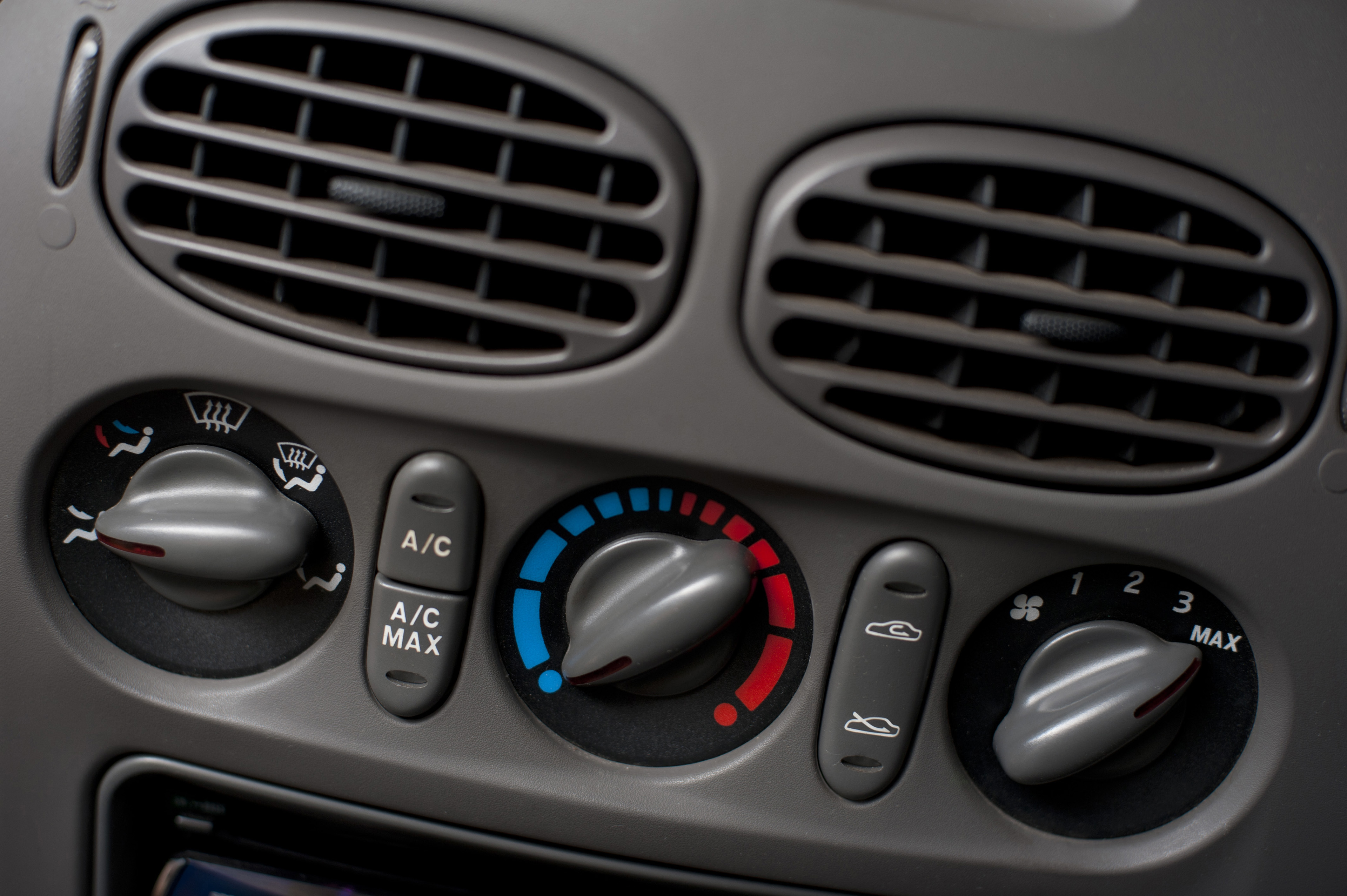
7. **Overcomplicated Climate Controls**Remember the good old days when adjusting the temperature in your car involved a simple twist of a tactile knob? It was intuitive, quick, and didn’t require you to take your eyes off the road for more than a split second. Today, however, many modern vehicles have transformed the humble climate control system into an unnecessarily convoluted digital affair, often buried within touchscreens or managed by finicky touch-sensitive sliders. This shift has turned a basic comfort function into a major point of contention and distraction for drivers.
Drivers are frequently exasperated by the need to navigate through multiple digital menus just to perform simple tasks like increasing the fan speed, adjusting the air conditioning, or switching between defrost and floor vents. These touch-sensitive controls lack the tactile feedback that physical buttons provide, meaning you can’t adjust them by feel alone. This forces drivers to visually search for the right on-screen icon and precisely tap it, requiring far more attention than a traditional dial and increasing the time their eyes are off the road.
The result? Unnecessary driver discomfort, as the climate struggles to cooperate, and a significant increase in distraction. Experts like David Strayer, an applied cognitive psychologist, emphasize that “any glances away from the road that last longer than two seconds elevate crash risk.” Overcomplicated climate controls almost guarantee drivers will exceed this safe limit, making the driving experience less pleasant and more hazardous. It’s a classic case where the “rush to innovate” has veered into “tech excess,” creating a less safe and less satisfying user experience, a blunder that highlights a clear departure from prioritizing genuine driver utility and safety.
Now that we’ve navigated the digital labyrinth of on-board annoyances, it’s time to venture beyond the screen and explore the next wave of automotive tech fails. This section unpacks everything from disruptive automatic systems to glaring self-driving errors, significant recalls, and even unsettling data privacy issues that collectively demonstrate how innovation, when poorly executed, can lead to monumental costs and erode our trust in the very vehicles we rely on daily. Get ready to discover the remaining eight tech blunders that make us question just how smart our “smart cars” really are.
Read more about: Beyond the Hype: 14 Car Tech Features That Drive Drivers Absolutely Bonkers (and Make Us Miss Simple Dials)
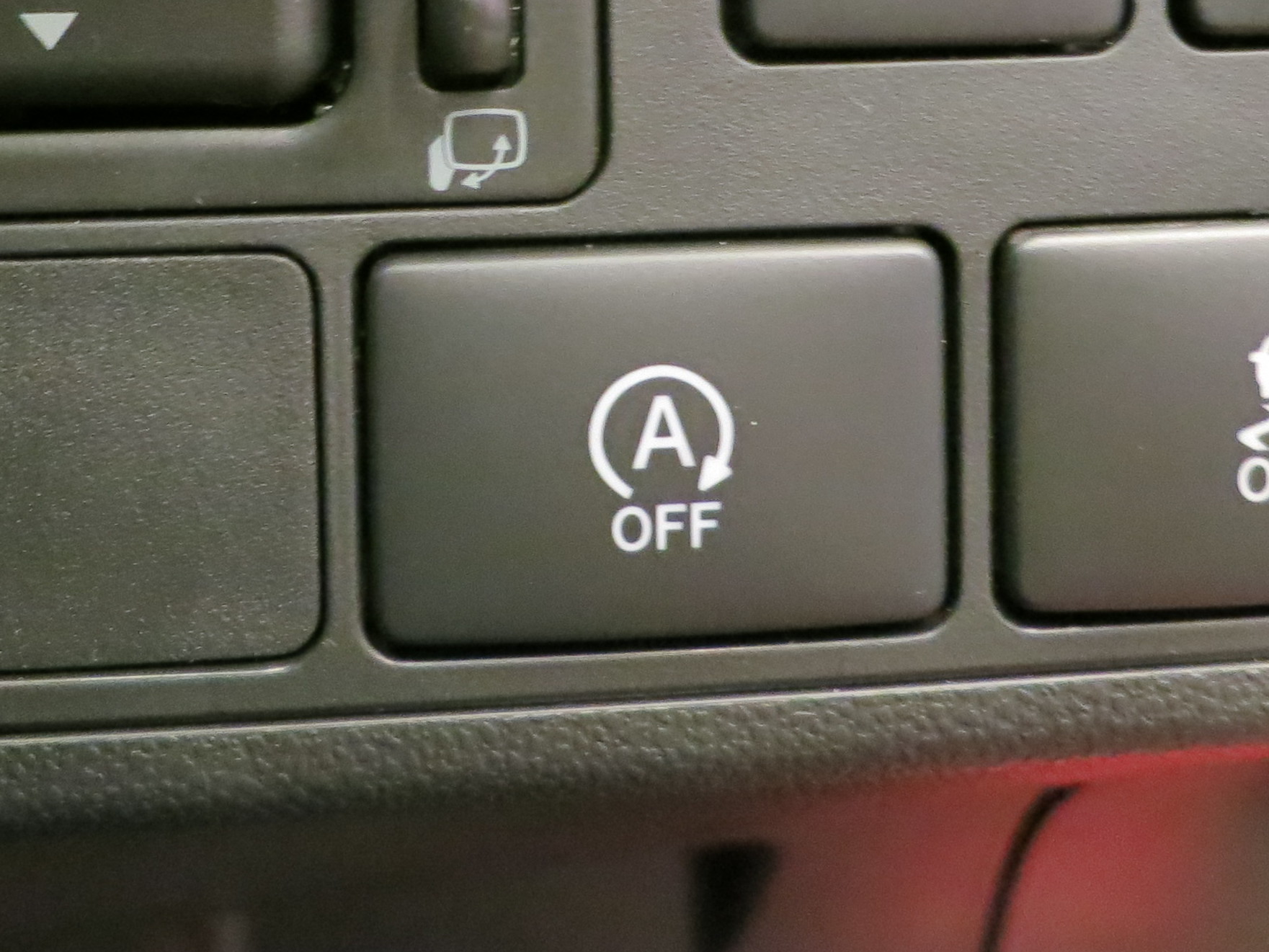
8. **Automatic Stop-Start Systems**Designed with the best intentions—to save fuel and reduce emissions by shutting off the engine when the car is stationary—automatic stop-start systems often miss the mark on user experience. In theory, it sounds like a brilliant eco-friendly solution. However, for many drivers, the reality is far less refined than the promise, leading to a constant source of mild yet persistent irritation on every journey, especially in urban environments.
Drivers frequently report the “jarring restarts” and what feels like “unnecessary engine stops” as the primary source of their displeasure. Imagine creeping forward in heavy, stop-and-go traffic; instead of a smooth crawl, your engine repeatedly cuts out and fires back up, creating a noticeable jolt and delay. This constant on-again, off-again rhythm can transform a mundane commute into a series of disruptive lurches, fundamentally undermining the smoothness that modern vehicles aim to deliver.
This isn’t just about a minor inconvenience; the perceived lack of refinement and control can erode driver satisfaction. Many drivers find these systems particularly disruptive in heavy traffic, where the fuel savings are arguably minimal, but the interruption to the driving flow is significant. The result is often frustration that outweighs any environmental or economic benefit, pushing some drivers to simply disable the feature if given the option, thus rendering the technology redundant.
Read more about: The Diesel Dilemma Decoded: Mastering Heavy Equipment Fuel Efficiency for Today’s Operators and Tomorrow’s Profits
9. **Poorly Designed Cruise Control**Cruise control, once a simple and effective tool for long highway drives, has evolved alongside other automotive technologies, but not always for the better. While advanced features like adaptive cruise control promise to take the stress out of maintaining speed and distance, their execution can often be frustratingly flawed, leading to a loss of the very convenience they’re meant to provide.
Many drivers encounter systems with “unintuitive interfaces and erratic performance,” making the act of setting and maintaining a desired speed far more cumbersome than it needs to be. The struggle to activate the system, precisely adjust settings, or trust it to hold a steady pace can quickly turn a helpful feature into a hindrance. This unreliability often forces drivers to revert to manual control, negating the entire purpose of an automated assist.
This issue ties into a broader problem of “misleading automation.” Features labeled with terms like “traffic-aware cruise control” can imply a level of autonomy that isn’t actually present. As noted by experts, there’s “a gap between what is marketed in those systems… and what the systems actually do in real life.” This discrepancy can create a dangerous situation for drivers who might assume the system is more capable than it is, leading to a false sense of security and a lack of necessary driver attention.
Read more about: Unpacking Automotive Catastrophes: 12 Infamous Engineering Failures That Reshaped Car Safety

10. **Unresponsive Keyless Entry**Keyless entry systems were hailed as a breakthrough in automotive convenience, promising seamless access and ignition without the fumbling for keys. The idea of approaching your car and having it effortlessly unlock, or starting it with the push of a button, embodies modern luxury. Yet, for countless drivers, this supposed convenience frequently transforms into a maddening series of repeated attempts and exasperated moments.
The widespread complaint centers on “fobs fail[ing] to unlock or start the car reliably.” Picture this: you’re standing in the pouring rain, hands full of groceries, repeatedly pressing your key fob, only for the car to remain stubbornly locked. Or perhaps you’re already in the driver’s seat, pressing the start button multiple times, while the engine refuses to engage. These frustrating scenarios waste precious time and add unnecessary stress to daily routines.
Such unreliability isn’t just an inconvenience; it can undermine a driver’s trust in their vehicle’s fundamental functions. When a system designed for effortless interaction becomes an unpredictable gamble, it detracts significantly from the premium feel and the promised ease of ownership. This failure to consistently perform a basic, expected function highlights a critical flaw in the integration of seemingly simple technology within complex automotive systems.
Read more about: Unlocking the Mystery: Why Your Car Key Fob Replacement Can Cost Hundreds of Dollars

11. **Annoying Lane-Keeping Assist**Lane-keeping assist systems are designed to be digital guardians, gently nudging or steering your vehicle back into its lane if you inadvertently drift. Their purpose is undeniably noble: to enhance safety and prevent accidents caused by momentary lapses in attention. However, like many well-intentioned technologies, the execution often leaves much to be desired, turning helpful nudges into aggressive interventions that frustrate rather than assist.
Drivers frequently report “aggressive corrections and false alerts” that make the system “more irritating than helpful.” Imagine driving along a perfectly clear road, only for the system to suddenly and forcefully intervene because you’ve briefly approached a lane line, rather than actually veering dangerously. This overzealousness can lead to drivers feeling like they are “fighting against the system,” creating a less smooth and enjoyable driving experience.
This constant battle contributes to what experts call “alert fatigue,” a phenomenon also seen with excessive safety alerts. When a system provides too many unwarranted warnings or interventions, drivers begin to tune them out or, worse, disable the feature entirely. This negates the safety benefit and can even put drivers at greater risk if a genuine hazard is then ignored. It’s a classic example of technology crossing the “threshold of benefit and cross[ing] into detriment,” as one expert put it.
Furthermore, labels like “active steering assist” can mislead drivers, implying a higher level of autonomy and responsibility for the car than is actually the case. When new car owners rarely receive adequate training on “when and how to properly deploy these partially automated features,” the risk of misunderstanding their limitations increases dramatically. This lack of clear guidance, combined with aggressive system behavior, leads to driver disengagement and a potential for accidents when the human driver relies too heavily on a system that is only meant to assist.
Read more about: The Unexpected Comeback: Why Modern Minivans Are Outpacing Three-Row SUVs for Today’s Families
12. **Unreliable Parking Sensors**Parking sensors are an invaluable aid in navigating tight spaces, providing an extra set of digital eyes and ears to help drivers avoid bumps and scrapes. They are intended to instill confidence, especially when maneuvering in crowded parking lots or parallel parking on busy streets. Yet, their inconsistent performance often leads to more anxiety than assurance, proving that not all technological assistance is created equal.
Many drivers grapple with “false positives and failures to detect real hazards,” making these systems profoundly “unreliable.” Imagine the jarring sound of an alarm blaring when there’s nothing remotely close to your bumper, or conversely, backing up with confidence only to realize the sensors missed a low-lying post. This inconsistency can turn a parking maneuver into a guessing game, forcing drivers to rely on their own judgment despite having a feature meant to assist.
The main issue is the erosion of trust. When a system frequently cries wolf, or worse, stays silent when danger is near, drivers naturally begin to “mistrust the system.” This skepticism reduces its overall utility and means that a feature, often bundled into higher trim levels and adding to the vehicle’s cost, becomes less of a help and more of a source of doubt. It’s a tech blunder where the promise of enhanced spatial awareness is undermined by unpredictable performance.
Read more about: High-Mileage Havoc: The Crippling Electrical & Mechanical Nightmares Haunting Your Sports Car – A Deep Dive into the Ford S197 Mustang
13. **Distracting Heads-Up Displays**Heads-Up Displays (HUDs) are a futuristic concept brought to life, designed to project crucial information directly onto the windshield. The goal is simple: keep the driver’s eyes on the road, reducing the need to glance down at the instrument cluster or infotainment screen. In practice, however, a poorly implemented HUD can ironically become yet another source of “distracting” information, rather than a seamless aid.
The problem often arises when the projected information is “cluttered or hard-to-read.” Instead of a minimalist display, some HUDs overwhelm the driver with too much data, or present it in a way that requires effort to decipher. As applied cognitive psychologist David Strayer points out, “There’s more information for the driver to look at,” and “with more information comes more distraction.” This defeats the very purpose of a HUD, which should provide quick, digestible insights.
When a HUD demands too much cognitive or visual effort, it risks pulling the driver’s focus away from the critical task of driving, potentially for longer than the safe two-second glance threshold. This “tech excess” prioritizes a flashy feature over true ergonomic design, creating a system that complicates rather than simplifies the driving experience. Instead of enhancing safety, a poorly designed HUD can inadvertently introduce a new layer of cognitive load and visual distraction.
Read more about: Driving Forward: The 15 Must-Have Car Accessories Drivers Are Actually Using in 2025
14. **Inconsistent Wireless Charging Pads**Wireless charging pads in cars represent the epitome of modern convenience—a tidy solution to keep our ever-present smartphones powered without the tangled mess of cables. The promise is clear: simply place your device down, and it charges effortlessly. Yet, this seemingly straightforward technology has proven to be a surprisingly common source of frustration for many drivers, highlighting how even basic integrations can go awry.
The core complaint revolves around “inconsistent charging.” Drivers report that their “phones don’t charge reliably,” often stopping and restarting the charge without warning, or failing to initiate charging altogether. You might place your phone on the pad, drive for half an hour expecting a boost, only to discover your device is still nearly dead. This unreliability is not only annoying but also defeats the purpose of having the feature in the first place.
This inconsistency can leave drivers with dead batteries and no easy way to power up their devices on the go, especially if they’ve left their charging cables at home, trusting the in-car feature. It’s a small but significant detail that, when flawed, severely detracts from the promised “seamless connectivity” and convenience of a modern vehicle. Such basic functionality failures erode the overall perception of quality and the “smart car” experience.
Read more about: Beyond the Hype: 14 Car Tech Features That Drive Drivers Absolutely Bonkers (and Make Us Miss Simple Dials)

15. **Finicky Gesture Controls**Looking like something out of a science fiction movie, gesture controls aim to offer a futuristic, touchless way to interact with a car’s infotainment and comfort systems. The idea is to simply wave your hand or make a specific motion to adjust volume, skip tracks, or manage calls, keeping your focus on the road. However, in the real world, this innovative concept often proves to be more of a hindrance than a sleek advancement.
The primary frustration stems from the systems frequently “misinterpret[ing] or fail[ing] to recognize gestures.” Drivers find themselves making “repeated attempts to perform simple actions,” waving their hands in exasperation as the car stubbornly refuses to acknowledge their command. What should be an intuitive interaction quickly devolves into a cumbersome and often comical battle between human and machine, adding to the cognitive load of driving.
This unreliability makes the technology “more trouble than it’s worth,” transforming a supposedly effortless control method into a source of significant distraction. Instead of enabling hands-free operation, drivers are forced to divert their attention from the road, not just to make the gesture, but to confirm if it worked or to correct the system when it misfires. It’s a clear example of prioritizing perceived innovation over practical usability and driver safety, demonstrating the pitfalls of tech excess.
These individual tech blunders, from annoying stop-start systems to finicky gesture controls, are more than just minor inconveniences; they represent a significant cost, both in terms of driver frustration and billions in repair bills and recalls. The automotive industry’s zealous “rush to innovate” has, in many cases, veered into “tech excess,” creating a less safe and less satisfying user experience. But beyond these specific in-car gripes, there are even more profound issues looming large for the future of our “computers on wheels.”
Perhaps the most alarming of these are the “self-driving errors” and “costly recalls” related to misleading automation. Take, for instance, the recent troubles with certain vehicles claiming “full-self driving” capability. These advanced computer systems are experiencing serious failures, leading to disabled active safety features, non-functioning cameras, GPS, and even rendering vehicles inoperable. Hundreds of thousands of vehicles have been subject to recalls, with owners facing long wait times for computer replacements and, in some cases, accelerated battery degradation due to persistent software glitches. This monumental failure underscores the “gap between what is marketed in those systems… and what the systems actually do in real life,” creating dangerous situations and undermining public trust in autonomous technology.
Adding another layer of concern are the “data privacy perils” inherent in modern vehicles. Today’s cars, packed with sensors, cameras, microphones, and GPS, collect an astounding “massive amounts of data” on drivers and passengers. A recent report revealed that most car companies allow customer data to be shared or sold to third parties, with some even having policies that *might* allow for the collection of sensitive personal information like ual orientation. This data, often collected without explicit consent, poses significant risks, including vulnerability to hacking and potential misuse by law enforcement without warrants, especially concerning in an era of evolving privacy laws and the absence of a strong federal standard.
Read more about: The 14 Car Features Drivers Are Paying For But Rarely Use: An Expert Dive Into Unutilized Tech
Finally, the hidden financial burden of these advanced systems cannot be overstated. The “higher repair costs associated with advanced vehicle technology” are becoming a stark reality for car owners. Vehicles equipped with complex driver-assistance features can be up to “three times as expensive” to repair compared to their less tech-laden counterparts. Even routine maintenance, like a windshield replacement, now often requires specialized glass and costly camera recalibrations. This escalating cost of ownership, coupled with the ongoing frustrations and security risks, paints a clear picture: while automotive technology promises a gleaming future, it often comes with a hefty price tag and significant unforeseen liabilities, proving that sometimes, simpler, more reliable solutions are genuinely better. It’s a fascinating, if sometimes frustrating, journey through the triumphs and tribulations of the modern car.