Alright, gearheads and budget-conscious drivers, let’s talk about something truly critical when you’re eyeing a new-to-you ride, especially as the market for truly affordable new cars seems to be *thinning out* for 2026. We’re deep-diving into the fascinating, and often frustrating, world of small cars, where some are engineered to last for decades, and others… well, others seem to struggle from day one. It’s a stark dichotomy in the automotive realm.
The automotive world presents a fascinating split: vehicles built to last, and those that quickly struggle with reliability. On one side, we have hatchbacks that have earned legendary status for their durability, continuing to run smoothly well beyond 200,000 miles with minimal maintenance. These aren’t just cars; they’re testaments to engineering excellence, prioritizing long-term reliability over short-term cost savings.
These workhorses feature robust engines, quality materials, and time-tested designs proven across decades of real-world use. They represent the gold standard, demonstrating that small car excellence stems from fundamental engineering strength, not just a low initial price point. As we navigate the shrinking landscape of affordable vehicles, understanding what makes these machines tick – and last – is more crucial than ever. So, let’s kick things off by celebrating the unsung heroes of longevity, the compact vehicles that genuinely defy wear.
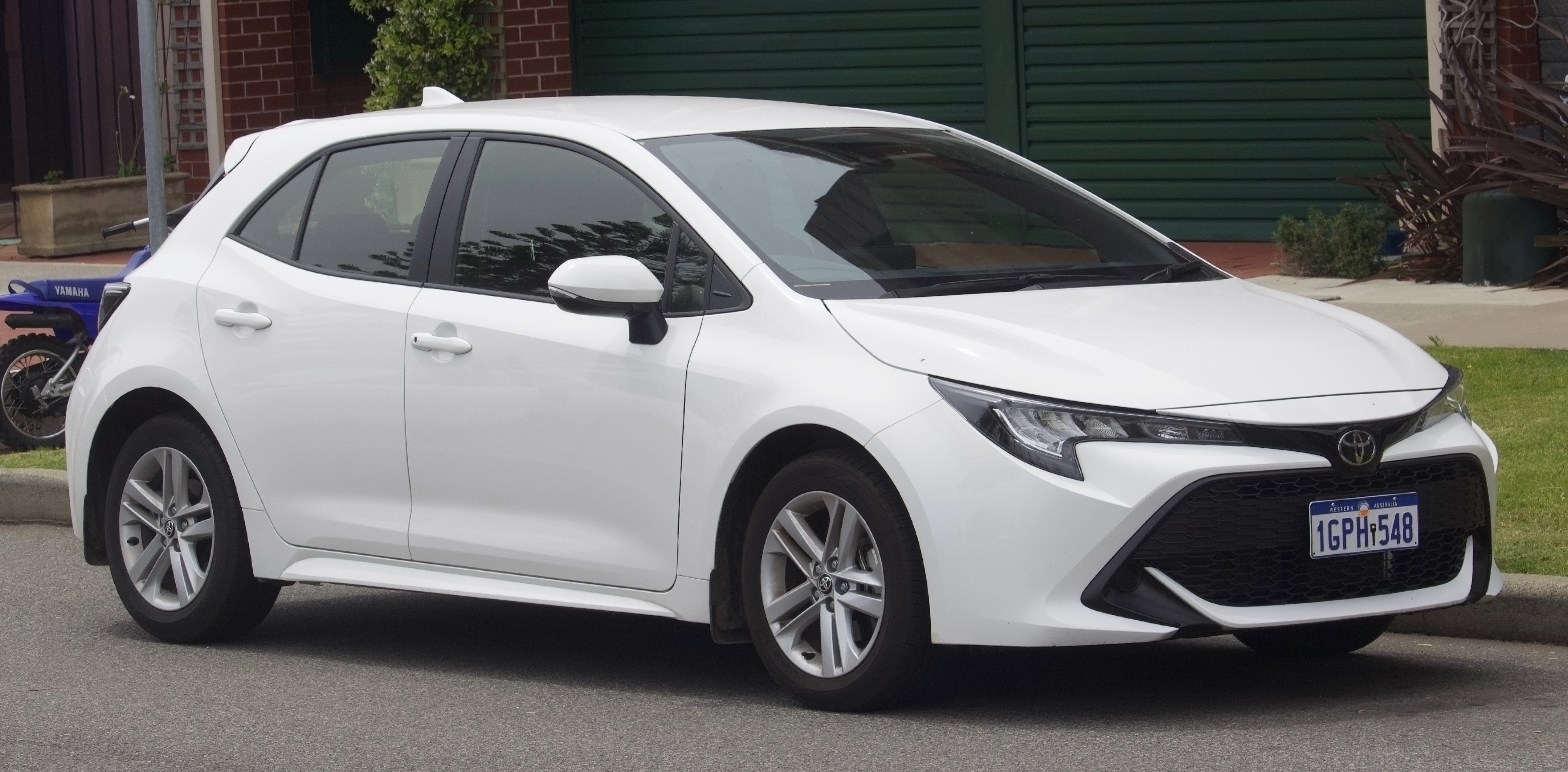
1. **Toyota Corolla Hatchback**The Toyota Corolla hatchback stands as a monument to automotive reliability, consistently ranking among the most dependable vehicles ever produced. Built on Toyota’s robust TNGA platform, this hatchback incorporates decades of engineering refinement, making the Corolla nameplate synonymous with longevity. It’s not about flashy features, but solid, dependable engineering.
Its exceptional durability stems from Toyota’s conservative engineering approach, using proven technologies over cutting-edge systems that might fail prematurely. Under the hood, you’ll find either a naturally aspirated 2.0-liter four-cylinder engine or a hybrid powertrain, both designed for maximum reliability. The gasoline engine employs Toyota’s dual VVT-i technology, refined over years to eliminate common failure points.
Transmission options include a continuously variable transmission (CVT) or a six-speed manual, both engineered to withstand hundreds of thousands of miles with proper maintenance. Toyota’s meticulous quality control ensures each component meets strict durability standards. This build quality extends beyond the powertrain to every aspect of the vehicle.
Interior materials, while not luxurious, are chosen for resistance to wear and fading. Dashboard plastics maintain their appearance after years of sun exposure, while seat fabrics resist pilling and tearing. Electrical systems use high-quality connectors and wiring harnesses that rarely develop the gremlins plaguing other vehicles. Even minor components like door handles and window regulators are over-engineered.
What truly sets the Corolla hatchback apart is its ability to maintain performance and efficiency throughout its lifespan. Owners regularly report vehicles with 300,000+ miles still starting reliably, achieving excellent fuel economy, and passing emissions tests. Resale value remains strong due to proven reliability. Maintenance costs stay reasonable with widely available parts and straightforward servicing.
Car Model Information: 2022 Mitsubishi Outlander
Name: Toyota Corolla
Caption: Twelfth generation model (2020, hatchback)
Manufacturer: Toyota
Aka: unbulleted list
Production: November 1966 – present
Class: unbulleted list
Predecessor: Toyota Publica
Categories: 1970s cars, 1980s cars, 1990s cars, 2000s cars, 2010s cars
Summary: The Toyota Corolla (Japanese: トヨタ・カローラ, Hepburn: Toyota Karōra) is a series of compact cars (formerly subcompact) manufactured and marketed globally by the Japanese automaker Toyota Motor Corporation. Introduced in 1966, the Corolla was the best-selling car worldwide by 1974 and was one of the best-selling cars in the world until 1997, when it surpassed the Volkswagen Beetle as the world’s best-selling automobile of all time. Toyota reached the milestone of 50 million Corollas sold over twelve generations in 2021.
The name Corolla is part of Toyota’s naming tradition of using names derived from the Toyota Crown for sedans, with “corolla” Latin for “small crown”. The Corolla has always been exclusive in Japan to Toyota Corolla Store locations, and manufactured in Japan with a twin, called the Toyota Sprinter until 2000. From 2006 to 2018 in Japan and much of the world, and from 2018 to 2020 in Taiwan, the hatchback companion had been called the Toyota Auris.
Early models were mostly rear-wheel drive, while later models have been front-wheel drive. Four-wheel drive versions have also been produced, and it has undergone several major redesigns. The Corolla’s traditional competitors have been the Nissan Sunny, introduced the same year as the Corolla in Japan and the later Nissan Sentra, Subaru Leone, Honda Civic and Mitsubishi Lancer. The Corolla’s chassis designation code is “E”, as described in Toyota’s chassis and engine codes.
Get more information about: Toyota Corolla
Buying a high-performing used car >>>
Brand: Toyota Model: Corolla Hatchback
Price: $21,595 Mileage: 44,296 mi.
Read more about: The Infotainment Report Card: Ranking 10 Modern Cars on Digital Reliability and Driver Experience

2. **Honda Civic Hatchback**Honda’s Civic hatchback represents another pinnacle of automotive durability, built on Honda’s legendary engineering philosophy emphasizing mechanical simplicity and robust construction. The current generation continues this tradition, creating vehicles that not only survive but thrive under demanding conditions, from city traffic to highway cruising. The Civic’s longevity stems from Honda’s commitment to thorough testing and quality materials.
The heart of the Civic hatchback’s reliability lies in its powertrain options, particularly the naturally aspirated 2.0-liter four-cylinder engine in base models. This engine represents decades of refinement, incorporating lessons learned from millions of miles of real-world operation. Honda’s i-VTEC technology provides excellent performance while maintaining conservative operating parameters, reducing stress on internal components.
While the turbocharged 1.5-liter option is more powerful, it has also proven reliable, though the naturally aspirated engine edges it out for pure longevity. Transmission choices include Honda’s acclaimed six-speed manual and robust CVT automatic. The manual, praised for precise shifting and durability, often exceeds 250,000 miles without major service. The CVT has proven surprisingly robust in Honda applications, avoiding premature failures common elsewhere.
The Civic’s structural integrity contributes significantly to its longevity. Honda’s Advanced Compatibility Engineering (ACE) body structure provides excellent crash protection and maintains dimensional stability, preventing squeaks, rattles, and misaligned panels. Suspension components are engineered with generous safety margins, using high-quality bushings and joints that resist wear even under harsh driving. Paint quality and corrosion resistance have improved, with multi-stage coating providing excellent protection.
Car Model Information: 2022 Mitsubishi Outlander
Caption: 2024 Honda Civic liftback
Manufacturer: Honda
Aka: ubl
Production: 1972–present
Class: Subcompact car
BodyStyle: fastback,Sedan (automobile)
Layout: Front-engine, front-wheel-drive layout,Front-engine, four-wheel-drive layout
Predecessor: Honda N600,Honda Z600
Categories: 1980s cars, 1990s cars, 2000s cars, 2010s cars, 2020s cars
Summary: The Honda Civic (Japanese: ホンダ・シビック, Hepburn: Honda Shibikku) is a series of automobiles manufactured by Honda since 1972. As of 2023, the Civic is positioned between the Honda Fit/City and Honda Accord in Honda’s global passenger car line-up. It is one of the best-selling automobiles in history, with over 27 million units sold through 2021.
The first-generation Civic was introduced in July 1972 as a two-door fastback sedan, followed by a three-door hatchback that September. With a 1,169 cc transverse engine and front-wheel drive, the car provided good interior space despite its small overall dimensions. Initially gaining a reputation for being fuel-efficient, reliable and environmentally friendly, later iterations have become known for performance and sportiness, especially the Civic Si, SiR, and Type R versions. It is currently in its eleventh generation, which has been produced since 2021.
The Civic has often been rebadged for international markets, and it served as the basis for the Honda CR-X, the Honda CR-X del Sol, the Concerto, the first generation Prelude, the Civic Shuttle (which later became the Orthia) and the CR-V (which in turn was used as the basis for the Honda FR-V).
Get more information about: Honda Civic
Buying a high-performing used car >>>
Brand: Honda Model: Civic Hatchback
Price: $21,595 Mileage: 44,296 mi.
Read more about: Watch Out: The 10 Most Stolen Car Models Dominating US Streets

3. **Mazda3 Hatchback**The Mazda3 hatchback exemplifies how a manufacturer can create an exceptionally durable vehicle while maintaining engaging driving dynamics and premium build quality. Mazda’s commitment to craftsmanship and its “Jinba Ittai” philosophy results in vehicles that not only last but continue to provide driving pleasure throughout their extended lifespans.
The Mazda3’s reliability stems from the company’s focus on mechanical excellence and attention to detail that rivals luxury manufacturers. Mazda’s SkyActiv engine technology powers the Mazda3, representing a revolutionary approach to internal combustion efficiency and durability. The naturally aspirated 2.5-liter four-cylinder engine achieves an impressive 13:1 compression ratio while maintaining exceptional reliability through advanced engineering solutions.
This high compression ratio, combined with precise fuel injection and ignition timing, results in complete combustion that reduces carbon buildup and extends engine life. The SkyActiv transmission, available in both manual and automatic configurations, complements the engine perfectly with smooth operation and exceptional longevity.
Build quality in the Mazda3 surpasses expectations for its price class. Interior materials resist wear and maintain appearance over time. Dashboard construction uses soft-touch materials and high-quality switchgear that continues operating smoothly for years. Mazda’s attention to noise, vibration, and harshness (NVH) control means the cabin remains quiet and comfortable, with door seals and insulation maintaining effectiveness.
The Mazda3’s electrical systems demonstrate exceptional reliability, using high-quality components and robust wiring harnesses that resist corrosion and connection issues. The infotainment system, while not the most advanced, proves remarkably stable. Even advanced features like adaptive cruise control and blind-spot monitoring maintain accuracy and reliability throughout the vehicle’s service life, testament to Mazda’s thorough testing and quality control.
Car Model Information: 2015 Mazda Mazda3 i Sport
Name: Mazda3
Manufacturer: Mazda
Aka: Mazda Axela (Japan and China, 2003–2019)
Production: 2003–present
Class: Compact car
BodyStyle: Sedan (automobile),hatchback
Layout: Front-engine, front-wheel-drive layout,Front-engine, four-wheel-drive layout
Predecessor: Mazda Familia
Categories: 2010s cars, 2020s cars, All Wikipedia articles written in British English, All articles needing rewrite, All articles with dead external links
Summary: The Mazda3 (known as the Mazda Axela (Japanese: マツダ・アクセラ, Hepburn: Matsuda Akusera) in China and Japan (first three generations until 2019), a combination of “accelerate” and “excellent”) is a compact car manufactured by Mazda, available as a 5-door hatchback and 4-door sedan across all generations. It was first introduced in 2003 as a 2004 model, replacing the Familia/323/Protegé in the C-segment.
The second-generation Mazda3 for the 2009 model year was unveiled in late 2008, with the sedan premiering at the Los Angeles Auto Show and the hatchback at the Bologna Motor Show. For the 2012 model year, Mazda began offering the Mazda3 with their newly developed Skyactiv technology, including a more rigid body, a new direct-injection engine, and a new 6-speed transmission.
The third generation was introduced in mid-2013 as a 2014 model year. The third-generation model is the first Mazda3 to adopt the “Kodo” design language and a more complete Skyactiv range of technologies and the first to be made by Mazda independently.
The fourth-generation Mazda3 for the 2019 model year was unveiled in November 2018 at the Los Angeles Auto Show. For the 2019 model, the all-new Mazda3 is equipped with the updated Skyactiv technologies, including a spark-controlled compression ignition engine marketed as the Skyactiv-X.
A performance-oriented version of the Mazda3 was marketed until 2013 as the Mazdaspeed3 in North America, Mazdaspeed Axela in Japan, and the Mazda3 MPS in Europe and Australia.
The Mazda3 became one of Mazda’s fastest-selling vehicles, with cumulative sales in January 2019 of over 6 million units.
Get more information about: Mazda3
Buying a high-performing used car >>>
Brand: Mazda Model: Mazda3
Price: $9,825 Mileage: 135,009 mi.
Read more about: Mechanic’s Crucial Warning: 15 Popular Vehicles That Turn into Costly Financial Traps Well Before 120,000 Miles
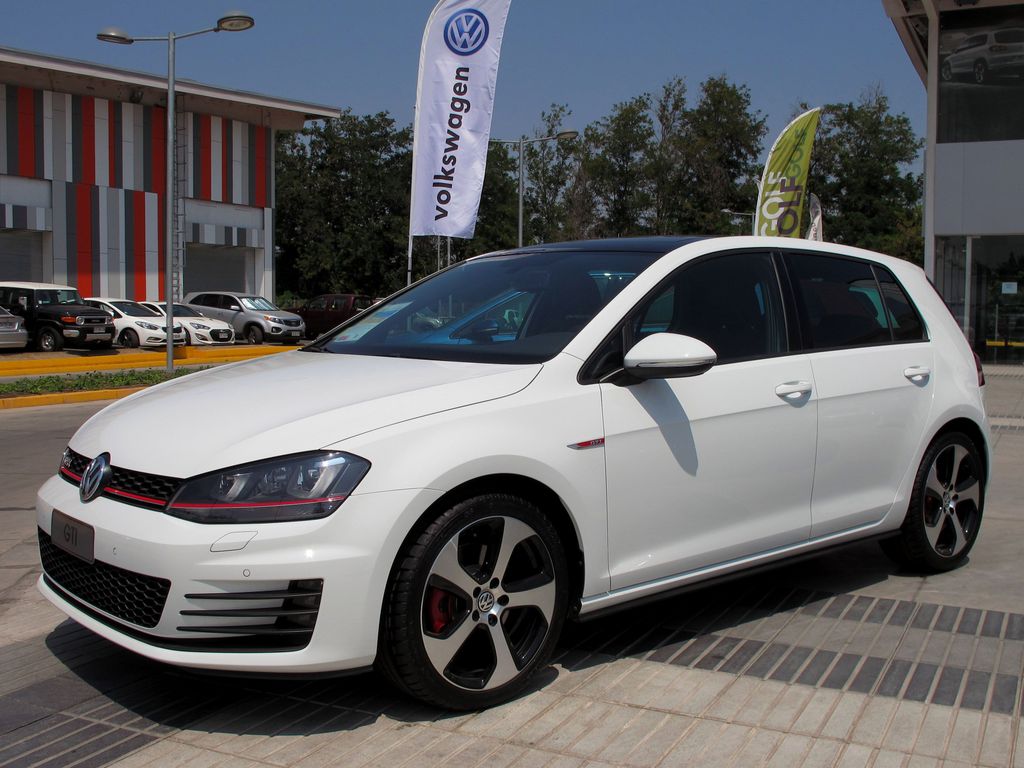
4. **Volkswagen Golf**The Volkswagen Golf hatchback has earned its reputation as one of the most durable and well-engineered vehicles in automotive history, with examples regularly surpassing 300,000 miles while maintaining structural integrity and driving dynamics. Volkswagen’s German engineering philosophy emphasizes over-building components and systems, resulting in a vehicle that feels solid and substantial.
The Golf’s longevity stems from VW’s commitment to using high-quality materials and conservative engineering approaches that prioritize durability over flashy features. Under the hood, naturally aspirated engines have proven most reliable over time. The 1.8-liter and 2.0-liter four-cylinder engines represent decades of refinement, incorporating robust internal components that withstand high mileage without major issues.
Volkswagen’s engineering team designs these powertrains with generous safety margins, using forged internals and high-quality bearings that maintain proper clearances for hundreds of thousands of miles. The transmission options, including VW’s renowned manual gearboxes and DSG dual-clutch automatics, provide smooth operation and exceptional longevity when properly maintained.
The Golf’s interior exemplifies German attention to detail and quality, with materials chosen for durability. Seats maintain support and comfort, while dashboard and trim pieces resist fading and cracking. Volkswagen’s electrical systems, while complex, use high-quality components and robust wiring that rarely develop mysterious failures. Climate control, power windows, and other features continue operating smoothly throughout the vehicle’s extended service life.
What sets the Golf apart is its ability to maintain its premium feel and driving dynamics throughout its lifespan. Suspension components, steering system, and chassis retain precision and responsiveness even at high mileage, providing an engaging and confidence-inspiring driving experience. Build quality extends to details like door hinges that never sag, interior trim that stays aligned, and paint that maintains luster with minimal care.
Car Model Information: 2018 Volkswagen e-Golf SE
Name: Volkswagen Golf
Caption: Volkswagen Golf Mk8
Manufacturer: Volkswagen
Production: 1974–present
Class: Compact car
Predecessor: Volkswagen Beetle
Successor: Volkswagen ID.3
Alt: grey car (hatchback)
Categories: 1980s cars, 1990s cars, 2000s cars, 2010s cars, 2020s cars
Summary: The Volkswagen Golf () is a compact car/small family car (C-segment) produced by the German automotive manufacturer Volkswagen since 1974, marketed worldwide across eight generations, in various body configurations and under various nameplates – including as the Volkswagen Rabbit in the United States and Canada (Mk1 and Mk5), and as the Volkswagen Caribe in Mexico (Mk1).
The original Golf Mk1 was a front-engined, front-wheel drive replacement for the air-cooled, rear-engined, rear-wheel drive Volkswagen Beetle. Historically, the Golf is Volkswagen’s best-selling model and is among the world’s top three best-selling models, with more than 35 million units sold as of 2019.
Initially, most Golfs were hatchbacks, with the three-door version being somewhat more popular than the five-door. Other variants include an estate (Variant, from 1993), convertible (Cabriolet or Cabrio, from 1979), and a Golf-based saloon called the Jetta, Vento (from 1992), or Bora (from 1999). The Golf covers economy to high-performance market segments.
The Golf has won awards, including the World Car of the Year in 2009, with the Mk6 and in 2013 with the Mk7. Along with the Renault Clio and the Vauxhall Astra, the Golf is one of only three cars to have won European Car of the Year twice, in 1992 and 2013. The Golf has made the annual Car and Driver 10Best list multiple times. The Mk7 won the Motor Trend Car of the Year award in 2015, and the Mk1 GTI also won the award in 1985. The Mk4 won for the best-selling car in Europe in 2001.
Get more information about: Volkswagen Golf
Buying a high-performing used car >>>
Brand: Volkswagen Model: Golf
Price: $14,499 Mileage: 35,058 mi.
Read more about: Reimagining Automotive Icons: The California Innovators Electrifying Classic Muscle Cars for a Sustainable Future
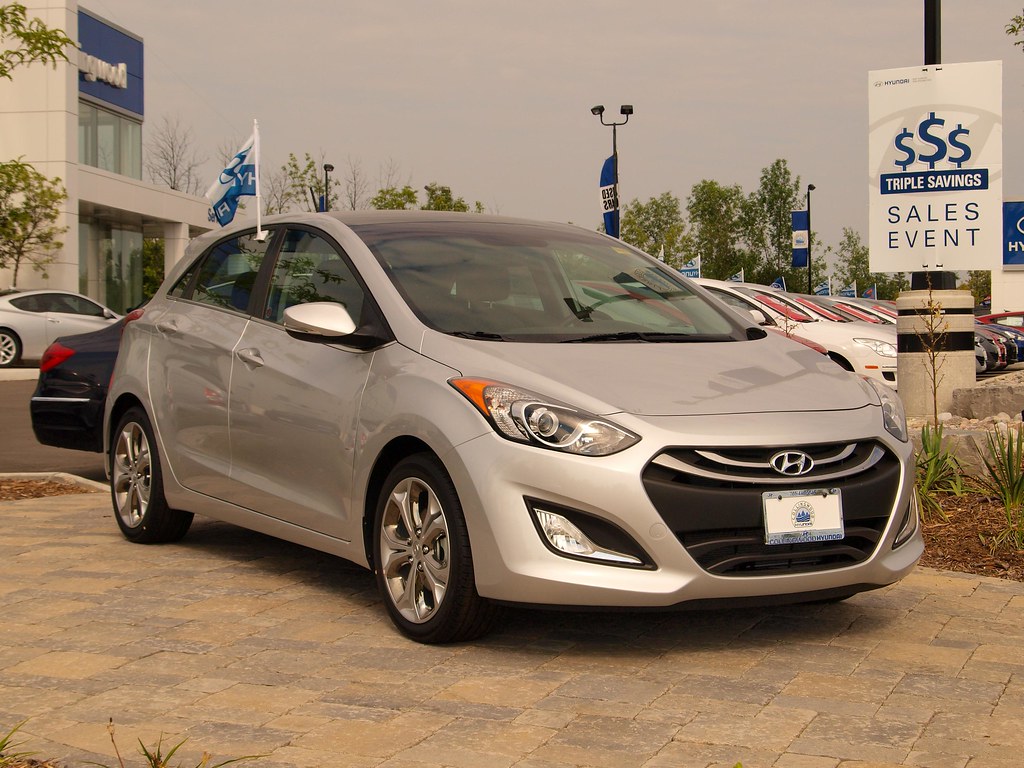
5. **Hyundai Elantra GT**The Hyundai Elantra GT represents a remarkable transformation in Hyundai’s approach to vehicle reliability and durability, showcasing improved quality while maintaining affordability. Modern Hyundai vehicles, including the Elantra GT, benefit from substantial investment in research and development, rivaling traditional reliability leaders.
Its exceptional durability stems from Hyundai’s adoption of proven technologies and commitment to extensive testing and quality control. Powering the Elantra GT is Hyundai’s thoroughly tested 2.0-liter four-cylinder engine, incorporating technologies designed to maximize longevity while providing adequate performance.
The engine features a robust bottom end with forged components and high-quality bearings that maintain proper oil pressure and clearances throughout its extended service life. Hyundai’s conservative tuning prioritizes reliability over maximum power, resulting in an engine that operates within design limits and rarely experiences premature failure. The available turbocharged 1.6-liter engine has also proven reliable.
Transmission options demonstrate Hyundai’s commitment to durability. Both manual and automatic variants are engineered for smooth operation throughout their extended service lives. The six-speed manual offers precise shifting and exceptional longevity. The automatic uses robust internals and sophisticated control systems that adapt to driving conditions while protecting components. Hyundai’s extensive warranty coverage reflects confidence in these powertrains.
Interior quality exceeds expectations for its price point, with materials selected for resistance to wear and environmental factors. Dashboard plastics maintain appearance after years of sun exposure; seat materials resist pilling and tearing. Electrical systems demonstrate exceptional reliability, using quality connectors and wiring harnesses. Even advanced features like the touchscreen infotainment system and climate control continue operating properly, testament to Hyundai’s improved quality control and component selection.
Alright, so we’ve just celebrated the unsung heroes, those budget hatchbacks that actually earn their keep and then some, defying the odds with incredible longevity. But as any seasoned gearhead knows, for every automotive triumph, there’s often a tale of caution. And when we talk about the bottom rung of the affordability ladder, particularly in the microcar segment, those tales of caution can quickly become full-blown sagas of frustration and endless repair bills.
It’s a stark contrast to the engineering marvels we just discussed. While microcars tempt buyers with irresistible low sticker prices and promises of urban maneuverability, many fall victim to aggressive cost-cutting. This isn’t just about sacrificing a plush interior; it’s about fundamental compromises in build quality, component durability, and ultimately, owner peace of mind. These are the vehicles that, according to owner forums across the internet, will likely leave you stranded and scratching your head in 2026.
Manufacturers often prioritize getting a car on the lot for the lowest possible price, hoping that initial allure will outweigh the long-term headaches. But for savvy buyers, those initial savings quickly evaporate under a barrage of electrical gremlins, premature engine wear, and component breakdowns. Forget economical transportation; these can turn into money pits faster than you can say ‘check engine light.’
So, buckle up, because we’re about to pull back the curtain on the other side of the budget car coin. These are the five microcars notorious for their reliability issues, the ones that prove that sometimes, cheap really does mean expensive in the long run. Consider this your definitive warning from the trenches of real-world ownership experience.
Car Model Information: 2022 Mitsubishi Outlander
Name: Hyundai i30
Manufacturer: Hyundai Motor Company
Aka: Hyundai Elantra Touring (North America, 2008–2012),Hyundai Elantra GT (North America, 2012–2020)
Production: 2006–present
ModelYears: 2009–2020 (North America)
Class: Compact car
BodyStyle: hatchback
Layout: Front-engine, front-wheel-drive layout
Related: Hyundai Elantra,Kia Ceed,Kia Forte
Categories: 2010s cars, All Wikipedia articles written in British English, All articles with dead external links, Articles with dead external links from September 2012, Articles with short description
Summary: The Hyundai i30 is a small family car manufactured by the South Korean manufacturer Hyundai Motor Company since 2006. The i30 shares its platform with the Kia Ceed, available as a three-door hatchback (2012–2017), five-door hatchback, five-door estate and five-door liftback (2017–present), with a choice of three petrol engines and two diesel engines, either with manual or automatic transmission.
The i30 was marketed alongside the fifth-generation Hyundai Elantra in the United States and Canada until the end of 2020. While initially the i30 wagon was sold as the Elantra Touring, in 2012 it was replaced by the i30 hatchback, carrying Elantra GT badging. The second-generation i30 was introduced in September 2011 at the Frankfurt Motor Show.
Get more information about: Hyundai i30
Buying a high-performing used car >>>
Brand: Hyundai Model: Elantra GT
Price: $21,595 Mileage: 44,296 mi.
Read more about: Watch Out: The 10 Most Stolen Car Models Dominating US Streets
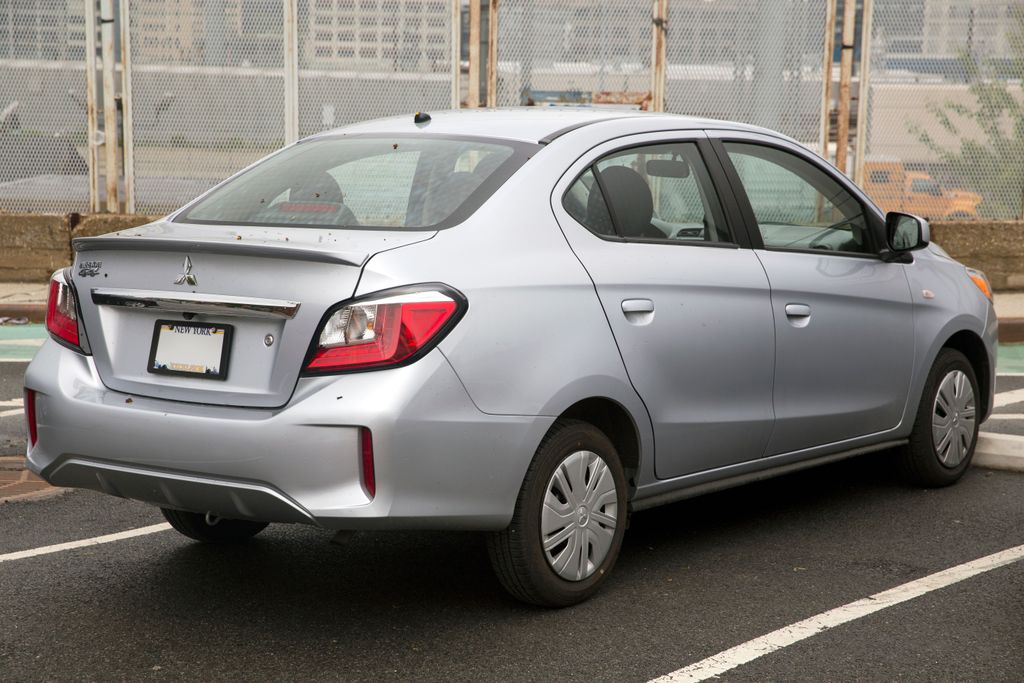
6. **Mitsubishi Mirage**The Mitsubishi Mirage, bless its fuel-sipping heart, often serves as the poster child for aggressive cost-cutting measures, and unfortunately, that strategy comes at a significant expense to reliability and owner satisfaction. While it undoubtedly nails the ‘basic transportation at a rock-bottom price’ brief, owner forums are absolutely littered with reports detailing how this affordability translates directly into compromised build quality and questionable long-term durability. It’s a classic example of a vehicle where the pursuit of a low sticker price fundamentally undermines its ability to serve as dependable transport.
Many of the vehicle’s woes can be traced back to Mitsubishi’s priorities: keeping manufacturing costs as low as possible, often at the expense of component quality and rigorous testing. Take the 1.2-liter three-cylinder engine, for instance. While it’s certainly efficient, its lightweight construction—featuring thinner castings and fewer reinforcing ribs than more robust designs—reportedly leads to premature wear and a host of potential failure points. Even the timing chain, theoretically a maintenance-free component, has a documented history of premature stretching and noise, often leading to repairs so expensive they can exceed the vehicle’s actual value. The constant, high-stress operation required from such a small engine for adequate performance simply accelerates wear on its internal components.
Then there are the transmission problems, a recurring nightmare for many Mirage owners, particularly those with the Continuously Variable Transmission (CVT). This CVT uses a belt-and-pulley system that operates under immense stress due to the engine’s limited torque, causing the belt to stretch and slip far too early in its lifespan. It’s not uncommon to hear about complete transmission failures well within the first 50,000 miles, often necessitating a full unit replacement. Even the manual transmission, while generally more robust, isn’t exempt, often suffering from poor shift quality and premature clutch wear, again, thanks to lightweight flywheels and cost-reduced clutch components.
Adding insult to injury, electrical system failures are a widespread concern among Mirage owners. Reports range from minor annoyances to outright system shutdowns. Components like the alternator, starter, and battery frequently fail prematurely, a direct consequence of undersized specifications and cost-reduced manufacturing processes. Interior electricals, including the radio, climate control, and various power accessories, are also prone to developing intermittent faults that are notoriously difficult and expensive to properly diagnose and fix. It’s a tangled web, made worse by wiring harnesses that utilize thinner conductors and lower-quality insulation, which simply deteriorate faster than they should, inviting a parade of mysterious electrical gremlins.
Car Model Information: 2023 Mitsubishi Mirage Ralliart
Name: Mitsubishi Mirage
Caption: Mitsubishi Mirage (sixth generation)
Manufacturer: Mitsubishi Motors
Production: 1978–2003,2012–present
Class: Subcompact car
Layout: Front-engine, front-wheel-drive
Predecessor: Mitsubishi Lancer (A70)
Successor: Mitsubishi Lancer#Eighth generation (2000)
Categories: 1980s cars, 1990s cars, 2000s cars, 2010s cars, 2020s cars
Summary: The Mitsubishi Mirage is a range of cars produced by the Japanese manufacturer Mitsubishi from 1978 until 2003 and again since. The hatchback models produced between 1978 and 2003 were classified as subcompact cars, while the sedan and station wagon models, marketed prominently as the Mitsubishi Lancer, were the compact offerings. The liftback introduced in 1988 complemented the sedan as an additional compact offering, and the coupé of 1991 fitted in with the subcompact range. The current Mirage model is a subcompact hatchback and sedan and it replaces the Mitsubishi Colt sold between 2002 and 2012.
Get more information about: Mitsubishi Mirage
Buying a high-performing used car >>>
Brand: Mitsubishi Model: Mirage
Price: $16,980 Mileage: 11,832 mi.
Read more about: IIHS Study Reveals The 17 Cars Where You’re Likely to Die
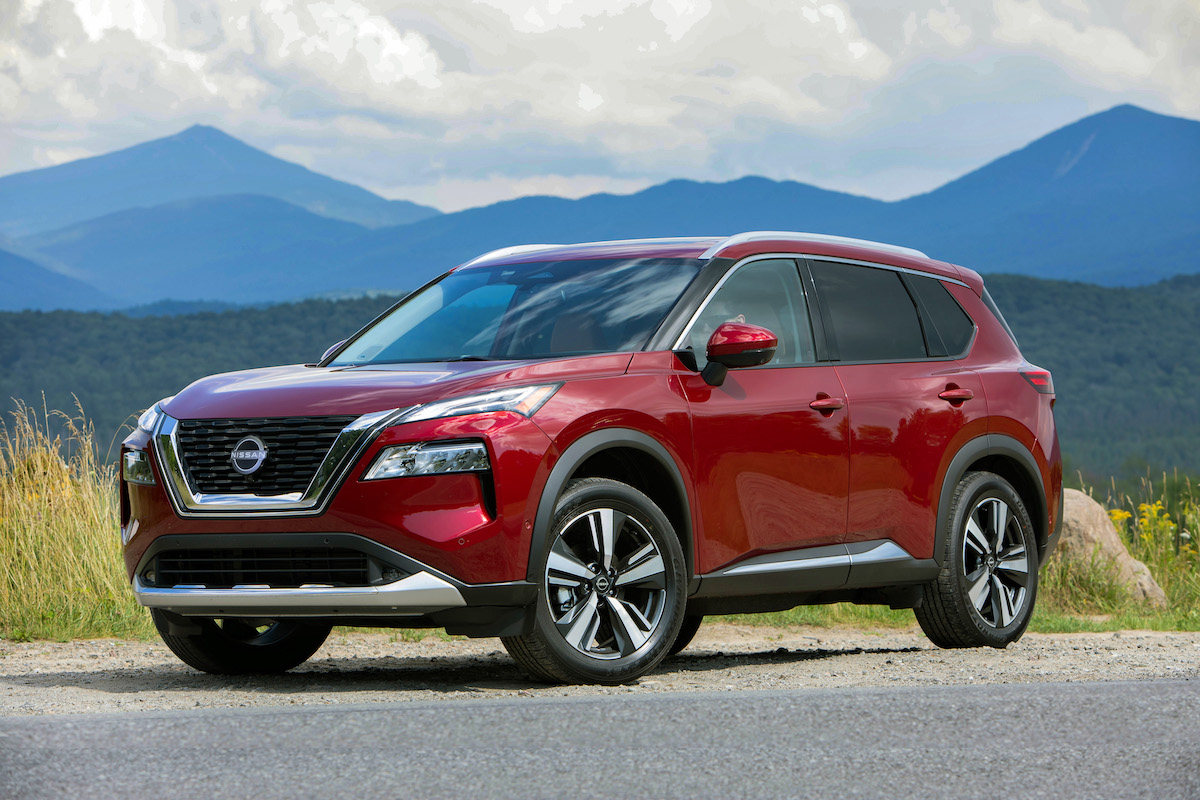
7. **Nissan Versa (Sedan variant as reference for platform issues)**While the Nissan Versa technically isn’t a microcar, its reliability issues are so pervasive and fundamental that they’re worth examining for anyone considering a budget-friendly vehicle, as they often stem from similar cost-cutting philosophies that plague smaller segments. The Versa has earned a particularly unenviable reputation among owners, primarily due to Nissan’s relentless pursuit of low manufacturing costs and aggressive pricing, which often comes at the direct expense of long-term durability and customer satisfaction. It’s a bitter pill to swallow when you realize those initial savings quickly turn into expensive repair bills.
At the forefront of the Versa’s notorious reliability woes is, without a doubt, Nissan’s infamous CVT transmission. This unit has achieved widespread notoriety for premature failures across numerous Nissan models, and the Versa is no exception. Its belt-and-pulley system operates under extraordinary stress, especially when paired with the Versa’s rather anemic engine, which forces the CVT to work overtime to deliver even adequate acceleration. Owner forums are rife with complaints of complete transmission failure occurring shockingly early, often between 40,000 and 80,000 miles, with replacement costs that can easily skyrocket past $4,000. Beyond outright failure, the CVT’s programming often results in a disconnected, sluggish, and frankly, frustrating driving experience that many owners find unacceptable, especially in demanding traffic situations.
Engine reliability also presents a significant headache for Versa owners. The 1.6-liter four-cylinder engine, while seemingly simple, has its own set of design compromises and manufacturing cost reductions that lead to problems. The timing chain, for example, has an unfortunate tendency towards premature stretching and failure, often heralded by a distinct rattling noise that signals expensive internal damage. Furthermore, the engine’s fuel injection system frequently succumbs to issues like carbon buildup and injector failures, manifesting as rough running, diminished fuel economy, and the potential for more serious engine damage if left unaddressed. And let’s not forget the cooling system, where components like the radiator, water pump, and thermostat often give up the ghost prematurely due to substandard manufacturing processes and inadequate quality control, leaving owners with costly repairs.
As if the powertrain issues weren’t enough, electrical system problems seem to plague the Versa with frustrating regularity. Owners report failures across the entire electrical architecture, from the alternator and starter to interior electronics and even critical safety systems. The vehicle’s electrical design, characterized by undersized components and cost-reduced wiring, simply proves inadequate for enduring long-term reliability. Air conditioning systems are also prone to early failures due to compressor and condenser issues, while electric power steering models often develop faults that result in a sudden and disconcerting loss of power assist. These electrical malfunctions are frequently intermittent and notoriously difficult to diagnose, leading to endless frustration for owners and often exorbitant diagnostic costs at dealerships.
Car Model Information: 2021 Nissan Versa 1.6 S
Categories: All set index articles, Articles with short description, CS1 Mexican Spanish-language sources (es-mx), CS1 Portuguese-language sources (pt), CS1 Spanish-language sources (es)
Summary: Nissan Versa is an automobile nameplate used by the Japanese manufacturer Nissan in the Americas for the following models:
According to a Nissan press release in 2008, “versa” is short for “versatile space” meant to imply the spaciousness of the interior and configurable cargo arrangements.
Get more information about: Nissan Versa
Buying a high-performing used car >>>
Brand: Nissan Model: Versa
Price: $13,741 Mileage: 42,593 mi.
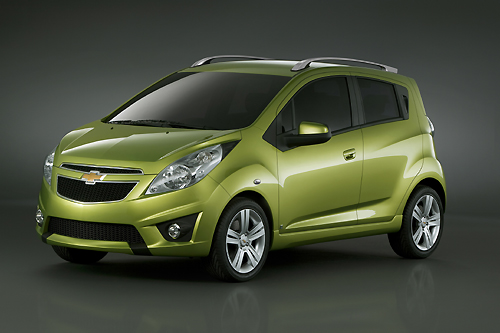
8. **Chevrolet Spark**The Chevrolet Spark, General Motors’ compact contender in the ultra-affordable microcar segment, attempts to offer economical urban transport. However, this aggressive market positioning has, by many accounts from owner forums, come at the cost of significant compromises in build quality and component durability, manifesting as a disheartening array of reliability issues throughout its service life. It’s a clear case of prioritizing an accessible price point through extensive cost-cutting, a strategy that, unfortunately, seems to affect nearly every system within the vehicle, from the very heart of its powertrain to its most minor electrical components.
The Spark’s 1.4-liter four-cylinder engine, while undeniably adequate for basic daily commuting, has garnered its share of reliability concerns that tend to surface as the mileage climbs. One major red flag is its timing belt system. While timing belts inherently require regular replacement, the quality of the belt itself and the tensioning system in the Spark often prove inadequate, leading to premature failures that can, in the worst-case scenarios, cause catastrophic and engine-destroying damage. Furthermore, the engine’s lightweight construction, with its thin-wall castings and minimal reinforcement, reportedly contributes to accelerated wear and introduces potential points of failure. Many Spark engines also seem to struggle with oil consumption issues, demanding vigilant monitoring and frequent top-offs to prevent serious engine damage.
Transmission problems are another sore spot for Spark owners, impacting both manual and automatic-equipped vehicles. The four-speed automatic transmission is a particular source of frustration, often described as utilizing outdated technology and cost-reduced components that simply aren’t up to the demands of modern driving. Reports of transmission slipping, harsh shifts, and even complete failure within the first 60,000 miles are far too common. While the manual transmission typically offers a bit more reliability, it’s not without its faults, with complaints about poor shift quality and premature clutch wear due to, again, lightweight components and an engineering approach that seemingly sacrifices durability for initial cost savings.
Perhaps one of the most significant sources of angst for Spark owners comes from its electrical system, where failures range from mere inconveniences to genuinely alarming safety concerns. The alternator, for example, frequently fails prematurely, often leaving owners stranded with dead batteries and the inevitable expense of towing. The starter motor also seems to suffer from poor longevity, with many requiring replacement within just a few years of ownership. Beyond these critical components, interior electrical systems – including the radio, climate control, and various power accessories – are prone to developing intermittent faults that are frustratingly difficult to diagnose and repair. The use of cost-reduced materials in the vehicle’s wiring harnesses means they deteriorate more rapidly than higher-quality alternatives, leading to a host of mysterious electrical problems that can drive both owners and service technicians to their wits’ end.
Car Model Information: 2013 Chevrolet Express 2500 Work Van
Name: Chevrolet Spark
Manufacturer: unbulleted list
Production: 1998–2022
Class: City car
BodyStyle: hatchback
Layout: Front-engine, front-wheel-drive layout
Predecessor: Daewoo Tico
Categories: 2000s cars, 2010s cars, 2020s cars, All articles containing potentially dated statements, All articles with unsourced statements
Summary: The Chevrolet Spark (Korean: 쉐보레 스파크) is a city car manufactured by General Motors’s subsidiary GM Korea from 1998 to 2022. The vehicle was developed by Daewoo and introduced in 1998 as the Daewoo Matiz (Korean: 대우 마티즈). In 2002, General Motors purchased Daewoo Motors, which was marketing the vehicle with several GM marques and nameplates.
The third generation was marketed globally, prominently under the Chevrolet brand in North America as the Chevrolet Spark and in Australia and New Zealand as the Holden Barina Spark. The fourth generation was launched in 2015, known as the Holden Spark in Australia and New Zealand. It also serves as the basis for the Opel Karl in Europe, Vauxhall Viva in the UK, and VinFast Fadil in Vietnam, the latter being manufactured under license.
A limited-production all-electric version, the Chevrolet Spark EV, was released in the U.S. in selected markets in California and Oregon in June 2013. The Spark EV was the first all-electric passenger car marketed by General Motors since the EV1 was discontinued in 1999, and also the first offered for retail sale by GM (the EV1 was available only on lease).
In the South Korean market, the Spark complies with South Korean “light car” (Korean: 경차, romanized: Gyeongcha) regulations, which regulate overall vehicle dimensions and engine capacity with tax and parking fee benefits.
Production of the Spark at the Changwon, South Korea assembly plant ended in 2022. The plant would instead produce the second-generation Trax.
Get more information about: Chevrolet Spark
Buying a high-performing used car >>>
Brand: Chevrolet Model: Spark
Price: $8,450 Mileage: 211,498 mi.
Read more about: Reimagining Automotive Icons: The California Innovators Electrifying Classic Muscle Cars for a Sustainable Future

9. **Smart ForTwo**The Smart ForTwo, a truly ambitious attempt to cram a functional urban vehicle into an ultra-compact footprint, unfortunately, became a stark lesson in the compromises that come with extreme design and size constraints. Owner forums are a testament to the numerous reliability issues that have plagued this distinctive vehicle throughout its service life. These problems are often a direct result of the extraordinary engineering challenges inherent in packaging automotive components into such a minuscule space, compounded by aggressive cost pressures that inevitably led to compromises in component quality and overall system durability. It’s a concept car for the city that, in practice, struggled to deliver on its promise of dependable, hassle-free motoring.
Unsurprisingly, the Smart ForTwo’s powertrain is frequently cited as its most problematic area, with the automated manual transmission earning particular notoriety for its truly abysmal operation and frequent failures. This transmission, designed to blend the efficiency of a manual with the convenience of an automatic, was deeply flawed in its execution. The clutch actuator system, a critical component, is alarmingly prone to premature failure, often leaving owners stranded and facing repair bills that can shockingly exceed the vehicle’s depreciated value. Beyond outright failure, the transmission’s notoriously jerky operation and painfully slow shift speeds create a driving experience that many owners found frustrating, to say the least, and simply unacceptable for daily use in modern traffic.
Engine reliability in the ForTwo varied depending on the specific powerplant, but most variants suffered from issues directly tied to the extreme packaging constraints and the ever-present cost-cutting measures. The naturally aspirated engines, for instance, frequently developed carbon buildup problems, often attributed to inadequate ventilation and less-than-optimal combustion chamber design, which resulted in rough running and diminished performance. The turbocharged variants, while offering more power, proved to be even less reliable, introducing additional complexity and generating more heat within an already cramped engine bay, exacerbating existing cooling challenges. Indeed, cooling system problems seemed to plague all versions, with inadequate airflow and undersized components leading to persistent overheating issues and premature component failure across the board.
Electrical system problems were another pervasive headache for ForTwo owners, once again stemming from the challenging packaging requirements and the use of cost-reduced components throughout the vehicle. The alternator and starter frequently succumbed to premature failure, a common occurrence exacerbated by heat exposure and insufficient ventilation in the tightly packed engine compartment. The vehicle’s complex electronic systems, including the crucial transmission control module and engine management system, were prone to developing perplexing faults that demanded expensive diagnostic procedures and often costly component replacements. Interior electrical components, from the climate control system to power accessories and the infotainment unit, showed a consistent pattern of poor long-term reliability, creating an ongoing source of frustration for owners and service technicians alike, effectively undermining the urban convenience it aimed to deliver.
Car Model Information: 2013 smart ForTwo passion
Name: Smart Fortwo
Manufacturer: Daimler-Benz
Aka: Smart City-Coupé (1998–2002),Smart car (colloquially)
Production: 1998–2007 (MkI),2006–2014 (MkII),2014–2024 (MkIII)
Assembly: Hambach, Moselle
Class: City car,Microcar
BodyStyle: hatchback
Layout: Rear-engine, rear-wheel-drive layout,Rear-engine, rear-wheel-drive layout
Related: Smart Roadster,Smart Forfour
Successor: Smart 2
Categories: 2000s cars, 2010s cars, 2020s cars, All Wikipedia articles written in American English, All articles needing additional references
Summary: The Smart Fortwo (stylized as “smart fortwo”) is a two-seater city car manufactured and marketed by the Smart division of the Mercedes-Benz Group for model years 1998–2024, across three generations — each using a rear-engine, rear-wheel-drive layout and a one-box design.
The first generation was internally designated as the W450, launched at the 1998 Paris Motor Show. The second generation W451-build series was launched at the 2006 Bologna Motor Show. The third generation Fortwo (2014–2024) was internally designated as the C453 build series, and debuted globally on July 16, 2014, at the Tempodrom in Berlin along with a closely related four-door version, the Smart Forfour, co-developed and sharing the same platform and engines with the third-generation Renault Twingo.
Marketed in 46 countries worldwide, Fortwo production had surpassed 1.7 million units by early 2015.
The brand name Smart supposedly derives from its early history as a cooperative venture between Swatch and Mercedes: Swatch Mercedes ART. The Fortwo nameplate derives from its two-person seating capacity. Until 2002, the Fortwo had been marketed as the smart City-Coupé.
Get more information about: Smart Fortwo
Buying a high-performing used car >>>
Brand: Smart Model: ForTwo
Price: $6,950 Mileage: 31,704 mi.
Read more about: For Snow Belt Residents: A Deep Dive into the 10 Worst Winter-Ready Vehicles on the Market Today
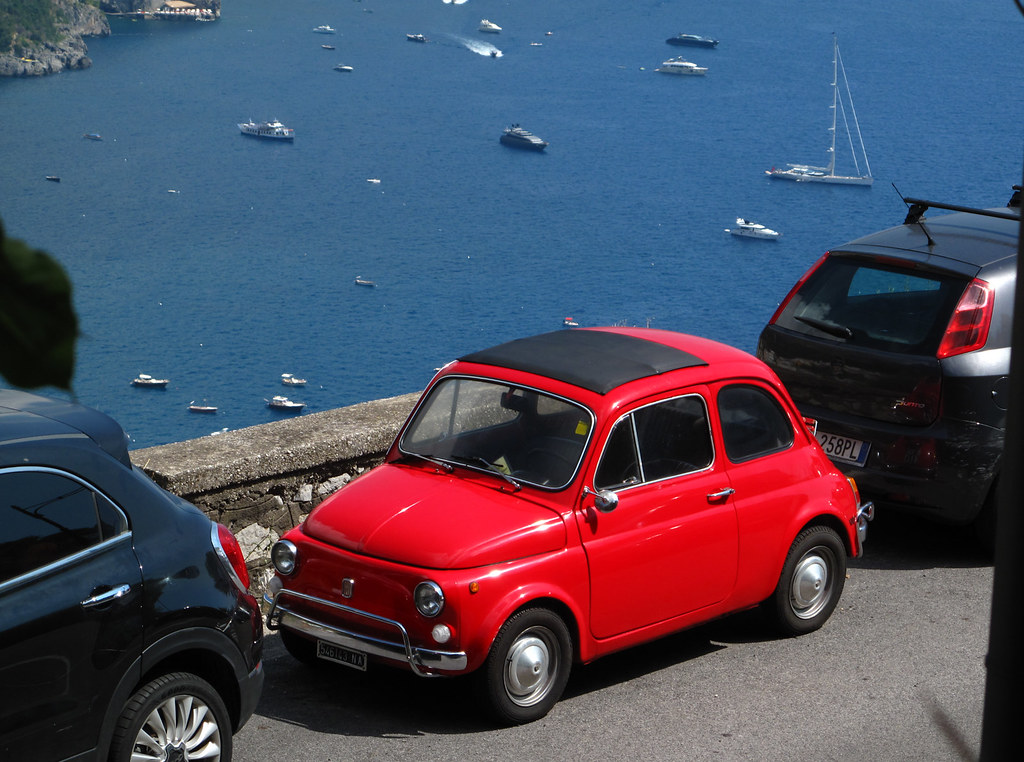
10. **Fiat 500**The Fiat 500, with its undeniably charming, retro-chic appearance and clever compact concept, captivated many buyers looking for a dose of European flair in a small package. However, beneath that stylish exterior, owner forums tell a consistent story of numerous reliability issues that unfortunately echo Fiat’s historical struggles with build quality and component durability. The vehicle’s problems are a complex cocktail of design compromises, manufacturing cost reductions, and the inherent challenges of adapting European specifications for different markets. These collective issues have cemented a reputation for unreliability that significantly impacts owner satisfaction and, rather painfully, the car’s resale values.
Fiat 500’s engine lineup has proven to be a particularly problematic area, with the turbocharged variants showing a heightened vulnerability to premature failure. The 1.4-liter MultiAir engine, while technologically innovative with its complex variable valve timing system, proved troublesome in real-world applications. The MultiAir system frequently developed faults that directly impacted engine performance and fuel economy, and to make matters worse, repairs often demanded specialized knowledge and expensive replacement parts, turning routine maintenance into a financial ordeal. Furthermore, like some of its peers, the engine’s timing belt system, despite requiring regular maintenance, was prone to issues with belt quality and tensioning, often leading to premature failures that could result in expensive internal engine damage, a risk no budget buyer wants to take.
Transmission problems represent another significant and widespread concern for both manual and automatic-equipped Fiat 500s. The dual-clutch automatic, in particular, has earned a reputation for considerable reliability issues. Its complex electronic control systems were prone to developing faults that adversely affected shift quality and overall operation, while the dual-clutch mechanism itself proved vulnerable to premature wear and outright failure. Many owners reported transmission problems well within the first 50,000 miles, frequently requiring complete unit replacement at costs that could unfortunately approach or even exceed the vehicle’s depreciated value. Even the manual transmission, while generally more reliable than its automatic counterpart, often suffered from poor shift quality and premature clutch wear, again, attributable to lightweight components and manufacturing processes focused on cost reduction rather than long-term robustness.
Electrical system failures complete the trifecta of reliability headaches in the Fiat 500, with owners reporting a gamut of problems across the vehicle’s electrical architecture. The alternator and starter, for example, frequently failed prematurely, often exacerbated by heat exposure and inadequate cooling within the compact engine compartment. The car’s more complex electronic systems, including critical body control modules and the infotainment system, were prone to developing intermittent faults that proved notoriously difficult and expensive to diagnose and repair. Interior electrical components—such as power windows, door locks, and climate control systems—demonstrated a consistent lack of long-term reliability, creating an ongoing source of frustration for owners and generating significant repair expenses that far exceeded reasonable expectations for a vehicle in this price class. It quickly became clear that the Fiat 500’s charm couldn’t outweigh its mechanical shortcomings, leaving many owners with a stylish but problematic possession.
Car Model Information: 2013 FIAT 500 Abarth
Name: Fiat 500
Caption: 1970 Fiat 500 L
Aka: Puch 500
Manufacturer: Fiat Automobiles
Production: 1957–1975,3,893,294 units
Assembly: Turin,Desio
Designer: Dante Giacosa
Class: City car
BodyStyle: ubl
Layout: Rear-engine, rear-wheel drive layout
Doors: Suicide door,Car door#Conventional
Related: Autobianchi Bianchina,NSU/Fiat Weinsberg 500,Vignale Gamine,Autobianchi Giardiniera
Engine: Cubic centimetre,499 cc I2,594 cc I2
Transmission: Manual transmission
Wheelbase: {{convert,1840,mm,in,1,abbr=on
Abbr: on
Length: 2970 mm
Width: 1320 mm
Height: 1320 mm
Weight: 499 kg
Predecessor: Fiat 500 “Topolino”
Successor: Fiat 126,Fiat 500 (2007)
Sp: uk
Categories: 1960s cars, 1970s cars, All Wikipedia articles written in British English, All articles with unsourced statements, Articles containing Italian-language text
Summary: The Fiat 500 (Italian: Cinquecento, pronounced [ˌtʃiŋkweˈtʃɛnto]) is an economy / city car that was manufactured and marketed by Fiat Automobiles from 1957 until 1975. It was sold as a two-door semi-convertible or saloon car and as a three-door panel van or estate car.
Launched as the Nuova (new) 500 in July 1957, as a successor to the 500 “Topolino”, it was an inexpensive and practical small car. Measuring 2.97 metres (9 feet 9 inches) long, and originally powered by a rear-mounted 479 cc two-cylinder, air-cooled engine, the 500 was 24.5 centimetres (9.6 inches) smaller than Fiat’s 600, launched two years earlier, and is considered one of the first purpose-designed city cars.
In 1959, Dante Giacosa received a Compasso d’Oro industrial design prize for the Fiat 500. This marked the first time a Compasso d’Oro was awarded to an automotive manufacturer.
Get more information about: Fiat 500
Buying a high-performing used car >>>
Brand: Fiat Model: 500
Price: $11,995 Mileage: 35,154 mi.
Read more about: Reimagining Automotive Icons: The California Innovators Electrifying Classic Muscle Cars for a Sustainable Future
There you have it, a stark look at the two sides of budget car ownership as we head into 2026. On one hand, you have the unsung heroes, the hatchbacks that embody engineering excellence and offer years of dependable service. On the other, we’ve just peeled back the layers on microcars that, despite their initial appeal, often become a source of endless headaches and unexpected expenses, fundamentally contradicting their promise of affordability. As the market for genuinely cheap new cars shrinks, and prices for even the entry-level models creep upward, making an informed decision about reliability has never been more critical. Choose wisely, because in the world of budget cars, saving a little upfront can cost you a lot down the road.